Stanbic Bank
Stanbic Bank
21.2 C
Kampala
Stanbic Bank
Stanbic Bank
Home Blog Page 2044

Numbers of Ugandan visitors to Kenya rises

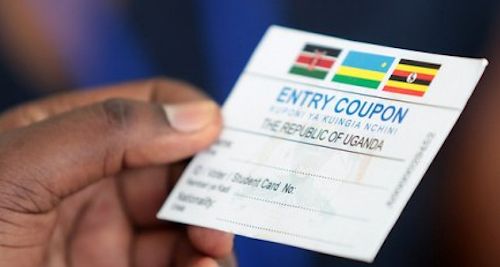
COMMON VISA: A coupon of the Common Visa issued to tourists to visit Kenya, Uganda and Rwanda.

Over fifty thousand Ugandans visit Kenya every month, the Kenyan Minister of Tourism Najib Balala has announced. According to Mr Balala, the number of Ugandan arrivals to his country has surpassed that of neighbours Tanzania by about 20.000 people.

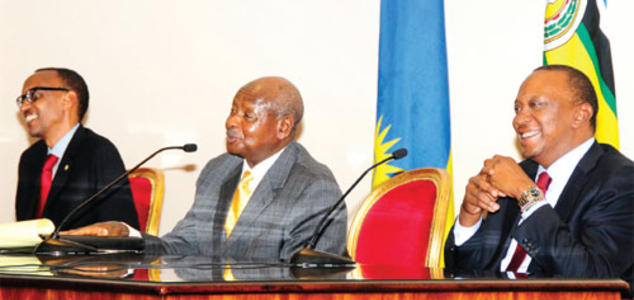
SIGNED: The three EAC leaders who signed the Common Visa initiative. (L-R) Paul Kagame of rwanda, Yoweri Museveni of Uganda and Uhuru Kenyatta of Kenya. Photo/wordpress.com

Mr Balala made the revelation following a decision by Tanzania to distance itself from the ‘common visa’, a previously planned tourism incentive aimed at having tourists jointly visit all the five East African countries at a flat rate. However, only three countries: Kenya, Uganda and Rwanda have embraced the initiative that costs a tourist US$100. Usually, an entry visa to a single East African country costs US$150, meaning tourists had to part with US$450 to visit all the three countries.

According to media reports, the joint visa has been issued to 4,000 tourists who will be visiting the three countries now dubbed ‘the coalition of the willing’ and, in a media briefing Balala said Tanzania was wary of competition from Kenya.

“Tourists who will be moving between the three countries that form the coalition will now be using a common visa that will be charged at $100 (Sh10,122) instead of $150 (Sh15,183) that each country charged before,” Mr Balala said.

“The coalition of the willing has also agreed to have a common East Africa stand at the world Travel Market to be held in London on November 7. The stand has been dubbed ‘borderless East Africa’, but Tanzania will not be part of it,” he said and added: “I want to encourage Tanzania to join us. Our doors are open.”

The latest cold shoulder comes just months after Tanzania declined to sign the Economic Partnership Agreement (EPA) between EAC and European Union (EU).

The EPA deal shunned by Tanzania would have allowed commodities from East Africa to access European markets duty-free, but was opposed by Tanzanian authorities who argued that it would not benefit local industries and ‘needed time to consult widely’.


Stories Continues after ad

Kenya turns focus for AU chair bid to SADC

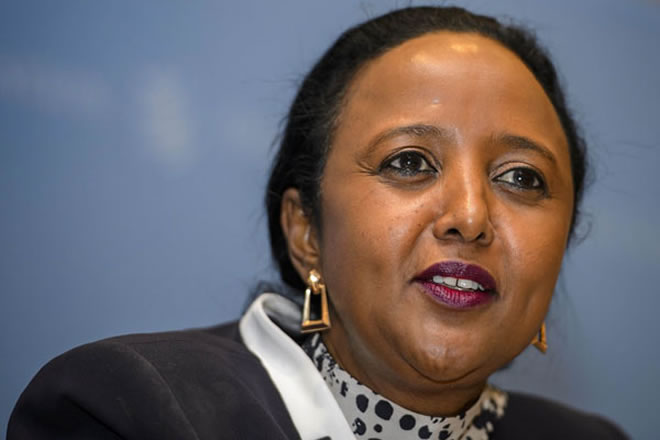
FLOATED FOR AU CHAIR. Kenya's Cabinet Secretary for Foreign Affairs and International Trade Amb. Amina Mohamed

After successfully edging out the formerly endorsed East African candidate Dr Speciosa Wandira Kazibwe for the Africa Union top job, neighbouring Kenya is now lobbying southern African countries to support its Foreign Affairs Cabinet Secretary Amina Mohamed’s candidature.

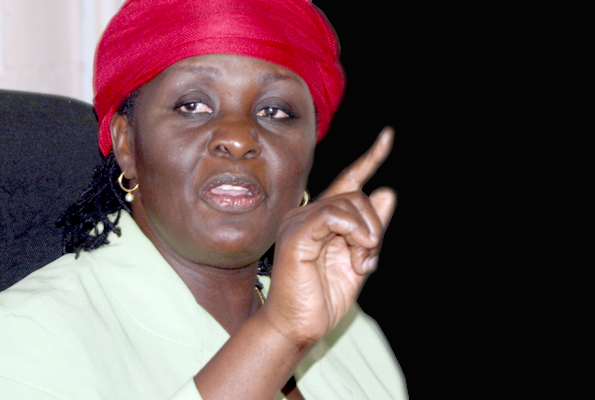
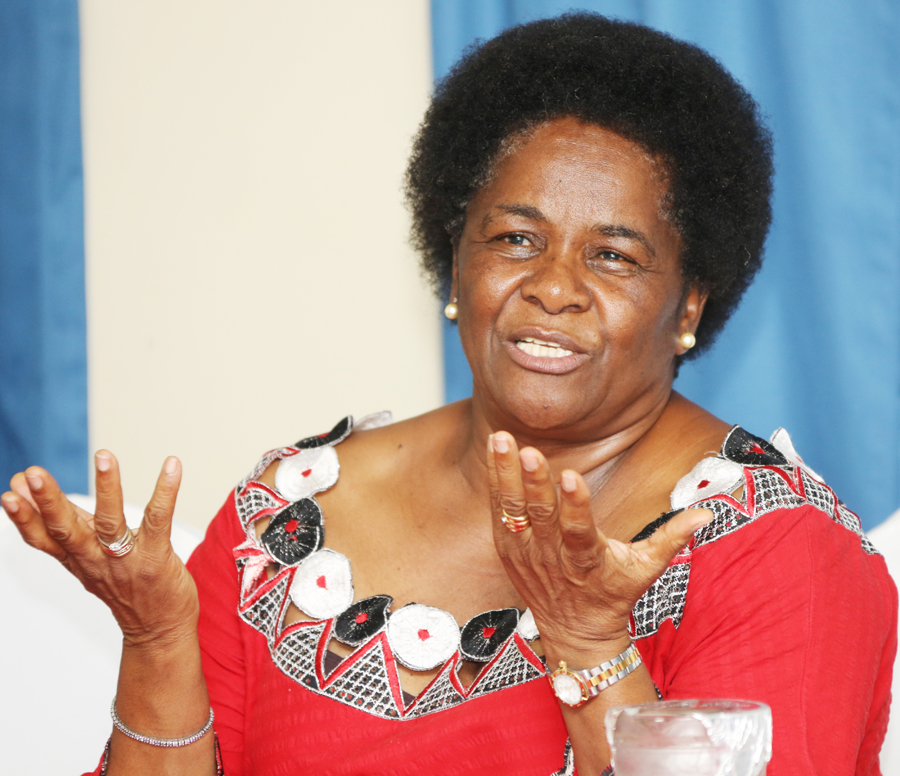
Uganda's former candidate for the AU chairperson post Dr Specioza Wandira Kazibwe
Uganda’s former candidate for the AU chairperson post Dr Specioza Wandira Kazibwe

Last week the Uganda government asked Dr Wandira Kazibwe to bow out of the AU Chairperson race, with foreign affairs Permanent Secretary James Mugume saying the competition level is not in favour of the ‘Pearl of Africa’, a development that paved the way for Kenya to leverage for its foreign affairs CS.

AU RACE: SADC contender Dr Pelonomi -Venson Moitoi, who is currently Botswana's foreign minister.
AU RACE: SADC contender Dr Pelonomi -Venson Moitoi, who is currently Botswana’s foreign minister.


And now sources privy to closed-door discussions between President Uhuru Kenyatta and South African President Jacob Zuma in Nairobi, have revealed that Kenya was pushing to have Botswana’s Foreign minister, Pelonomi Venson-Moitoi, who has also declared an interest in the position, to shelve her ambitions.

Although both leaders steered clear of the matter in public statements, President Zuma, whose former wife, Nkosazana Dlamini-Zuma, is the incumbent, is understood to have promised to raise the matter with the Southern African Development Community (SADC). “The matter was discussed by the two Presidents on the need to have Dr Venson-Moitoi withdraw his candidature in favour of Dr Mohammed. President Zuma did not give his government’s position and asked for more time to engage the SADC members,” revealed a Kenyan diplomat who asked not to be named.

“President Zuma is optimistic Kenya’s candidate will get the backing of SADC and only then will he make his position public,” he added.

One reason cited for getting Venson-Moitoi to withdraw is the fact that Dr Dlamini-Zuma is from the same region.

President Kenyatta recently disclosed that Kenya had submitted Dr Mohammed’s candidacy for the position in an election to be held in Addis Ababa, Ethiopia, in January. Other countries eyeing the position and that have submitted the names of their candidates are Equatorial Guinea, Senegal, Chad and Somalia.

Stories Continues after ad

City businessman Sebalamu loses land title over fraud

ENVIRONMENT DEGRADATION: One of the wetlands being encroached upon in the Kampala suburbs.Photo credit/agreeneastafrica.files.wordpress.com

The Minister for Lands Housing and Urban Development, Betty Amongi, has ordered the cancellation of a land title belonging to renowned city businessman John Sebalamu over fraud and wetland encroachment.
Appearing before the Parliament’s Committee on Natural Resources, minister Amongi said the Sebalamu’s actions were a manifestation of fraud and immediate action had to be taken.

While following up on illegal sand mining in Lwera wetlands in Kalungu district, the committee established that Capital Estates Limited, a company owned by Sebalamu, acquired the title from former minister Joash Mayanja Nkangi in a record time of less than an hour.
In 2010 the National Environmental Management Authority (NEMA) named 100 individuals and companies that had encroached on wetlands in several parts of the country.

Among these were Sylvia Owori (the land which she later sold to city businessman Ham Kiggundu, where his multi-billion residential house is built); Speke Resort and Country Lodge Munyonyo, Peter Oboma, John Imaniraguha, Uganda Meat Industry Limited, Shumuk Investments Limited and the National Social Security Fund (NSSF).
Government recently announced a massive cancellation of all land titles in wetlands but several businessmen and high profile politicians are still in possession of such titles.


Stories Continues after ad

KCB funds Ugandan entrepreneur’s trip to China

SEND OFF: KCB Managing Director Joram Kiarie at the flagging off of the SME entrepreneurs to China.

A group of small and medium enterprises (SMEs) under the Kenya Commercial Bank (KCB) Business Club are set to benefit from a networking and learning trip to China sponsored by the bank.

The trip, an effort by the bank to support growth of the SME sector in Uganda, is set to equip the entrepreneurs with knowledge on how to better run their businesses and improve productivity.

Speaking during the flag off, KCB Managing Director Joram Kiarie said the trip would help the SME entrepreneurs create business linkages.

“China is the business hub for most of our SME customers and most of the imports in Uganda today come from China; this trip will benefit our SMEs create linkages, meet new stakeholders and provide new opportunities for them to be able to grow their businesses and get new entrepreneurial ideas,” Mr Kiarie said.

He added: “China has a lot of exposure, the SMEs will be exposed to more and new possibilities as far as manufacturing, agro-processing and industrialization is concerned.”

The 10-day trip is scheduled to correspond with the world’s largest business fair, Carlton Fair in Guangzhou, where the SME entrepreneurs will be able to leverage on both import and export opportunities.

“We are going to help create linkages for the SMEs with their China counterparts,” said Godfrey Ssenteza, the KCB head of SMEs, adding: “This is a platform to grow our SMEs into corporates and the only way to do it is to expose them to big markets like China.”

Statistics by the Uganda Investment Authority released this year indicate that over 2.5 million people are employed in the SME sector, which accounts for approximately 90% of the entire private sector, generating over 80% of manufactured output.

However, the industry still faces constraints like lack of knowledge of opportunities in foreign markets.

Stories Continues after ad

Uganda, UK MPs to exchange visits

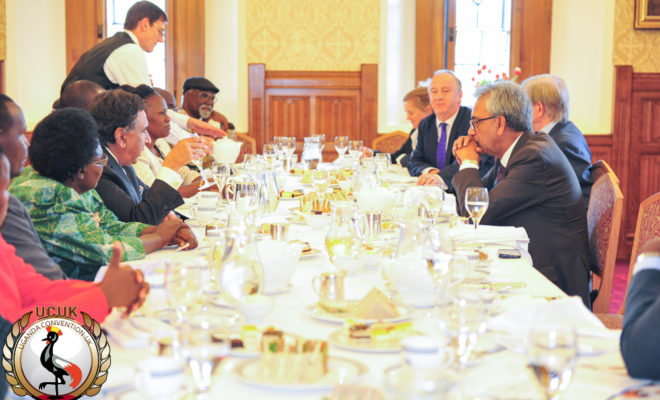
CORDIAL: A delegation of Ugandan MPs led by Cecilia Ogwal that was hosted by their UK counterparts led by Ugandan-born Briton Lord Skeikh. Photo/courtesy.

Ugandan and United Kingdom Members of Parliament will soon hold exchange visits and will also establish a joint parliamentary group to facilitate cooperation.

The resolution follows a meeting held in London between a group of Ugandan legislators led by Dokolo Woman MP Cecilia Ogwal, who is also a parliamentary commissioner, and their British counterparts led by Ugandan-born Lord Sheikh.

The Lord Sheikh, who hosted the group, was joined by other Members from the House of Lords including Lord Popat, the Prime Minister’s Trade Envoy to Uganda and Rwanda; Ms. Pauline Latham OBE MP for Mid Derbyshire and Sir William Cash, Chairman African Parliamentary Group (APG) among others.

During the meeting the two groups deliberated on a number of issues among them the revival of Uganda Airlines, which they said, would greatly improve business opportunities for the citizens of the two countries.

The Ugandan delegation, which was in the UK to attend to 6th Uganda Convention late last month, also sought to have big UK business names like Marks and Spencer, HM and Primark invest in Uganda. They also decried the challenges involved in obtaining the UK visa, prompting Lord Popat to ask them to communicate officially so as to enable him take up the matter with the UK foreign minister.

On their part the UK delegation told the Ugandan MPs about their leaving the European Union (Brexit) and the benefits available to Uganda and Britain’s revival of its relations with Africa at her ‘own terms and conditions’.

Members of the Uganda delegation included MPs Cecilia Ogwal Atim, Alex Byarugaba, the Chairperson Committee on Natural Resources; Sarah Najjuma of the Committee on Gender, Labour & Social Development; Nantume Egunyu Committee on Local Government Accounts; Andrew Baryayanga Aja and Norah Bigirwa (Committee on Natural Resources); and Anthony Okello, Vice Chairperson Finance Committee.

Other members of the delegation were parliamentary staff among them Agnes Nabasumba Amooti, the Senior Public Affairs Officer and Diaspora Desk Coordinator; Jackie B. Guma, the Legal Counsel on Diaspora issues; Moses Kyaligonza, the Data Analyst in Leader of Opposition (LoP) Office and Willy Mutenza, the Chairman of the UK Trade and Investment Convention.


Stories Continues after ad

Kagame launches drone blood delivery system

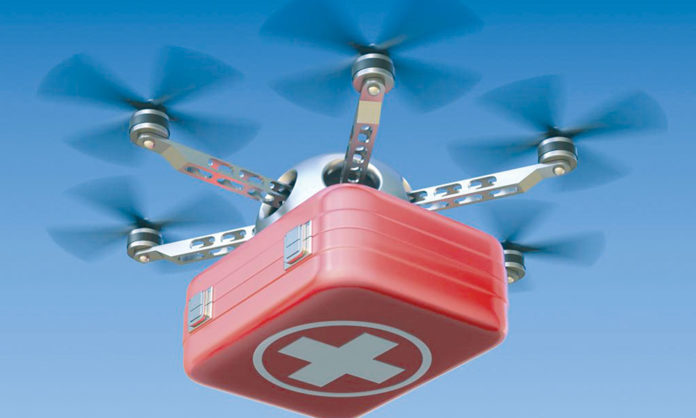
BLOOD DELIVERY: A drone delivers blood

Rwandan President Paul Kagame will formally announce the launch of the drone blood delivery program at a ceremony in Kigali today.

The drones, manufactured by California robotics company Zipline, will begin delivering blood to 21 transfusing facilities in the remote areas of western Rwanda, where poor roads and healthcare infrastructure have often made it difficult to reach patients in need.

Zipline announced its partnership with the Rwandan government earlier this year, and has spent the last several months testing its launch system at a distribution center in the Muhanga region.

The distribution center houses 15 custom-built drones, known as ‘Zips’ which can fly up to 150 kilometers, round-trip, and carry up to 1.5 kilograms of blood. Hospitals can order blood via text message and have it parachuted to their location in 15 minutes, on average, eliminating the need for onboard refrigeration or insulation.

Drone delivery systems have been slow to take off in the US, but the Rwandan government has fully embraced the technology. The country formalized drone regulations earlier this year, and is currently building a drone airport that is scheduled for completion in 2020. The hope is that Zipline’s system can help reach people in desperate need of transfusions, including mothers suffering from postpartum hemorrhaging, which is the leading cause of maternal mortality worldwide.

“I think a lot of people are very cynical in terms of drone delivery because it’s just not practical,” says Zipline CEO Keller Rinaudo, in part because standard quadcopters can fly for a limited range. But with Zipline’s fleet, he says, “you can do hundreds of deliveries a day, where each delivery is potentially saving a human life.”

Zipline began its first blood deliveries this week, and plans to expand to eastern Rwanda by early next year. Rinaudo says deliveries in western Rwanda will reach about 7 million people, covering an area of around 7,000 square miles.

Zipline has also partnered with UPS and GAVI, the Bill Gates-backed vaccine fund, to explore how the system could be used to deliver vaccines and other medicines.

Rinaudo says the company is also looking to expand to other countries across East Africa.


Stories Continues after ad

No military assistance to SPLA – US

ADVERSARIES: South Sudan President Salva Kiir with his former First Vice President Riek Machar

The US has revived calls to suspend financial aid to the South Sudan government over massive corruption and gross human rights violations, dismissing recent reports by the local media that the US had provided military assistance to troubled country.

A statement released by the US embassy in Juba on Thursday disclosed that the American law currently prohibits new assistance to Juba until the government takes effective steps to end hostilities and pursue good faith negotiations for a political settlement of the current conflict.

“Following the outbreak of the conflict in December 2013, the US government suspended its programme of non-lethal assistance to the SPLA.

“This programme, which operated from 2006-2013, was designed to help professionalise the SPLA and was developed by the United States at the request of the late Dr John Garang de Mabior.

“The US government has not resumed operation of this programme and has not provided military assistance to the Government of the Republic of South Sudan (GORSS) or to the armed opposition since December 2013,” the statement reads.

The other conditions for the US financial aid include providing access for humanitarian organisations; ending the use of child soldiers; protecting freedoms of expression, association and assembly; reducing corruption related to the extraction and sale of oil and gas; and establishing strong democratic institutions.

“The United States continues to urge South Sudan to take these steps which we believe would substantially contribute to stabilisation and development,” the statement reads.

An important exception to this prohibition was humanitarian assistance, according to the statement.

The US has provided nearly $1.9 billion in emergency humanitarian assistance to the people of South Sudan since December 2013.

The release, however, acknowledged that the US had provided support to the regional effort by the African Union to counter the Lord’s Resistance Army, which includes a limited SPLA role and also provided support to the security institutions established by the Agreement on the Resolution of the Conflict in South Sudan.

The world’s supper power further expressed serious dismay at the use of child soldiers in the young nation to fight for the interests of political leaders.

The South Sudan conflict has rendered at least 2.7 million people homeless, according to the UN.

South Sudan continues to experience widespread violence since Dr Riek Machar fled from Juba in July and was quickly replaced by his former Chief Negotiator General Taban Deng Gai as vice-president.


Stories Continues after ad

EAC, Oxford University explore areas of cooperation

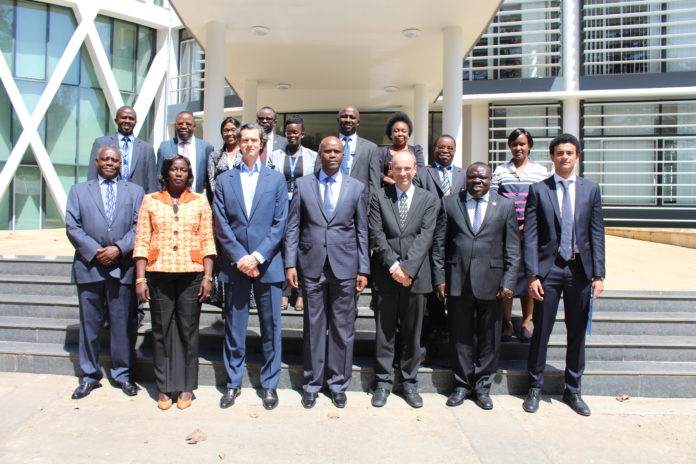
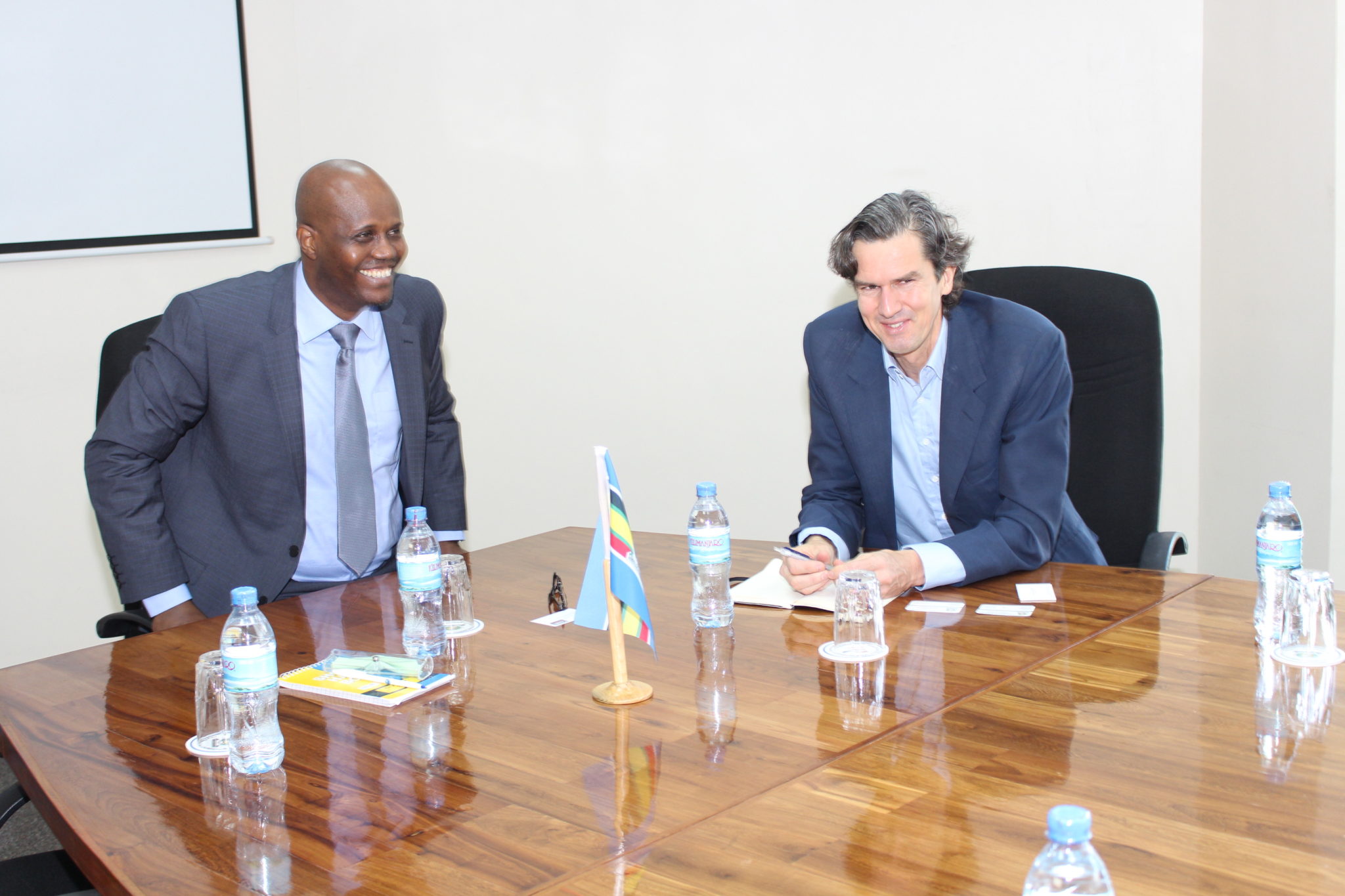
FULL COOPERATION: EAC Secretary General Amb. Liberat Mfumukeko (fourth right) with Oxford University's Stephen Peel (third left) with other EAC and Oxford University officials outside the EAC Headquarters in Arusha, Tanzania.

A delegation from Oxford University in the United Kingdom led by Stephen Peel has concluded a two-day working visit to the East African Community Headquarters, with the aim of exploring possible avenues of establishing mutually beneficial long-term collaboration between the University and the EAC.

EAC Secretary General Amb. Liberat Mfumukeko with Oxford University's Stephen Peel before the two held bilateral talks at the EAC Headquarters in Arusha.
EAC Secretary General Amb. Liberat Mfumukeko with Oxford University’s Stephen Peel before the two held bilateral talks at the EAC Headquarters in Arusha.

Welcoming the officials to the EAC headquarters Secretary General Amb Liberat Mfumukeko hailed Oxford University for expressing interest to support the Community to achieve it integration agenda.

The Secretary General briefed his guests on the progress the EAC had made in implementing the Customs Union and the Common Market protocols and preparations towards a Monetary Union, adding that there were high expectations among the people of East Africa to ensure that the three protocols were fully implemented.

Amb. Mfumukeko said that EAC was focused on building a firm base for East Africans through increased competitiveness, value added production, trade and investments and industrial development, all of which would be achieved through implementation of the pillars of integration.

The Secretary General said that “the proposed collaboration between Oxford University and the EAC would provide an effective and practical way to foster advancement of knowledge and build the Community’s institutional and research capacity of the Community.”

On his part, Mr. Peel applauded the EAC for the impressive progress made so far in deepening the regional integration agenda and said that Oxford University was keen on strengthening its relations with the EAC.

Mr. Peel said the University was keen on making a contribution to sustainable economic growth and industrial development to ensure attainment of the EAC integration agenda.

“Promoting industrial development is a crucial element for driving systematic and progressive socio-economic development as well as promoting a country’s or region’s competitiveness in the international economic order,” said Mr. Peel.

Amb. Mfumukeko and the University team agreed to explore possible areas of collaboration in capacity building for EAC staff through on-the-job training and executive education programmes as well as joint research projects and studies.

These joint initiatives will inform decision making, facilitate implementation of the Protocols and increase the Community’s capacity to negotiate trade agreements.

During the meeting, the Secretary General was accompanied by Hon. Christophe Bavizamo, the EAC Deputy Secretary General in charge of Productive and Social Sectors, Hon. Jesca Eriyo, the Deputy Secretary General in charge of Finance and Administration and other senior officials from the EAC Secretariat.


Stories Continues after ad

UN dispatches top conflict prevention envoy to Burundi

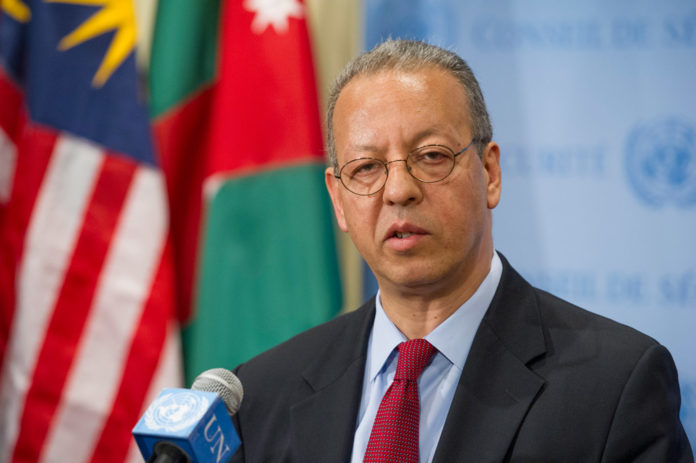
UN SPECIAL ENVOY ON CONFLICT PREVENTION TO BURUNDI: Jamal Benomar

The Security Council will dispatch a senior United Nations envoy to consult with officials in Burundi to ‘find a way forward on all issues related to peace and security and UN activities in the country.

This is after the Government of Burundi earlier rejected a Council resolution on establishing a police officers’ component there and amid reports that it will withdraw from the International Criminal Court (ICC).

Briefing reporters after closed-door consultations with the Security Council, Jamal Benomar, the Special Adviser to the Secretary-General for Conflict Prevention (including Burundi), said he had discussed implementation of its Resolution 2303 (2016), which authorized up to 228 UN individual police officers for the component, to be deployed in the capital, Bujumbura, and throughout Burundi, for one year.

Through that measure, adopted by 11 votes in favour to none against with four abstentions (Angola, China, Egypt, Venezuela), the Council also expressed ‘its intention to pursue targeted measures against all actors, inside and outside Burundi, who threaten the peace and security of Burundi’.

“As you are aware, the Government of Burundi rejected key provisions of the resolution shortly after it was adopted,” said Mr. Benomar, explaining that Council members requested that he travel to the country in order to consult with the Government, ‘to hear their positions and concerns, to share the views of the Council, and to clarify our objectives’.

Stressing that he will endeavour to consult constructively with the Government in order to work towards a consensual way forward, he stated: “What started as a political crisis can only be resolved by a political solution.”

Mr. Benomar said Burundians proved this themselves a decade ago, when they emerged from a long civil war that saw hundreds of thousands of people killed and displaced. “With the support of the region and the international community, Burundian stakeholders worked together then to come to an agreement that provided a sound framework for a stable future.”

In the years that followed, Burundi made important strides towards peace and development. As an important contributor to UN and African Union peacekeeping troops, Burundi itself helped other countries to find stability, he noted.

“Burundi’s future rests in Burundi’s hands. I am confident that with political will and leadership, the Burundians can find a way out of this crisis through dialogue and compromise,” he said.

Responding to questions, including whether he would raise the issue of the country’s reported decision to suspend cooperation with UN human rights officials and also to withdraw from the ICC’s founding Rome Statute, Mr. Benomar said he hoped to discuss all issues on the table.

“What we need is a renewed engagement with the Government with a view to clarify the objectives of the resolution and cooperate on finding a way forward on all issues related to peace and security and UN activities in the country,” he concluded.

Yesterday, Spokesperson Stéphane Dujarric told reporters at the daily noon briefing at UN Headquarters that while the Organization is disappointed to learn of the Government’s decision to cease cooperation with the Office of the UN High Commissioner for Human Rights, the Office would nevertheless “remain open pending further discussions.”

Further, Mr. Dujarric said that while he had heard reports of the Burundian Parliament voting to withdraw from the ICC and a letter reportedly being sent to the UN, no such letter had been received as of today indicating their decision.

“Obviously, if a letter were received, it would be regrettable, but I think it’s also important to note that, according to the provisions of the Rome Statute, such a decision would become effective one year after notification, he said, explaining that State parties that decide to withdraw are still obligated to cooperate with any criminal investigations or proceedings that were commenced before the effective date of the withdrawal.

Burundi was thrown into crisis more than a year ago when President Pierre Nkurunziza decided to run for a controversial third term that he went on to win. To date, it has been reported that hundreds of people have been killed, more than 250,000 have fled the nation, and thousands more have been arrested and possibly subjected to human rights violations.


Stories Continues after ad

Uganda wins telecommunications top job

WINNER: Eng Patrick Masambu, the incoming Director General of the International Telecommunications Satellite Organisation (ITSO) together with the ICT minister Frank Tumwebaze Kagyigyi and another official.
A Ugandan engineer, Patrick Masambu, has won the coveted job of Director General of the International Telecommunications Satellite Organisation (ITSO).

In the first round of voting Eng. Masambu beat two other candidates from France and Spain to the ITSO job, qualifying for the second round with the French candidate, who he beat by 72 to 43 votes, to emerge winner. At the elections he was buttressed with support including that of the Minister of Information and Communications Technology (ICT) Frank Tumwebaze Kagyigyi.

Before his election to the top post Eng Masambu has been ITSO’s Deputy Director General and Director for Technical Affairs since May 2010.

With a three-decade experience that included stints at the Uganda Communications Commission (UCC), the regulatory agency for communications in Uganda,  where he worked as Chief Executive Officer for 10 years. He had also earlier worked with Uganda Telecom, a fixed telecommunications service provider for two years as CEO.

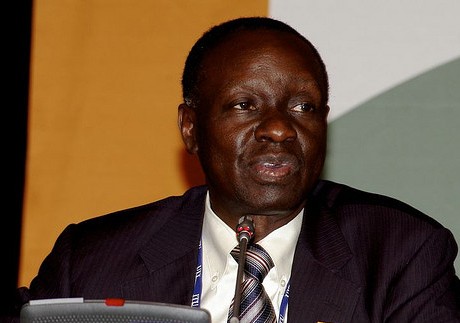
GLOBAL TELECOMMUNICATIONS BOSS: Eng Patrick Masambu

Mr. Masambu holds B.Sc (Engineering) (Hons) and MBA degrees and his other responsibilities in the recent past have included: Chairman of the Commonwealth Telecommunications Organization for two years; Vice Chairman of ITU-T Study Group for Mobility for eight years and Chairman of the Association of Regulators for ICT in the Eastern and Southern Africa sub region (ARICEA).

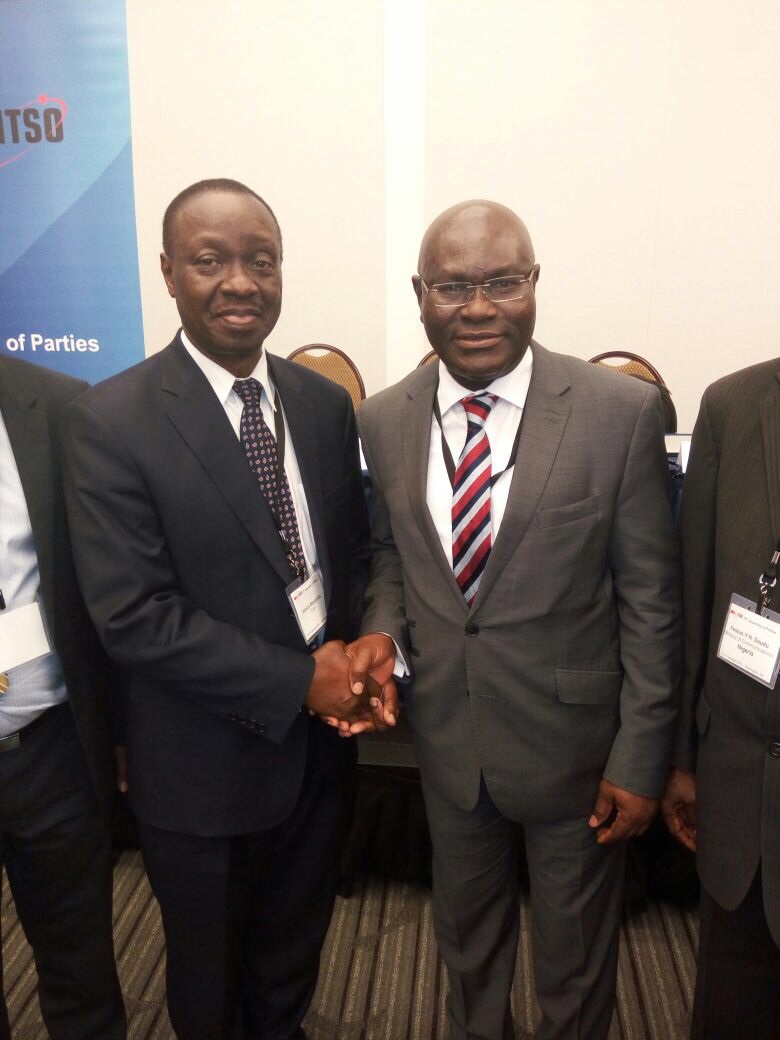
CONGS: Shola Taylor (right), Secretary-General of CTO congratulating Patick Masambu (left), Director-General of ITSO. Photo/courtesy

The International Telecommunications Satellite Organization is an inter-governmental organization to ensure that Intelsat Ltd. provides public telecommunications services, including voice, data and video, on a global and non-discriminatory basis.

Headquartered in Washington DC, ITSO is a 149 member-country organisation.


Stories Continues after ad