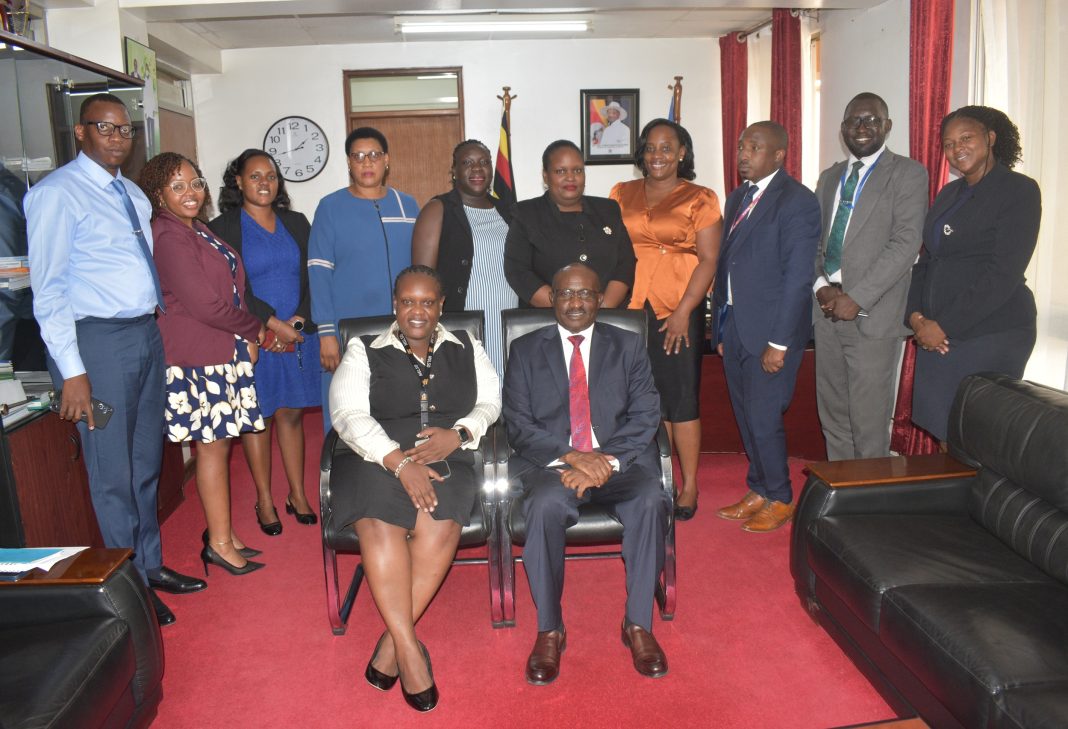
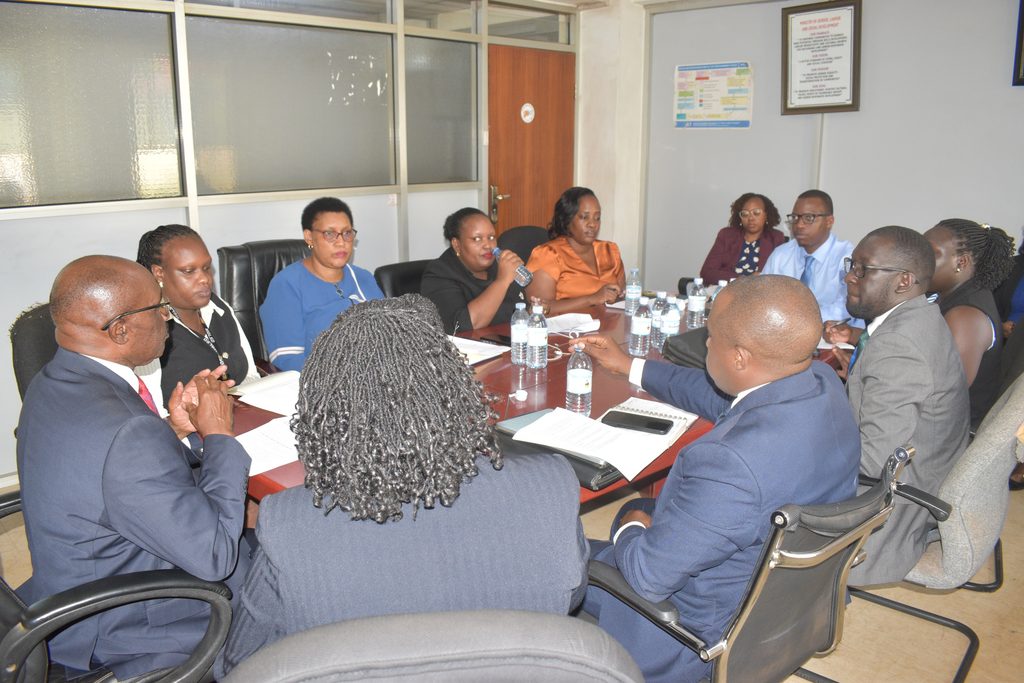
The Ministry of Gender, Labour and Social Development has inaugurated a Reform Taskforce on Workers’ Compensation, charging it with developing proposals for a more reliable and equitable system, including a possible National Workers’ Compensation Fund.
Minister of State for Labour, Employment and Industrial Relations Simon Mulongo formally commissioned the committee at the ministry headquarters yesterday. He said the existing Workers Compensation Act (Chapter 233) places primary responsibility on individual employers to insure against workplace injuries. Yet, delayed claims, employer insolvency, and uneven enforcement often leave injured workers and their families without timely support.

“The risks arising from productive employment must not be transferred disproportionately to injured workers and their families,” Mulongo stated. He stressed that genuine economic transformation under President Yoweri Museveni’s leadership requires social protection institutions to keep pace with industrial growth.
Uganda is bound by International Labour Organization Convention No. 17 (Workmen’s Compensation (Accidents), 1925), as Article 5 establishes periodical payments as the general rule for permanent incapacity or death, while Article 11 addresses the security of benefits when an employer or insurer becomes insolvent. Mulongo noted that a legal right without practical realisation offers only incomplete justice.
The committee, drawing expertise from the ministries of Finance, Health, Public Service and Local Government, the Attorney General’s Chambers, the National Planning Authority and the Uganda Retirement Benefits Regulatory Authority, together with workers’ representatives, has been tasked with producing diagnostic assessments, actuarial financing options, benefit designs, governance recommendations and draft legislative proposals.

Mulongo pointed to regional experience for guidance. Tanzania’s Workers Compensation Fund, established under the 2008 Act and operational since 2015, pools contributions and provides medical care, disability benefits and rehabilitation. South Africa’s Compensation for Occupational Injuries and Diseases Act integrates compensation with medical treatment and return-to-work support, while Zambia operates a dedicated compensation framework. He cautioned, however, that Uganda must adapt rather than simply import models, ensuring any fund is actuarially sound and administratively accessible across all regions in Uganda.
The minister underscored that compensation must never substitute for prevention. “We should never allow compensation to become a substitute for workplace safety,” he said, urging the committee to prioritise both reliable benefits and measurable reductions in preventable injuries, including those linked to emerging risks such as heat exposure and new production technologies.
The committee is expected to deliver evidence-based recommendations to guide cabinet decisions on reforming the system so that injured workers retain dignity and families retain security.