Stanbic Bank
Stanbic Bank
17.9 C
Kampala
Stanbic Bank
Stanbic Bank
Home Blog Page 1117

Op-ed: Young people need our support – Why we must seize a tremendous opportunity

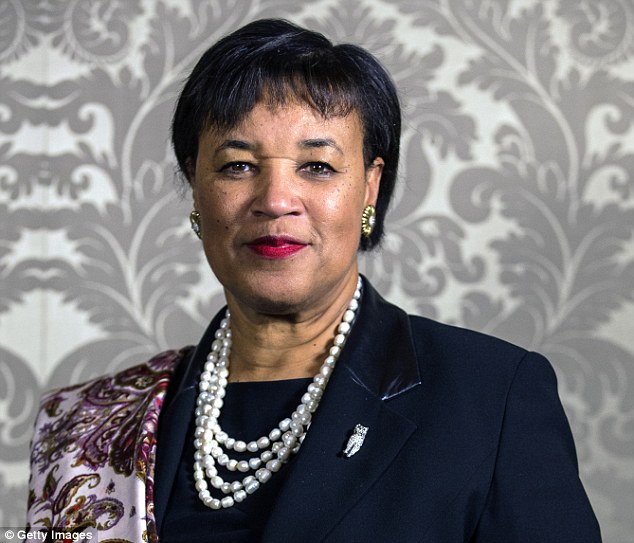
Patricia Scotland

By Patricia Scotland

Our world seems to be changing faster than ever – technologically, environmentally, socially – and in so many other ways. It is hard for any of us to keep up with the astonishing pace and scale of developments, and their impact for better or for worse on our own lives and the ways in which they affect the future of our planet.

Yet too often it seems that those with the greatest stake in the future, are least empowered to shape it: young people.

This is something the Commonwealth has for more than 50 years been working hard to change; and never more so than today.Population growth means that there are now more young people in the Commonwealth than ever before, and this offers choices and challenges for all involved in planning and making policy, and for young people themselves. The combined population of the Commonwealth is now 2.4 billion, of which more than 60 per cent are aged 29 or under, and one in three between the ages of 15 and 29.

Through social media, young people are more connected, informed, engaged and globally-aware than ever before. Even so, their potential to drive progress and  innovation is often overlooked or remains untapped, despite pioneering Commonwealth leadership over the decades on inclusiveness and intergenerational connection.

Since the 1970s, Commonwealth cooperation has supported member states with provision of education and training for youth workers, who have a central role to play in encouraging, enabling, and empowering young people. Practitioners may be of any age, and operate in many settings: youth clubs, parks, schools, prisons, hospitals, on the streets and in rural areas.

Commonwealth approaches and engagement recognise the dynamic role youth workers can play in addressing young people’s welfare and rights, and in connecting and involving them in decision-making process at all levels. In some Commonwealth countries, youth work is a distinct profession, acknowledged in policy and legislation to deliver and certify quality of practice, including through education and training. In others it is institutionalised less formally through custom and practice. In some countries there is little or no youth work activity – formal or informal.

To advance the cause of young people, and their direct participation in nation-building and the issues affecting them, the Commonwealth Secretariat supports the governments of member countries with technical assistance relating to policy and legislation in professionalising youth work. A pioneering Commonwealth contribution is the Commonwealth Diploma in Youth Development, which has been delivered in almost 30 Commonwealth member states. The new Commonwealth Degree and Diploma in Youth Work provides countries with a resource for developing human capital using a consortium business model that makes the training resources accessible at low cost for persons in low income contexts.

The Commonwealth also supports the global collectivisation of youth work professionals through the emerging Commonwealth Alliance of Youth Workers’ Associations (CAYWA), an international association of professional associations dedicated to advancing youth work across the Commonwealth. CAYWA facilitates the cross-pollination of ideas and collegial support among youth work practitioners, and is developing into a unified global influence providing support to governments and all stakeholders in youth work profession.

Expertise is offered by the Commonwealth Secretariat with the design of short courses and outcomes frameworks that support just-in-time and refresher training to augment diploma and degree qualifications. Guidance is also offered on establishing youth worker associations that can help towards building and sustaining professional standards, thereby safeguarding the quality of services offered to young people.

In 2019 a conference in Malta bringing together youth workers from throughout the Commonwealth continued to build recognition and professional standards of youth work in member countries. Among outcomes was the establishment of a week-long celebration of the extraordinary services of full-time practitioners and volunteers – recognised as youth workers – who support the personal development and empowerment of young people. Youth Work Week, with the theme ‘Youth Work in Action’, will be observed 4 -10 November 2019 in the 53 member states of the Commonwealth.

Looking forward to the 2020 Commonwealth Heads of Government Meeting (CHOGM) in Rwanda next June, Youth Work Week will bring into sharper focus the challenges young people in our member countries face, and the opportunities they are offered – including through Commonwealth connection. By recruiting and placing appropriately trained and properly supported youth workers, communities in Commonwealth countries can help young people channel their energies and talent in positive directions, especially during the transition from education into work.

Supported by positive role models and with mentors to whom they can relate, young people can be guided towards healthy and productive lives. When equipped to develop as well-rounded individuals and to contribute to the societies in which they live, young people can make immense contributions towards transforming our communities and our Commonwealth and – above all – to their own future.

The Writer is Commonwealth Secretary General

Stories Continues after ad

Mbale and Masaka municipalities to become cities in FY 2020/21 – Govt confirms

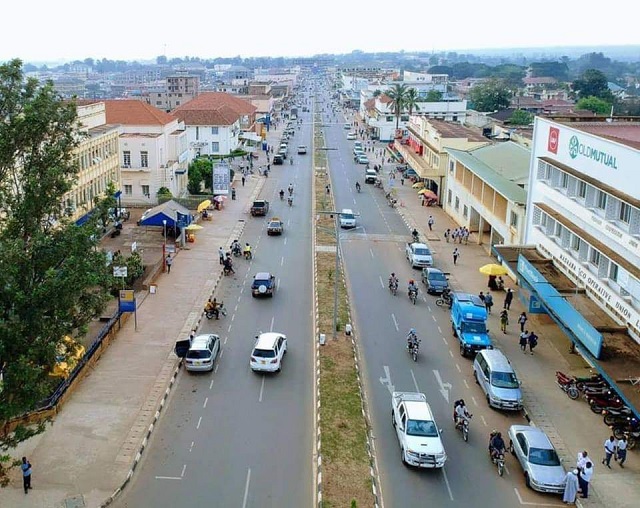
Republic Street in Mbale town

Residents of Mbale and Masaka Municipalities can now smile Ugandan Cabinet/ government has officially confirmed that the two towns will gain city status in the financial year 2021/21 alongside others like; Arua, Jinja, Mbarara, Gulu and Fort Portal.

The latest development was announced by Jennifer Namuyangu, the Minister of State for Local Government while addressing the media about this week’s Cabinet resolutions.

Minister Namuyangu said Cabinet on Monday approved the two towns as cities at State House Entebbe.

Analysts however say the two cities were included to boost political support for the ruling National Resistance Movement (NRM) as some residents from the two regions had threatened to vote for the biggest party in the country come 2021 general elections.

It should be remembered that Mbale and Masaka were initially not part of municipalities that were meant to gain city status in FY 2020/21 which raised concern from residents and politicians originating from Bugisu and Buganda regions respectively.

According to the minister, stakeholders from Mbale and Masaka proposed cities have expressed readiness for the two cities to become operational with effect from July 2020. Mbale and Masaka are one of the oldest towns in Uganda characterised by robust commerce and social activities.

Each of the seven earmarked cities, according to the minister will comprise of two divisions that will be equivalent to municipalities for easy administration and coordination.

However, last month, the Finance ministry permanent secretary and secretary to the treasury, Keith Muhakanizi said the 2020/21 budget does not cater for Masaka, Mbale and Mbarara as new cities alongside several town councils. It is not clear whether government has identified the funds that will go to the two cities.

She said Uganda’s Vision 2040 envisages an urbanized Uganda, an ambitious plan that seeks to elevate it to middle income status. There’s no doubt that the future of Uganda’s growth will continue to lie in new cities which will be Strategic and Regional.

Stories Continues after ad

Cranes Squad for North Eastern regional tour named

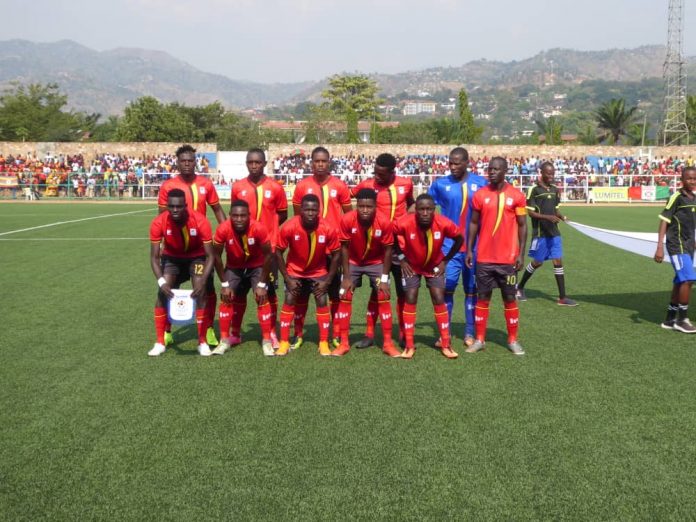
Cranes team

Uganda Cranes Head Coach Johnathan McKinstry has named 21 players for the Regional Tour Match to be played in Katakwi on Saturday 9th November 2019.

The Squad consists of only locally-based players who will see Uganda Cranes take on North Eastern Select team. It will be the third time the Uganda Cranes Regional tour heads to the region.

The tour is in line with the preparations for the upcoming Uganda Cranes participation in the 2020 CHAN tournament in Cameroon and also taking the Uganda Cranes brand to the masses.

The team will train on Thursday morning at the StarTimes Stadium in Lugogo before setting off for Katakwi the following day in the Morning.

Previously the Cranes have also visited the Western Region (Mbarara), North East (Soroti), Northern (Gulu), Kitara (Masindi), West Nile (Arua), Buganda region (Masaka) and the Eastern Region (Mbale).

The squad summoned:

Goalkeepers: Charles Lukwago (KCCA FC) and James Alitho (URA FC)

Outfield players; Paul Willa (Vipers SC),  Halid Lwalilwa (Vipers SC), Mustafa Kizza (KCCA FC), Revita John (KCCA FC), Kato Samuel (KCCA FC), Paul Mbowa (URA FC), Nicolas Kasozi (KCCA FC), Shafiq Kagimu (URA FC), Hassan Senyonjo (Wakiso Giants), Muzamiru Mutyaba (KCCA FC), Allan Okello (KCCA FC), Bright Anukani (Proline FC), Joachim Ojera (URA FC), Vianne Sekajugo (Wakiso Giants), Allan Kayiwa (Vipers SC), Joel Madondo (Busoga United), Fahad Bayo (Vipers  SC) Ashraf Mandela (URA FC) and Edrisa Lubega (Proline FC)

Uganda Cranes Regional Tour

9th November 2019

North Eastern Select vs Uganda Cranes

Katakwi Ground – 4 pm

Stories Continues after ad

Targeted national policy reform to promote regional integration can increase competitiveness of East Africa’s economies – report

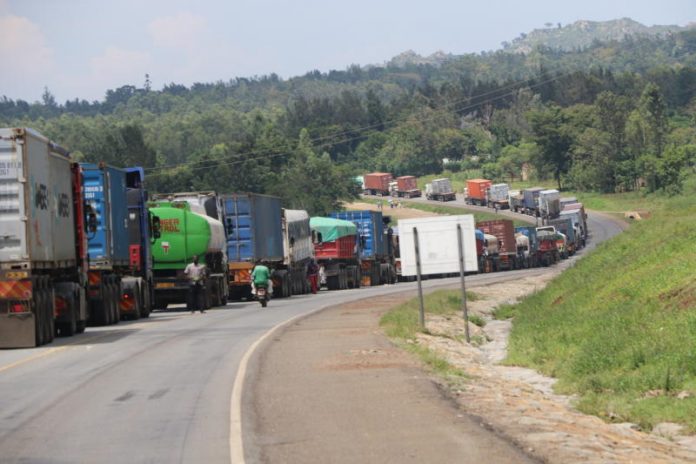
Trailers

East African countries are progressively improving their policy frameworks governing trade, but governments need to do more to improve the business environment as a whole, according to the second edition of the African Union Commission’s (AUC) economic report produced in collaboration with the Organisation for Economic Co-operation and Development (OECD) Development Centre.

Governments in the region are adopting a series of pro-trade reforms to reduce barriers to trade and improve the overall trade environment. In 2019, at the time of writing, most countries in the region had outperformed the sub-Saharan Africa average for trading across borders, says Africa’s Development Dynamics (AfDD) 2019 report released Tuesday.

However, while some countries like Mauritius, Rwanda and Kenya outperform others in the Ease of Doing Business rankings overall, more countries in the region require additional work to improve the overall business climate. “Complex and burdensome business procedures in many countries undermine efforts to promote business linkages, cross-border firm networks and regional value chains,” the report says.

It says regional integration is a contentious political process to manage and should be deployed tactfully to promote an environment conducive to transforming the economy’s productive structure. “Regional integration exposes businesses to outside influences, opportunities and competition. This can trigger resistance or hesitation among certain stakeholders that fear economic disruption.”

It adds that regional integration initiatives also carry enormous potential for economic and social benefits to ordinary citizens and domestic private sector operators alike. I t says: “A tactful approach with carefully selected initiatives should be deployed as opposed to a wholesale push for larger and more competitive markets.”

Regional integration can create larger markets, increase economies of scale and reduce transaction costs for the region, although this does not seem to take place yet. There is little evidence to suggest that integration in the major East African regional economic communities (RECs; i.e. the Common Market for Eastern and Southern Africa [COMESA] and the EAC) have led to increases in intra-regional trade.

Ten years after its launch, intra-regional imports in the EAC as a share of GDP were lower than prior to its launch. COMESA has fared only slightly. Lack of trade complementarity among member states, overlapping membership and a general decrease in exports’ share of GDP go some way to explain this situation. Consequently, efforts by RECs to promote East Africa’s productive transformation have been largely ineffective, partly due to a poor implementation of regional programmes.

Individual countries’ overlapping membership in RECs further complicates national trade regimes and prevents deeper integration into one group. A tripartite free trade agreement in goods, negotiated between COMESA, the EAC and the Southern African Development Community in June 2015, provided an opportunity to partially rectify this. However, the experience overall has been a disconnect between regional and national objectives for growth and, by extension, a prioritisation by member states of their own interests over those of the region. These factors combined prevent countries from fully benefiting from the regional integration process.

Promoting greater levels of trade facilitation over integration could increase the number of regional value chains (RVCs). Reducing regional transaction and trade costs is critical to supporting RVC integration since goods cross regional borders multiple times.

It is estimated that reducing time to trade by 1% increases the level of foreign value added by 0.18% after two years. Regional projects, such as the Single Customs Territory, which focus on reducing the cost and time for trading across borders, could allow RVCs to play a greater role in East Africa’s productive transformation. Through implementation of the SCT project, transportation costs on the Northern Corridor between Kigali and Mombasa were reduced from USD 5 000 per 20-foot container at the beginning of 2013 to almost USD 3 000 in 2019.

Investments in transformation capabilities are needed to unlock trade’s growth potential

Exports’ share of GDP is decreasing for East Africa, as much of the region’s growth is concentrated in non-tradeable sectors. While exports’ shares of GDP vary across countries, they tend to be above 40% for upper-middle-income countries globally. The East African average was just 14% in 2017, down from 19% in 2000. This low and declining share can partly be attributed to the fact that much of the region’s growth comes from the non-tradable construction, real estate and retail sectors.

The island countries of Madagascar, Mauritius and Seychelles all have relatively higher trade shares. Rwanda stands out for its exceptional rate of sustained export growth since 2000, averaging 17% per year, while its share of exports as a percentage of GDP increased from 6% to 18%. However, even with this level of growth, Rwanda’s share of exports in the national income remains below the average for countries with comparable income levels (around 25%).

The region constitutes of services-exporting economies

 Services accounted for 57% of exports from East Africa in 2017 and have remained above 50% for the past decade. Major export sectors for services in the region include tourism, transport, ICT and finance. Services exports have grown 6% on average for the past year, largely in line with the average growth for total exports.

While services have greatly contributed to growth in East Africa’s exports, relying solely on service-driven export growth has its downsides. Firstly, some services tend to require high-skilled labour, which calls for a long-term investment in human capital. Secondly, though services are often traded, they tend to be less tradeable than goods and raw materials. Ultimately, there is no obvious or easy way to rapidly improve productivity in services.

Exports from agriculture and mineral sectors are growing strongly. The shares of exports from agriculture and minerals have increased over time, accounting for 26% and 6%, respectively, in 2017. The positive growth in agriculture is a result of investments to improve productivity in key agricultural export commodities by countries such as Ethiopia, Kenya and Rwanda. As countries push for growth in agriculture exports, markets outside East Africa are becoming increasingly important. Mineral exports also are largely destined for markets outside the region.

The share of the region’s manufacturing export products has fallen, from 20% a decade ago to 12% in 2017. Manufacturing export performance has been particularly disappointing given the efforts that East African countries have put into growing their industrial base.

Increasing the size of manufacturing exports is a critical component for the region’s productive transformation, due to a higher productivity and large employment potential. However, at the current pace, the region will not be able to rely on manufacturing-led export growth to absorb new entrants into the labour force.

The report sheds light on the state of productive transformation in 14 East African countries: Comoros, Djibouti, Eritrea, Ethiopia, Kenya, Madagascar, Mauritius, Rwanda, Seychelles, Somalia, South Sudan, Sudan, Tanzania and Uganda.

Stories Continues after ad

Competitive firms and committed governments are the catalysts of Africa’s economic transformation, says new report

Experts have called for Intra-Africa Trade

African firms are the key to the economic transformation of the continent, but they need governments to create better conditions for them to thrive, according to the second edition of the African Union Commission’s (AUC) economic report produced in collaboration with the Organisation for Economic Co-operation and Development (OECD) Development Centre.

Without bold policy changes, most African businesses may not be ready for reaping the benefits of the African Continental Free Trade Area Africa (AfCFTA) which is projected to offer African firms the new opportunities of a 1.2 billion consumers strong continental market, says Africa’s Development Dynamics (AfDD) 2019 report.

The report released on Tuesday shows that Africa’s expanding domestic markets offer great opportunities for transforming production systems across the continent. Africa recorded 4.6 percent annual gross domestic product (GDP) growth between 2000 and 2018; with domestic demand accounting for 69 percent of it. The continent’s growth is projected at 3.6 percent in 2019 and should remain robust at 3.9 percent between 2020 and 2023. The regional demand for processed food has been growing 1.5 times faster than the global average. Large Pan-African firms and some dynamic start-ups are seizing these opportunities to grow, as highlighted in the report.

However, the report finds that Africa needs more dynamic enterprises to turn these opportunities into higher profits, more investment and new, decent jobs. This is especially true of small and medium enterprises in employment-intensive sectors:

Firms fail to tap the growth in neighbouring markets: exports of consumption goods to other African markets decreased from 0.8 percent of Africa’s GDP in 2009 to 0.5 percent in 2016. Currently, most African firms are losing out to new competitors both at home and in emerging markets. Only 18 percent of Africa’s new exporters survive beyond three years.

Productivity is not catching up. Since 2000, Africa’s average labour productivity has stagnated at around 12 percent of US levels. The Africa-to-Asia labour productivity ratio has decreased from 67 percent in 2000 to 50 percent in 2018.

“Accelerating the development of Africa’s productive sectors is critical to meeting the objectives of the African Union’s Agenda 2063. We must shake the structure of our economies to create strong, robust and inclusive growth, with new jobs and opportunities for all”, said Prof. Victor Harison, Commissioner for Economic Affairs of the AUC, while launching the report. Progress in quality job creation is too slow: in some countries, almost 91 percent of the workforce outside of the agricultural sector remains in informal and vulnerable employment.

AfDD 2019 puts forward a systemic approach to productive transformation by focusing on three sets of policies:

Develop effective clusters of firms, by providing them with business services that improve specialisation in niches, reinforce linkages between the most productive ones and the others, and address skill shortages.

Encourage the creation of regional production networks to generate economies of scale between African countries, attract new investors, develop complementarities within the value chains, and avoid a competitiveness race to the bottom.

Enhance firms’ abilities to thrive in new markets. Policies can provide extra support to exporters by removing non-tariff barriers to the continental trade, simplifying administrative procedures and custom services, and improving connective infrastructure – especially flights, roads and ports.

“The entry into force of the African Continental Free Trade Area in 2019 marks a strong commitment by African leaders towards productive transformation. But it will work if African firms are strong enough to compete in this new, enlarged market. They need bolder and smarter government policies to support them”, stated Mario Pezzini, Director of the OECD Development Centre and Special Advisor to the OECD Secretary-General on Development.

The report provides detailed analysis and recommendations for each of the five African regions.

Stories Continues after ad

COMESA committee on statistical matters meets to review strategy

Delegates

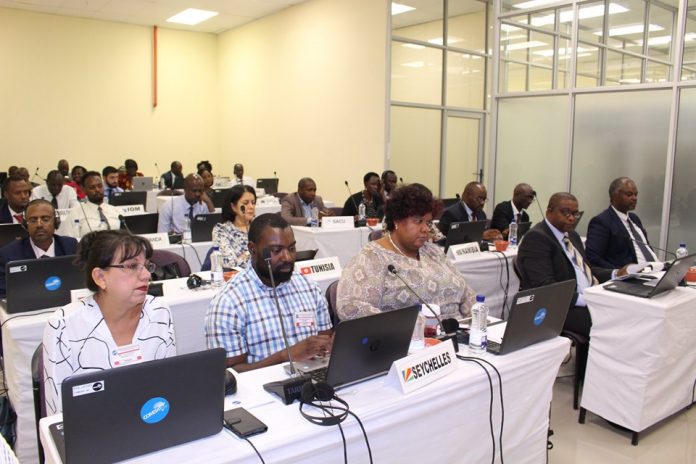
Statistics experts from the COMESA region are meeting in Lusaka, Zambia from November 4-6, 2019 to review of implementation of the 2017-2020 COMESA Statistics Strategy. The meeting will among many other issues review progress on implementation of statistical programs to support the Medium Term Strategic Plan (MSTP) Objectives.

These include a report on Statistics related to Market Integration Strategic Objective such international trade statistics, price statistics and migration statistics. A report on Statistics related to Attracting Increased Investment, a report on Statistics related to Strengthening the Development of Economic Infrastructure, report on Statistics related to Industrialization and a report on statistics related to the Blue/Ocean Economy.

The meeting will also consider the report on Strengthening Strategic Partnerships, a report on Statistical Capacity Building, another report on Strengthening Technologies and Systems as Enablers for the Statistical System and finally a progress report on the Status of Member States in achieving the Sustainable Development Goals (SDGs) that relate to the COMESA MTSP 2016-2020.

Permanent Secretary at the Ministry of National Development Planning of the Government of the Republic of Zambia, Chola Chabala officially opened the meeting. Secretary General Chileshe Mpundu Kapwepwe was represented by Assistant Secretary General Ambassador Kipyego Cheluget.

The Meeting is being attended by delegates from Burundi, Kingdom of Eswatini, Kenya, Rwanda, Seychelles, Sudan, Uganda, Zambia and Zimbabwe.

Stories Continues after ad

McDonald’s CEO sacked over dating junior employee

Easterbrook

McDonald’s Corp dismissed British Chief Executive Steve Easterbrook over a recent consensual relationship with an employee, which the board determined violated company policy.

The board determined that Easterbrook had “demonstrated poor judgement” involving the relationship, McDonald’s said in a news release. Easterbrook relinquished his seat on the company’s board as well.

“This was a mistake,” Easterbrook, 52, said of the relationship in an email to employees on Sunday released by the company. “Given the values of the company, I agree with the board that it is time for me to move on.”

The departure of Easterbrook, who had led McDonald’s since 2015, is among the most significant in corporate America in the past several years over relationships deemed inappropriate.

Scrutiny of executives and their treatment of employees has intensified amid the #MeToo social media movement, which highlighted instances of sexual harassment in the workplace. In June 2018, Intel Corp CEO Brian Krzanich resigned after an investigation found he had a consensual relationship with an employee that breached company policy.

Chris Kempczinski, 51, most recently president of McDonald’s USA, was named the company’s new CEO, effective immediately. He also joined the McDonald’s board.

In his own message to employees, Kempczinski thanked Easterbrook for recruiting him to McDonald’s and said he expected the company to continue its customer-focused growth plan. McDonald’s Chairman Enrique Hernandez Jr. called Kempczinski “instrumental” in developing the company’s strategic plan.

McDonald’s, which recently celebrated the 40th anniversary of its Happy Meal for children, is known for its family-friendly reputation.

The company did not provide further details on the circumstances surrounding Easterbrook’s departure. McDonald’s is expected to disclose financial information related to Easterbrook’s dismissal in a securities filing as soon as Monday, the company said.

The company named Joe Erlinger, who has been president of international operated markets, as president of McDonald’s USA, succeeding Kempczinski.

RIVALS CHALLENGE DOMINANCE

McDonald’s shares more than doubled during Easterbrook’s tenure. But the chain in October missed Wall Street profit estimates for the first time in two years as it spent money remodeling U.S. restaurants and speeding up service to address declining customer visits.

Rival fast-food chains in the United States have challenged McDonald’s dominance with value meals and new menu items, including plant-based burgers and meat substitutes launched by rivals including Restaurant Brands International Inc’s Burger King and Yum Brands Inc’s KFC. McDonald’s is seen late in reintroducing chicken sandwiches and rival Wendys Co has started serving breakfast.

The remodeling of the company’s 14,000 U.S. restaurants includes introducing digital ordering kiosks, mobile ordering as well as pay-and-pickup services, while partnering with app-based delivery services GrubHub Inc , Uber Eats and DoorDash.

“The world is different than it was in 1955, ” Easterbrook said during an October call with investors.

Easterbrook turned around McDonald’s operations in the UK, where he was born, by refocusing on burgers and burnishing the brand with an ad campaign that sought to debunk unflattering rumours about its food.

A cricket enthusiast who earned a reputation among former UK colleagues for being funny, fair and a lover of simplicity, Easterbrook was also the rare McDonald’s CEO with experience running other restaurant chains. – Reuters

Earlier report

NEW YORK: McDonald’s Corp dismissed Chief Executive Steve Easterbrook over a recent consensual relationship with an employee, which the board determined violated company policy, the fast-food giant said on Sunday.

The company’s board determined that Easterbrook had also “demonstrated poor judgment involving a recent consensual relationship with an employee,” McDonald’s said in a news release. Easterbrook relinquished his seat on the company’s board as well.

McDonald’s, which did not immediately respond to messages seeking comment on Sunday, did not provide further details on the situation.

Chris Kempczinski, most recently president of McDonald’s USA, was named the company’s new CEO, effective immediately. He also joined the McDonald’s board.

The company named Joe Erlinger, most recently president of international operated markets, as president of McDonald’s USA, succeeding Kempczinski.

Easterbrook described his personal conduct as “a mistake” that violated company policy, in an email to employees on Sunday released by the company. “Given the values of the company, I agree with the board that it is time for me to move on,” Easterbrook said in the email.

Stories Continues after ad

Sue your lawyers for misleading and don’t expect Shs47b from us-BoU board tells Dfcu

Bank of Uganda head office in Kampala

The Board of Bank of Uganda (BoU) has told Dfcu Bank that they should sue their lawyers for misleading them into taking over Meera Investment properties instead of asking for Shs47 billion.

Dfcu bank recently returned the branches to BoU but is demanding Shs47 billion and yet the same bank undervalued same properties and paid only Shs10 billion to BoU and hardly two years down the road, they are demanding Shs47 billion.

BoU board held a meeting last week and on its agenda was the issue of Meera Investment properties and the Shs47 billion as demanded by Dfcu and the recent court ruling at Commercial Court.

However, sources that attended the meeting told Eagle Online that the Governor, Emmanuel Tumusiime Mutebile refused such demands from Dfcu bank stating that he can never effect such dubious payment given the fact that the transaction involving Meera Investment properties was ‘suspect’ and therefore, a matter before courts of law.

“I am the chairman of the board and also the governor of this great institution called Bank of Uganda. I don’t remember ever sanctioning this transaction and why is it that Dfcu is returning these branches at this time when there is an ongoing case? ladies and gentlemen, let us not be used as shields to cover up for others. I propose we wait for the case in court” Governor Mutebile is quoted scoffing at the meeting.

It should be remembered that on October 20, 2016, BoU closed CBL and made itself a receiver of the bank. It would on January 25, 2017 transfer some of CBL’s assets to Dfcu Bank at Shs200 billion, paid in installments, without interest on top.

It is said Sebalu & Lule Advocates convinced Dfcu bank that it could take over the properties it recently realised it could not takeover and instead demanded that BoU pays it Shs47 billion of the same properties it had valued at Shs10 billion.

In 2017, evidence came out to the effect that Dfcu bank was misled by Kampala Law firm Sebalu & Lule Advocates to illegally transfer title properties that belong to Meera Investment Limited and Crane Bank Limited Meera Investment Limited.

According to a leaked memorandum of May 8, 2017,  Sebalu & Lule Advocates who were in April that very year barred by the High Court from representing the same bank against businessman tycoon Sudhir Ruparelia for being conflicted misled Dfcu bank to transfer leasehold titles from Crane Bank Limited during the controversial takeover two years ago. Meera Investments Limited is a company under the Ruparelia Group whose Chairman is Sudhir Ruparelia and whose Crane Bank Limited was controversially closed three years ago.

In a leaked document titled, “ Transfer of former Crane Bank household properties’, “the law firm skipped important aspects of the law including the fact that banks are not allowed to invest in business for fear of conflict of interest with their clients, apart from their main premises.

“Our opinion is that although the proposed approach of registering caveats provides Dfcu with some level of legal protection, its indisputable title to the leasehold properties can only be guaranteed through the registration of transfers executed by BoU in favour of Dfcu. Accordingly, in light of the length of time between the completion  date and when Dfcu can validly exercise the option to rescind the purchase of the leasehold properties  our recommendation is that transfers be registered immediately,” the law firm advised.

Bank of Uganda in its 2018/ 2019 Annual Report had earlier confirmed that Dfcu bank would be leaving 48 properties that the defunct Crane Bank Limited (CBL) was operating its branches before it was taken over by its rival in January 2017 in a Shs200 billion transaction.

“Following the Court’s ruling … Dfcu Bank Limited in a letter dated September 12, 2019 communicated to BoU its decision to exercise its option to rescind its interest in purchasing the 48 properties pursuant to clause 8.7 of the Agreement,” BoU says in its latest annual report.

The report adds that as part of the rescinding of this purchase, Dfcu will return to BoU Certificates of title for Meera Investments Limited ‘and requires Bank of Uganda to pay Dfcu the new book value of properties recorded in the assets and inventory compilation as October 20, 2016.’

However, what is shocking to BoU board is the turn around of Dfcu to ask for Shs47 billion and yet they paid Shs10 billion.

But the latest development has confirmed fears that BoU and Dfcu Bank will develop a bad relationship over Shs47 billion payment for loss Meera Investment properties. Dfcu Bank was the first to write to BoU, requesting for fast payment of the money after realising that the case in court is likely to take a long period of time and therefore would not match with the bank’s financial objectives.

Stories Continues after ad

Over 10 perish in boat accident on Lake Albert

Lake Albert

Police has confirmed that 12 people are still missing after a tragic water accident that occurred early Monday on Lake Albert in western Uganda.

According to a statement released by police, the boat was carrying 18 passengers heading to the Democratic Republic of Congo (DRC). “The boat capsised at around 7 am on the Ugandan side however Marine units rescued six people” reads in part of police statement.

Police and UPDF marine units in Partnership with the local fishermen have however mounted a search for retrieval of all the bodies. Police said Investigations into the cause of the accident underway.

Police has not clarified on the cause of the accident. However according to sources, the accident was heavy winds that was blowing across the lake.

In May another accident occurred on the same lake claiming over 16 lives after the boat they were travelling in capsised.

Stories Continues after ad

Uganda has insufficient supply of houses for low income earners – regional think tank

Urban estates in Uganda target the middle class

Uganda has an immense market potential for housing delivery in the affordable market segment, according to a continental think tank- Centre for Affordable Housing Finance in Africa (CAHF). With the widening gap in annual housing supply compared to the established demand, developers could exploit the significant opportunity in the affordable housing segment. There is insufficient supply of housing units for most low income earners, adds CAHF in its 2019 Yearbook.

Additionally, stability in market lending interest rates has encouraged an upsurge in mortgage finance for the past two years and further availability of low-cost finance may increase uptake further.

The document notes the 2019/20 national budget highlights key opportunities towards easing limitations to accessing loans through the proposed enactment of Security Interest in Movable Property Act. This, it says, will allow the use of movable assets as loan collateral. “Once enacted, finance providers, mainly in the micro-mortgage space, are likely to see an increase in the number of loan applicants who are currently restricted by lack of suitable collateral. Ultimately the increasing access to finance, coupled with significant housing demand, should present ample opportunity for housing delivery in the affordable segment of the market.”

The document cites Housing Finance Bank (HFB) as leading the mortgage financing market segment in Uganda with about 55 percent of the total mortgage portfolio in the country. Other banks involved in housing related finance include Bank of Africa, Standard Chartered Bank, dfcu Bank, Stanbic Bank and Centenary Bank.

The total mortgage portfolio, comprising both residential and commercial mortgages, increased by 10 percent to USh2.92 trillion (US$790.3 million) in June 2019. The growth is largely attributed to a stability in bank interest lending rates and economic recovery that supports investments across most sectors.

Average mortgage lending rates have marginally declined to 17 percent as of June 2019, from 17.5 the previous year and 19.5 percent in 2017. The decline in mortgage interest rates is largely attributed to increasing levels of competition among lenders and a low inflation rate. Although the decline in lending interest rates is notable across the last two years, the cost of borrowing remains a major constraint to accessing credit in the country, mainly due to a low-level supply of long-term finance to support mortgage lending and high levels of provisioning for defaults as required by the regulator.

Additionally, the savings’ culture in Uganda is relatively underdeveloped, with only about 54 percent of the adult population saving regularly. This is due to low income levels, averaging US$647 GDP per capita, and a relatively high cost of living.21 However, with the recent increase in bank agent outlets and expansion of microcredit, the level of financial inclusion has improved significantly to 78 percent in March 2018 from less than 50 percent over 10 years ago.

The National Social Security Fund (NSSF) records the country’s saving rate at 11 percent, a large impediment to long-term development. However, the new NSSF Amendment Bill (2019) seeks to achieve a saving rate of 40 percent over the next 30 years. This is to be achieved through a combination of sustained high growth rates, relaxation of corporate contribution regulations, and up to 30 percent tax-free savings allowances for workers.

Lenders must factor provisions for expected loan losses into their loan pricing, and this risk affects the cost of borrowing. However, with a notable improvement in asset quality, as measured by the ratio of non-performing loans to total outstanding loans (NPL ratio), to 3.8 percent in March 2019 from 5.3 percent in March 2018, the lending interest rates across most business segments have recorded a downward trend and translated into the 9.3 percentage expansion in credit to the private sector.

Affordability

Affordability of housing is still a major challenge for most households. Approximately 20 percent of households in the Kampala area live in their own houses, with 80 percent living in rented apartments.  For other urban areas, the ratio of owner-occupation increases to 44 percent and reaches a high of 83 percent in rural areas. The key constraints to housing affordability include the high cost of completed housing units and the high cost of borrowing for housing finance.

Over the one-year period to January 2019, rising land and input prices have driven residential property prices upwards by 2.5 percent highlighted in the Retail Property Price Index movement. Additionally, the Construction Sector Indices highlight a 2.0 percentage rise in construction sector input prices for the same period.

This rise in input prices translates into high prices for completed housing units and further suppresses housing affordability for the majority workers dependent on employment in the agriculture value chain.

Uganda’s agriculture sector is characterised by low income levels but still occupies a lion’s share in employing the country’s population. Although employment in agriculture accounted for 71 percent of employment in 2018, the sector did not offer sufficient income for its workforce to afford decent accommodation.

On average, a newly completed two-bedroom house sells for about Shs50 million, (US$13 532), which is beyond the reach of most Ugandans. Using formal income levels, only 4.4 percent of Uganda’s urban population have the purchasing power to afford the cheapest newly built three-bedroom house valued at US$20 000 (USh74 million).

More specifically, housing units priced within the range of USh50 million and Shs70 million are outside the main GKMA urban areas and normally require prospective homeowners to combine both formal and informal income sources to afford such units.

On the financing side, most lenders only offer up to 80 percent financing for residential mortgages. This makes it impossible for the bulk of prospective homeowners to raise the remaining 20 percent to qualify for home financing, given the low level of savings among the population.

In addition, borrowing interest rates have remained relatively high at 17 percent per annum across most lenders.

To overcome this affordability challenge, some banks, including HFB and Bank of Africa, have introduced 100 percent financing for residential mortgages under which borrowers may be fully financed without down payments to acquire residential property. HFB has also introduced incremental housing finance under which a client can take small loans to build a house in phases, thereby reducing the burden of a large mortgage.

Housing supply

According to the Uganda Bureau of Statistics, Uganda has a deficit of 2.1 million housing units, growing at a rate of 200 000 units a year.27 In 2030, the deficit is expected to reach three  million units. This is on account of the rapid urbanization rate and a high population growth rate of 3.2 percent per annum. This rate of that continues to seriously impact the country’s housing sector.

While more housing units are needed, construction costs are still high, as reflected by the rising

Construction Sector Indices discussed in the Affordability section. The NSSF, with an asset base of USh11 trillion (US$2.98 billion), though passionate about the sector, has failed to construct a residential unit below USh100 million (US$27 063). The high cost of construction makes delivering at an affordable price point challenging. The cost of land is also high, estimated at USh880 000 (US$239) per square meter in urban areas.

Labour

While labour to construct a house might be relatively affordable at approximately USh3 700 (US$1) per square meter, this is eroded by the high cost of land and infrastructure.28 For affordable housing, where the threshold is considered USh100 million (US$27 063),29 a developer like NSSF would need free urban land and already existing supporting infrastructure.

Small-scale developers have delivered housing units within this pricing range outside of the GKMA area. Prefabricated houses, which the NSSF has experimented with in a bid to lower housing costs, met low levels of acceptability. This indicates a preference for brick and mortar homes by the general population.

On the supply side, the country has registered progress in expanding the delivery of housing units for the rapidly rising population. Less than 15 mid-sized property developers are cumulatively delivering close to 700 housing units (typically freehold condominium) in the GKMA area annually.

In 2018 and 2019, the government differed from the norm of leaving housing development to private sector market participants, delivering 101 housing units to families evacuated from the landslide prone Mount Elgon region in the East of the country. The two-bedroom housing units were constructed by the national army and police under the first phase completed in March 2019.  The second and third phases will focus on delivery of 400 and 900 houses respectively for occupation by 6 300 people affected by landslides in the region.

In October 2018, HFB, partnered with Habitat for Humanity and the Buganda Kingdom to champion the Decent Living Campaign. This is initiative is aimed at improving lives through decent shelter, better livelihoods, access to safe and clean water, and better hygiene and sanitation, with an overall goal of supporting close to 400 individuals by 2030. Social housing will be needed to eliminate housing poverty in Uganda.

Property markets

Uganda’s property market is dominated by a handful of property developers with capacity to deliver over 100 units per annum each. Currently, this space has been taken up by National Housing and Construction Company, Comfort Homes, Universal Multipurpose Enterprises and Waves Limited. These tend to set benchmark market prices for housing units within the Greater Kampala Metropolitan Area. A few other small-scale developers, delivering under 20 units per annum, deliver the units at prices close to market rates.

Beyond delivery of new houses, several transactions do take place on the secondary housing market. The key driver of the secondary housing market tends to be loan recovery for borrowers who have had difficulties meeting their loan installments on mortgaged property.

On the rental market side, approximately 22 percent of urban dwellers live in rented apartments in areas within and around Uganda’s capital city. The percentage of owner-occupation improves with areas further away from the city to reach 91 percent in rural northern Uganda. On the property registration side, the World Bank ranks Uganda at 126 out of 190 countries, with 42 days required to complete a 10-step process costing 3.1 percent of the land value.

Property rights are an additional barrier to providing affordable housing. About 80 percent of land in Uganda is under a customary land tenure system, making it difficult for an individual to pledge such communal land as collateral for personal mortgage-related borrowing.

Land fragmentation in densely populated areas also affects housing delivery. Challenges also arise from the small, untradeable land parcels and large undeveloped land, especially crown land. The solution is to either develop or tax the land. The property market is significantly affected by the increase in lending interest rates, resulting from the banks’ high cost of funding and operating costs.

Creation of alternative funding structures to support long-term bank lending would be an appropriate solution for the sector. Uganda’s Ministry of Finance, Planning and Economic Development has established committees to finalise arrangements for setting up a mortgage refinance company and to operationalise the regulations for pension-backed mortgages. In 2012, Uganda’s land registry introduced a computerised land title recording and issuance system, aimed at easing the titling of property, registration of land and generally improving land administration. The initiative is likely to improve the proportion of titled land earlier recorded at 20 percent across the country.

Policy and regulation

Since the business of real estate engages multiple stakeholders such as banks, landlords, property managers and tenants, action by one party inevitably impacts on the performance of another stakeholder. Several regulatory changes affecting the housing and real estate sector have therefore taken effect in 2019.

 In June 2019, Uganda’s Parliament passed the Landlord and Tenant Bill of 2018 that seeks to, among other things, regulate the relationship between landlords and tenants. This Bill, awaiting the president’s consent, has several amendments on rights and duties of landlords and tenants in rented commercial and residential premises. A key provision of the Bill includes the legal requirement for the two parties to execute a contract for all rent transactions above value of USh500 000 (US$135) with clear terms and conditions.

Additionally, it is now illegal for landlords to evict defaulting tenants without securing court orders to do so.

The Financial Institutions (Capital Adequacy Requirements) Regulation, 2018 took effect in September 2018. This enhanced the capital requirements for financial institutions, with the aim of improving commercial bank’s resilience to market and operational risks. With this amendment, financial institutions are now required to hold additional capital as a cushion for market risk. The minimum on-going Tier 1 capital/risk weighted assets (RWA) requirement was increased to 10 percent. This will affect the banks’ ability to offer large-scale loans to clients including property developers.

CAHF is a DFID funded think tank that aims to find ways to make financial markets work for the poor. A large part of their research looks at how accessible housing finance truly is, particularly for the poor.

Stories Continues after ad