Stanbic Bank
Stanbic Bank
25.1 C
Kampala
Stanbic Bank
Stanbic Bank
Home Blog Page 1313

Federation of Africa University Sports elects two Ugandans on its executive committee

Executive committee

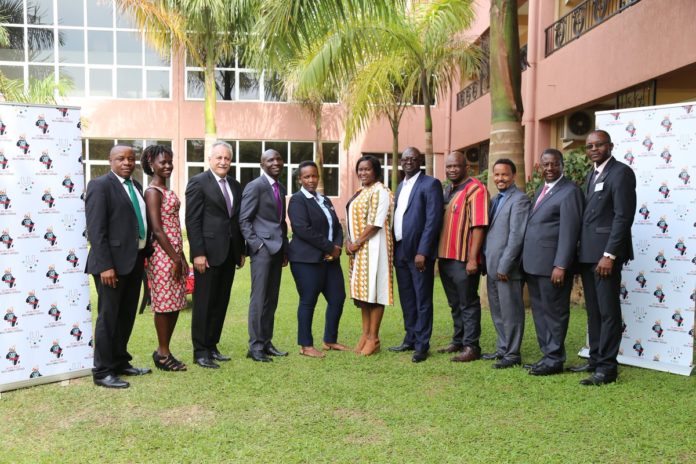
A new Federation of Africa University Sports (FASU) Executive Committee for the term 2019-2022 was elected during the FISU-FASU Strategic Dialogue and FASU General Assembly in Entebbe, Uganda which held from March 23 to 24.

Two Ugandans, Mercy Lakisa and Peninnah Kabenge were elected on the committee as the FASU Students’ Representative and FASU General Secretary respectively.

Peninnah is the Head of Sports and Recreation Department and Principal Sports Tutor at Makerere University while Mercy served as the 83rd Vice Guild President at the same university.

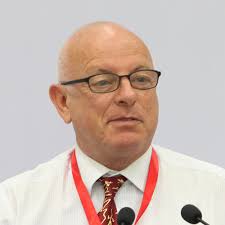
The Federation of Africa University Sports (FASU) also elected its first ever female president, Nomsa Mahlangu from South Africa, and her tenure will last until 2022. This historic moment, which was also witnessed by FISU President President, Prof. Oleg Matytsin.

Mahlangu told participants of the Dialogue and General Assembly that they all have a role to play in “ensuring that FASU is successful”, while highlighting that a lot of work needs to be done.

“I heard a lot of people since the dialogue. There were talks that we need to take FASU to another level. Now this is the time for us as a collective to define what that other level is. In the next programs of FASU it is our responsibility to ensure that we give opportunities to our students. University sports is all about students it is not only about us as administrators, lecturers and the likes,” she explained.

Mahlangu is a former goalkeeper who has been a National Executive Committee Member of the South African Football Association (SAFA) since 2009.

The elected Executive Committee;

Ms. Nomsa Mahlangu – FASU President

Mr. Sidibe Daouda – FASU 1st Vice President

Mr. Life Chemhere – FASU 2nd Vice President

Ms. Peninnah Kabenge – FASU General Secretary

Mr. Abby Kidane Belayhun – FASU Treasurer

Ms. Mercy Lakisa – FASU Student Representative

Stories Continues after ad

Ethiopian Airlines: A look into China’s secretive lending to Africa

Mr. Poenisch

By Herbert Poenisch

Questions are swirling around China’s financing of Ethiopian Airlines (ET), and whether it was part of the country’s secretive lending to Africa.

China’s footprints are visible in Ethiopia, as in other parts of Africa. This includes a recently expanded ET terminal at Addis Ababa Bole international airport and a new five-star hotel. An increasing number of Chinese travellers are transiting through Addis Ababa to various destinations in Africa, all made possible by the rapid growth and expansion of ET’s network. Passengers from Beijing, Chengdu, Guangzhou, Hong Kong and Shanghai can now reach 61 destinations in Africa thanks to the carrier.

While it is difficult to obtain hard facts about Beijing’s involvement, there are indications that Chinese banks, in particular the China Export Import Bank and Industrial and Commercial Bank of China Financial Leasing, have lent large amounts to Ethiopian Airlines.

According to the carrier’s 2016-17 annual report, its total outstanding loans amounted to $ 1.5 billion, or 65 per cent of its total liabilities, net of capital. This is a healthy situation, but the breakdown into individual creditors is unclear.

Known lenders include the US Export Import Bank, JPMorgan, the African Development Bank, the Eastern and Southern African Trade and Development Bank, ING and Société Générale. ET’s new Boeing 737 Max aircrafts were funded partly by the US branch of financial services firm Investec. However, the creditors whose names are listed publicly account for fewer than half of the company’s long-term loans. Substantial funding therefore came from unallocated lenders, some of which are likely to be Chinese. In their annual reports, the China Exim Bank and ICBC Financial Leasing are vague on their strategies in Africa.

The China Exim Bank’s priority is promoting the Belt and Road initiative. While China has never published a list of Belt and Road countries, African states such as South Africa, Zimbabwe and Ethiopia are first on the list of responsibilities of the China Exim Bank Africa office.

The China Exim Bank has deep pockets. By 2017 it had spent $37 billion on overseas investment loans, $113 billion on international co-operation loans and $135 illiobn on loans supporting greater openness in addition to their trade finance.

The tragic crash of ET Flight 302 on March 10 shone a light on China’s involvement in Africa. Once its causes become clearer, it may lead to a reassessment of the risks of lending to a fast-expanding airline. It is possible western creditors will react faster than their Chinese counterparts. Regardless of the extent of ET’s fault in the crash, lenders will probably continue to support the airline. This is particularly true of Chinese investors as part of Beijing’s ‘going global’ strategy; Ethiopia plays an important role as a transport hub in Africa. Any retrenchment would have a knock-on effect on China’s strategy elsewhere on the continent. Chinese airlines are in no position to fill the gap if the country downscaled its commitment to ET. In addition, the airline’s success has made it a profitable Chinese investment.

The writer is a Member of the International Committee of the International Monetary Institute at Renmin University of China, and former Senior Economist at the Bank for International Settlements.

Stories Continues after ad

Uganda donates Shs740m to victims of Cylone Idai in Mozambique and Zimbabwe

Cylone Idai

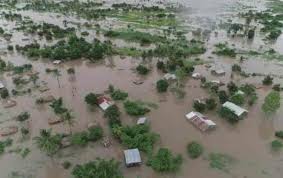
Uganda has joined the international community and the rest of the world to avail relief assistance to the people of Mozambique following the effects of the devastating cyclone Idai.

The financial assistance amount to US $200,000 about (Shs740 million) was announced by the Minister of State for Foreign Affairs Okello Oryem following a directive by President Museveni in fulfillment of his pledge to rally support to assist victims affected by this disaster that occurred from 4th March – March 12, 2019.

The Cyclone in its wake followed by torrential rains and massive floods caused significant destruction of property and infrastructure claiming more than 400 lives with the Republic of Mozambique registering most of the causalities according to Official statistics.

In a directive issued by President Museveni and a decision of Cabinet of the government of Uganda, the Ministry of Defence and Veteran Affairs under the coordination of Gen. Ivan Koreta and Amb. Richard Kabonero, Uganda’s High Commissioner accredited to the Republic of Mozambique, will be in charge of overseeing and ensuring that this contribution is duly received to aid in provision of relief assistance to the victims affected by this disaster.

This intense Tropical Cyclone Idai is regarded as one of the worst tropical cyclones on record to have affected particularly the Southern Hemisphere. The long-lived storm caused catastrophic damage of Infrastructure in the SADC countries of Mozambique, Zimbabwe, Malawi, Madagascar leaving hundreds dead and several more missing.

Mr. Oryem said this gesture is a sign of good will and commitment expressed by the Government and People of the Republic of Uganda with an assurance of more assistance to be provided in solidarity with countries affected by this disaster.

Stories Continues after ad

Ugandan startups get least funding in East Africa as Kenya tops Africa -report

Agro-Supply-Uganda-was-recently chosen-as-the-winner-of-the-Seedstars-Kampala-competition.

Ugandan startups attracted the least funding in the East African region, according to a 2018 report by Partech Africa on funding rounds made by startups in Africa.

The report, which focused on only deals in the Tech & Digital space, did not include investments in form of grants, awards, prizes, debt, loans, Initial Coin Offering (ICO), non-equity assistance and M&A deals.

It only looked at Equity deals, and the figures were derived from funding rounds higher than US $ 200K and lower than US $100 Million. “We cover what we can categorize as Late Seed to Growth stage Equity rounds,” Partech Africa says.

According to the report, only US $2 million was invested in the startup sector in Uganda, way-below what its East African counterparts raised.

For instance, Kenya which attracted the highest funding rounds in Africa got US $348 million, Tanzania which was the fourth best on the continent received US $75 million and Rwandan startups secured US $19 million.

Rwanda ranks at number 8 on the continent and the third best in East Africa while Uganda ranks at position 17, according to the Partech Africa report.

Nevertheless, despite the small figures, Uganda registered improvement, since the 2017 report made by the same team showed the startup sector in Uganda had attracted less than US$0.5 million.

Away from East Africa, Nigeria which was the second best on the continent attracted US $306m, followed by South Africa with $25om and Egypt was in position six, after Tanzania, with US$67 million.

In all, 146 African tech startups raised a total of US $1.163 billion in equity through 164 rounds, representing a 108 per cent year on year growth.

In 2017, only US $560 million was raised in 128 rounds by 124 start-ups.

Kenya, Nigeria and South Africa are still leading the race, absorbing 78 per cent of the total funding, the report shows.

Driven by Fintech, Financial Inclusion remains the main investment sector in the continent, attracting 50 percent of the total funding.

Stories Continues after ad

Top minister among other private individuals owning 99.9% of Uganda National Airline

Uganda Airlines

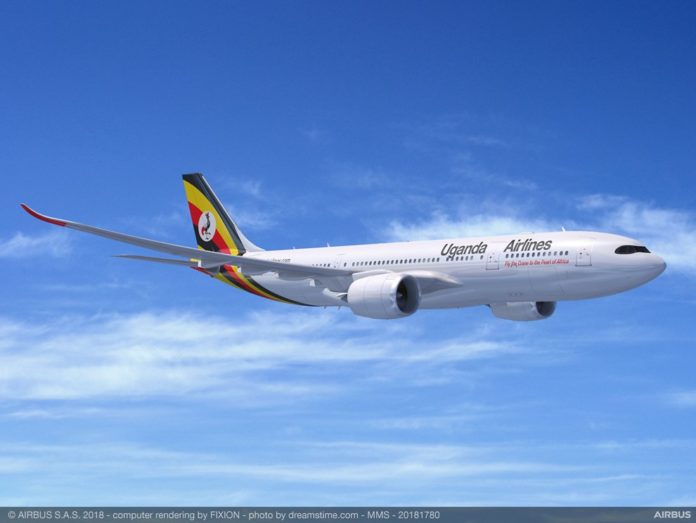
As Ugandans prepare to jubilate for the the return of Uganda National Airline into the skies, the shocking news is that the airline is 99.9 per cent privately owned by unnamed individuals – with government of Uganda owning just an paltry 0.0001 per cent of the airline’s shares, a revelation that yesterday shocked Members of Parliament.

According to sources, among people with major shares is a top government minister who is known for wielding influence.

This revelation was disclosed by Lira district Woman MP Joy Atim Ongom on the opposition who sit on the Budget Committee and wrote their minority report following the approval of a Shs280 billion supplementary budget for the purchase of the first two Bombardier planes from Canada. MPs were shocked to learn that an individual took out a patent on the Uganda Airlines company name. The story that some individual had patented the name of Uganda National Airlines came out about two years ago back but now it has been confirmed.

In June 2016, President Museveni told his cabinet in his first address that Uganda Airlines was to fly again because lack of a national airline is a ‘big shame.’ Then in 2017, the minister of state for Transport, Aggrey Bagiire, told the media that who owns the name was not a problem at all.

“It’s true the name was registered by someone [who] I also do not know. It’s true the name was used in the Uganda Registration Services Bureau, but what is important is the revival of the national carrier, which we are working on,” said Bagiire then.

“The most important thing is that we shall get another name, which will show the planes are for Uganda,” he said at the time.

Now, in his report to parliament yesterday, Budget committee chairperson Amos Lugoloobi said, that considering the urgency associated with the procurement of the two bombardier planes, his committee took a decision to prepare and present a separate report for the items while still in the process of scrutinizing other items on the total Shs770.2 billion supplementary budget presented by government earlier this month.

Among the approved expenditure of the multi-billion supplementary budget, were the Shs 280 billion for the purchase of the planes and the Shs12 billion for the payment of ground rent arrears to Kampala Archdiocese for the land leased to Uganda Police Force at Nsambya police barracks.

Lugoloobi said the approved supplementary expenditures for the aircraft and the Archdiocese shall be financed through the additional revenue release in the FY 2018/2019 and proceeds from the anticipated US $60 MTN license renewal fees payment and capital gains tax resulting from the sale of Tullow Oil’s assets to Total E&P Uganda at US $15 million.

Lugoloobi justified the approval of Shs280 billion for Uganda Airlines, saying failure to pay, would result in severe penalties and damages against Uganda. Ministry of Works and Transport has been putting enormous pressure on parliament to approve the Shs280 billion supplementary budget for the purchase of the planes, arguing that Uganda has already defaulted on its payment schedule.

Last year, Uganda ordered for four CRJ900 regional jets with Bombardier Commercial Aircraft, as part of the much-anticipated plan for the revival of Uganda Airlines. The first jets were supposed to have been delivered in January and February this year, but government kept pushing forward the arrival time.

During her interactions with the Budget Committee last week, Works and Transport minister Monica Ntege Azuba, said the funds for the purchase ought to be availed as soon as possible because any further delays means that Uganda will have to incur costs of insurance and parking fees as the planes lie idle with the manufacturer.

Azuba warned that the required Shs280 billion has to be made within the next 6 days by March 29 or else the manufacturer will push Uganda’s aircraft orders aside to 2022.

Two opposition MPs authored a minority report, appealing to parliament to reject the approved supplementary budget requests. Kasese Woman MP Winfred Kiiza and Lira Woman MP Joy Atim Ongom informed parliament of a number of irregularities that need to be addressed before the supplementary can be approved.

Ongom demanded that government first tables before parliament, proof regarding ownership of Uganda Airlines as well as amending the MoU for government to be allocated majority shares that can be later floated to the public.

“The share capital of Uganda National Airlines Company Limited is 200 million divided into 2 million shares. Of the two million shares, only two shares worth Shs200 to minister of Works and Transport as well as ministry of Finance. This makes both ministries to be minority shareholders holding only 0.0001 per cent of the shares. At the moment the owners of the 99.9 per cent shares are unknown. The owners will only be determined when the directors decide to allocate the shores. It was asserted that the majority shares will be floated to the public,” said Ongom.

She also questioned the appointment of Secretary to the Treasury Keith Muhakanizi and Bageya Waiswa as directors of Uganda National Airlines Limited in their individual capacity. Ongom further said that it would be illegal to utilise the funds from the MTN licence to finance the airlines and that it was not permissible to utilise funds that are ideally reserved for an underfunded sector.

The Government of Uganda has injected approximately US $29.9 million into this company but has only 2 shares allocated lo it. The current investment in the company does not match the auhtorised share capital of the company. Whereas Shs1.26 trillion has been committed for the purchase of the six aircraft and operating capital of US $30 million was appropriated by Parliament in financial year 2018/2019, the auhtorised share capital of the company is only Shs200 million, says the minority report. “This is a serious risk to the public funds invested in the company. Government is likely to become o minority shareholder in the event that the remaining shares ore divested or sold lo o private person or persons,” the minority report says.

The Deputy Speaker, Jacob Oulanyah adjourned debate on both reports to Wednesday, which is today.

Stories Continues after ad

Clickatell helps MTN South Africa launch chat commerce on WhatsApp

Robert Shuter MTN-CEO

MTN South Africa has partnered with global customer engagement company, to launch MTN Chat, enabling its customers to engage with the telco over WhatsApp.

MTN Chat will enable customers to initiate purchase of airtime and data bundles within their WhatsApp chat session. Over time customers will be able to also access customer support and self-service options, including performing upgrades, managing their accounts, and receiving low balance alerts. MTN Chat is part of the MTN vision to significantly enhance its digital business offering to boost its customer base through advanced services.

“Clickatell understands that mobile operators are under increasing pressure to deliver excellent customer service over the digital channels their customers prefer. By offering convenient services over a secure, convenient channel, MNOs can both increase their transactional volume and attract and retain customers – something that is paramount in an age of continuous digital transformation and growing competition,” explains Pieter de Villiers, Clickatell Founder & CEO.

Clickatell has already helped Absa Bank, GTBank, First Bank of Nigeria and United Bank of Africa successfully deploy chat banking capabilities on WhatsApp across Africa.

Clickatell is a WhatsApp Business solution provider. The WhatsApp Business API provides brands the ability to send out notifications and conduct two-way conversations with consumers within WhatsApp once they have opted in. Clickatell’s Touch Flow and Connect platforms gives MTN the capability to unify its communications channels, customise user workflows and connect to internal systems.

“It is imperative that companies focus on improving their self-service experiences in order to retain and grow customers. The Clickatell offerings provides an easy, secure and convenient way of giving users control over their accounts through WhatsApp, a platform they already have an affinity for,” comments says Jacqui O’Sullivan, Executive for Corporate Affairs at MTN SA.

De Villiers says Clickatell’s low effort, high return offerings can propel mobile network operators onto a digital transformation road that differentiates them from their competitors.

“Clickatell has worked hard to ensure that its solution deployments are far less challenging than typical enterprise platform integrations. With over 1.5 billion people in 180 countries using WhatsApp every month, delivering chat commerce experiences on WhatsApp is one of the most efficient ways to reach a majority of consumers who can immediately benefit from the services offered on the channel. There is no doubt this solution is perfect for MNOs around the world where WhatsApp is frequently used.”

Stories Continues after ad

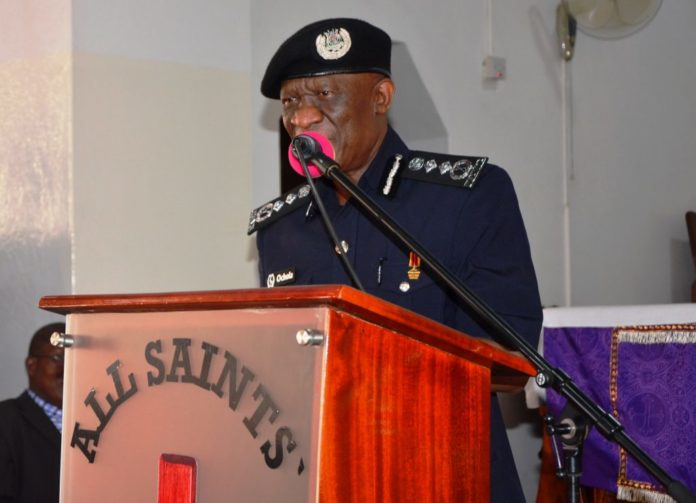
Late CP Christine Alalo was strong woman, great mentor-IGP Ochola

IGP-Ochola

The life of the late CP Christine Alalo stands as a testament to the entire human kind that global or institutional challenges have no control over greatness in you, the Inspector General of Government Martins Ochola Okoth said on Tuesday during a memorial service held for the late police officer at All Saints Church Nakasero.

Alalo who was serving with the African Union Mission in Somalia (AMISOM) died in the Ethiopian Airlines flight ET302 crash three weeks ago alongside 156 others as she was returning from Italy where she had been undergoing a Gender Protection Course.

“CP. Alalo was a strong woman, focused, determined, a great mentor to her team, full of life, instrumental in mainstreaming gender in the UPF, and always raised gender issues in all discourses,” Ochola told mourners.

“I would like to express on behalf of the Uganda Police Force, our sincere condolences to the deceased’s children, Parents and family friends. It is hard to imagine what you must be going through. CP. Alalo’s sudden and unexpected passing away must have been heartbreaking and devastating to you,” he said.

Joining the police

According to Ochola, having joined the force on 18th August 2001, the late distinguished herself and discharged her national and international police duties with utmost sincerity and commitment. She was a highly valuable and respected member of UPF and the effects of her passing are already being felt by the Institution. She made many great contributions to the institution and helped it move forward in numerous ways.

During the 17(seventeen) and half years of police service, she served as OC Station Lira, DPC Entebbe, Staff officer of the Directorate of Human Resource Management, served in United Nations (UN) Mission in Sudan, Commissioner of Child and Family Protection Department and in 2015, she was appointed as Deputy Commissioner AMISOM in Somalia. At the time of her demise, she was the Acting Commissioner AMISOM.

Before joining AMISOM, she was subjected to an interview and emerged the winner among other competitors. This was because of the experience she gained having served in United Nations Mission in Sudan (UNMIS) as a Peacekeeper in 2007 to 2009.

Before she left for AMISOM, she headed the Department of Child and Family Protection Unit where she excelled in her duties and was awarded the European Union’s Human Rights Defender prize in June 2014.

In AMISOM, she was rated highly in the discharge of her responsibilities to the extent that she acted as the Police Commissioner, in the absence of a substantive Police Commissioner.

From African Union ratings, the Late performed her duties to the satisfaction of African Union Commission (AUC) and all critical stakeholders, by inspiring Police personnel in the Mission to higher levels of commitment, dedication and service to the cause of peace in Somalia.

She was an officer of high integrity, hardworking, dedication, commitment and professionalism and, gained respect from whoever would interact or work with at all different levels.

Her diligence to work saw her rise in ranks and by the time of her death she was a Commissioner of Police who had very commendable potential to rise to up to the top of UPF rankings. She mentored many officers throughout her carrier and took them up as sons and daughters, she was indeed a mother of the nation, highly respected member of the force who loved her job.

Stories Continues after ad

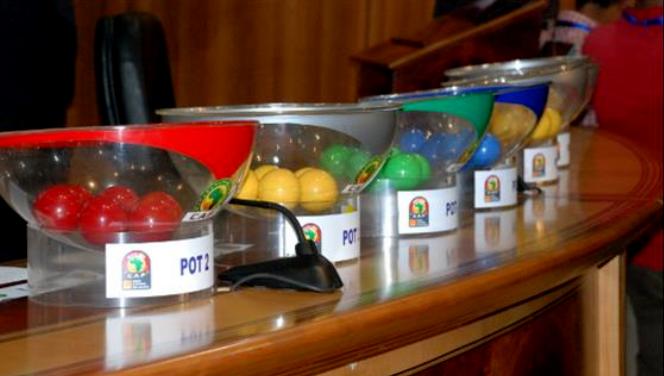
AFCON 2019: Uganda seeded in Pot 3

Caf-pots

Uganda Cranes has been placed in Pot 3 alongside South Africa, Guinea-Bissau, Zimbabwe, Angola and debutants Burundi ahead of the Africa Cup of Nations group stage draw which will be held in April.

The 24 teams that qualified were seeded into 4 pots based on the Caf National Team rankings.

The seedings were approved by the Organising Committee of the Africa Cup of Nations at its meeting on Monday, 25 March 2019 at the CAF headquarters in Cairo, Egypt.

They were determined taking into account the performance of the qualified teams during the following competitions: Africa Cup of Nations final tournaments (2013, 2015 and 2017), Africa Cup of Nations qualifiers (2015, 2017, and 2019) and the March 2019 FIFA World Rankings.

The teams will be drawn into six groups of four teams. The hosts Egypt will be in Group A.

The top two teams of each group, along with the best four third-placed teams, will advance to the round of 16.

The draw will take place on 12 April 2019, on a historic place facing the Sphinx and the Pyramids, near Cairo, Egypt.

The competition will be held from 21 June, with the final to be played on 19 July 2019.

The Pots:

Pot 1: Egypt, Cameroon, Ghana, Ivory Coast, Tunisia, Senegal.

Pot 2: Morocco, Nigeria, Algeria, Guinea, Mali, DR Congo.

Pot 3: Uganda, South Africa, Guinea-Bissau, Zimbabwe, Angola, Burundi.

Pot 4: Mauritania, Namibia, Benin, Kenya, Madagascar, Tanzania.

Stories Continues after ad

Gen. Kyaligonza, aides sued for assaulting UBC TV journalist

Maj. Gen. Matayo Kyaligonza assaulting the traffic officer.

Uganda journalists association (UJA) has dragged Ugandan’s ambassador to Burundi Maj. Gen. Matayo Kyaligonza to high court seeking for redress over allegations of assaulting UBCTV journalist Peter Otai.

Otai on February 24, was shooting at the scene recording the incident in which Kyaligonza and his aides were assaulting a female traffic police officer Sgt. Esther Namaganda as she was on the road doing her work. Otai says he was beaten after he declined to erase video clips he had captured as Kyaligonza’s men assaulted the police officer at Seeta junction in Mukono.

Namaganda had stopped Gen Kyaligonza’s vehicles that were wrongfully making a U-turn in the middle of the road at Seeta junction. She was wrapped up by his bodyguards, RA/221607 L/CPL Bushindiki Peter and RA/230927 Okurut John Robert.

In a suit filed through their lawyers of Kiiza and Mugisha advocates against the two army officers RA/221607 L/CPL Bushindiki Peter and RA/230927 Okurut John Robert, Gen Kyaligonza and Attorney general, Otai seeks for Shs340 million in compensation in damages.

He also seeks court to enforce his human rights to freedom of expression that was violated by the respondents.

The UPDF officers who were involved in the fracas were arrested and are currently held at Makindye military and detention facility.

Stories Continues after ad

Birth control pill for men passes initial test

Male sperm

A birth control pill for men has passed initial human safety tests, experts at a leading medical conference have heard.

The once-daily pill contains hormones designed to stop sperm production.

It would be a welcome addition to condoms or vasectomy – the only options currently available to men.

But doctors at the Endocrine Society’s annual meeting were told it could still take a decade to bring it to market.

Sex drive

The female pill was launched in the UK more than 50 years ago. So why is a male pill proving so difficult?

Some say there has been less societal and commercial will to get a male pill off the ground – but opinion polls suggest many men would consider taking it if a pill did become available.

Whether women would trust men to reliably take it is another issue.

A UK survey by Anglia Ruskin University, in 2011, found 70 out of 134 women would worry that their male partner would forget to take a pill.

Biologically, the challenge of creating a hormone-based pill for men is making sure that it doesn’t blunt sex drive or reduce erections.

Sperm production

In fertile men, new sperm cells are constantly made in the testicles, triggered by hormones.

Temporarily blocking this effect without lowering hormone levels to such an extent that it creates side-effects is the issue.

But this latest male pill, being tested by researchers from LA BioMed and the University of Washington, should hopefully achieve this goal, researchers say.

Initial “phase one” safety tests with 40 men looked promising, they told the Endocrine 2019 meeting in New Orleans.

For the 28 days of the study:

And among those taking the androgen-based drug, levels of hormones required for sperm production dropped greatly compared with placebo, returning to normal after the trial.

Erectile dysfunction

Side-effects, meanwhile, were few and mild.

Five men on the pill reported mildly decreased sex drive – and two described mild erectile dysfunction – but sexual activity was not decreased, no participant stopped taking it because of side-effects and all passed safety tests.

The researchers behind the work, Prof Christina Wang and colleagues, are excited but cautious about the findings.

“Our results suggest that this pill, which combines two hormonal activities in one, will decrease sperm production while preserving libido,” she said.

But bigger, longer trials were needed to check it would work well enough as a birth control.

Body gel

And this is not the only prototype hormone-based male contraceptive Prof Wang has been testing.

She and colleagues have come up with a body gel men in the UK will be trying as part of an international trial.

Users apply it daily to their back and shoulders, where it can be absorbed through the skin.

Progestin hormone in the gel blocks natural testosterone production in the testicles, reducing sperm production to low or nonexistent levels, while replacement testosterone in the gel maintains sex drive and other functions that rely on the hormone.

Meanwhile, Prof Wang, Dr Stephanie Page, and colleagues at the University of Washington School of Medicine, have been testing another compound – DMAU – that they believe men could take as an oral daily contraceptive pill.

And trials in 100 men have suggested this is safe enough to move into the next phase of testing.

Mood disorders

Other scientists have been trying delivering longer-acting birth control hormones in a jab given every other month.

But they stopped enrolling men to their phase-two study, looking at the safety and effectiveness of the injection, after some of the volunteers reported side-effects, including mood disorders or depression.

For men who don’t fancy taking hormones, researchers have been looking at ways to block sperm flow, stopping it from ever leaving the penis – effectively, a non-surgical vasectomy.

Vasalgel – a polymer material that is injected into the two ducts that transports sperm from the left and right testicles to the penis – is being developed as a non-hormonal, reversible, long-acting male contraceptive.

So far, it has been tested in animals only – but the researchers behind it have recently received funding to look to begin human trials.

Potential market

Prof Richard Anderson, of the University of Edinburgh, is leading one of the UK trials that will test a contraceptive body gel on men.

He said the pharmaceutical industry had been slow to get behind the idea of a new male contraceptive despite good evidence that both men and their female partners would welcome the additional choice.

“I think that industry has not been convinced about the potential market,” he said.

“It’s certainly been a long story – part of it is lack of investment.”

Chequered history

With little industry involvement, he said, researchers had had to rely on charitable and academic funding, which took time.

Allan Pacey, professor of andrology, at the University of Sheffield, said: “The development of a male birth control pill, or injection, has had a chequered history without much success so far and so it is good to see that new preparations are being tested.

“The key will be if there is enough pharmaceutical company interest to bring this product to market if their trials are successful.

“Unfortunately, so far, there has been very little pharmaceutical company interest in bringing a male contraceptive pill to the market, for reasons that I don’t fully understand but I suspect are more down to business than science.”

Stories Continues after ad