Stanbic Bank
Stanbic Bank
17.6 C
Kampala
Stanbic Bank
Stanbic Bank
Home Blog Page 1755

DP candidate Sentongo wins Kyotera Woman MP seat

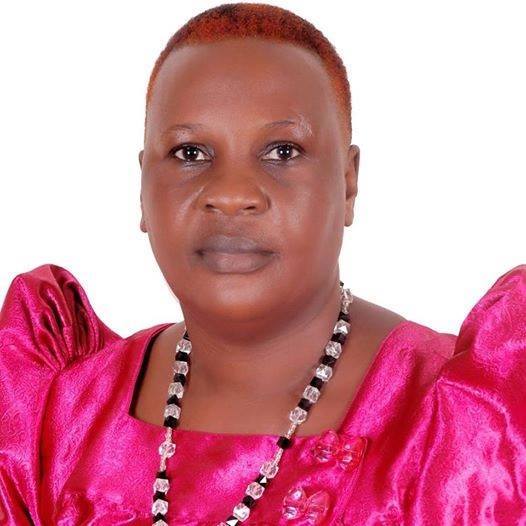
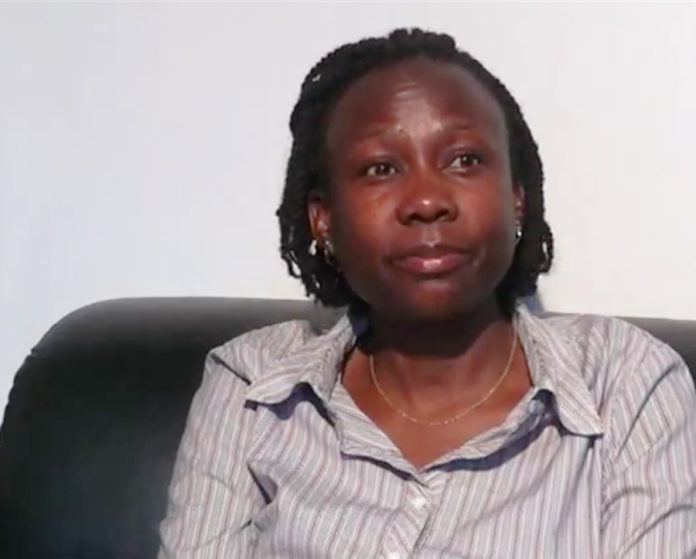
NEW KYOTERA MP: Democratic Party (DP's) Robina Ssentongo

The Democratic Party (DP) candidate Robina Ssentongo Nakasirye is the Woman Member of Parliament for the newly- created Kyotera district, after defeating the National Resistance Movement (NRM) candidate Rachael Nakitenda by over 6000 votes.

Ms Sentongo, who was declared MP by Kyotera district returning officer Leticia Nantabo garnered 21, 731 votes to beat Nakitenda, who got 15,511votes. She becomes the 15th DP MP in the house.

Other candidates including the Forum for Democratic Change’s (FDC) Phirista Nassali Nakato got 2,224 votes while independents Cissy Nantongo and Joweria Nabbaale, respectively garnered 3,272 and 266 votes.

In a related development, NRM candidate Patrick Kintu Kisekulo won district chair with 19, 481 votes, while DP candidate Tom Darlington Balloja came second with 10,080 votes.

Independent candidates Charles Lubega Zziriddamu, Anthony Mugerwa and Gerald Ssekwe polled 10,692, 476 and 233, respectively.

.


Stories Continues after ad

World can end AIDS in its totality -Museveni

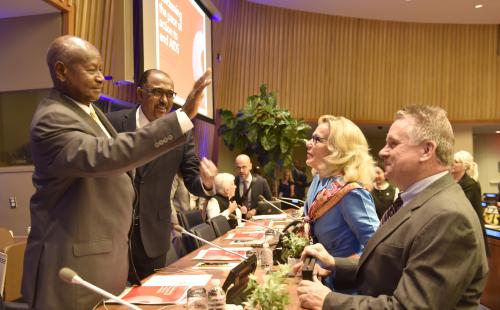
President Museveni shares a light moment with delegates during a High Level meeting on AIDS in New York as UNAIDS's Michel Sedibe (2nd L) looks on. Thursday Sept 21, 2017. PPU

Determined to realize Uganda’s goal to fast-track initiatives on ending HIV/AIDS in Uganda by 2030, President Museveni told a high level meeting on AIDS organized by UNAIDS and Co-hosted by Uganda that with research, prevention and experience it is possible to end AIDS in its totality.

“I have been interacting with our experts from the Ministry of Health, UNAIDS and other health partners about HIV transmission and prevention. Using lessons from our own experience in Uganda, we are now convinced that it is possible to eliminate HIV/AIDS in its totality.  As part of this commitment, we agreed on ambitious global and national Fast Track targets for ending AIDS,” Museveni said.

He added: “We are in a better position because we now clearly know its mode of transmission, availability of anti-retroviral therapy with an improved outcome and advanced research that has been able to answer most questions.”

According to Museveni, research has shown that once you are on treatment, there is a reduced chance of spreading the HIV infection. “For this reason, I invited you to address these challenges that face our countries and find means of how we can further strengthen our efforts,” he said.

Museveni, who is accompanied by the First Lady Janet Museveni, is in New York for the 72nd United Nations General Assembly.

In June this year Museveni launched the the Presidential Fast-track Initiative on ending HIV and AIDS in Uganda by 2030. This was the first initiative in Africa and the entire world.

Museveni said that he first came to know about HIV/AIDS during the liberation war when one of his soldiers got sick and died after the doctors failed to find out what he was suffering from.

Museveni said that he when he captured power and sent some army officers to Cuba for training, Fidel Castrol told him about a disease that most of the officers who had been sent for training had been found with.

“Over 60 soldiers were sent to Cuba for training and 18 of these were found to be HIV positive,” he said.

The President said that this made him to pick interest in the disease and find out how it was spread. “I found out that AIDS was spread through unprotected sex, blood transfusion, mother to child and using unsterilized sharp instruments,” he said.

Museveni said that by then the AIDS prevalence in some areas in Uganda was at 30% and at the national level 18%.

“I knew we had to sound a strong alarm. When making an alarm about food in our culture we don’t make it loud because we want a few people to come but when it came to AIDS, I knew we had to sound a much louder alarm as like we were going to war,” he said.

The President said that the government adopted the ABC (abstinence, being faithful and use of condoms) method to sensitize and prevent the spread of HIV/AIDS which helped lower the Prevalence rate.

Mr. Museveni said that with the introduction of the antiretroviral the world is better placed to fight the HIV/AIDS pandemic.

The President emphasized the role of the family in the fight against AIDS.

“I must emphasize the role of the family in the fight against AIDS. Talk to your children, this is because the first relationship a child has is with the parents. We need to talk to our children about AIDS,” he said.

The President of Guinea, who is also the Africa Union (AU) Chairperson Alpha Condé, said that the AU was committed to ending AIDS on the African continent. He said the body had launched a campaign to hire 2 million health workers to provide health services to AIDS patients. “It is very important to have people who can provide health care to AIDS patients,” he said.

King Mswati III of Swaziland, President Arthur Peter Mutharika of Malawi, President Danny Faure of Seychelles, Edgar Chagwa Lungu of Zambia and Mokgweetsi Masisi of Botswana called upon countries to work together to defeat the AIDS pandemic around the world.

Ms. Jacquelyne Alesi of the Uganda Network for People Living with HIV and French singer and AIDS activist Madame Line Renaud called for more open mindness about HIV and an end to criminalization and discrimination of people with HIV and fulfillment of pledges of funding.

Mr. Michel Sidibé commended the countries that have increased funding towards the fight against HIV/AIDS.

Ambassador-at-Large, Deborah L. Birx, the Coordinator of the United States Government Activities to Combat HIV/AIDS and U.S. Special Representative for Global Health Diplomacy said that

the Trump administration was deeply committed to the global HIV/AIDS response.

She announced the release of the United States PEPFAR Strategy for accelerating HIV/AIDS Epidemic Control 2017-2020.

Monica Geingos, the First Lady of Namibia and UNAIDS Special Advocate for Young Women and Adolescent Girls, Lorena Castillo de Varela, the First Lady of Panama and UNAIDS Special Ambassador for AIDS in Latin America, Dominique Ouattarra, the First Lady of Côte d’lvoire and USAID Special Ambassador for the Elimination of Mother –to-Child Transmission called upon governments and the international community to involve the families in the fight against HIV/AIDS.


Stories Continues after ad

Council members for Judicial Training Institute unveiled

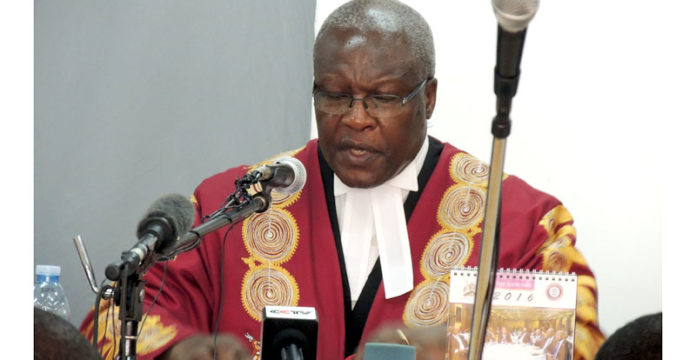
INAUGURATED JTI GOVERNING COUNCIL: Chief Justice Bart Katurebe

The Chief Justice, Bart Katureebe Thursday inaugurated the Governing Council of the Judicial Training Institute at the High Court in Kampala.

The 11-member Council chaired by Supreme Court Judge Lady Justice Stella Arach Amoko was appointed by the CJ on July 21, 2017.

Other members include Justice Kenneth Kakuru (Council Deputy chairperson/Court of Appeal); Justice Dr Henry Peter Adonyo (ED JTI); Lady Justice Percy Night Tuhaise (High Court); HW Gadenya Paul Wolimbwa (Chief Registrar) and Mr Kagole Expedito Kivumbi (Secretary to the Judiciary).

Others are Mr Francis Atoke (Solicitor General); Ms Norah Winyi Matovu (Judicial Service Commission); Mr Frank Nigel Othembi (Director LDC); Mr Francis Gimara (President ULS); Ms Rachael Odoi Musoke (Senior Technical Advisor JLOS) and Erias Omar Kisawuzi (Registrar JTI).

The team replaced the former Judicial Training Committee that was chaired by Supreme Court’s Lady Justice Esther Kisaakye.

In his remarks, CJ urged the Council to take their role seriously particularly the induction of all new Judicial Officers and Staff, saying people should not begin work without orientation.

The other role is training of Judicial Officers in areas of innovation such as the upcoming computerization of the courts.

The Chief Justice further urged the Committee to prioritize training programmes according to importance and value addition to serving officers.


Stories Continues after ad

Over 1000 students receive education loans

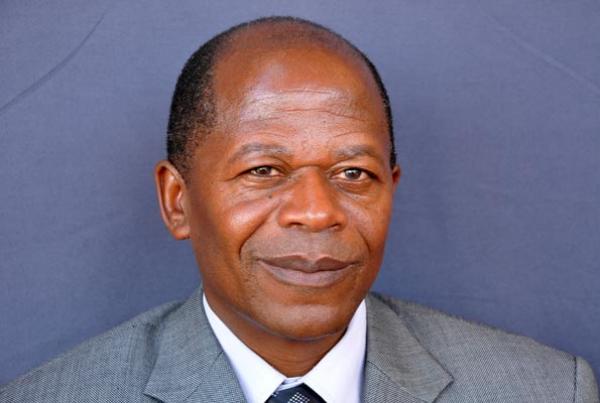
Higher Education State Minister Dr.John Chrysestom Muyingo

Some 1460 Ugandan students and their families are in celebrations after being approved by the Higher Education Students’ Finance Board to receive education loans for the academic year 2017/18.

Commenting on the list of the approved students to receive the loans, the minister of higher education John Chrysestom Muyingo said the development was yet another milestone in the education sector.

“Today, we are registering yet another great milestone in achieving the education sector objective of increasing equitable access to Higher Education. Last year on 8th September 2016, I was at this same place announcing the third beneficiaries of the Student Loan Scheme. I am pleased to be back here to officially release the fourth cohort of the loan beneficiaries,” he said as he congratulated the administrators of the students’ loan facility- Higher Education Students’ Financing Board.

Mr. Muyingo also said the government is determined to address the Sustainable Development Goal number 4 of ensuring inclusive and equitable quality education for all at all levels of Education.

“Achieving inclusive and quality education for all reaffirms the belief that education is one of the most powerful and proven Vehicle for sustainable development. As government we are in the right direction of achieving this goal that aims at achieving equitable access to affordable Higher Education training,” he said.

According to the Chairperson of the Board, Prof. Callisto Locheng, the loans were awarded to the most-deserving applicants who cannot raise fees. He said the process was transparent and weeded out those who could afford to pay for their education.

Most students who have been approved by the Board come from upcountry districts, and many applied for science courses in line with the government policy of promoting sciences for job creation.

The loan scheme, he said  was introduced to support students who are admitted in tertiary Institutions but find difficulties in raising fees.  He said many students are now able to obtain loans to pursue higher education and there has been increased numbers of applicants over the years.

This year, the Board received a total of 4218 loan applications, compared to 3764 in 2016/17 academic year. The Board has awarded loans to a total of 1460 as compared to 1325 last year, an increase of 10% .

“For the first time, the Board has awarded loans to 13 students with disabilities to pursue humanities in law (2) and Bachelor of Arts in education (11). Persons with disabilities were considered as a special group because of the eminent problems they go through to pursue sciences .This is a commendable job for which I applaud the Board,” he said.

He said in the coming years, the Government plans to increase the funding to ensure that more students in the participating.

Universities and other Tertiary Institutions who qualify are given assistance so as to attain Higher Education.

“We shall ensure that the beneficiaries double in the successive years. This is one of the ways Government intends to reduce income inequalities and reduce poverty by supporting students through provision of loans for the attainment of Higher Education.

Meanwhile 628 out of the 1,201 students who got loans in 2014/15 completed their studies in 2016/17 and are out in the field, some of them working while others are still looking for employment. The Board has given them a grace period of one year but also encourages early repayment in case you can afford,” he said..

Ms. Hatika Namyalo, one of the students who borrowed the money has paid back her loan to a tune of Shs3,821,000. She pursued a two years course in diploma in Nursing. Ms Namyalo received a certificate for paying back the money in the shortest time possible.

“I call upon other loan beneficiaries to emulate her. I would like to encourage all the loan beneficiaries to work hard and be able to pay the loan on time so as to enable the Board to support other students in need of support,” the minister said.

“To those who are receiving the loans, I would therefore like to encourage them to take their studies seriously and avoid failing examinations and finish their studies in time with excellent grades.  This will enable them get jobs and be able to pay back the loans so that other needy students also benefit from the same funds,” he added.


Stories Continues after ad
Health minister decries UBTS ‘underfunding’

Health Minister Dr Jane Ruth Aceng

The Uganda Blood Transfusion Services (UBTS) faces the challenge of under-funding as it carries out its mandate of providing adequate and safe blood across the country, minister of health Jane Ruth Aceng said recently in a statement.

According to the minister, UBTS requires extra Shs15 billion to support blood collection services. UBTS was allocated only Shs17.5 billion in the 2017/18 national budget.

“Non-wage allocation to UBTS is so inadequate and cannot support blood collection operations,” the minister told members of parliament recently.

UBTS’s annual procurement plan for medical supplies is Shs24 billion to collect and test 240,000 units of blood but only Shs7.88 billion was allocated to the organization this financial year.

According to the minister, it costs US$40 to collect, process and issue a unit of blood, meaning that UBTS needs Shs 39.467 billion to process 240,000 units of blood this financial year.

“Fear is that NMS as per 2017/18 budget shows that the annual budget allocation is already exhausted in the first quarter. This means there wilol be no supplies for subsequent quarter,” she says.

The organisation also faces challenges of paying its staff given that it embarked on institutional growth to provide efficient services. It was only allocated Shs2.7 billion for staff wages out of Shs3.6 billion it had asked for, leaving a shortfall of Shs0.87 billion.

However, the minister said high demand, inappropriate clinical use of blood in hospitals, unethical conduct, inadequate staffing, unnecessary blood transfusion and poor storage are responsible for scarcity of blood.

UBTS runs a network of seven regional blood banks in Arua, Fort Portal, Gulu, Kitovu/Masaka, Mbale, Mbarara and Nakasero. UBTS also operates eight collection centres in Hoima, Masaka, Kabale, Rukungiri, Jinja, Lira, Angal and Soroti. It also has 22 mobile blood collection teams attached to regional blood banks.

According to WHO recommendations, any developing country is supposed to collect blood equivalent to 1 percent of its total population. Given that Uganda’s population is currently estimated at 40 million people, this translates to 400,000 units of blood as UBTS annual blood collection target to sustain blood requirements for transfusion in health care facilities.


Stories Continues after ad

Our role in Somalia is a Pan-African mission – Museveni

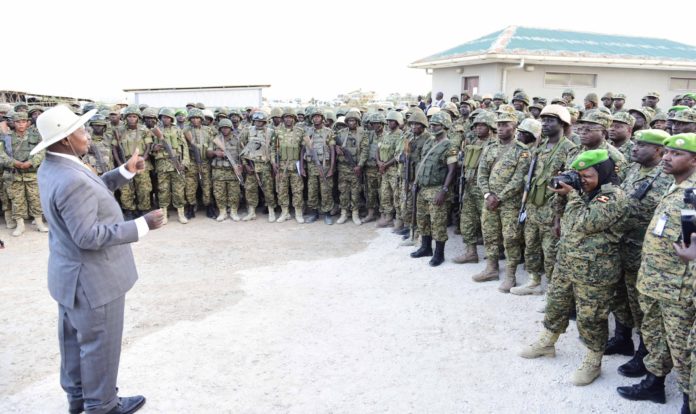
FLASHBACK: President Museveni the addressing UPDF soldier in Somalia

President Yoweri Museveni has told a meeting of African Union Mission in Somalia (AMISOM) Troop Contributing Countries (TCC) that their role in Somalia is purely for Pan African reasons to help Somalia stabilize.

“This is a pan African venture. We are not employees of the United Nations or Somalia,” Museveni said.

The President was yesterday chairing a closed-door meeting, one of a kind, for countries contributing troops to AMISOM including Uganda, Burundi, Ethiopia, Kenya, Djibouti and the host country during which they agreed to review the situation in Somalia and improve the political and military coordination to ensure that peace and security is guaranteed in the war-wary country. A member of the African Union also attended the meeting.

According to sources, top priority for Somalia is building a strong national army and taking stock of the political situation. All parties agreed to follow keenly a review on AMISOM by the United Nations Secretary General and after all TCCs would take the necessary steps.

The United Nations provides logistics, technical and training support to AMISOM and to the Somali National Army. The United Nations believes with enhanced support to AMISOM, the African Union Force, and predictable funding – along with a coordinated effort to build the Somali National Army and Police Forces – Al Shabaab can be defeated.

During the meeting, Uganda was elected as official spokesperson of the TCCs.

The meeting was attended by the Prime Minister of Somalia Hassan Ali Khare, the Prime Minister of Ethiopia Desalegn Hailemariam, Foreign Affairs Minister of Kenya Amina Muhammed, Commissioner Ismael Chergui of the African Union, Allen Nyamitwe, the Foreign Affairs Minister of Burundi, Yusuf Mahmoud, the Foreign Affairs Minister of Djibouti and Abdullahi Rachid the Defence Minister of Somalia.

Uganda was represented by the Minister of Foreign Affairs, Sam Kutesa, the Chief of Defence Forces Gen. David Muhoozi, Uganda’s Permanent Representative to the UN Adoniya Ayebare and the Military Adviser at the Uganda Mission in New York, Maj. Gen. Silver Kayemba among others.


Stories Continues after ad

EU condemns age limit chaos

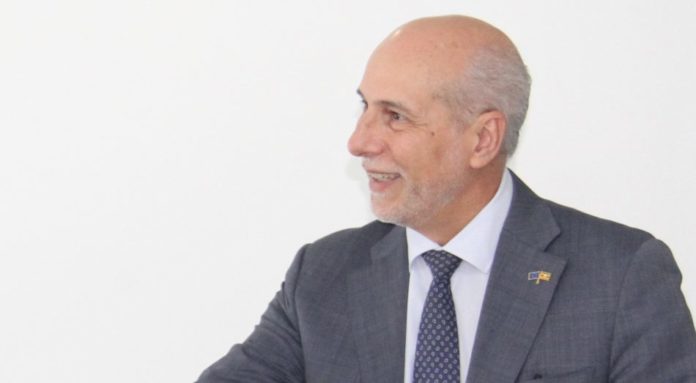
The Head of EU delegation Attilio Pacifici

The European Union has issued a statement condemning the chaotic scenes that marred the country as Parliament yesterday readied to debate a motion to lift the presidential age limit.

In a statement to Eagle Online, the ten member country organisation expressed concerns over the tension across the country with the body rebuking the arrests and actions targeting NGOs as well as political activists.

“We are deeply concerned about the build-up of tension in and outside Kampala that might lead to infringing the fundamental freedoms of Ugandan citizens and damage the country’s international reputation. We monitor closely and with concern the most recent reports of cases of arrests and actions targeting NGOs and political activists,” European Union’s statement read in part.

The statement followed wide police deployment across the country with military police taking over security in Kampala.

Lord Mayor Erias Lukwago, councilors at KCCA and some students of Makerere University faced the wrath of Police that saw them book their places in Police coolers.

The European Union delegation in Uganda comprises Austria, Belgium, Denmark, France, Germany, Ireland, Italy, Netherlands, Sweden, Norway, Iceland and the United Kingdom.

The situation got worse when earlier in the day Military Police put Parliament under siege ahead of attempts at tabling the motion, barring MPs from parking their cars within Parliament parking lot.

However, the body has called for an open debate on such a sensitive stating; “We are also troubled by the inflammatory language used in debating issues of national interest, pertaining to the democratic process in Uganda. We consider that major issues related to the national development should be debated in an open and inclusive national dialogue.”

The European Union has also called on authorities to guarantee the fundamental freedoms of expression and assembly as enshrined in the constitution, saying the saw law provides the right of all citizens to fully express their civil and political rights without fear of intimidation.

Meanwhile, debate on the motion was called off by the Deputy Speaker Jacob Oulanyah just hours before it was set to begin, with the Deputy Speaker saying there would be further consultations on the matter that has caused tension in the country.


Stories Continues after ad

Museveni, US Undersecretary discuss trade, security

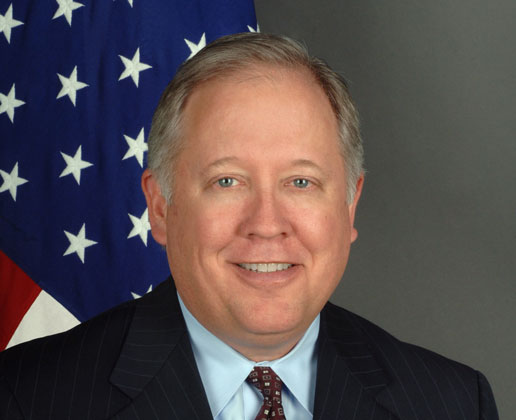
United States Undersecretary for Political Affairs Thomas A. Shannon

President Yoweri Museveni has said that while Uganda and the United States face many challenges that they are collaborating on together including peace and security in South Sudan, Somalia, DR Congo, they will intensify their efforts for durable solutions.

The President however urged the United States to balance these efforts by paying attention to other practical areas such as investments and trade that contribute to peace in the region.

The President was yesterday meeting the United States Undersecretary for Political Affairs Thomas A. Shannon, at Uganda House in New York City. The President is in New York to attend the 72nd session of the United Nations General Assembly. The meeting was attended by Foreign Affairs Minister Sam Kutesa, State Minister for Foreign Affairs Henry Oryem Okello and Uganda’s Chief of Defence Forces Gen. David Muhoozi.

The President said he supported President Trump’s statement to the United Nations for leaders to put their individual countries first, adding that initially the US wasted a lot of time on the ‘wrong things’ instead of pushing for mutual benefits in trade and investments.

“The World Bank had policies that were not pro-development. They were not interested in infrastructure development such as in the energy sector and roads. Without electricity for example, how can you industrialize?”

On the security situation in the Horn, including in South Sudan, Somalia, Burundi and DR Congo, the President said from his assessment, conflicts stem mainly from focusing on peoples identities rather than interests and in other cases the lack of institutions and ideology.

On trade, President Yoweri Museveni said Uganda is against importation of secondhand clothes because it is trying to develop its textile and apparel sector.

“Second hand clothes are killing the textile and apparel sector in Uganda. Industrialization of this sector is not only good for Uganda but for America as well. As partners the volume of trade grows and creates more incomes,” he said.

Mr. Thomas Shannon appreciated President’s call for trade and investments as part of finding solutions to the conflicts in the region and thanked him and the people of Uganda for opening their doors to refugees.

“We appreciate Uganda’s policy on refugees. We thank you and your government for taking care of them and for allowing them to produce their own food,” he said.


Stories Continues after ad

Mega Masappe promo: 11th car handed to Masaka resident

Airtel Group Brand and Media Director, Mr. Dia Ezzaoudi, handing over the car keys to Paul Muyingo the car winner of the Mega Masappe draw

With just two weeks remaining to end the Mega Masappe promotion, Paul Muyingo, a resident of Masaka, has won himself a brand new car in the 12th draw held this morning.

Launched at the start of the July and scheduled to run for 90 days, the opt-in promotion has seen several subscribers receive bonuses on hitting their daily targets and more than 100 lucky subscribers take home brand new cars, motorbikes and cash prizes of one million shillings.

As part of this week’s draw, Harriet Namuddu, Pius Bagaza, Hanifa Namubiru and Rogers Arihoruhanga were awarded brand new motor bikes as Lydia Nakato took home a cash prize of one million shillings.

Handing over the prizes was Mr. Dia Ezzaoudi, the Airtel Group Brand and Media Director.

“I congratulate today’s winners and thank all Airtel Uganda subscribers for taking part in this promotion. As we draw closer and closer to the end of the promotion, I would like to encourage you all to continue hitting your targets – with Mega Masappe, there is no losing,” Ezzaoudi commented.

Ezzaoudi also noted that the next Mega Masappe draw will see double the number of motorbike and cash winners. “We still have 1 car, 16 motor bikes and ugsh17 million to be given away, so we shall be giving away 2 motorbikes and ugs2milion daily,” he noted.

“For all our subscribers who opted in but have not yet won anything, this is the time to start hitting your targets. Next week, we shall see double the excitement as we hand out double the prizes we have given out today,” he exclaimed.

Mega Masappe promotion subscriber bonus will be given instantly on the achievement of the daily target. For example, if a subscriber’s bonus target is Ushs. 2,000 and they recharge with that Shs2,000, they will receive 100% bonus of the same value under the Voice, SMS & Data split.

However, if they recharge with another Ushs. 2,000 on the same day, they will not get a second bonus.

Daily and weekly prizes will be given away every Friday for the entire duration of the promotion.


Stories Continues after ad

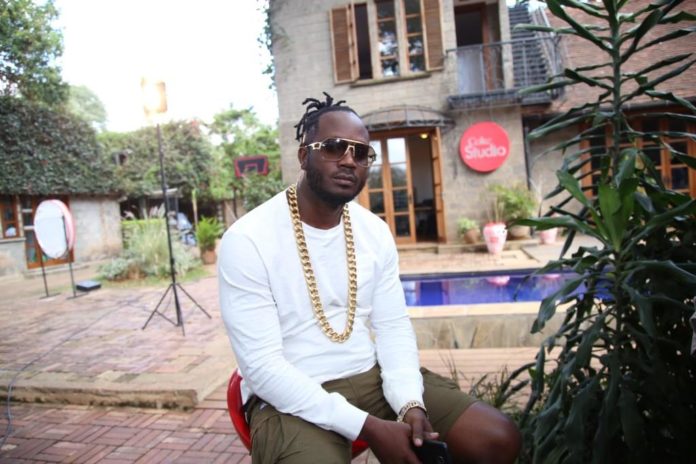
Bebe Cool Impresses in Coke Studio Episode 2

Bebe Cool

This week on Coke Studio Africa, Ugandan dancehall artiste Bebe Cool impressed viewers when he performed his version of Falz’s ‘bahd baddo baddest’ hit song, successfully adding a reggae feel to the hip hop song.

Top Nigerian artiste Falz also went out of his usual rap character and sang to Bebe Cool’s number 1 hit ‘Love you every day’.

Both tracks were produced by Nigerian producer Gospelondebeatz, mainly known for producing successful songs with artists like Patoranking, Wizkid and Yemi Alade.

Episode 2 also saw Ghanaian hip-life phenomenon Joey B and South African Afro-pop sensation Amanda Black, work together on the Coke Studio Africa Throwback, and Ghana’s newest star, Worlasi, working with Nigerian success story Chidinma, and Kenyan supergroup Sauti Sol to perform this week’s Big Break.

Coke Studio Africa is a non-competitive music collaboration show, which seeks to bring together, and celebrate the diversity of African music and talent.

It also gives upcoming artistes the opportunity to work with some of the best local and international music and production talent. It brings together artistes from different genres, eras and regions to create a modern and authentic African sound through musical fusion.

This season marks the first time that the beverage giant has merged Coke Studio Africa and Coke Studio South Africa into one, bigger and better show, consequently increasing the number of participating countries to 16, up from 11 in previous edition.

To keep up with all Coke Studio Africa related information including artistes, collaborations, lyrics and television airing times follow the hashtag #CokeStudioAfrica.


Stories Continues after ad