Stanbic Bank
Stanbic Bank
19.2 C
Kampala
Stanbic Bank
Stanbic Bank
Home Blog Page 1769

Dolphin Suites: Kampala’s exotic and affordable hotel

IN BUSINESS: Dolphin Suites in the leafy Bugolobi

Kampala, Uganda’s capital city has good hotels but if you are looking for an exotic hotel with a serene, quiet and green environment, then you make no mistake if you choose Dolphin Suites.

Located on Princess Anne Drive in Bugolobi, just 5 kilometres from the city centre, the hotel is 35 kilometres from Entebbe International Airport, Uganda’s major gateway.

Dolphin Suites, which offers luxurious rooms with individual balconies and a swimming pool, overlooks the hilly Bugolobi suburb, one of the high-end places in Kampala that is characterised with the presence of Uganda’s middle class.
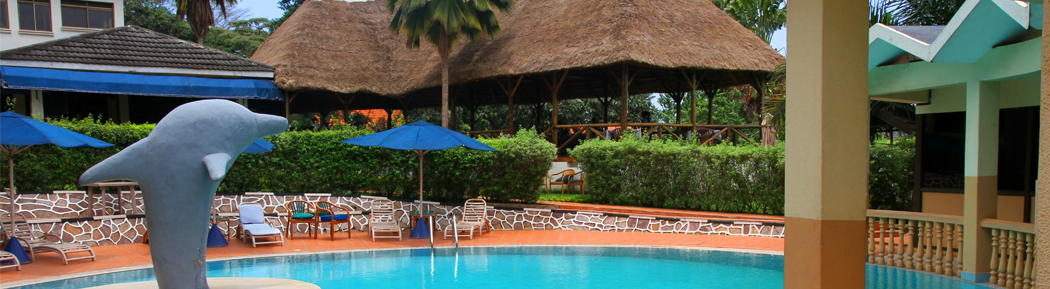
The affordable hotel not only offers an exotic setting and the best amenities, but while there a guest can also breathe in the coolest air from Lake Victoria, which is not far away. The quietness of the environment implies one can pick up a book to read or plan for any project in a conducive atmosphere.

A combination of services powered by a dedicated, trained and motivated staff will make your stay comfortable here, leaving you feeling home-away-from-home. Members, residents and guests can also take time out to relax and de-stress with a little pampering from the ever-caring staff, dressed smartly in uniforms.

The hotel offers an array of beauty and relaxation treatments for guests to enjoy—from a massage to ease any worries, to a relaxing facial or an invigorating body exfoliation treatment.

The hotel also has an excellent bar, restaurant and outstanding banqueting facilities where one may relax, meet friends or even discuss business ideas.

When at this hotel, visitors can also keep their bodies active in the gym or swimming pool. There is also steam and sauna services. The amenities are spacious and kept clean with a dedicated team of staff at your service.

Here people of all ages and different fitness levels are catered for, whether extremely athletic or just need a little exercise. A team of professional trainers who are always alert to take you through your routine workouts, guiding you every step of the way, as well as ensuring you are not harmed. But don’t forget that massage mentioned earlier is also available.
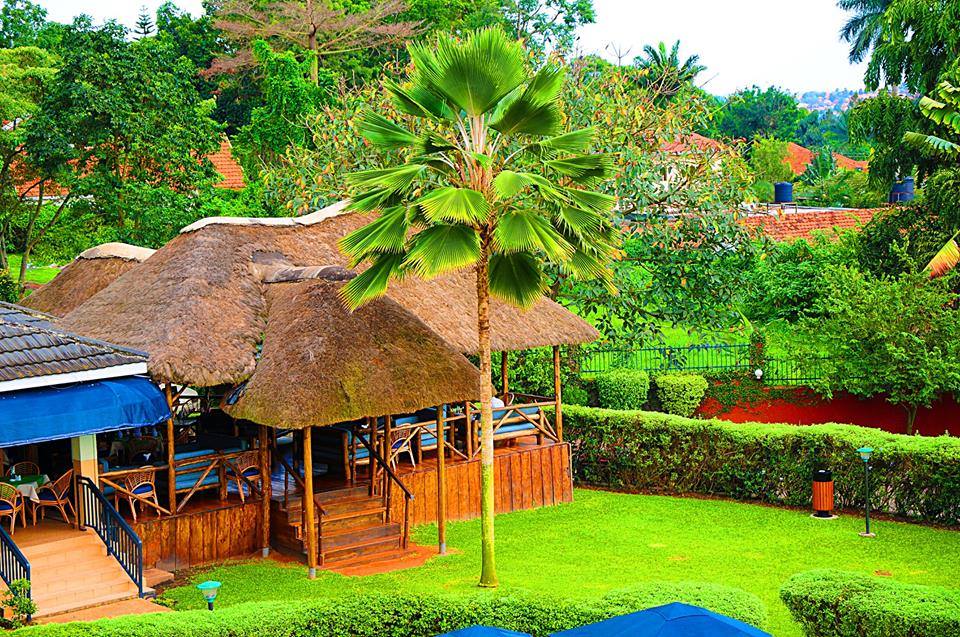
The well-kept spacious gardens at the hotel are suitable for occasions like weddings, introductions, corporate parties, media events, graduation parties and cocktail dinners as well as retreats and team building activities.

Take a break from your to-do list and let us help with the details. At Dolphin Suites, we will work with you to coordinate your entire event, whether you are reserving a conference room or planning a wedding.

The well-equipped spacious halls at the hotel are ever ready for conferences, meetings and workshops. The hotel provides public address systems, including projectors, microphones, with a standby generator just in case power goes off. There is also We  computer stations with internet, email and fax facilities, together with photocopying services.

Airport shuttle buses, executive car hire services and 4×4 safari car hire can be organised. The hotel’s hospitality desk at the airport will welcome you and take care of all your transport to the hotel.

Security at this hotel is manned 24/7 just to protect visitors and their properties like vehicles parked in ample area. The security here comprises men and CCTVs. The location of the hotel itself scares the would-be petty thieves and fraudsters.

The hotel provides services in form of accommodation that goes hand-in-hand with room service, restaurant and dining, laundry and housekeeping.

In as far as dining is concerned; the guests have the pleasure to sit at the restaurant or in the garden area.
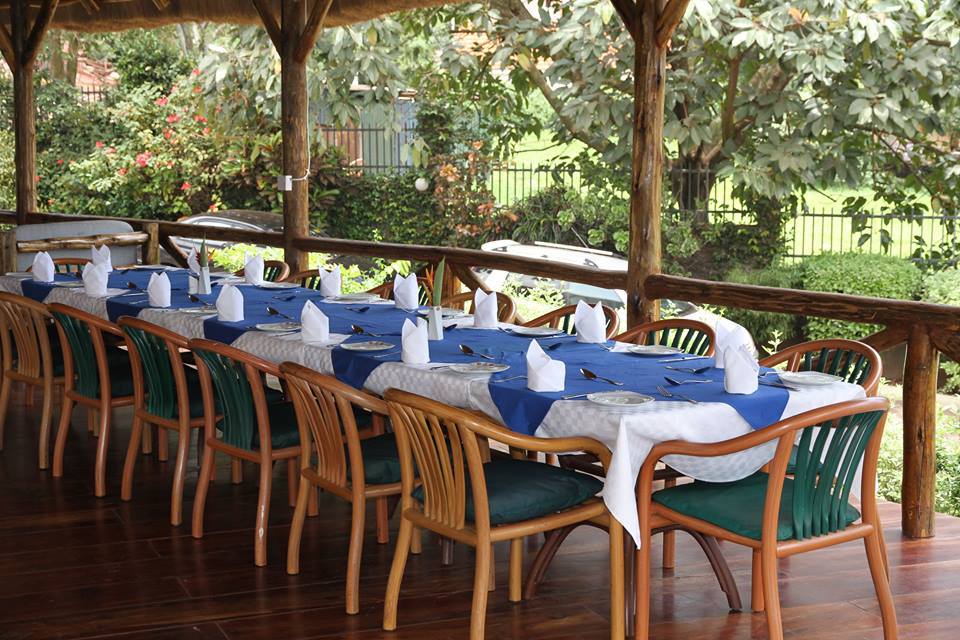
The restaurant offers breakfast, lunch, and dinner as well as a breakfast buffet, featuring ‘made-to-order eggs’ of the guest’s choice. And as is custom, the guest will also find a delicious selection of hearty or light fare for lunch and dinner!

The restaurant is multi-cuisine and serves famous and mouth-watering local, continental and authentic Indian dishes and instantenous charcoal grilled ‘Muchomo’. The hotel also serves world-class drinks and cocktails as per the guests’ liking.

Rooms

The hotel has both Single Deluxe Rooms and Double Twin Deluxe rooms. Single Deluxe Rooms feature a king size bed,  made with premium linens and feature exquisite duvets for absolute comfort.

All the beds are fitted with mosquito nets and are in large spacious rooms with added special touches. So you wont catch malaria while here. The guest also enjoys the spacious balcony overlooking the hillside of Bugolobi and the view of the city of Kampala, a particular sight not miss at night.

The hotel’s Double/Twin Deluxe rooms feature two single beds in a large spacious area. The rooms feature high ceilings with beautiful lights and well-designed beds. All the beds are made with premium linens and feature exquisite duvets for your supreme comfort. Equipped with modern guest amenities, these rooms are an ideal choice for the discerning business traveler.

Booking  for services at Dolphin Suites can be done online, saving time for clients to do other things. Clients can also use Visa, Mastercard, MTN Mobile Money, Airtel Mobile Money, e-wallet pesapal, to pay up.

Dolphin Suites is part of The Ruparelia Group of Companies, which includes other hotels like Kabira Country Club in the leafy Bukoto suburb.

Contact Information:

Tel:       +256 414 505 652

Mobile: +256 752 711 277

Fax:      +256 414 505 653

P.O. Box 7036

info@dolphinsuites.co.ug

manager@dolphinsuites.co.ug


Stories Continues after ad

Museveni condemns ‘exorbitant land compensation claims’

Gen. Yoweri Kaguta Museveni

President Yoweri Museveni has condemned people who make fake and exorbitant claims as compensation for their pieces of land that government wants to acquire to pave way for infrastructure development in the country.

The President made the comments when he featured in a 2-hour live talk show on Point FM radio station in Mubende Municipality, Mubende district.

According to the President, he is currently on a countrywide tour to ‘demystify the lies that have been spread by looters and Government opponents over the issue of fair land compensation’.

“Most of the countries, especially those in Africa, do not address land ownership in their constitutions. The NRM Government planned for the people to ensure that they get fair treatment in land matters because the Movement looks ahead and cares for wananchi. Government has got the right to take over land for public utility such as roads and electricity supply. All this has to be done through fair and correct compensation,” he said.

He said that Government does not under estimate the value of land in question because professionals determine the value.

Museveni observed that there are some ‘selfish and greedy people’ who exaggerate their claims in order to fleece Government of money. He cited a one Kahirwa of Ntungamo district in South Western Uganda as an example, who demanded for Shs.1.2 billion for one acre of land as compensation during the planned building of an electricity transmission line. He noted that if the claim had been honored, the taxpayer would be compelled to pay Shs. 787 billion in that power project. He observed the high figure is sufficient to extend the power grid to all the Sub- Counties in the country that have no electricity supply yet.

In an another example of ‘greed’, the President talked of a person in Kyegegwa district in the Rwenzori Sub-Region in Western Uganda, who has been demanding for Shs. 100 million for an acre of land when in actual sense the real value per acre in the district is only Shs. 3.5 million. He said people in that district have suffered lack of water due to such greedy person.

He, therefore, vowed that Government will not allow this state of affairs to continue and assured Ugandans of Government full commitment to compensating all genuine claimants. He said people who choose to go to the tribunal would be assured of getting their additional approved funds as soon as the process has been completed.

Mr. Museveni also castigated radio stations for failing to put to task people who ‘spread lies’ and attempt to glorify fake claims. He warned that such people would not be allowed to continue ‘spreading lies’ among the population through radio stations.  He said that the NRM Government gave people the powers to elect their leaders and as such wananchi should use those powers to report those who make fake claims, to authorities

Regarding people who had been evicted from Bukwiya in Mubende where they were involved in gold mining activities, the President, while criticizing security personnel for using harsh eviction methods, observed that the claimants in the area were not genuine. He, however, assured people who are licensed to do gold mining that they would be allowed to proceed with their business. He also said the same arrangement would be observed in Busia, Kaabong and Buhweju districts.

Mr. Museveni said the Government would not allow landlords to evict ‘bibanja’ holders and advised bibanja holders to pay their land dues to their landlords. He promised a visit to Butologo in Mubende district and other areas affected by illegal land evictions. He revealed that Government would cancel all the illegal land titles and that those perpetrating and harassing people, would be arrested.

While disclosing that the Government has donated 250 land titles to people in Kibaale district, Mr. Museveni pledged Government assistance to bibanja holders to pay off their landlords in order to secure land titles.

The President called on the people of Mubende district in particular and the country at large to protect wetlands that he referred to as water granaries. He observed that wetlands are the source of water to facilitate irrigation. He said plans are underway to spread irrigation to all corners of the country to ensure harvests all the year round. He lauded the successful irrigation projects in Mubuku in Western Uganda and Doho Rice Scheme in Eastern Region.


Stories Continues after ad

The Battle for African trade pits US against China

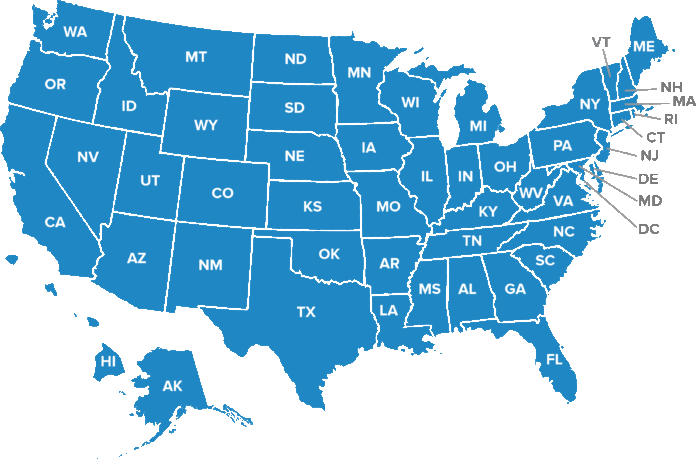
A map of the US

If the U.S. and China have their way, Africa could soon begin to reach its potential as the next great frontier for apparel and textile sourcing.

While there are determined efforts by the U.S. government and some key companies, the Chinese plan being implemented seems more comprehensive and likely to create a longer-lasting influence on the continent.

The recent Sourcing at Magic trade show featured an African pavilion sponsored by the USAID East Africa Trade & Investment Hub. The Hub boosts trade and investment with and within Africa by deepening regional integration, increasing the competitiveness of regional agricultural value chains, promoting two-way trade with the U.S. under the African Growth & Opportunity Act, and facilitating investment and technology.

The program, initiated in the Obama administration, covers the East African Community countries of Burundi, Kenya, Rwanda, Tanzania and Uganda, as well as Ethiopia, Madagascar and Mauritius. A spokeswoman for the program explained that since its launch in September 2014, it has supported $226 million in exports through AGOA, driven $51.2 million in private sector investment, helped more than 1,200 firms with capacity building assistance and helped create more than 33,000 full or part-time jobs.

At the end of the project’s five-year mission, the goal is to facilitate $100 million in new investments in the EAC, increase non-oil AGOA exports to the U.S. by 40 percent, create 10,000 more jobs and double the value of intra-regionatl trade in the EAC.

While AGOA was renewed in 2015 through to 2025, President Trump doesn’t seems to be a fan of the country’s existing free trade programs, leaving U.S. support for the agreement and USAID program in a tenuous state.

Eugene Havemann, chief executive officer of Madagascar Garments, said, “We need America’s help to truly establish an industry in the country and the region. USAID is helping us, but we have a lot of poverty and have to improve our infrastructure.”

Havemann feels Madagascar and the EAC have potential to attract foreign investment and business, especially with the duty-free status and low wages as lures, as well as a nucleus of skilled workers. His company exports to companies in U.S., China, Vietnam, Mexico and Bangladesh.

“The clothing industry is low-hanging fruit, however,” Havemann added. “We’re at a tipping point and we need to achieve a certain level to really be a global player.”

Charles Smith, chief business development officer at Velocity Apparels Companies in Ethiopia, agreed that now is the time for these African countries to seize the opportunity created by shifting trade winds.

Companies are looking for alternative supply chain destinations to Asia, where prices and wages are going up, Smith noted. He cited the Ethiopian government’s recent lifting of a state of emergency as labor tensions eased as a positive sign that developments can gain momentum.

“The government is pro-business, but there’s a definite learning curve,” Smith said. “There is a trained worked force and compliance is a big thing. We do have the duty-free trade status with the U.S. and Europe, but we need stability and continued investment.”

Focus on Ethiopia

If Africa is going to establish itself as a manufacturing center, Ethiopia seems to be the nexus.

According to a study by the African Centre for Economic Transformation, Ethiopia’s manufacturing industry has been by some measures a success, exhibiting continuous growth over the years.

The study, entitled “Promoting Manufacturing in Africa,” showed that Ethiopia’s manufacturing sector has been growing thanks to cheap hydropower, government commitment to a strategy of transformation from an agriculture-led economy to industrial, massive growth in infrastructure development and foreign direct investment, plus steps taken in deploying the necessary human power for the sector.

Employment in the manufacturing sector has grown from less than 40,000 workers to a little over 200,000 from 2002 to 2014.

Ethiopia’s Hawassa eco-industrial park has attracted 18 global apparel and textile companies. Construction of the park cost more than $250 million and was built in less than a year. Covering an area of 1.3 million square meters, the addition of the park is expected to bring Ethiopia’s revenue derived from textiles and garments to $1 billion over the long term from the current $150 million annually, according to the Ethiopian Investment Commission.

Consistent with the Ethiopian government’s commitment to build a green-economy, Hawassa industrial park is designed, constructed and operated as an eco-friendly park. It has a water and waste treatment plant that uses the latest technology for treating and recycling about 90 percent of the water used in the park. To this end, a zero-liquid discharge facility has already been set up with a daily processing capacity of 11 million liters of effluent.

PVH Corp. is among the companies already establishing operations there, and six local companies are ready to start operations there, too. When fully operational, industries within the park are expected to create 60,000 jobs.

The Ethiopian government plans to construct 10 industrial parks across the country to enhance job opportunities, bring in revenue and promote technology transfer.

“We continue to invest significantly in creating a responsible, best-in-class manufacturing operation at Hawassa Industrial Park in Ethiopia, where we have supported a group of our top suppliers in establishing factories and a fabric mill, and formed a joint venture in a woven shirt factory,” Melanie Steiner, PVH senior vice president and chief risk officer, said in the company’s Corporate Responsibility report released in late July. “We have sought to create positive impacts for workers, the environment and the wider Hawassa community from the outset, drawing on the lessons we have learned in other sourcing countries.”

Texas-based Trybus Group is expanding with a new factory in Ethiopia’s Kombolch Industrial Zone. Since opening, the $90 million facility has attracted apparel companies from Italy, South Korea and the U.S for its close proximity to Port Djibouti. The hub is anticipated to create more than 15,000 jobs in the area.

China’s Long Road

With the interest and investment from U.S. companies and government programs, China also has its eyes on the country and region.

Chinese companies have invested around $4 billion during the last two decades in Ethiopia, employing 111,000 Ethiopians on permanent and temporary basis, according to the Ethiopian Foreign Ministry.

A report from McKinsey & Co., “Dance of the Lions and Dragons,” said, “In a mere two decades, China has become Africa’s biggest economic partner. Across trade, investment, infrastructure financing and aid, there is no other country with such depth and breadth of engagement in Africa. The Chinese ‘dragons’—firms of all sizes and sectors—are bringing capital investment, management know-how and entrepreneurial energy to every corner of the continent—and in so doing, they are helping to accelerate the progress of Africa’s ‘lions,’ as its economies are often referred.”

Since 2001, Africa-China trade has been growing at about 20 percent a year, with FDI growing at an annual rate of 40 percent. China is also a large and fast-growing source of aid and the largest source of construction financing.

There are more than 10,000 Chinese-owned firms operating in Africa today. Around 90 percent are privately owned—calling into question the notion of a monolithic, state-coordinated investment drive by “China Inc.”

Chinese firms operate across many sectors of the African economy. Nearly a third are involved in manufacturing, a quarter in services, and around a fifth in trade and in construction and real estate. In manufacturing, about 12 percent of Africa’s industrial production—valued at some $500 billion a year—is already handled by Chinese firms. In infrastructure, Chinese firms’ dominance is even more pronounced, and they claim nearly 50 percent of Africa’s internationally contracted construction market.

On balance, McKinsey believes that China’s growing involvement is a strong net positive for Africa’s economies, government and workers. But there are areas that need significant improvement, including more sourcing from local firms, more African managers, and better labor rights and environmental adherence.

Ethiopia and South Africa have a clear strategic posture toward China, along with a high degree of economic engagement in the form of investment, trade, loans and aid, the study said. These countries have also created a strong platform for continued Chinese engagement through prominent participation in such forums as the Belt and Road initiative, also known as One Belt, One Road and they can therefore expect to see ongoing rapid growth in Chinese investment.

Belt and Road is aimed at shifting the power balance geopolitically and economically in the world, away from the West and to China. It consists of more than 65 countries and 40 percent of the world’s gross domestic product, connecting countries across Asia, Europe and Africa with physical and digital infrastructure.

“China sees it can shift the balance of power by changing the pulse of gravity by investing in building deeper alliances across Asia with investments in infrastructure projects throughout Southeast Asia and East Africa,” said Ron Klein, director of retail and consumer management at PricewaterhouseCoopers. “One Belt, One Road puts China in a position to help build those economies and support its state-owned enterprises.”

Ethiopia has drawn on Chinese investment and expertise in several major aspects of its industrialization and broader economic development. It has engaged the Chinese government to finance key infrastructure, helping to add 66,000 kilometers of new roads since 2000 and increase power supply by 15 percent between 2010 and 2014. Chinese firms built and now co-manage the Ethiopia-Djibouti Railway, a $3.4 billion project opened in late 2016.

McKinsey predicted the relatively scattered African manufacturing sector will consolidate into a few megaclusters and will be globally competitive. There will be a race between countries to win with such clusters, for those that emerge will likely preclude their neighbors from doing the same.

“As Chinese economic growth slows, investment flows to Africa will accelerate,” the study concluded. “China’s decelerating economic growth represents a force pushing increased Chinese investment toward Africa, as Chinese investors seek higher returns abroad.”


Stories Continues after ad

Kampala among Africa’s top dynamic commercial cities

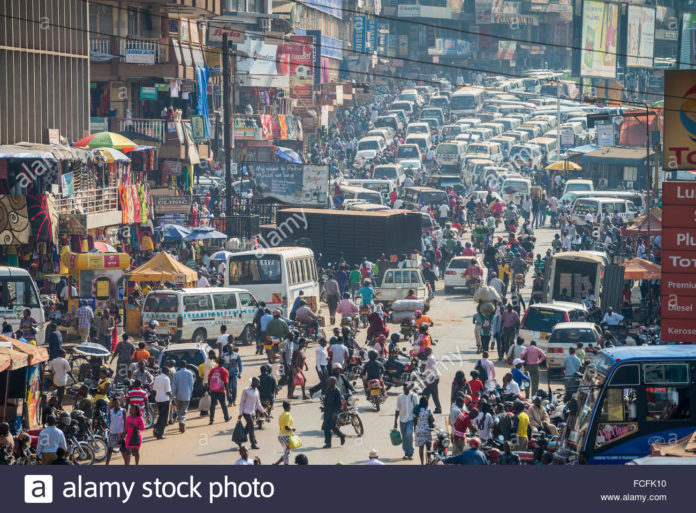
View of Hoima Road on a typically busy day, Kampala, Uganda, Africa. Photo Credit/Alamy

Uganda’s capital city Kampala is among Africa’s top ten dynamic business cities, according to a recent report dubbed ‘Into Africa: The continent’s Cities of Opportunity’ authored by PricewaterhouseCoopers (PwC).

The report concentrates on the continent’s 20 cities which were judged as ‘most dynamic and future focused’, placing  Kampala in ninth position behind other East African cities of Dar es Salaam (1st), Nairobi (3rd) and Kigali (7th). Dar es Salaam also tops Lusaka, Nairobi, Lagos and Accra on opportunity index.

Others on top ten list are Abidjan, Addis Ababa and Cairo. The report was structured around the critical issues of the business community, as well as those of the office holders and other public authorities who are responsible for improving the collective life of each city examined here.

The report indicates that when infrastructure, human capital and security are in place, culture and society starts to flourish. It further shows when investing in Africa, investors consider current vis-à-vis potential development, location, nature of opportunity among others.

“African cities when being assessed need to be looked at through a different lens, as current standings and future potential tell different city stories,” the report indicates in part. The cities were contested around economic opportunities which are driven by demands of the emerging middle class— consumers, technology, infrastructure, tourism, and financial services.

Meanwhile, despite topping the opportunity index, Dar es Salaam was not featured in top ten overall index after being placed at position 15. Nairobi, Kampala and Addis Ababa featured in both top ten indices—opportunity and overall.

Others are Accra, Lagos, and Cairo. Also Dar es Salaam city was not in the top ten attractive Foreign Direct Investment FDIs. Nairobi leads as the best city in Africa that attracted most FDIs followed by Accra and Lagos.

Others are Johannesburg, Cairo, Casablanca, Abidjan, Tunis, Algiers and Lusaka, and analysts say the report is an eye-opener to policy makers especially for countries to develop adequate infrastructure and human capital investment.

“This can limit the economic potential of a city,” the report says of the inadequate infrastructure in most cities of Africa.

The role of the public sector policy makers and related development of institutions in guiding a city is important to the private sector, it adds.


Stories Continues after ad

East Africa’s payments boom as trade flows rise

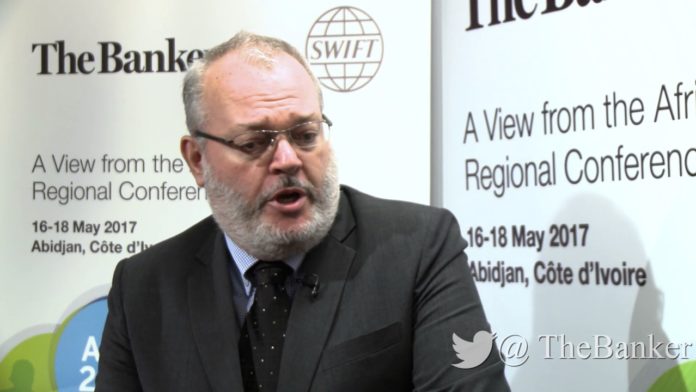
Swift head of Sub-Sahara Africa, Denis Kruger. Photo Credit/ The Banker

Despite a seeming slump in economic activities, traffic on the global payments network Swift has grown by 20.1% in East Africa over the past year, indicating an increase in  trade flows in Uganda, Kenya, Tanzania and Rwanda.

East Africa

East Africa is one Africa’s fastest growing economies and is a significant growth area for Swift, and according to its head of Sub-Sahara Africa, Denis Kruger, the major growth in Swift traffic volumes could indicate an increase in  trade flows, both within the East African region and between East Africa and other countries.

According to Swift, East Africa has outperformed the total growth for Swift globally, which amounts to 8.2%.

The figures released late last week also show that intra-regional traffic in the region is up by 19.8% compared to 2015, now accounting for 69% of payments traffic in East Africa.

“We are committed to supporting the community in the region, including through the East African Payments System, which is delivering more efficient payments across East Africa,” Kruger says.

Since 2013, the average number of daily messages in the region has almost doubled, from 15,234 to 27,907 in 2016.

Swift research has shown that its traffic data is closely correlated to economic activity. A rise in traffic volumes in therefore a sign of a long-term growth trajectory for East Africa, despite challenging global conditions, the company says.

The figures, Swift notes, reflect the success of the East African Payment System (EAPS), which was established by the East African Community in 2013 with the aim to reduce transaction time and lower the cost of doing business in the region.

The multi-currency system, which operates on the Swift network, links domestic payments systems in Kenya, Tanzania, Uganda and Rwanda, making cross-border fund transfers within the countries easier, was supporting the free movement of goods, labour and services.

The rest of the African continent similarly saw a good level of growth, with total message traffic volumes up 15.4% over the past year. In comparison, Americas grew at 7.8% and Asia Pacific at 5.4%.


Stories Continues after ad

Oil and Gas key for EAC integration processes

Anaclet Rwegayura


By Anaclet Rwegayura

Uganda has just embarked on the development phase of its budding oil industry, with production planned to start in 2020. The country has so far discovered 6.5 billion barrels of oil resources in 40 percent of the explored area in the Albertine Graben.

Construction of the proposed 1,445 kilometer (897 miles) long pipeline is due to commence early next year. From Hoima in western Uganda to the Tanga sea port in Tanzania, it is designed to carry 216,000 barrels of crude oil to the international market daily. Along this trailblazing project, Tanzania could lay another pipeline to ferry its gas to Uganda and other adjacent countries in the future.

Every day the African landscape tells a new story through constant activities to increase energy security. But two-thirds of all people in sub-Saharan Africa still face an energy crisis.

According to the World Energy Council, natural gas is the third largest fuel source in the global primary energy mix and the second largest source in power generation, contributing 24 percent and 22 percent to those markets respectively.

Production of natural gas and oil in the East African Community (EAC) partner states should open the window for implementation of other regional integration projects that have been on hold for years. These countries need to step up their collaboration, not just in improving energy security, but also in communication, transport and other areas to help contribute to the transformation of their economies.

Gas-rich Tanzania hosts a two-day congress beginning September 11, aimed at bringing together policymakers and experts in the oil and gas industry. But the country needs to pick its strategic partners carefully.

For ages, Tanzania’s rich underground wealth was unknown. That has kept it safe for the present generation, which needs it to eradicate poverty.

Many prospectors and investors have crisscrossed the country after the government opened the door to mineral extractors, and it seems that many thought the country’s wealth was up for grabs.

Did it ever come to their minds that Tanzania was hoping to capitalize on its resource endowments in order to kick-start its industrialization?

Given the country’s healthy economic turnaround with a roughly seven percent annual growth rate, the Tanzanian government is keen to see productive investments taking place. Extractive investors, who cannot enable the country to create wealth and free the local society from the shackles of poverty, are not welcome.

Developments and opportunities

For two days beginning on September 11, representatives of international oil companies, indigenous producers, international and national service providers, financiers and consultants will meet in Dar es Salaam with Tanzanian policymakers and experts in the oil and gas industry to discuss, among many other issues, the implementation of the country’s gas master plan.

According to congress organizers, the UK-based CWC Group, this will also be the opportunity to discuss business opportunities in the Tanzanian energy market.

On the road to an industry-led development, Tanzania should by all means avoid stepping into the unknown. That’s why it requires strategic partnerships to promote its natural gas sector.

With proven natural gas reserves of 57 trillion cubic feet, at least 49.5 trillion cubic feet of which are far offshore in the Indian Ocean, the country has already entered the world of energy giants.

However, Tanzania faces major challenges in terms of investment, skilled manpower, infrastructure and processing technologies, as well as environmental, occupational health and safety rules required for the industry.

Gas explorers in the country believe that the resource base discovered so far will keep growing with continued drilling offshore and on the mainland.

Hopefully, this inaugural congress on Tanzania’s gas industry will not just discuss opportunities and suggest solutions for the major challenges the industry faces, but also intensify genuine partnerships for the country to stay ahead of the game.

Participants in the congress should be well informed about Tanzania’s newly promulgated laws that many analysts say have altered the mining investment landscape. Historically, the country has been a preferred investment destination, as one observer remarked, “owing to its geological endowment and predictability.”

At the congress, Tanzania’s Ministry of Industries, Trade and Investment is set to explain fiscal incentives and guarantees for investment as well as priorities in the energy sector.

Organizers say the event will offer participants invaluable networking opportunities with government representatives and industry stakeholders from neighboring countries including Uganda, Mozambique, Kenya and Democratic Republic of Congo.

The writer is a veteran Tanzanian journalist.


Stories Continues after ad

Makerere University to benefit from Euros 4.2m project

Adipala Ekwamu, the Executive Secretary of RUFORUM

Makerere University is among select African universities that are set to benefit from a new 4.2 million Euros (US$5 million) programme that will train postgraduate students in 11 countries in crop improvement, aquaculture, fisheries and fragile ecosystems management.

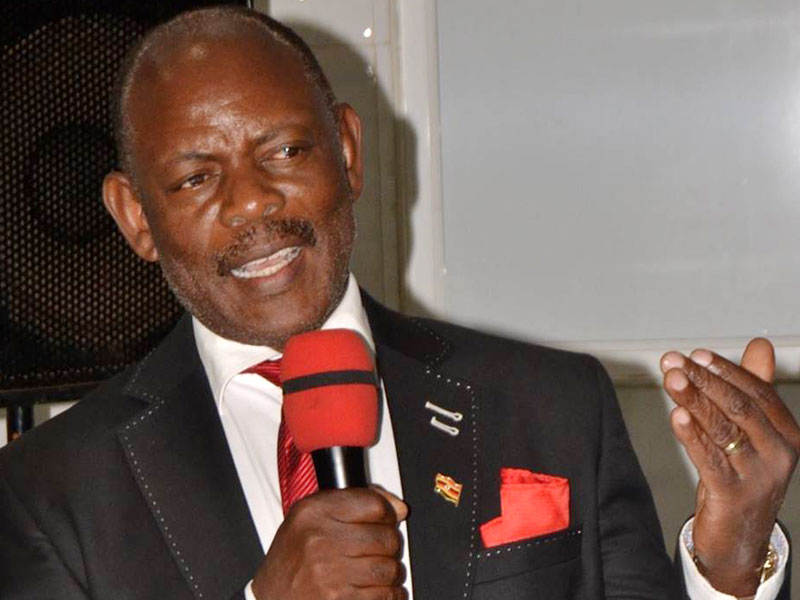
ON MISSION TO TRANSFORM MAKERERE: Prof. Barnabas Nawangwe

Funded by the European Commission under the Intra-Africa Academic Mobility Scheme and implemented by the Regional Universities Forum for Capacity Building in Agriculture, or (RUFORUM), the programme is expected at the end of its five-year duration to have produced 71 masters and 35 PhD professionals in the selected areas, with at least 50% being women. It is also designed to facilitate the movement of 20 academic and administrative staff from 17 countries.

Adipala Ekwamu, the RUFORUMExecutive Secretary , said recently that the project’s aim is to increase food, nutritional security and household revenue, while sustainably managing the agricultural ecosystems through relevant research and skilled human resources in the areas of crop improvement, fisheries and aquaculture.

Each of the beneficiary students is expected to produce an innovation or technology that will address at least one challenge facing the agricultural sector. These technologies will be jointly developed with farmers and industry.

Ekwamu says Africa is second to Asia in having largest number of fish farmers but contributes only 7% of the total world fish harvest. However, fish is the highest animal protein source in Africa, reaching up to 50% in some West African countries.

Despite the importance of fish, there are challenges facing the sector. These include the depletion of fish stocks from natural lakes, poor management practices in aquaculture, lack of knowledge and evidence to foster reforms and the untapped potential of small-scale fisheries. In addition, there is a lack of scientific research, climate change, and inadequate human and financial resources.

“Addressing these challenges requires skilled human resources to plan strategically for the sector and develop technologies and innovations that will transform the sector through research. Cooperation and learning among the institutions is key to sharing expertise and research infrastructure as they build each other’s capacity in training and research in aquaculture and fisheries,” said Ekwamu.

Harmonisation

Sylvia Mkandawire, the manager of training and quality assurance at RUFORUM, says  that because students will be undertaking short credit mobilities, a harmonised credit accumulation and transfer mechanism will be developed which can be used at a continental level and also be a mechanism for recognition of foreign degrees. The participating universities will have internationalised their programmes in the thematic areas identified with increased relevance of their programmes to local needs, she said.

Mkandawire said crops constitute the largest component of African agriculture and improving crop production meant improving human diet, food and nutrition security.

“Africa’s population is continuously increasing and expected to reach 1.3 billion people by 2050, which is double the current population. Food production will therefore need to more than double, given that a significant part of the continent still starves,” said Mkandawire.

She called on universities to conduct crop breeding research that develops varieties that are adaptable to environmental change and can cope with increased pest and disease infestation, decreasing land availability, as well as declining soil fertility and fragile ecosystems.

Degraded ecosystems

“Professionals with skills to restore and manage degraded ecosystems need to be developed. Universities, being a concentration of human resources and diverse disciplines, should establish research facilities and champion research in ecosystems restoration and management. This project also provides avenues for sharing scientific expertise and research facilities for conducting research in ecosystems management,” she says.

Participating universities

Universities participating in the collaborative training in fisheries and aquaculture in East, Central and Southern Africa include Makerere University, the University of Eldoret, Rhodes University, Mzuzu University, Official University of Bukavu and the University of Natural Resources and Life Sciences, Vienna.

Universities participating in the regional academic exchange for enhanced skills in fragile ecosytems management in Africa programme include Makerere University, the Cheikh Anta Diop University in Dakar, National University of Benin, Uganda Martyrs University, Mzuzu University, Eduardo Mondlane University in Mozambique and the Swedish University of Agricultural Sciences.

Universities participating in the partnership to train scientists in crop improvement for food security in Africaare; Makerere University, University of Ghana, Cairo University, Cheikh Anta Diop University in Dakar, University of Eldoret and the Silesian University of Technology in Poland.


Stories Continues after ad

Radio & Weasel sign new manager

The singing duo of Moses Nakintije aka Mowzey Radio (RIP) and Douglas Mayanja aka Weasel

The singing duo of Radio and Weasel has come under the management of Emma Carlos, who was once the manager of faded artist Coco Finger, Spice Diana and Khalifah Aganaga.

According to sources, Emma Carlos was hired after Lawrence Labeja, the former manager of Radio and Weasel left for the US to attend the UNAA Convention in Miami, Florida, without the two singers, in the process angering them.

This, sources said, was after Radio and Weasel refused to travel to the US when the convention organisers availed them with ‘economy’ class air tickets.

However, sources say the failure by the two to travel affected Labeja’s plans, forcing him to cut short his stay in the US after he failed to meet his hotel bills.

Stories Continues after ad

Country Music legend Don William dead

COUNTRY MUSIC LEGEND: Don Williams

Country Music Legend Don Williams has died of emphysema aged 78.

The musician, who called himself ‘Gentle Giant’ and known for his traditional cowboy hat, retired to his home last year.

He married wife Joy Bucher in 1960, and had two sons Tim and Gary and 4 grandchildren.

In 2010 Don Williams was inducted in the Music Hall of Fame, and the media says he has left an estimated US$10 million.


Stories Continues after ad

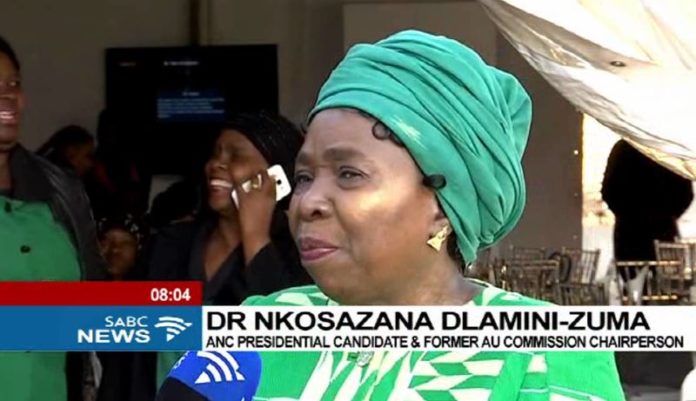
Zuma’s wife, former AU chairperson appointed ANC MP

APPOINTED PRESIDENCY MINISTER: Former AU chairperson Nkosazana Dlamini-Zuma

The former Chairperson of the African Union (AU) and one time wife of President Jacob Zuma will be sworn in as an African National Congress (ANC) Member of Parliament next week.

According to ANC Secretary General Gwede Mantashe, it was always the ANC’s plan to deploy Dr Nkosazana Dlamini-Zuma to Parliament after her tour of duty with the AU. The appointment of Dr. Dlamini Zuma has fuelled speculation that another Cabinet reshuffle is on the cards.

Asked if the plan is to deploy her in the government, Mr. Mantashe said: “We send people to Parliament, Parliament appoints chairpersons of portfolio committees and the president appoints a cabinet.”

But political analyst Professor Susan Booysen says there is no way Dlamini-Zuma will be a back bencher. “There will certainly be a position created for her sooner rather than later.”

Booysen also says Dlamini-Zuma’s deployment will help strengthen her campaign.

“It would propel her immediately to the centre of political attention, at a time when her campaign seriously needs some boosting.”


Stories Continues after ad