Stanbic Bank
Stanbic Bank
17.6 C
Kampala
Stanbic Bank
Stanbic Bank
Home Blog Page 182

Magoola’s Dei Bio Pharma to start exporting medicines by year- end after Shs723b gov’t investment

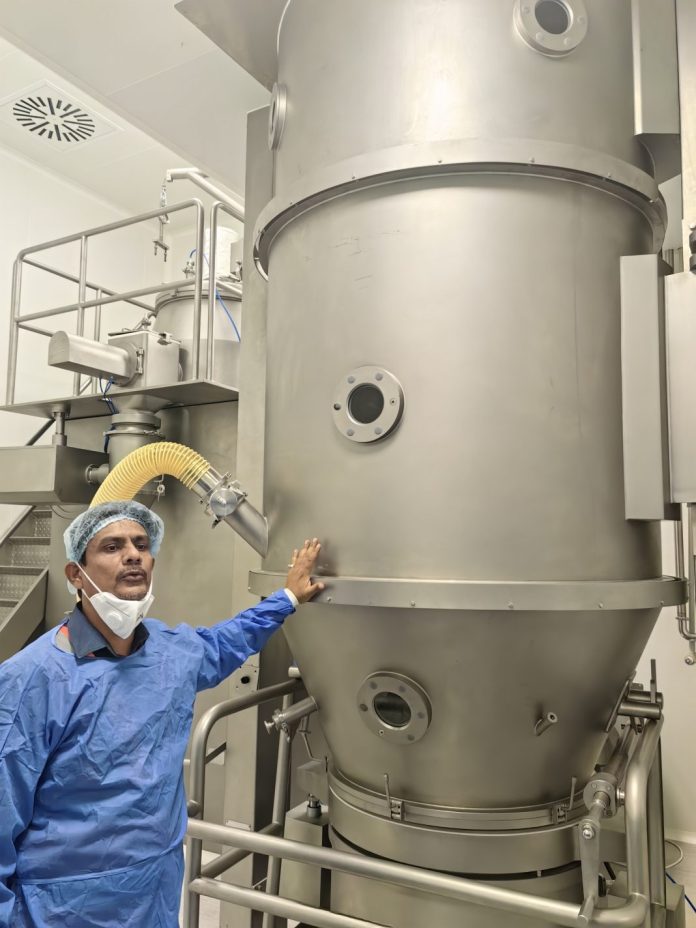
Inside Dei Bio Pharma plant. Photo by eagle.co.ug

The Minister of Science, Technology and Innovation, Dr. Monica Musenero has revealed that Dei Bio Pharma company will start exporting drugs outside Uganda at the end of this year having received approvals from National Drug Authority.

Musenero noted that the government has so far injected over Shs723 billion taxpayers’ money into the pharmaceutical company which catered for its establishment.

Dei Bio Pharmaceuticals factory is owned by Dr. Matthias Magoola and is situated in Matugga, Wakiso District.  

Musenero made the revelation while appearing before Parliament’s Committee on Government Assurance, where she had appeared to provide an update on the promises her Ministry made to Ugandans.

“We have partnered with Dei Bio Pharma, and the Government has taken in shares. This is the biggest pharmaceutical facility on the continent of Africa, we hope to start shipping out medicines before the end of the year because the National Drug Authority has cleared us,” explained Musenero.

The development comes at the time when recently, Leader of Opposition, Joel Ssenyonyi asked Government to reveal details of the agreement it signed with Dei Bio Pharma, after the owners of the company revealed plans to repay the Shs723 billion it obtained from Government yet at the time of approval of the funds, Government denied existence of such an agreement.

During the Committee meeting, Musenero also revealed that Uganda has so far received over Shs7.3 billion through sale of diagnostic kits to both Mulago National Referral hospital, and outside Uganda in a research that started at the height of the #Covid-19 pandemic in 2020.

“When you go to Mulago Hospital now, that diagnostic kit used to test you is made here by our scientists and we have started making an impact on the continent. We manufacture the proficiency panels for all these countries arising out of this work, which we started in 2020/21 and this has brought us about $2 million (Shs7, 301,500,000) in revenue,” said Musenero.
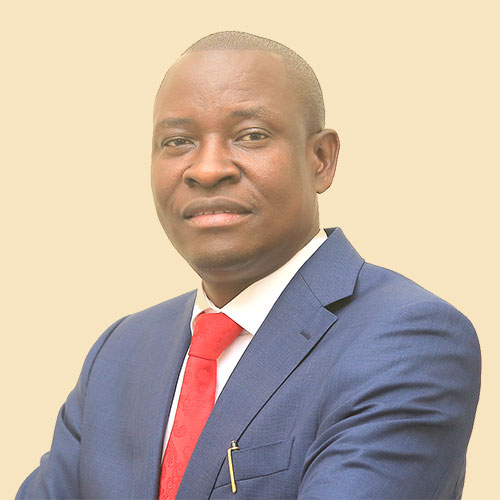
Dr. Matthias Magoola

The Minister revealed that the Ministry has been able to attain all this success by emphasizing what she termed as “Brutal integrity” by ridding the Ministry of any corruption tendencies, in order not to compromise the quality of products released on the market.

She explained, “We have learnt from nations that have used science that the moment you bring, even a tiny bit of corruption in Science, Technology and Innovation, so once corruption comes from decision making, financial things, it will show up in your product. So, since we are aiming to sell products, we have put there what we call brutal integrity.”

Minister Musenero also revealed that although many Ugandans criticized her Space project as wastage of money, she defended the project describing it as a strategic project for Uganda’s future noting,

“Many people have been telling me, Musenero, why are you wasting time in Space when Uganda is still down here? This is a strategic intervention, it also has a big economy built around it, but it is a very strategic intervention, especially in the times where we live.”

Stories Continues after ad

African Rangers push limits in epic conservation race

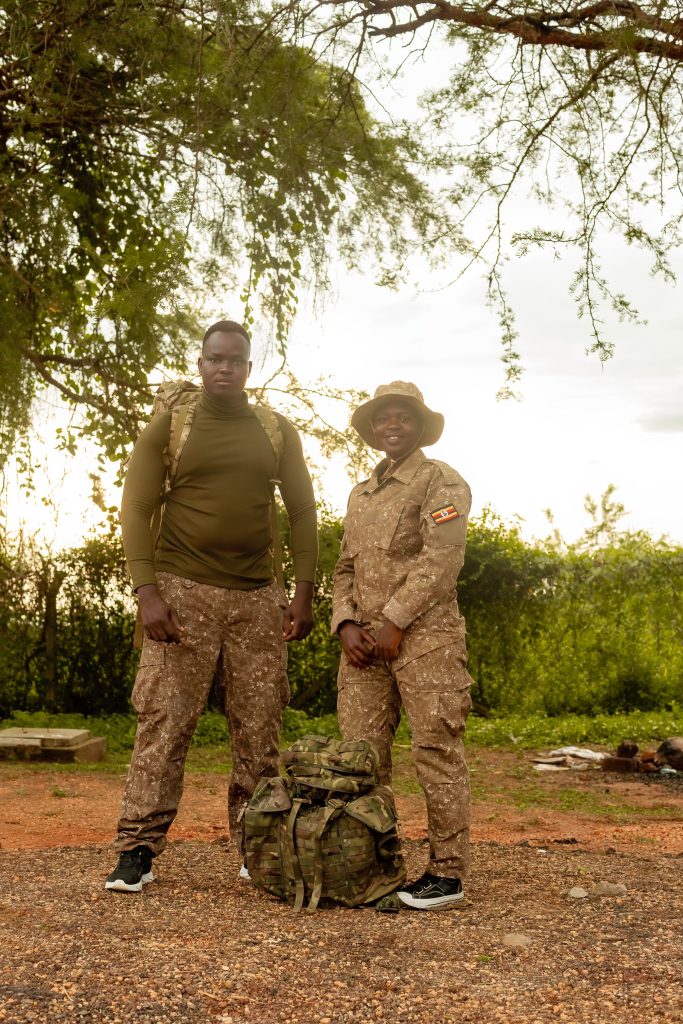
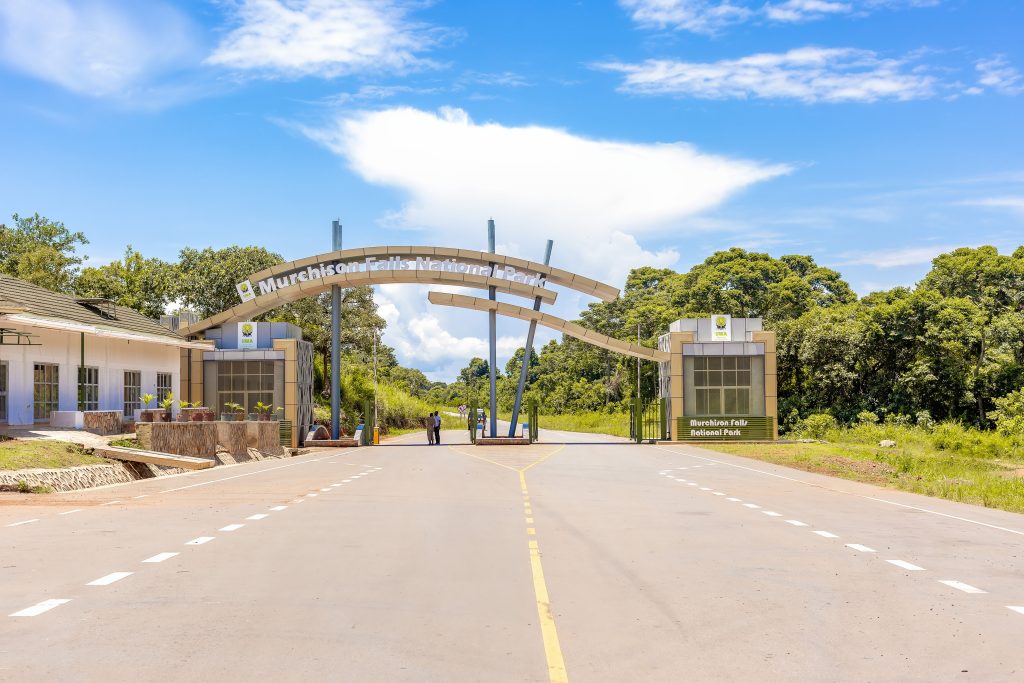
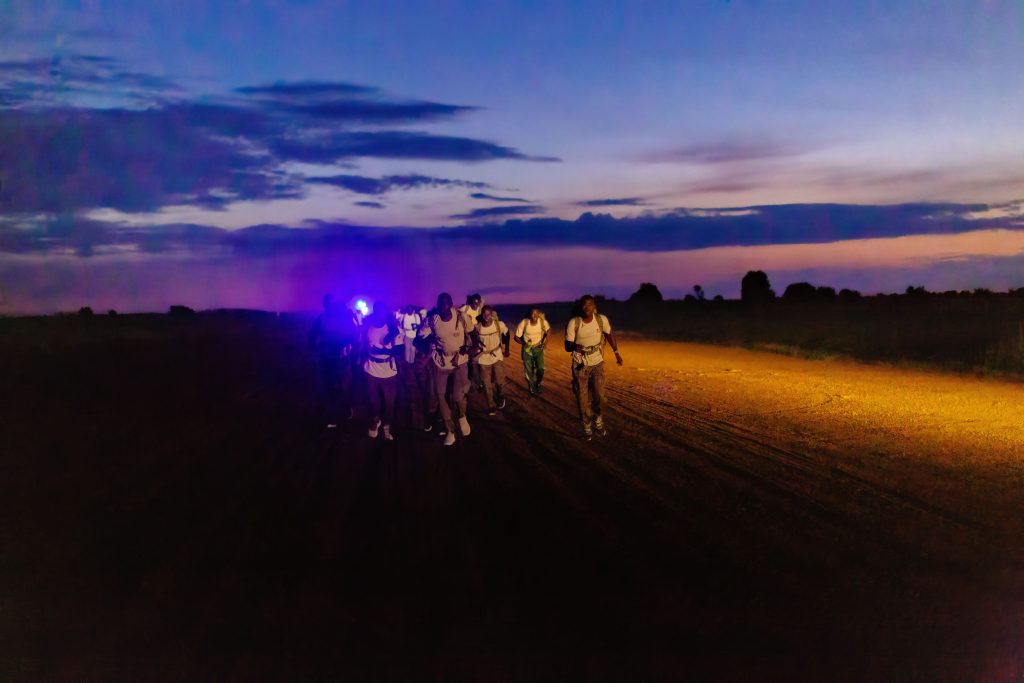
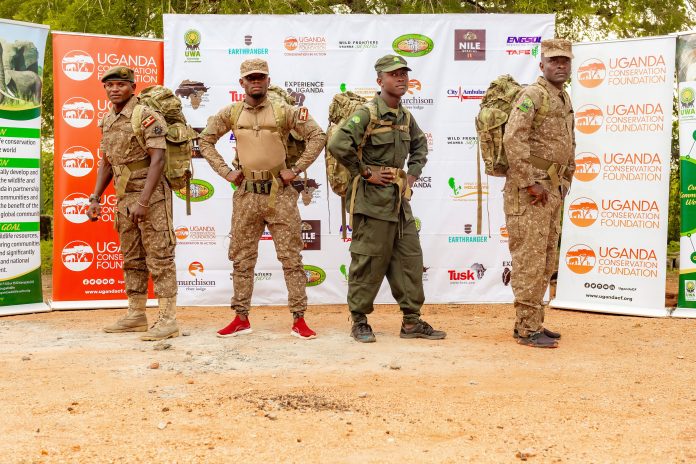
In the heart of Uganda’s Murchison Falls National Park, the sun had barely risen when over 18 teams of wildlife rangers, community scouts, and teams from supporting organizations from across Uganda gathered at the starting line. The air buzzed with anticipation as these guardians of nature prepared to tackle the grueling 21-kilometer half-marathon. The race is designed to mimic the daily rigors of ranger life, with participants carrying 22-kilogram backpacks, simulating the heavy gear they often shoulder on patrols to guard wildlife from poachers.

As some of the participants did last minute stretches and tightened their laces, there was a sight not so common at a marathon start line – a weighing scale; the rules required each participant to verify that his previously packed and weighed backpack is 22kg before the race began, and at the finish line.

This wasn’t just any race. It was the 2024 Wildlife Ranger Challenge, an event that has quickly become a symbol of dedication and unity in African conservation efforts. Wildlife Ranger Challenge is a global event organized by Tusk and The Game Rangers Association of Africa GRAA, gathering over 150 ranger teams from over 100 protected areas across Africa, and several supporters from across the globe.

As the starting gun fired, teams from Uganda’s largest national parks as well as supporters surged forward, their determination palpable. Among them, the “Kidepo Warriors,” last year’s champions, set a blistering pace. But they weren’t alone in their quest for victory.

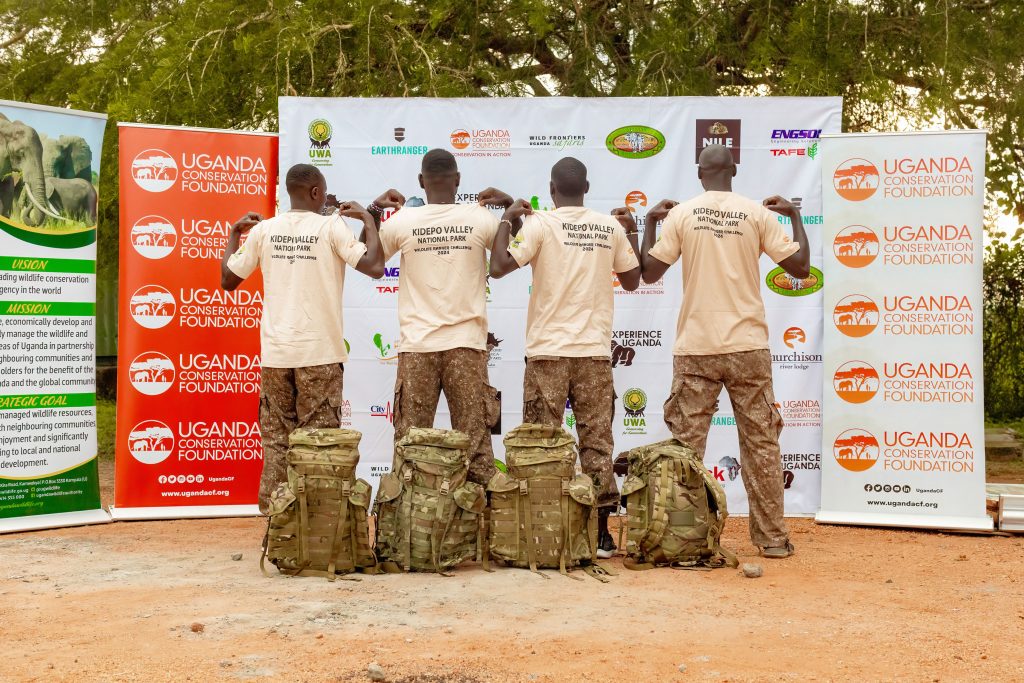
The Kidepo Valley National Park team successfully defended their title, crossing the finish line first once again in 2 hrs 28 mins, holding hands as a united force. But hot on their heels was the Kibale National Park team which made an inspiring comeback after finishing near the bottom last year, securing their spot on the podium with a fantastic time of 2h 45m. Just seconds behind them, the hosts, the Murchison Falls National Park team, crossed the line in third place with a strong finish, holding off stiff competition from Ziwa Rhino Sanctuary.

But perhaps the most inspiring sight was the performance of the women’s teams. Competing on the same challenging course as their male counterparts, these female rangers shattered expectations. The Kidepo Valley National Park women’s team set a new benchmark, completing the course in just 2 hours and 58 minutes.

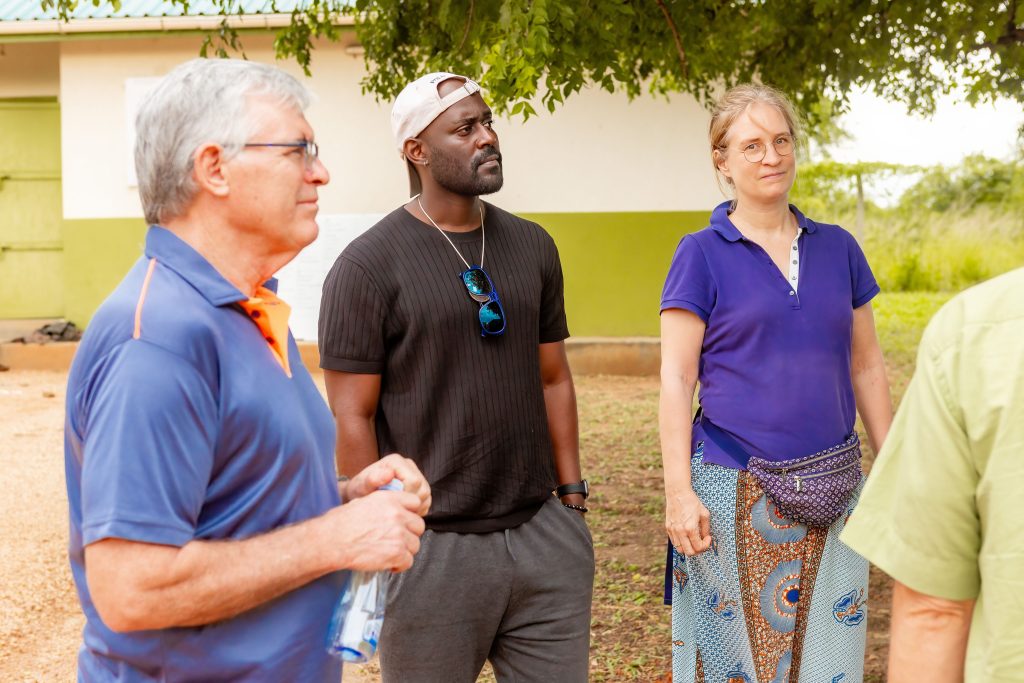
This year’s Wildlife Ranger Challenge attracted significant attention, with notable figures such as Maurice Kirya, the German Ambassador to Uganda, and the Uganda Wildlife Authority’s Communications Manager in attendance. The event, which has been steadily growing in prominence since its inception in 2020, has now expanded to include rangers from over 100 protected areas across more than 20 African countries.

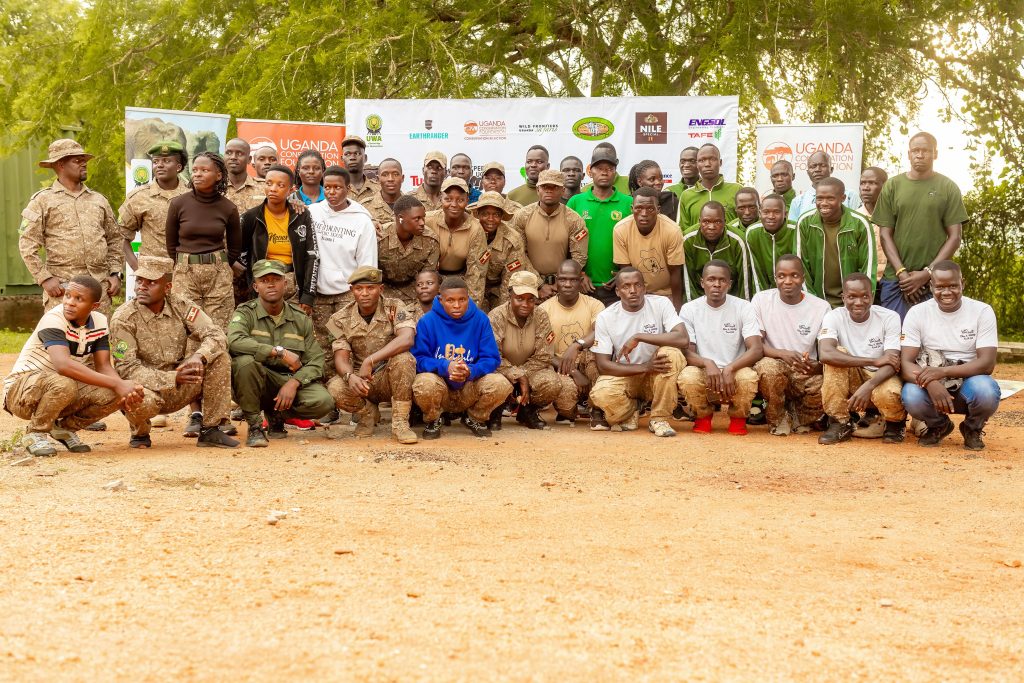
As the last runners crossed the finish line, the atmosphere shifted from intense competition to jubilant celebration. Rangers, exhausted but exhilarated, gathered for a well-deserved brunch, swapping stories of their experiences on the course. The air was filled with laughter and camaraderie as competitors from different parks and organizations mingled, united by their shared passion for conservation.

Following the meal, a series of speeches commenced, with conservation leaders and government officials praising the rangers’ dedication and highlighting the importance of their work. The prize-giving ceremony was a moment of pride for all involved, with trophies and medals gleaming in the midday sun as they were presented to the top performers. The Kidepo Warriors stood tall, their victory a testament to their unwavering commitment to both their training and their daily conservation efforts.

With the formal proceedings concluded, the rangers headed off to refresh themselves, their spirits high despite the physical demands of the day. But their work wasn’t done – a photoshoot in the wild awaited, capturing these conservation heroes in their element. As the afternoon wore on, the scent of a barbecue filled the air, promising a relaxed evening of continued celebration and bonding among these guardians of nature.

What makes this marathon truly unique is its setting in the heart of Murchison Falls National Park. Unlike typical urban races, participants here share the course with the very wildlife they work to protect. Throughout the event, rangers and spectators alike were treated to the sight of antelopes gracefully bounding across the path, and even the occasional elephant lumbering in the distance. Each team was accompanied by a support vehicle manned by fellow rangers, ready to assist not just with race-related needs, but also to ensure the safety of both runners and animals in this extraordinary wilderness marathon.

Since its inception in 2020, the Wildlife Ranger Challenge has raised over $20 million to support ranger welfare and conservation efforts. But beyond the funds, it’s the intangible benefits that truly shine.

“It has been a remarkable way to not only raise funds but also rebuild teamwork, morale, resilience, and endurance among our rangers from various parts of Africa, who are often overlooked. This initiative has uplifted everyone, providing a shared purpose and energy. The rangers unanimously love it, as it connects and unites them”, said Michael Keigwin, Founding Trustee of Uganda Conservation Foundation, the organizer of the Wildlife Ranger Challenge locally. “It’s not just about the race—it’s about rebuilding morale, resilience, and unity among our rangers across Africa.”

For rangers like Amos Amaseku, the watchkeeper at the Joint Operations Command Center, Murchison Falls National Park, the challenge represents more than just a race. “I’ve seen this grow over the past three years, I’ve participated in the last three races and have witnessed a substantial increase in the number of participants” he said.


“It’s not just about the competition—it’s about the support we receive for our daily work, from logistics to supplies. The Wildlife Ranger Challenge has been supportive of our work with logistics, other suppliers, and allowances.” Amaseku went on to say.

Fred Kiiza, Chief Warden of Murchison Conservation Area, noted the tangible impacts: “The support from this initiative has been very helpful, providing crucial resources that enhance our effectiveness in the field. Last year, we received a vehicle that has significantly boosted our operations “

As the sun set on another successful challenge, the message was clear: Africa’s wildlife rangers are not just protectors of nature—they’re athletes, team players, and conservation heroes, pushing their limits to safeguard the continent’s precious ecosystems. With events like the Wildlife Ranger Challenge shining a spotlight on their crucial work, these dedicated individuals are finally getting the recognition they deserve. And as they continue to face the daily challenges of anti-poaching operations and community engagement, they do so knowing they have the support of a global community behind them.

Stories Continues after ad

US announces Shs27.5b funding towards Sudan refugee response in Uganda

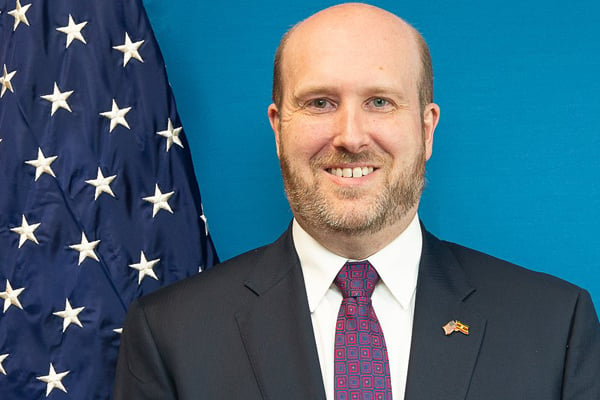
US Ambassador to Kampala, William Popp.

The United States has announced $7.5 million about (Shs27.5 billion) to support the Sudan refugee response in Uganda.

The funding was confirmed by U.S. Ambassador to Uganda William Popp.

The new funding from the American people, provided through the U.S. Department of State’s Bureau of Population, Refugees, and Migration, enables UNHCR Uganda to provide critical assistance to Sudanese refugees and their host communities, including emergency relief supplies, healthcare, protection of vulnerable children and victims of gender-based violence, and water and sanitation facilities. 

The United States provides more than half of all humanitarian funding in Uganda and is proud to be the largest single humanitarian donor globally. This is part of nearly $424 million (Shs1.5 trillion) in additional humanitarian funding for Sudan and neighbouring countries announced at the UN General Assembly (UNGA).  This new funding brings total U.S. humanitarian assistance in Uganda in Fiscal Year 2024 to more than $92 million (Shs338.1 billion).

U.S. Ambassador William Popp said, “The crisis in Sudan is a global challenge, and we’re proud to help the Ugandan people as they provide safety and security to their neighbours from Sudan. As the largest single donor of humanitarian assistance supporting Sudanese refugees in Africa, we recognise the importance of assisting those fleeing conflict and working toward a safe return when the fighting ends.”

In addition to being the largest donor of humanitarian assistance in Uganda, the U.S. Mission’s positive impact reaches across all of Uganda’s 146 districts, and, in the true spirit of partnership, nearly 70% of our activities are implemented through local non-governmental organisations, generating over 6,000 jobs for Ugandans.  For more details on the full scope of the United States’ partnership with the Ugandan people, please see the U.S. Mission’s “Report to the Ugandan People.”

Stories Continues after ad

Court orders Horeb Services to pay Shs250m over death of migrant worker

Ezra Mugisha Director Horeb Services Limited.

The High Court of Uganda has directed Horeb Services Uganda Limited to pay Shs250 million as general and exemplary damages over the death of a migrant worker.

Last year, Desire Namale dragged Horeb Services and its director, Ezra Mugisha over the death of her mother, Milly Namutamba.

In August 2018, through Horeb Services Uganda, Namutamba left Uganda to work as a domestic service worker in Saudi Arabia. At the time of leaving the country, Namutamba was in perfect health and was subjected to a medical check-up by the Horeb Services Uganda.

While in Saudi Arabia, Namale kept in constant communication with her mother for about five months before she unceremoniously went silent. After one month of no communication, she got worried and contacted her relatives, including the Director of Horeb Services, who advised her to go to their offices to raise the matter.

She kept frequenting their company for two years, seeking to know what had happened to her mother, but the company was non-responsive. Later on, in September 2022, her uncle, through sources unknown to her, discovered that her mother had died.

Namale and her uncle approached Horeb Services’ offices, and on this occasion, the respondents confirmed the death of her mother and promised to formally update them on the cause of death, which they never did.

In his ruling, High Court judge, Justice Boniface Wamala declared that Horeb Services Ltd and its director violated Namale Desire’s mother’s right to life, as enshrined in Uganda’s Article 22 of the Constitution of Uganda.

The court held that a licensed recruitment company is obligated to assume full and complete responsibility for all acts of its officials, employees and representatives done in connection with recruitment and placement.

“That being the case, it is wrong on the part of Horeb Services Ltd to argue that the responsibility over Namutamba Milly lay against the other stakeholders and not on themselves. The legal framework clearly indicates that Horeb Services Ltd bore the primary responsibility over the safety and life of the deceased migrant worker,” he ruled.

He further ruled that Horeb Services Ltd was also the entity vested with locus to enforce against any breach of the agreed terms against either the foreign recruitment agency or the Kingdom of Saudi Arabia.

Court ordered that Horeb Services Ltd and its director shall pay to the Namale Desire and her uncle a sum of Shs200 million as general damages and Shs50 million in exemplary damages and bare costs arising from that matter.

Stories Continues after ad

New HIV prevention injection medication suitable for adolescent girls, sex workers and drug users

UNAIDS Executive Director, Winnie Byanyima has revealed that the people most in need of new HIV prevention medication, in the form of a long-acting injection are adolescent girls, LGBTQ+ people, sex workers, and people who use drugs.

Byanyima noted that the injection medication will transform the lives of people who struggle to take daily pills.

“The option of an injection that only needs to be taken once every few months is vital for people who face stigma when seen with pills, and those who are driven underground by criminalizing laws,” she said.

She added that the arrival of long-acting injections is truly a game-changer and it can help prevent millions of new HIV infections. However, this will only happen if everyone who would benefit has access. Noting, “When medicines are lifesaving, delays are fatal.”

Byanyima made the revelation while responding to ViiV Company after its commitment to produce at least two million doses of long-acting cabotegravir for HIV pre-exposure prophylaxis (CAB LA for PrEP) available for procurement for low- and middle-income countries (L&MICs) during 2025-2026.

“To ensure affordable pricing and worldwide availability for everyone who needs these medicines, enabling access to generic versions in all low- and middle-income countries is essential,” she noted.

However, she noted that ViiV continues to lock out many low- and middle-income countries from this possibility and was shocked that the company has even launched a legal challenge against Colombia for trying to access a generic version of another lifesaving HIV medicine, dolutegravir.

“ViiV’s announcement on increasing production of long-acting cabotegravir is a welcome first step, but their next steps must follow fast. It is not enough for ViiV to increase the number of doses up for sale,” she cautioned.

Byanyima urged ViiV to show leadership on access to medicines now by announcing an affordable not-for-profit price, dropping its harmful legal challenge, and enabling all low and middle-income countries to access generic versions of its medicines. Adding, “That is how they can help ensure this scientific breakthrough fulfills its potential and how they can help bring an end to the AIDS pandemic.”

ViiV’s new commitment will triple the company’s available supply versus 2024, to accelerate access and meet growing demand where the HIV burden and unmet need are greatest.

Deborah Waterhouse, Chief Executive Officer at ViiV Healthcare and President, Global Health at GSK, said: “The announcement marks another important milestone in our efforts to accelerate access to the only long-acting PrEP available now CAB LA where it’s needed most. We know long-acting PrEP provides a crucial option to suit the needs and circumstances of populations disproportionately affected by HIV, including young women and girls in Sub-Saharan Africa. We are committed to working at pace with our partners and the community — globally, regionally, and locally — to continue enabling sustainable access to CAB LA for PrEP as a key part of our mission to help end the HIV epidemic.”

ViiV’s strategy for CAB LA for PrEP in L&MICs is to maximise rapid access and uptake for populations with highest unmet needs, in a sustainable way, centred on partnership and integration into existing healthcare services and HIV prevention programmes.

Stories Continues after ad

I am ready to mediate for peace in the Sudan conflict-Museveni

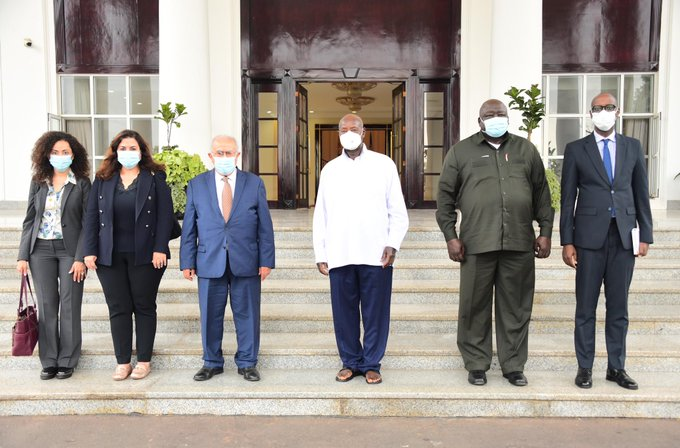
President Museveni, State Minister for Foreign Affairs in charge of International Affairs, Okello Oryem, Amb. Philip Rukikaire and the United Nations Special Envoy to Sudan, His Excellency Ramtane Lamamra plus his team at State House Entebbe.

President Yoweri Kaguta Museveni has expressed his willingness to mediate the ongoing conflict in Sudan, should both parties be open to his involvement.

“I am ready to mediate the conflict if they are agreeable.”

President Museveni stated this yesterday during a meeting with the United Nations Envoy for Sudan at State House Entebbe.

He reiterated his commitment to joining efforts to restore peace in Sudan, emphasising that the root cause of the conflict lies in the promotion of identity politics, which destabilize a country as diverse as Sudan.

The President urged the warring factions to agree to a ceasefire and to hand over power to the people of Sudan.

The United Nations Special Envoy to Sudan, His Excellency Ramtane Lamamra, assured President Museveni of the UN’s full support in resolving the conflict.

“Mr. President, if there is anything the UN can do to assist in restoring peace to Sudan, please involve us. We are ready and willing to work with you,” H.E. Lamamra said.

The UN envoy also highlighted the humanitarian crisis in Sudan, noting that while efforts have been made to secure localised ceasefire, fighting continues, and civilians remain at risk.

“Despite the ongoing conflict and the flow of weapons to both sides, there is still an opportunity to move forward and secure a ceasefire to address the urgent humanitarian needs,” he added.

Museveni has previously mediated at the Burundi peace process, the South Sudan and the Libyan conflict where he and few other African leaders represented the African Union between Gaddafi and the other warlords.

Stories Continues after ad

UBOS retracts 2024 census report over ethnic group data errors

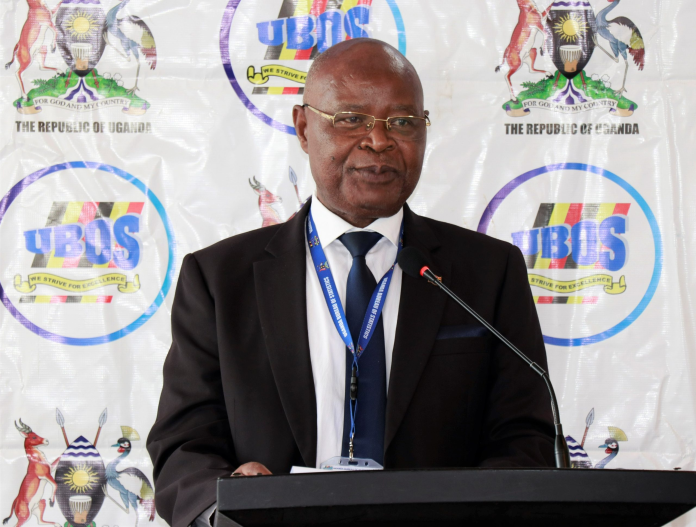
Dr. Chris Mukiza, the Executive Director of UBOS.

The Uganda Bureau of Statistics has retracted its recently published 2024 census report after discovering errors in the population figures for the four ethnic groups of Bakiga, the Bagisu, the Acholi, and the Langi.

According to UBOS, the 2024 figures for the four tribes were mistakenly interchanged, leading to inaccurate representations of population changes.

In a broader lens, 2014 figures on Bakiga (1470554) were for Acholi, Langi (1646904) were for Bagisu, Bagisu (2390446) were for Bakiga, and 2014 figures on Acholi (2131495) were for Langi, while the 2024 figures stand to be true.

According to the results, the population of Baganda increased from 5,555,319 in 2014 to 7,037,404 in 2024; Banyankore from 3,216,332 to 4,200,782; Basoga from 2,960,890 to 3,703,535; Iteso from 2,364,569 to 3,146,079; Bakiga from 2,390,446 to 2,947,837; Langi from 2,131,495 to 2,703,277; Bagisu from 1,646,904 to 2,096,149.

Others: Acholi from 1,470,554 to 1,941,913, Lugbara from 1,099,733 to 1,230,384, Banyoro from 966,976 to 1,218,121, Alur from 878,453 to 1,152,858, Bakonzo from 850,646 to 1,104,462, Batoro from 810,708 to 1,005,433, Bafumbira from 713,231 to 949,860, and Other Tribes from 7,383,093 to 8,934,046.

Released last, the results indicate that the total population for Uganda as of May 2024 based on the National Population and Housing Census 2024 stands at 45,905,417 persons from 10,698,913 households. The male population is recorded at 21,566,736 while the female population is 24,338,681 persons.

The National Population and Housing Census was last conducted in 2014. At that time, Uganda had a population of 34.6 million people. The census is carried out every 10 years, and this year’s exercise was expected to take place on August 24 and 25, but it was postponed due to the delayed procurement of tablets.

It further shows that children comprise 50% of the total population in Uganda. Youth (18-30 years) are 23.5%, and older persons (above 60 years) are 5%. Those aged 31-59 years are 21.5%.

Kampala toped all the regions with 11.1 million people, followed by Busoga with 4.4 million, West Nile with 3.9 million, Ankole with 3.6 million, Toro with 3.4 million, Bunyoro with 2.8 million, Lango with 2.6 million, Teso with 2.5 million, Bukedi with 2.4 million, Elgon with 2.2 million people, and others.

The report says that the Buganda region has the highest number of literates, with 85.5%, followed by Ankole with 78.9%, and Karamoja with the least number of literates, 25.4%.

“74.2% of the children in Karamoja aged 6–12 years, 32.2% in West Nile, and 27.9% in Acholi are out of school,” the report highlighted. Buganda, however, had the least number of children who are out of school, with 18.4%.

The report highlighted that in the line of religious affiliation, Christians form the biggest portion of the population. Eight out of 10 Ugandans are Christians. Catholics form the largest percentage at 37.4%, followed by Anglicans at 30.0%. Pentecostals have increased to 14.7% from 11.1%, while Muslims decreased from 13.7% to 13.6%.

It also showed that more than 13 million people migrated in the last five years. Of those, 7.6 million were female, while 5.8 million were male.

Stories Continues after ad

BoU reduces lending rate for October 2024 to 9.75%

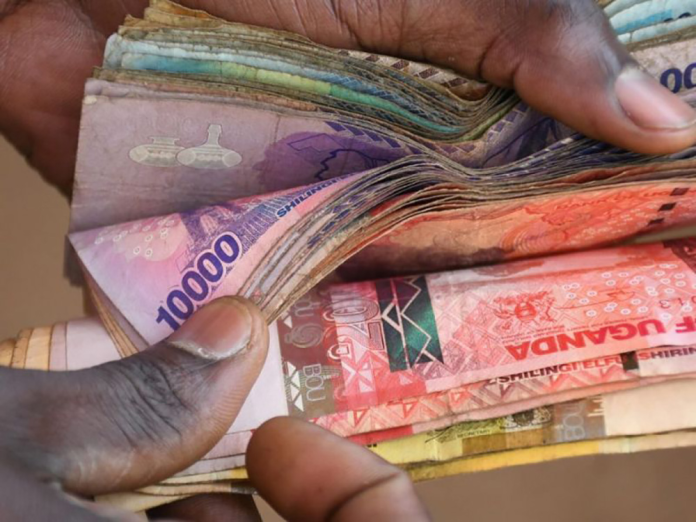
Uganda currency

The Bank of Uganda has reduced the Central Bank Rate for October to 9.75 percent following a decline in inflation.

The Deputy Governor Bank of Uganda, Michael Atingi-Ego has said they were forced to lower the interest rate from 10.0 percent in September 2024 to stimulate economic growth.

“Over the twelve months to September 2024, annual headline and core inflation both averaged 3.2%. Specifically, annual headline and core inflation decreased to 3.0% and 3.7% in September 2024, down from 3.5% and 3.9% in August 2024, respectively. Notably, inflation declined in September 2024, driven by lower oil prices and reduced food prices. The decline in core inflation was primarily attributed to a reduction in services inflation, particularly in passenger transport services,” Dr Atingi-Ego said at a press conference in Kampala on Monday.

This was mainly because of improved export earnings from coffee and gold exports, ease in effects of the global economic shocks like #Covid-19 and the war in Ukraine, the monetary policy tightening, and relative stability of the shilling against the dollar.

Dr Atingi-Ego said that considering these developments, they expect the inflation rate to remain below the target range of 5 percent and can therefore comfortably ease the Monetary Policy to enable support to private sector credit growth.

Borrowing by the private sector has been a bit suppressed, only growing by 6.8 percent over the last financial year, compared to 5.0 percent. However, BoU says that while there is this growth in the increase, it is half of the targeted growth of 13 percent.

The Deputy Governor said that their activities as well as other changes that make the economy safer going forward, have decided to reduce the rate, though cautiously.

“The MPC notes that easing of monetary policy is necessary to keep inflation on track while supporting socio-economic transformation. Any additional changes to the policy rate will continue to rely upon the incoming data and the evolving assessment of risks to guide its decisions,” he said.

Some of the reasons for the low credit uptake are the high interest rates that average 21 percent while the prime lending rates remain at 17 percent, despite public and government outcry.

However, Dr Atingi-Ego says that there remain some risks that could trigger a renewed rise in the inflation rate, including possible effects of the escalation of the geo-political tensions in the Middle East and a rise in agricultural prices, and imported inflation, among others.  

Stories Continues after ad

Man sentenced to nine years in prison over killing wildlife in Kasese

A man has been sentenced to nine years in prison for killing protected wildlife species in Kasese district, in a case that underscores Uganda’s commitment to protecting its wildlife and natural heritage.

The Kasese Chief Magistrate, Her Worship Ojok Betty, handed down the sentence on October 4, 2024, to Mulengya Yowasi, who pleaded guilty to killing several protected animals. Yowasi, who was also fined UGX 8 million, was arrested by the Uganda People’s Defence Forces (UPDF) on June 26, 2024, in Iboga village, Kitswamba sub-county, after a tip-off from local community members.

Upon his arrest, Yowasi was found in possession of two buffalo horns, four buffalo hooves, three kilograms of buffalo meat, two kilograms of warthog meat, and a spear. His arrest was part of a coordinated effort between the UPDF, Uganda Police, and the Uganda Wildlife Authority (UWA).

In court, UWA Prosecutor Ngene Reuben presented evidence demonstrating how Yowasi’s actions harmed Uganda’s conservation efforts and its economy.

“The animals killed by Yowasi are critical prey for carnivores such as lions and leopards. Depleting their prey forces these predators to attack livestock, increasing human-wildlife conflict and adding to government compensation costs,” Ngene emphasized.

He urged the court to hand down a strong sentence to deter other would-be offenders.

Yowasi, represented by Counsel Kanyonyi Luke, sought leniency, but the court ruled firmly against his plea. Chief Magistrate Ojok Betty said, “Uganda’s wildlife is integral to the country’s ecological balance and tourism industry. Wildlife crimes such as these will not be tolerated.”

The Uganda Wildlife Authority (UWA) commended the judiciary, UPDF, police, and local communities for their efforts in supporting conservation and combating illegal wildlife activities.

“This sentence serves as a strong signal to deter future offenders. Through ongoing campaigns and enhanced enforcement efforts, we remain steadfast in our mission to protect endangered species and preserve the country’s rich biodiversity,” the UWA stated in a press release.

The UWA reaffirmed its commitment to working with security agencies and communities to safeguard Uganda’s wildlife, noting that poaching and illegal wildlife trade threaten the country’s conservation efforts and undermine the significant role that wildlife plays in the economy, particularly through tourism.

Stories Continues after ad

New World Bank Country Director cautions Uganda to simplify investment and business processes

World Bank’s Country Director for Uganda, Kenya, Rwanda, and Somalia, Mr. Qimiao Fan

The newly appointed World Bank’s Country Director for Uganda, Kenya, Rwanda, and Somalia, Mr. Qimiao Fan, has called for the simplification of investment and business processes and reduction of business regulation to ease doing business and reduce costs, especially for micro, small and medium enterprises which employ the most people.

Mr. Fan made the call while visiting the Uganda Investment Authority (UIA) and sister agencies in the Uganda Business Facilitation Centre (UBFC) in Kampala.

The UBFC is a Government of Uganda building that houses offices of key investment and business-related agencies: UIA, the Uganda Registration Services Bureau (URSB), the Capital Markets Authority (CMA), and the Presidential CEO Forum.

Its construction was funded by the World Bank under the Competitiveness and Enterprise Development Project (CEDP) to improve the ease of doing business and economic competitiveness. The aim of the one-stop shop is also to increase its effectiveness and to improve service delivery to the business community.

The UBFC also houses UIA-operated One-Stop Centre for Investors, that comprises representatives of key investment and business facilitating agencies, namely UIA, URSB, Uganda Revenue Authority, Kampala Capital City Authority, Uganda National Bureau of Standards, Ministry of Lands, Housing and Urban Development, Directorate of Citizenship and Immigration Control, National Environment Management Authority, National Water and Sewerage Corporation, power utility Umeme, tourism promoter Giants, and Federation of Ugandan Employers.

In his remarks, Mr. Fan said there is a need for the government to look at various laws, policies, and regulations that constrain ease of doing business and streamline or reduce them or update them in order to improve the investment and business climate.

Mr. Fan said accessible and cost-effective investment and business processes, in addition to ease of doing business, also encourage formalisation of MSMEs, hence greater benefits to the economy. He said most MSMEs stay informal because of red tape and formalization costs.

He said the World Bank focuses on supporting MSMEs because not only do they need the most support but also the easier they operate, the greater the benefits for the economy.

Mr. Fan said priority should be placed on making Uganda’s broader investment and business climate, adding that the business environment still needs some support.

The Registrar General of URSB, Mercy Kainobwisho, expressed gratitude to the World Bank for funding the construction of the UBFC and other initiatives that have transformed business registration services.

UIA’s Director Domestic Investment Division, Richard Nuwenyesiga, who represented the Director General, Robert Mukiza, said the World Bank support is translating into increasing investments, noting that foreign direct investment in the year up to August 2024 stood at $3.01 billion.

He said Uganda is solidifying its position as the best investment destination not only in East Africa but Africa as a whole.

Stories Continues after ad