Uganda is recording an estimated 36,648 new HIV infections every year, equivalent to about 100 new infections every day, with young people accounting for nearly a third of the new cases, prompting the Ministry of Health to warn against high complacency in the fight against the virus.
Permanent Secretary Dr Diana Atwine said the country’s latest estimates paint a worrying picture, particularly among people below the age of 24, and called on parents, communities and young people to take HIV prevention more seriously.

“Current estimates indicate that Uganda records about 36,648 new HIV infections each year, approximately 100 new infections every day,” Dr Atwine said.
She said the burden of new infections among young people should concern every Ugandan, noting that one in every three new HIV cases is recorded in people under the age of 24.
“It’s concerning for all of us, especially parents, that about a third of these occur among young people below 24 years,” she said.

Dr Atwine also revealed that Kampala remains one of the country’s biggest areas of concern, with the capital registering more than 200 new HIV infections every week despite years of awareness campaigns and expanded access to treatment.
“For Kampala, the number of new infections per week is actually slightly higher than 200,” she said.
She cautioned that while advances in HIV treatment have transformed the disease from a death sentence into a manageable chronic condition for many people, that progress should never be mistaken for victory over the epidemic.
“As HIV becomes more treatable, we must not become complacent,” she said.
The warning comes as Uganda continues implementing its national HIV prevention strategy aimed at reducing new infections and achieving epidemic control. According to the Ministry of Health and the Uganda AIDS Commission, the country has made significant progress in expanding access to antiretroviral therapy, with millions of Ugandans benefiting from life saving treatment that has dramatically reduced AIDS related deaths.
Health officials, however, say the pace of new infections remains a major challenge, particularly among adolescents, young women and other vulnerable groups. Experts attribute the trend to inconsistent condom use, multiple sexual partnerships, low uptake of HIV testing among some young people and declining risk perception as treatment becomes more widely available.
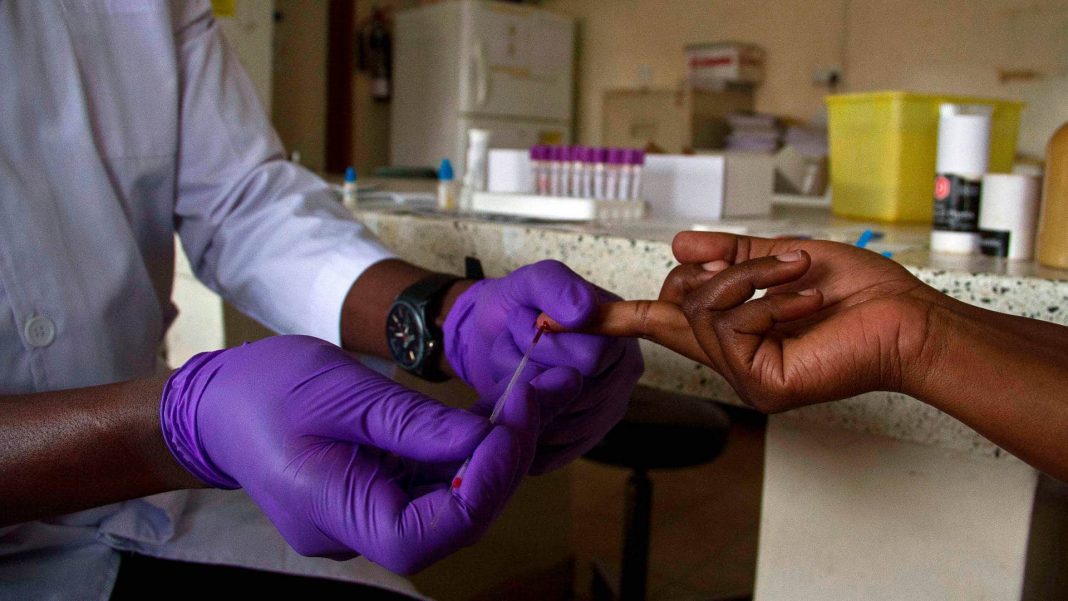
The ministry has continued to promote regular HIV testing, consistent condom use, voluntary medical male circumcision, pre exposure prophylaxis for people at substantial risk of infection and strict adherence to treatment for people living with HIV as some of the most effective ways to prevent transmission.
Uganda is also undertaking the third Uganda Population HIV Impact Assessment, a nationwide survey expected to provide updated data on HIV prevalence, new infections and viral suppression, helping the government refine its response and direct resources to communities most affected by the epidemic.