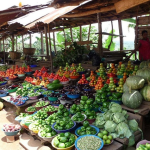

Uganda’s annual headline inflation rose to 4.6 per cent in September 2026 from 4.1 per cent in August, as unfavourable weather conditions pushed up food prices while rising international oil prices increased transport and energy costs, the Ministry of Finance has reported.
The Ministry of Finance, Planning and Economic Development, in its September 2026 Performance of the Economy Report, said the economy continued to expand despite global economic uncertainties arising from geopolitical tensions in the Middle East, Eastern Europe and other parts of the world.

“The Ugandan economy continued to exhibit resilience amidst global economic shocks and uncertainties resulting from the geopolitical tensions in the Middle East, Eastern Europe and other parts of the world,” the ministry said.
The report attributed the increase in inflation to a combination of reduced food crop supplies, higher production costs and rising international oil prices, which have continued to put pressure on the prices of goods and services.
Unfavourable weather conditions affected food crop supplies, while increased transport and energy costs raised the cost of producing and distributing commodities.

The rising prices come as households continue to contend with the cost of living, particularly expenditure on food, transport and other essential goods and services.
Despite the inflationary pressure, the ministry said indicators of economic activity and business sentiment pointed to continued growth since the beginning of the 2026/2027 financial year.
The Purchasing Managers’ Index (PMI), which measures private sector business conditions, stood at 53.0 in September, remaining above the 50-point threshold that indicates an improvement in business activity.
The ministry said firms recorded increases in output and new orders, supported by sustained customer demand.
“The Purchasing Managers Index (PMI) was recorded at 53.0 for September 2026, which is higher than the 50-mark threshold, signaling improvement in business conditions in the private sector as firms registered continued increases in output and rising new orders arising out of sustained customer demand,” the report states.
The Composite Index of Economic Activity (CIEA) also increased by 0.3 per cent to 193.87 in August from 193.30 in July, indicating an improvement in economic activity compared with the previous month.
Business confidence remained positive, with the Business Tendency Index (BTI) standing at 55.80 in September, above the 50-point threshold.
However, the increase in inflation was accompanied by a weakening shilling, which depreciated by 3.7 per cent against the US dollar during September.
The local currency traded at an average midrate of Shs3,868.87 per dollar, compared with Shs3,730.25 in August.
The ministry attributed the depreciation to rising global oil prices and higher US Treasury yields, which strengthened the dollar on international markets.
A weaker shilling makes imports more expensive, potentially increasing the domestic cost of fuel, machinery, raw materials and other goods purchased from abroad.
The combination of higher import costs and rising domestic production expenses could add further pressure to consumer prices if the trends persist.
Uganda’s export performance, however, provided a positive development during the period under review.
Export receipts increased by 40.6 per cent year on year, rising from $1.061 billion in August 2025 to $1.492 billion in August 2026.
The ministry attributed the increase to growth in both the value and volumes of exports, including gold, tea, tobacco and oil re-exports.
Higher export earnings can support foreign exchange inflows and strengthen Uganda’s capacity to finance imports, although the exchange rate remains influenced by several domestic and international factors.
The September report paints a mixed picture of the economy, with private sector activity, business confidence and export earnings improving even as inflation and currency depreciation put pressure on households and businesses.
The ministry said the economy remained resilient amid global uncertainties, with continued growth reflected in the key indicators of economic activity and business sentiment.
Developments in food supply, international oil prices, exchange rates, and domestic demand will remain important in determining the direction of inflation and the cost of living in the coming months.