
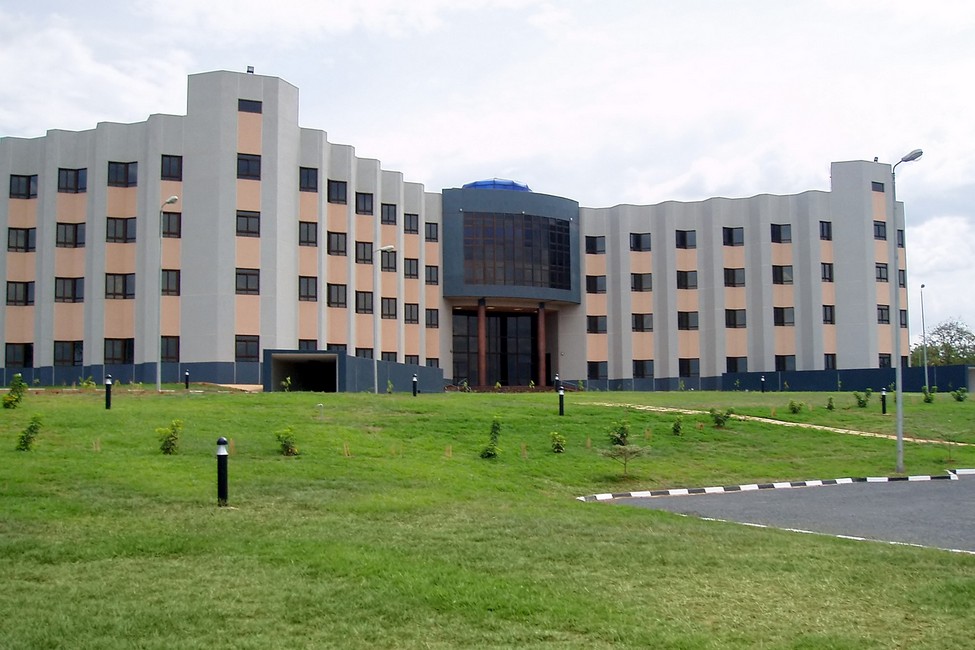
The United States has imposed sanctions on Rwanda’s Ministry of Defence and a Rwandan financial institution, accusing them of supporting the M23 rebel group operating in eastern Democratic Republic of Congo (DRC).
The sanctions, announced on Wednesday, October 28, 2026, by the US Department of the Treasury, target the Ministry of Defence and Zigama Credit and Savings Society over their alleged roles in providing military assistance and financial support to M23 and its political wing, the Congo River Alliance.

US Treasury Secretary Scott Bessent said the action was intended to hold Rwanda accountable for its commitments under the Washington Accords for Peace and Prosperity, an agreement brokered by Washington to address the conflict in eastern DRC.
“Today, the United States makes good on President Trump’s promise to hold Rwanda accountable for its commitments under the Washington Accords for Peace and Prosperity,” Bessent said.
“Rwanda must halt its support for M23 and withdraw its troops from eastern DRC,” he added.

The Treasury Department accused Rwanda’s security apparatus, including the Rwanda Defence Force (RDF), of deploying thousands of troops to eastern DRC and supplying M23 with military equipment, logistics and training.
According to the US government, the support has enabled the rebels to capture key population centres and mining areas in North and South Kivu provinces, worsening insecurity and contributing to a humanitarian crisis characterised by mass displacement.
Washington also accused M23 of committing human rights abuses in areas under its control, including extrajudicial killings, unlawful detention, torture and forced labour.
The group captured Goma and Bukavu, the provincial capitals of North and South Kivu respectively, in early 2025, further expanding its territorial control in the mineral-rich region.
The US Treasury said the Rwandan Ministry of Defence was being sanctioned because it allegedly provided material, financial, logistical and technological support to the RDF, which Washington had sanctioned on March 2, 2026.
The department also raised concerns over the introduction of advanced weaponry, including surface-to-air missile systems and electronic jamming equipment, into the conflict zone, saying these posed risks to civilian aviation in eastern DRC.
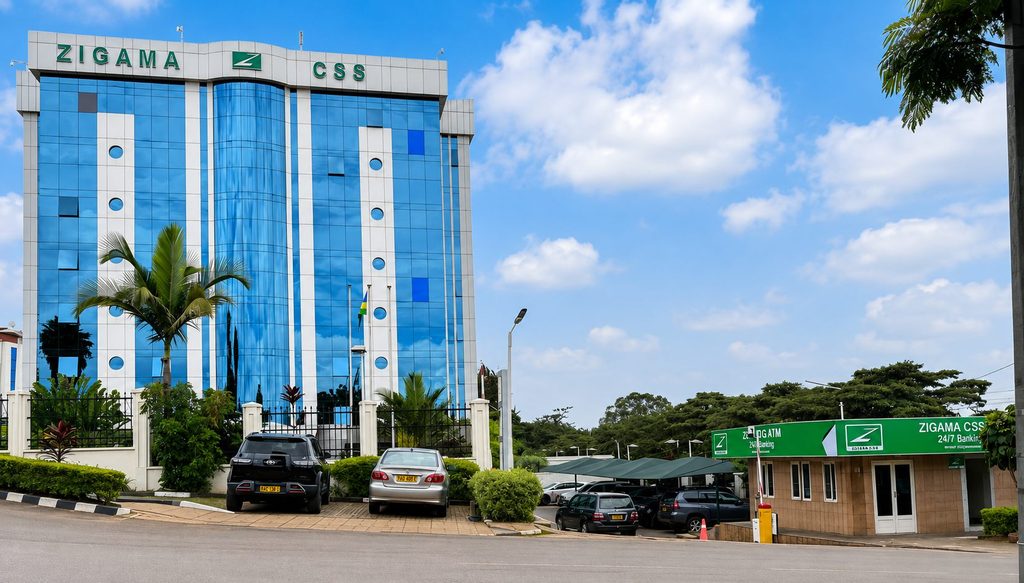
Zigama Credit and Savings Society was separately sanctioned over allegations that it facilitated payments for weapons, ammunition and other military equipment for the RDF, as well as travel and accommodation linked to military training activities.
The US government further accused the financial institution of facilitating transactions worth tens of millions of dollars for M23 and the Congo River Alliance.
According to the Treasury Department, a Zigama branch also enabled the transportation of gold originating from mining areas controlled by M23 in eastern DRC to Rwanda’s capital, Kigali.
The US said gold extracted from areas under rebel control was subject to oversight by Rwandan government forces, while minerals from the conflict zone were entering supply chains in Rwanda.
The allegations place renewed attention on the links between armed conflict, mineral extraction and regional trade in the Great Lakes region, where eastern DRC holds substantial deposits of gold, coltan and other commercially valuable minerals.
The sanctions come against the backdrop of the Washington Accords for Peace and Prosperity, signed by the Congolese and Rwandan presidents on December 4, 2025.
The agreement was intended to establish a path towards resolving the conflict while promoting regional economic cooperation, trade and investment. It also included measures aimed at improving transparency in critical mineral supply chains.
Under the sanctions, all property and interests in property belonging to the designated entities that are located in the United States or held or controlled by US persons are blocked and must be reported to the Office of Foreign Assets Control (OFAC).
The restrictions also apply to entities owned, directly or indirectly, by 50 per cent or more by one or more sanctioned persons. US persons are generally prohibited from conducting transactions involving blocked property unless authorised by OFAC or covered by an applicable exemption.
The Treasury Department warned that violations could attract civil or criminal penalties and said foreign individuals and institutions could also face exposure if they facilitate transactions intended to evade US sanctions.
The action follows earlier US measures against actors accused of supporting the conflict in eastern DRC and signals continued pressure on parties Washington considers responsible for sustaining the fighting.
The Treasury Department said the objective of sanctions was not simply punishment but to encourage changes in behaviour, adding that designated persons could seek removal from the sanctions list through established legal procedures.