Chief of Defence Forces General Muhoozi Kainerugaba has announced that the Uganda People’s Defence Forces (UPDF) has started withdrawing troops from Somalia after nearly two decades of military operations against the Al-Shabaab militant group.
“As we promised, we have started withdrawing UPDF from Somalia. After 20 years of a lot of blood and sacrifice we are handing over security to our Somali brothers,” Muhoozi said.

The announcement comes amid growing pressure on Somalia to take greater responsibility for its security, with Ugandan troops having played a central role in African Union-led military operations against Al-Shabaab since March 2007.
It also follows renewed discussions between Uganda and Somalia over the future of the deployment, with Somali President Hassan Sheikh Mohamud reportedly asking President Yoweri Museveni to delay the withdrawal of Ugandan troops from strategic areas in southern Somalia amid fears of security gaps.
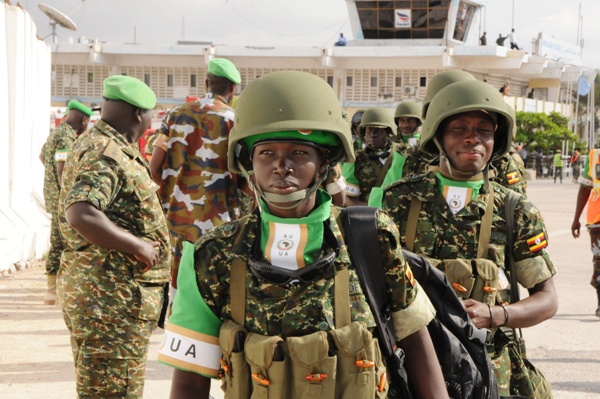
Uganda was the first African country to deploy troops to Somalia under the African Union Mission in Somalia (AMISOM), sending its first contingent on March 6, 2007, to support the country’s Transitional Federal Government and help stabilise a nation that had endured years of conflict and political instability.

The mission was authorised by the African Union in January 2007 and approved by the United Nations Security Council the following month. Its initial objectives included protecting government institutions, supporting political reconciliation and creating conditions for humanitarian assistance and long-term stability.
However, the mission gradually evolved into a major counterinsurgency operation as Al-Shabaab expanded its attacks against Somali government forces, African Union troops and civilians.
The militant group, which is affiliated with al-Qaeda, has continued to challenge Somalia’s government through bombings, suicide attacks, roadside explosives and assaults on military installations, despite years of operations by Somali forces and international partners.
Ugandan troops have participated in offensive operations, secured strategic locations, protected key government installations, and supported the training and development of Somali security forces. Their deployment has also helped create conditions for Somalia’s political institutions to operate in areas previously threatened by militant groups.
The mission has come at a high cost. In May 2023, Al-Shabaab fighters overran a UPDF base at Bulo Marer in the Lower Shabelle region, in one of the deadliest attacks on Ugandan forces in Somalia. The assault highlighted the continuing dangers facing African Union troops despite years of military operations against the group.
Uganda’s deployment has continued through successive African Union missions. AMISOM was replaced by the African Union Transition Mission in Somalia (ATMIS) on April 1, 2022, as the African Union began a phased reduction of its forces and transferred more security responsibilities to Somali troops.
ATMIS was, in turn, replaced by the African Union Support and Stabilisation Mission in Somalia (AUSSOM) on January 1, 2025. The new mission was designed to consolidate previous security gains, support operations against Al-Shabaab, and help Somali forces assume greater responsibility for national security.
Muhoozi had previously announced that Uganda intended to withdraw all its troops from Somalia by August 1, 2027, setting a deadline for ending the country’s military presence after nearly 20 years of operations.
His latest statement indicates that the withdrawal process has now begun, although he did not specify how many soldiers are leaving, which locations are affected or when the initial phase will be completed.
The announcement is particularly important because Ugandan troops remain involved in operations in parts of southern Somalia, including Lower Shabelle, where government forces continue to confront Al-Shabaab.
Reports published on October 28, 2026, said Somali President Hassan Sheikh Mohamud had appealed to Museveni to delay the withdrawal from strategic locations, including Barawe, Bulo Marer, Qoryoley and Janaale, to allow Somali forces more time to prepare to take over security responsibilities. The reported request raises questions about how quickly the handover can proceed without creating gaps that Al-Shabaab could exploit.
Somalia has spent years rebuilding its national army and other security institutions after decades of conflict. However, the continued threat posed by Al-Shabaab means the transition from African Union protection to full Somali control remains a major security challenge.
The withdrawal will therefore require coordination between Uganda, Somalia and the African Union to ensure that areas currently secured by Ugandan forces are not left vulnerable to renewed militant attacks.
The future of the wider African Union mission will also depend on funding, troop contributions, and the ability of Somali security forces to sustain operations. Muhoozi previously cited financing difficulties as a factor behind Uganda’s intention to leave Somalia, reflecting wider concerns over the long-term cost of maintaining the mission.
For Uganda, the withdrawal would mark the end of a major overseas military commitment that has involved years of deployments, combat operations and casualties. For Somalia, it represents a test of whether its security forces can independently protect strategic towns, government installations and important transport routes while maintaining pressure on Al-Shabaab.
Muhoozi’s announcement signals a shift towards handing greater responsibility to Somali forces, but the timing and scale of the withdrawal will be critical in determining whether the transition strengthens Somalia’s independence or creates opportunities for militants to regain ground.
Uganda began its Somalia mission in March 2007. Nearly two decades later, the country is now moving towards ending its military deployment, with the success of the handover depending on the readiness of Somali forces and the security arrangements put in place during the transition.