Stanbic Bank
Stanbic Bank
18.1 C
Kampala
Stanbic Bank
Stanbic Bank
Home Blog Page 1130

Give us fair trade and we shall develop – Museveni

President Museveni

For development to happen across the world, there must be fair global trade, President Museveni has said.

Museveni made the case for global prosperity as he addressed the 9th Africa, Caribbean and Pacific (ACP) Group of States Summit in Nairobi, Kenya.

The two-day summit at the Kenyatta International Conference Centre, attended by several heads of state from the 79-member state group, is running under the theme, “A Transformed ACP: Committed to Multilateralism”.

Addressing delegates, Museveni said, “The challenge in the globe in last 300 years has been unbalanced development. Since the Industrial Revolution in Europe, we have had development in some corners of the globe and underdevelopment in others.”

Whereas the discrepancy was being sorted with some third world countries like India getting out of poverty, the Museveni noted, it was important that the push encompassed all countries.

“The expectation is that the whole world should get out of under-development and we work for global prosperity. It should be prosperity for all of us instead of having a small number of people who are prosperous and the majority who are in underdevelopment,” he said.

He told the attentive audience that one of the tools to ensure this prosperity happens is to enforce fair trade.

“When we trade together, we stimulate growth in our respective countries. However in order to trade, we must have the basics. We must resolve the issues of infrastructure, cost of production, cost of money and the human resource,” he added.

The challenge for organisations like the ACP, Museveni observed, was to therefore create enablers of trade.

Citing Uganda’s case, the President said the country has a lot of potential, given that just 32 percent of its population was in the money economy.

“They have not maximised their potential and I know this is the case with most African countries,” he said. “We are therefore working to better this through commercial agriculture, building industries, supporting the services sector and tapping into ICT opportunities.”

Museveni said once this was done, production would be massive, noting that Uganda was already experiencing over-supply of maize, milk, sugarcane and bananas.

“The internal market market is not enough, even the East African Market is not enough. Therefore, it is imperative that we about talk global trade. The ACP is right by emphasising multilateralism. It will cause prosperity in whole world,” he said.

Commenting about the subjects of the summit’s discussion; governance, social-economic transformation and climate change; the President said they should be discussed as a whole.

“These topics are linked because if you don’t encourage social-economic transformation of society, you cannot sustainably deal with issues of governance,” guided the President.

On climate change, Museveni observed that Uganda had recently suffered the wrath of the weather, with landslides and floods killing several people.

“This is partly because people go to wetlands for land for agriculture. Why don’t they go to industries? It is because they are not enough industries for them. That’s the linkage,” he said.

Some aspects of climate change, he said, are due to greed, especially in the North, where people are using bad methods of production and producing a lot of carbon dioxide but some of the problems are due to acute need for land for agriculture.

Museveni also discouraged the idea that Africa should be separated from the Caribbean.

“I don’t know where that idea came from. I don’t think it’s a good one. Why do we seperate ourselves from the African diaspora? The Caribbean, the US, Brazil these are part of the African Diaspora,” he said.

Earlier in the day, President Uhuru Kenyatta of Kenya was appointed chair of the ACP Group for a three-year tenure while Ambassador Georges Chikoti of Angola becomes the new Secretary General


Stories Continues after ad

New players to even out Africa’s investment battlefield in 2020

African Markets Watch

African markets will become increasingly attractive in 2020 at a time when wider global trends are more set against the interests of international businesses than they have been for many years. Fractious geopolitics in a US election year, a rising tide of global activism and a new level of cyber warfare are among the Top 5 risks for business in 2020, published today by Control Risks, the specialist global risk consultancy.

As Control Risks CEO Nick Allan points out, “populism, activism, protectionism, sanctions and political disruption remain the canvas onto which business tries to build global markets and supply chains. It has not been easy in 2019 and it’s going to get harder next year”.

While this outlook is prompting businesses to rethink their global strategies and footprint, across Africa, the continent’s traditional development partners – the EU, China and the US – are facing increasing competition on the ground from new players, such as Russia, the Gulf states and Turkey. Greater regional integration, through the African Continental Free Trade Area and regional blocs like the East African Community, is a welcome counterbalance to growing economic nationalism elsewhere in the world. For African governments and foreign investors able to navigate an increasingly complex and competitive landscape, opportunities are opening up.

“The standard narrative of US-China rivalry in Africa always looked like an over-simplification, but is certainly outdated now. China’s engagement with Africa is undergoing a fundamental shift, the US is playing catch-up, and other countries are seeking to expand their influence in an increasingly multipolar landscape,” explains Barnaby Fletcher, Associate Director at Control Risks. “Geopolitical objectives are being supported by a flood of development finance, creating both opportunity and competition for private-sector players,“ added Fletcher.

The global top 5 risks for business in 2020

The Top 5 risks are released as part of Control Risks’ annual RiskMap report, a global risk forecast for business leaders and policy makers across the world, published today.

Geopolitics and the US campaign trail

The US election campaign will have a palpable impact on geopolitics in 2020. The drama of the campaign trail combined with the disruption of the impeachment process will reverberate through America’s global actions, with the White House using stunt diplomacy to try to distract from impeachment. At the same time US allies and adversaries such as North Korea, Iran or even the Islamic State will hedge against the most ideological election in 40 years and try to add pressure to an already heated electoral campaign. Such posturing will heavily influence the geopolitical risk landscape for business in 2020.

The activist society passes judgement

Across the world, social pressures and coordinated activism around issues like environmental protection, political and human rights, inequality and privacy are demanding more and more from businesses, not just governments. In the street, in shareholder meetings and in your company, the activist society will bang ever harder on the boardroom table in 2020. Being ethical is no longer enough. Being compliant is no longer enough. This uncodified morass of social, moral and political accountability will consume business leadership in 2020 and beyond.

Cyber warfare hits a new level

Cyber threats in 2020 will align as never before to provoke a high impact, cyber-enabled assault on critical infrastructure. Western deterrence has failed to stem the tide and hostile actors are using ever harder methods. The US will retaliate in ways that show the world it cares. In theatres of strategic conflict, such as the Gulf, unpalatable military measures will give way to cyber-attacks. And so will begin a new cycle of escalation: the west’s cyber-capable rivals and their proxies will raise their game, with unpredictable consequences. If leading companies are attaining credible cyber resilience, national infrastructures across the globe are not and present the main vulnerability in the international cyber conflict.

Economic anxiety meets political fragility

Even the most optimistic forecasts say global economic growth in 2020 will be dismally low or, as our partners at Oxford Economics put it, “grinding.” This, before any account of an economic shock that could shake an uneasy global economy. If global GDP takes a turn for the worse, we cannot expect a fragmented world to craft a coordinated policy response. Governments facing polarisation domestically and bilateral opportunism internationally will find it difficult to rally in the face of economic hardship. The challenge will be particularly difficult for commodity-dependent economies in the Middle East which have not fully recovered from the oil price crash in 2015 or which are grappling with sanctions, youth unemployment and social unrest.

Leaders without strategies

At the helm of some of the world’s most important countries is a crop of leaders who can’t see further than the next crisis. For them, tactics will trump strategy. 2020 is shaping up to be a year when the brakes on incident escalation are absent. This is a world where resilience at the state level is weak, and long-term solutions take too much time to find. Whether it’s a global trade war, a cyber-attack or a regional border skirmish, things could escalate faster in the absence of any international oversight. Business will need a strategy for an intensely tactical world.

Stories Continues after ad

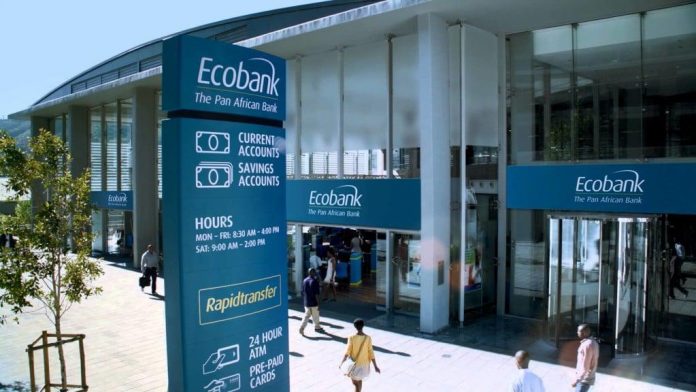
Ecobank wins “Bank of the Year” and “Best Bank” at The Banker and EMEA Finance Awards in London

Ecobank

Ecobank Cameroon, Gambia and Rwanda won Bank of the Year at The Banker Awards on 28th November. This recognition came just before Ecobank Cabo Verde, Gambia, Liberia and Zimbabwe won Best Bank at the EMEA Finance African Banking Awards on 5th December.

The Banker is the most prestigious global financial publication and EMEA Finance is widely read by the international banking community.

Ade Ayeyemi, Group CEO of Ecobank said: “We are pleased to be recognised as ‘Bank of the Year’ and ‘Best Bank’ in two distinguished award ceremonies in London. This confirms the strength of our brand in multiple countries across Africa, our unique pan-African platform and innovative banking products and solutions. Indeed, our One Bank strategy is providing the desired banking excellence for our consumer, commercial and corporate customers across the 33 countries in which we operate on the continent.”

The judging panels were impressed by Ecobank’s sound management, business model and strategic initiatives as well as its pioneering technology.

They highlighted the bank’s recent innovations, including digitalised trade finance products, Ecobank Online & Omni Lite, digital payment solution, Ecobank Pay, and cross-border remittance solution, Rapidtransfer.

These products are transforming the banking sector and empowering African businesses by providing accessibility and affordability.

Stories Continues after ad

Uganda raises tax revenue of 92.5B from offshore – report

Former URA Commissioner General Doris Akol

Between 2015 and 2019, Uganda raised US$ 25 million (about 92.5 billion) in additional revenue from tax cases as a result of exchange of information, according to Global Forum on Transparency and Exchange of Information for Tax Purposes.

In its 1oth anniversary report, the Forum says Uganda realised the additional revenue having sent 61 requests to its treaty partners.

“Thanks to the successful implementation of its Exchange of Information (EOI) strategy, Uganda attained a “Largely Compliant” rating in its 2016 EOIR peer review and is a well-regarded EOI partner in the region and globally. Uganda now makes routine use of exchange of information as a tool to protect its tax base,” the report says.

The report says Uganda, a resource-rich developing country, faced challenges early in the decade in ensuring the transparency of its taxpayers’ cross border activities. It says in 2014, Uganda had a limited network of exchange of information agreements, undeveloped relations with partner competent authorities, and made little use of exchange of information. “It also did not have a central exchange of information processing function, which caused delays in making and processing requests.”

The Ugandan authorities embarked on a strategy of becoming a visible player in the global tax transparency community and making greater use of exchange of information in its tax compliance programme.

A cross-government working committee was established to address the challenges by engaging with key international associations, including the Global Forum and its Africa Initiative targets; expanding the exchange of information network; and working with the Global Forum, ATAF and the German GIZ on a capacity building programme.

“This included establishing a well-functioning exchange of information team and processes, bringing the multilateral Convention into force (allowing an increased treaty network), and actively promoting tax transparency within the East African Community and within Africa more broadly.”

Over 250 000 requests for information have been received by Global Forum members in ten years and annual figures are almost universally on the rise. Some requests concern thousands of taxpayers, and the amounts of tax collected are increasing. The exchange of information on request (EOIR) alone has enabled the recovery of nearly EUR 7.5 billion of additional tax revenue.

It adds: “Voluntary disclosure programmes and offshore tax investigations have already helped to identify about EUR 102 billion in additional revenue (tax, interest, penalties) and more is to come.”

The report notes that in 2009, the network of agreements was extremely limited and tax evaders were able to exploit situations where there was no agreement in place between particular jurisdictions.

Today, it says, the multilateral Convention ensures an impressive international network, equivalent to nearly 8 000 bilateral agreements. Information relevant for tax purposes can be obtained from about 130 other jurisdictions, including all G20 and The Organisation for Economic Co-operation and Development (OECD) countries, practically all international financial centres (IFCs), and an increasing number of developing countries, by joining a single instrument.

In 2009, the G20 Leaders declared that “the era of banking secrecy is over”. The Global Forum on Transparency and Exchange of Information for Tax Purposes (the Global Forum) was called on to deliver this result. “Ten years on, the Global Forum has nearly 160 member jurisdictions and has achieved massive progress in implementing the international tax transparency and exchange of information standards.

With the strong backing of the G20 and the Organisation for Economic Co-operation and Development (OECD), the Global Forum has produced the most impactful international project against offshore tax evasion in history.”

Stories Continues after ad

WHO unveils plan to tackle rising HIV drug resistance in Africa

HIV treatment

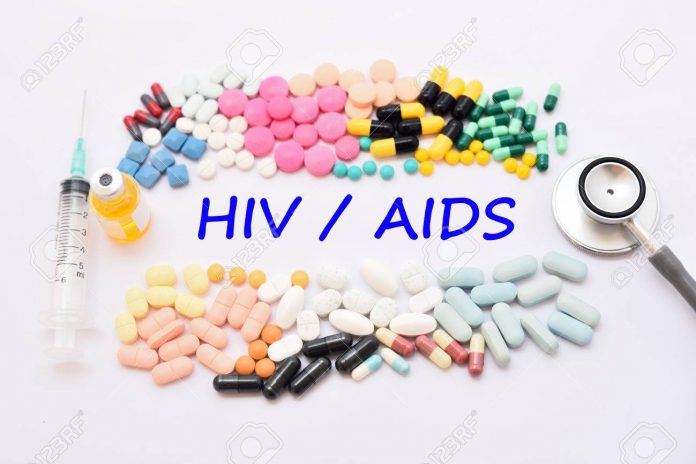
Growing resistance to HIV drugs in Africa is threatening the significant progress made in the global fight against the virus. In an effort to reinforce the gains and end the AIDS epidemic by 2030, the World Health Organization (WHO) and partners today are unveiling a five-year plan to monitor, prevent and respond to drug resistance.

WHO developed the Regional Action Plan which is being presented at the 1–6 December International Conference on AIDS and STIs in Africa (ICASA) in Kigali, Rwanda? It outlines systems to monitor HIV drug resistance indicators and how to use them at clinic and programme level to minimise drug resistance and develop evidence-based quality improvement for antiretroviral medicine (ARV) programmes.

“Increased access to life-saving HIV treatment on the continent has led to dramatic declines in AIDS-related deaths and hope that the epidemic could end as a public health threat in a decade,” said Dr Matshidiso Moeti, WHO Regional Director for Africa. “But drug resistant HIV could turn hope back into despair. We must urgently prevent drug resistance by optimising treatment services.”

Studies in 49 countries between 2004 and 2019 show that HIV drug resistance is rising in every region around the world. In Africa, home to 70 per cent of the world’s people living with HIV and 66 per cent of all new infections, the threat is particularly acute.

One in two children newly diagnosed with HIV in nine African countries surveyed show resistance to the most commonly used ARV drugs before initiating treatment.  The surveys among newly-diagnosed infants were carried out between 2011 and 2016 in Cameroon, Eswatini, Malawi, Mozambique, Nigeria, South Africa, Togo, Uganda and Zimbabwe.

HIV drug resistance is caused by mutations in the genetic structure of the virus that affect the ability of a particular drug or a combination of drugs to block its replication. All current antiretroviral drugs, including newer classes, are at risk of becoming partially or fully inactive due to the emergence of resistant virus strains.

Pre-treatment HIV drug resistance is detected in people with no history of ARV drug exposure or people who are re-initiating first line treatment. This resistance occurs at the time the person first becomes infected with HIV or for those who are re-initiating this may happen during the previous treatment exposure.

In Africa, Cameroon, Eswatini, Namibia and Uganda have reported levels of pre-treatment HIV drug resistance exceeding 10 per cent  to the most commonly used first-line HIV treatment.

In response, several African countries are following WHO recommendations and are currently transitioning to Dolutegravir (DTG), an integrase-based inhibitor with a high genetic barrier to resistance. While levels of resistance to DTG are expected to be low, the risk of HIV drug resistance emerging still exists.

The Regional Action Plan recommends providing and monitoring quality care to people living with HIV. Poor retention or frequent stock out of ARVs are particular risk factors. Children and adolescents on treatment are at higher risk of resistance emergence, requiring close monitoring.

The new plan also prioritises active engagement with ministries of health, partners, stakeholders, research institutions and laboratories to support development of national HIV drug resistance strategic plans which are fully integrated into routine monitoring and evaluation activities.

Stories Continues after ad

Sing songs that portray Godly values – Museveni

VP Ssekandi (L) represented President Museveni

President Yoweri Museveni has urged musicians and performing artists to compose songs that transform and portray Godly values rather than just adopting western music styles and also sing to communicate in an informative manner and commendable manners instead of singing for purposes of sound and rhythm.

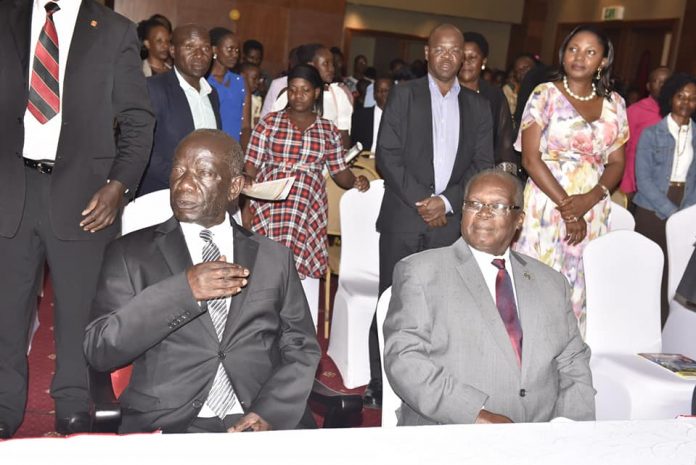
In a speech read by him by Vice President Edward Kiwanuka Ssekandi during the 6th edition of the Annual Christmas Carols Festival of the Choristers Association of Uganda at the Kampala Sheraton Hotel, the President said that the Christmas season and end of year festival should remind Ugandans about the resolution to work hard for the nation and for individual households in a bid to banish poverty and further efforts to create wealth for prosperity.

The Choristers Association of Uganda is a faith based association that brings together all Catholic Choirs in the country to showcase new gospel music that accompany worship and praise in the churches.

Artist singing

This year 13 Choirs from the Catholic faith and two Choirs from the Anglican Church have participated in the event that has been running under the theme “Rejoice mighty daughter of Zion; for the Mighty has done great works; Holy is His Name.”

The President added that music has enormous benefits to mankind and has existed since the beginning of human civilization and it has power to affect moods, stimulate brain cells and is powerful enough to be therapeutic, bring all people together and is a powerful educative and informative tool whose purpose should be to build the community and not break it.

President Museveni commended such spiritual musical events and guided that they become organized with increased participation of the youth in order to preserve our values and heritage.

Ssekandi addressing the congregation

“If you compose songs of hatred, you are likely to reap a bitter society,” the President said.

The President said that there is need to appreciate that the music industry is an institution that puts into play aspects of humanity that are inherent in all of us and portrays the lives that we lead regardless of our cultures.

Choir singing

The President donated Shs10 million to the association to enable them start a washing bay to improve and boost their financial self-empowerment. The Vice President also donated Shs3 million to them.

Stories Continues after ad

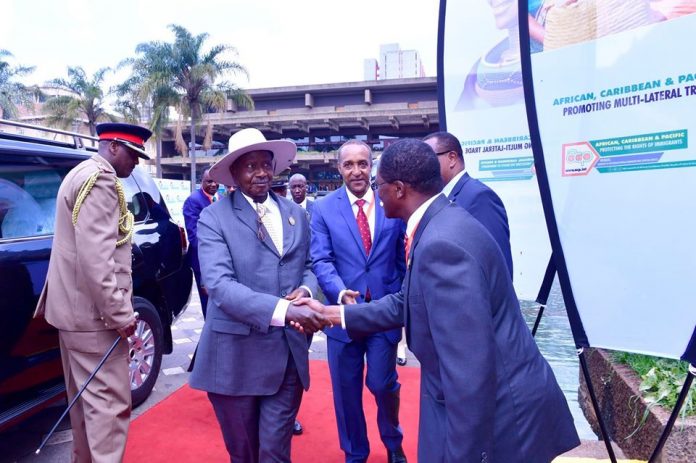
Museveni in Nairobi for 9th Africa, Caribbean, Pacific (ACP) Summit

Museveni being welcomed in Nairobi.

President Yoweri Kaguta Museveni is in Nairobi, Kenya, joining other heads of state and government, for the 9th Africa, Caribbean, Pacific (ACP) Summit.

The Summit is themed “A Transformed ACP: Committed to Multilateralism”

The African, Caribbean and Pacific Group of States (ACP) is an organisation created by the Georgetown Agreement in 1975.

ACP Summits take place on average, every three years in an ACP Member State.
They give ACP leaders from the 79-member ACP Group an opportunity to review the major developments of interest and concern to its members on the international scene in general, and in ACP States in particular.

The ACP Group’s main goals centre around the sustainable development of its Member-States and their gradual integration into the global economy; coordination of the activities of the ACP Group in the framework of the implementation of the ACP-EU Partnership Agreements; consolidation of unity and solidarity among ACP states and establishing and consolidating peace and stability in a free and democratic society.

Stories Continues after ad

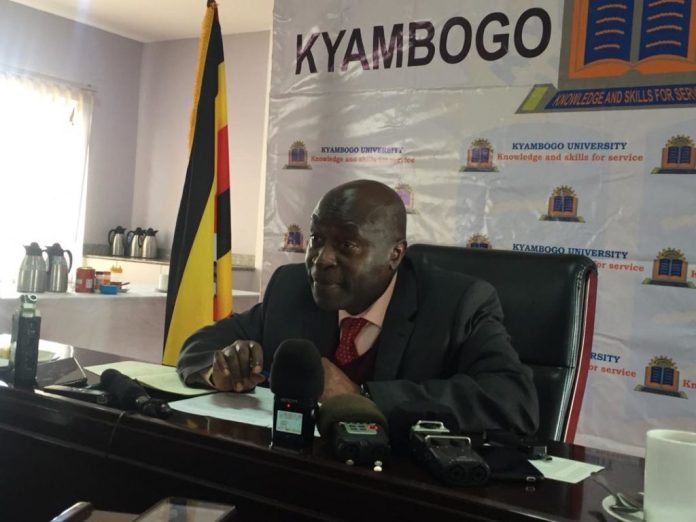
Over 8000 to graduate at Kyambogo University

Vice Chancellor of Kyambogo University, Prof Eli Katunguka


The Vice Chancellor of Kyambogo University, Prof Eli Katunguka has said the university will graduate over 8000 students in a three- day ceremony slated for December 11-13, 2019.

President  Yoweri Museveni is expected to grace the forthcoming 16th graduation ceremony of the public university.

Katunguka said this is the largest ever number of graduates that the university is going to pass out. 187 students will graduate with first class honors in various programs.

Meanwhile, a total of about 20 students who qualify to graduate are going to miss out because their marks were not approved on time. Katunguka said they will be issued with the transcripts and attend the ceremony next year.


Stories Continues after ad

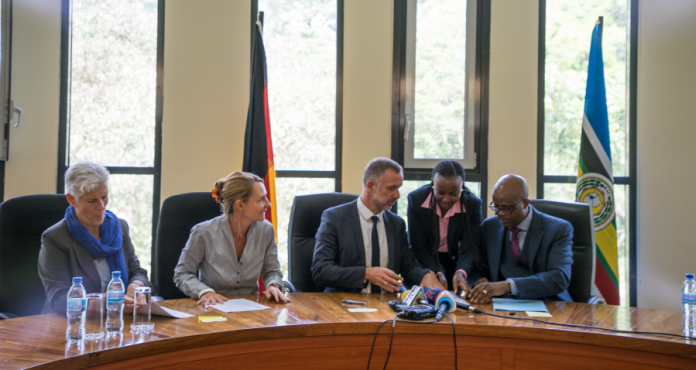
EAC, GIZ sign $16m deal to support economic and social integration

Officials at signing ceremony


By Our Reporter

The East African Community Secretariat and the EAC GIZ programme supporting East African Integration on behalf of the German Government, today signed an implementation agreement worth US$16 million for continuing support for EAC regional integration through their SEAMPEC and Pandemic Preparedness programmes.

The programmes are managed through the EAC-GIZ partnership to continue to grow regional economic and social integration which already has a significant impact in the region.

The Support to East African Market Driven and People Centred Integration East Africa (SEAMPEC) programme, through its multiple cross-cutting initiatives, takes a holistic approach to regional integration that encompasses civil society as well as the public and private sectors. Through targeted work in sectors including agro-processing, pharmaceuticals as well as services sectors such as tourism and ICT, SEAMPEC aims to facilitate the improvement of framework conditions to help create more competitive industries and cross border opportunities.

“GIZ and the Secretariat have been developing and managing key projects working with partners across the EAC region with a focus on making the Common Market, Customs Union and integration a reality.

Through the SEAMPEC programme many businesses and civil society organisations have all benefited from collaborating on the ground and high-level networking and coalition activities. We are proud to continue to implement programmes which are showing real results and bringing tangible benefits to the citizens of the EAC,” said Dr Mike Falke, GIZ Country Director for Tanzania and EAC.

Another US$3 million of the funding are going towards the ‘Support to Pandemic Preparedness in the EAC Region’ project, which started in March 2017 and entered its second phase in September 2019. This project is working closely with the EAC to implement the Regional Contingency Plan under the interdisciplinary and multi-sectoral One Health approach and to establish the discipline of risk and crisis communication in the region.

The project supports the EAC Secretariat in its coordinating and advisory role in the prevention and response to cross-border outbreaks. The project builds on important preparatory work and ensures that when pandemic health threats become a reality, EAC countries are in the best position to respond.

“Diseases such as Ebola and Dengue Fever are claiming lives and destroying livelihoods right now. High population density, increasing cross-border trade, climate change and many other factors increase the risk of spreading these infectious diseases. Being ready to respond and having the tools and expertise to be effective in emergency situations is crucial,” said Irene Lukassowitz, GIZ project manager. Following a successful cross border field simulation exercise between Kenya and Tanzania in June 2019, another field simulation exercise at the border between South Sudan and Uganda in 2020 will prepare the region even better.

“Germany’s development cooperation, on behalf of the German Federal Ministry for Economic Cooperation and Development (BMZ) and the European Union (EU), has to date contributed to the regional integration in East Africa through a variety of programmes and projects aimed at building up regional expertise and value adding to trade, industrial development, innovation and investment. GIZ has been working with the EAC for over 20 years, building capacities and expertise at the EAC Secretariat and for regional stakeholders.

SEAMPEC and the Pandemic Preparedness programme already have many achievements, and by continuing to grow these initiatives and invest in their successes we are confident that real EAC development is happening,” said Dr Kirsten Focken, GIZ Cluster Coordinator.


Stories Continues after ad

South Africa’s Zozibini Tunzi crowned Miss Universe

miss universe

Zozibini Tunzi has been crown Miss Universe after excelling through rounds of swimsuit and evening gown struts, questions on social issues and one final chance to explain why she was the right choice.

Miss Universe 2019 Zozibini Tunzi from South Africa was crowned in Tyler Perry Studios from Atlanta, GA US. Zozibini is taking over from Miss Philippine Catriona gray

Zozibini Tunzi is a passionate activist and engaged in the fight against gender based violence. She has devoted her social media campaign to changing the narrative around gender stereotypes. She is a proud advocate for natural beauty and encourages women to love themselves the way they are.

Speaking to fox news, Zozibini Tunzi said “I grew up in a world where a woman who looks like me with my kind of skin and my kind of hair was never considered to be beautiful,” she said in her last response. “I think it is time that that stops today. I want children to look at me and see my face and I want them to see their faces reflected in mine.”

The two runners-up for the crown were Miss Mexico and Miss Puerto Rico. “If you do not use your beauty for your life’s mission, it’s just an empty ornament,” Sofía Aragón, representing Mexico, said earlier in the competition.

Representing Puerto Rico, Madison Anderson Earlier said “Being on the Miss Universe stage is not just a dream. I believe that I found my mission. It’s a representation of dedication, resilience and perseverance. I do believe my mission is to show the world that magic happens when we refuse to give up because the universe always listens to a stubborn heart.”

“Congratulations to our Miss Universe 2019 Zozibini Tunzi. I too hope children the world over will see their faces reflected in yours and be inspired to believe in the power of their dreams. May young women continue to take up space & leave an indelible mark on society, just as you have.” President Cyril Ramaphosa wrote.

Stories Continues after ad