Stanbic Bank
Stanbic Bank
18.9 C
Kampala
Stanbic Bank
Stanbic Bank
Home Blog Page 1406

BoU top officials in panic as MPs launch investigation into their wealth

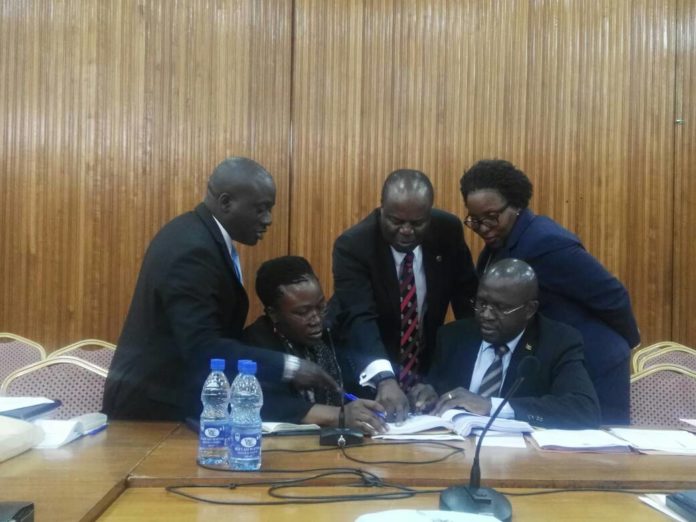
BoU Deputy Governor Louis Kasekende and team appear before COSASE.

Bank of Uganda top officials are panicking after the Parliamentary committee on Commissions, Statutory Authorities and State Enterprises (Cosase) yesterday decided to launch an investigation into their wealth, some of it suspected to have been obtained through the controversial sale of seven commercial banks, which Cosase is probing.

The BoU Deputy Governor Dr.Louis Kasekende is to be investigated by a special sub-committee after Aruu South County MP Odonga Otto yesterday presented documents showing 72 land titles of prime plots in Kampala and Wakiso said to be owned by him and members of his family and his driver Moses Musitwa.

MP Otto also tabled declaration forms indicating that Kasekende submitted to the Inspector General of Government (IGG) only six properties during the assets declaration before the ombudsman, thus violating the Leadership Code Act 2002.
Otto also tabled bank statements detailing the transfer of US $1 million (about Shs3.7 billion ) to Ms Edith Kasekende’s account by a Chinese firm, Shs1.9 billion from MMAKS Advocates and US $71,000 (Shs262 million) that was wired to Kasekende’s account by Tororo District Local Government.
“What is of interest to me is the transfer of US$1 million to Ms Edith Kasekende’s account by China Railway Group,” Otto said adding that China Railway Group is the company constructed the BoU currency centre and that the committee should pick interest.

He said some of the properties are linked to a finding by the Auditor General John Muwanga’s report, saying BoU officials sold assets worth Shs164 billion of five closed commercial banks at a discount of 80 per cent yielding only Shs32 billion. “These people were closing banks to enrich themselves. The public has to know the motivation of some people to close banks. The Ministry of Lands authenticated the documents by giving a search certificate detailing that these 16 properties are in your names,” Otto told Kasekende.

A sub-committee chaired by Bukedea District Woman MP Anita Among, army MP Brig Francis Takirwa and Kiruhura District Woman MP Sheila Mwine will investigate the land titles and present a report on Tuesday next week to guide on the way forward.

Meanwhile MP Elijah Okupa (Kasilo County) also tabled seven land titles belonging to former director for commercial banks supervision Justine Bagyenda in prime areas in Central and Nakawa divisions in Kampala.

Stories Continues after ad

Museveni to handover land titles to residents of Nakaseke district

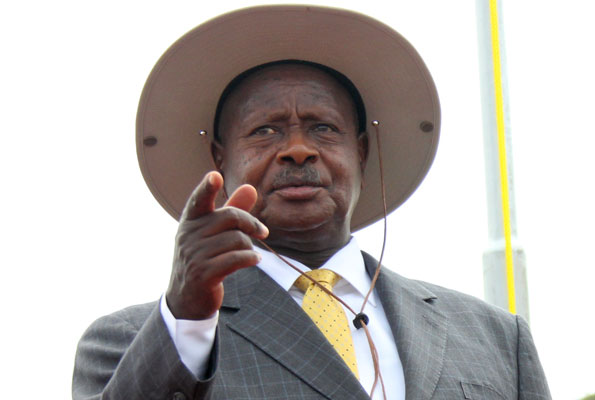
President Museveni

President Yoweri Museveni this weekend will preside at a function in Nakaseke district to hand over 300 mailo land titles to Bibanja holders who have acquired registrable interests in the land they are living on, the Minister of Lands Housing and Urban Development Betty Amongi Ongom has said.

The said land is described as Block 260 plot 383 measuring 41.175 hectares and plot 385 measuring 201.6 hectares covering the villages of Kirema, Kibubu and Kitoto in Semuto subcounty, Nakaseke district.

“They will no longer be called tenants by occupancy but Mailo land owners or Registered Proprietors,” said the minister.

According to the minister, the decision to give occupants mailo land titles is one of the key measures to address the historical land injustices that caused multiple land rights on the same piece of land, with a land owner with perpetual interest holding a land title, and a tenant with a kibanja, in possession of the land.

“This has been causing evictions and the solution has been to enable tenants acquire registrable interests, as a long term solution to the current illegal evictions,” said the minister.

The genesis of the intervention, according to the minister, is embedded in the National Land Policy where Government committed itself to resolve the historical land injustices that have often created multiple rights on the same piece of mailo land. These actions also have linkages to the National Development Plan, Vision 2040, Program for Modernization of Agriculture and the NRM Election Manifesto among other Government interventions.

The minister said that since government took a decision to implement a land fund in Kibaale to address the historical injustices caused by the Colonial Government, it has so far 80,090.68 hectares (200,227 acres) of land in parts of Buganda, Bunyoro, Ankole and Toro regions valued at Shs102.7 billion.

The minister said other areas where government is in the process of processing titles for tenants is in Kayunga district are the subcounties of Kitimbwa and Kayonza. “These are pilot interventions in regions which have faced historical injustices in order to lead to long term solutions to evictions,” the minister said in a statement, adding that it is through such actions that the lawful and bonafide occupants shall be able to acquire registrable interests in the land they possess as was pledged in the NRM Election Manifesto 2016 – 2021.

This is the first batch of land titles to be handed over in Buganda region. Earlier in 2017 government handed over 350 land titles to former bibanja holders in Kibaale district.

Government shall be handing over more land titles to lawful and bonafide occupants in Nakasongola, Kagadi and Kakumiro districts, she said.

“The demands from absentee Landlords to Government to compensate them for their land are over whelming. Equally the demands from lawful and bonafide occupants to acquire registrable interests in the land they occupy is over whelming,” she said.

The minister said other measures put in place to handle land evictions are: Sensitization and public awareness on what the law says on evictions; enforcement of the legal provisions especially sections 31 and 93 of the Land Act which gives powers to set the Annual Nominal Ground Rent payable by Tenants to Landlords to both the District Land Boards and the Minister.

The minister said that together with GIZ, Government has mapped over 10,000 bibanja in Mityana district (Kakindu and Manyi subcounties), Kassanda district (Myanzi subcounty) and Mubende district (Kiyuni and Bukuya subcounties). The minister said her ministry, local governments and GIZ plan to issue the occupants with certificates of occupancy beginning with the pilot subcounty of Myanzi where Landlords have already received busuulu from tenants and consented to issue legal documents to tenants as provided for under section 31of the Land Act.

She said government is strengthening collaboration with Buganda Land Board (BLB) to create awareness on the rights and obligations of tenants of Kabaka’s land and the options they can undertake to be recognized as tenants with legal documents.

Also, the minister said the Dispute Resolution Desk (DRD) at the ministry is being strengthened to mediate amongst the conflicting parties as well as strengthening cooperation with other land related institutions involved in mediation and dispute resolution such as the Judiciary, office of DPP and other law enforcement institutions.

She said government is strengthening engagement with the Judiciary to ensure a coordinated enforcement of the Practice Directive No. 1 of 2007 by the Chief Justice on visiting the locus before making a judgement.

“The Ministry has completed preparation of the National Eviction Guidelines awaiting input from key stakeholders and strengthening the operations of the Land Fund, which has been used to buy off absent landlords,” she said.

Stories Continues after ad

UNOC shareholders to invest in Uganda’s oil projects

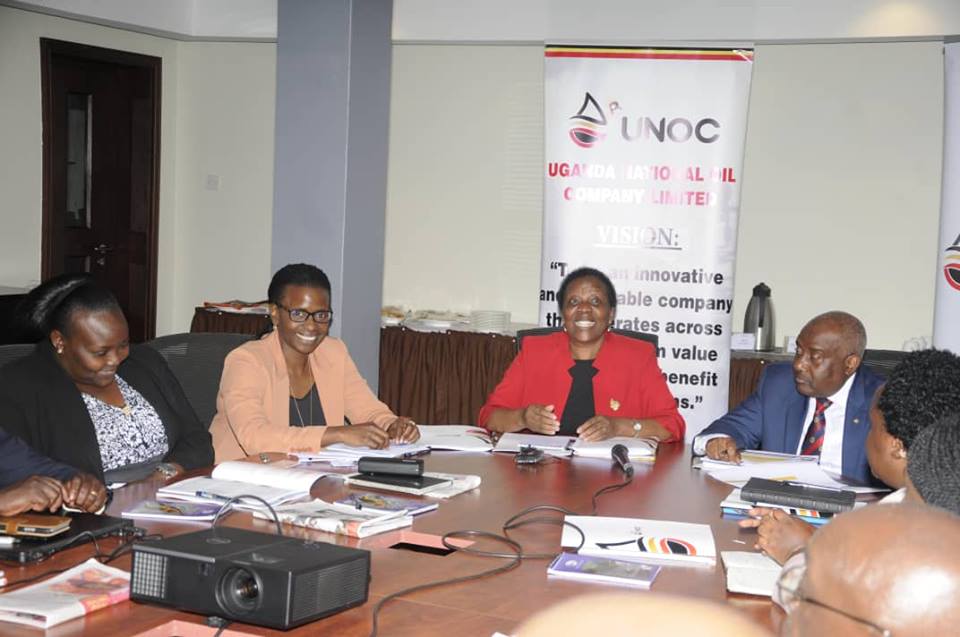
UNOC meeting

The stakeholders of the Uganda National Oil Company (UNOC) have resolved that the company invests and holds 15 percent equity in the East African Crude Oil Export Pipeline (EACOP), invests and holds up to 40 percent equity in the Refinery Project to be developed in Kabaale, Hoima district and invests and holds at least 51 percent equity in the Kampala Storage Terminal (KST) to be located at Namwabula village in Mpigi district as well as manage and operate it.

The stakeholders agreed that UNOC operates and manages the Kabaale Industrial Park (KIP) to be located in Kabaale, Hoima district as well as commence and engage in petroleum exploration activities within the boundaries of Uganda to ensure sustainability of the oil and gas development.

According to yesterday’s press release, the investment decisions were reached at during UNOC’s second Annual General Meeting of stakeholders held two days ago at its Head Offices in, Nakasero, Kampala. The AGM was chaired by Energy minister Eng. Irene Muloni and attended by Finance Minister Matia Kasaija.

The stakeholders pledged to support and commit finances required for the execution of the projects. “UNOC is the one representing our business interest (Government) in the oil and gas industry and we are positioning it to be able to represent us effectively and be able to make money for us,” said minister Muloni.

The Directors of UNOC led by the Chairman, Emmanuel Katongole, the Executive Management of UNOC led by the Chief Executive Officer, Dr. Josephine Wapakhabulo and representatives of the Permanent Secretary of the Ministry of Energy and Mineral Development and Office of the Auditor General attended.

UNOC was established under Section 42 of the Petroleum (Exploration, Development and Production) Act (Upstream Act) and Section seven (7) of the Petroleum (Refining, Conversion, Transmission and Midstream Storage) Act (Midstream Act), both of 2013. The Company was incorporated under the Company’s Act of 2012 as Limited Liability Company wholly owned by the Government of Uganda.

The Shareholders of UNOC are the Minister of Energy and Mineral Development (51 percent) and the Minister of Finance, Planning and Economic Development (49 percent) on behalf of Government of Uganda.

At the 2nd AGM, shareholders approved and adopted the Annual Financial Statements for the years ended June 30, 2017 and June 30, 2018, including the reports of directors and external directors. The shareholders also resolved:

Stories Continues after ad

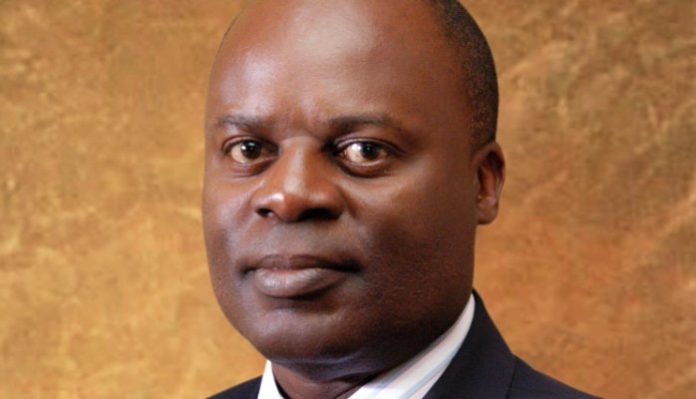
Kasekende transfers properties into driver’s names as IGG bites

Dr. Lious Kasekende

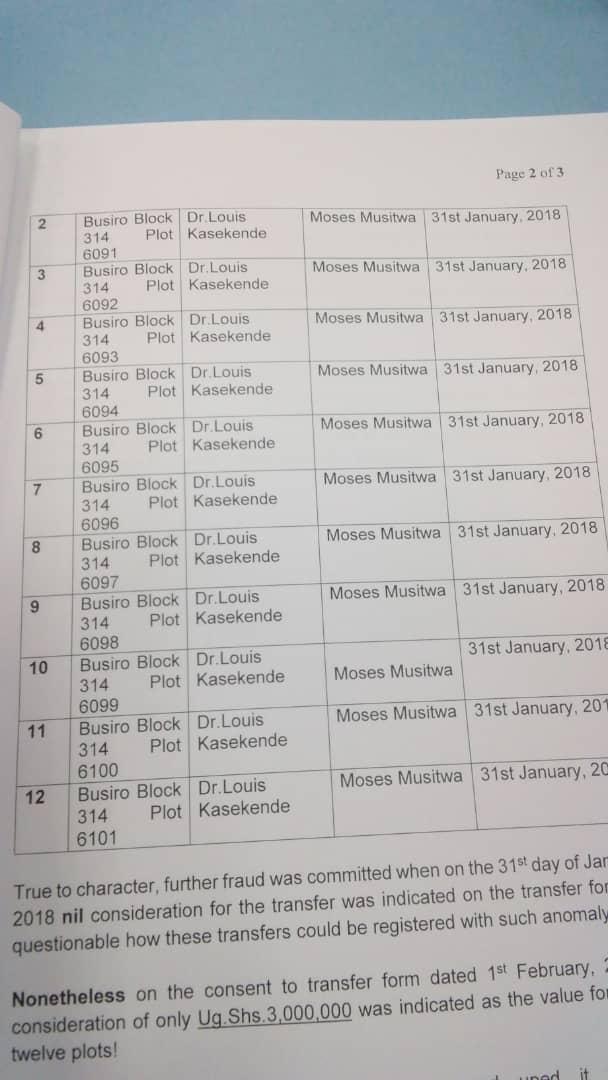
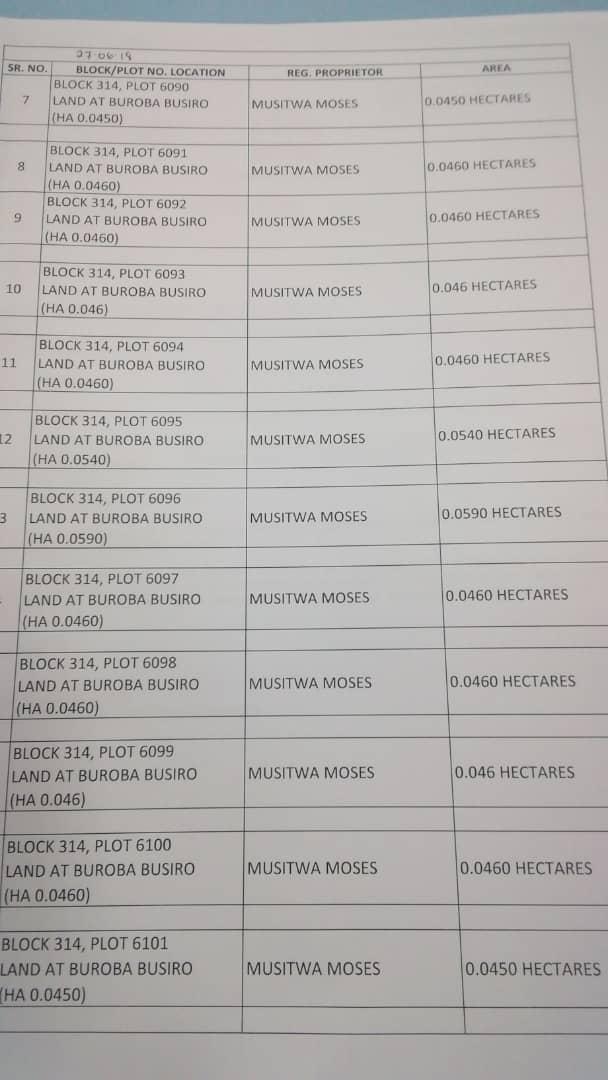
A leaked document shows that The Bank of Uganda (BoU) deputy governor Dr. Louis Kasekende transferred 12 plots of land into the names of his driver Moses Musitwa in an effort to dodge the scrutiny of the Inspector General of Government (IGG).

The IGG among other mechanisms used the Leadership Code Act 2002, to catch senior public officials who may have involved in corruption to grow wealth. The officials are required by the Act to declare their properties for purposes of accountability and transparency.

According to the document, Dr. Kasekende transferred the properties to the names of his driver on January 31, 2018.

The document says Kasekende has 35 properties in his names yet he only declared to IGG six properties.

The leaked documents show that much as Kasekende transferred the properties into names his driver Musitwa, there is no evidence to show that the deputy governor sold the plots to the latter.

The plots are located in Busiro on Block 314. They are plots No. 6090, 6091, 6092, 6093, 6094, 6095, 6096, 6097, 6098, 6099, 6100 and 6101. The plots range from 0.0450-0.0590 hectares.

However, sources dealing with this matter say nil value of properties was indicated on the transfer form from, raising questions how the properties could be registered with such anomaly.

On the consent to transfer form dated February 1, 2018 indicates that a consideration of Shs3 million was indicated as the value for all the 12 properties.

The document also shows Kasekende owns seven plots of land in; Makindu Lane, Buloba (4 plots), Bokoto Rise and Lower Naguru East Road. The document also shows his brother Herman Kasekende also owns six plots in Nama, Birongo, Lukuli (2 plots), Munyonyo and Kisugu.

It further shows other individuals also owning land; Martin Kasekende with land in Kiruddu, Kyambogo View Street. It also shows Harriet L. Kasekende owning plot 990 Kiwatule, Mengo, George Kasekende with land at Mpererwe, Barbara Kahubire also has at Munyonyo. The document also shows businessman Karim Hirj on plot 990 at Munyonyo.

Recently Eagle Online published an article on properties that Kasekende did not declare to the IGG.

The plots Kasekende that were never declared are; Plot 38 (0.157 hectares) in Lower Naguru on East road worth Shs1.280 billion, Plot 1423 on block 314 in Buloba worth Shs432 million.

Others whose value is not quoted are; Plot 1738 (0.809 hectares), Plot 3213 (0.079 hectares), plot 1427 (3.647 hectares), plot 184 (2.7 hectares), plot 1754 (1.624 hectares) and plot 6102 (0.317 hectares). All the plots are on block 314 in Buloba.

Meanwhile Kasekende was able to declare five properties. They include; Plot 2A (0.142 Hectares) in Makindu worth Shs3.6 billion, Plot 2 (0.22 Hectares) on Bukoto Rise worth Shs2.7 billion, Block 314, plot 706, Plot 1475 Lubowa Estate worth Shs3.6 billion and Plot 12 on Corporation Road Ntinda.

Stories Continues after ad

Oliver Kigongo accused of selling UNCCI’s properties

UNCCI President Olive Kigongo

The President of Uganda Chamber of Commerce and Industry (UNCCI) Oliver Kigongo has sold off the chamber’s properties without following due process, according to the letter written by the Minister of Trade, Industry and Cooperatives Amelia Kyambadde.

Minister Kyambadde wrote the letter on December 6, 2018 and addressed it to Ms Kigongo informing her of the petitioners’ concerns, including that Ms Kigongo and her accomplices have not accounted for the properties sold off. According to the petitioners, it is only the Annual General Meeting (AGM) that can approve the sale of properties. Kigongo has not organised the AGM.

The petitioners also accuse Ms Kigongo and her accomplices of organising board meetings without quorum. “The current number of the Board is 12 which is below the mark of 15 as required by Article 31 of UNCCI,” the minister wrote based on what the petitioners told her.

The minister also noted that the petitioners informed her of the indebtedness of Chamber, arising out of recycled bills that include arrears to the National Social Security Fund (NSSF).

According to the letter, Ms Kigongo has not respected the court order which was issued on December 21, 2016, ordering her and other office bearers not make major policy decisions during the subsistence of the injunction that stopped elections of UNCCI President. “The petitioners claim it (injunction) has not been respected. The petitioners are now seeking my intervention on behalf of Government,” the minister further wrote.

The minister has urged Ms Kigongo’s leadership to comply with the court ruling of June 20, 2017. She has also demanded for an Extra-Ordinary General Meeting (EGM) in order to discuss and resolve the other allegation of gross mismanagement as well as the possibility of organising elections.

The minister also wants Kigongo to put a caveat on the properties of UNCCI.

The petitioners, according to the minister’s letter have also accused Ms Kigongo of sacking the Secretary General and staff as well as mismanaging elections.

Stories Continues after ad
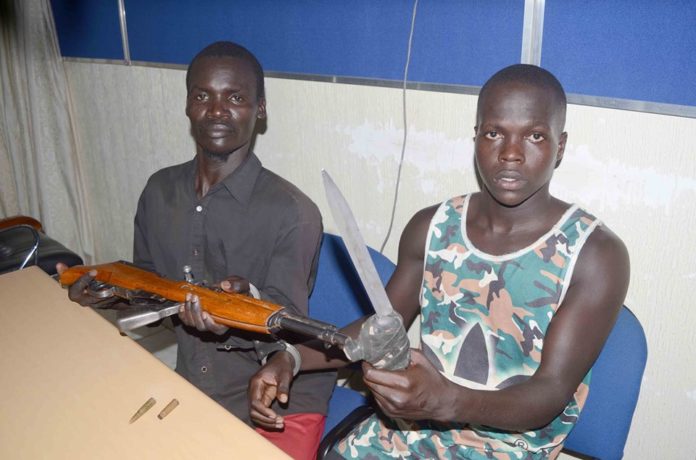
Police holding three suspects over armed robbery

Police are holding three suspects arrested in relation to their indulgence in armed robbery of motorcycles and other valuables.

Their were arrested as a result of the recent murder of a Boda rider identified as Wellaci Makumbi who was shot dead in Bweyogerere on Friday November 30, 2018 and his motorcycle Bajaj Boxer number UEN 922L robbed.

The three were arrested in a joint operation conducted by security agencies, suspects identified as Lawrence Okello a resident of Anthony Namawojjolo, Ouma of Namuwongo and Grace Kahunde the custodian of suspected stolen motorcycles.

The group is suspected to have been involved in a series of motorcycle robberies after they were found with an SAR gun that is averred to be used in committing crimes.

One of the suspects identified as Okello confessed before the security operatives to having responsible for shooting Makumbi in the head while working under the orders of his leader Hassan who is still on the run.

Okello told the officers that he had met Hassan at one of the buildings along Kisekka who befriended him and was introduced to a quick money making venture of carrying out high level motorcycle robbery missions.

He said that Hassan (still at large) brought an SAR gun in a bag and after using it to murder Wellaci Makumbi Kito a resident of Kirinya, he told Okello to meet him Namuwongo for his payment as he took off with the robbed motorcycle plus the gun.

Upon search at Grace Kahunde’s home, the officers recovered motorcycle belonging to the deceased and an SAR gun hidden under a table in a bag.

The suspects are currently detained at Bweyogerere Police Station on charges of murder vide CRB 270/2018 contrary to section 188 and 189 of the Penal Code Act as more investigations are still on going.

Stories Continues after ad
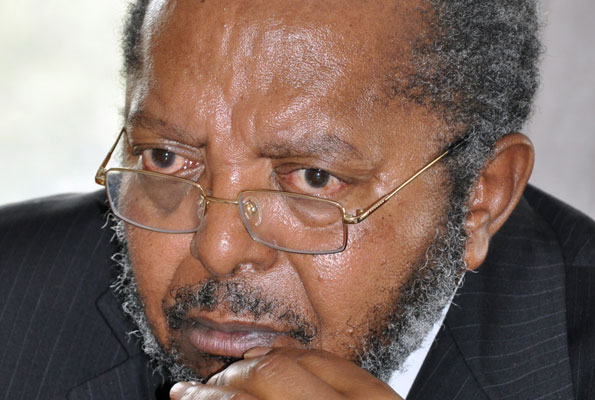
MPs grill BoU on Shs478b spent on Crane Bank Limited takeover

Bank of Uganda's Emmanuel Tumusiime-Mutebile

Bank of Uganda (BoU) officials on Wednesday were grilled by Parliament’s Committee on Commissioners Statutory Authorities and State Enterprises (Cosase) for claiming to have injected Shs478.8 billion in Crane Bank Limited (CBL) yet it needed Shs157 billio for capitalisation before it was finally sold to its competitor Dfcu Bank at Shs200 billion.

The committee has been probing BoU for almost a month over the closure and sale of seven commercial banks. The MPs on the committee are using the Auditor General’s report revealed irregularities in the sale of the banks-CBL, Global Trust Bank, Greenland Bank, International Credit Bank, Cooperative Bank, National Bank of Commerce and Teefe Trust Bank.

Yesterday BoU officials were not on the same page when asked how much undercapitalised Crane Bank was before they took a decision to shut it down. Governor Tumusiime Mutebile admitted he didn’t have the right figure while Ben Ssekabira, the Director Financial Markets Coordination, said it was Shs157 billion .

Ms Justine Bagyenda the former Executive Director bank supervision said CBL needed an additional capital of at least Shs32 billion by September 15, 2016 and progressive capital of Shs56 billion if capital adequacy was to be restored by October 31, 2017.

On Wednesday morning when asked again by Cosase Chairman Abdu Katuntu how much the bank needed for capitalisation before its closure, Sekabira maintained that the money needed was Shs157 billion.

Katikamu South MP Eng. Abraham Byandala wondered why there was a rush to take over Crane Bank since it had been given up to end of October 2016 to recapitalize. “A bank can even be recapitalised within a day but it was taken over 10 days before the time it was given,” he said.

MP Medard Ssegona asked for documentary evidence before Odonga Otto questioned why Shs478 billion was spent on a bank that needed only Shs157 billion at the time of closure.

“If Crane Bank was in deficit of Shs157 billion, why did you use Shs478 billion to clear mess? Why didn’t BoU just capitalise Crane Bank with Shs157 billion,” MP Odonga Otto asked.

BoU spent Shs466. 6 billion during the takeover as liquidation support to CBL to keep it running while Shs12.2 billion was cost to service providers, making a total of Shs478.8 billion which came from taxpayers’ purse.

Stories Continues after ad

Ecobank, the Pan African Bank, appoints MFS Africa Ltd as digital payment partner

Ecobank logo

Ecobank, The Pan-African bank announced the appointment of MFS Africa as digital payment partner enabling cross-platform payment services for Ecobank account holders. The partnership allows Ecobank customers to send and receive money to and from over 170 million mobile money users through an integration with MFS Africa that covers all Telcos in the MFS Africa Hub. The service is both domestic and cross -border intra-Africa transfers leveraging Rapid transfer, a proprietary instant remittance product of Ecobank.

Ecobank operates in 33 African countries, serving over twenty million customers. In line with the bank’s digital strategy, the partnership with MFS Africa Hub creates the first major initiative of interoperability between bank account and mobile money customers. This brings greater value for mobile money customers as they can now send money directly to any bank account in Ecobank without infrastructural hinderances; conversely Ecobank customers can do the same.

MFS Africa operates the largest mobile payments hub network in sub-Saharan Africa, connecting over 170 million mobile wallets, and a wide network of money transfer operators and merchants. Through partnerships with mobile network operators including MTN, Orange, Airtel, Moov, Econet, Tigo, Safaricom and Vodafone, MFS Africa allows mobile financial services to scale across borders, currencies and networks with a Pan African Bank like Ecobank.

“The partnership between Ecobank and MFS Africa represents a significant step in building pan-African linkages between mobile money services and traditional banking channels”, says Ade Ayeyemi, CEO of Ecobank Group.

“Typically, banks and other financial service providers seeking to integrate to mobile wallet systems are confined to domestic markets with almost no interoperability among networks in a single country, let alone across borders, severely inhibiting utility, efficiency, and customer experience. The collaboration between Ecobank Banking Group and MFS Africa eliminates this hurdle and accelerates the ecosystem, driving financial inclusion and offering a greater range of options to Africans”

While conventional wisdom pits banks and mobile money services against each other as incumbents threatened by disruptors, the reality is quite different. Interoperable cross platform services expand the pie of financial possibilities, bringing more choice and value to consumers using bank accounts or mobile wallets, and leveraging the strengths of both types of players.

Speaking on the partnership, Dare Okoudjou, founder and CEO of MFS Africa says that the region’s financial inclusion landscape offers exciting opportunities for innovation and collaboration between Banks, other financial institutions, Mobile Money Operators and Fintech.

“We’re proud to offer seamless payments across networks and borders into the next frontier of financial inclusion – mobile wallets – to Ecobank customers. Historically, the relationship between banks and fintech has been competitive but Ecobank has demonstrated a win-win approach to partnership that takes care of every stakeholder in the value chain. Ecobank is the first financial institution that shares the MFS Africa vision to make financial services more seamless, convenient, and intero perable across Africa”.

Stories Continues after ad

Bank of Africa champions saving culture in children

Kids pose for a picture during the Bank of Africa Tots-to-teens event last week

The Bank of Africa (BOA) in partnership with Jubilee Insurance last weekend launched a countrywide Tot 2 Teens savings campaign in which all parents in Uganda can enjoy up to 25 million in free life insurance and hospital cover.

The campaign which runs through the festive season to early 2019 also covers free medical check-ups, a zero monthly management fees, a free money box and great interest rates. The campaign runs through the festive season to early 2019.

Speaking at the launch of the campaign in Kampala, Stella Atim, the bank’s Head of Retail Banking at said “We are excited to have Jubilee Insurance as our partner of this amazing product and the Tot 2 Teens product is aimed at encouraging parents and children to start saving at an earlier age while enjoying a free insurance benefit.”

She said the interplay between insurance and banking is a critical strategy in supporting the penetration of insurance in the country which is below 1 percent and one of the lowest in the region. “Bank of Africa is one of the few licensed banks operating a Bancassurance business in the country,” Atim said

The Tots 2 Teens account comes with full life assurance component on the product for death, critical illness and permanent disability. The bank also provides financial literacy programs to children which provide a solid base their latter financial freedom and security in life.

The Tots 2 Teens activity is happening a cross all the BOA’s 35 branches in the country for the entire festive season and into 2019 and parents from all walks of life have been invited to visit any branch and register their children for the Tots 2 Teens product.

Stories Continues after ad
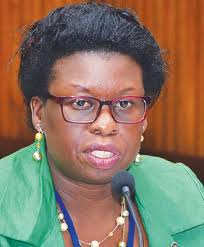
EAC tax authorities commit to push for harmonised domestic tax system

Commissioner General of Uganda Revenue Authority Doris Akol

The East African Community (EAC) tax authorities have committed to push for the harmonisation of domestic taxes in the region in order to deepen trade and investment.

In the latest joint communiqué released in Nairobi, Kenya, the commissioners general of the revenue authorities of Tanzania, Rwanda, Kenya, Uganda and Burundi also said they had agreed to enhance tax compliance.

The harmonisation of domestic taxes is expected to be achieved by developing a common customs management system to replace the independent systems used at individual state partner states of the EAC.

“This will enhance information sharing and help prevent cross-border fraud,” said the statement issued at the end of the 45th East Africa Revenue Authorities Commissioners General (EARACGs) meeting that was held days ago.

“To further deepen the EAC Common Market, RAs resolved to more boldly champion the domestic tax harmonisation agenda with a view to removing internal distortions to the free movement of labour and investment flows,” added the communiqué.

The officials agreed to implement the electronic East African Community Customs Valuation System to enable value benchmarking of various goods.

The major goal of these meetings is to ensure that the revenue agencies in the region work together towards the harmonization of tax regimes in the region aimed at fostering competitiveness, employment, and further contribute to the sustainability of public finances and eventually economic growth in the region.

The East African Revenue Authorities Technical Committee (EARATC) helps the Commissioners General to identify challenges, carry out studies and analyse technical issues in tax administration. The committee also provides appropriately researched recommendations in line with international best practice and subsequently ensure implementation of the agreed recommendations.

The EARATC’s key achievements in the past few years include; the annual publication of the Regional Comparative Revenue Report, Performance Based Pay, Succession Management Framework, technical assistance to South Sudan in establishing her revenue administration, study and analysis of production sharing agreements, identification of inadequacies in the laws targeting the extractive industry, among others.

Other achievements include; addressing emerging concern on increased volume of transit of sensitive goods through Kenya and Tanzania to non-EAC countries, harmonization of tax procedures, establishment of forensic laboratories, tax payment through electronic devices, formation of international tax offices, taxation of multinational corporations, and making revenue authorities to be a single revenue collector.

Stories Continues after ad