Stanbic Bank
Stanbic Bank
18.9 C
Kampala
Stanbic Bank
Stanbic Bank
Home Blog Page 1423

BoU disregarded Ugandan laws in selling loans of banks to Nile River Company

The ground can no longer hold for BoU officials.

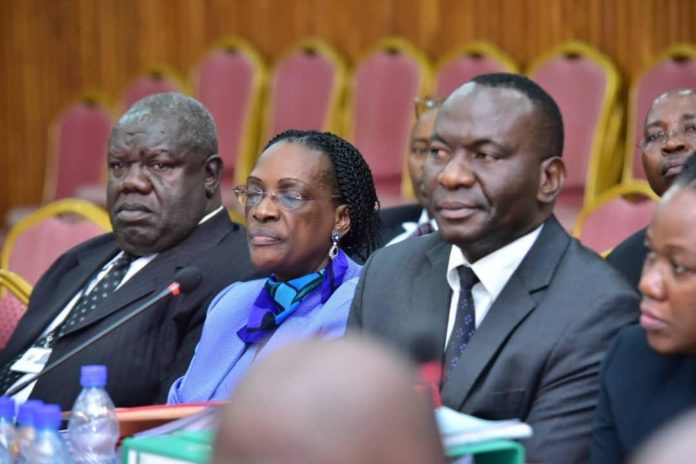
The Bank of Uganda sold the loans of International Credit Bank (ICB), Greenland Bank and Cooperative Bank using an agreement that recognises the English Law, rather the Ugandan Law, MPS on Parliament’s Committee on Commissions, Statutory Authorities and State Enterprises (Cosase) heard on Wednesday.

BoU signed an agreement with Nile River Acquisition Company to buy debts of the three banks worth US $5.2 million (Shs8.89 billion). The debts originally had a book value of Shs135 billion.

The MPs were perturbed by BoU’s selection of the English Law rather than the Ugandan Constitution and the related banking laws of the country. “We make these laws because we want them to govern all the transactions in our country,” Committee Chairman Abdu Katuntu said.

The MPs are probing BoU top officials led by the Governor Prof. Emmanuel Tumusiime-Mutebile and his deputy Dr. Louis Kasekende.

BoU sold the loans at abnormal discount of 93 per cent to the company registered in Mauritius a tax haven but its parent Company M/s American Octavian Advisors LP is based in England.

At the end of the agreement, no names of those who signed. “They were so much in the hurry that are no names of those who signed the agreement.

When asked why BoU decided to opt for English Law, its legal secretary, Margaret Kasule said the buyer-Nile River Acquisition preferred the English Law in case of a commercial dispute, the company being a foreign one.

Committee Chairman Abdu Katuntu said by ignoring the laws of Uganda in the transaction, BoU had contravened the Ugandan law. MPs wondered whether BoU was desperate to sell the debts whose value was reduced from 135 billion to just Shs8.89 billion.

“In the case of ICB, Greenland Bank and Cooperative Bank the total loan portfolio sold of Shs135 billion included Secured loans of Shs34.5 billion which had valid, legal or equitable mortgage on the real property and were supported with legal documentation but were sold to Nile River Acquisition Company at a 93 per cent discount,” the Auditor General says in his special audit report of BoU on defunct banks.

Aruu South Member of Parliament Odonga Otto said some government have used such agreements to fleece government of money. Concern also is that the Nile River Acquisition might not have paid taxes to government.

Up-to-date, the BoU officials have failed to produce all documents required by Cosase to validate the transactions of the three banks and now Abdu Katuntu has ordered the public servants to make an inventory of the reports and ensure that they search and being the missing reports to the Committee.

Benedict Sekabira to produce appointment letter

The committee members on Wednesday were tough on Benedict Sekabira, Director, Financial Markets Development Coordination, for failing to present his appointment letter as liquidator of Greenland Bank. He was tasked to bring the letter without fail tomorrow Thursday.

The former Executive Director of Supervision at BoU Justine Bagyenda also appeared before the committee to answer some queries, even as the Inspector General of Government is investigating her over alleged illegal accumulation of wealth.

However, MP Odonga Otto asked Committee Chairman whether it was procedurally right for Ms Bagyenda to appear before yet she declined to appear before the Parliament’s Appointments Committee for vetting when Finance Minister Matia Kasaija appointed her to the board of the Financial Intelligence Authority (FIA).


Stories Continues after ad

Environment: Impact report for the Ugandan-Tanzania crude oil pipeline to be completed next month

Crude oil pipeline

The Environmental Social Impact Assessment (ESIA) report for the East Africa Crude Oil Pipeline (Eacop) is set to be completed by next month, according to Total East Africa B.V’s social and land manager Jean Lennock, who said the completion and approval of the report will give the green light to start of the implementation of the US$3.5 billion Ugandan-Tanzania pipeline project.

Mr. Jean Lennock pointed out that the report would be submitted to the National Environment Management Council (NEMC) by December for approval. “Land surveys completed on all pipeline corridor and facility sites. Issuance of Esia certificates will follow after the report is being approved by the NEMA,” Lennock said.

The Eacop project which links Hoima in Uganda to Tanga Port in Tanzania, is estimated upon completion, to have a capacity of transporting 216,000 barrels of crude oil per day. It will run 1,149km in Tanzania while navigating eight regions and 24 districts while the Ugandan section will be 296km-long passing through eight districts and 24 sub-counties.

The company’s environmental Manager Stan McBride, further said that the firm has embarked on various mitigation measures to minimize possible environmental hazards, to be caused by the pipeline.

The inter-governmental agreement for the project was signed in May 2017 and the implementation of the project, is bound to create 10,000 jobs for the host communities during construction and benefit the host countries through revenues and taxes. Funding for the project will be made through project finance agreement where banks and financial institutions are expected to finance 70 percent of the cost while the Ugandan and Tanzania government alongside stakeholders would finance the remainder.

The project is planned to transport crude oil produced in Uganda’s Albertine Graben to Tanga Port in Tanzania to enable access to the market through the Indian Ocean. According to earlier negotiations, Uganda will pay Tanzania US$12.20 for each barrel flowing through the pipeline.

“We expect to see a massive flow of foreign direct investment in the country amid completion of the pipeline project,” Tanzania Petroleum Development Corporation’s advocate Goodluck Shirima said.

Upon completion, Eacop pipeline project will become the world’s longest heated crude oil export pipelines. It will enable access to the market through the Indian Ocean.

Stories Continues after ad

Police CID extends criminal summons for MP Francis Zaake

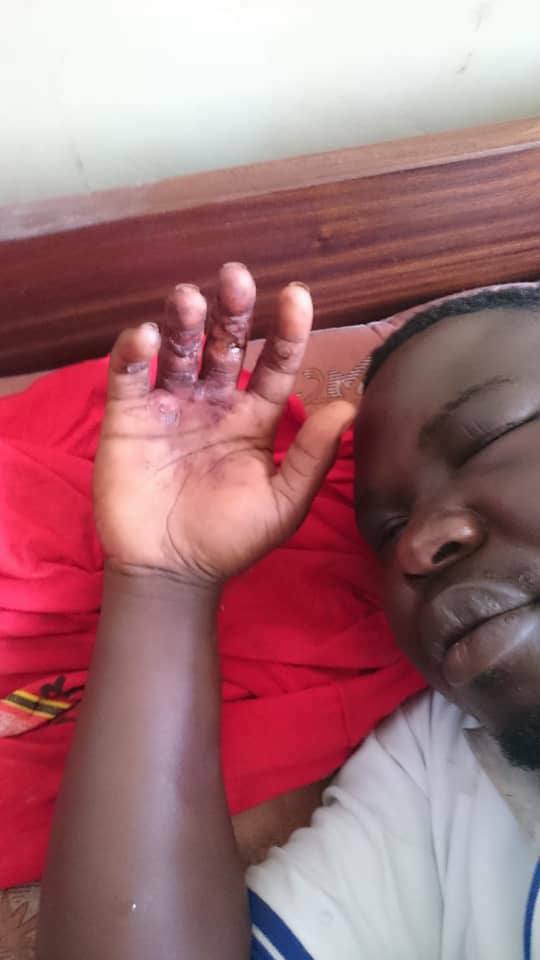
IN PAIN: MP Zaake

The Criminal Investigations Department (CID) has extended criminal summons for Mityana Municipality legislator Francis Zaake Butebi to December 3, 2018 after his failure to appear today.

He has been represented by his lawyers led by Nicholas Opio who later said his client is still unhealthy due to torture allegations and grievance harm inflicted on his body during his arrest in the Arua mayhem.

Zaake was last week summoned by the head of Police’s Criminal Investigations, Grace Akullo to appear at the Police CID headquarters in Kibuli over charges of treason and Escaping from police custody.

On interrogation, Zaake is expected to be arrested and produced before Gulu magistrates Court where his counterparts were charged, remanded to Gulu prison.

The MP is among the 36 suspects grappling with treason charges that were leveled against them over allegations of smashing one of the president’s car windscreen in the procession after holding their conclusive rallies a head of Arua municipality by-election that was won by Independent and FDC leaning candidate Kassiano Wadri.

He was reportedly dumped at Rubaga hospital by unknown security men following the deterioration of his health condition, however President Museveni said he had escaped from Gulu police cells and had to face the law.

Since his arrest, he was occasionally blocked from fleeing for further treatment not until he was charged and released on police bond. He was treated in one of the fancy healthy facility in India.

Stories Continues after ad

Why we endorse Patrick Kanyomozi for USPA President

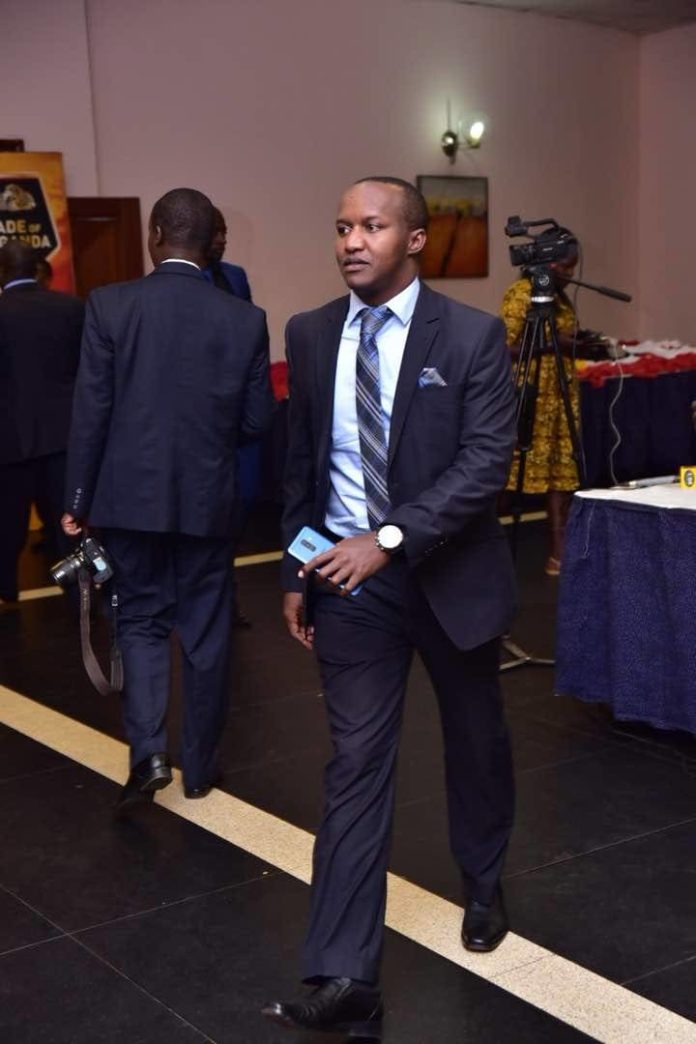
Patrick Kanyomozi

Sports journalists under their Uganda Sports Press Association (USPA) will hold a general assembly over the weekend and elect new leaders for the term 2018-2020.

Patrick Kanyomozi, a commentator with Kwese TV as well as a sports presenter at KFM, is vying for the post of becoming the USPA President. The two other candidates are USPA vice president Ritah Aliguma and NTV’s Sam Mpoza.

Kanyomozi has been General Secretary for the journalist’s association since 2014 and now seeks higher ground in a bid to replace Sabiiti Muwanga, the outgoing president. He is set to carry on with the positive contribution he has added to the body while secretary during the four years.

He has been doing sports journalism for over ten years. Basically, he knows what every sports journalist goes through and what they needs to be done to improve the situation and working environment.

Kanyomozi will be able to help journalists attain formal training in new media operations, organize educational seminars, increase sponsorship and corporate relations as well as help financially empower sports scribes.

The elections will take place on Saturday 24, November 2018. USPA members will vote for a new President, a General Secretary, Organizing Secretary and a Treasurer.

The elected USPA officials serve two terms of two years in office and are not allowed to contest for the same office thereafter.

USPA was founded 48 years ago by Fred Ssekito. Former presidents include; Mark Namanya, Douglas Mazune and Joseph Kabuleta.

USPA recognizes the best sports personalities per month when they hold their respective monthly conventions. These are followed by the end of year dinner where all the excelling sportsmen and women are rewarded at a glamorous ceremony.

Stories Continues after ad

WHO and partners unveil new country-led response to put stuck malaria control efforts back on track

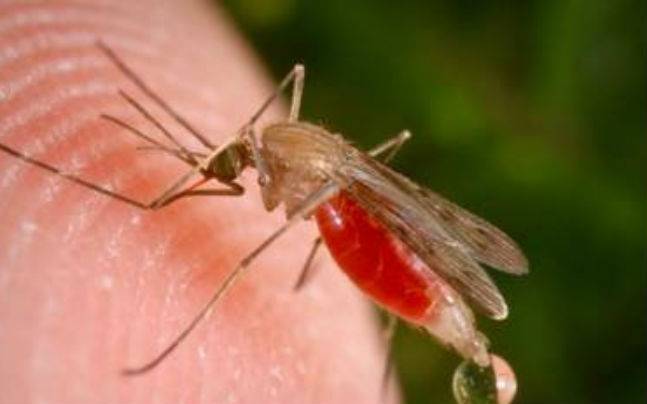
Malaria- carrying mosquito

Reductions in malaria cases have stalled after several years of decline globally, according to the new World malaria report 2018. To get the reduction in malaria deaths and disease back on track, WHO and partners are joining a new country-led response launched to scale up prevention and treatment, and increased investment, to protect vulnerable people from the deadly disease.

For the second consecutive year, the annual report produced by WHO reveals a rise in numbers of people affected by malaria: in 2017, there were an estimated 219 million cases of malaria, compared to 217 million the year before. But in the years prior, the number of people contracting malaria globally had been steadily falling, from 239 million in 2010 to 214 million in 2015.

“Nobody should die from malaria. But the world faces a new reality: as progress stagnates, we are at risk of squandering years of toil, investment and success in reducing the number of people suffering from the disease,” says Dr Tedros Adhanom Ghebreyesus, WHO Director-General. “We recognise we have to do something different – now. So today we are launching a country-focused and -led plan to take comprehensive action against malaria by making our work more effective where it counts most – at local level.”

Ugandan among countries hit by malaria hardest

In 2017, approximately 70 per cent of all malaria cases (151 million) and deaths (274 000) were concentrated in 11 countries: 10 in Africa (Burkina Faso, Cameroon, Democratic Republic of the Congo, Ghana, Mali, Mozambique, Niger, Nigeria, Uganda and United Republic of Tanzania) and India. There were 3.5 million more malaria cases reported in these 10 African countries in 2017 compared to the previous year, while India, however, showed progress in reducing its disease burden.

Despite marginal increases in recent years in the distribution and use of insecticide-treated bed nets in sub-Saharan Africa – the primary tool for preventing malaria – the report highlights major coverage gaps. In 2017, an estimated half of at-risk people in Africa did not sleep under a treated net. Also, fewer homes are being protected by indoor residual spraying than before, and access to preventive therapies that protect pregnant women and children from malaria remains too low.

High impact response needed

In line with WHO’s strategic vision to scale up activities to protect people’s health, the new country-driven “High burden to high impact” response plan has been launched to support nations with most malaria cases and deaths. The response follows a call made by Dr Tedros at the World Health Assembly in May 2018 for an aggressive new approach to jump-start progress against malaria. It is based on four pillars:

Galvanizing national and global political attention to reduce malaria deaths;

Driving impact through the strategic use of information;

Establishing best global guidance, policies and strategies suitable for all malaria endemic countries; and

Implementing a coordinated country response.

Catalyzed by WHO and the RBM Partnership to End Malaria, “High burden to high impact” builds on the principle that no one should die from a disease that can be easily prevented and diagnosed, and that is entirely curable with available treatments.

“There is no standing still with malaria. The latest World malaria report shows that further progress is not inevitable and that business as usual is no longer an option,” said Dr Kesete Admasu, CEO of the RBM Partnership. “The new country-led response will jumpstart aggressive new malaria control efforts in the highest burden countries and will be crucial to get back on track with fighting one of the most pressing health challenges we face.”

Targets set by the WHO Global technical strategy for malaria 2016–2030 to reduce malaria case incidence and death rates by at least 40 per cent by 2020 are not on track to being met.

Pockets of progress

The report highlights some positive progress. The number of countries nearing elimination continues to grow (46 in 2017 compared to 37 in 2010). Meanwhile in China and El Salvador, where malaria had long been endemic, no local transmission of malaria was reported in 2017, proof that intensive, country-led control efforts can succeed in reducing the risk people face from the disease.

In 2018, WHO certified Paraguay as malaria free, the first country in the Americas to receive this status in 45 years. Three other countries – Algeria, Argentina and Uzbekistan – have requested official malaria-free certification from WHO.

India – a country that represents 4 per cent of the global malaria burden – recorded a 24 per cent reduction in cases in 2017 compared to 2016. Also in Rwanda, 436 000 fewer cases were recorded in 2017 compared to 2016. Ethiopia and Pakistan both reported marked decreases of more than
240 000 in the same period.

“When countries prioritize action on malaria, we see the results in lives saved and cases reduced,” says Dr Matshidiso Moeti, WHO Regional Director for Africa. “WHO and global malaria control partners will continue striving to help governments, especially those with the highest burden, scale up the response to malaria.”

Domestic financing is key

As reductions in malaria cases and deaths slow, funding for the global response has also shown a leveling off, with US$ 3.1 billion made available for control and elimination programmes in 2017 including US $900 million (28 per cent) from governments of malaria endemic countries. The United States of America remains the largest single international donor, contributing US $ 1.2 billion (39%) in 2017.

To meet the 2030 targets of the global malaria strategy, malaria investments should reach at least US $6.6 billion annually by 2020 – more than double the amount available today.

Stories Continues after ad

Beware: Used and repackaged condom racket busted

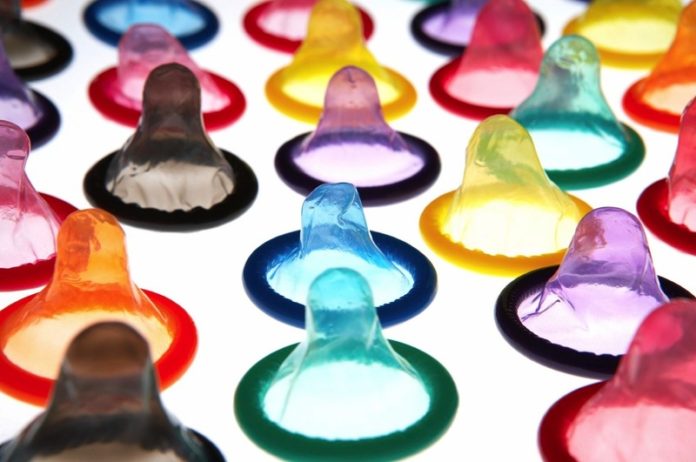
Condoms

Chinese authorities busted a counterfeit-condom ring running probably one of the most unique salvage operations that you can buy perhaps. The gang made US $7 million recycling used condoms and selling them as not used to hotels and supermarkets.

Police seized 500,000 boxes of counterfeit Durex condoms, filled with matching fake branded boxes, from workshops in three Chinese provinces. Seventeen individuals were arrested in Hebei, Henan, and Zhejiang after cops were tipped off a local businessman was selling condoms for suspiciously low prices.

“The hygienic conditions in those villages were very bad. The condoms were seen by us these were making – they blended the condoms with silicone oil in a bucket. It had been totally below official manufacturing standards,” said Cangnan police chief Zheng Xidan. The phony rubbers were manufactured in Hubei and Henan provinces, then packaged in Zhejiang, in accordance with authorities.

While the fakes were found to contain fungi, thin patches, and holes, retailers apparently couldn’t resist a bargain – these were sold by the gang wholesale for 14 cents per pack, a bargain in comparison to US $22 for genuine.

Condom counterfeiting is really a big business in China and apparently; a lot more than 10 similar cases have passed through Henan courts since 2014. The defendants who’ve been found guilty have obtained sentences as high as four years. February in, police seized two million phony Okamoto and Durex brand condoms in Yuncheng in neighboring Shanxi province.

In 2015, Shanghai police seized three million condoms thought to be worth US$1.67 million and found they contained toxic metals. The condoms that have been for sale under popular brands including Durex, were manufactured for 1 cent by way of a criminal network operating across eight provinces apiece. Tuesday unlike the ring busted, however, these fakers sold their product at a high price on their online store, calling customers on social media marketing.

Chinese knockoff condoms aren’t only a problem for the Chinese unfortunately. US customs authorities seized 40,000 Chinese-manufactured counterfeit condoms in San Juan, Puerto Rico last March. Chinese-made fakes have resulted in in Ghana also.

Stories Continues after ad

East Africa now biggest destination for FDI, with Uganda attracting 14 projects

Uganda is attracting FDI in Energy sector.

East Africa continued to register notable GDP growth in 2017, performing stronger than all other regions across the continent, according to Ernst & Young (EY) Global’s 2018 Africa Attractiveness report.

According to the report, East Africa attracted 197 projects or 30 per cent of the continents total foreign direct investment (FDI). The region also the region recorded a 82 per cent increase in the number of FDI projects last year compared with 2016.

“This shifting investment landscape is a function of numerous factors, including multi-speed growth, investment friendly economic policies and, to some extent, regional integration initiatives, particularly in the east of the continent where the East African Community made up of Burundi, Kenya, Rwanda, South Sudan, Tanzania and Uganda has been successful in increasing economic growth since its formation,” the report says.

“This evident rise is from a rather low base in 2016, when the region’s share of FDI projects fell sharply. The FDI numbers in 2017 not only recovered from the prior year, but also made the region Africa’s major FDI hub for the first time,” the report adds.

Kenya, the region’s leading economy, reported a 68 per cent increase in inward investment projects last year, despite political uncertainty in the second half of the year following a prolonged election cycle.

Major oil discoveries also put Uganda on the investment atlas, with the country attracting 14 FDI projects in 2017, up from nine in the previous year,” the report says.

British investors were particularly active, with 10 project commitments, followed by Dutch companies.

Ethiopia, which was Africa’s second-fastest growing economy in 2017 saw its consumer products and retail (primarily textiles), real estate, hospitality and construction sectors collectively responsible the surge in FDI to the country last year.

“Looking ahead, the recent opening up of the telecoms, shipping, power generation and aviation sectors to foreign investment will prove to be a further boost to investor interest,” the reports said.

Tanzania also saw a sharp rise in FDI projects, attracting nine projects, mostly in infrastructure, as well as private investment in the development of a regional hydrocarbons sector.

The FDI projects have been tracked against the size of the economy, and its score on the annual World Bank Ease of Doing Business ranking. Through this analysis, it appears that countries with strong growth rates and that adopt more business-friendly policies tend to perform better in attracting FDI.

Rwanda is, by far, Africa’s most successful country in terms of attracting FDI. This is evidenced by the fact that Rwanda ranks as one of Africa’s most business-friendly destinations. It is also one of the continent’s most consistent rapid growth economies.

Rwanda receives 1.5 FDI projects for every US $1 billion of GDP. Measured on the same criteria, South Africa receives only 0.32 projects, attracting only 20 per cent of what Rwanda does, given its relative size.

“Major economies, such as Nigeria and Angola trail by an even larger margin, receiving only 0.16 and 0.02 projects respectively. Both countries also rank very low on the Ease of Doing Business rankings compared with their counterparts in the continent. That, coupled with their recent low growth after plunging oil prices in 2016 and the same scenario persisting in 2017, would explain their low score according to this methodology,” reads the report.

Stories Continues after ad

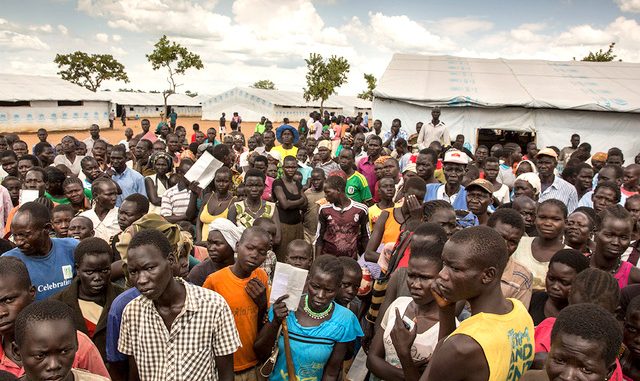
U.N. commends Uganda for integrating refugee pupils

Refugees in Uganda

Other countries should educate refugees in national schools to help them integrate, the United Nations said on Tuesday, praising Uganda and Chad as poor countries setting an example.

About 4 million child refugees were out of school in 2017, the U.N.’s cultural agency, UNESCO, said, which meant they not only lost their right to education but that host nations also missed a chance to integrate people from different communities.

“Experience suggests that the inclusion processes have been very positive,” said Manos Antoninis, director of UNESCO’s annual Global Education Monitoring Report.

“The longer (refugees) stay separate, the more they feel alienated,” he told the Thomson Reuters Foundation.

Wars, persecution and other violence drove a record 68.5 million people from their homes in 2017, the majority uprooted inside their own countries while 25 million were refugees, according to the U.N. refugee agency.

World leaders agreed in New York in 2016 to ensure that all refugee and migrant children receive education within a few months of arrival in a host country.

But asylum-seeking children in Australia have limited access to education, Rohingya in Bangladesh can only attend separate, non-formal schools, and many refugees in Africa are confined to camps, making it harder to get jobs afterwards, UNESCO said.

“The hope is that in the future governments all over the world will be more reluctant to exclude refugees and put them in separate schools,” said Antoninis.

Only six in 10 refugee children were enrolled in primary school and one in four in secondary school last year, UNESCO said.

Uganda, which hosts the largest number of refugees in Africa at 1.4 million, brought humanitarian and development agencies together this year to create mixed schools for refugees and host communities, it said.

Chad, which hosts some 450,000 refugees, has developed a temporary education plan for refugees while it adapts the national system to include them, a first in Africa, UNESCO said.

The government has sent Chadian teachers to refugee camps to ease the transition, and this year converted 108 refugee schools into regular public schools that will also benefit locals, said Antoninis.

It has also trained teachers from among the refugee population to be able to teach in Chadian schools, he said.

But education remains a low priority in many places where people have fled conflict, experts said.

“During emergencies, education is not given the attention it deserves as a life-saving intervention,” said Euloge Ishimwe, a spokesman for the International Federation of Red Cross and Red Crescent Societies (IFRC) in Africa.

“Many people do not know that education in emergencies … brings about a sense of normalcy and hope that in itself can empower communities to protect themselves from harm.”

Reporting by Nellie Peyton; Editing by Katy Migiro. Please credit the Thomson Reuters Foundation, the charitable arm of Thomson Reuters, that covers humanitarian news, women’s and LGBT+ rights, human trafficking, property rights, and climate change. Visit news.trust.org

Stories Continues after ad

Seven steps to meeting your goals with your new venture

Martin Zwilling

By Martin Zwilling

Successful entrepreneurs are usually hard-driving, and highly focused on some specific goals, like being the dominant player in a given domain, or the low-priced provider of their product. Yet other entrepreneurs will talk for hours about all their ideas, and how they intend to change the world, but I don’t hear any specific goals or milestones.

Many people are very hesitant to set specific goals, due to lack of self-confidence or whatever. The result is that they don’t ever get anywhere, because they never really knew where they wanted to go. If you find yourself in this category, try the following simple steps highlighted by Brian Tracy in his classic book “No Excuses: The Power of Self-Discipline”:

Decide exactly what you want. If you want to increase your income, decide on a specific amount of money, rather than just “make more money.” Without precise goals, you can’t measure progress, and you miss the real satisfaction of knowing when to declare success.

Write it down. A goal that is not written down is like cigarette smoke; it drifts away and disappears. It is vague and insubstantial. It has no force, effect, or power. It’s too easy to forget or push aside when outside forces arise that you hadn’t anticipated – and they will. On the other hand, most people don’t hesitate to write down excuses.

Set a deadline with specific milestones. Pick a reasonable time period and write down the date when you want to achieve it. If it is a big enough goal, set intermediate milestones for measurement reference points. The rule is “There are no unrealistic goals; there are only unrealistic deadlines.” Don’t be afraid to change the deadline – for cause.

Make a list of things you need to do to achieve your goal. The biggest goal can be accomplished if you break it down into enough small steps. Make a list of obstacles and difficulties, knowledge and skills required, necessary people, and everything you will have to do to meet the goal. Add to these lists as you learn more.

Organize your list by both sequence and priority. A list organized by sequence requires that you decide what you need to do in what order. A list organized by priority enables you to determine what is more important. Then develop a business plan which embodies all of the above.

Take action on your plan immediately. Don’t delay. Move quickly. Procrastination is the thief of time, and it shortens your life. Winners in life take the first step now. They are willing to overcome their normal fear of failure and disappointment, and take a small step, and then other one, until they reach the goal.

Do something every day that moves you in the direction of your major goal. This is the key step that will guarantee your success. Do something every day that moves you at least one step closer to the goal. In this fashion, you develop momentum, which further motivates, inspires, and energizes you. Soon it becomes automatic and easier.

You can’t control the future, and that’s not the purpose of goal setting. It’s also a recipe for failure to assume that the path to your goal will require suffering and sacrifice. In fact, the whole objective of all steps above is to allow you to avoid stress and suffering, and be more fully motivated by your progress.

As you adopt a goal-setting mindset, you will find yourself setting different kinds of goals. These are lifetime goals, not just a collection of near-term objectives. It’s these really big objectives, that seem unachievable even to you right now, that will inspire you the most, and motivate you to real success and happiness.

Stories Continues after ad

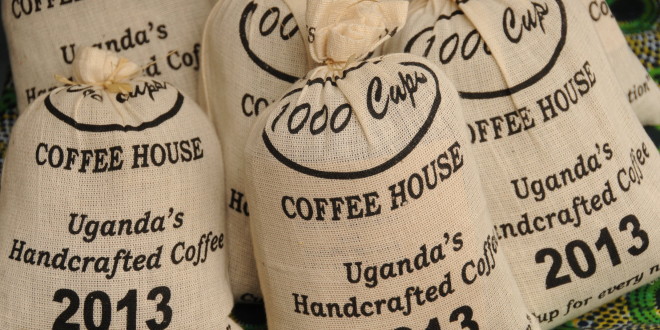
UCDA recognized for competency in analysis and coffee testing

Uganda coffee for export

Uganda National Bureau of Standards has recognized Uganda Coffee Development Authority’s (UCDA) laboratories for competency in analysis and testing of coffee.

The standard recognition is awarded to laboratories that have demonstrated that their management and technical operations meet the international standard requirements.

This has made UCDA’s laboratories located at UMA show ground in Lugogo and Coffee House the first coffee laboratories in Uganda to get recognized against an international standard for laboratory quality management system to ISO 17025:2005.

The process of getting recognition involved the development of the laboratory quality manual of policies, standard operating procedures, adoption of lab quality policy, training and awareness of the staff on ISO 17025:2005 standard.

It also involved review of the procedures for sampling and analysis of coffee samples to avoid conflict of interest, Validation of analytical methods to ensure quality results and redesigning of the laboratory infrastructure to separate activities and introduction of a digital monitoring system for the laboratory operating environment.

Benefits

Laboratory operations have been standardized resulting into improved accuracy of analytical results, elimination of conflict of interest and increased operational efficiency reducing the turnaround time significantly.

The recognition has further assured our clients that results and services generated from our laboratory meet international standards for wider acceptance and trust of our quality certificate.

In addition to physical and sensory analysis the labs are also performing biochemical analysis on export coffees to guarantee food safety and quality. This has brought consumer confidence in Ugandan coffee especially for importing countries like Sudan and Europe that we hope will result into increased export volumes.

Stories Continues after ad