Stanbic Bank
Stanbic Bank
21.9 C
Kampala
Stanbic Bank
Stanbic Bank
Home Blog Page 1462

AU Police Officers Undergo Training on Managing Vehicle Checkpoints

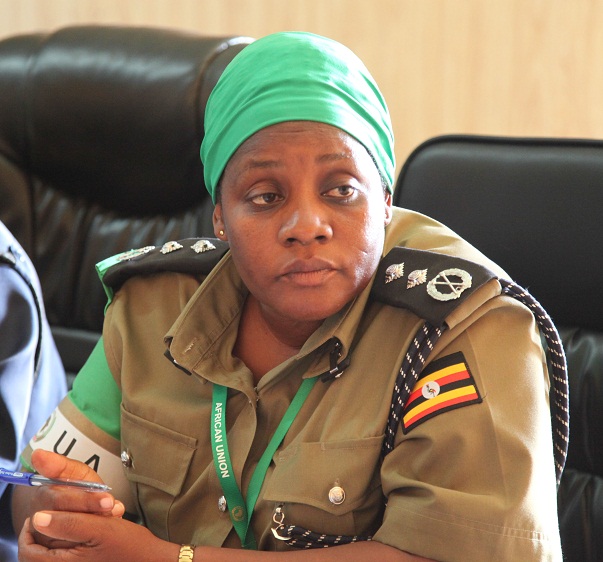
AMISOM Deputy Police commissioner, Christine Alalo perished aboard the Ethiopian plane.

About 100 police officers from the African Union Mission in Somalia (AMISOM), have concluded a short course on managing vehicle checkpoints.

The training, was meant to help officers mitigate potential terrorist threats at checkpoints, through the employment of swift responsive mechanisms. The officers will in turn impart the knowledge and skills learnt, to their Somali counterparts.

“There are many checkpoints in Mogadishu and the Al-Shabaab know where they are, so they are able to dodge them,” explained Jacques de Wet, an IED mentor with the United Nations Mine Action Service (UNMAS)’s contractor – Dynasafe Minetech Limited.

De Wet said the training focused on the processes and steps taken to set up of vehicle checkpoints, during a specified time. “If you have 5 teams, up to 20 different locations will be covered,” de Wet noted.

The six-day training was the second phase of the vehicle checkpoint course, targeting the Formed Police Units in the capital of Mogadishu and the regional states.

“We also carried out various practicals; we set up checkpoints and collapsed and set up more checkpoints; and we know the right procedures that we have to take and how to do proper vehicle checkpoints,” said Sergeant Walter Orji, one of the participants.

The Acting AMISOM Police Commissioner, Ms. Christine Alalo officiated the closing ceremony of the workshop. She challenged participants to apply the knowledge gained, to improve the security in Mogadishu and the regional cities.

“This knowledge is given to you so that you are able to transfer it to the people that you co-locate with – the Somali Police. You are supposed to transfer that knowledge to prepare them for the transition, so they would be ready to take up this kind of responsibility,” she said.

The training was facilitated by UNMAS, as part of its continuous efforts to build the capacity of the security forces, to fight the indiscriminate use of Improvised Explosive Devices, which remain Al-Shabaab’s weapon of choice.

Stories Continues after ad

US venture capitalists to invest a record US $1 billion into coffee startups

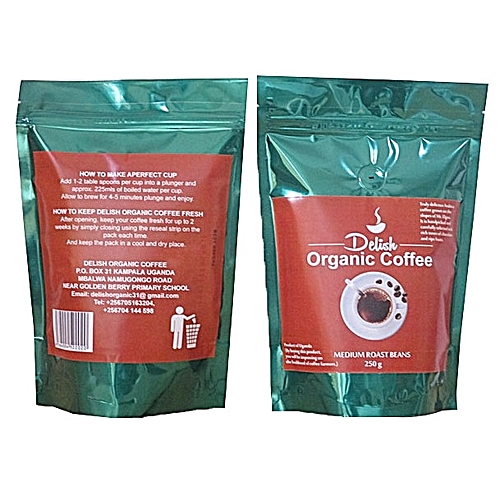
Uganda coffee

Continuing a trend that began roughly four years ago, investors are pouring a record amount of venture capital into the industry. Coffee startups raised $600 million in the first seven months of the year alone–more than four times the total amount raised in 2017, according to data from CB Insights. By the end of 2018, that figure is expected to surpass $1 billion.

It helps that more Americans are picking up the caffeine habit. About 64 percent of U.S. adults have at least one cup of coffee every day, up from 57 per cent in 2016, according to data from the National Coffee Association.
It also helps that the indie coffee industry had a major exit in 2017 when Nestlé acquired a majority stake in Blue Bottle Coffee for a reported $425 million, according to Bloomberg. Blue Bottle, a specialty coffee roaster that began in San Francisco but now has cafés in cities across the world, had raised some $120 million from investors prior to the sale.

Investors continue to see huge potential upside in betting on coffee despite the fact that it has not traditionally been a venture capital-driven business. Coffee in the U.S. is a $12.9 billion market, so any company that can disrupt this industry with a new product has a massive opportunity to scale.
“I think everyone can see the prize with coffee,” says Sam Lessin, a partner at Slow Ventures, which invested in coffee startups like Blue Bottle and Alpine Start. “Building an iconic brand in the space–can be a really big win.”

The entrepreneurs behind these coffee startups say the venture funding is crucial to going up against the major chains like Starbucks and Dunkin’, not just so they can compete on the ground with brick-and-mortar locations, but also to stay one step ahead on product innovation.
Matt Bachmann is a co-founder of the New York City-based cold brew company Wandering Bear Coffee. Wandering Bear has raised $10.5 million, according to Crunchbase, and sells boxed coffee on tap, designed for the home or office, along with ready-to-go containers.

Bachmann notes that startups like his were selling cold brew concoctions long before Starbucks and Dunkin’ adopted the trend and helped make it a wildly popular drink. Wandering Bear’s products start at about $4 for an 11-ounce bottle and $29 for a 96-ounce on-tap container.
The trend moves from “bottom up, not top down,” says Bachmann. “It’s the startup that does something different at a small scale, proves to be popular, and then gets adopted more broadly.”

Refrigerated ready-to-drink coffee is one such trend driving the recent boost in investments. By 2024, the ready-to-drink coffee and tea industry is expected to reach sales of $116 billion, up from $71 billion in 2015, according to Grand View Research. The latest iteration of the trend involves coffee beverages with a healthy twist.

New York City-based Kitu Life makes a ready-to-drink “super coffee” that is sugar-free, lactose-free, and includes 10 grams of protein in a 12-ounce bottle. CEO Jim DeCicco says the key to his company’s success is the ability to offer healthy coffee products without sacrificing taste. “If we are providing a better-for-you option, it has to be as delicious as the high-calorie products on the shelf,” says DeCicco. Kitu coffee is sold online and in retailers like Acme, Wawa, and Whole Foods.

Grant Gyesky, the co-founder of Rise Brewing, which sells a ready-to-drink cold brew infused with nitrogen to give the drink a creamy flavor, says adding the nitrogen gave the brand an identity in a crowded space. Gyesky says Rise’s products appeal to consumers’ growing preference for healthier food and drink products. Rise declined to share how much total funding it’s raised. Rise, which raised an undisclosed amount of venture capital, sells its products online and in select Whole Foods and Safeway stores.

And customers are willing to spend more on these specialty drinks: 48 percent of Millennials drink gourmet coffee beverages every day, according to National Coffee Drinking Trends. Blue Bottle sells Port of Mokha coffee from Yemen, and charges $16 per cup.
“There are people who like almost anything. You just have to find them and make sure you put the right experience in front of them,” says Lessin. “I don’t think its just price, it’s flavor profile and it’s experiences.”

Dan Scholnick, general partner at Trinity Ventures, which invested in Bulletproof Coffee–a line of coffee beans, ready-to-drink beverages, supplements, and oils–still sees plenty of room for innovation among coffee startups.
“When you see disruption like that in a market, it’s a signal it’s a good opportunity for startups to enter and fill the void created by changing consumer tastes,” Scholnick says.
But when will the specialty coffee market cool down?

“The peak of artisanal coffee is not so black and white–consumers always need energy and coffee is addictive,” says Kitu Life’s DeCicco, who suspects the next big acquisition will be La Colombe. “I think if we see a peak in cold brew it will just lead to innovation in enhanced coffee or other coffee categories.”

Stories Continues after ad

Bad times at Dfcu as board refuses MD Juma Kisaame to resign

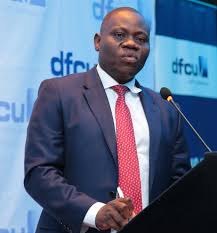
Juma Kisaame

Dfcu’s Board of Directors, led by Elly Karuhanga as Chairman has declined to allow its Managing Director Jumna Kisaame to resign from the bank, Eagle Online can say.

Sources further say Kisaase has already handed in his resignation but sections of the board want him around to explain the Crane bank transaction while other sources say he is relinquishing the bank to give room to William Ssekabembe who two months ago was on the move to KCB. This website reported that Ssekabembe had been given a job of Managing Director at the Kenyan KCB bank but his move was squashed after KCB wrote to BoU seeking clearance for him as MD.

The latest developments is the newest in the series of events that have evolved Dfcu since January 2017 when the bank took over Crane Bank at Sh200 billion in the controversial transaction that has tainted the image of the bank and the regulator of the local financial sector, the Bank of Uganda (BoU).

Parliament intends to question BoU Governor Emmanuel Tumusiime-Mutebile and other top bank officials over the sale of Crane Bank to Dfcu. The officials will also be questioned in regard to the sale and liquidation of six other commercial banks, now defunct.
However, since Dfcu took over Crane Bank, all that has come out of the former is news of internal contradictions. The first of such was Britain’s Commonwealth Development Corporation (CDC) intention to sell off its shares.

Also there has been forced resignations of staff at the bank, many joining DFCU’s local competitors but some top managers who left carried key clients to the new the employers, leaving DFCU helpless.
Days ago Eagle Online reported how Kisaame was under pressure to explain to the banker’s shareholders how Shs1.8 billion was spent on the construction of the Dfcu Financial Centre located on the plot of 50×100 at Namanve Industrial and Business Park.

According to the source, shareholders think the project cost Shs700 million. Roko won the contract to build the building. But Roko is said to have subcontracted Kisaame’s construction company to do some of the work.
Months ago, Arise BV’s Deepak Malik who has been a director on the board of the bank resigned and left the board.
Malik’s resignation at the time meant Dfcu board was left with five other non-executive directors led by All Elly Karuhanga as Chairman. Others directors are; Albert Jonkergouw, Winifred Tarinyeba- Kiryabwire, Frederick Kironde Lule and Michael Alan Turner.
Analysts say the Malik’s decision to resign confirms reports that Arise B.V. with over 50 percent shares intends to leave especially that Britain’s CDC Group intends to exit, following Dfcu Bank’s controversial acquisition of Crane Bank yet Crane Bank had assets worth over Shs1 trillion.

Reports indicate that CDC is leaving for various reasons which include poor economy but some sources say CDC wants to dodge paying taxes on its dividends.

Financial analysts say with the revelation by Auditor General that Dfcu acquired Crane Bank Limited and yet it was the valuer and at the same time a buyer could land top Bank of Uganda executives in trouble as big shareholders of Dfcu are spending sleepless nights. The situation is made worse as the case is also in court.

DFCU Shareholding percentages
Arise BV 58.71 per cent
CDC Group of the United Kingdom 9.97 per cent
National Social Security Fund (Uganda) 7.69 per cent
Kimberlite Frontier Africa Naster Fund 6.15 per cent
2 undisclosed Institutional Investors 3.22 per cent
SSB-Conrad N. Hilton Foundation 0.98 per cent
Vanderbilt University 0.87 per cent
Blakeney Management 0.63 per cent
Retail investors 11.19 per cent
BoU staff retirement benefit scheme is 0.59 per cent

Stories Continues after ad

Arua and Gulu Police CID tasked about exhibits in treason case against Bobi Wine other 33 suspects

Member of Parliament, Kyagulanyi Ssentamu aka Bobi Wine, tussling it out with Police during the 'this tax must go' peaceful demonstration.

Gulu Grade one Magistrate Yunus Ndiwarana has tasked Arua and Gulu police CID commanders to produce a statement about the whereabout of the exhibits in the treason case against Kyadondo East MP Robert Kyagulanyi aka Bobi Wine and other 33 suspects who were nabbed in Arua mayhem.

His ruling proceeded submissions made by defence lawyers led by counsel Asuman Basalirwa asking court to release exhibits which include phones, wallet, money and other valuables that are alleged to have been confiscated from suspects during and after their arrest in Arua and other places.

Basalirwa contended that using telephone contacts stored in suspect’s phones, police and other security agencies are using them to hoodwink people trying to extort information from them.
He asked court to order security officers to allow other two suspects who include Eddy Mutwe that are still incarcerated at Gulu, be accessed by their lawyers to secure them temporary release from prison.
Basalirwa challenged prosecution saying none of them has seen president’s vehicle and that its wind screen alleged to have been smashed by the 34 suspects. He also asked for a longer adjournment of the matter basing on the fact that suspects travel quite longer distances from Arua and Kampala.

Prosecution however, regarded all Basalirwa’s submissions as casual responses that he is making baseless allegations.
In his ruling, the Magistrate adjourned the matter to December 3, 2018 saying that will give an ample time for production to carry out thorough investigations and tasked Gulu and Arua police commanders to respond about the exhibits.

Kyagulanyi was arrested along, MP elect for Arua Municipality Kassiano Wadri, Ntungamo Municipality MP Gerald Karuhanga, Jinja East MP Paul Mwiru, former MP Michael Mabikke, and 29 other suspects grappling with treason charges.

Stories Continues after ad

Museveni congratulates CMI for arrest of ASP Kirumira murder suspects

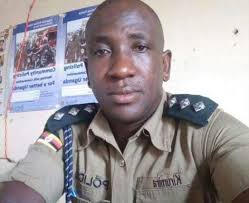
RIP: Muhammad Kirumira

President Museveni has congratulated Chieftaincy of Military Intelligence squads which arrested a number of suspects implicated in gruesome gun down of assistant superintendent of police (ASP) Mohammed Kirumira.

The suspects were arrested in joint operation of police and CMI on Friday night in Namungoona the outskirts of Kampala. The operation led to arrest of nine suspects of which one Abdul Kateregga was shot and died on the arrival at Mulago hospital.

“I am sure I am speaking on behalf of many of you when I congratulate the CMI squads which arrested a number of suspects in the killing of ASP Kirumira on Friday night. Quite a number of them will appear in court soon,” said Mr. Museveni.

Museveni said, Kateregga was one of the members of allied Democratic Allied Forces (ADF) terrorists that had benefited from Amnesty in the past, “This, therefore, is to put on notice all the killers that the wages of sin is death (Romans 6:23),”

He appealed to all members who may have some more information about this particular gang of Kateregga to inform the police for them to be hunt down.
Since 2012, over 10 people have been gruesomely gunned down by unknown hooded assailants travelling on motorcycles however police not produced any report about these killings.

The gun downs have always been linked to ADF however since then, police and other security agencies made arrests however Directorate of public prosecution (DPP) has always failed to produce substantial evidences pinning suspects and none of them has been convicted of murder.

Slain ASP Muhammad Kirumira was on August 8, 2018 killed in hail of bullets along one Resty Nalinya by unknown assailants travelling on motorcycles as he proceeded to his home after attending a party of a senior police officer.

Stories Continues after ad

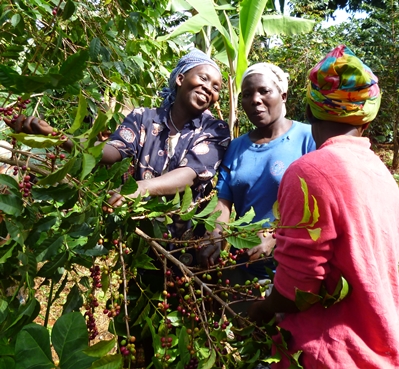
Global coffee body celebrates role of women across coffee value chain

Smallholder coffee farmers

By George Mangula

To mark International Coffee Day this year, the International Coffee Organization (ICO) to which Uganda is a member is celebrating the role of women across the value chain, and calling on both public and private sectors to empower women to achieve gender equality and increase productivity, supply and sustainable consumption.

In its new report – Gender equality in the coffee sector – published on October 1 2018, the ICO confirms with hard data that women make a crucial contribution to the global coffee sector. Depending on the region, around 25 percent of farms are operated by female growers and up to 70 percentof on-farm labour is provided by women. However, there is a gender productivity gap.

According to the ICO’s Executive Director, Mr José Sette, “Women are often held back by limited access to quality land, leadership opportunities, quality education, input and output markets, and finance. Our research has shown, however, that closing the gender gap by empowering women and improving their access to resources would not only contribute to gender equality, but also generate a wide range of social and economic benefits, including improved health and nutrition for the household, helping to eradicate poverty and increasing prosperity”.

Fostering gender equality is recognized as a crucial element of rural development and sustainable agricultural supply chains, and can contribute to building female farmers’ resilience to the challenges of volatile coffee prices and climate change. With a predicted increase in consumption of another 40 to 50 million 60kg bags by 2030, closing the gender gap could also unlock an increase in coffee production by an additional 4 to 6.5 million bags – the equivalent of an extra 30 billion cups of coffee per year.

He adds: “Due to its economic importance in many tropical low income countries, the coffee sector can make an important contribution to achieving the United Nations Sustainable Development Goals. At the ICO we are calling on both the public and private sectors to work together to empower women in the coffee sector and to implement more gender-sensitive approaches to help close the gender gap.”

“As a global community we simply cannot afford to deny women equal opportunities if we are to meet future demand for coffee. We want coffee to have a strong future. For this reason fostering gender equality is not only the right thing to do, but also the smart thing to do,” he said.

Along with encouraging all parties to celebrate the role and empowerment of women in coffee on International Coffee Day, the ICO will be holding a webinar exploring gender equity in the coffee sector, in conjunction with Global Coffee Platform, the International Women’s Coffee Alliance and the Partnership for Gender Equity.

To formally launch its Gender equality in the coffee sector report the ICO will also be partnering with the Brazilian Embassy in London in a panel discussion and reception Celebrating and Supporting Women in Coffee with Brazil.

Stories Continues after ad

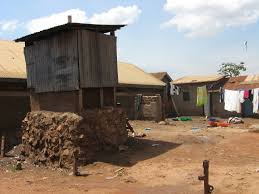
WHO calls for increased investment to reach the goal of a toilet for all

Pit latrine in a Kampala slum

The world will not reach the goal of universal sanitation coverage, where every person in the world has access to toilets that safely contain excreta by 2030 unless countries make comprehensive policy shifts and invest more funds, the World Health Organisation (WHO) on Monday said in a press release as it launched in Geneva the first global guidelines on sanitation and health.

WHO says its new guidelines can help countries to significantly reduce the 829 000 annual diarrhoeal deaths due to unsafe water, sanitation and hygiene. For every US $1 invested in sanitation, WHO estimates a nearly six-fold return as measured by lower health costs, increased productivity and fewer premature deaths.
Worldwide, 2.3 billion people lack basic sanitation (with almost half forced to defecate in the open). They are among the 4.5 billion are without access to safely managed sanitation services – in other words a toilet connected to a sewer or pit or septic tank that treats human waste.

“Without proper access, millions of people the world over are deprived of the dignity, safety and convenience of a decent toilet,” said WHO’s Dr Soumya Swaminathan, Deputy Director-General for Programmes.
“Sanitation is a fundamental foundation of human health and development and underpins the core mission of WHO and ministries of health worldwide. WHO’s Sanitation and Health Guidelines are essential to securing health and wellbeing for everyone, everywhere,” he said.
WHO developed the new guidelines on sanitation and health because current sanitation programmes are not achieving anticipated health gains and there is a lack of authoritative health-based guidance on sanitation.

“Billions of people live without access to even the most basic sanitation services,” said another WHO official Dr Maria Neira, Director, Department of Public Health, Environmental and Social Determinants of Health. “The transmission of a host of diseases, including cholera, diarrhoea, dysentery, hepatitis A, typhoid and polio, is linked to dirty water and inadequately treated sewage. Poor sanitation is also a major factor in transmission of neglected tropical diseases such as intestinal worms, schistosomiasis and trachoma, as well as contributing to malnutrition,” she said
The new guidelines set out four principal recommendations:
Sanitation interventions should ensure entire communities have access to toilets that safely contain excreta.

The full sanitation system should be undergo local health risk assessments to protect individuals and communities from exposure to excreta – whether this be from unsafe toilets, leaking storage or inadequate treatment.

Sanitation should be integrated into regular local government-led planning and service provision to avert the higher costs associated with retrofitting sanitation and to ensure sustainability.
The health sector should invest more and play a coordinating role in sanitation planning to protect public health.

Some countries have recently taken significant actions:
India has elevated the challenge of ending open defecation to the highest level. Under the Prime Minister’s leadership, the Swachh Bharat Mission (Clean India Programme) is coordinating action across many sectors to ensure basic sanitation rapidly reaches and improves the lives of millions.

Senegal is a leader in Africa that recognizes the role of pit latrines and septic tanks in ensuring services for all. The government is providing innovative solutions with the private sector to ensure pits and septic tanks are emptied and contents are treated to ensure affordable services and clean communities.

Implementing the WHO Guidelines on Health and Sanitation will be key to meeting the SDGs. In 90 countries, progress towards basic sanitation is too slow, meaning they will not reach universal coverage by 2030, officials say.

Sustainable Development Goal 6 is to ensure availability and sustainable management of water and sanitation for all. WHO, together with UNICEF, monitors progress on the following targets?
By 2030, achieve universal and equitable access to safe water for all.
By 2030, achieve access to adequate and equitable sanitation and hygiene for all and end open defecation, paying special attention to the needs of women and girls and those in vulnerable situations.
In order to meet these targets, the World Bank estimates investments in infrastructure need to triple to US $114 billion per year – a figure which does not include operating and maintenance costs.
Safe water, sanitation and hygiene are also essential to SDG 3 “Ensuring healthy lives and promote wellbeing for all at all ages”. Under SDG target 3.3, countries are working to end the epidemics of major diseases, including water-borne diseases.

Under SDG 3.9, countries are working to substantially reduce the number of deaths and illnesses from hazardous chemicals and air, water and soil pollution and contamination by 2030. Additionally, safe water, sanitation and hygiene are needed to reduce maternal mortality and to end preventable deaths of newborns and children as called for in SDG targets 3.1 and 3.2.

Stories Continues after ad

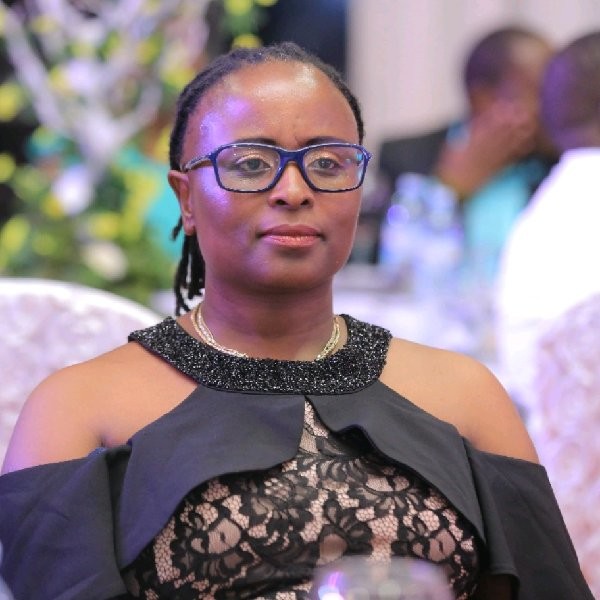
Building capacity and professional collaborations for Uganda tour operators

Babra A. Vanhelleputte

By Babra A. Vanhelleputte
I have served as the Board Chair for the Association of Uganda Tour Operators (AUTO) for about four years now. During this time, I have seen the association grow exponentially, not only its membership numbers but its contribution to Uganda’s tourism industry. AUTO is Uganda’s leading tourism trade association representing the interests of the country’s most trusted tour companies.

With over 23 years since its inception in 1995, AUTO today stands at the helm of the tourism private sector providing an avenue through which tour operators can voice their concerns, while concurrently supporting government in tourism development. Key among the things we strive to do as an association, has been the establishment of support systems, a fine and clear structure, the launch of our strategic plan, and having a secretariat comprised of dedicated staff members. These four factors have, and will, continue to guide the association’s path forward.

In addition, our corporate governance practices, the development of a board charter, consistently organizing annual general meetings, and clear Building Capacity and Professional Collaborations: Association of Uganda Tour Operators Photo credit: Uganda Tourism Board accountability have continued to present AUTO as the fastest developing association in Uganda. In general, tourism in Uganda has also continued to grow with the increase in tourist arrivals, attraction of more investors, engaging a more vibrant private sector, and increased tourism revenue.
But, this has also presented several demands such as the need to improve on the quality of service delivery in the sector. Therefore, AUTO has prioritized supporting members through capacity-building trainings, and programs. We have conducted trainings on itinerary planning and costing, winning techniques for travel expos, digital marketing, first aid, corporate communication, and much more. These programs complement on the job, and classroom learning for the benefit of the industry.

AUTO has also continued to offer its members the opportunity of collaborating on joint promotions, which normally come with discounted rates, and benefit the entire sector with Destination Uganda being promoted in single foil. Yet, our initiative to create an enabling environment for our members to carry out business has been the closest to tangible. This has involved signing Memorandums of Understanding (MoUs) with different agencies like the Uganda Wildlife Authority and Uganda Tourism Board, through which AUTO members have positively and directly seen an impact.

For example, only AUTO members have the opportunity of purchasing discounted gorilla permits, and they are given preferential treatment when selecting participants for trade shows. We have also signed an MoU with World Travel Market Africa to get better exhibition rates for our members. Lobbying for incentives and tax exemptions has been an ongoing agenda item, but the direct engagements with banks, insurance companies, credit bureaus, and fuel companies have resulted in better rates for the members eventuating in a relatively better business environment.

Together, with the Presidential Investors’ Round Table (PIRT), AUTO managed to lobby for a reduction in the tourist visa fee from US$ 100 to the current US$ 50. In the same accord, we were able to push the government to reconsider refurbishing the tourism training institutes, which the ministry of tourism is currently enhancing as a key priority area. We have lobbied for the creation of a proper statistics collection unit at the ministry of tourism to capture accurate tourist statistics, so that we can measure our growth, and identify trends. Through our negotiations, we continue to advocate for a gender-balanced sector with commitment to equal opportunities to employees of all sexes. This gender-balanced model is in line with the Millennium Development Goals (MDGs) set by the UN member states. We are currently in the advanced stages of creating a members’ bonding scheme, which will provide basic insurance coverage for the members and resultantly improve bargaining power when engaging with international buyers, and travel agents.

Knowing that our members’ businesses anchor on a well-conserved environment, we continue to work closely with the Uganda Wildlife Authority in advocating for conservation through different events, and through our communications channels.

Conclusively, there are exogenous challenges that still face the tourism sector, like negative travel advisories, seasonal political disruption, as well as sector-internal challenges like the unregulated tourism industry, inadequate marketing, poaching, human-wildlife conflicts, and negative media publicity, among others. Yet, generally, the tourism sector in Uganda continues to exhibit the potential to make even greater strides as an even greater foreign exchange earner, and a larger provider of employment.
Babra A. Vanhelleputte, is Board Chair, Association of Uganda Tour Operators (AUTO), Founder, Asyanut Safaris and Incentives

Stories Continues after ad

Five Keys to minimizing the burn rate for your startup

Martin Zwilling

Cash flow is a basic survival metric for every startup. Investors check your burn rate to assess your efficiency, and project your remaining runway before you run out of money and into a brick wall. Don’t wait until you are almost out of cash before managing every dollar spent, or looking for the next refueling from investors. Desperate entrepreneurs lose their leverage and die young.

It doesn’t take a financial genius to recognize that you need to keep your burn rate low. Yet it always amazes me that I can find two different startups, seemingly working on the same problem, with one having a burn rate several times higher than the other. Of course, their answer is that the second intends to get to market faster, but every engine has limits regardless the fuel applied.
If your runway is less than a year, it’s time to either begin looking for a new cash infusion or defining and implementing a Plan B to assure survival. Your goal is that magical breakeven point and hockey-stick profit-growth curve. Raising money from professional investors, even friends and family, takes time. Count on six months from beginning the funding process until a new check is cashed.
As a mentor to many entrepreneurs and startups, here are my best recommendations for keeping the burn rate low, planning ahead and maintaining credibility with investors:
Manage cash flow personally every day. A big influx of orders may feel like success, but can kill your business if you don’t have the cash to produce, deliver and wait for payment. The best entrepreneurs manage cash flow ruthlessly and never delegate decisions about spending money. Cash flow out equates to burn rate, and the runway depends on your reserves.
Buffer your projected resource requirements. You will make mistakes. Things will cost more than you expect. Always add 20 percent to your best estimate of funding requirements when approaching investors. They understand startup realities. Better to ask for more early. Going back to investors for more money ahead of the plan is high in terms of credibility and leverage.
Use future cash for payments where possible. Deferred payments start with stretching the payables period but, more importantly, include giving employee equity in lieu of a higher salaries and negotiating vendor deferred payments out of future revenues. Think of these alternatives as paying interest on a loan, and manage them wisely.

Be a miser with contract services and facilities. One of the main reasons that former corporate executives often fail as startup CEOs is that they expect a big office and an entourage of expensive professionals to do the real work. Cash flow can be drastically reduced by working out of your garage. Tackling most of the support tasks yourself.

Use social media for early marketing. Hire a professional marketing and public relations agency once you have a good revenue stream but you don’t need them to start a free blog, establish Facebook and Twitter accounts with initial content and complete the basics of search engine optimization. Social media is not rocket science.
The timing of cash flow is everything. Waiting until you have something to sell before bringing on a sales and operations staff. Getting a sales contract before manufacturing inventory. Match your office, facilities and computer equipment to the size of the staff you have today, and intend to have in the next six months.

As a rule of thumb, your monthly burn rate should be less than 10 percent of your last funding raise or starting cash in the bank. For example, a software development startup raising $250,000 from angel investors better be able to operate on $25,000 per month. This could equate to two technical founders (with a minimal salary), funding two developers for a year.

In this case, the primary cash outflow would be for product development and operating expenses, with potentially enough runway to build the initial product, get a patent, attract some early adopters, and build the initial revenue stream. That should equate to an adequate valuation for a $2 million follow-on Series-Around, without giving away all the equity.

Overall, managing cash flow and burn rate is more critical to your business success than having the right idea and the right product. It’s why most investors proclaim that they invest in people, more than the idea. If you adequately manage your burn rate, your startup is much less vulnerable to flaming out before you get to that elusive break-even point.
The writer is a veteran startup mentor, executive, blogger, author, tech professional, and Angel investor. Published on Forbes, Entrepreneur, Inc, Huffington Post, and others.

Stories Continues after ad

42 doctors trained under the EADB METAF Programme aimed at reducing the burden of cancer

Prof. Walter Mwanda (centre), Oncology & Gynecology Lecturer at the University of Nairobi & also the Course Convener for Oncology in Kenya, with, Resident Obstetrician & Gynecologist- University of Nairobi, Dr. Grace Kanyi (left), British- Royal College of Physicians- Medical Oncology Consultant, Dr. Ruth Board.

The East African Development Bank in partnership with the British Council and the Royal College of Physicians (London), has completed a week long Oncology Training under the EADB Medical Training and Fellowship Programme for 42 doctors from Kenya at Ole Sereni Hotel.

The current cascade is geared towards boosting the medical fraternity capacity in fighting noncommunicable diseases in particular cancer and neurological disorders in East Africa.
The 42 doctors from Bomet, Homabay, Isiolo, Kitui, Mandera, Marsabit, Kwale, Meru, Murang’a, Nyamira, Trans-Nzoia, Turkana, Vihiga, Kirinyaga, Nakuru, Wajir, Tana River, Nairobi and Kakamega counties representing a total of 19 counties were trained on acute cancer presentation triage and management of cancer symptoms under the tutelage of Prof. Walter Mwanda, Course Convener for Oncology for Kenya, Dr. Ruth Board from the Royal College of Physicians & Trainer Doctors.

The doctors join their predecessors making a total of 394 doctors across the four East Africa countries who have been trained since the inception of the program in 2016. EADB METAF program intends to train 600 East African physicians by 2020.

On a letter read during the closing and certification ceremony of the Oncology Training, Ms. Vivienne Yeda, EADB’s Director General wrote that, “The burden of disease and particularly the prevalence of non-communicable diseases (NCDs) is a growing concern in the region. NCDs such as cardiovascular diseases, cancers, diabetes, and chronic respiratory diseases, are now the leading cause of death in most regions of the world. Of the most pressing NCD concerns, the burden of cancer has been increasing in Africa.”

“The partnership with the British Council and the Royal College of Physicians brings 500 years of medical experience, global reach and programme quality and expertise that is comparable to few. For Kenya this cohort brings to life the core aim of this programme. You as the doctors working in the counties were the primary focus of the programme. We believe that you will interact and challenge the content and approach of the training, giving feedback based on your contextual realities, “read the letter.

The training comes at a time when about 50 Kenyans die daily from various forms of cancers and of these, 80-90 per cent arrive in hospital too late. This trend is common across East Africa and is associated with lack of treatment facilities and expertise for treatment, prevention and early detection. Kenya has a population of about 50 million people.
The ratio of doctor to population is at 1:17000 with only 17 cancer specialists and 2 palliative care specialists covering the entire population.

“We are pleased that the partnership with EADB and the Royal College of Physicians brings global expertise into the East African Region and will lead to a rich exchange of skills, expertise and experience. The programme will lead to better health for the people of East Africa,” said George Kogolla, Director Programmes and Partnerships at British Council.

Dr. Ruth Board from the Royal College of Physicians added that, “We are proud that we have this opportunity to use our expertise to support our colleagues in the East African region. This programme is an excellent example of the Royal College of Physician’s aim to improve care for patients and to develop physicians throughout their career by increasing access to high quality postgraduate training.”

Stories Continues after ad