Stanbic Bank
Stanbic Bank
24.7 C
Kampala
Stanbic Bank
Stanbic Bank
Home Blog Page 1655

Mt Rwenzori is special – Malaysian climber

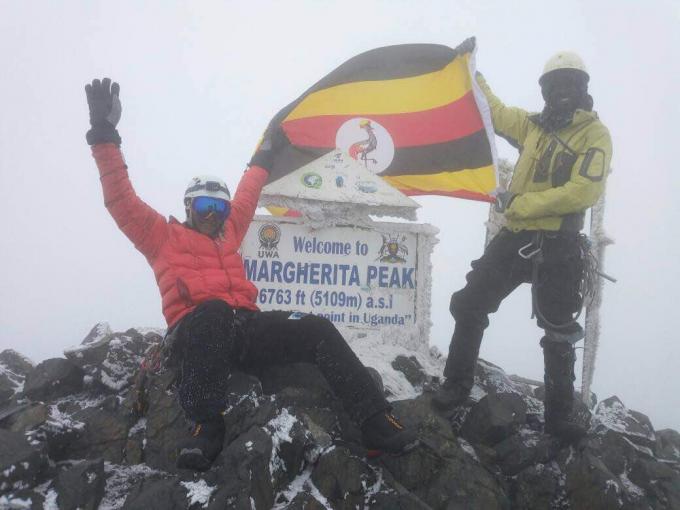
Mr. Ravichandran Tharumalingam (left) conquers 5,109m Margherita peak of Mt. Rwenzori.

Renowned Malaysian mountain climber Ravichadran Tharumalingam has said climbing Mt Rwenzori in western Uganda offers the best experience to climbers than what Mt Kilimanjaro or Mt Kenya can offer even if the latter two have greater heights above the sea level.

“Everybody from where I came from was saying that Rwenzori can’t be better than Mt Kenya or Kilimanjaro but I can say it is ten times better because it has tropical environment at the bottom and glaciers and dangers at the top. In Kilimanjaro, you don’t have those. You only have altitude, same as Kenya,” said Tharumalingam after reaching the 5,109m Margherita peak. Mt Kilimanjaro and Kenya measure 5,895m and 5,199m above sea level, respectively.

He said that with Mt Rwenzori one has to cross snow that has broken, where one can drop and die and so one has to use all the technical equipment and skills to reach the summit. “So, Rwenzori is so much superior,” he says.

Tharumalingam, who has also climbed the world’s tallest mountain-Everest, said he was humbled by the value that people attach to Mt Rwenzori that is located in the naturally endowed western rift valley.

The climber, who says he was approached by Uganda Tourism Board come to Uganda says the country can use the mountain and the mountain gorillas to attract foreign tourists. “These two are very unique features to Uganda,” he says.

“If the tourism board continues with their work and keeps creating a lot of buzz around the world, Rwenzori will get to be known,” he said, adding that he would help promote the experience that Mt Rwenzori offers to climbers.

“We are going to work with Uganda and promote this. The tourism board should use video clips and photos to reach out to people all over the world through their embassies. I think they are on the right track now,” he said.

He said that if the government of Uganda allowed he would lay a ladder across the summit of Mountain Rwenzori and name it after himself and cement his legacy in Uganda.

Tharumalingam has urged Ugandans to explore. “If you are a Ugandan and you have climbed Rwenzori, you still have many other peaks to go after in case you have finished all peaks in Uganda,” he said.


Stories Continues after ad

Former Buyende DPC Kirumira wife attacked by goons

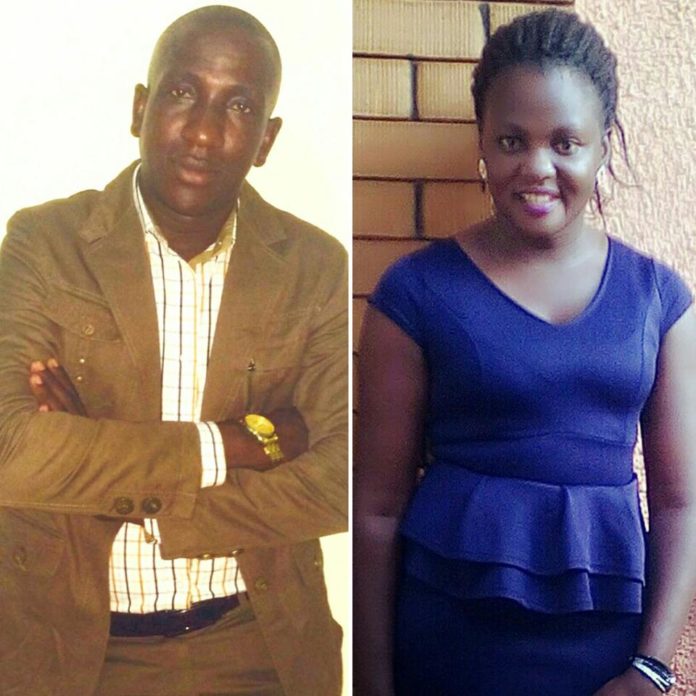
A photo montage of ASP Muhammad Kirumira with his wife Miriam Kirumira

Mariam Kirumira, the wife of incarcerated former District Police Commander (DPC) of Buyende Muhammad Kirumira has today morning reportedly been attacked by unknown thugs riding on boda bodas.

According to Mariam, she was on her way to check whether her husband is detained at the Railway Police Station when the thugs struck and taunted her in Luganda saying: “Kuluno tubalina, nako akabuto tuyinza okkakuba nekavamu tuwone bukirumira obulala okutulumya omutwe.” This, loosely translates into:  “This time we have you we can even terminate that pregnancy so that we don’t get any more of Kirumira to give us headache.’’

She added that she was saved by her boda boda rider who sped off and left the attackers giving chase in vain.

Meanwhile, Mariam aka Mariam Muwala wa Mzee, will not go without a fight, and has accused the Police of being behind her family’s woes.

“I request Afande Kayihura (IGP) to tell your boys to leave us alone. mwatulese netusula mukyangala fearing for our lives as if that was not enough u attack a heavily pregnant woman who is so helpless trying to make ends meet nga omwami mwamubuzizaawo mumbeera embi dala. Just let me be munaku yange. And if anything happens to me u are responsible for everything,’ Mariam, in a mixture of English and Luganda, posted on her Facebook page.

Yesterday morning the police forcefully arrested former Buyende District Police Commander Assistant Superintendent of Police (ASP) Muhammad Kirumira, after he said he had ‘resigned’ from the Police Force when various charges were levelled against him.

But ASP Kirumira argues that those charges are trumped up by some of his superiors, aimed at damaging his reputation.

Meanwhile, according to Mariam, her husband is being held at Nalufenya Police Station in Jinja.


Stories Continues after ad

World Wetlands Day 2018: For a sustainable future, let us protect wetlands

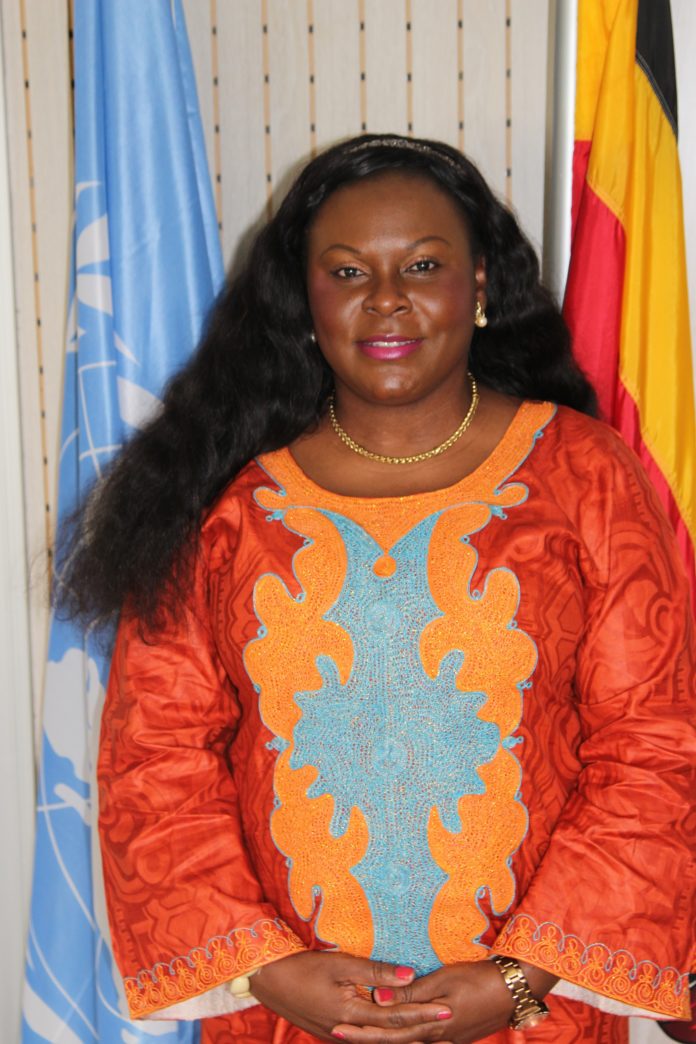
ROSA WALANGO: The United Nations Resident Coordinator/UNDP Resident Representative

By Rosa Malango 

‘Urban wetlands, prized land, not wasteland’

Achieving sustainable development and providing dignified humanitarian assistance requires us to place people and the planet at the center of our work. We all have a responsibility through our shared humanity to protect our environment and improve the quality of life of all. Uganda has the opportunity to pursue a green growth strategy as it pursues its development aspirations.


Do you want fresh and clean air in Kampala, Mbarara, Mbale or any town in Uganda? Protect its wetlands. Wetlands are a natural sponge that cleans rain absorbing, filtering and storing rain water before it reaches bigger water bodies like lakes and rivers.

Despite their importance, it’s estimated that at least 64% of the world’s wetlands have disappeared since 1990. In Uganda, the wetlands area has reduced from 15.6% in 1994 to 10.9% in 2017 despite the fact that they are ecologically and economically important.

Every year on 2nd February, we celebrate, World Wetlands Day’ to mark the adoption of the Ramsar Convention on Wetlands and to reflect on the state of this great resource in each country. This year the global theme is ‘Wetlands for a Sustainable Urban Future,’ and the theme in Uganda is Urban wetlands, prized land, not wasteland’. This year’s themes remind is of the importance of wetlands in urban areas.

As cities expand and demand for land increases, the tendency is to encroach on wetlands. They are degraded, filled in and built upon. In Kampala and Arua where the national commemorations will be hosted, urbanisation, industrialisation, the search for land for settling and farming by the urban poor has led to reclamation and degradation of wetlands. Some urban dwellers also view them as a garbage disposal point which contaminates the environment and affects the quality of our health and wellbeing.

When left intact or restored, urban wetlands make cities livable in many important ways. They reduce flooding, replenish drinking water, filter waste, provide urban green spaces and are a source of livelihoods as well as a habitat for several plants and animal species. As natural sponges, wetlands absorb flood waters during heavy rains and release it in the dry season, which helps communities cope with extreme weather events and protects them from disasters.

Urban wetlands are indeed prized land playing a vital role in making cities safe, resilient and sustainable. This is the aim of Sustainable Development Goal (SDG) 11 on sustainable cities and communities and 12 on responsible consumption.

In the rapidly growing Kampala urban center, Nakivubo swamp, for example, remains a buffer for Uganda’s capital city. The swamp covers some 550 hectares (1,360 acres), stretching from Kampala’s industrial heart through residential areas with around 100,000 households. A 2003 estimate put the value of its natural water treatment services at $US2 million (7.2billion shillings) per year.

Wetlands also filter the water that seeps into aquifers, replenishing the important water sources while the silt-rich soil and abundant plants in wetlands function as water filters, absorbing some harmful toxins and industrial waste. Urban wetlands also help treat sewage from households. This contributes to SDGs 13 on climate change, 14 on protecting life below water and 15 on protecting life on land.

Urban authorities face a practical dilemma of how to meet the increasing demand for land in cities while still preserving this important resource. If we are to attain sustainable development and inclusive economic growth, it remains important for authorities and business leaders to integrate wetland preservation into development and investment planning for cities, towns and districts. It makes environmental and economic sense.

Every citizen has a role to play in the achievement of the
Sustainable Development Goals, the national vision 2040 and the national development plan. Urban authorities, local councils, cultural and religious leaders, private sector leaders and civil society champions must ensure that policies and actions in Uganda help conserve urban wetlands and sustainable development. Uganda has rich heritage linked to its culture, people and environment. Responsible environment friendly development represent an opportunity for positive traditional values of respect and protection of the environment to be complemented by contemporary values outlined in the SDGs.

We have an opportunity to improve knowledge management on this important issue. I’m delighted that last year our partnership with the
government of Uganda in this area led United Nations Development Programme (UNDP) and the United Nations Environment Programme to support the development of Uganda’s first wetlands atlas in partnership with the Ministry of Water and Environment. We have supported the dissemination of the atlas online and in hard copy to members of Parliament, government, development partners and business leaders. It is my hope that the media will join us in disseminating this important information through your programs in English and local languages.

The Atlas details the location and current state of wetlands in Uganda. It also provides recommendations on how to restore and protect wetlands across the country. To implement its recommendations, last year 2017, UNDP and the Government signed a financing agreement for the eight year Green Climate Fund project that will focus on wetlands restoration and community resilience. This project is a response to the Presidential Initiative on Wetlands.

UNDP is also working with the National Environment Management Authority (NEMA) to implement the Biodiversity Finance Initiative (BIOFIN) which aims to conserve biological resources by identifying cost effective ways of protecting biodiversity in Uganda. The Strengthening Climate information and Early Warning Systems (SCIEWS) project has supported the government to install modern digital information infrastructure for weather, climate and disaster management.

Since this day also marks the adoption of the Ramsar Wetlands Convention, I would like to congratulate Uganda for ratifying this convention and a host of other international agreements including the Convention on Biological Diversity, the United Nations Framework Convention on Climate Change and the Convention to Combat Desertification.

I urge the Government and Parliament to ensure that these legal frameworks are fully implemented at all levels to save this beautiful country from the high price it could have to pay if its environment is depleted while it pursues its development aspirations.

This wetlands day, let us avoid settling and farming in wetlands, dumping waste in them. Let us plant trees around them and educate our local communities on their importance. On behalf of the United Nations family, I reiterate our commitment to support Uganda as it pursues its socio-economic transformation.

Healthy wetlands will guarantee clean and environmentally safe urban centres for us, our children and generations to come. Together let’s eradicate poverty, reduce inequalities and ensure a sustainable approach to development. SDG 17 on Partnerships for the goals is key to the successful inclusive development of the Pearl of Africa.

The author is the United Nations Resident Coordinator/UNDP Resident Representative


Stories Continues after ad

Cuba: Fidel Castro’s son ‘takes own life’

The 68-year-old son of Cuba’s former leader Fidel Castro has killed himself in Havana, according to Cuban state media.
Fidel Ángel Castro Díaz-Balart was found on Thursday morning and is said to have suffered from depression.
The first-born son of the late president was nicknamed “Fidelito”, or Little Fidel, because of the family resemblance.
He was a nuclear physicist, trained by the former Soviet Union.
“Fidel Castro Díaz-Balart, who had been treated by a group of doctors for several months due to deep depression, took his life this morning,” Cuba’s official newspaper Granma reported.
State television said he had been receiving medical treatment as an outpatient in recent months, following a hospital stay.
At the time of his death, he was a scientific adviser for the Cuban Council of State and he served as vice president of Cuba’s Academy of Sciences.
He headed the island’s nuclear programme from 1980 to 1992, before it was suspended after the Soviet Union’s collapse.
Castro Díaz-Balart was born during his father’s brief first marriage to Mirta Díaz-Balart, the daughter of a prominent pre-revolution politician.
His maternal family went on to become prominent figures in the anti-Castro community in Florida. His cousin Mario Díaz-Balart is a US congressman.
 Riding motorbikes with Che Guevara’s son
 Who was Fidel Castro?
The television announcement said his funeral would be planned by his family, but no further details were given.
His father, Fidel Castro, a revolutionary figure and one of the world’s longest serving political leaders, died aged 90 in 2016.

Stories Continues after ad

Oil and gas sector: Guild Presidents oppose Museveni on hiring foreigners

An Oil Rig: Students in tertiary institutions want to get skills to work in the oil and gas sector

Members of the Guild Presidents’ Forum on Oil Governance (GPFOG) have condemned President Yoweri Museveni’s recent suggestion that government will hire foreigners to work in the oil sector especially in positions where Ugandans lack the requisite skills.

President Museveni is alleged to have made the remarks at the Skilling and Local Content Forum held between January 22 and 23, 2018 in Kampala.

But in a statement issued days ago, GPFOG, a youth-led association of current and former Guild Presidents, Guild Ministers and youth leaders in institutions of higher learning across Uganda, convened a meeting in Kampala to review Museveni’s remarks on skilling Ugandans to find gainful employment in the oil sector.

‘The President’s remarks were not only painful and a rebuff to youth’s hopes of finding gainful employment in the oil sector, they were also testament to a lack of adequate commitment by his government in ensuring local content in the oil sector’, the group wrote.

Despite government putting in place policies and laws and undertaking some interventions such as instituting a National Suppliers Database to enable national participation in the oil and gas sector, the youth note that what is being done is insufficient and that youth access to information on relevant oil and gas skills is still limited, putting them at risk of studying irrelevant courses.

Moreover, the group says, vocational training in Uganda is still weak and government efforts to strengthen it by creating centres of excellence two years before production of first oil in 2020 is not helpful. Further, the youth say that their lecturers and other trainers are still weak because of inadequate efforts by government to enable industry attachments that would see lecturers and trainers deliver better content.

The youth also say that the poor regulation of oil and gas training institutes including sub-standard ones that have mushroomed across the country puts them at risk of being exploited and receiving irrelevant skills.

The group wants government to strengthen vocational and university training particularly to increase the number of certified institutes, put in place a vocational training curricula, set standards for training and institute a multi-stakeholder committee to uphold these standards.

Further, they suggest that government puts in place a quota system that shows what percentage of Ugandans must be employed in the oil and gas sector. “These quotas must be strictly enforced,” they say in a statement.

They argue that the Ministry of Energy and other relevant ministries must put in place a workplan that details for how and when Ugandans will be trained to ensure that there are enough skills to meet the set quotas. The workplan must be widely publicised to enable Ugandans hold government accountable, the statement says

The group urges government to support universities to improve the training. “Government must strengthen trainers and lecturers through industry attachment and others and must ensure hands-on training through apprenticeships and internships by students,” they say, calling for the oil and gas skills communications strategy that is planned for in the National Content Policy to be put in place.

Uganda has proven crude oil reserves of 6.5 billion barrels, about 1.7 billion of which is recoverable. There is also an estimated 500 billion cubic feet of non-associated gas and under 200 billion feet of associated gas, just from 40 per cent of the exploration areas.

Preparations for the construction of the oil refinery and pipeline are underway as the country aims to have the first oil drilled for commercial purposes by the year 2020. Given that the oil sector is the youngest in Uganda, most nationals don’t have the required knowledge and skills, much as some youth have rushed to gain the skills. Fear is that they might lose jobs to foreigners and that’s the concern of GPFOG.

Stories Continues after ad

De Bar closed over Mozey Radio’s death

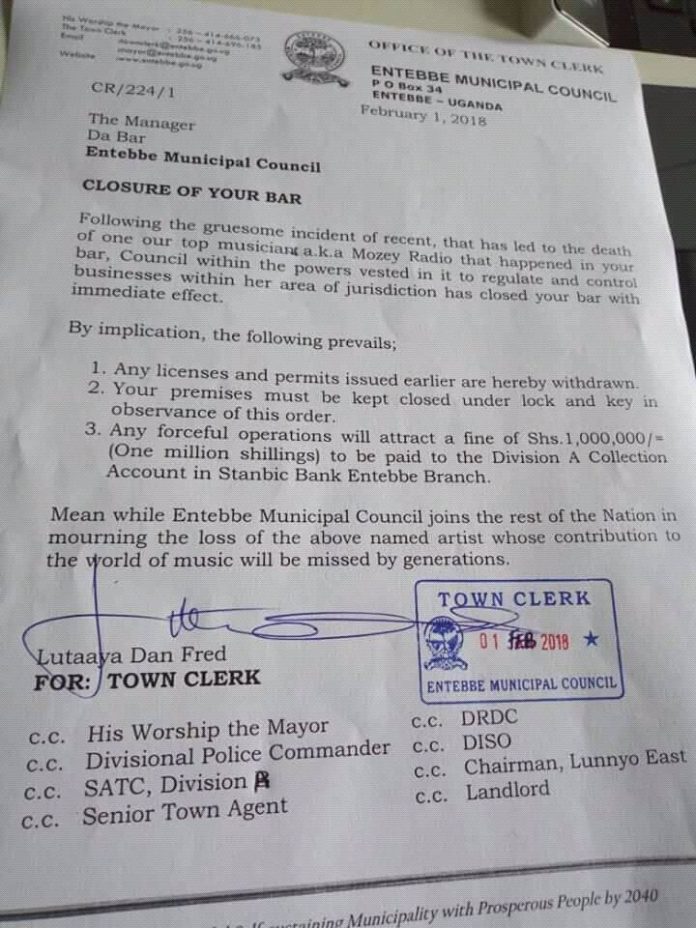
The Entebbe Municipal Council letter ordering the closure of De Bar

Entebbe Town Council has indefinitely closed De Bar, a hangout joint where celebrated Musician Moses Nakintije Sekibogo was injured in a brawl that eventually culminated in his death yesterday morning.

‘Following the gruesome incident of recent, that has led to the death of one of our top musicians aka Mozey Radio that happened in your bar, Council within the powers vested into it to regulate business within her area of jurisdiction has closed your bar with immediate effect’, a February 1 letter to the management of De Bar and signed by Dan Fred Lutaaya on behalf of Entebbe Town Clerk, states in part.

Singer Mozey Radio was allegedly involved in an altercation at the joint that resulted in brain damage.

He died yesterday after being admitted to the Case Hospital’s Intensive Care Unit (ICU) for about two weeks and police has since made some arrests.

Mozey Radio will be buried tomorrow in Nakawuka.

Stories Continues after ad

Agriculture ministry issues guidelines for new planting season

Agriculture Minister Vincent Ssempijja

As a measure to increase agricultural production and reduce post-harvest losses, the Ministry of Agriculture, Animal Industry and Fisheries (MAAIF) has issued new guidelines to farmers for the new planting season that sets off in March when rains begin. 

In a statement to the local media, Agriculture Minister Vincent Ssempijja says the new measures will help improve farmers’ food security and household incomes.

Urging the media to pass on the message to the population, Ssempijja said his ministry and the district local governments ‘must promote and support sustainable agricultural production and post-harvest technologies for improved food security and household incomes’.

The statement says MAAIF has trained district extension officers on post-harvest handling.

‘The CAOs are requested to urge these officers to train Value Chain actors to enable proper handling the grains appropriately for improved quality and safety’, says the statement.

The minister further says that food nutrition and family life education has been conducted for extension workers who are in turn expected to guide households on growing nutritious foods like leafy vegetables and fruits (oranges and citrus), pumpkins, yams and orange flesh sweet potatoes.

‘Households should also keep micro livestock like goats, chicken, rabbits and fish farming.  The Ministry is ready to provide them fingerlings. We encourage households to keep diary animals for milk and manure to improve soil fertility for gardens’, Mr. Ssempijja says.

The minister also encouraged communities in drought prone areas to harvest water and de-silt dams in order to harvest enough water. He added that those in flood prone areas should open canals before rains begin to avoid flooding.

‘LCI chairpersons and Parish chiefs are requested to sensitize and mobilize communities to enforce bye-laws on wild fires, proper utilization of wetland and to discourage cultivation on steep slopes.  But also to protect the water catchment areas for growing trees or plantation crops’, he says.

Meanwhile, the minister has advised households harvesting maize and other cereals to do it quickly and be able to prepare fields for the next crop. He has condemned farmers who spray green kobs with herbicides so that they dry up fast.

‘The Ministry condemns the habit of spraying crops with herbicides to quicken drying; the practice renders the harvest unsafe.  This renders the crop unsafe for human and animal consumption and also compromises the grain quality’, he says.

He added that farmers should be advised to properly dry maize on tarpaulins/raised platforms to maintain the quality of grain.

‘If the grain is stored when it is still wet, this leads to discoloration and reduced quality’, he says.


Stories Continues after ad

Korean diplomat ends Uganda tour of duty

The out going Ambassador of the Republic of Korea to Uganda Mr. Park Jong-Dae bidding farewell to Vice President Edward Kiwanuka Ssekandi. Ambassador Park whose 7 years duty tour to Uganda has come to an end, leaves Uganda this week. The ceremony took place at Vice President’s office in Kampala. February 1, 2018.

The outgoing Ambassador of the Republic of Korea Park Jong-Dae has called on the Vice President Edward Kiwanuka Ssekandi to bid him farewell after his tour of duty in Uganda as South Korea’s Head of Mission in Kampala.

During the meeting at the Vice President’s Office in Kampala, Ssekandi appreciated Ambassador Park’s passion for Uganda’s development and strengthening of ties between the two countries which he said have facilitated high level interactions between the two countries.

The Vice President cited President Yoweri Museveni’s first ever official visit to South Korea and a reciprocal visit by Korean President last year during which several bilateral commitments where made between the two countries.

Ssekandi said that Ambassador Park was leaving at the time Uganda needed him most as it endeavors to learn from Korea’s history how it transformed from one of Asia’s poorest to the top 15 world industrialised economies in just 30 years.

He also observed that Uganda will continue supporting regional and global efforts aimed at pacifying the Korean Peninsula and looks forwards to a day when the two Koreas will return to talks aimed at unifying the North and South into a single country.

He also expressed Uganda’s appreciation to the people and Government of South Korea for the support extended to Uganda including the Kampiringisa farmers’ and leadership training centre, Ntinda Vocational Centre, Soroti fruit factory currently under construction, the training of Ugandans in various fields among others and wished Ambassador Park a successful career at his next station.

Ambassador Park said he was indebted to Government and people of Uganda for the support and care he received during his 7-year tour of duty in Uganda which he said was one of the longest periods in the history of diplomatic service of his country and asked that the same support be extended to his successor.

Ambassador Park, who will be leaving over the weekend for Pretoria, South Africa, where he will be serving his last term as his country’s diplomat, said he has enjoyed a good time in Uganda and promised to return to Uganda, more so after retiring.

Park, who grew up in Uganda as the son of a diplomat, was educated at Aga Khan High School in the 70s before returning to Seoul following the Embassy closure in Kampala He will be replaced by Kim You-churl, formerly Korea’s Deputy Head of Mission in Nicosia-Cyprus.

The South Korea Embassy in Kampala was re-established as a fully-fledged Embassy in 2012 after 17 years of closure and downgrade of diplomatic relationship with Uganda to the level of a consulate. The closure in 1994 followed the restructuring in foreign services by the Asian Tiger.


Stories Continues after ad

The Mowzey Radio I knew

The late Mowzey Radio

By Steven F Mandu

The year was 2003 when I joined Kiira College Butiki, an all-boys school in Jinja, for my Senior Five.

As a student in a new environment, having come from Nabumali High School which is a mixed a school, I had few challenges fitting in the Butiki society more so one that had people like Moses Nakintije Sekibogo aka Mowzey Radio, a soul that could not even think of harming a fly.

This meant that I instantly started making friends to induct and help me catch up with the school’s syllabus, mostly because there was a difference in the literature syllabi that the school offered as compared to Nabumali.

In the literature lessons I sat next to the youthful and lively Sekibogo, who was later to become Mowzey Radio, the singer and song writer who died this morning after sustaining injuries to the brain during a brawl at the De Bar in Entebbe about two weeks ago.

And although I stayed in Aggrey House and Ssekibogo resided in Henry Muloki House, two dormitories that were far apart, we became very close acquaintances.

Sekibogo was a friend, both socially and academically, giving me his notes to copy what I had missed covering because I had joined Kiira College midway in Senior Six. Of import for me to remember were the Literature notes Sekibogo gave me because they were drawn from different books (options) from those we offered at Nabumali.

Needless to say we both scored good grades in Literature, and joined Makerere University on government sponsorship, with me being offered Bachelors of Mass Communication, while Sekibogo was taken in for a Bachelor’s Degree in Community Psychology.

On the other hand, I found Sekibogo very helpful because he had a passion for reading and writing. He was also a member of several groups, participating in academic discussions and issues of spirituality, the latter which ensured he rose to the chairmanship of the Scripture Union.

And in that role, Sekibogo was a humble boy who feared God and always inspired many to attend church services which were held in our school mess.

He was also a leader, the Deputy Head of House of Henry Muloki House, and a hardworking student whose grades were always high.

As such it was not surprising that he was among the first five students in the school, scoring over 20 points in the Advanced Level national examinations (UACE), and joining Makerere University for a Bachelor’s Degree in Community Psychology in 2004, on government sponsorship. Few however, know that he had applied for Law and that his grades were good enough for him to join the Faculty of Law.

Meanwhile, as earlier noted, the soft-voiced fallen musician also had a lot of passion for drama and debate, and was the one who wrote the drama pieces for Henry Muloki House during the inter- house competitions.

I first recognised his singing skills during our end of year party when he mimed a song by R Kelly, which did to his best. It was not surprising therefore that when we joined Makerere University a year later he had a full album of songs to his name!

Even when he had started hanging around with celebrities like Chameleone, Sekibogo was a down to earth chap who invited us to attend some of the events where he performed. And it was always a nice time hanging around him!

Also, during our first year at Makerere he always visited OBs like Kenneth Karuhanga, William Karangwa and Fred Daaki and I, all in Lumumba Hall, to which he was attached, for he was non-resident student.

Indeed, we sometimes had meals together in the Lumumba mess and when the ‘pocket were good’ we went to other places like the Guild Canteen.

There are so many other thing we shared with Moses Sekibogo both at Kiira College Butiki and at Makerere University over the four we were together, and in Mowzey Radio the nation has lost a talented, hardworking, intelligent and enterprising young man who had a lot more to offer and accomplish!

May his soul rest in peace.
Steven Mandu is a senior political reporter at Eagle Online


Stories Continues after ad
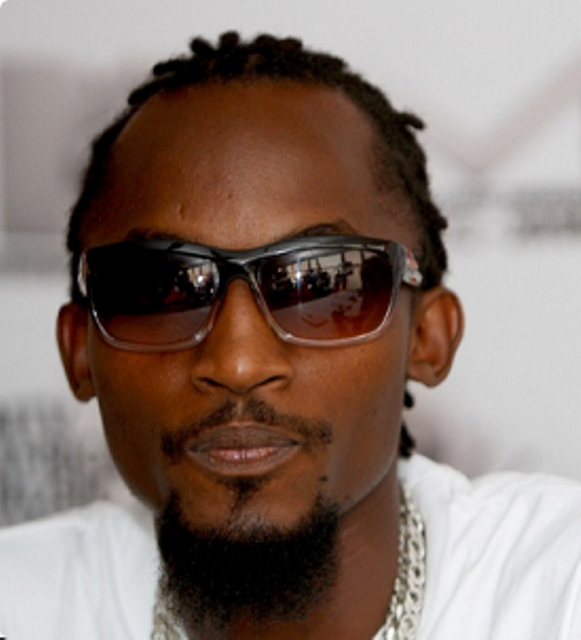
Museveni, hundreds of Ugandans eulogise Mozey Radio

President Yoweri Museveni meets with the 'Tubonga Nawe' artistes among them Moses Nakintije Sekibogo aka Mowzey Radio, who passed on early today at the Case Hospital

President Yoweri Museveni eulogized Moses Ssekibogo aka Mowzey Radio who died this morning at Case Hospital.

Mowzey, who was reportedly injured at De Bar in Entebbe, has been struggling for his life at Case Hospital in Kampala, and in a statement published on his Twitter account President Museveni, who had just made a Shs30 million contribution towards Mowzey’s medical bills, said the singer was a talented young person with a great future ahead of him.

‘I have been told about the untimely death of musician Moses Ssekibogo aka Mowzey Radio. I had only recently made a financial contribution towards his treatment and hoped he would get better. May he rest in peace’ the president wrote.


Mr Museveni was joined by thousands of other Ugandans in mourning Mowzey among them the Kyabazinga of Busoga kingdom and several artistes.

Kyabazinga

‘Rest in peace Mowzey Radio, the biggest music talent of this generation on the Continent, you will be dearly missed by everyone’, William Nadiope IV wrote on his twitter account.

MP Robert Kyagulanyi aka Bobi Wine

The MP for Kyadondo East Robert Kyagulanyi aka Bobi Wine said: ‘as an artiste, Radio has shone a light and since we don’t know when we shall die, we need to make the best out of it just Mowzey has done’.

‘He was an inspiration to the young generation, we lost Dan Kumapeesa, AKA 47 and the culprits were not brought to book. One would expect that for the service we offer this country, we need a little protection from the government’, he added.

According to Bobi Wine, Mowzey Radio’s death is a blow to the entertainment industry and the country.

‘To the generation he has been one of the people who have held our flag high globally; but we have lost an icon and we shall realize it slowly’.

Bebe Cool

‘It’s awful and sad to hear about the sudden and painful exit of our dear brother Moze Radio Sekibogo, I pray that Allah blesses our colleague’s departed soul with eternal peace and give us and his family the strength and support to cope up with the loss as we go through this difficult time’, Bebe Cool wrote on his Facebook page.

He added: ‘A person that departs from this earth never truly leaves, for they are still alive in our hearts and minds, through us, they live on. Surely my namesake will not be forgotten, Death leaves a heartache no one can heal, love leaves a memory no one can steal’.

Rest in Paradise brother!!

Balam Barugahare

Balam Barugahare, who has been closely following Mowzey’s treatment, noted that Case Hospital doctors did their best to manage the situation.

‘I want to thank our mum, the wives and sisters for taking care of him, Mowzey’s case has brought his wives together, he has been a unifying factor’.

Halima Namakula

‘When something goes wrong, come to me. Our children are dying so much this way; stop fighting, being a man doesn’t mean you fight, walk away, be in shame but stay alive’, Halima Namakula advised.

Meshach Semakula

‘We will never have another Radio. This is a big blow to the industry and the country at large’, said singer Meshach Semakula.


Stories Continues after ad