Stanbic Bank
Stanbic Bank
18.8 C
Kampala
Stanbic Bank
Stanbic Bank
Home Blog Page 1723

Bebe Cool shines in Derulo Coke Studio Collabo ‘Push Up’

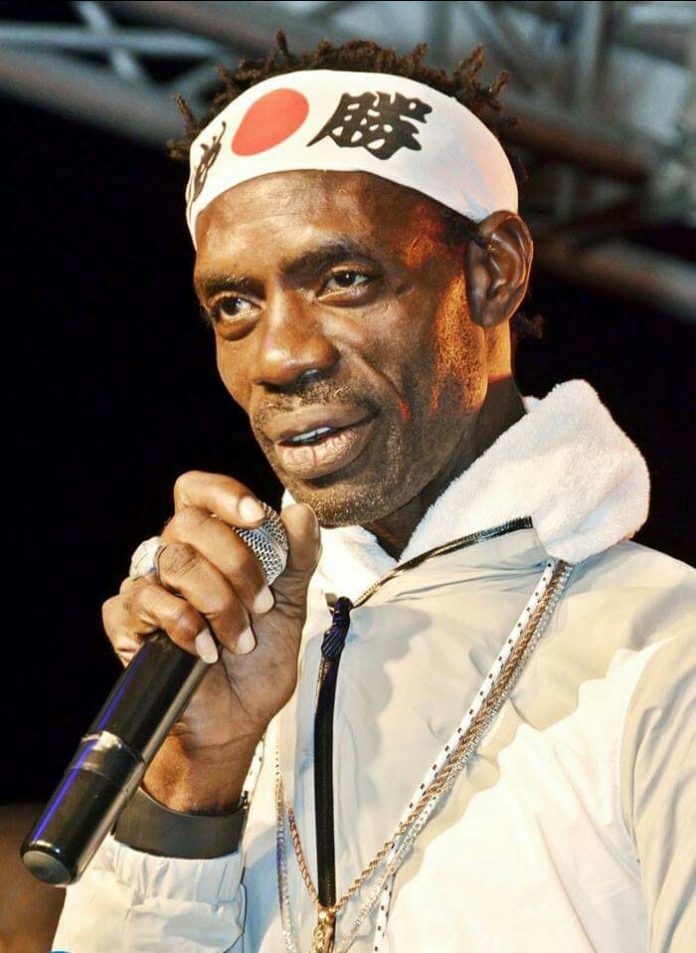
Bebe Cool on stage

Bebe Cool recently defended his title ‘Ugandan Legend’ when he displayed hidden talent on the RnB track titled ‘Push Up’ with Jason Derulo – one of the world’s most successful songwriters and recording artistes.

The track that also features Dela from Kenya and Rayvanny from Tanzania shows the artistes’ ability to not only collaborate but also learn from the unique experience of working with an Urban pop mega-star who has sold over 50 million singles worldwide and racked up 11 platinum singles so far.

Produced by Masterkraft, one of the best producers in Nigeria, the track opens with Jason Derulo who is later joined by Dela and then Rayvanny. Bebe Cool makes an exciting entrance amidst an indoor fireworks display as he adds some dancehall sizzle to the already outstanding collabo, prompting the other artistes to unleash their favorite dance moves. Dela restores order to the stage with her soothing voice, bring the mashup to an end.

Commenting about the track and the entire Coke Studio Africa season, producer Masterkraft asserts that Coke Studio Africa is the most important platform for African artistes.

“Having broken the barrier of ethnicity and culture, Coke Studio Africa is certainly one of the best things that has ever happened to African music. Coke Studio influences the part of music that interests a wider range of African people… If it wasn’t for Coke Studio Africa – as a producer – I am sure I wouldn’t have met some of the top artists I’ve worked with on and after the show,” Masterkraft says.

Coke Studio Africa is a non-competitive music collaboration show, which seeks to bring together and celebrate the diversity of African music and talent.

It also gives upcoming artistes the opportunity to work with some of the best local and international music and production talent. It brings together artistes from different genres, eras and regions to create a modern and authentic African sound through musical fusion.

 

Stories Continues after ad

NSFF doubles down on voluntary savers to grow base

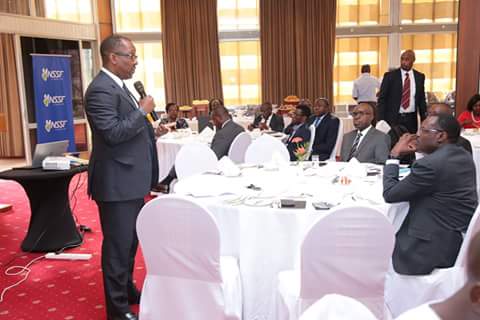
Mr Richard Byarugaba addressing journalists about NSSF five year strategic plan at the Kampala Serena Hotel today morning.

• Targets shs1trillion revenue this year

National Social Security Fund Chief Superintendent, Richard Byarugaba, shared the Fund’s five year plan with journalists over breakfast and his eye is on tap more voluntary savers to grow numbers.
Currently the fund has registered 4,000 voluntary savers number and the current fund’s active membership stands at 800,000. The plan is to grow the figure to five million with a sizeable number being voluntary savers.
Mr Byarugaba is sure of the move because out of the 15 million Ugandans in employment, only four million are in formal employment (hence mandated by law to save with NSSF) and the remaining 11 million are potential clients in case an enabling law is put in place.
Taking journalists through the six years of his reign at the now largest financial institution in the country, Mr Byarugaba said he plans to grow the Funds asset portfolio from the current Shs8.2 trillion to Shs20 trillion in five years.
“We are here today because seven years ago we dared to dream,” he said adding that not even the proposed sector liberalization law will cow him and his team from chasing the set targets.
“If government chooses to support the law, we shall compete because we have the best services for our customers. We have got capital and resources,” he said.
Mr Byarugaba also said the Fund is now targeting to grow its annual revenue by Shs88billion from Shs129 billion in 2009/10 financial year to the Shs1trillion mark. The rake in last financial year was Shs912 billion falling below the trillion mark by Shs88billion.
Money will be raised through increased individual contributions and increased investment in Private Equity, more product investments and product innovations.
“We shall have more new benefits relevant to customer across the new journey. We shall have more roadshows to communicate directly with the customer and more clear straight-through processing where one can initiate a claim and complete transaction without repeating any process,” Mr Byarugaba promised.

Stories Continues after ad

Parliament tasks BoU to account for monies paid to lawyers

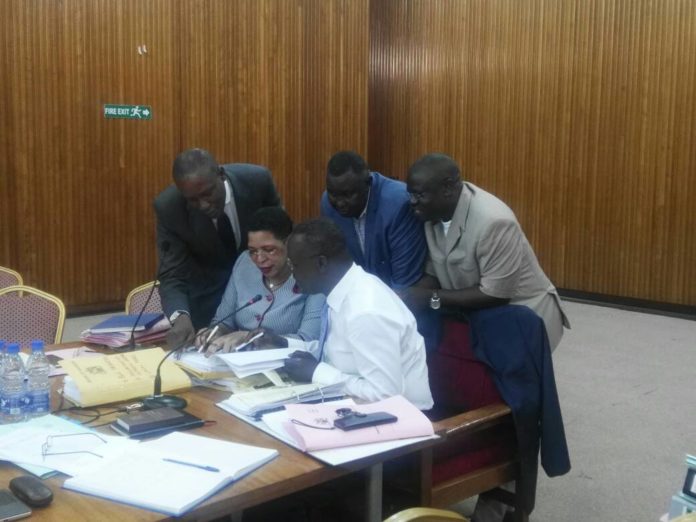
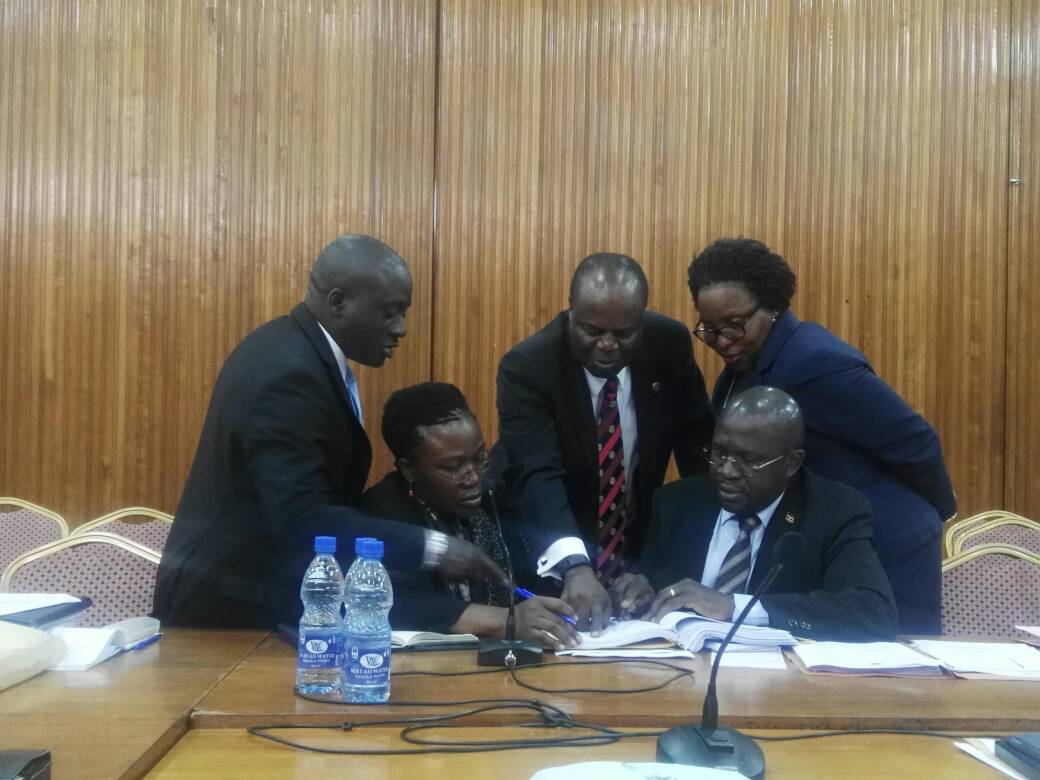
COSASE Chairman, Abdu Katuntu and his colleagues scrutinize documents brought by BoU.

The parliamentary committee on Statutory Authorities and State Enterprises (COSASE) chaired by Bugweri County MP Abdu Katuntu has today tasked the Bank of Uganda to account for all legal fees that it has spent from 2013 including fees involved in the case between BOU and Crane Bank.

The committee guided the BOU officials led by Deputy Governor Louis Kasekende, not to delve into the merits and demerits of the ongoing case between BOU and Crane Bank, but instead breakdown the amount of money that has been spent.

COSASE deputy chairperson of Anita Among noted that despite reports indicating that the BOU spent over Shs 3.6 billion in the financial year 2015/2016, other reports indicate the central bank spent only Shs 1.6 billion.

“Is this a budgetary problem or expenditure problem?’’ Ms. Among wondered.

She further noted that the BOU has nine lawyers however contracts have always been given to external lawyers, adding that the external lawyers have always been paid much money before even signing legal contracts with them.

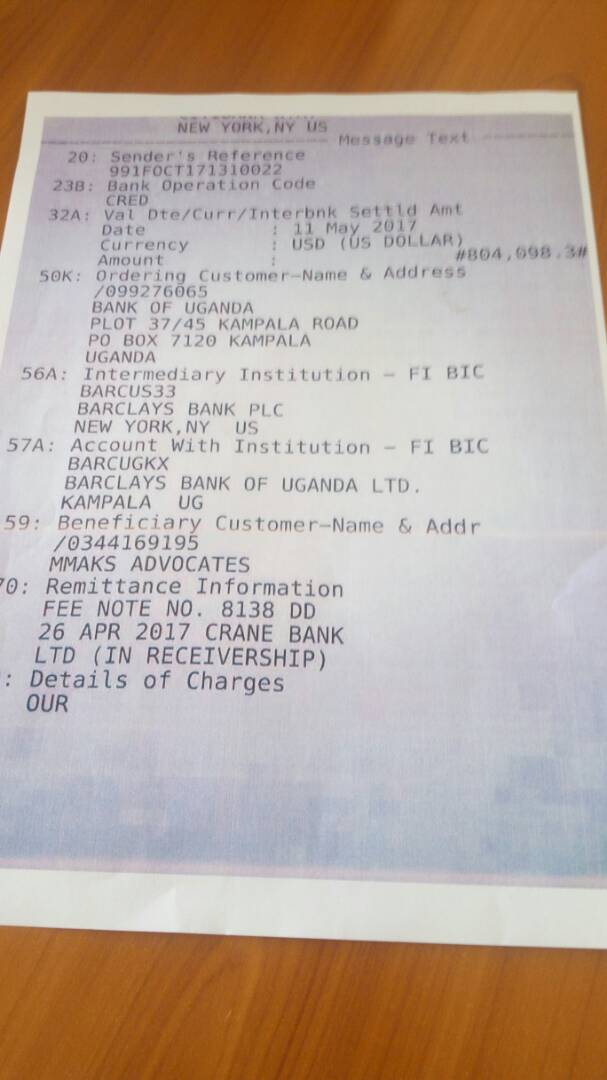
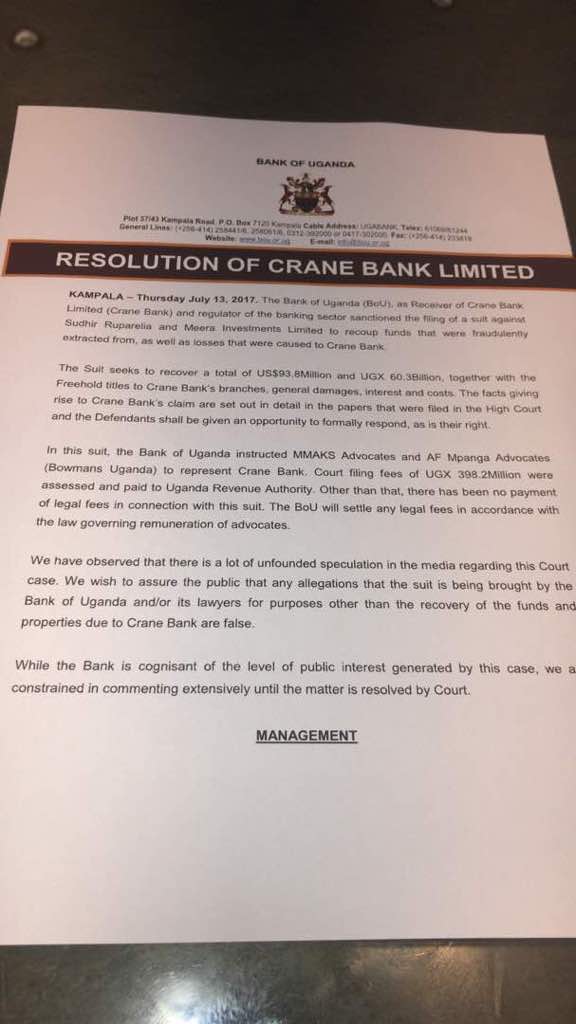
‘’We want you to give a breakdown of that money, not just saying we spent six billion shillings because it is tax payers money,” Ms Among instructed the BOU officials. Earlier BoU in a press statement denied they hadn’t paid any money to external lawyers but documents obtained but this website show over Shs4 billion was paid to MMAKS Advocates alone.

In response the BOU officials asked for more days to compile a comprehensive report and the committee responded by giving them two days.

The committee will again convene on Tuesday and Wednesday next week after receiving the report.

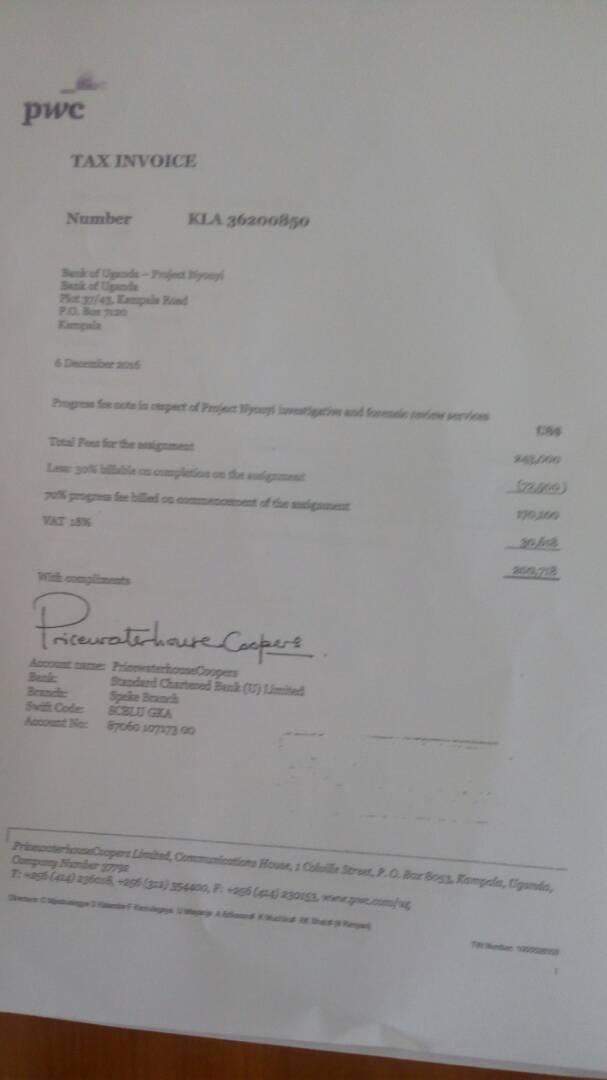
Last week the EagleOnline broke the story detailing how city law firm MMAKS and audit and accounting firms PwC and KPMG were paid billions of shilling in legal and managements costs by BoU in respect to the ongoing case between the central bank, Crane Bank (in receivership) and city tycoon Sudhir Ruparelia.

The case has since been referred for mediation.
It was discovered during the Committee session to respond to the Auditor General’s queries, that the Central Bank paid out Shs61M in 2013/2014, while in the next financial year, the Bank paid Shs681M in 2014/15 and in 2016/2017,Shs398 million was reported to have been spent by June 2017.
But the legal fees bill shot up in 2017 when Shs1, 446,954,550 was recorded to have been paid by September 15, 2017.

BoU Deputy Governor Louis Kasekende and team appear before COSASE.

This raised questions over the budgeting process in the Central Bank after it was revealed that most of the money paid in legal fees resulted from other departments.
Committee Chairperson, Abdu Katuntu asked the Central Bank’s officials if they issued any public notice on the amount of money spent on the Crane Bank case.
Margaret Kasule, Legal Counsel at BoU declined to reveal the amount so far spent saying it would jeopardize the merits of the case under mediation at High Court-Commercial Division, stating: “When we were coming for this meeting, we didn’t prepare anything to do with Crane Bank.”
But Katuntu rejected Kasule’s response saying that his demands have nothing to do with the merits of the case.
“I just want to know how much money BoU has spent. Is it that you aren’t hiring qualified lawyers or can’t train them and are doing clerical work? You need to hire lawyers who are well experienced, then train them,” Katuntu said.
During the proceedings, MPs came to learn that the Central Bank hired private lawyers to help register its land titles and mortgages for properties.

Stories Continues after ad

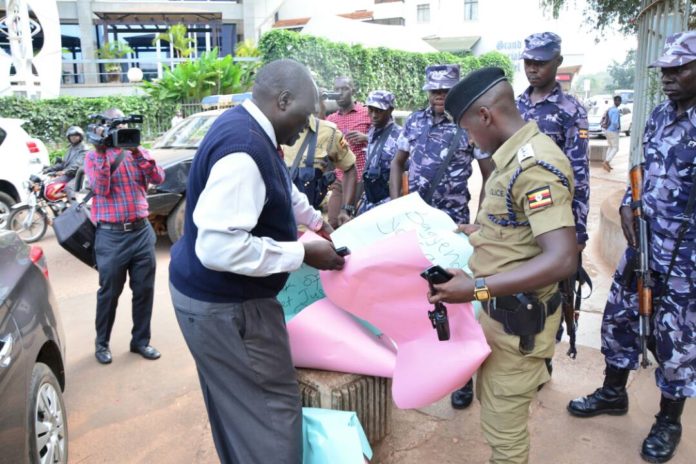
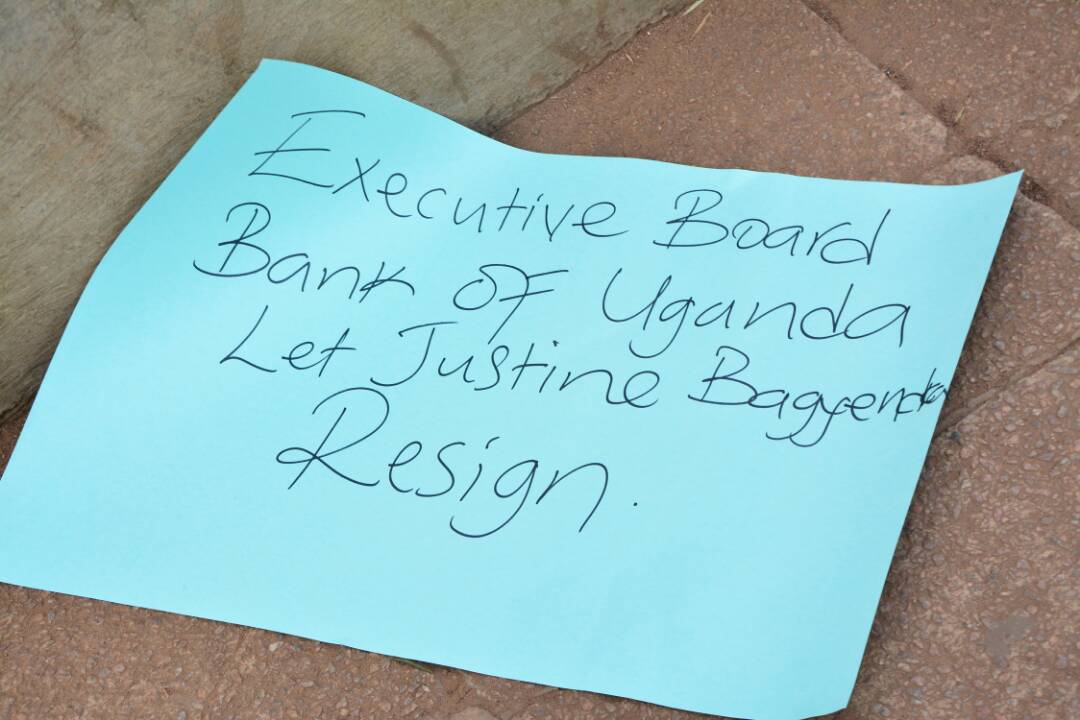
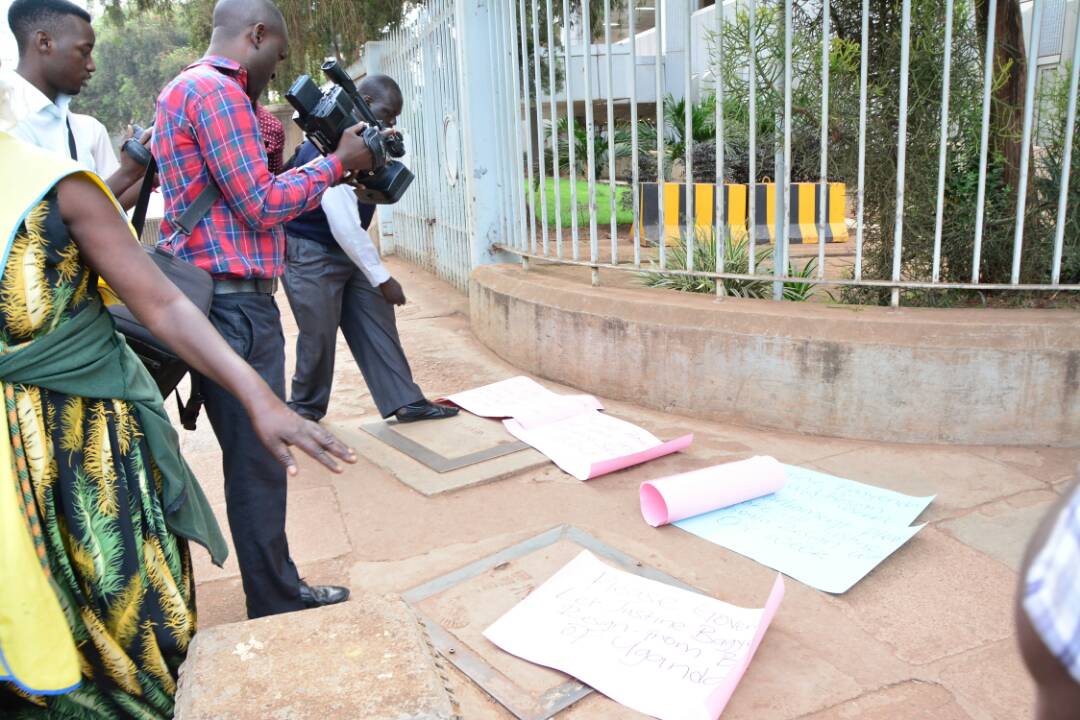
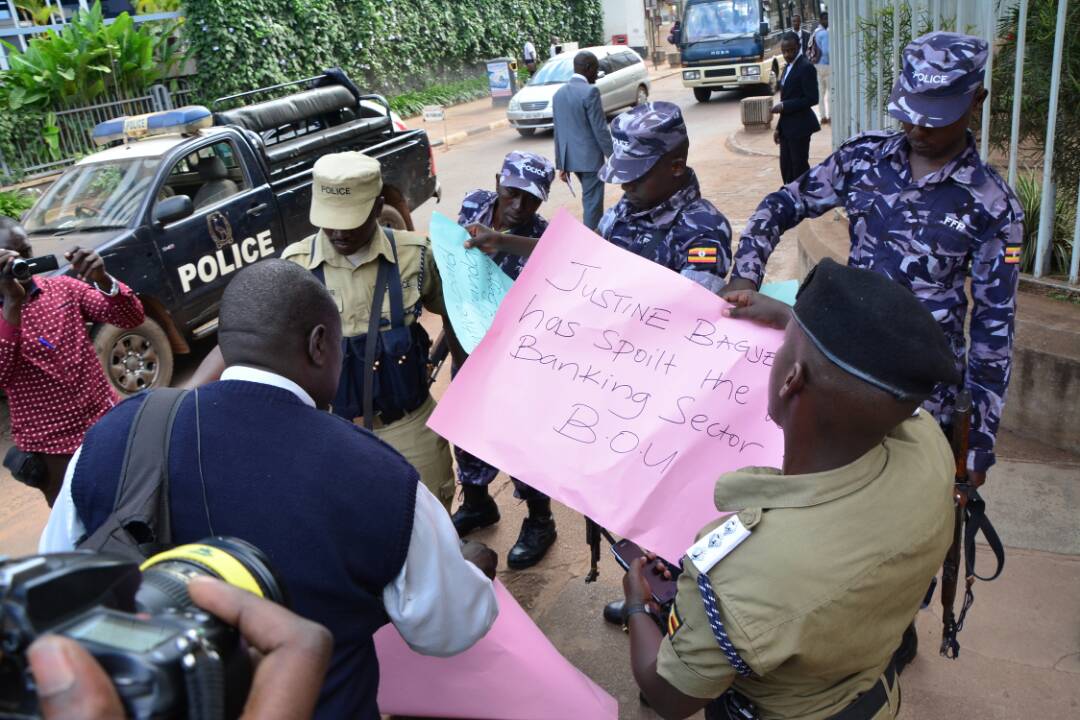
Crowds demonstrate at BoU, demand sacking of Justine Bagyenda

An unknown group of people have stormed Bank of Uganda with placards demanding for the ‘sacking or resignation’ of Executive Director of Bank Supervision, Justine Bagyenda.

The immediate reasons why the crowds were demonstrating aren’t clear but lately BoU has been embroiled in scandals of overspending, the latest being the Shs4 billion payment to city lawyers handling the court case involving former Crane Bank owners and BoU.

The BoU paid law firm MMAKS Advocates about Shs4 billion while at the same time the Central Bank has been questioned as to why it held a secret account in Germany with six million Euros.

Today’s demonstration came as the BoU’s top executives were supposed to appear before Parliament’s over sight committee, the Committee on Statutory Authorities and State Enterprises (COSASE) to answer to among others, queries of procuring ‘executive pens’ at astronomical amounts.

While appearing before the Parliamentary Committee the BoU officials disclosed that they bought 350 pens for the BoU Golden Jubilee Commemoration at a cost of Sh125m, with each pen valued at Shs357, 000 and causing a public uproar.

Meanwhile, two months ago the committee tasked the central bank to submit all documents regarding the audit queries for financial year 2013/14.

Stories Continues after ad

CCTV cameras ‘betray’ LDC thieving student

The LDC logo

Any post-graduate student pursuing a career in any judicial jurisdiction should know that in principle ‘you go to the law with clean hands’.

But it seems one of the students at the prestigious Law Development Centre (LDC) does not want to be bound by such strictures, and on November 20 marched off with a lecturer’s backpack from the Computer Laboratory.

Interestingly, this ‘thief-cum-future lawyer’ is also averse to technology and did not even for once, think about one of the reasons as to why CCTV cameras were installed in the Computer Lab.

Anyhow, the theft was reported and soon after a statement released by the LDC Academic Registrar Everest Turyahikayo, imploring the thieving student, whose identity is now known after the CCTV review, to discretely return the stolen bag in exchange for immunity from any form/type of disciplinary action.

“Dear Students,

This is to inform you that today a lecturer reported loss of her black bag stolen after the lecture on 20th Nov 2017 from the computer laboratory. A team of experts has this morning examined the CCTV footage in the library. The identity of the student who picked the bag has been obtained. The student is yet to handover the lost item to LDC administration.

This is to request the student who picked the small black bag to return it today by 4:30pm. The bag should be dropped at the Academic Registrar’s desk. In case you used the money in the bag, please return the bag and other contents.

I wish to give assurance that should you deliver the bag today within the indicated time, no adverse action will be taken against you.”

However, despite Academic Registrar Turyahikayo’s pleas and the ultimatum, the bag is yet to be returned.


Stories Continues after ad

Uganda Police running Mafia syndicate-Crisis report

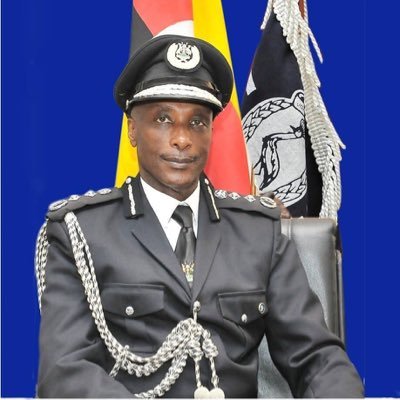
Being Investigated: Former IGP Gen. Kale Kayihura

Uganda Police is running a mafia syndicate akin to that described in Mario Puzo’s book the God father, a new report by the International Crisis Group shows.
Only short on naming who the God Father at the helm of the syndicate is, the report says police facilitate organized crime, run protection rackets, run drug deals and engage in turf wars.
Because of that, the report notes, a force supposed to serve and protect is instead contributing to crime.
“Allegations of criminal activity within the police undermine its legitimacy. Violent crime, including murder, is on the rise as police ability to carry out regular duties declines,” the report, released this afternoon in Germany, reads in part.
The reports indictment on Police lends credence to President Museveni’s assertion that force expected to protect people’s property and lives was infiltrated by the ‘mafia’.
It should be remembered that in March this year, while grieving with slain late Assistant Inspector General of Police, Andrew Felix Kaweesi’s family in Kulambiro, Mr Museveni instructed police Chief Gen. Kale Kayihura to clean the force of criminal gangs.
The report blames the degeneration of the erstwhile professional and somewhat effective Police on its being flagrantly politicized by the Uganda’s political leaders.
The Force, the report says, is, “now more focused on disrupting opposition activity than fighting crime, and in part [contributing] to the breakdown of local order as traditional institutions cannot cope with complex societal problems.”
The rise of informal security groups, most notably the Crime Preventers only blur responsibility lines and erode accountability.
“Politicized policing has weakened the influence of better trained and disciplined career officers.
“Police officers carry out functions that are nominally intended to preserve public order yet in reality function as the president’s first line of defense against rivals. They spend much of their time disrupting opposition activities,” the report reads.
Efforts to reach the newly appointed Police Spokesman,, Emilian Kayima, were futile as his phone went answered.
Declining state of affairs
The report also notes that Uganda is gradually slumping into a failed stated due to the inefficiencies brought about by patronage politics and a downward spiral of declining governance, poor economic performance and local insecurity over the uncertainty of the country’s political roadmap.
“President Yoweri Kaguta Museveni, in power since 1986, appears unwilling to step down; supporters and detractors alike expect him to rule until he dies or engineers a handover to a close ally or family member.
He will be 77 by the next election in 2021 and is poised to amend the constitution’s 75-year age limit, despite objections from the opposition, civil society and some in his own party,” the report says.
It is however quick to point out that despite his stay in power, President Museveni retains support, particularly in rural areas, not all of which is patronage-based.
This, it says, is because Museveni’s attachment to glory is partly because he brought in peace and economic stability after the 1980s civil wars and eventually defeating the Lord’s Resistance Army rebellion.
In order to mitigate longer-term dangers of civil strife, the report advises donors to be more sensitive to the political impact of their assistance by avoiding projects that contribute to ruling party patronage.
“For its part, President Museveni’s government should: Hold a credible National Dialogue: This should be done by revisiting plans to which the ruling party itself had agreed after the February 2016 election.
“Such a dialogue should be broad-based and focus on popular consultations with Ugandan citizens to discuss issues associated with the presidential succession and reduce fears that it might end in violence. Government should take steps to professionalize the police and improve its leadership,” the report reads.
It further says, “To stop the decline in police operational capacity and address criminality within police ranks, the government should re-institute a merit-based system of promotions in the senior command and investigate and prosecute alleged crimes by members of the force.
It also should end or reduce use of informal, non-uniformed groups, particularly the Crime Preventers and improve local governance.
International Crisis Group is Belgium based and describes itself as an independent, non-profit, non-governmental organization committed to preventing and resolving deadly
CLICK on Link
https://www.crisisgroup.org/africa/horn-africa/uganda/256-ugandas-slow-slide-crisis

Stories Continues after ad

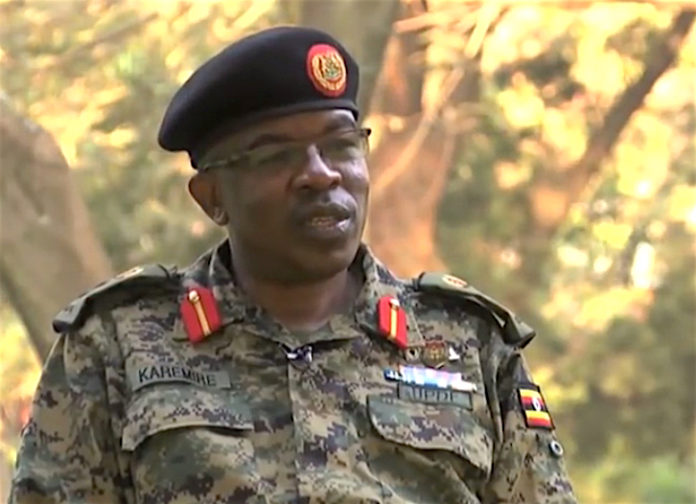
UPDF not withdrawing from Somalia – Brig. Karemire

Brig. Karemire, Confirmed the death.

The Uganda Peoples Defence Forces is not withdrawing from Somalia, the army spokesperson Brigadier Richard Karemire has said.
Brig. Karemire’s comes in the wake of reports that the African Union (Amisom) had begun the withdraw of troops from the troubled Horn of Africa country following the death of over 1000 people in the last three months.

“We are not withdrawing from Somalia as UPDF. Our withdrawal is conditioned based and will be in line with Amisom and the Somali government as we don’t have a concrete plan” Brig. Karemire told EagleOnline
While the countries that are withdrawing have not been established, the development also comes at a time when the Somali Defence Minister Abdirashid Abdullahi and army boss Ahmed Mohamed Jimale Irfid, tendered in their resignations, while National Intelligence and Security Agency director general Abdillahi Mohamed Sanbalooshe was fired following the increased terror attacks.

Stories Continues after ad

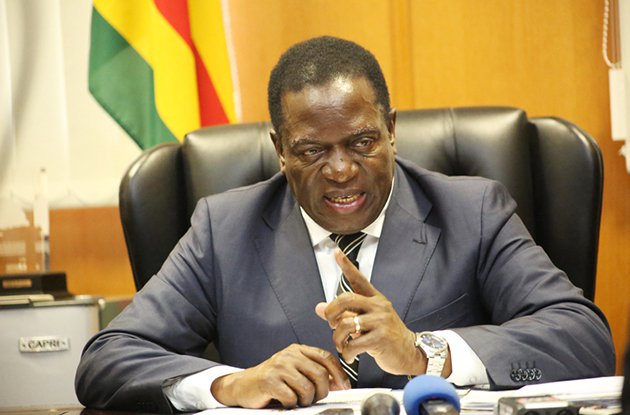
Zimbabwe latest: Emmerson Mnangagwa urges Mugabe to quit now

Emmerson-Mnangagwa

Zimbabwe’s former vice-president, whose sacking led to last week’s army takeover, has urged President Robert Mugabe to resign immediately.
Emmerson Mnangagwa said he fled abroad two weeks ago when he learned of a plot to kill him, and he would not return until he was sure of his security.
The ruling Zanu-PF party is expected to begin impeachment proceedings in parliament later on Tuesday.
Mr Mugabe is accused of allowing his wife to “usurp constitutional power”.
Speaking from an undisclosed location on Tuesday, Mr Mnangagwa said the 93-year-old president should heed the “clarion call” of his people and step down.
“I told the President that I would not return home now until I am satisfied of my personal security, because of the manner and treatment given to me upon being fired,” he said in a statement.
Mr Mnangagwa’s dismissal earlier this month was seen by many as clearing the way for Mr Mugabe’s wife Grace wife to succeed him as leader.
The move riled top army officials, who stepped in and put Mr Mugabe under house arrest, though he nominally remains the president.
Vicious power struggle
Andrew Harding, BBC News, Harare
Emmerson Mnangawa more or less accused President Mugabe of trying to have him killed. The statement from the former vice-president gave an extraordinary insight into the vicious power struggles that preceded last week’s military intervention here.
Mr Mnangagwa said his security guards had warned him of plans to “eliminate” him, after he was sacked earlier this month. He promptly fled to South Africa.
On Monday night Zimbabwe’s army generals claimed that Mr Mnangagwa had agreed to return home as part of a transitional roadmap.
That roadmap now sounds like wishful thinking, as parliament here prepares to impeach the president, and Mr Mnangawa angrily demands that his former boss respects the will of the people or faces humiliation.
What is President Mugabe accused of?
Impeachment proceedings are set to go ahead after a deadline set by the party for Mr Mugabe to stand down came and went.
Speaking outside a party meeting on Monday, Member of Parliament Paul Mangwana said of the president: “He is a stubborn man, he can hear the voices of the people, but is refusing to listen.”
Impeachment in Zimbabwe can only occur in specific scenarios, on grounds of “serious misconduct”, “violation” of the constitution or “failure to obey, uphold or defend” it, or “incapacity”.
“The main charge is that he has allowed his wife to usurp constitutional power when she has no right to run government,” Mr Mangwana said.
“He has refused to implement the constitution of Zimbabwe – particularly we had elections for the provincial councils, but up to now they have not been put into office.”
How does impeachment work?
Votes are expected to be held in both the National Assembly and the Senate – Zimbabwe’s two parliamentary houses – on whether to begin impeachment proceedings.
If they pass by a simple majority, a joint committee from both chambers will be appointed to investigate removing the president.
Then, if the committee recommends impeachment, the president can then be removed if both houses back it with two-thirds majorities.
The opposition has tried and failed to remove Mr Mugabe using this process in the past. But now that the president has lost the support of his own ruling party and its overwhelming majority in both houses, reaching a two-thirds majority is achievable.
The vice-president would then take over Mr Mugabe’s position.
The military, which supports Mr Mnangagwa, would like to see him step into that role.
But when he was removed from office, Phelekezela Mphoko – a known supporter of Grace Mugabe – became vice-president, and in theory would assume the presidential role.
It is not clear if Mr Mnangagwa could be restored to his former position, and military leaders simply said the public would “be advised on the outcome of talks” between Mr Mugabe and his former deputy.

Stories Continues after ad

Dancehall legend Ninjaman found guilty of murder

Ninja Man

Dancehall legend, Ninjaman was Monday found guilty of murder a short while ago in the Supreme Court.

Ninjaman, whose given name is Desmond Ballentine, was charged along with his son Jahneil with the March 2009 murder of Ricardo Johnson, also known as Trooper, on Marl Road in Kingston.

The dancehall deejay, who was granted bail in 2012, was taken into custody four weeks ago after his bail was revoked by High Court judge Justice Martin Gayle, who ordered that the murder trial should begin immediately.

The case had seen 17 trial dates and 23 mentions, and was recently transferred to a special court that handles cases on the books for more than five years.

Hailing from the parish of St Mary, Ninjaman came to prominence in the 1980s. He is known for songs including Artical Don, Border Clash, and Cover Me featuring Tinga Stewart.

The deejay also had a major role in the local action movie Third World Cop in 1999.

His woes began when one Ricardo Johnson, also known as ‘Trooper’ was shot dead on March 16, 2009.

That same year, Ninja Man and his co-accused were arrested.

It is alleged that on the day in question, Johnson was sweeping his yard in the company of a friend on Mall Road, St Andrew, when a motor car with three men aboard drove up. An argument developed between Johnson’s friend and the men, who left but later returned with guns blazing.

Johnson was fatally shot in the incident.

Ninja Man turned himself into the police shortly after the incident, upon hearing that he was being sought as a person of interest in the case.


Stories Continues after ad

Sponsors shun Tarrus Riley concert in Uganda

A billboard announcing Tarrus Riley Concert in Uganda

With less than ten days to go for the long awaited show by Tarrus Riley, the singer has confirmed its cancellation, saying the promoters had failed to secure a sponsor.

“’It is amazing how quickly we as black brothers and sisters tend to speak badly of each other without getting all the facts; I have waited my entire career and it was like a dream come true to play in Kampala, Uganda. My team has held this date for over three months only to receive an email from the promoters of the event two days ago which stated “Unfortunately, due to events beyond my control, our exclusive sponsor for the event, notified me only last week that they would not be fulfilling their contractual obligations…Due to this situation I am asking that we reschedule for a time when I am able to generate capital and secure a diversified sponsor base to make the concert happen,”’ the reggae crooner, who couldn’t hide his disappointment after that long wait, wrote.

“My team and I are VERY disappointed but this is no fault of mine,” he summed up his statement.

Tarrus Riley, son to reggae legend Jimmy Riley is popularly known in Uganda for his hits like ‘Cool me down’, ‘Don’t come back’, ‘Just the way you are’ and ‘Gimme likkle one drop’.

He was scheduled to perform in Uganda on December 1.


Stories Continues after ad