Stanbic Bank
Stanbic Bank
21.8 C
Kampala
Stanbic Bank
Stanbic Bank
Home Blog Page 193

Olympic athlete Rebecca Cheptegei dies days after being burnt by ex-boyfriend

Rebecca Cheptegei.

The Olympic athlete, Rebecca Cheptegei has died days after being set on fire by her former boyfriend.

The 33-year-old Ugandan marathon runner, who competed in the recent Paris Olympics, had suffered extensive burns after Sunday’s attack.

The authorities in north-west Kenya, where Cheptegei lived and trained, said she was targeted after returning home from church.

There are concerns about the increasing cases of violence against female athletes in Kenya, several of whom have been killed in recent years.

“We are deeply saddened to announce the passing of our athlete, Rebecca Cheptegei early this morning who tragically fell victim to domestic violence. As a federation, we condemn such acts and call for justice. May her soul rest In Peace,” Uganda’s athletics federation said in a post on X.

Speaking to journalists outside the hospital where she had been treated, her father, Joseph Cheptegei, said that he had lost a daughter who was “very supportive” and asked the Kenyan government to ensure justice is done.

Dr Owen Menach, the head of Moi Teaching and Referral Hospital in Eldoret, told local media that the athlete had died after all her organs failed.

Dr Owen Menach, the head of Moi Teaching and Referral Hospital in Eldoret, where she had been admitted, told local media that the athlete had died after all her organs failed.

Cheptegei’s former boyfriend was also admitted to the hospital – but with less severe burns. He is still in intensive care but his condition was “improving and stable”, Dr Menach said.

“The couple were heard quarrelling outside their house. During the altercation, the boyfriend was seen pouring a liquid on the woman before burning her,” local police chief Jeremiah ole Kosiom was quoted by local media as saying.

           
Stories Continues after ad

 Daily Monitor journalist Justus Lyatu is dead

RIP: Justus Lyatu.

Daily Monitor journalist Justus Lyatu has passed on. Lyatu died last evening at Doctors Hospital, Mperwerwe.

The business journalist crossed back to Daily Monitor last year from The Observer, where he spent few years Lyatu had earlier reported for the same Daily Monitor much earlier.

Eagle Online learnt that his body is at City Mortuary from where it will be taken to Bugiri, Nambo B, for burial.

Lyatu will be laid to rest on Friday, 13, 2024 as the family awaits his mother and siblings who are abroad.

“They felt that we would be overwhelmed for him to be buried in the presence of only a sister and their father,” a family member said. 

Stories Continues after ad

Gov’t to revamp tax incentives for local investors amidst pressure

Government has announced plans to revamp the tax incentive framework amidst concerns that the current system is stifling economic growth.

The move comes as Prime Minister Robinah Nabbanja acknowledged the need for targeted and effective tax incentives to boost key sectors such as manufacturing, agriculture, and technology.

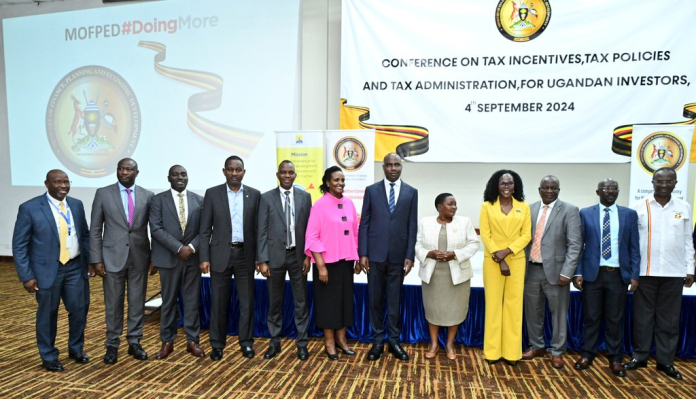
Speaking at the Conference on Tax Incentives, Tax Policies, and Tax Administration for Ugandan Investors on September 4, 2024, at Hotel Africana, Nabbanja assured over 500 investors of the government’s dedication to refining tax policies that spur economic growth and development.

“Our aim is to ensure that tax incentives are effective in attracting investment, transparent, and provide value for money,” she said.

Nabbanja emphasized the need for targeted and effective tax incentives to boost key sectors like manufacturing, agriculture, and technology. She acknowledged the vital role local investors play in Uganda’s economic development, highlighting their contributions to job creation, industrialization, and reducing reliance on imports.

The government’s promise to streamline tax incentives comes in response to concerns about the current tax framework’s complexity and perceived imbalance. Nabbanja noted the need to continuously review and refine the tax incentive framework to maximize its impact while safeguarding the country’s revenue base.

“We must protect our revenue base, as over-reliance on tax incentives can lead to revenue losses that could affect our ability to finance critical public services,” she added.

Permanent Secretary Ramathan Ggoobi echoed Nabbanja’s sentiments, stressing the importance of a balanced approach to tax incentives. “Our tax policies aim to ensure fairness, equity, and simplicity, not just revenue collection,” Ggoobi said.

Minister Evelyn Anite emphasized the importance of government-private sector collaboration in developing tax policies that address real challenges faced by investors. “We are committed to creating a level playing field where both local and foreign investors can thrive,” Anite said.

Local investors raised concerns about fines and penalties imposed by government agencies, which some perceive as overly punitive. Deo Kayemba, Chairman of the Uganda Manufacturers Association, called for more focus on education and sensitization rather than penalties.

“There should be a greater emphasis on supporting businesses to comply with tax regulations rather than prioritizing revenue from fines,” Kayemba argued.

In response, State Minister Henry Musasizi assured investors that the government is reviewing existing tax incentives to ensure they are strategically focused and aligned with national development goals. “We are looking at ways to make the tax system more conducive to business growth while ensuring fairness and inclusivity,” Musasizi stated.

The conference concluded with a commitment from the government to work closely with local investors in refining tax policies, aiming to develop a streamlined tax system that supports sustainable economic growth, encourages investment, and ensures Uganda remains an attractive business destination.


Stories Continues after ad

CJC-1295, Ipamorelin, and GHRP-2 Peptide Blend: Potential Synergy

Peptides have garnered significant attention within the research community due to their diverse impacts on various physiological processes. Among the numerous peptides under investigation, CJC-1295, Ipamorelin, and GHRP-2 have emerged as particularly intriguing candidates. Each peptide, with its unique molecular structure, is hypothesized to modulate specific pathways associated with growth and metabolic processes.

A growing area of interest lies in the potential synergy of these peptides when observed in combination, particularly in a blend of CJC-1295, Ipamorelin, and GHRP-2. This article explores the speculative research implications of this peptide blend, focusing on its possible impacts on growth-related mechanisms, cellular regeneration, and metabolic regulation in organisms.

CJC-1295: Growth Hormone Releasing Hormone Analog

CJC-1295 is a synthetic analog of growth hormone-releasing hormone (GHRH), characterized by its extended half-life compared to native GHRH. Research suggests that CJC-1295 may support the secretion of growth hormone (GH) by interacting with GHRH receptors in the pituitary gland. This peptide’s design includes a Drug Affinity Complex (DAC), which theoretically enables it to remain active in the organism’s system for an extended period, potentially leading to sustained GH secretion.

The speculative impacts of CJC-1295 are of particular interest in research focused on growth and regeneration. It has been hypothesized that prolonged GH secretion may influence various tissues, potentially promoting cellular regeneration and supporting protein synthesis. These processes may be relevant in studying muscular tissue growth, recovery following injury, and the general maintenance of tissue integrity in organisms.

Ipamorelin: A Selective Growth Hormone Secretagogue

Ipamorelin is another peptide of interest, and it has been studied for its possible role as a selective growth hormone secretagogue. Unlike other peptides in its class, Ipamorelin is believed to exhibit a high degree of selectivity, potentially minimizing undesired impacts on other hormones, such as cortisol and prolactin. Research indicates that Ipamorelin may bind to the ghrelin receptor (GHS-R1a) in the pituitary gland, stimulating GH release without significantly affecting appetite or other ghrelin-mediated pathways.

The selective nature of Ipamorelin makes it a promising candidate for research focused on the targeted modulation of GH. For instance, investigations purport that it might be worth exploring the specific pathways through which GH influences muscular tissue hypertrophy, tissue repair, and overall growth in organisms. Furthermore, Ipamorelin’s possible impact on bone function is another area of speculative interest. GH is believed to play a role in bone density and remodeling, and Ipamorelin may be interesting to researchers exploring the mechanisms by which GH contributes to skeletal integrity.

GHRP-2: A Growth Hormone Releasing Peptide

GHRP-2 (Growth Hormone Releasing Peptide-2) is a synthetic peptide that has been extensively studied for its possible GH-releasing properties. Like Ipamorelin, GHRP-2 is thought to interact with the ghrelin receptor, promoting the release of GH from the pituitary gland. However, GHRP-2 is researched for its GH-releasing potency, which has made it a subject of interest in research examining the impact of GH on various physiological processes.

GHRP-2 is thought to have multiple research implications, particularly in the study of growth and metabolic regulation. Due to its purported GH-releasing potential, GHRP-2 may be interesting to researchers studying the upper limits of GH-related impacts on tissue growth and regeneration. This might include research on muscular tissue expansion, organ repair, and cellular turnover rates.

Potential Research Implications of the CJC-1295, Ipamorelin, and GHRP-2 Blend

The combination of CJC-1295, Ipamorelin, and GHRP-2 presents a compelling area of research due to their potential synergistic impacts. Each peptide is thought to modulate GH secretion through different mechanisms, and it has been hypothesized that their combination may result in a more sustained and potent GH response.

One speculative research implication of this peptide blend is in the field of regenerative studies. The prolonged GH secretion induced by CJC-1295, coupled with the potent and selective GH-releasing properties of Ipamorelin and GHRP-2, has been hypothesized to create an optimal environment for studying tissue regeneration. This may include research on muscular tissue repair following injury, exploration of supported recovery protocols in organisms, and investigations into the regeneration of other tissues such as cartilage or tendons.

Moreover, findings imply that the blend might have implications for metabolic research, particularly in understanding the complex interactions between GH and other metabolic hormones. By using this combination of peptides, researchers might explore how sustained and supported GH release impacts fat metabolism, glucose regulation, and energy balance. This research may be relevant for developing new strategies to aid metabolic disorders or studying the physiological adaptations to altered metabolic states.

Conclusion

The speculative research implications of a blend containing CJC-1295, Ipamorelin, and GHRP-2 are vast, with potential implications for growth, regeneration, and metabolic studies. While each peptide offers unique properties, their combination might provide a synergistic platform for investigating a wide range of physiological processes.

Future research might focus on exploring these speculative impacts further, contributing to a deeper understanding of how these peptides might modulate critical pathways in the organism. The potential of this peptide blend in research settings holds promise for uncovering new insights into growth, regeneration, and metabolic regulation in organisms. CJC-1295 & Ipamorelin & GHRP-2 Blend is available for sale at Biotech Peptides.

References

[i] Aagaard, N. K., Grøfte, T., Greisen, J., Malmlöf, K., Johansen, P. B., Grønbaek, H., Ørskov, H., Tygstrup, N., & Vilstrup, H. (2009). Growth hormone and growth hormone secretagogue effects on nitrogen balance and urea synthesis in steroid treated rats. Growth hormone & IGF research : official journal of the Growth Hormone Research Society and the International IGF Research Society, 19(5), 426–431. https://doi.org/10.1016/j.ghir.2009.01.001

[ii] Alba M, Fintini D, Sagazio A, Lawrence B, Castaigne JP, Frohman LA, Salvatori R. Once-daily administration of CJC-1295, a long-acting growth hormone-releasing hormone (GHRH) analog, normalizes growth in the GHRH knockout mouse. Am J Physiol Endocrinol Metab. 2006 Dec;291(6):E1290-4. doi: 10.1152/ajpendo.00201.2006. Epub 2006 Jul 5. PMID: 16822960.

[iii] Svensson, J., Lall, S., Dickson, S. L., Bengtsson, B. A., Rømer, J., Ahnfelt-Rønne, I., Ohlsson, C., & Jansson, J. O. (2000). The GH secretagogues ipamorelin and GH-releasing peptide-6 increase bone mineral content in adult female rats. The Journal of endocrinology, 165(3), 569–577. https://doi.org/10.1677/joe.0.1650569

[iv] Rogério G. Gondo et al, Growth Hormone-Releasing Peptide-2 Stimulates GH Secretion in GH-Deficient Patients with Mutated GH-Releasing Hormone Receptor, The Journal of Clinical Endocrinology & Metabolism, Volume 86, Issue 7, 1 July 2001, Pages 3279–3283, https://doi.org/10.1210/jcem.86.7.7694.

[v] Mericq V, Cassorla F, Salazar T, Avila A, Iñiguez G, Bowers CY, Merriam GR. Effects of eight months treatment with graded doses of a growth hormone (GH)-releasing peptide in GH-deficient children. J Clin Endocrinol Metab. 1998 Jul;83(7):2355-60. https://pubmed.ncbi.nlm.nih.gov/9661608/

Stories Continues after ad

Q & A with Angela Ndawula- Head of Business and Institution Banking on Vehicle and Asset Finance for Housing Finance Bank

  1. We want to recognize the bank’s significant role in easing the ownership of vehicles by individuals or businesses in Uganda. Please provide a brief overview of Housing Finance Bank’s Vehicle and Asset Finance Solutions.

Housing Finance Bank’s Vehicle and Asset Finance (VAF) solutions are tailored products

designed to help individuals and companies acquire vehicles and other assets. These

solutions include vehicle loans for personal vehicles, commercial vehicle financing for

businesses, as well as equipment financing and leasing options for various types of

machinery and technology. Housing Finance Bank’s Vehicle and Asset Finance solutions

offer competitive interest rates, flexible repayment terms, and a streamlined application

process. They are designed to meet the diverse needs of both individuals and businesses,

providing essential support for growth and operational efficiency.

  1. What financing solutions does Housing Finance Bank offer to prospective commercial truck owners?

Housing Finance Bank provides a comprehensive suite of Vehicle and Asset Finance solutions tailored to the needs of commercial truck owners. These options include:

Finance Leases: Under this arrangement, the bank (lessor) acquires & grants a right of use of commercial vehicle(s) to our client (the lessee) for an agreed period in exchange for regular payments (lease rentals). The bank retains ownership of the vehicle throughout the lease term, upon completion of which the bank transfers ownership to the lessee.

Asset Loans: Wherein, a prospective commercial truck owner is offered bank financing for the acquisition of commercial truck(s) to build & expand their fleets. The financed commercial truck(s) would be registered in the name of the borrower and the bank registers chattel mortgage (caveat) against the vehicle(s), release of which would be upon full loan settlement.

Insurance Premium Finance (IPF): A convenient solution to facilitate our customers to finance annual Insurance Premium for the commercial trucks, rather than expend the lump sum upfront.

  1. What does a prospective commercial truck owner need to access Vehicle and Asset Finance solutions through Housing Finance Bank?

To qualify for our Vehicle and Asset Financing solutions, a prospective customer typically needs to meet the following criteria:

  1. Valid Identification (national ID, passport, or driver’s license).
  2. For non-individual applicants, their registration particulars.
  3. An account with Housing Finance Bank.
  4. Proof of incomes to demonstrate repayment ability.
  5. A good credit history.
  6. A down payment of between 10% and 30% depending on the type of the commercial truck.
  1. How long does it typically take Housing Finance Bank to process this product for a prospective customer?       

Housing Finance Bank strives to provide a swift turnaround time for all loan applications. On average, we process applications within 14 working days or less, for new and existing customers.

  1. What are the benefits of the Vehicle and Asset finance solutions to commercial truck owners?

Our Vehicle and Asset Finance solutions offer several benefits to transportation businesses, including:

  1. Access to Capital: The bank avails the necessary capital for transporters to purchase new commercial vehicle(s) without the need for substantial cash outlay from their businesses to invest in capital assets.
  2. Improved Cash Flow: Spreads the cost of asset acquisition over time, allowing businesses to maintain better cash flow.
  3. Tax Benefits: Offers tax advantages for eligible clients through VAT deductions on lease rentals.
  4. Enhanced Operational Efficiency: Provides access to modern vehicles with lower maintenance costs and better reliability.
  5. Scalability: Allows businesses to easily upgrade their fleets and expand their operations.
  1. How is Housing Finance Bank simplifying the acquisition of zero-mileage trucks?

We have established partnerships with reputable vendors of brand-new trucks to streamline the acquisition process. Additionally, we offer competitive financing terms for zero-mileage trucks, including lower down payments, and longer repayment periods of up to 5 years, to mention but a few.

This ensures a smoother and more efficient experience for our customers.

Stories Continues after ad

How Housing Finance Bank is Revolutionizing Uganda’s Mortgage Industry

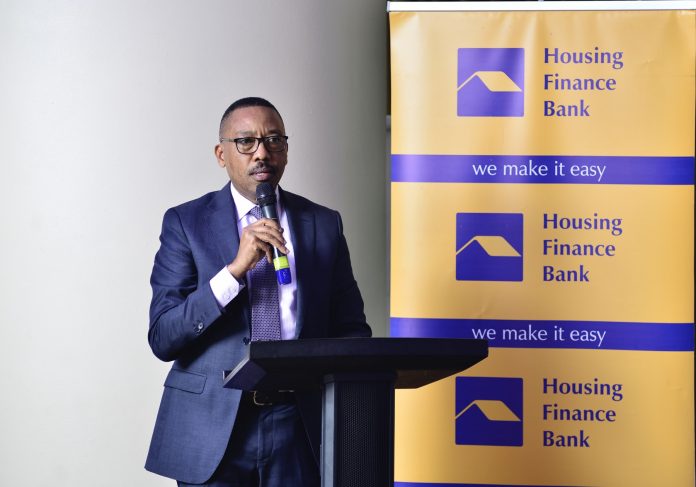
Micheal-Mugabi-Managing-Director-at-Housing-Finance-Bank-articulated-the-Banks-continued-focus-on-utilizing-digital-technology-to-enhance-customer-experience-and-deepen-financial-inclusion.jpeg

Uganda’s real estate market is undergoing a significant transformation, driven largely by innovative mortgage solutions provided by the Housing Finance Bank, making housing more accessible and affordable.

Mortgages, which are agreements between borrowers and lenders where the lender holds a lien on the borrower’s property as collateral, are essential in residential and commercial real estate markets.

Despite their importance, Uganda’s mortgage market remains small, accounting for only 1.2% of the country’s GDP, which has remained unchanged in recent years. However, this is a notable increase from just 0.3% in 2002, highlighting gradual growth.

John Bosco Kaweesi, Head of Mortgages and Consumer Banking at Housing Finance Bank, says there are many interesting trends in the mortgage market today. 

“We’ve seen new entrants and players offering diverse concepts targeted at different market segments giving customers more options,” he says.

He further observes: “A significant investment is being made in condominium apartments. More Ugandans are adopting the idea of living in condominiums, whereas traditionally, most people prefer standalone homes. As Uganda’s economy grows, we see many new entrants providing units in condominium arrangements. The numbers are growing, and several companies are partnering with us to offer these options to our customers, giving them a wide scope to choose their preferred homes.”

Projections from Statista Market Insights suggest that Uganda’s real estate market could grow by 7.07% from 2024 to 2029, potentially reaching a market volume of USD 514.40 billion by 2029. 

Furthermore, Housing Finance Bank has partnered with international lenders and local sources to secure more affordable financing options. One notable initiative is the ‘Zimba Mpola Mpola’ program, which provides loans as small as UGX 200,000 (approximately $54) for various purposes, including water harvesting and processing lease titles. This program specifically targets low and middle-income earners, offering them lower interest rates and flexible terms, according to Kaweesi.

Kaweesi also highlights that the mortgage products offered by Housing Finance Bank are designed with long-term tenures, some extending up to 25 years—the longest in Uganda. 

“These extended repayment periods make mortgages more affordable and increase the likelihood of customers qualifying for the necessary funds for their housing needs. The bank’s products feature competitive pricing, property security, and specific financing purposes, making them attractive for those looking to invest in homeownership,” says Kaweesi.

With a 57-year history in the mortgage sector, Housing Finance Bank has established itself as a leading mortgage lender financing over 10,000 homes in the last 5 years thus being a trusted partner.

Currently, Housing Finance Bank dominates Uganda’s mortgage market, holding 55% of the total mortgage portfolio. Other major players include Stanbic Bank, Standard Chartered Bank, DFCU Bank, KCB Bank, and Centenary Bank. This dominant position underscores the significant impact Housing Finance Banks have on the mortgage industry in Uganda, driving growth and promoting long-term investments in real estate. 

By continuing to innovate and secure affordable funding, Housing Finance Bank is set to play a pivotal role in shaping the future of Uganda’s mortgage industry, making homeownership a more attainable goal for many Ugandans.

Stories Continues after ad

Bobi Wine’s injury will be determined after thorough investigations-Police

The Uganda Police spokesperson, Kituuma Rusoke has revealed that the cause of National Unity Principal, Robert Kyagulanyi alias Bobi Wine injury will only be determined after thorough investigations.

“The Police will investigate the alleged shooting and related incidents, focusing on addressing the causes of these alterations,” Rusoke said.

He has said after the thanksgiving, Kyayulanyi’s team held a procession and that despite advice against this action. Despite the warning, he insisted on proceeding and blocking the road leading to police intervention to stop the procession.

Rusoke noted that during the ensuing alteration, it appears he sustained injuries. Police officers present claimed he stumbled while getting into his vehicle and his team insisted that he was shot.

However, social media has circulated videos showing him appearing to stumble amid apparent teargas near his car, resulting in his injury.

Additionally, police have retrieved CCTV footage revealing several observations of disruption of traffic, stoning of police officers and other acts of hooliganism.

“In the course of stone-throwing, three police officers were injured with one serious condition. The winshields of two police vehicles were also shattered,” Rusoke said.

He added that an investigation will be launched to clarify the circumstances surrounding the incident, noting that demonstrators and rioters are not seen as enemies of the police but as temporary o

Stories Continues after ad

Museveni, MPs agree to rationalize UDCA and DDA to Agriculture Ministry to foster efficiency

President Yoweri Museveni and selected MPs on the Parliamentary Committees of Agriculture, National Economy and Finance have agreed to proceed with the rationalization of Uganda Coffee Development Authority (UCDA) and Dairy Development Authority (DDA) to the Ministry of Agriculture, although the merger of UCDA will be delayed three years in order to foster efficiency.

The decision was taken during yesterday’s meeting at the State House.

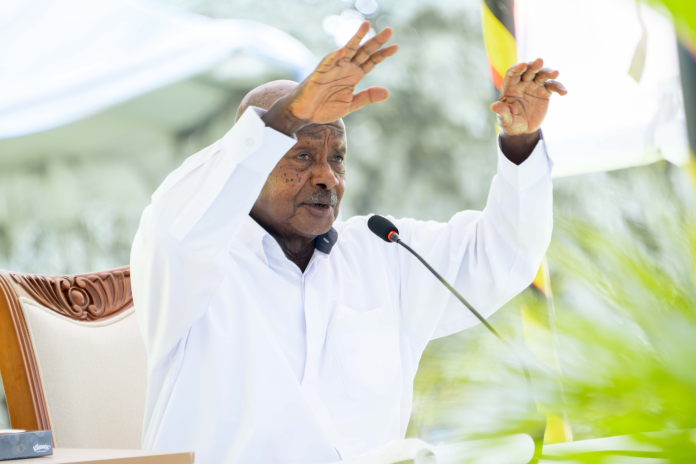
With an emphasis on enhancing the efficiency and effectiveness of public service delivery, Museveni underscored the necessity of rationalization as a fundamental strategy for optimal resource allocation within government structures.

“Rationalization must go on as the correct system by having a structure that is not extravagant,” President Museveni stated, reinforcing the government’s commitment to streamline operations and reduce wastage.

Museveni also highlighted that focusing on a singular entity with a clear mandate would eliminate redundancy and inefficiencies caused by multiple stakeholders in the system.

Museveni called for the establishment of an economic framework built on scientific knowledge. As part of enhancing agricultural service delivery, he recommended revising government Standing Orders to ensure the inclusion of Agricultural Scientist Personnel at the Sub-county level. This initiative aims to provide better guidance on agricultural practices and optimise food production methods in Uganda.

However, the MPs expressed their fears about the competence of the Ministry of Agriculture to handle the mandate of UCDA, which the Authority is seeing as one of the most strategic commodities for Uganda.

“We told him (President Museveni) that the Ministry of Agriculture has no capacity in terms of fulfilling the mandate of UCDA. The main mandate of UCDA is regulation of quality and this is very important for our international market. UCDA has entities that are certified, should we change that, we are going to lose our quality on the international market Uganda’s robust coffee is number three on the globe. We told the President that if we go that direction, we are going to lose our market, we are going to distort the market on which the livelihood of the people of Uganda rely on, 12.5 million people,” Abed Bwanika, member of the Agriculture Committee explained.

Bwanika added, “And we told the President that the Ministry, where he wants to take this very important entity, hasn’t displayed efficiency. The Ministry of Agriculture has so many loans in millions of dollars that they have failed to implement. They are never on the desks. They are moving everywhere on the globe. So, we told him that we can’t take this very strategic commodity and hand it over to the Ministry like that.”

Bwanika further revealed that the President agreed with the MPs that it was necessary to have a delay on the rationalization of UCDA and he proposed to have a clause included in the bill to provide for a three year transition period for UCDA to be incorporated into the Ministry of Agriculture, although Bwanika insisted that the President’s proposal will be subjected to further scrutiny in Parliament.

Stories Continues after ad

TotalEnergies Uganda, UMA announce partnership for 30th International Trade Fair 2024

TotalEnergies Uganda Limited has announced its partnership with the Uganda Manufacturers Association (UMA) as the Platinum Sponsor of the 30th International Trade Fair 2024, under the theme, “celebrating 30 years of industrial excellence.”

The expo will happen starting on 2nd to 10th October 2024. Speaking at UMA’s launch press conference,

TotalEnergies Human Resources and Corporate Affairs Manager Charity Ekudu said, “This year, TotalEnergies is celebrating 100 years of pioneering excellence. Our journey in Uganda started in 1955 and we are therefore proud to be part of the growth of industries in this country for more than the 30 years of excellence we are celebrating at this year’s international trade show.

“We pride ourselves on having walked with most of the manufacturers and industry players whether it is through the supply of high-quality lubricants for the plant machinery and equipment or providing energy solutions to power plant operations and meeting your transportation needs. We continue to be committed to providing sustainable energy solutions to industries in Uganda and look forward to celebrating more years of industry excellence in the future.”

Just like the previous 2 years, she said, they will be running a campaign dubbed “Energize@62” where their customers will stand a chance to win several prizes, including a full tank of fuel for a month if they purchase Total products or pay through their card.

Eddie Senkumba, the UMA Chairman for Communication and Events, said one of the most exciting additions to this year’s trade fair is the Agricultural Pavilion which is dedicated to training farmers, SACCOs and cooperatives in value addition and agro-processing.

“Since the first trade fair in 1992, the Manufacturing output has increased from $16.6 million to $7.4 billion todate. The sector now contributes 23% of Uganda’s tax revenue and directly employs nearly 2 million people,” Senkumba said.

Stories Continues after ad

Vivo Energy Uganda Expands ‘Kigwera Ku Shell’ Back-to-School Promotion, Doubling Rewards and Impact in Phase 2

Vivo Energy Uganda, the company that distributes and markets Shell-branded fuels and lubricants in Uganda, has officially launched Phase 2 of the ‘Kigwera Ku Shell’ back-to-school promotion. Building on the success of the initial phase, this promotion is aimed at doubling the number of winners, providing even greater support to parents as they prepare their children for the third school term of the year. Participants stand a chance to win up to one million Uganda shillings in school fees, alongside other exciting prizes.

During the first phase of the ‘Kigwera Ku Shell’ promotion, 20 lucky customers were rewarded with school fees for their children, alleviating the financial burden that many parents face during the back-to-school season.

Speaking at the launch event, Joanita Menya, Managing Director of Vivo Energy Uganda, expressed her enthusiasm for the promotion’s continuation, stating, “At Vivo Energy Uganda, we understand the challenges that parents face, especially during the back-to-school period. We are thrilled to be launching Phase 2 of the ‘Kigwera Ku Shell’ promotion, which will allow us to double the number of beneficiaries, further supporting our customers and their families. Education is a vital pillar of development, and by easing the financial strain on parents, we are contributing to a brighter future for our communities.”

The ‘Kigwera Ku Shell’ promotion is designed to make back-to-school preparations less stressful for parents by offering multiple opportunities to win. Customers who purchase fuel at Shell service stations, shop at Shell Select stores, service their vehicles, or buy Shell Gas, automatically get rewarded.  The more they engage with Shell services, the higher their chances of winning.

Hellen Bwengye, Marketing Manager at Vivo Energy Uganda, expressed her gratitude to Shell customers, saying, “We are deeply thankful to our loyal customers for their unwavering support during the first phase of the promotion. Your participation has been inspiring, and we are excited to see even more winners in this next phase. Together, we are making a difference in the lives of our communities.”

Joan Nabukalu, Brand Manager of Non-Fuel Retail at Vivo Energy Uganda, reflected on the profound impact of the ‘Kigwera Ku Shell’ promotion on customers during the back-to-school season. She noted, “The back-to-school period can be overwhelming for many parents and guardians. We are proud that through this promotion, we have been able to bring smiles to the faces of our customers. We aim is to continue giving back to those who support us, making their lives a little easier in meaningful ways.”

The promotion offered multiple ways to participate, making it accessible to a wide range of customers. To qualify, customers would have to buy fuel worth 50,000 Uganda shillings for cars and 5,000 Uganda shillings for boda bodas (motorcycles). Other ways to participate included spending 10,000 Uganda shillings at participating Shell Select shops, servicing a car for 50,000 Uganda shillings, servicing a boda boda for 10,000 Uganda shillings and buying or refilling Shell Gas.

As a heartwarming gesture, Vivo Energy Uganda also rewarded Night Ampurire, a resident of Entebbe, with a year’s supply of fuel and vehicle servicing for her brand-new double cabin vehicle, ensuring her new vehicle remains in top condition and her business continues to thrive.

Night’s story, which gained widespread attention after being covered by the media, highlighted her struggles as she relied on an old, dilapidated car to run her fruit-selling business. MTN Uganda stepped in and donated a new vehicle to Night, transforming her business and ensuring she could continue supporting her family.

Stories Continues after ad