Stanbic Bank
Stanbic Bank
19.3 C
Kampala
Stanbic Bank
Stanbic Bank
Home Blog Page 194

Sudhir defeats Dfcu as he wins extra round in London Crane Bank legal battle

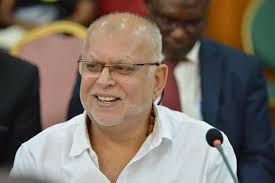
Mr. Sudhir Ruparelia.

The High Court of Justice and Business courts of England and Walesking’s bench division commercial court (KBD)

Court in London has dismissed a petition in which DFCU Bank Limited and 14 others [defendants] were calling for provision of security of their costs and case management conference by Crane Bank Limited [CBL] as CBL and six others [claimants] lodged a case against them following the Bank of Uganda [BoU] transfer of assets and liabilities of CBL in 2017 through fraudulently, to DFCU Bank Limited.

CBL and other claimants, including Sudhir Ruparelia, the Chairman and a major shareholder of CBL, allege that senior Ugandan government officials and officials of the BoU on October 20, 20216, engaged in a corrupt scheme to take control of CBL, making improper use of statutory and regulatory powers to do so, and then to sell its assets for the benefit of the parties to the scheme. The claimants allege that DFCU Bank Limited, the first defendant joined the corrupt scheme as purchaser of its assets from the BoU, acting as the first claimant’s receiver, the purchase being, it is alleged, at a gross undervalue [as only Shs200 billion was agreed between BoU and DFCU Bank Limited]. The other defendants [including DFCU Limited and Jimmy Mugerwa who was the chairman of DFCU Bank Limited among others] are also alleged to have joined the scheme.

Therefore, CBL and other claimants would later drag the DFCU Bank and other defendants to court in London seeking for compensation, although DFCU Limited is adamant to concede.

However, DFCU Bank and other defendants in their application to the London court reasoned that CBL will be unable to pay its costs if ordered to do so, if it lost the case, although court said Sudhir was very rich to pay the said costs in instance the case went against the claimants, thus dismissing their application for security of the case costs. “For the reasons I have given, the applications for security are dismissed. I would be grateful if counsel could draw up an appropriate order which will need to include the undertakings by the Second Claimant (Ruparelia) to the Court to discharge any costs orders made against the Claimants and to give a written personal guarantee covering such liabilities.”

“There are now before me six applications made by various groups of defendants pursuant to CPR 25.13(1)(a) and CPR 25.13(2)(c) for orders that the first claimant provide security for their costs up to and including the case management conference. The applications are made on the grounds that the first claimant is a company, that there is reason to believe that it will be unable to pay its costs if ordered to do so, and that it is just in all the circumstances of the case for security to be ordered,” explained Stephen Hofmeyr sitting as Judge of High Court in London in London, UK.

“The power of the court to order security for costs derives from CPR 25.13: In the exercise of its discretion, the court may make an order – (a) if it is satisfied, having regard to all the circumstances of the case, that it is just to make such an order; and (b) the claimant is a company and there is reason to believe that it will be unable to pay the defendant’s costs if ordered to do so, said the judge.

“The court may also make an order for security for costs where the claimant is resident abroad, but not resident in a state bound by the 2005 Hague Convention as defined in section 1(3) of the Civil Jurisdiction and Judgments Act 1982. As Uganda is not a party to the 2005 Hague Convention, the defendants could have sought orders against the second to seventh claimants but they have chosen not to do so.”

CBL, the first claimant concedes that it is unable to show that it will be able to pay the defendants’ costs if ordered to do so, given the relatively low bar for making out that proposition, but contends that, having regard to all the circumstances of the case, it would not be just to make such an order. “The first claimant also accepts, as it must, that because the threshold is met, it would normally be appropriate for the court to order security. Nevertheless, it contends that there are unusually powerful factors which militate against the court making an order for security in this case.”

The claimants relied on three factors in particular to argue their case. First, and most significantly, the second claimant Dr. Ruparelia, who is said to be one of the richest men in East Africa, is a co-claimant with the first claimant, and the claimants accept that costs orders should be made against all the claimants as they have been to date in these proceedings, not solely against the first claimant.

Second, in addition, Dr. Ruparelia offered an undertaking to the court to discharge any costs orders made against the first claimant and, should the applicants consider it adds anything, a personal guarantee to cover such liabilities as well. There is extensive and essentially unchallenged evidence that he is most certainly – adopting a phrase which appears to have been coined by Murphy J in the Irish High Court in Bula Ltd (in receivership) v Tara Mines Ltd [1987] 1 IR 494 – a “good mark” for such costs. That, as I say, is the claimants’ submission. In these circumstances, it is said that there is simply no justification for an order for security for costs.

 “Thirdly, there is said to be another unusual discretionary consideration which applies to certain of the defendants seeking security. They are indemnified (directly or indirectly) by the Bank of Uganda for their costs. Whilst the claimants do not ask the court to delve into the merits of the current claim against the defendants, there is cast-iron evidence that the Bank of Uganda targeted the first claimant as part of a corrupt scheme and that it has been going to extraordinary lengths to prevent the first claimant’s rightful owners, that is the other claimants, regaining control of it and pursuing this claim. On Friday November 13, 2020, the letter before claim for this claim was sent to all the defendants.

“On Monday November 16, 2020, the Bank of Uganda issued a public notice that it had placed the first claimant into liquidation, and subsequently argued that the liquidation meant that this claim could not be brought. That was despite the Ugandan High Court and the Court of Appeal having previously decided that control of the first claimant had been returned to its directors and shareholders in January 2018. The ensuing litigation in the Ugandan courts resulted in the Ugandan Supreme Court finding the Bank of Uganda’s conduct to have been in “manifestly bad faith”, “contempt of court” and aimed at “impeding or preventing the course of justice”.

Despite this, the Bank of Uganda is still impeding practical control of the first claimant being returned to its shareholders. As a consequence, the claimants are disabled from being able properly to contest the applicability of CPR 25.13(2)(c) by reason of the Bank of Uganda’s continuing campaign of wrongdoing; and the effect of granting security to those that are indemnified by the Bank of Uganda will be to protect not those indemnified parties (who do not need protection) but an undoubted wrong-doer who has been harmed and who is continuing to interfere with the first claimant.

Second, the second claimant [Sudhir] is a person of very considerable wealth. In 2019, the second claimant’s wealth was estimated by Forbes to be some $1.2 billion. His substantial wealth includes Ugandan assets in the region of $279 million, including unencumbered land and buildings of about $47 million and bank deposits of over $7 million, and property in the United Kingdom owned with his family valued at between £4.5 million and £5.5 million.

Third, the defendants do not seek to challenge the up-to-date valuations of the second claimant’s assets, which show that his assets have increased substantially since 2019, and indeed since the commencement of these proceedings. The second claimant’s assets include (a) unencumbered property in London owned by the second claimant and his family, with an estimated value of between £4.5 million and £5.5 million, (b) Ugandan assets recently valued at more than $27 million, an increase of about $50 million since these applications were made. These assets comprise unencumbered land and buildings with a market value of approaching $50 million, shares in listed companies with a market price of about $6.8 million, shares in private companies on a net book value basis at $113 million, related party loan receivables from companies which are part of the Ruparelia Group of over $100 million, fixed deposits and bank balances of more than $7 million.

The judge said defendants’ failure to challenge the extent of the second claimant’s assets is not insignificant. “Rather than challenge the valuations of the second claimant’s assets, the defendants challenge the legal relevance of the second claimant’s assets; they contend that these assets do not provide satisfactory evidence of an ability to pay a costs order within the timeframe that will be ordered by the court; and they contend that there is no certainly that the identified assets will remain available to meet a costs order at the end of the trial. These are all points which I will come to address in a moment.”

“Subject to these points, there can be no doubt that the claimant has sufficient assets from which to pay a costs order made against him and/or the first claimant. It was also pointed out by the defendants that the court is not in a position to know under what personal liabilities the second claimant may be, particularly outside of Uganda. This is true and is a factor to which I must have regard. However, based on the evidence before me as to the second claimant’s personal wealth, I consider it unlikely that any personal liability he may be under is not dwarfed by the size of his personal wealth,” the Judge said. “He would not be reported to be a person of such wealth if there was a major question mark regarding his personal liabilities.”

The Judge said the defendants have not brought an application for security against the second claimant, notwithstanding that the court would have jurisdiction to make such an order if it were sought. “If the defendants had been of the view that an application against the second claimant would succeed, the likelihood is that such an application would have been pursued.”

The judge in his ruling said all costs orders which have been made in these proceedings against the claimants have been made against the claimants without distinction between them and each order has been paid promptly. “To date the claimants have made payments of £1,355,956 to the defendants to satisfy adverse costs orders, although some of those have had to be repaid. As regards any costs orders in the future, the judge’s discretion in costs at the conclusion of the trial is very wide.”

I would regard it as extremely unlikely, indeed inconceivable, that any judge would think it fair to the defendants to make an order only against the first claimant at the end of trial or indeed at any intermediate stage of the proceedings, and I am reassured by the words of Bingham LJ (as he then) was to similar effect in The Sea speed Dora [1998] WLR 221, at [227], he said.

He continued: “Enforcement of a costs order in Uganda, were it to become necessary, is a relatively straightforward and simple procedure. This is not seriously in dispute. The real dispute between the parties concerns the time it would take to enforce a judgment. The claimants’ evidence is to the effect that the process should take approximately 40 days, or possibly 54 days. The defendants’ evidence is that it would take between six and 12 months. This is a timing issue. There is no suggestion that there is a real risk that enforcement in Uganda will not be possible. Further, it is instructive to note that the time it would take to enforce a costs order in Uganda is not relied upon by the defendants as against the second defendant as a reason why he should be required to post security.”

The risk which appears to be of most concern to the defendants is the risk of delay in the enforcement in Uganda of any costs order made at the end of a trial in these proceedings, and the risk of associated expenses, he said.

“The defendants are not contending that the enforcement of a costs order in Uganda will be impossible or impractical, just that the process of enforcement may take between six and 12 months from start to finish. Nor are the defendants saying that they will not recover the costs and expenses of any enforcement process in Uganda. Nor are they saying that they will not ultimately be able to recover interest on costs in Uganda. It is to protect them against the risk of a delay in the payment of any costs order, a delay which they say will be caused by the length of time it will take to enforce any costs order in Uganda, that the defendants are seeking an order for security.”

 In principle, the Judge said that might justify security reflecting the “extra burden of enforcement”; and I note that at an early stage the claimants made clear that they would consider offering security in relation to such costs if details were provided.

However, the defendants did not take up or even pursue that offer. “In my view, whilst it is likely that, if the defendants in due course have to enforce a costs order in Uganda, there will be some irrecoverable cost, expense or interest, the irrecoverable amount is likely to be relatively small, and it will certainly be dwarfed in comparison to the amount which the defendants are seeking in security by the applications before the court.”

“The totality of the evidence therefore, leaves me in no doubt that if a costs order were to be made in these proceedings against the claimants, the second claimant would be able to pay it promptly. And even if I were not so satisfied and formed the view that there would likely be some delay in enforcing a cost order in Uganda, I would have been of the view that the defendants would likely not be significantly prejudiced by such delay.”

There remains a handful of additional points raised by the defendants which I need to address. First, the offer made by the second claimant, and other claimants, of an undertaking to the court, or a personal guarantee to the defendants, was not a tacit acceptance that an order for security should be made. The purpose of the offer made by the claimants was to counter and respond to the contention that the second claimant might not be liable for a costs order against the first claimant.

The offer of an undertaking or a guarantee was made for this purpose. Second, in the absence of evidence of a real risk of dissipation, the contention that a party with significant assets should nevertheless put up security because there is no certainty that it will retain them at the end of trial has no force.

Similarly, the Judge said there is no real-world force in the contention that there is no certainty that the second claimant’s assets will still have the same or a similar value at the end of trial. “Whilst it is theoretically true that there is no certainty as to the future value of his assets, the same could be said of any party and any asset.”

“Further, given the extent of the second claimant’s wealth, it would only be in extraordinary circumstances that his assets would be so depleted by the end of these proceedings that he would not be in position promptly to pay any costs order made against him at the end of a trial.”

“The defendants’ contention that the existence of significant assets raises the question as to why conventional security in the form of a bank guarantee is not being offered against these assets is flawed because it elides the owner of the assets, the second claimant, and the separate party being asked to provide security, the first claimant.”

Stories Continues after ad

Why we have challenged USA & EU sanctions against Zimbabwe in International Court of Justice

Writer of the article David Matsanga.


By Dr David Matsanga in London


This is my open statement as to why Zimbabwe sanctions facilitated by USA ZDERA Act of 2001 must be challenged in ICJ. We have therefore, with the help of two state parties moved to court to challenge the USA and European Union Sanctions.

Statement

There have been several discussions and reports about changes in the sanctions landscape, including the potential repeal of certain executive orders. However, the specifics about ZDERA and how it operates remain crucial:

I want the world and the people of Zimbabwe to know that  East or West the Status of ZDERA  will always fluctuate between removal  and Additional  mechanisms of sanctions  .While some executive orders may have been repealed, ZDERA itself continues to exist as a legislative framework, allowing the U.S. government to impose sanctions without needing to go through Congress every time.

The flexibility of sanctions that the USA operates is dangerous for Zimbabwe . Even if some executive orders are repealed, ZDERA retains the authority for sanctions to be applied at any time. This means that the underlying ability to enact sanctions remains, allowing for rapid action based on the current situation in Zimbabwe. This again is dangerous for Zimbabwe.

The most obnoxious thing about ZDERA Act 2001 is the Legislative verses Executive Actions USA that keep on exchanging roles while Zimbabweans are dying that the distinction between executive orders and congressional acts is important. Even if certain executive sanctions are lifted, ZDERA can still enable the president to impose new sanctions if deemed necessary.

The imposition of sanctions on Zimbabwe has had profound repercussions, deeply affecting the socio-economic fabric of the nation. Economic restrictions, initially intended to penalize governmental actions, have inadvertently inflicted widespread hardship on the civilian population, exacerbating poverty levels and limiting access to essential services such as healthcare and education.

The sanctions, which have targeted key sectors such as finance and trade, create a paradox where the intended political outcomes often adversely impact the very demographics they aim to support. Furthermore, the erosion of public trust in state institutions and international actors contributes to an environment of instability, fueling discontent among the masses.

As the situation continues  to deteriorate and as new goal posts are placed on Zimbabwe there is an urgent need for intervention, with institutions like the International Court of Justice (ICJ) playing a pivotal role in mediating grievances and advocating for human rights, thereby facilitating a pathway toward resolution and restoration of normalcy in Zimbabwe.

Overview

My overview of Zimbabwe’s political and economic landscape and the imposition of sanctions leads to one solution left – the ICJ. Zimbabwe’s political and economic landscape has been marred by decades of instability, characterized by a decline in democratic governance and rampant corruption.

Since the early 2000s, the nation has experienced hyperinflation, leading to severe economic hardships for the majority of its citizens. This decline has been exacerbated by the imposition of international sanctions, which were originally designed to pressure the ruling government to restore what USA alleged human rights abuses and democratic processes.

However, these sanctions have disproportionately affected the ordinary Zimbabwean, leading to increased poverty and a deteriorating standard of living. The impact is reminiscent of other regions facing conflicts, where external interventions often fail to consider the social and economic realities of the affected populations, leading to unintended consequences

I have been at the forefront since 1998 telling Zimbabwe to the question of sanctions. But addressing these issues requires a comprehensive strategy that not only reevaluates the effectiveness of sanctions but also promotes dialogue and meaningful engagement through organizations like the International Court of Justice (ICJ), which can advocate for removal of sanctions and return of social justice in Zimbabwe.

The Impact of sanctions on the Zimbabwean Population is huge. Millions have been affected in 26 years of American sanctions. The imposition of sanctions on Zimbabwe has had profound repercussions on its populace, exacerbating already dire socio-economic conditions. These sanctions, initially intended to penalize government officials for human rights abuses, have inadvertently led to widespread suffering among ordinary citizens.

The truth is that with restricted access to international markets and financial institutions, the economy has stagnated, resulting in soaring unemployment and inflation rates, which has rendered basic necessities unaffordable for many. Furthermore, the internal political instability created by some groups and accelerated by these sanctions has impeded efforts to foster stability , as noted in research on similar concerns in Africa .

I have studied all documents of the African Commission on Human and Peoples’ Rights highlighted, when national legal frameworks are weakened, the capacity to protect human rights diminishes, which is exemplified in Zimbabwe’s deteriorating environment for civil liberties ((Commission A on Human and Peoples’ Rights)

Thus, it is crucial for international bodies like the International Court of Justice (ICJ) to intervene, aiming to provide avenues for relief and facilitate a pathway towards national reconciliation.

The economic consequences caused by inflation, unemployment, have caused inadequate access to basic services. In Zimbabwe, the harsh economic consequences stemming from international sanctions have manifested profoundly in inflation, unemployment, and diminished access to basic services.

The hyperinflation experienced in the country has not only eroded savings but also significantly impacted the purchasing power of citizens, making essential goods and services increasingly unaffordable. Coupled with skyrocketing inflation rates, the sanctions have exacerbated unemployment, as businesses struggle to operate amid limited resources and investment.

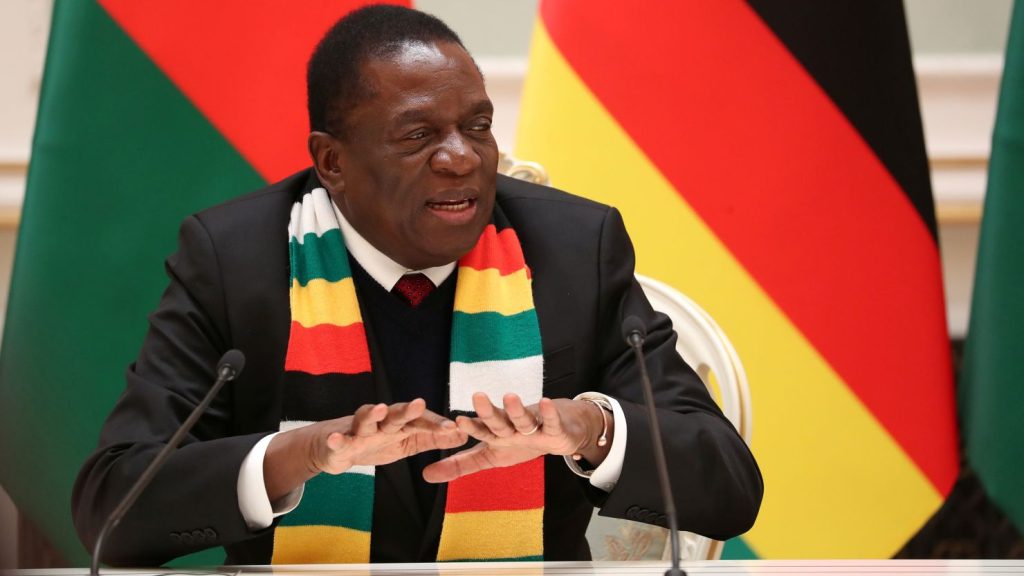
Zimbabwe President Emmerson Mnangagwa.


This labor market instability has left countless families without a reliable income, further complicating their ability to secure basic necessities. As noted in existing literature, these economic disruptions can lead to adverse effects on health and health systems, ultimately affecting the most vulnerable populations.

I believe that by additionally, addressing systemic USA sanctions that shall have added value to educational and healthcare systems in Zimbabwe that remain a foundational step toward sustainable economic recovery

I believe that the Role of the International Court of Justice (ICJ in addressing the multifaceted crisis in Zimbabwe, the International Court of Justice (ICJ) would play a pivotal role in upholding international law and mediating disputes that arise from state-sanctioned actions.

The USA sanctions often exacerbate humanitarian crises, the ICJ has the authority to adjudicate on matters of state responsibility, potentially providing a platform for Zimbabwean citizens to seek redress against unlawful economic measures. The USA must explain as to why the put sanctions and to why they did think of the suffering of the women and children in Zimbabwe.

Given that countries under sanction frequently face accusations of human rights violations, the ICJ can intervene by offering legal frameworks that promote accountability and transparency. For instance, its rulings could help clarify the obligations of states concerning the welfare of their populations, thus ensuring that punitive measures do not unduly harm the civilian populace.

To me such a legal approach emphasizes fairness, which is essential in resolving political disputes and broader societal grievances as highlighted in discussions around procedural justice. Ultimately, the ICJs involvement could foster dialogue and contribute to stability in a region affected by widespread trauma and conflict

The is enough evidence that the matter of ZDERA Act 2001 can be resolved mechanisms which the ICJ has used elsewhere to mediate and resolve international political disputes. In addressing international disputes, the International Court of Justice (ICJ) employs several mechanisms that facilitate mediation and resolution. Central to its function is the opportunity for states to submit cases involving issues of international law, allowing the ICJ to render binding decisions that can promote compliance.

The Court also encourages diplomatic dialogue and negotiations between disputing parties, often facilitating preliminary discussions to foster a collaborative atmosphere. Furthermore, the ICJs advisory opinions offer legal clarity on contentious issues, which can guide states in their bilateral or multilateral relations.

These mechanisms are particularly relevant to situations like the crisis in Zimbabwe, where international disputes may arise from sanctions and humanitarian challenges. Ultimately, through its adjudicative and advisory roles, the ICJ possesses the potential to influence policy changes that address the underlying causes of conflicts and foster peaceful resolutions.

In my Conclusion I have contemplated  the ramifications of sanctions imposed on Zimbabwe, it has become evident that their detrimental effects extend far beyond the political elite, deeply impacting the everyday lives of ordinary citizens.

The economic collapse that ensued after sanctions has led to widespread poverty, rampant inflation, and diminished access to essential services, ultimately exacerbating the humanitarian crisis that could plague the nation of Zimbabwe. Moreover, the sanctions have inadvertently created wrong narrative, portraying Zimbabwe as a country you can’t invest in.

The adversaries stifle dissent domestically have used sanctions to create bad image for Zimbabwe. Such dynamics create a cycle of suffering and repression that proves difficult to break. Addressing these complexities requires a multifaceted approach, where international law mechanisms, such as the jurisdiction of the International Court of Justice (ICJ), can play a pivotal role.

I believe that by establishing legal avenues for addressing grievances and promoting dialogue, the  petition at ICJ presents an opportunity to facilitate both accountability and the eventual a healing process of a fractured society ( UN Publications)

Ultimately, re-evaluating the sanctions and engaging in constructive international dialogue may pave the way for sustainable solutions, ensuring that the voices of Zimbabwe’s masses are not only heard but also prioritized in the quest for justice and recovery.

The implementation of such holistic strategies could significantly contribute to the restoration of Zimbabwe’s dignity, allowing Zimbabweans to reclaim their future without the overshadowing specter of punitive measures that have historically perpetuated their suffering.

I give my position that the effects of sanctions and the potential for ICJ intervention to alleviate the crisis in Zimbabwe are real . The imposition of sanctions against Zimbabwe has had far-reaching effects, exacerbating existing economic challenges and intensifying social dislocation. Instead being effective as claimed by USA, these measures often disenfranchise ordinary citizens, limiting their access to essential goods and services.

Over the years, inflation has surged, unemployment rates have soared, and public health systems have deteriorated, leaving the masses to bear the brunt of geopolitical conflicts especially the suffering of Zimbabweans in South Africa. The potential for intervention by the International Court of Justice (ICJ) offers a glimmer of hope in addressing these multifaceted crises.

I am of the opinion that by calling for dialogue and legal accountability both internally and externally , the ICJ could advocate for a more balanced approach that considers the human rights implications of sanctions and make determination with USA trying to just impose sanctions without good reasons.

Finally I would like to say that this is my  last attempt voluntary Act as volunteer for Zimbabwe and person who has defended  Zimbabwe since 1998 . Therefore these are the options that can help to remove all obnoxious ZDERA ACT 2001 OUT Zimbabwe.

It is up to some of the people from
Zimbabwe that were targeted by the USA to take this opportunity to  enjoin me in this petition and clear their names by using this chance at the ICJ so that we uproot the main obstacle that is has been used on Zimbabwe year in year out .

Our intervention could facilitate a pathway toward sustainable governance, providing a framework through which Zimbabwe can recuperate economically and socially while removing the obstacles stood in between because of imposed sanctions .

Thanking all of you in advance


I remain

Yours truly


Dr. David Matsanga

Founder /Chairman

Pan African Forum Ltd

Surely United Kingdom

London 30.10. 2024

Stories Continues after ad

Private sector urges gov’t to harmonize costs of digital stamps with other EAC states

Officials from the Private Sector Foundation of Uganda (PSFU) and Uganda Manufacturers Association have asked the Government of Uganda to harmonize the costs of Digital Tracking Solutions, also known as Digital Tax Stamps (DTS), with their East African Community counterparts to ensure fair competition. 

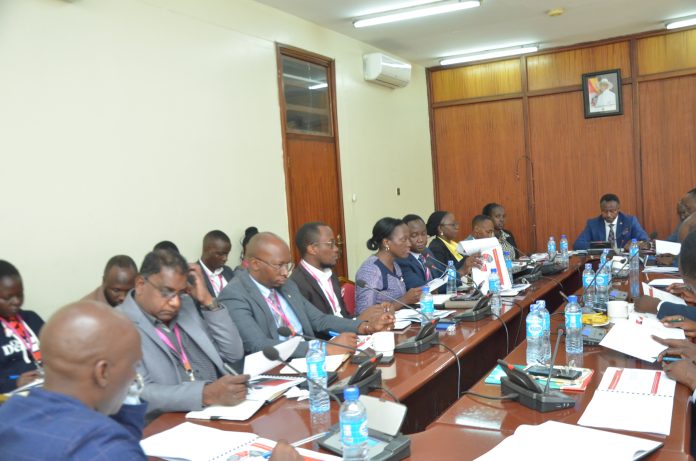
They said this during an interface with MPs on the Parliamentary Committee on Finance on October 30, 2024. 

According to Dr. Julius Byaruhanga, the Director of Policy and Business Development at PSFU, on average, Uganda’s stamp prices are 38% higher than those in similar regions such as Kenya and Tanzania, where prices are 40% and 35% higher, respectively, yet they have a similar supplier, SICPA Uganda. 

“Members of the manufacturing sector have consistently expressed their support for the government’s efforts in implementing DTS. However, it is evident that the current fees associated with DTS are excessively high, leading to elevated operational costs for the sector,” he stated. 

He said high DTS charges are likely to make the final price of goods and services expensive, leading to an increase in illicit trade because Uganda is a price-sensitive market. 

“Our market is highly price sensitive. If you visit any small local bar, you will find that 95% of the alcoholic drinks can’t be traced; they aren’t tax compliance and don’t have labels of alcoholic content.” 

Allan Ssenyondwa, the director of advocacy at the Uganda Manufacturers Association (UMA), said that having different DTS rates in the EAC common market has created competitiveness challenges. 

“Can we try and either harmonize across the region or reduce the cost so that the entire region has similar prices? It’s better that way because we are in one common market.”

On what can be done to bring down the cost of DTS, Ssenyondwa said the government should bring on board companies that offer similar solutions at cheaper prices. 

“Can we revise the way these solutions work so that it helps in reducing the challenge of illicit trade and manufacturing? How can we increase industries to be more productive; these issues of DTS, albeit they are good, you should make them cheap so that the rest of the country can invest in the manufacturing sector?”

Juliet Nagginda, Senior Manager at Tax Services at PwC Uganda, who presented a report on the impact of DTS on the manufacturing sector, said one of the key challenges that the manufacturers have highlighted is that “for every Shs100 exercise duty they pay, they incur about Shs16 to comply, and this is the cost that they are bearing because many of them can’t pass the price to the consumers because of the sensitivity of the goods.” 

According to the report, over 30 manufacturers have ceased operations due to various reasons; most of these manufacturers had initiated their businesses before the introduction of DTS but had to close during its implementation. 

In Uganda, the use of DTS was rolled out in the Financial Year 2019/20 following the launch of the Domestic Revenue Mobilization Strategy by the Finance Ministry. DTS was also aimed at addressing revenue leakages.

The Chairman of the Parliament Finance Committee, Amos Kankunda, while responding to officials from PSFU and UMA, said that the committee will look at the issues raised and discuss them with the government to ensure more productivity of the manufacturers. 

Stories Continues after ad

Archbishop Kaziimba blesses Kampala Parents School candidates ahead of PLE

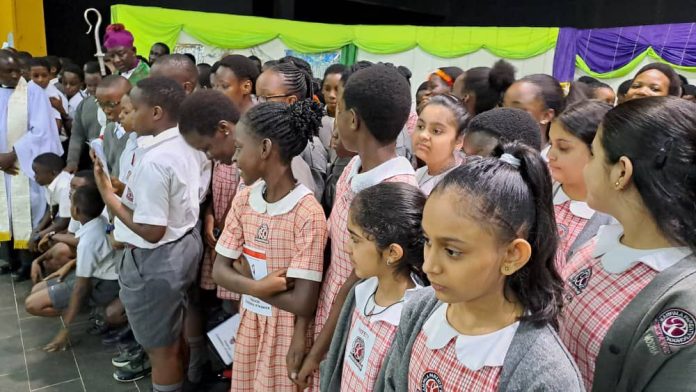
Kampala Parents Pupils at the dedication service presided over by Archbishop Church of Uganda Rev. Dr. Stephen Kaziimba Mugalu.

The Archbishop of Church of Uganda, Most Rev. Dr. Stephen Kaziimba Mugalu has blessed Primary Seven candidates of Kampala Parents School ahead of the PLE exams.

Primary Living Examination start next week across the country.


Quoting the Bible verse of Deuteronomy 31:8-9,’The lord himself goes before you and will be with you”. He wished the candidates success but also implored them to remember God as they go for exams.

Parents gathered at school to join pupils in prayer as they dedicate P7 candidates who are expected to sit their Examinations next week. The event was filled with joy, prayer and happiness as it was being presided over by the Archbishop of the Church of Uganda.

Kampala Parents School boosts of a rich heritage as a top performing school in PLE for several years as it has many times emerged the best.

Fresh Kid gets success card

Meanwhile singer Fresh Kid who is also a candidate this year received a success card from former Minister for Children Affairs and now Senior Presidential Advisor on same docket Florence Nakiwala Kiyingi ahead of the exams.

Fresh Kid was award a scholarship by city tycoon and proprietor of the Kampala Parents School Sudhir Ruparelia.

Stories Continues after ad

Kidnapped Indian Chef uncertain of future after forced return to Uganda

Chef Mukesh Menaria.

The Indian Chef Mukesh Menaria, who had allegedly been kidnapped by his bosses from their residence in Luweero, says that he is unsure of what to do next after Interpol in Uganda extradited him from Tanzania last week.

 Chef Menaria said he is uncertain whether he will ever return to Switzerland, where he worked for his accused boss Pankaj Oswal for seven years as a Swiss citizen.

On October 8, Uganda Police at Mutukula border discovered that Mukesh was detained at Kyaka Police station. The police received the Swiss message from the Interpol requesting NCB Kampala to check Mushesh Menaria at the Headquarters of the PRO industries on the first floor Madiba building along Golf Course road at Wampewo Avenue.

On Monday 28, the National Central Bureau of Interpol in Kampala paraded the chef and his son, Vishnu Menaria, and explained that their investigations began after Swiss police contacted them about the missing chef. The chef had reported his boss to the Swiss police over alleged mistreatment, but his phone went off after the report.

Mukesh says that he was tortured by his boss and he has burn marks on his back from the torture.

However, his boss, Oswal accuses Menaria of stealing valuable jewelry, raising questions about the chef’s legal situation in Tanzania.

Stories Continues after ad

Uganda: From a refugee exporter to a safe emigre sanctuary

Ambassador Henry Mayega.

By Ambassador Henry Mayega

After the advent of the Yoweri Museveni administration in 1986, Uganda ceased being a gross refugee exporting country and became a net refugee receiving country; that switch has been lauded by the international community as a robust progression of emigre crisis management—a unique example to the world.

The country currently hosts over one million and seven hundred thousand refugees, second to none in Africa.

Uganda’s refugee policy permits emigres equal access to basic social services such as health, education, land, security, freedom of movement, as well as economic opportunities, amongst others. Relatedly, the 2006 Refugees Act codified asylum rights for refugees. The act and policy/regulations plus the restoration of peace in Uganda by the Yoweri Museveni administration in 1986 have collectively made Uganda a net recipient of refugees because one cannot give what they don’t have; ideally refugees run away from insecurities to secure environments, which is what our country offers.

Besides, the policy that has attracted global accolades also emphasises self-reliance, entailing working, freedom of mobility, as well as cultivation within settlements.

And so when the administration implores funding partners to honour their pledges in order to ease the lives of the displaced people, a point is being strongly made; of recent there are a couple of European countries that have sought to repatriate refugees to Africa at a price.

The UK most recently wanted to relocate hundreds of refugees to Rwanda, and Hungary is seeking to do the same in Chad. In other words, those esteemed partners have a two-dimensional dilemma, namely: either to support refugees from Africa on African soil or circumstances will unleash them into the streets of Europe, which is already a burgeoning problem. The internally displaced (like Bagisu nationality, who are severally displaced by landslides in the Elgon area) constitute an obligation to the government, though, and Uganda’s ministry of disaster preparedness has been equal to the job.

First, the Yoweri Museveni administration has created an apt and congruous environment that has permitted the hosting of asylum seekers from many countries, namely: the DRC, Somalia, South Sudan, Rwanda, Eritrea, Burundi, Sudan, and from as far flung as Afghanistan, where tens sought refuge after the US hurriedly withdrew its security forces. In August 2021, Uganda agreed to temporarily host 2000 Afghan refugees during the Taliban takeover of their country.

Secondly, Uganda’s welcoming spirit extended to those emigres resonates well with President Yoweri Museveni’s call for panafricanism, which typifies the dictum of finding African solutions to African problems. In the past, African refugees would supply far-flung places like Europe with both free expertise (when professionals fled political turmoil) and cheap labour from non-professionals. By the world acknowledging Uganda’s robust refugee policy, that in essence is a salutation of our warmheartedness and xenial attitude towards the displaced.

Thirdly, refugees arguably flee from unstable environments; the political turmoil that obtains in several countries of the Great Lakes region has bred a continuous flow of refugees to Uganda’s peaceful haven. Relatedly, some countries do not easily admit such emigres because of extreme nationalistic and xenophobic ruminations. Uganda has proved to be totally different from others by openly embracing a wide range of refugees.

Fourth, in order to stem the refugee crisis that is incessantly straining Africa’s resources as well as the ever-dwindling donor funding, countries must stabilise their political and economic environments. That way, it’s surmised the refugee crisis will lessen by leaps and bounds since the helter skelter exodus would be nipped in the bud.

Assertively, Uganda’s proaction of creating a viable and sustainable peaceful political terrain plus the resettlement of refugees should be replicated elsewhere because it annuls the insecurity that would otherwise emanate from staying outside their national borders. In the case of Rwanda, the refugees who were for long not allowed to return home finally fought their way back home. Huge refugee populations are potentially a big source of insecurity.

Ambassador Henry Mayega

Stories Continues after ad

Museveni to resume PDM performance assessment tour in Eastern Uganda

President Museveni.

The Presidential Press Unit (PPU) has announced that President Yoweri Kaguta Tibuhaburwa Museveni will resume his performance assessment tour of the Parish Development Model (PDM) in Eastern Uganda.

This tour is scheduled to begin on November 6, 2024, starting with the Bukedi Sub-Region.

The tour is part of the President’s ongoing efforts to assess the implementation and impact of the PDM across the country. During this visit, Museveni is expected to engage with various stakeholders, including local leaders, technical staff, and the general public. He will address public rallies at selected venues in each district to gather feedback and discuss the program’s progress.

“During the tour, H.E the President will meet various stakeholders including leaders, technical staff and address public rallies at various venues in the respective districts,” PPU statement read in part.

The PDM is a key initiative aimed at improving the socio-economic conditions of Ugandans, particularly those in rural areas, through targeted development interventions. This tour is seen as an essential part of ensuring accountability and transparency in the program’s execution.

Museveni started these tours last year in the areas of the Acholi, West Nile, and Greater Masaka sub-regions for the same purpose.

Stories Continues after ad

Why are sports betting sites so popular in Uganda?

The sports betting industry in Uganda can best be described as having a love-hate relationship with the law. Despite the considerably restrictive environment, it has continued to thrive, steadily gaining popularity over the years. This article discusses why this industry has continued to grow despite the political challenges and legislative issues it faces.

Reason for the popularity of sports betting sites

Aside from the general affinity for sports, which the Ugandan people share with the rest of Africa, some of the major reasons sports betting is so well-loved include:

Proliferation of mobile devices

Uganda has more than 30 million active mobile users which is over half the population. Just as mobile devices have revolutionised the communications industry, they have also opened up an access point to a larger betting market. Internet-enabled mobile devices allow you to access sports betting sites easily at any time and from anywhere.

Mobile payment platforms

Mobile money payment integration with betting platforms is another notable reason why betting sites are so famous. Providers like M-Pesa and Pawapay, which are characterised by fast and reliable payment, have made the process of funding your sports betting account a matter of seconds.

Mobile gaming

The high usage of mobile devices has coincided with the advent of online betting. This has only helped to fuel the enthusiasm of Ugandans who enjoy this pastime. Many betting companies have recognised the trend and invested heavily in their mobile presence. So, the top sites now offer well-designed websites and mobile apps, making mobile gaming even easier.

Celebrity influencers

Sports betting companies have begun tapping into the huge followings of celebrities by signing them on as ambassadors. These popular figures promote the platforms they partner with to their fan base, usually offering exclusive coupons and promo codes for bonuses and other rewards. 1XBet is one of the most successful sportsbooks using this marketing method. You can check out the details available on sportytrader for more information on the 1XBet promo code deal.

What are the most reputable bookies to choose from?

There have been a lot of hurdles along the way for the Ugandan betting market, from a highly conservative approach towards the issuance of gambling licences to the imposition of stiff tax requirements on betting sites. These challenges have threatened to halt the growth of the country’s gambling industry, but have been unable to bring it to a standstill.

The Ugandan sports betting market currently features a variety of local and international betting platforms. Here are some of the most popular and reputable brands in the country:

  1. Megapari
  2. 22Bet
  3. Paripesa
  4. 1xBet
  5. Melbet
  6. Betwinner
  7. BC. Game

Uganda’s sports betting scene is anything but bleak, despite the legal issues that have plagued it. In recent times, the government and its legislature have been moving toward strengthening the legal domestic betting scene. Factors like the increasingly common use of mobile devices, the shift to mobile betting, online banking, and celebrity influence will only continue to fan the popularity of sports betting throughout the country.

Stories Continues after ad

UNBS suspends 15% surcharge on second-hand goods

The Uganda National Bureau of Standards (UNBS) has suspended the 15% surcharge for inspecting imported second-hand goods for six months.

The affected second-hand goods are used textile products, footwear and vehicles.

Under the current laws, all used imported vehicles, textiles and footwear must possess a Certificate of Road Worthiness (CRW) from their respective countries of origin. Failure to comply with this requirement results in a 15% surcharge on the Cost, Insurance, and Freight (CIF) value, along with additional Destination Inspection fees.

According to UNBS Executive Director James Kasigwa, during this period of suspension, they will review the Pre-Export Verification of Conformity for Used Commodities charge after receiving many complaints.

“The Uganda National Bureau of Standards (UNBS) has noted the need to put in place a framework to address the challenges met in implementation of US ISO 20245:2017; Cross Border Trade of Second Hand Goods standard,” he said in a statement issued on Tuesday.

“As such, UNBS has waived off the 15% PVoC surcharge for all Used Goods under the General Goods Category except for those products covered under; 1) US EAS 356:2019, Textiles — Requirements for inspection and acceptance of Used Textile products (2nd Edition), 2) US EAS 386:2020, Footwear — Inspection and acceptance criteria for Used Footwear — Requirements (2nd Edition), 3) US 845:2017, Road Vehicles — Requirements for inspection and testing of Used Motor Vehicles for Roadworthiness (2nd edition) /AMD 1:2021,” he added.

Eng Kasigwa said the waiver took effect on October 28,2024 and runs up to April 27,2025. “Consequently, all consignments of used goods shall be subjected to destination inspection during this period. Please note: for used earth moving equipment and used cranes, previous registration and supporting documents shall be required to treat such a consignment as a used commodity,” he added

Stories Continues after ad

How PDM funds end up in the wrong hands

Over the weekend, Frank Mwesigye, a concerned resident, visited Lyakajjula a sub-county in Lyantonde District and was taken aback by the lively, inebriated crowd filling the local bars in the trading center after receiving Parish Development Model (PDM) funds.

“There were people dancing and drinking like it was a holiday. When I asked why, I was told it was because they’d received the PDM money. But these were not the people that the program was meant to support,” he said.

The PDM, an initiative designed to provide financial support to vulnerable households, has instead ended up in the hands of wealthier individuals who already possess assets like 300 acres of land and profitable dairy operations. The funds that could have transformed struggling lives in the community went to those who were least in need.

Mwesigye’s inquiry into the matter revealed an unsettling layer of corruption. “Apparently, getting access to these funds requires ‘connections’ with the area’s PDM coordinator,” he explains.

He adds, “For every million shillings, the coordinator reportedly retains 100,000 as a ‘soda’ to smoothly release the money.”

Mwesigye revealed that the cost of influence has kept the funds from those truly eligible, as evidenced by the fact that only about 1% of intended beneficiaries received their share in Lyakajjula.

Mwesigye’s frustration is palpable as he describes the impact this system has had on his community. He says that residents who were struggling to earn even 100,000 per month were left with nothing.

He adds that the situation in Lyakajjula sub-county, Lyantonde-district is deeply concerning.

“I urge the government to intervene promptly to ensure that the PDM funds truly reach those who need them most. The government should also provide thorough education on how to use the PDM funds and clarify who is supposed to receive them,” he says.

Mwesigye notes that this money is not intended for alcohol but rather for wealth creation and increasing household incomes.

His worry reflects on the way the Anti-corruption has arraigned to the Chief Magistrates’ courts many defaulters of the PDM funds.

The defaulters conspire and defaulters millions of shillings from the beneficiaries of different PDM SACCOS by falsely pretending that the money they were collecting was for PDM activities such as; renting space, buying furniture, printing vouchers, PDM files, appraisals, and photographs among others. 

Stories Continues after ad