Stanbic Bank
Stanbic Bank
21.8 C
Kampala
Stanbic Bank
Stanbic Bank
Home Blog Page 194

Gender Ministry approves ‘REFILE’ project to regenerate and revamp film industry in Eastern Africa

The Ministry of Gender, Labour and Social Development (MGLSD) has announced the approval of the “Revitalizing the Film Industry for Livelihood (REFILE) in Eastern Africa by the UNESCO Intergovernmental Committee for the protection and promotion of the diversity of cultural expressions.

The project aims to focus on strengthening the film industry by regenerating and revamping the Eastern Africa film sector for sustainable growth and development in Uganda, Rwanda, Tanzania and Ethiopia. 

The approval was granted during the committee’s seventh session held from 27 February to 1st March 2024.

The project funding is $99,960 funded by the International Fund for Cultural Diversity (IFCD).

The project also seeks to harness the power of digital technology to promote sustainable growth, enhance livelihoods and create opportunities for young people and women in the Eastern Africa region.

Speaking at the approval event, Mzee Bwanika Juliaus, ED secretary Pearlwood said that with the emerging digital era, film makers will be able to get a wider market since digital distribution is a viable channel to sell content.

“Film makers will take a sustainable approach on how their content is consumed. The project will bring in more employment opportunities which clearly bring out the importance of education,” he said.

Bwanika added, “Sorting the marketing structure brings up a bigger opportunity to sell content since a stable market attracts more investors in the film industry.”

He also noted that for better quality of the film content, the creators need to identify one problem during production and this will solve all the future hindrances.

The projects specific objectives include;

  1. To strengthen and promote the film sector in Eastern Africa through mapping and creating a network of professional organizations for film and content creators.
  2. To widen the market for Eastern Africa audio-visual through collective e-distribution of content beyond borders.
  3. To build capacity of women and young IT personnel in the digital communication and OTT platform management film sector for sustainable growth and development. 

The REFILE project builds on the success of previous initiatives including the 2019/21 EU/UNESCO Film project in Uganda which laid the foundation for structured growth in the film sector. With the launch of REFILE, there will be a next step towards a more resilient, inclusive and digitally advanced film industry in Eastern Africa.

The Ministry of Gender expressed deep gratitude to UNESCO for their continued support and confidence in the project’s vision. The ministry is also committed to ensuring the successful implementation of this project which is believed will be a game changer for the creative industries in the Eastern Africa region.

The RFILE project will ensure the establishment of a seamless streaming Video-on-Demand Platform (Stream East) and the formation of an Eastern Africa multi-national practitioners’ rapport.

The project will ensure that there is enhanced visibility in the region and also create employment opportunities especially for women and the youth.

All stakeholders including filmmakers, cultural practitioners and the general public are urged to engage with and support this transformative project. There is belief that together with all stakeholders, the growth of a vibrant, sustainable and globally competitive film industry in Eastern Africa will be achieved.

           
 
Stories Continues after ad

Uganda Prisons, UN office on drugs and crime train prison officers to combat violent extremism

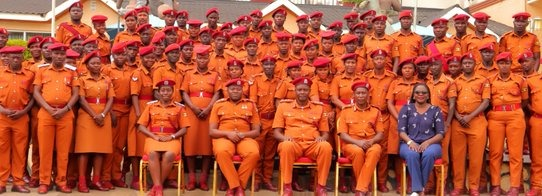
Uganda Prison Service, in partnership with the United Nations Office on Drugs and Crime and the European Union in Uganda have launched a training program for prison officers within the Kigezi, Kooki, Southern and South Western Regions in combating violent extremism, preventing radicalization to violence and promoting human rights safeguards in prisons.

The five-day training, kicked off at Mbarara City’s Lake View Hotel, with 70 officers from various stations including Kakika, Ndorwa, Rukungiri, Ntungamo, Masaka, Ssaza, Isingiro, Kiruhura, Bushenyi, Mutukula, and Mbarara Prisons participating.

The threat of violent extremism poses a great challenge to global peace and security, with prisons vulnerable to radigezicalization and recruitment by various extremist groups.

Uganda’s geographical location and past experiences with extremist groups, such as the Allied Democratic Forces (ADF), Lord’s Resistance Army (LRA) and Al-Shabaab, highlights the need for proactive measures.

Mr. Simon Alex Ben Wansadha, Commissioner of Prisons (Safety, Security Operations) emphasized that Prisons officers are the frontline defenders against radicalization. Enhancing their capacity is key in preventing the spread of violent extremism.

“The training will focus on international best practices in managing violent extremist prisoners, with a special emphasis on rehabilitation and reintegration. We must ensure that our prisons do not become breeding grounds for extremist ideologies, but rather centers for rehabilitation and transformation,” Mr. Wansadha stressed.

Mr. Celestine Twesigye, Assistant Commissioner of Prisons (RPC – South Western) added that countering violent extremism begins with our officers. This training is vital in equipping them to address this growing concern.

Mr. Peter Nuwagaba, Superintendent of Prisons and Coordinator of the Program, noted that the training will equip officers with skills to identify early warning signs of radicalization, develop effective rehabilitation programs, and foster a culture of tolerance and inclusivity within prisons.

The program aims to reach over 400 prison officers nationwide, covering all 19 administrative regions. Previous sessions have already been conducted in Kampala Extra, Central, North Central, South Eastern, East Central, and Iganga regions.

Stories Continues after ad

Court sets date for sentencing LRA label commander Thomas Kwoyelo

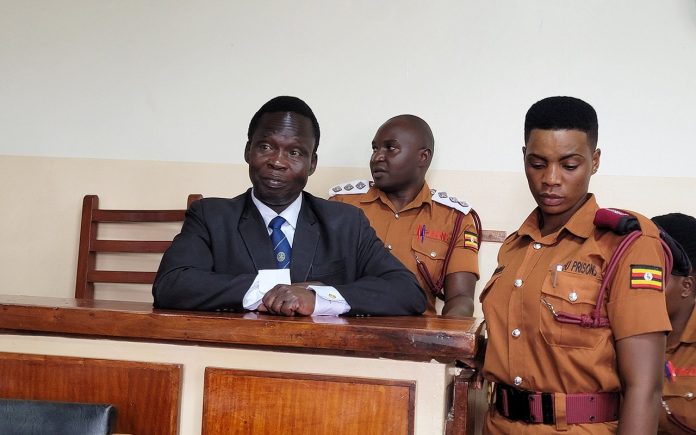
Kwoyelo in the dock.

The International War Crimes Division of the High Court has set a date for the sentencing of former Lord’s Resistance Army fighter Thomas Kwoyelo.

The revelation was made by Juliet Harty Hatanga, the Deputy Registrar of the International War Crimes Division of the High Court. Hatanga said Kwoyelo will be sentenced on October 16, 2024.

“It is important for us as the registry to gather people’s opinions and which kind of harms made people suffer the best reparations that would make sense to the community people. We are also having breakout sessions to give victims a chance to go through the verification process,” she said.

High Court Judge Susan Okalany said the victims want to be compensated for their houses that were burnt down, the trauma, victimisation, injuries, and emotional suffering they went through. They also want economic settlement by the government.

“The judges, we look through the evidence that was adduced before them, do sentencing guidelines,” she said.  

Last month, the court found Kwoyelo guilty and convicted him of 44 crimes against humanity. Kwoyelo is grappling with 78 of the 93 counts of murder, aggravated robbery, extensive destruction of property, causing serious injury to body or health, and inhumane treatment, rape, and torture, among others, that he is alleged to have committed against the civilian population of northern Uganda, southern Sudan, and the northeastern regions of the Democratic Republic of the Congo (DRC).

Appearing before a panel of judges led by Andrew Bashaija, Stephen Mubiru, Michael Elubu, and Duncan Gaswaga Kwoyelo was found guilty and convicted on charges of charges of murder, attempted murder, pillage, cruel treatment, inhuman acts, outrages, kidnapping, kidnapping with intent to murder, imprisonment, aggravated robbery, outrage, outrages upon personal dignity, enslavement, rape, torture, and violence to life.

In a ruling delivered by Justice Michael Elubu, the court acquitted him of three charges of murder and dismissed 31 charges of murder, attempted murder, aggravated robbery, and pillage.

Kwoyelo’s trial resumed on April 17, 2023, at the International Crimes Division of the High Court (ICD) sitting at Gulu High Court in Gulu City, Northern Uganda; however, it stalled due to a lack of funds.

Having commenced the trial on September 24, 2018, the court had its first prosecution witnesses testify in March 2019, and since then, trial sessions have been held periodically between Kampala and Gulu.

Kwoyelo was abducted by the LRA on his way to school in 1987, remained in captivity, and later became a colonel. The worst attack of the paramilitary group that was under the leadership of Joseph Kony occurred in Haute-Hele Province (DRC) in December 2008, the so-called Christmas massacre, where over 200 people were killed and over 800 houses razed down.

The rebels split up into groups to attack the villages of Faradje, Batande, Duru, Bangadi, and Burgi. They waited until people had gathered for Christmas festivities, then surrounded and killed them with axes, machetes, and clubs.

In 2009, Kwoyelo was captured in the neighbouring DRC during a raid by regional forces.

In March 2009, Kwoyelo was injured during hostilities between the Ugandan army and the LRA in the DRC and brought into Uganda for medical treatment and subsequently into custody.

His trial, however, commenced in July 2011. Before ICD, a division of Uganda’s High Court Constitutional Court resolved that the suspect’s trial should stop as it found grounds for the failure by the DPP and the Amnesty Commission to act on Kwoyelo’s application. In 2015, the Supreme Court decided that Kwoyelo’s trial should resume.

Stories Continues after ad

Ugandans puzzled over URA’s proposal to collect school fees

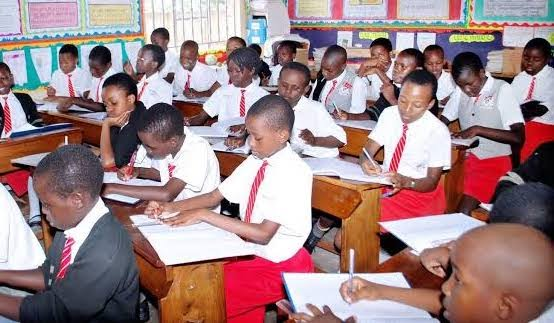
The proposal by the Government of Uganda to have the Uganda Revenue Authority (URA) collect school fees in all public and private schools has drawn mixed reactions from educationists and other stakeholders in the education sector.

According to the draft policy developed by the Ministry of Education and Sports, the government’s Universal Primary Education (UPE) and Universal Secondary Education (USE), will remain free of charge but any additional charges or fees approved by the ministry will be collected by URA. The government argues that this is intended to streamline the collection process and improve financial oversight.

Filbert Baguma, the General Secretary of the Uganda National Teachers’ Union, described the new policy as a non-starter.

He said it is contradictory for the government to claim that it offers free primary and secondary education and then suggest that URA will collect fees in some schools.

“What exactly will URA be collecting if there are no fees?” Baguma wondered.

The centralized fee collection was first introduced in universities in 2019 following issues of fee misuse and underreporting. The decision to manage fee collection through a single account held by the Uganda Revenue Authority (URA) was implemented to reduce such abuses and enhance financial oversight

But Baguma calls for a study review to determine how the policy is working in public universities before it can be introduced in primary and secondary schools.

Mr Geoffrey Birungi, the headteacher of Mbarara secondary school, said the government has in the past failed to release funds on time.

“We’ve seen local governments and universities using this system report delays in fund disbursement. Such delays can be problematic, especially if funds are needed urgently for essential teaching and learning resources. For instance, some funds collected by the PTA are used for teacher salaries, school feeding programs, and purchasing educational materials,” he said.

Joseph Ssembuusi, a parent, argues that with URA’s involvement, schools are likely to be affected as they wait for releases from the government which are many times delayed yet some demands need to be fulfilled.

However, the Assistant Commissioner of Public and Corporate Affairs at URA, Robert Kalumba, calls for calm, saying this is a mere policy proposal.

“This is still a proposal in the new education policy that hasn’t been passed yet and therefore is not law. Also, payment of fees will only be through the URA system as NTR (non-tax revenue). This process does not require one to have a TIN,” Kalumba said.

According to the National Planning Authority’s (NPA) paper, if the proposed centralized fee collection system is implemented, all public education and training institutions would be required to maintain a single official bank account.

The NPA’s suggestion, which emerged amidst growing public concern over rising school fees, also includes a proposal to restrict public education institutions from incurring debt without prior approval from the relevant authorities, as well as to curb unwanted increases in fees and charges.

Stories Continues after ad

How did Rugiirwa Katatumba an ordinary citizen get a diplomatic passport?

None of the Katatumba’s children is Honorary Consul of Pakistan in Uganda as 3rd Deputy Prime Minister Lukia Nakadama was appointed one replacing their late father.

Rugiirwa Katatumba’s Diplomatic Passport has sparked controversy as Ugandans called immigration department to explain and provide clarity on who qualifies for this much sought travel document.

According to Immigration.go.ug, the official website of the Directorate of Citizenship and Immigration Control of Uganda, Rugiirwa does not qualify to hold one (Diplomatic passport).

The President and Members of the First Family, Speaker and Deputy Speaker of Parliament, Chief Justice, government ministers and their spouses, head of Public Service, the Governor and Deputy Governor of the Bank of Uganda, chancellors and Vice Chancellors of State Universities, judges of the Supreme Court, Court of Appeal and the High Court, Permanent Secretaries, Chairpersons and Vice Chairpersons of Permanent Commissions and recognized traditional or cultural leaders, foreign service officers and their spouses plus their children below the age of 18 staying with them abroad are the only people entitled to have a diplomatic passport.

With the listed examples, Rugiirwa holds no position to allow him to bear a diplomatic passport. He has been seen in photos of the passport copy on many social media platforms which is seen as an act of abuse of the passport and can be revoked.

According to anonymous sources, Rugiirwa and his twin sister Angella Katatumba both acquired a diplomatic passport following the passing of their dad.

Boney Katatumba was the Honorary Consul of Pakistan. Angella illegally occupied his office following his death in 2018. Then, she helped her brother acquire the passport illegally.

Pakistan later appointed 3rd Deputy Prime Minister Lukia Nakadama as their Honorary Consul in Uganda.

Later, the High Commission for Pakistan in Nairobi described the honorary Consulate of Pakistani currently operating in Uganda under Ugandan singer and songwriter Angella Katatumba as fake, fictitious and with no legal authority.

In a letter dated March 13, 2018 and copied to the High Commission in Nairobi Kenya, all diplomatic missions, international organisations, consulates and Pakistan Association in Uganda, among others, the commission says the “so-called honorary consulate of Islamic Republic of Pakistan in Uganda had been ceased to function with the demise of Boney Katatumba.”

“It (Diplomatic passport) is meant to facilitate official government business by Government agents and to bestow various levels of Immunity in execution of said business; Rugiirwa has no business owning one. But of course, we know it has been abused,” said a source at Immigration.

He added: “It cannot be brandished as an all-open pass for any and every one that holds it. It carries terms and conditions for behavior and conduct.”

A section of Ugandans have petitioned the Immigration department demanding for answers on what procedures did he follow to acquire a diplomatic passport.

Rugiirwa Katatumba has become a symbol of scandal and controversy casting a long shadow over his father’s once-esteemed legacy.

Rugiirwa’s involvement in financial scandals is well documented since over the years he has repeatedly been accused of defrauding business partners out of their hard-earned money.

Stories Continues after ad

The move to vote LoP targets particular personality or opposition party- says FDC 

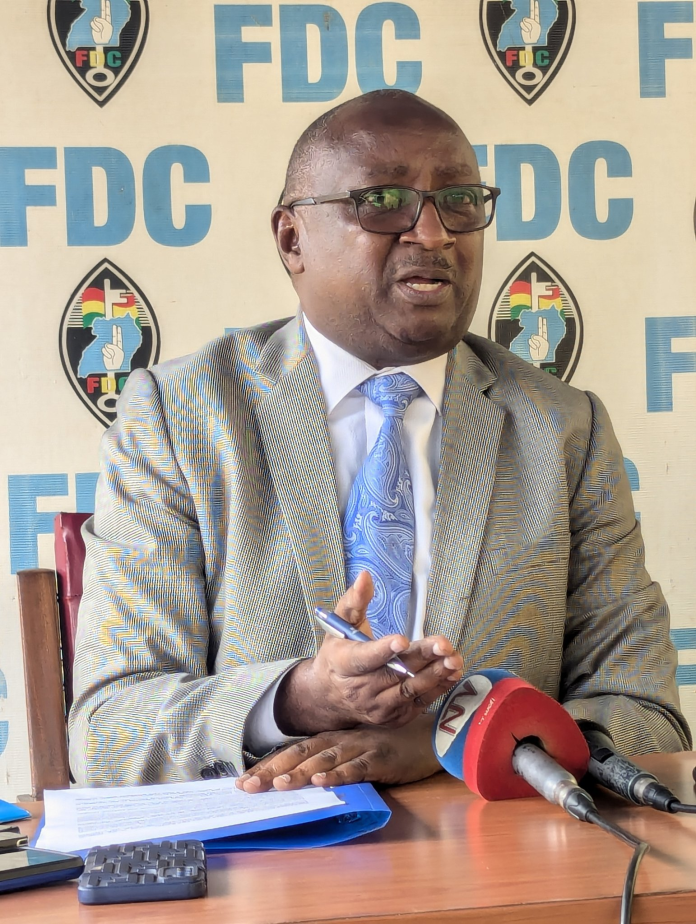
Forum for Democratic Change (FDC) has revealed that the administration of Parliament Bill 2024, which seeks to have the Leader of the Opposition elected by Opposition MPs, is targeting a particular personality or opposition party the government is having differences with.

“FDC believes that the legislation should always be blind. This particular amendment seems to be having eyes to a particular personality or opposition party looking at the spirit of the said legislation. We shouldn’t settle scores by mooting for legislation targeting certain individuals whom some people may have differences or disappointment with. We must enact legislation for posterity. Today we are in opposition, tomorrow we are in Government but we look to have a strong opposition to put our Government in check. We must not be blinded to be career opposition members. Our destination must be looking at capturing state power,” FDC noted in a statement.

Last Thursday, during the Northern regional Parliamentary sitting in Gulu city, Richard Lumu the MP Mityana South Constituency (Democratic Party) was given a leave to introduce a private Member’s bill, the administration of Parliament Bill 2024, which among others, seeks to have the leader of the Opposition elected by Opposition MPs.

FDC Party reiterates their considered view of rejecting this intended legislation moved by Lumu which is not anywhere in Commonwealth parliamentary practice. 

FDC noted that the amendment will allow all opposition MPs to elect the Leader of Opposition, potentially leading to a divisive and chaotic process with the opposition ranks both in Parliament and at a political party level which will give the ruling party a leverage to ferment hostility within the opposition over the leadership of opposition in Parliament.

FDC added, “The proposal disregards the internal structures and processes of individual opposition parties, potentially creating conflicts and undermining party cohesion. This arrangement empowers Political parties in choosing and ensures control and influence over its members in Parliament. The said legislation if passed will kill multi-party democracy in Parliament as the elected leader of opposition by opposition members will not represent the views of opposition parties represented in Parliament as he won’t be answerable to parties but rather MPs.”

The amendment will lead to intense rivalries and infighting among opposition MPs, weakening the opposition’s collective strength and effectiveness.

“The proposal was moved without adequate consultation with opposition parties, demonstrating a lack of respect for their autonomy and input. We wonder what defect Lumu is trying to cure it in the existing legislation. For all the issues that affect Ugandans, do we really need such legislation at this time?? Who does Lumu and the proponents of this amendment works for if we the key stakeholders haven’t come out to demand for it?

FDC added that the amendment will fragment the opposition, making it harder to present a united front against the ruling party. In fact, Lumu is indirectly opening a door for the ruling party to penetrate the opposition easily and giving an avenue for it to influence the outcome of the election. The regime will pump money and will sponsor a candidate to run for the position and hence that person will always work for the state which determined his election as leader of opposition and this will affect the furtherance of opposition agenda and unity in the house.

In the 10th Parliament, this very amendment was moved by Medard Sseggona Lubega (MP, Busiro East) and Aja Baryayanga (then Kabale Municipality MP) and was supported by then Shadow Attorney General Wilfred Niwagaba (MP Ndorwa West) which attempted to amend the Administration of Parliament Act to change the designation of the Leader of Opposition from the main opposition party to the entire opposition caucus.

At a press briefing today, Lumu asked the public not to reduce the bill to personalities, as he has no grudge against the current Leader of Opposition.

Lumu described people accusing him of fighting the 0pposition through his proposal to have MPs vote their own Leader of Opposition as shallow and myopic, wondering why when the same proposal was fronted in the 10th Parliament, FDC did not attack or malign the mover, Medard Sseggona, like he is being attacked.

Lumu wondered why some members of the public rushed to make comments about the Bill that is still under construction, saying it is these perceptions that have scared some MPs from making comments about his Bill without first understanding the contents in his Bill.

He explained, “I am suggesting that the main Opposition Party with the largest numerical strength will produce three people and from those three people, the greater opposition will elect one. I am sure that people are scared thinking that people are thinking that we are taking away the power of the main Opposition to produce the Leader of Opposition, that isn’t what I am doing. I am simply strengthening it, I am simply widening it.”

Lumu also wondered why the Opposition that is positioning itself to take over power in 2026 is opposed to the Bill and scared of an election, and he questioned if their reaction is an indication of their unpreparedness to ascend to power in 2026.

“I don’t know why someone would be scared of elections. I am actually scared that the people who actually want to promote democracy fear elections. We are in Opposition and we are preparing to go for elections in case we have done some action for us to go there. So, people shouldn’t fear elections. We shall be in power in 2026, so since we shall be in power in 2026, this Bill will work on the people who will be in Opposition. So, are people saying we are going to be permanently in the Opposition? Are they happy with the position?” argued Lumu.

Stories Continues after ad

Police warns public over new hotspots of criminal gangs in Kira 

The police have warned the public to be cautious around areas such as Kigambo, located in Namugongo, Kumusanyu, Lukadde, Kyaliwajjala, and Buwate, which are reportedly hotspots for individuals causing disturbances in parts surrounding Kira.

The police spokesperson, Kituuma Rusoke, reported that during an operation carried out by the Uganda Peoples Defence Force-UPDF together with Kira Police on the August 26,2024, 63 youths were arrested and taken to court after being found smoking powdered opium.

“On August 24, 2024, Kira police and the Uganda People’s Defence Force (UPDF) conducted operations in the areas of Kigambo in Mbalwa, Nsawo zone, Kumusenyu in Lukadde Kyaliwajjala, and Buwaate. These locations were identified as hiding spots for criminals planning illegal activities,” Rusoke said.

 During the operation, several suspects were caught in the act of smoking opium. A total of 63 individuals were arrested.

“Of those arrested, 51 were charged with opium possession and taken to court where they were further remanded and 12 were cautioned during the screening process,” he added.

According to police, other areas to watch are Katanga and Kasubi slums, Nansana, Kyengera and Katwe. The areas are harboring many drug addicts and robbery of passer-by there is rampant. 

Stories Continues after ad

World Bank Appoints new director for Kenya, Rwanda, Somalia and Uganda

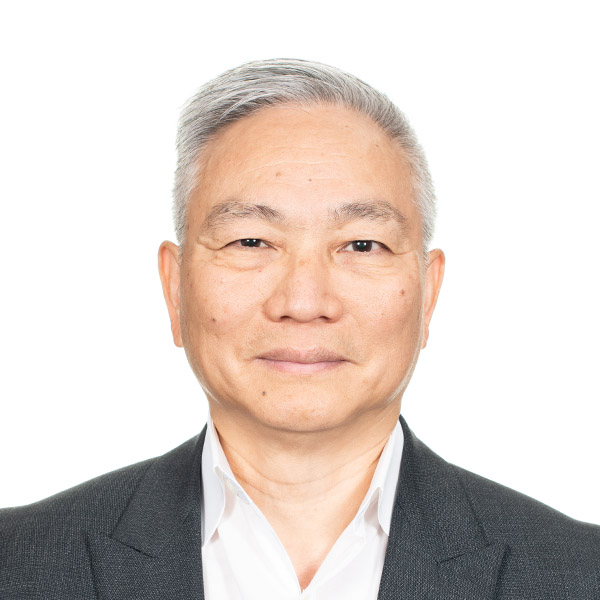
The World Bank has appointed Qimiao Fan as the new Country Director for Kenya, Rwanda, Somalia, and Uganda, effective September 1, 2024.

Fan, who has over 35 years of experience in development practice, will oversee the design and implementation of the World Bank’s support program to the four countries that has an active portfolio consisting of 102 projects totaling $17.2 billion.

A Chinese national, Fan joined the World Bank in 1991 and has since held leadership positions in various countries and regions around the world. Prior to taking up this assignment, he served as Country Manager for Cambodia in the East Asia and Pacific Region; Country Director for Belarus, Moldova, and Ukraine in the Europe and Central Asia Region; Country Director for Bangladesh, Bhutan, and Nepal in the South Asia Region; Director of Strategy and Operations for the Equitable Growth, Finance, and Institutions Vice Presidency; Director of Strategy and Operations in the Office of the Managing Director for Development Policy and Partnerships; and most recently, as Director for Strategic and Corporate Initiatives.

Prior to joining the World Bank, Fan worked as a researcher in development and transition economics at the London School of Economics in the UK and as a policy researcher at Jiangxi Institute of Finance and Economics in China.

 He also took leave from the World Bank and worked as a senior executive including as a CEO and a vice chairman of the board in the private sector in China for a number of years. Mr. Fan holds a PhD in Economics from the University of Birmingham, England. He has published on topics related to investment climate, private sector development, finance, and transition economies.

Mr. Fan is based in Nairobi, Kenya.

Stories Continues after ad

August inflation drops to 3.9% amidst reduction in annual energy fuel and utilities category cost

Uganda’s annual inflation for the year ending August 2024 declined to 3.9 percent from 4.0 percent in the year ending July.

According to the Uganda Bureau of Statistics (UBOS), the reduction was caused by many factors such as the Annual Energy Fuel and Utilities category, which stood at 4.7 percent, down from 6.2 percent in July.

This reduction was mainly due to a decrease in solid fuel inflation, which dropped by 9.4 percent in August compared to 13.3 percent in July 2024, largely driven by lower charcoal and firewood prices. Liquid energy fuel inflation also decreased to 3.8 percent in August, down from 5.1 percent in July.

Also, the Annual Food Crops and Related Items inflation, registered a decline of 0.6 percent in August, compared to a 2.0 percent increase in July.

“Matooke decreased by 2.1 percent compared to a 3.6 percent increase in July 2024, fresh cassava dropped by 27.0 percent compared to a 21.0 percent decline in July 2024, and cabbage increased by 20.0 percent to 32.5 percent in July 2024,” UBOS said.

The report attributes this decrease mainly to a drop in annual core inflation, influenced by a 1.3 percentage point decline in passenger transport services inflation. “Passenger transport services inflation registered at 6.9 percent in the year ending August 2024, compared to 8.2 percent in July 2024.”

Other contractions were recorded in Food and Beverage Serving Services inflation, which decreased to 2.7 percent from 3.8 percent in July. Financial services inflation also slowed to 4.3 percent in August, compared to 5.0 percent in the year ending July 2024.

Meanwhile, a slight increase of at least 1 percentage point was observed in the Annual Other Goods category due to the upward trend in commodity prices. “Annual Other Goods inflation was recorded at 2.1 percent, compared to 2.0 percent in July 2024. This was mainly due to rice prices, which registered a decline of 5.0 percent in August compared to a 10.1 percent decrease in July.

Maize flour prices fell by 24.5 percent in August 2024, compared to a 26.1 percent decrease in July 2024,” the report states.

Kampala High Income Group registered the highest inflation at 4.8 percent for the year ending August 2024, compared to 5.4 percent in July 2024. This was mainly driven by annual ‘Clothing and Footwear’ inflation, which increased to 5.8 percent in August 2024 compared to 4.5 percent in July 2024. Additionally, annual ‘Recreation, Sport, and Culture’ inflation rose 9.1 percent in August 2024 compared to 8.5 percent in July 2024.

The second-highest annual inflation was recorded in Mbarara Centre at 4.0 percent for the year ending August 2024, the same rate as in July 2024. This was primarily driven by annual ‘Transport’ inflation, which increased to 4.1 percent in August 2024 compared to 3.1 percent in July 2024. Additionally, annual ‘Clothing and Footwear’ inflation rose to 5.8 percent in August 2024 compared to 4.5 percent in July 2024.

The lowest annual inflation was recorded in Mbale Centre at 1.4 percent for the year ending August 2024, compared to 1.9 percent in July 2024. This was mainly due to the annual ‘Housing, Water, Electricity, Gas, and Other Fuels’ inflation, which registered 4.5 percent in August 2024 compared to 6.2 percent in July 2024. Additionally, annual ‘Food and Non-Alcoholic Beverages’ inflation decreased to -2.6 percent in August 2024 compared to -2.1 percent in July 2024.

Stories Continues after ad

Speke Group opens lounge at Entebbe International Airport

Beautiful Speke Resort.

City Tycoon Sudhir Ruparelia’s Speke Group has opened up a lounge at Entebbe International Airport.

The lounge is located at the airport’s arrival terminal, and the group is ready to welcome visitors to Uganda. They offer assistance to guests at the lounge and provide a comfortable and welcoming environment for travelers.

“Welcome to Uganda, Welcome to Speke Group of Hotels!” Speke Group revealed.

“Our team is ready to welcome you to our beautiful Lounge at the Entebbe International Airport arrival Terminal and extend the assistance you may require,” the Group added.

This lounge adds to the luxurious offerings of the Speke Group, which is known for its top-tier hospitality services in Uganda

Stories Continues after ad