Stanbic Bank
Stanbic Bank
17.5 C
Kampala
Stanbic Bank
Stanbic Bank
Home Blog Page 2062

ICC accuses former Kony advisor Matsanga of money laundering

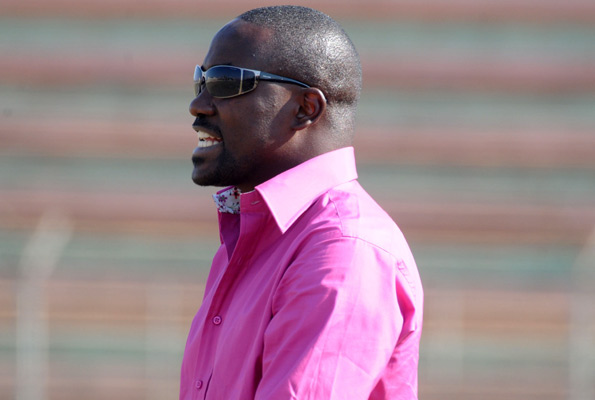
Writer of the article David Matsanga.

David Nyekorach Matsanga is not new to controversy and mention of his name reverberates like an echo in several African cities, carrying with it imaginations of the glitterati.

George Okot Odek, , The late Okot Odhiambo, Joseph Kony (Left to Right)
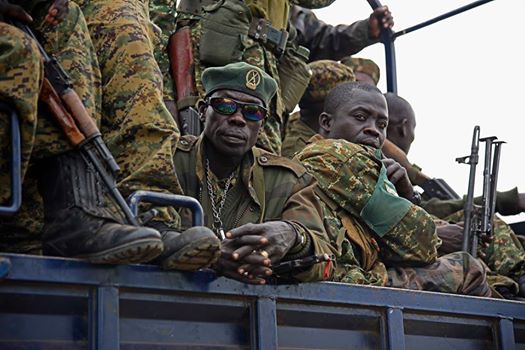
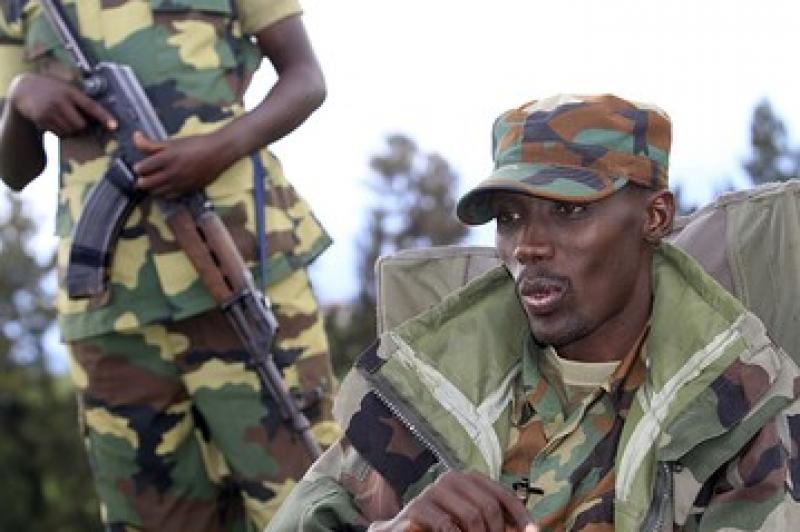
LINKED TO MATSANGA: LRA warlord Joseph Kony (R) pictured with some of his commanders

Matsanga, who led Joseph Kony’s delegation to the peace talks with Uganda between 2006 and 2008, is known as a Mr-fix-it, and has had close connections to among others Zimbabwe President Robert Gabriel Mugabe and Sudan president Omar Bashir, but is now linked to accusations of forgery, bribery and money laundering, in relation to the accusations he made against International Criminal Court (ICC) President, Ms.  Silvia Fernández de Gurmendi.

According to the ICC, ‘Matsanga forged invoices and bank statements, and named bank account holders who either do not exist or do not come from the country he cited’.

He claimed that the ICC president discreetly received more than US$17 million from Sudanese organisations to bribe witnesses for the court to indict Sudan’s President Omar al-Bashir. Mr Matsanga has been a vocal anti-ICC activist and has accused the court of using its processes to punish African leaders, including Mr Bashir.

The ICC issued its first warrant of arrest against President Bashir on March 4, 2009, and the second one on July 12, 2010, but he has not been arrested yet by any signatory to the Rome Statute that established the ICC.

In a statement, ICC spokesman Fadi El Abdallah said the allegations had been taken through the Independent Oversight Mechanism (IOM) by the institution and found to be false.

The IOM is an independent body established by the Assembly of States Parties as an inspection, evaluation and investigation mechanism for the ICC.

“These allegations concerning the supposed involvement of the president with payments to Sudanese rebel groups are based on forged evidence and are, therefore, demonstrably untrue,” Mr Abdallah said in a statement.

Ms Gurmendi, an Argentinian who rose to the helm of the ICC in March 2015, was also accused of having money in several bank accounts, which the IOM said was not evidence of misconduct.

Who is Matsanga

In his early 60s, Matsanga first came to prominence after the fall of former Ugandan president Apollo Milton Obote of the Uganda Peoples Congress, a regime he served as a security operative working with the National Security Agency (NASA). He later fled into exile in the United Kingdom, where he reportedly embarked on academic pursuit, attaining a Doctorate. At the time he also tried his hand in politics, opposing the National Resistance Movement (NRM/A) government. Between 2006 and 2008, Mr Matsanga was part of warlord Joseph Kony’s delegation to the Uganda peace talks that were chaired by embattled former South Sudan Vice President Dr Riek Machar.

Since then he has been an on-and-off confidant to several embattled African leaders including Mugabe (Zimbabwe), Bashir (Sudan) and most recently Uhuru Kenyatta of Kenya.

Stories Continues after ad
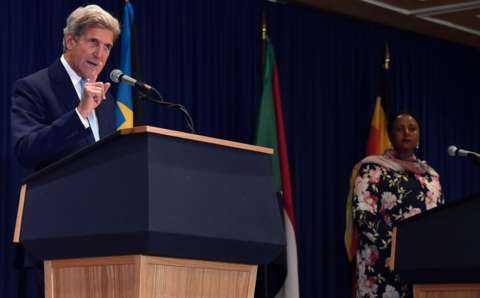
Ruhindi tipped to replace Kiggundu at EC

TOP CONTENDER FOR IEC JOB? Former Attorney General Fred Ruhindi

Former Nakawa Member of Parliament, Fredrick Ruhindi has been tipped to become the next Electoral Commission boss.

According to credible sources, Ruhindi, a former Attorney General and Minister for Constitutional Affairs will replace Eng. Badru Kiggundu whose tenure reportedly ends at the end of this month.

The soft-spoken Ruhindi lost the Nakawa seat to Forum for Democratic Change (FDC) Michael Kabaziguruka, and has since then withdrawn to private life.

Earlier reports had indicated that Ruhindi was set to replace Kampala Capital City Authority (KCCA) boss Jennifer Musisi as the Executive Director.

A lawyer by profession, Ruhindi served as minister for 10 years.

Asked whether he is aware of the new deployment, Ruhindi said “I don’t know anything”


Stories Continues after ad
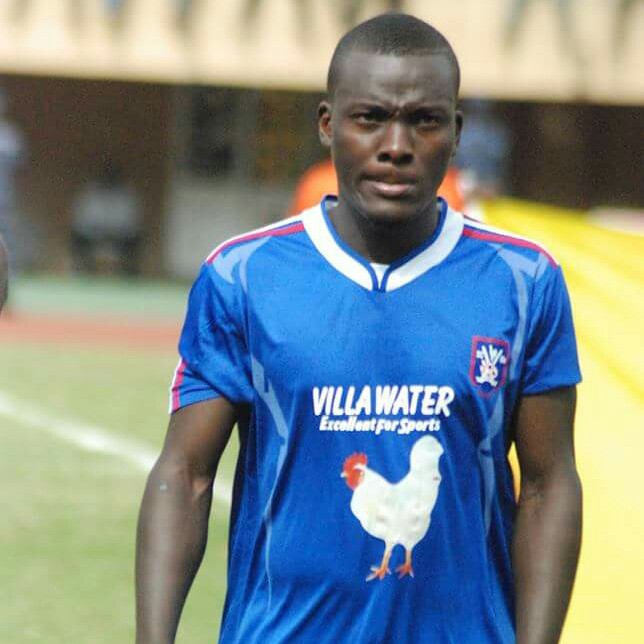
South Sudan accepts IGAD force, Ban Ki Moon lauds leaders

PROGRESS? South Sudan leader Salva Kiir meets UN Secretary General Ban Ki Moon. Moon lauded the South Sudan authorities for accepting foreign troops to resore calm in his troubled country.

South Sudan has accepted the deployment of a regional protection force to help quell the ongoing violence in the country, prompting UN Secretary General Ban Ki Moon to laud the government.

The decision by Inter Governmental Agency on Development (IGAD), the East African bloc which has been working along with the wider African Union (AU) to address the crisis, comes after deadly clashes in South Sudan between rival forces – the Sudan People’s Liberation Army (SPLA) loyal to President Salva Kiir and the SPLA in Opposition backing First Vice-President Riek Machar – erupted in and around the capital Juba, on July 7 close to the fifth anniversary of the country’s independence.

By press time efforts to get comment as to whether Uganda, an IGAD member instrumental in convincing President Kiir to accept foreign force intervention, would contribute troops. Two weeks ago President Kiir was in Uganda to consult with President Yoweri Museveni, following the outbreak of violence involving forces loyal to Kiir and his rival Riek Machar that broke out on July 7, just two days shy of the country’s 5th Independence Anniversary celebrations.

Meanwhile, in a statement issued by his spokesperson, the Secretary-General welcomed the communiqué of the Heads of State and Government of the Intergovernmental Authority on Development (IGAD) Plus countries, which proposed the deployment of the force, agreed at a regional meeting in Addis Ababa, Ethiopia. Media reports suggest IGAD leaders’ aim is for the force to help shore up South Sudan’s year-old peace deal.

Ban Ki-moon called on all South Sudanese parties to uphold their responsibility to protect civilians and to demonstrate their commitment to a peace agreement, “the only viable path” out of the crisis.

“He commends the IGAD leaders for their decisive action and welcomes the Government of South Sudan’s acceptance of a regional protection force,” the statement continued, adding that Mr. Ban called on all South Sudanese leaders to set aside their personal differences and demonstrate their commitment to the implementation of the Agreement on the Resolution of the Conflict in South Sudan, “which remains the only viable path to ending the crisis.”

The young country has faced ongoing challenges since a political face-off between the two leaders erupted into full blown conflict in December 2013. The crisis has produced one of the world’s worst displacement situations with immense suffering for civilians. Despite the August 2015 peace agreement that formally ended the war, conflict and instability have also spread to previously unaffected areas in the Greater Equatoria and Greater Bahr-El-Ghazal regions of South Sudan. This past month, deadly clashes in Wau resulted in the deaths of more than 40 people, while up to 35,000 fled their homes.

“He (Ban Ki Moon) is outraged by the continued reports of serious human rights violations and abuses, including widespread sexual violence against women and young girls, committed by armed men in uniform,” said the statement, adding that Mr. Ban called on all parties to uphold their responsibility to protect civilians and demanded that they take immediate steps to hold accountable those responsible for these ‘despicable’ crimes.

Stories Continues after ad
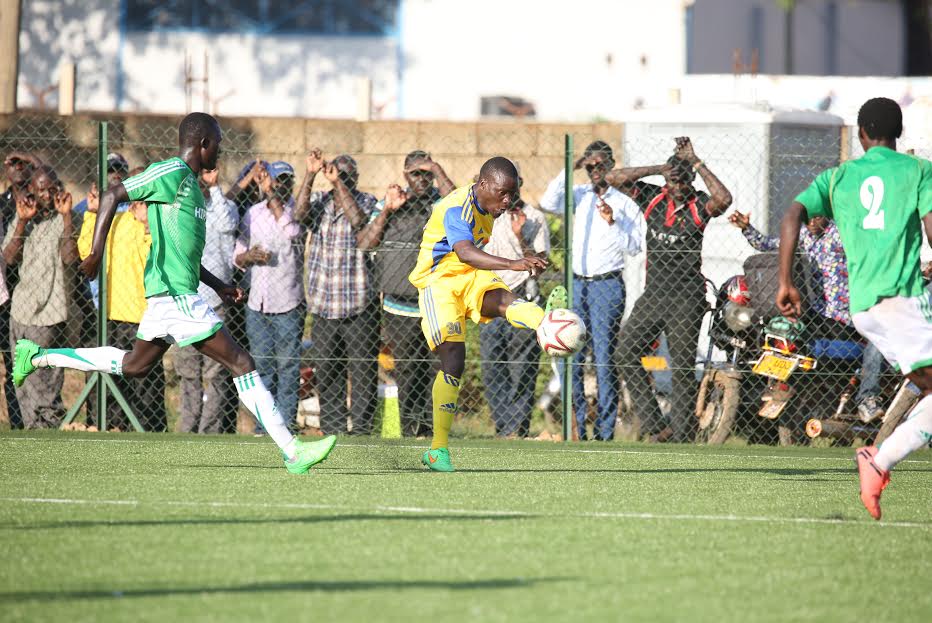
FDC criticises move to reduce civil service

ANNOUNCED REVIVAL OF CAMPAIGN: FDC Deputy Secretary General Harold Kaija

The recently announced move to reduce the number of civil servants in the country has drawn strong criticism from the opposition Forum for Democratic Change (FDC).

Recently, political leaders of the National Resistance Movement (NRM) led by President Yoweri Museveni held a series of meetings at the National Leadership Institute (NALI) in Kyankwanzi where a number of issues including the reduction were discussed.

However, addressing a press conference at the FDC offices in Najjanankumbi today, the party Deputy Secretary General Harold Kaija said the NRM has gotten its priorities upside down because the reduction will foment unemployment.

Kaija, who deliberated on a number of sticky issues, added that the NRM government is extravagant, spending huge sums on ‘useless activities’ like the Kyankwanzi retreat. Other areas of fiscal imprudence, he said, include the disbursements to State House and to the Ministry of Defence.

On top of its ‘many’ failures, the NRM government has also increased the number of districts, which Mr Kaija said, would inflate the public service wage bill.

“The newly created five districts need chairpersons, members of parliament, RDCs and other leaders who all need a salary which in turn leaves no money in the government treasury to facilitate the payment of civil servants,” he said.

Kaija also noted that civil servants such as police, teachers and doctors greatly contribute to the development but hastened to add that in Uganda they are the worst paid and have lived under poor conditions over the last 30 years.

Linking the retrenchment to the currently trending topic of the Shs 1.3 trillion ‘bailout’ to individuals and companies that are allegedly distressed, Mr Kaija said the money should instead channel it to increasing the civil servants salaries.

“The government should look at increasing civil servants’ pay than bailing out these tycoons that are already rich,” he said adding in its 30 year rule the NRM government has not built a single hospital.

“The hospitals around were constructed by former presidents like Obote and Amin;  health centres are the only ones that have been put up by Museveni’s government but they lack manpower and equipment with no drugs,” Mr Kaija said, adding: “The president and his close relatives and officials get treatment from abroad so care less about the public welfare.”

He also spoke against land-grabbing, citing the recently-resurfaced case of the UBC land that had been controversially acquired by Burahya MP Margaret Muhanga.

“The earlier we see this government off the better for the people of Uganda” Kaija said, adding that the government is full of ‘hungry hyenas and vampires’ that do not care about the well being of the citizens.


Stories Continues after ad
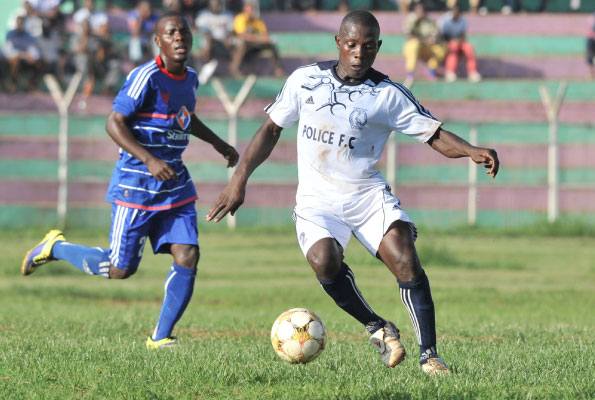
Somalia announces new election date

Somalia President Hassan Sheikh Mohamoud is one of those vying for the country's presidency.

Somalia’s Election Commission chairman Omar Mohamed Abdulle, has announced that the country’s 2016 presidential election will take place on October 30.

The commission said the election of 275-member Lower House will be held from September 24 to October 10 while the election of Upper House should be completed by September 25.

More than 14,000 delegates representing Somalia clans will cast their votes for members of the Lower House, while the regional states will select the members of the Upper House.

The incumbent president Hassan Sheikh Mohamoud is among dozens of candidates vying for the presidency, who will be elected by new lawmakers.

The term of the president expires on September 10, but according to a source, the speaker of parliament has approved a new resolution agreed by the national leaders forum to extend the term for the president until election day in October.

Somalia descended into chaos following the ouster of President Siad Barre in 1991. Since then Islamic radicals called Al Shabaab also added to the confusion, making the Horn of Africa country ungovernable, prompting the intervention of foreign troops including those from Uganda, to restore sanity.


Stories Continues after ad
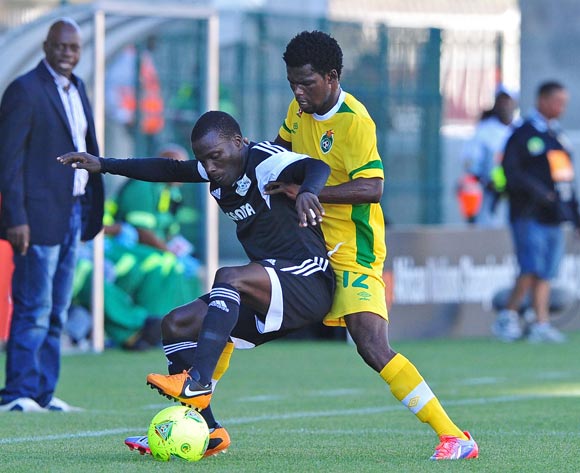
Africa must consume what it produces – Museveni

President Museveni with Idriss Deby

President Yoweri Museveni has said Uganda will exploit its resources including oil, for the benefit of Ugandans.

Mr Museveni, who is on a two-day state visit to Chad, said Uganda would follow in the footsteps of the central African state that produces and refines its oil.

The President said Uganda hopes to start with a refinery producing 30,000 barrels per day and later increases the capacity to 60,000 barrels per day.

He reiterated that he will ‘break away’ from the African slogan of ‘producing what it does not consume and consuming what it does not produce’.

“I congratulate President Idriss Deby for his foresight of building this refinery. Some countries produce petroleum but don’t refine it. He has done the right thing, now Chad produces oil and consumes it. In Uganda, we have some oil wells and that is the route we are taking,” he said.

The President, who was addressing local media during his tour of Chad’s Djarmaya Oil Refinery, was accompanied by a team of engineers from the Ministry of Energy and Mineral Development (Petroleum Directorate) led by Engineer Irene Batebe and Refinery Engineer Benjamin Ariho. He was taken around the facility by Chad’s Minister for Petroleum, Mines and Energy, Hon. Djérassem Le Bémadjiel.

Minister Djérassem Le Bémadjiel said with the refinery, his country is consuming everything they produce from oil and have nothing to spare. He said they are looking at building another refinery to produce bitumen for their roads and that his country can now afford to use high quality cheap petroleum products.

Chad is the seventh biggest oil producer in sub-Saharan Africa and it is said to produce about 180,000 barrels per day. Despite being one of the poorest countries on the continent, the landlocked central African country has since 2003 when it became an oil-producing nation seen a steady economic growth over the past decade.


Stories Continues after ad

President Museveni for Deby swearing in

President-Museveni-with-the-Minister-for-Petroleum-Djérassem-Le-Bémadjiel-at-the-Djarmaya-Oil-Refinery

President Yoweri Museveni is in the Chadian capital N’Djamena on a two-day official visit during which he will also attend the swearing-in ceremony of President Idriss Deby Itno to his fifth term in office.

President-Museveni-with-Chad's-Minister-Djérassem-Le-Bémadjiel-and-their-respective-delegations-at-the-oil-refinery
President-Museveni-with-Chad’s-Minister-Djérassem-Le-Bémadjiel-and-their-respective-delegations-at-the-oil-refinery

Over 15 Heads of State are attending the inauguration ceremony including Benin’s’ President Patrice Talon, Burkina Faso’s Rock Mark Kabore, Ethiopia’s’ Hailemariam Desalegn, Rwandan President Paul Kagame and that of Equatorial Guinea Theodoro Obiang Nguema Mbasogo among others.

President Deby and his party the Patriotic Movement of Salvation won a 5th term in elections held in April 2016, after winning a first round vote with 61.5 percent of ballots cast against 12.8 percent for his nearest rival Saleh Kebzabo, according to official results.

 President-Museveni-with-Chad-Minister-for-Petroleum-with-Ugandas-Petroleum-Engineer-Irene-Batebe-looking-on

President-Museveni-with-Chad-Minister-for-Petroleum-with-Uganda’s-Petroleum-Engineer-Irene-Batebe-looking-on

Meanwhile, yesterday, President Museveni, accompanied by Chad’s Minister for Petroleum, Mines and Energy Djérassem Le Bémadjiel was taken on a guided tour of the Djarmaya Oil Refinery . The President was also accompanied by Ugandan engineers Irene Batebe, the Principal Petroleum Engineer in the Ministry of Energy and Mineral Development (Petroleum Directorate) and Refinery Engineer Benjamin Ariho. Chad became an oil-producing nation in 2003 with the completion of a $4bn (£2.6bn) pipeline linking its oilfields to terminals on the Atlantic coast.


Stories Continues after ad

Ugandan Judge to head Seychelles’ Anti-Corruption Commission

Justice Duncan-Gaswaga.

Seychelles President James Michel has appointed the five members of the Anti-Corruption Commission, the first such body in the island nation, State House announced on Friday.

Ugandan Judge Duncan Gaswaga has been named the commission’s chairperson.

State House said the appointments by the president “follows recommendations received this week from the Constitutional Appointments Authority.”

Judge Gaswaga — currently a High Court Judge in Uganda — is not new to the island nation. He served the Judiciary of Seychelles as a Magistrate and as a Supreme Court Judge between 2002 and 2013.

The other members of the Anti-Corruption Commission are all Seychellois nationals.

Daniel Belle, a lawyer, has been appointed Vice-Chairperson. The three other members are Hardy Lucas – a businessman, lawyer Priscille Chetty and Marie-Claire Elizabeth, who has retired from a long journalism career.

The Constitutional Appointments Authority (CAA) says the chairperson, vice chairperson and commissioners’ positions were advertised citing the desired qualifications and experience, adding that all applicants were interviewed by a panel.

The decision to create an Anti-Corruption Commission was announced by the President in his State of the Nation Address in February.

“We have taken harsh measures where corruption existed. The commission which we are setting up will help us strengthen our actions against corruption,” Michel said in his address.

The issue of corruption was also raised by opposition parties in the last presidential election in December.

The Anti-Corruption Commission, which is part of the government’s decision to step up the fight against graft, was endorsed by the National Assembly in April.

Once fully operational the body will be tasked with receiving complaints and also investigating, detecting and preventing practices linked to corruption in both the public and private sector.

The commission will have its own structure, budget, and taskforce which will conduct investigations.

In the press statement issued Friday afternoon, State House said one the first tasks ahead for the newly named members is to recommend the appointment of a chief executive to the President.

The chief executive, the statement adds, “will be responsible for implementing the decisions of the Commission, and for the effective management of the affairs of the Commission.”


Stories Continues after ad
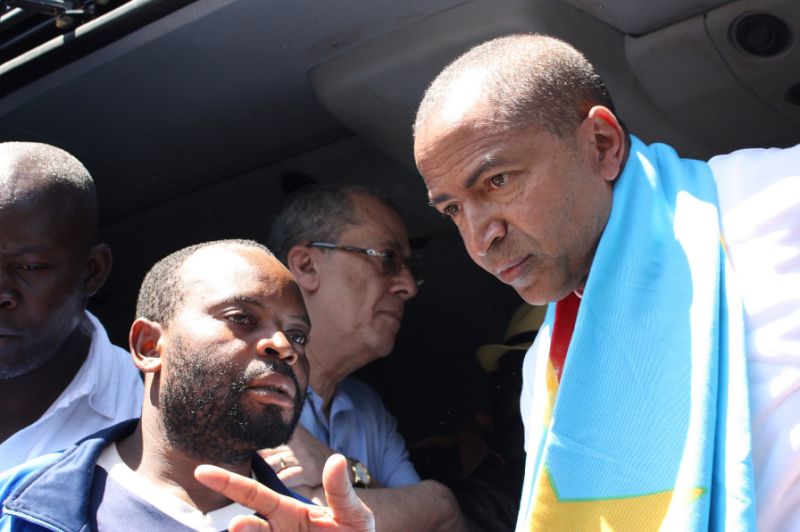
Deng Gai agrees to step down for Riek Machar

South Sudan President Salva Kiir with his deputy General Taban Deng Gai.

Newly-appointed South Sudan First Vice President Taban Deng Gai, who led South Sudan government delegation to the summit known as Igad-Plus, emerged to say that he was ready to step down from his position and give it to Riek Machar once he returns to Juba.

IGAD is the Inter-Governmental Authority on Development and the IGAD-Plus summit included representatives of the United Nations, African Union, and the Joint Monitoring and Evaluation Commission that monitors the progress in implementation of the peace agreement in Africa’s youngest nation.

The executive secretary of the Intergovernmental Authority on Development Mahboub Maalim said the Heads of State of member states have directed the chiefs of staff to go to Juba and discuss the modalities of deployment of the protection force with the government of South Sudan.

“The government of South Sudan has accepted with no condition the deployment of protection force,” he said.

The meeting was chaired by the current chairperson of the Igad Assembly of Heads of State and Government who is also the Ethiopian Prime Minister Hailemariam Desalegn.

Presented Yoweri Museveni who is a regional authority on South Sudan and IGAD attended the meeting and is in favour of deployment of protectionist force in South Sudan.

Other IGAD member state leaders who attended the meeting include, Presidents Paul Kagame of Rwanda, Omar al-Bashir of Sudan, Hassan Sheikh Mohamud of Somalia and Ismaïl Omar Guelleh of Djibouti.


Stories Continues after ad
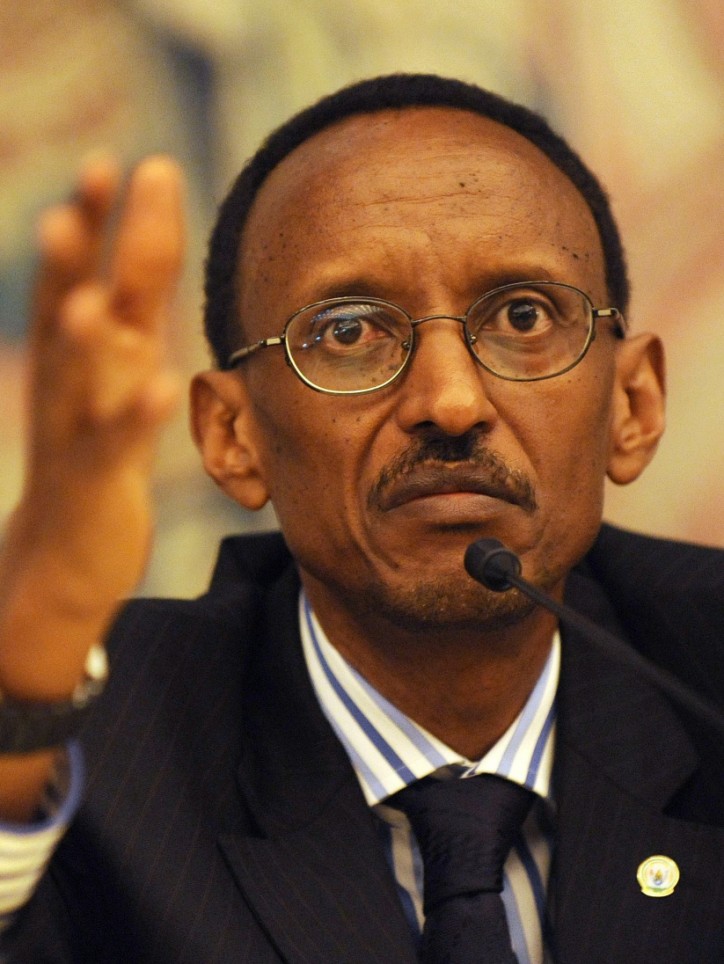
Speakers of African Parliaments to engage gov’ts on PAP protocol

Uganda Speaker of Parliament Rebecca Kadaga presenting her case at PAP.

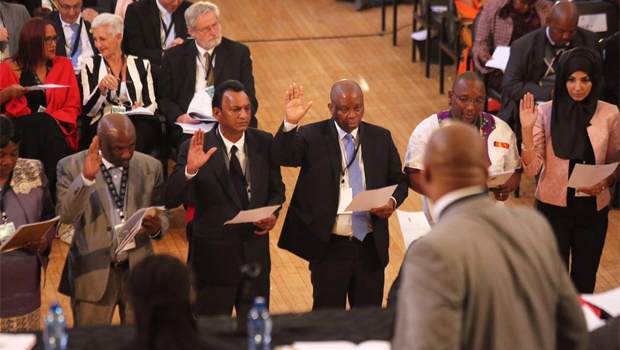
The 8th Annual Conference of Speakers’ of African Parliaments meeting in Midrand, South Africa has resolved that Speakers of regional and national parliaments urge their respective governments to ratify the Malabo Protocol and deposit instruments of ratification with the African Union Commission.

The Protocol to the Constitutive Act of the African Union (AU) on the Pan African Parliament (PAP) was adopted by the assembly of the Union in June 2014 in Malabo, Equatorial Guinea, with major revisions to the original Protocol of 2001.

The amendments relate to increase in representation of women from one out of five designated Members of Parliament per country to two. It provides for election of Parliamentarians to the PAP outside the membership of national parliaments.

The new Protocol seeks to see PAP move away from being merely a consultative and advisory organ to one with full legislative functions. The tenure of a PAP Member would also not be tied to the national Parliaments.

According to the text of the communiqué that Speakers endorsed on Friday, August 5, 2016, they agreed to strengthen regional parliaments as a way of enhancing regional integration and attainment of a continental parliament with full legislative powers.

The communiqué also calls for a consultative process that includes civil society and other stakeholders in the ratification of the revised protocol of the PAP.

The Speaker of the Parliament of Uganda, Rebecca Kadaga, called for increased funding to the PAP by the member states to enable it meet its mandate. She also proposed increasing visibility of the AU among the population.

“Apart from working with civil society, I think there is a bigger constituency of the population. Now that we have something to market in form of an African passport, I want to include a provision that members of the PAP and member states popularize the African Union to the population because it is too far from the people,” Kadaga said.

To date, only two member states, Mali and Sierra Leone, have ratified and deposited the Protocol.

For the Protocol to come into force, 28 Member States have to ratify and deposit it.


Stories Continues after ad