Stanbic Bank
Stanbic Bank
19.2 C
Kampala
Stanbic Bank
Stanbic Bank
Home Blog Page 2133

Micho, Fufa unveil plan to thump Comoros at Namboole

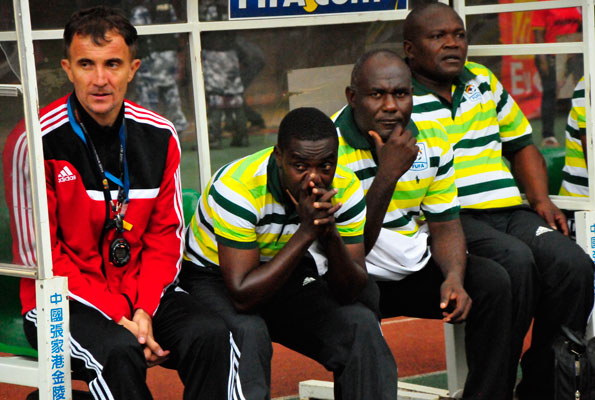
Micho addresses the media at the Fufa Weekly press conference held on Wednesday in Mengo, Kampala (Photo/ Fufa Media)

Uganda Cranes head coach, Milutin Micho Sredojevic believes the time left is not so much and preparations have started immediately.

“We do not have enough time to prepare for the game against Comoros. We only have 57 days left. We need to prepare the players well technically, tactically and physically” Micho told the media at the FUFA Weekly press conference held on Wednesday in Mengo, Kampala.

Micho is confident that Uganda with 10 points in group D, same with Burkina Faso heading into the last game with Comoros at home.

Three points for Uganda on the day will see the Cranes qualify to the African Cup of Nations finals for the first time since Ghana 1978.

Federation of Uganda Football Associations (Fufa) President,  Eng. Moses Magogo also thanked every individual whose efforts to help the National football team, the Cranes secured  the crucial away victory against Botswana which cannot go unnoticed.

Uganda Cranes has done well to pick two away wins in the same qualification campaign.

“I thank all the players, technical team, FUFA advance team to Zimbabwe and Botswana headed by the FUFA finance, Decolas Kizza, our technical team and players also did a commendable job, the FUFA Executive and staff, my predecessor, Mr Lawrence Mulindwa, for all the fans who traveled from as far as Swaziland, South Africa, Zimbabwe and Gaborone, i thank them in a special way.

Uganda Cranes defeated Botswana 2-1 at the Francistown sports complex. William Luwagga Kizito, who plays in Portugal, scored the opening goal on the day while Gor Mahia midfielder, Aucho Khalid scored the other goal.

The Fufa President also hinted on preparations for the next game against Comoros that will be communicated later.

“We have started immediate preparations for the game against Comoros and the details will be released to the public as soon as possible. We are not into the mathematical lessons. We need maximum points in the next game” he added.

Micho and the Uganda hosts Comoros in the last game of group D at Nelson Mandela National Stadium in Kampala on 3rd September 2016. Burkina Faso shall also be against Botswana in Ouagadougou on the same day.

Stories Continues after ad

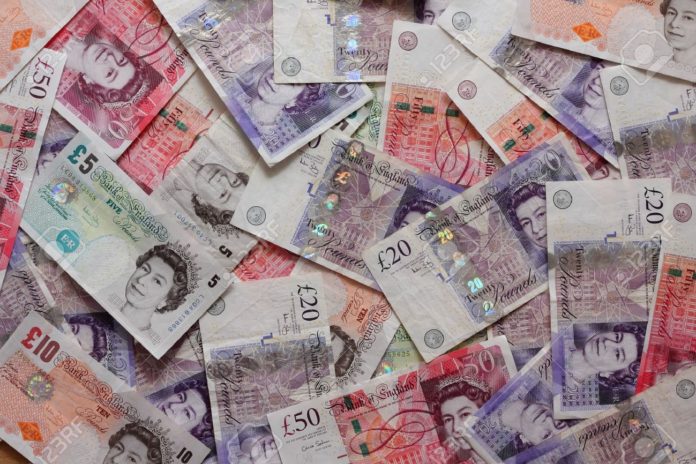
Billions of pounds siphoned out of UK ahead of ‘Brexit’

Pound note bills

Evidence that investors are shifting billions of pounds out of British assets is just a ‘taste of things to come’ if we vote to leave the EU, the Chancellor has warned.

His comments come after discovery that £65bn either left the UK or was converted into other currencies in March and April – the fastest rate since the financial crisis in early 2009.

The figures, published by the Bank of England in its monthly register of banking statistics, represent the first evidence of capital flight from the UK – where money rapidly flows out of a country or out of that country’s assets in response to concerns over economic instability.

They are consistent with the sharp falls in the pound over the period, which is regarded as a barometer of international fears about Brexit.

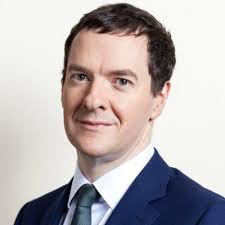
Responding to Sky News’ findings, George Osborne said: “Financial markets are telling us what all the evidence shows: that Britain will be permanently poorer if we vote to leave the EU and the single market.

UK CHANCELLOR OF THE EXCHEQUER: George Osborne

“If we vote to leave, what we are seeing now is just a taste of things to come.

“If we vote to remain, the British economy can go from strength to strength.”

One of the worst months for capital flight appears to have been March, when the outflow was £59bn – the equivalent of £1.3m a minute for the entire month.

This was the second biggest single-month fall since records began, and March had been the first full month of the referendum debate after Boris Johnson joined the Leave campaign.

The Bank of England figures, which measure flows of cash in and out of sterling, are volatile but have deteriorated dramatically recently.

In the six months to the end of April, some £77bn left the sterling system.

That compares to a fall of just £2bn in the six months to the end of October 2015.

Conservative MP John Redwood, however, has labelled Mr Osborne’s response ‘alarmist rhetoric’ which ‘betrays a growing desperation in Number 10’.

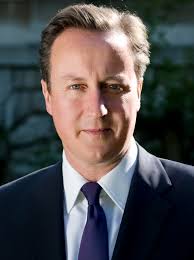
RESIDENT AT 10 DOWNING STREET: UK Prime Minister David Cameron

“Any serious economist will tell you that the pound is up against the dollar since February, and the UK’s foreign exchange reserves have increased this year,” Mr Redwood, a Brexit supporter, said.

“We are the fifth largest economy in the world, and will fare perfectly well outside of the EU – as the Prime Minister himself acknowledged.

“In fact, the economic health of this country will increase when we detach ourselves from the perilous state of the eurozone.”

Although the capital flight could be influenced by a number of other factors – such as changes in the balance of payments and appetite for other currencies – economists said that it is clear that they are being primarily driven by concerns about the referendum.

Simon Ward, chief economist for Henderson Global Investors, said: “Investors are obviously concerned that in the event of a Brexit, the economic outlook will be very uncertain – investors dislike uncertainty – so they want to reduce their exposure to the UK equity and bond markets to reduce that risk.”

The Bank of England itself has warned repeatedly about the economic risks posed by a possible Brexit.

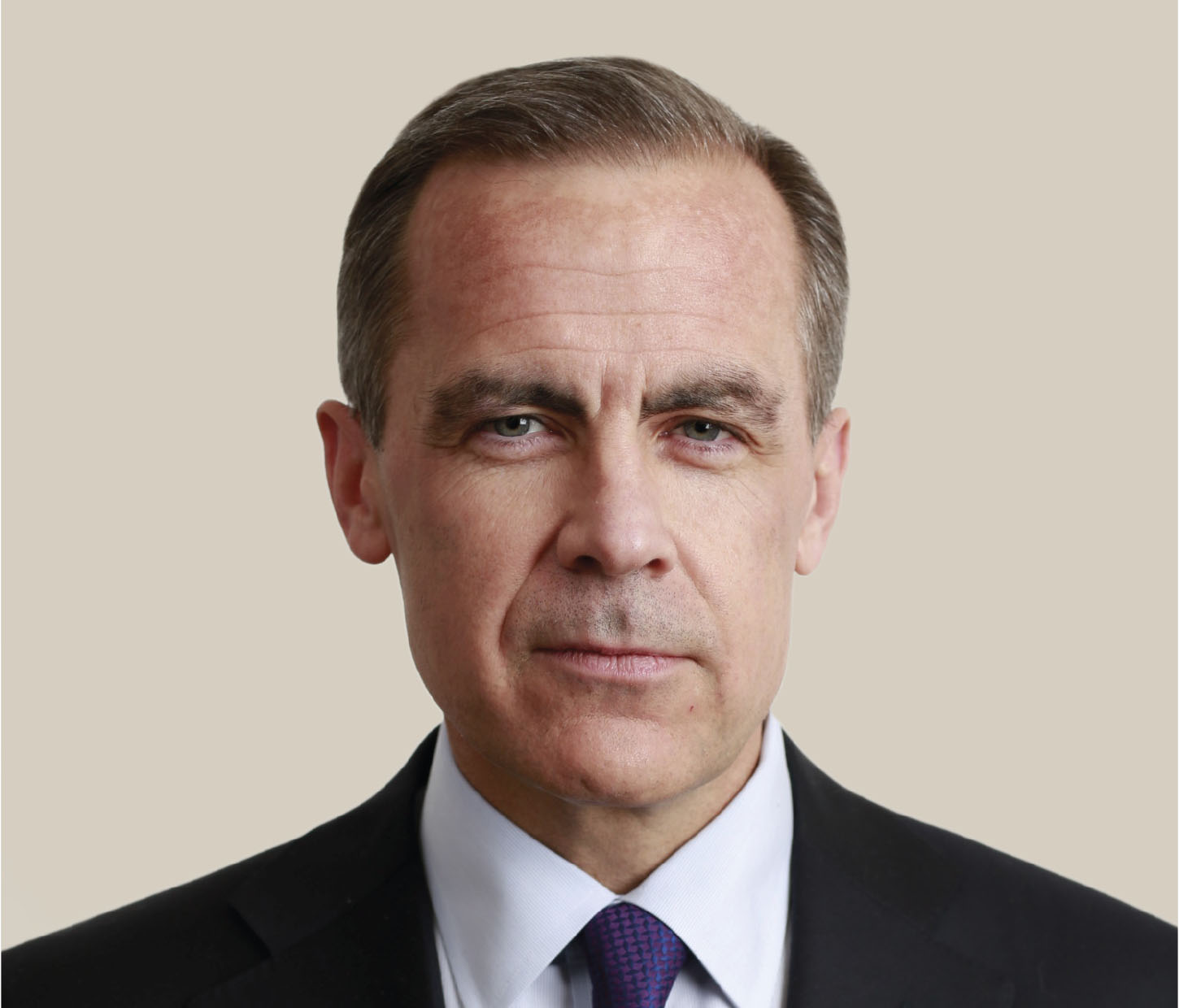
Bank of England GOVERNOR: Mark Carney

Governor Mark Carney has not been commenting on the referendum since the so-called ‘purdah’ period began, but he is known to be concerned about volatility in the financial markets ahead of the vote.

However, the scale of the impact has nonetheless taken many by surprise.

Official economic growth figures are expected to show a sharp fall in UK output in the second quarter, as businesses delay investment plans and consumers put off spending ahead of the referendum.

With economists warning of a potential recession if the UK votes to leave on June 23 and with the polls narrowing in recent weeks, some expect the slowdown to worsen in the coming fortnight.


Stories Continues after ad

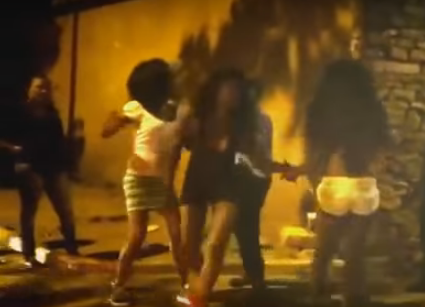
Uganda prostitutes beat up Kenyan intruders over stealing customers

A brutal video has emerged of the moment Ugandans fought ‘brown and cunny’ Kenyan hookers following a heated row over clients in Kampala.

Before being roughed up thoroughly, the Kenyan prostitutes are seen arguing and abusing their hosts who react with extreme violence.

The Ugandans demand that the Kenyan women either shaped up to their rules or they ship out of their market.

In a video believed to have been filmed when the fracas occurred on Tuesday night, June 7, along the infamous Speke road in Kampala, both of sets of hookers can be heard screaming at each other. The Ugandans can be heard shouting: ‘What the f**k are you doing here, go back home?’

Prostitutes

It is believed that the hostile takeover culminated in a fight between the two groups more importantly because the Kenyans were offering services at a cheaper price and stealing all the clients for themselves.

According to Tuko Kenya, Esther Nyambura, one of the Kenyan prostitutes, said it was unfortunate that the Ugandans opted to beat them up instead of calling for a sit down to discuss the matter.

According to the Ugandans, the Kenyans were charging half the price for a shot which lured their customers who are mainly composed of truckers operating the Mombasa-Uganda-Congo to Burundi route to ferry goods.

“We cannot allow them to take over out trade because it is our source of income. They should either increase their prices of leave the place,” said Naomi Nekesa, the Ugandan sex workers’ leader.

No police arrived on the scene during the incident and nor have they commented on the matter but it took the intervention of local leaders to break up the fighting.

Prostitution has always been the go-to work for people who fail to secure formal employment.

Prostitution in Uganda and Kenya is considered illegal and in spite of this, it is rife all over the country with most operating out of hotels and commercial houses for rent.

Despite most women exiting the profession, undergoing rehabilitation and training in a skill set, most employers refuse to hire them for fear that they haven’t changed.

Stories Continues after ad

Shell to walk away from 10 countries

Royal Dutch Shell says it will exit oil and gas operations in 10 countries in a drive to deepen cost cuts and narrow its focus.

Speaking in London on Tuesday, Ben van Beurden, Shell’s chief executive officer, said the cuts were due to the company’s $54 billion acquisition of BG Group.

He expressed hope that the new cuts would help to boost Shell’s shares, which he said had underperformed rivals since the BG deal was announced in April 2015.

Although Van Beurden did not say which countries the company might exit, reports have it that Shell is planning to sell its assets in Gabon.

In the long term, the company said it would target shale oil and gas production in North America and Argentina as well as renewable energies hydrogen, solar and wind.

Shell plans to sell $30 billion worth of assets around the world by 2018 and announce it plans to implement a share buyback programme.

Shell in Uganda

In March 2013, Vito Energy announced they were taking over Petroleum giants Shell Uganda to sell the latter’s branded fuels and lubricants.

Shell is using a different approach to pullout from the downstream oil business unlike other brands that completely disappeared from the Ugandan market after buyouts.

Despite having new majority shareholders, Shell continues to be used at all fueling outlets and branded lubricates.

All this happened after the conclusion of a sale contract between Royal Dutch Shell and the two firms where Shell sold majority stake in its African business that deals with retail, distribution and storage of petroleum products.

Currently, it operates in 13 countries including Uganda, Kenya, Namibia, Botswana, Senegal, Tunisia, Morocco and Mali, among others.


Stories Continues after ad

Uganda coach Micho mourns Stephen Keshi

Uganda Cranes coach Micho Sredojevic (left) and his assistants Kefa Kisala, Fred Kajoba and team manager Crispus Muyinda. Uganda's football community is mourning Nigerian legend Stephen Keshi who passed away on Wednesday morning

Uganda national men’s football team head coach Milutin Micho Sredojević on Wednesday paid tribute to Nigerian football legend Stephen Keshi who has died at the age of 54.

Legend and big boss of African football Stephen Keshi you left us too early. Nigeria and African football will never forget job done especially with Togo, Mali and Nigeria. Rest in peace,” Micho said.

And Uganda’s football federation also tweeted:

Fufa joins the rest of the football world in mourning the demise of former @thenff  head coach Stephen Keshi. We are saddened by the news.

Keshi a personal to Uganda’s Serbian born coach Micho, was only the second person to have won the Africa Cup of Nations as both a player and a coach.

He was part of the Super Eagles team when it won the cup in Tunisia in 1994 after beating Zambia 2-1 in the final.

Micho is on the brink of qualifying Uganda for the Nations Cup for the first time since 1978 after a hard fought win of 2-1 against Botswana in Francistown over the weekend.  The Cranes need three points to total 13 and will be well in the top contention for the second placed teams in all the groups.


Stories Continues after ad

EU plans €62bn to curb illegal African immigration

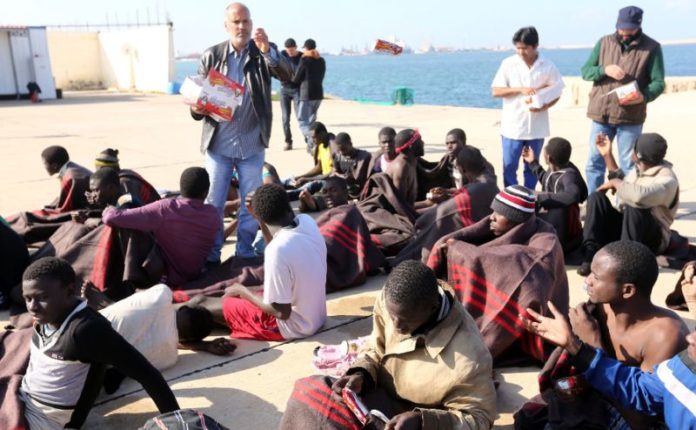
MIGRANTS AT SEA: Migrants, who were rescued by the Libyan coastguard in the Mediterranean Sea off the coast. Photo credit/yahoo.com

The European Union has presented a new aid plan estimated at €62bn to curb the influx of African migrants via Libya, building on the deal it reached with Turkey in March.

The European Commission aims to boost partnership with nine countries in the Middle East and Africa, including Jordan, Libya, Ethiopia and Nigeria.

EU Migration Commissioner Dimitris Avramopoulos said project funding could eventually reach €62bn (£48bn or US$70bn). Controversially the money may include security help for Eritrea, Ethiopia and Sudan.

More than a million refugees and economic migrants entered the EU via the Mediterranean last year, many of them fleeing chaos and civil war in Syria, Iraq, Afghanistan and Libya.

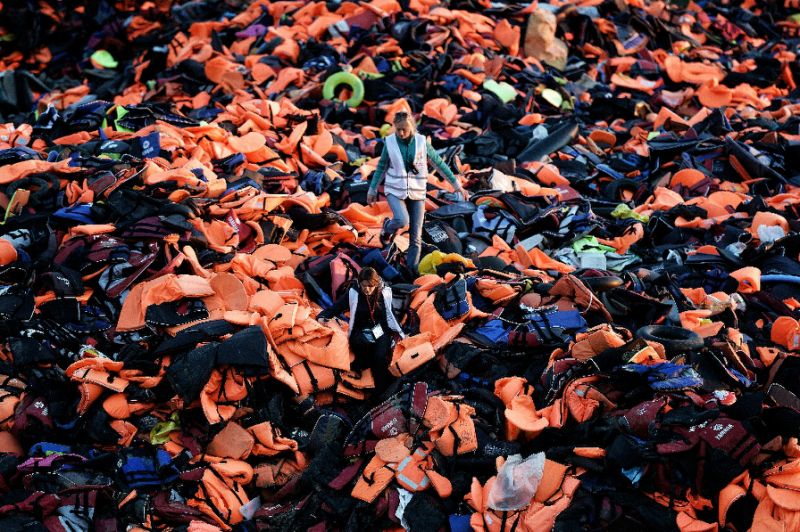
A pile of lifejackets left behind by immigrants. Photo credit/yahoo.com

Hundreds also drowned in tragedies at sea, when overcrowded, flimsy boats sank.

The numbers reaching Greek islands from Turkey have dropped sharply since the EU-Turkey deal took effect in March. Migrants with no grounds for EU asylum are being returned to Turkey, which has been promised extra EU aid and visa-free travel in exchange.

Despite that drop, the numbers reaching Italy on the central Mediterranean route have remained similar to last year’s pattern, with more boats leaving Libya in the good weather.

On that route the main countries of origin are: Nigeria (15%), Gambia (10%), Somalia (9%), Ivory Coast, Eritrea and Guinea (8% each) and Senegal (7%), the UN refugee agency UNHCR reports.


Stories Continues after ad

Mkapa to meet Burundi opposition in Brussels

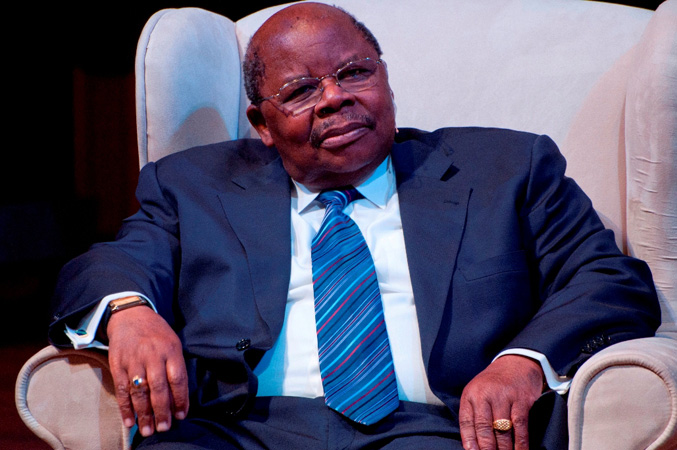
BURUNDI MEDIATOR: Former Tanzania President Benjamin Mkapa

Benjamin Mkapa, the former Tanzanian president mediating talks to end Burundi’s deadly crisis will meet the opposition this weekend in a bid to end the deadlock, diplomatic and opposition sources said.

Mr Mkapa is to hold talks in Brussels with members of CNARED, which groups almost all opposition parties, they said.

“We welcome the fact that the mediator will meet CNARED members in Brussels on Friday and Saturday,” the group’s spokesman Pancrace Cimpaye said from Brussels.

Western and African diplomats confirmed that Mkapa would meet with opposition figures this week.

Hundreds of people have been killed and a quarter of a million others have fled Burundi since President Pierre Nkurunziza’s controversial decision in April 2015 to run for a third term, a vote he won amid opposition boycotts in July.

Peace negotiations were held in Arusha in Tanzania in April, but CNARED was pointedly not invited.

The Burundian government refuses to sit down with key opponents whom it accuses of involvement in a failed May 2015 coup and months of deadly political violence in the central African country.

Some members of CNARED were invited to the Arusha talks individually but the organisation as a whole was kept off the list.

Spokesman Cimpaye said the group would ask that a Burundian official from the six-nation East African Community regional bloc be axed from the group of mediators as he is close to the government.

“We will then present (Mkapa) our roadmap,” Cimpaye said.

Mpaka has said he expects to convene another dialogue session in the third week of June.

“In the next two weeks, I will continue and complete the consultations with those who did not come… but who I feel might have positive contributions to make to the process,” Mpaka said.

Stories Continues after ad

The ‘complex’ Rolex: The delicacy that has conquered Uganda’s varsities

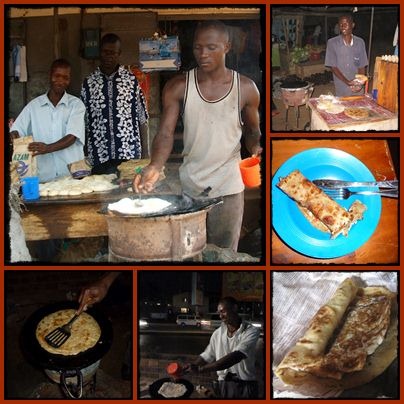
DELICACY: A Rolex vendor. Inset on plate is the rolex

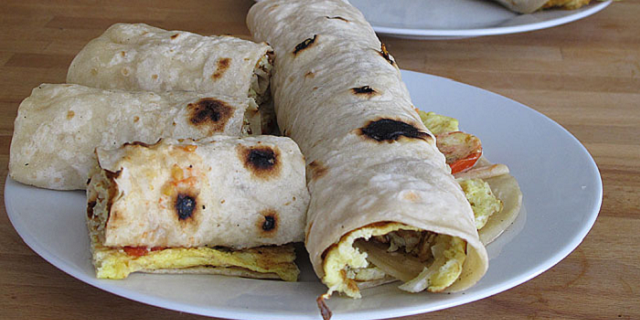
The Rolex or ‘rolla’ is basically what one would best describe as the Ugandan version of a hotdog; a chapatti rolled with one or two eggs (depending on the consumer’s preference) topped with vegetables and probably some sauce of the customer’s choice.

No one can really tell when the rolex first made its debut on the Uganda market; however whenever it did, it did leave a mark and today still maintains its presence in the midst of Kampala’s ever evolving competitive culinary platform. One is even tempted to say that the rolex is a close second to so many acclaimed cuisines in Uganda, not to forget the stable foods that represent Uganda and its global diversity.

It has been said that the delicacy that is the rolex was the brain child of the Basoga in Uganda. However, it is important to note that one of the major elements that make up the rolex is the chapatti, a culinary concoction and ‘patent’ with roots in Asia, particularly among the Indians and Arabs.

So, in effect one can opine that the introduction of the chapatti by the Ugandans of Indian descent in the years before the tyranny of Idi Amin reigned supreme, paved way for the fusion of Indian and Ugandan cuisine and marked the arrival of what today we call the rolex.

The Chapatti rolled with an egg

Little did people know then that this new hybrid and proof of Uganda’s ingenuity would not only win over the hearts and bellies of so many young adults at Ugandan universities but also travel far and beyond, later becoming one of ‘CNN’s favored African fast foods’.

The rolex has become a household name dwarfing so many foods along the way and at this point should be put on the requirements list for nationality clarification. In other words if you have never had a rolex, it would be wise to reconsider your priorities as a patriot and if foreign then a new bucketlist is in order with tasting a rolex amongst the top five.

Ironically, this renowned delicacy isn’t often found in some of Uganda’s finest restaurants, however with its ascending magnetism it has and still is slowly but surely appearing on so many of Ugandan’s restaurant menus.

Foreigners visiting Uganda also haven’t left without having partaken of the rolex; only then can they claim to have fully enjoyed the Ugandan experience.

Undisputably then, on the return voyage they (tourists) are known to carry a satchel containing a number of souvenirs namely: art-crafts from the national theatre, a bottle or two of Uganda’s finest liquor, Uganda Waragi, and a recipe for the Ugandan rolex among other things.

Though not yet deemed a meal of five star rating; indeed it is more or less a street-food, the rolex still manages to attract customers from all walks of life.

From the ordinary man walking home from work and in need of a quick reprieve from his hunger, to the drunken youth on their way home from a night of bingeing and the occasional German car that parks by the road side waiting for their rolex to be prepared.

One can’t help but wonder how the rolex has managed to maintain its market in such a competitive country especially one that is blessed with so many delicious and attractive meals that could easily substitute the rolex at one serving.

For starters the rolex isn’t only highly sought after for its savory and appetizing taste but also its affordable prices that range from 2500/- to 3000/- depending on what the customer would like. Another factor favoring the rolex would be its availability; today in Uganda one can not walk a few steps without coming across a rolex stand, thus making it easily accessible and convenient for so many Ugandans.

“It’s very tasty and the good thing about the rolex is it is satisfying just like a normal meal,” says 47-year old Robert Kizza.

When asked why they would opt for a rolex over a normal meal, many individuals said the delicacy is easy to prepare, making it a very suitable meal for many people with busy work schedules, which explains the big number of customers that crowd the rolex stands especially during rush hours.

“I think people like them because they are quick and easy to make. Simplest fast food around and they are very satisfying and easy to make,” says a youthful man found at one of the rolex stands.

Sarah Kansiime 23, a mother of one and employee says: “I am basically their biggest omelette fan. I like anything with omelette…I even have my own recipe.”

Indeed, like many other Ugandans Kansiime can’t help but point out the convenience of having a rolex at hand. Given its rise and growing recognition one can only agree that the rolex has indeed proven itself handy and we hope to see it cross more boundaries in the near future, breaking any stereotypes and myths that circulated about the African dish.

Until then, have a rolex.


Stories Continues after ad

Budget is on

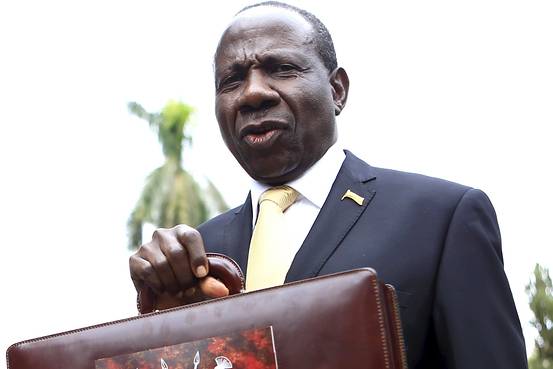
Incoming finance minister Matia Kasaija

The 2016/17 Budget speech will be read out later today at a function to be presided over by President Yoweri Museveni.

Usually, the budget speech is read by the finance minister but this year’s budget comes at a time when the country has no substantive finance minister because Mr Matia Kasaija has not yet been vetted by the Parliament’s Appointments Board.

Mr Kasaija was on Monday reappointed to the finance docket but according to the Constitution, he is supposed to be cleared by Parliament before he can take on any official duties.

on Wednesday morning Ugandan during the sitting of the whole house approved Vice President, Edward Sekandi, Prime Minister, Dr. Ruhakana Rugunda and Finance Minister, Matia Kasaija. Kasaija will subsequently  present the budget in the afternoon.

Contacted for comment over the issue, finance spokesperson Jim Mugunga said the budget is the ‘responsibility of the President’.

“He can designate any MP, and if that MP happens to be Matia Kasaija, then that is it,” Mr Mugunga said on phone today.

The delay by the President’s appointees to swear in caused a hitch between the Executive and the Legislature during the State of the Nation address last week at the Serena International Conference Centre, where the outgoing ministers were not accorded ‘front bench’ seats, forcing most of them to tussle it out for seats.

Stories Continues after ad

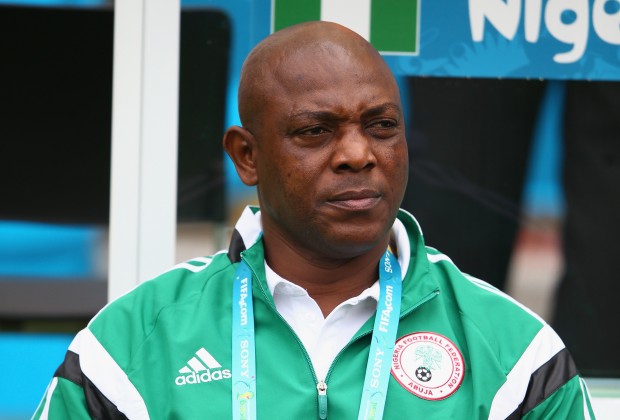
Stephen Keshi: Nigeria football legend dead

Stephen Keshi

One of African football’s best-known figures, Stephen Keshi, has died at the age of 54, the Nigeria Football Federation has said.

A former captain of the Nigeria national team, Keshi was one of only two men to win the Africa Cup of Nations both as a player and a coach.

He also managed Togo and Mali, and his playing career included a spell for Belgian club side Anderlecht.

He is thought to have suffered a heart attack, local media reported.

As a player, Keshi was part of the Super Eagles team that won the Nations Cup in 1994 and narrowly missed out on a World Cup quarter-final place the same year.

He coached the national side over three spells, leading Nigeria to the 2013 Nations Cup title in South Africa and the last 16 at the 2014 World Cup in Brazil.

His contract was not renewed after the World Cup but he later returned on a match-by-match deal following the team’s failure to reach the 2015 Nations Cup finals.

He was then sacked as caretaker coach but reinstated after intervention from then Nigeria president Goodluck Jonathan. He was sacked for a final time last July.


Stories Continues after ad