Stanbic Bank
Stanbic Bank
20.1 C
Kampala
Stanbic Bank
Stanbic Bank
Home Blog Page 215

President Yoweri Museveni’s legacy humbles Uganda’s opposition

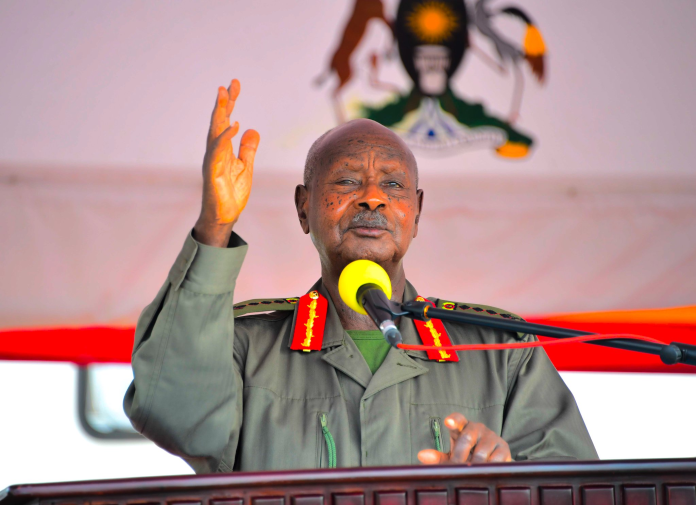
President Museveni during the International Labour day celebrations.

By Ambassador Henry Mayega

As President Yoweri Museveni’s legacy continues to disconcertingly drown out Uganda’s opposition, recent Africa-wide research has declared the country number 2 on the continent in terms of democratic rankings. Simultaneously, a fete was recently organised at Kololo ceremonial grounds to honour the president’s legacy and stellar contributions to Uganda’s economic development and political stability.

The President has, over the years, assumed a string of electoral wins; right from 1996 through 2001, 2006, 2011, 2016 to 2021, he has made elections predictable and regular, a departure and norm-shattering iteration away from our checkered history devoid of democracy. Why have they continually elected him? Because citizens have prized his solid record and legacy, typified by the following:

First, rather than sit drably in the droughty corridors of power, the Yoweri Museveni administration restored Uganda to the international files of honour by reinstating peace, stability and security in a once pariah country it had become before 1986. The unseemliness of the opposition, which characteristically argues against this thesis, astounds nobody, given their finite space on Uganda’s political canvass. This administration obliterated all Uganda’s rebel groups, pacified the country, and up its sleeves, it boasts of helping with enforcing and keeping peace in the DRC, Somalia, and South Sudan, amongst others, because you can’t give what you have not.

Secondly, this administration, rather than upend the precepts of the already heated-up national political climate by 1986, choreographed and effected decentralisation in Uganda, thereby devolving power from the centre to the periphery. Thusly, new terms—decentralisation and power-sharing—were added to Uganda’s political architecture of governance, thereby mobilising citizens for development. Many responsibilities hitherto shouldered at the centre are now obligated to peripheral leadership.

Thirdly, the women who were hitherto confined to the kitchen environment have, for the first time, taken up prodigious leadership roles such as Vice President, Speaker, etc. Ugandans ought to remember this administration’s progressive policy interventions of: 1.5 marks added to females’ scores to massify admission to university; the district women MPs; the national women council; women representatives at local councils; 30% executive representation in all registered political parties, etc. Uganda’s women’s emancipation strategy did not descend from heaven; it was well calibrated, time-tested and implemented initially during the 1980–1986 bush war struggle. It got the stamp of approval and was executed once this administration took government in 1986. The conflicted opposition orbit comprised of Wine, Besigye, and Ilk will, characteristically, not agree because, to them, Yoweri Museveni is exhausting all the possible achievable national goals, leaving no gaffes for them to use against him.

Fourth, in both the health and education sectors, this administration has outperformed all its predecessors combined; it has refurbished the 5 national and 13 regional referral hospitals, built health centres: iis (3364), iiis (1570), and ivs (222), and implemented a robust immunisation programme, amongst others. Museveni’s haters may not agree, but the massification of education opportunities through UPE, USE, the higher education loan scheme, revamping TVETs, and the construction of county-based secondary schools have been the handwork of this administration to shore up access to basic services for citizens.

Fifth, in terms of development infrastructure, this administration has convincingly outmatched all previous governments put together, including our colonisers; from a paltry slightly over 1000 km (1986) to the current 7500 km (2022) Tarmacadam road network, this is an astronomical achievement in terms of revamping infrastructure. The few heretics who are crosswise with his administration have largely been shunned because of the huge political delta between what they say and what Uganda’s bombastic voter has seen this president do.

Lastly, the restoration of traditional rulers in regions that revere them, the restitution of their assets, and the passage of the law that provides for and protects them from political predators speak to this administration’s desire to put out the blazing political embers in all senses. Surprisingly, in the army council that sat in Gulu in 1988, Kiiza Besigye was one of the statistics who opposed the restoration. Relatedly, the likes of Betty Nambooze have always wanted to appear as if they love the Kabaka more than the restorer, Yoweri Museveni.

Amb. Henry Mayega

Counsel General

Dubai, UAE

Stories Continues after ad

How Equity Bank is transforming refugees into entrepreneurs through micro enterprises


When refugees settle in a host country; they want to start a new life, be self-sufficient and contribute to their communities.  

However, building a new life is filled with challenges especially if it means starting a business. They may find themselves cut off from credit and investment—and from other products and services that are so critically important, which becomes a limitation to building a better life.

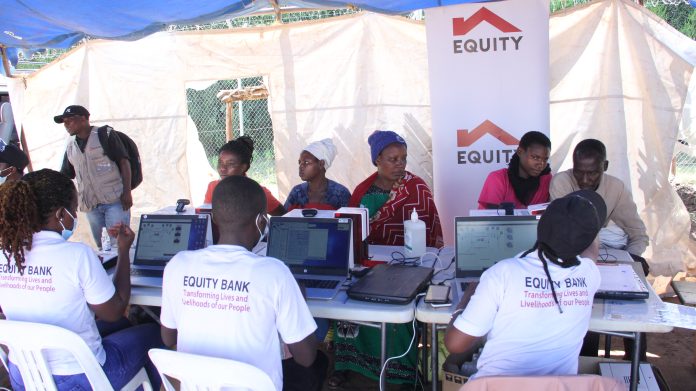
In the expansive Nakivale Refugee Settlement in South Western Uganda, Equity Bank has been experimenting with a bold approach that is charting a new course for supporting displaced people through micro-credit and micro-enterprises.

Uganda being host to more than 1.5 million refugees across both urban areas and 13 rural settlements, promoting entrepreneurship is increasingly viewed as an effective approach to overcoming the challenges of economic and social inclusion for refugees, according to the United Nations High Commissioner for Refugees’ operational data on refugee entrepreneurship in Uganda.  

In 2018, Equity Bank started extending financial support to refugees through social payments and Safety Net programs, and in 2022, the Bank enlarged its purse to refugees by providing micro-credit to refugee households.


The idea was to help them to start micro-enterprises within the refugee camps. The tiny shoots planted back then have since grown, and lending has now reached over 400 refugee groups.

Working with 262 refugee agents, refugee groups have received agent loans worth Shs311 million. 3,662 individual refugees have also taken out Shs408.2 million in loans while deposits generated by refugees have crossed a Shs2 billion mark.

Besides the micro enterprises helping them achieve financial independence, the quality of their lives has improved, helping them access goods and services beyond the support they get from international agencies.

“This program is illustrative because it has helped to transition beneficiaries from systematic dependence on aid to economic stability and self-reliance,” says Elizabeth Mwerinde Kasedde, Equity Bank’s Executive Director of Public Sector and Social Investments.

Banking refugees and bringing them into the formal financial loop also dramatically expands their opportunities. Social Payments and Safety Net Programs to refugees in Nakivale, Kyakka II, Rwamwanja, Kyangwali, Imvepi, Palorinya and Rhino Camp are now channelled through agency banking.

Shs135.3 billion has so far been paid out in cash transfers across the 10 settlements where it is active. Recently, Bidibidi, Africa’s biggest refugee settlement, has been added to the loop.


In addition, 5,807 refugees have received financial literacy education with most being supported to access digital inclusion tools.

Support to refugees is and remains part of Equity Bank’s wider social protection program and capacity building to the poor, vulnerable and marginalised populations. The program has so far reached 109,887 households, impacting 230,000 beneficiaries.

Stories Continues after ad

Ruto dissolves all cabinet secretaries

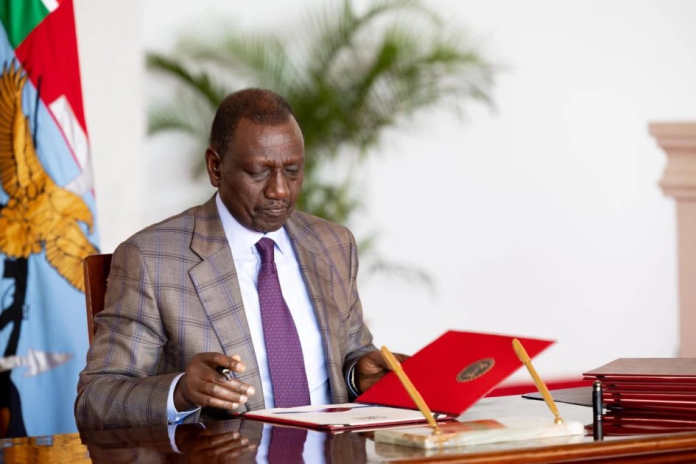
President William Ruto.

Kenya President, William Ruto has dissolved all cabinet secretaries, ministers except Prime Cabinet Secretary/Minister Musalia Mudavadi and the Cabinet Secretary for Foreign Affairs with immediate effect. His Deputy President, Rigathi Gachagua has been excused.

“I have decided to dismiss with immediate effect all cabinet secretaries and attorney generals of the Cabinet of Kenya except the Prime Cabinet Secretary and Cabinet Secretary for Foreign Affairs,” President Ruto stated in a televised address to the nation.

The President revealed that the office of the Deputy President is not affected by this decision and the Principal Secretaries will coordinate the affairs of the Ministries until a new cabinet is appointed.

President Ruto noted that he will engage in extensive consultations across different sectors, political formations, and with Kenyans from both the public and private sectors to form a broad-based government. This new government will assist him in implementing his programs, including urgent measures to address the country’s debt burden.

“I will immediately engage in extensive consultations across different sectors and political formations and other Kenyans both in public and private with the aim of setting up a broad base government that will assist me in accelerating and expediting the necessary urgent and irreversible implementation the program we have including other radical measures to deal with the burden of debt,” the President said.

The latest cabinet changes are the second since he took office in September 2022. In October 2023, barely a year ago, the President reshuffled the cabinet, making Mudavadi a CS. The other CSs, now sacked, were then reshuffled, with some getting new ministries and mandates.

Stories Continues after ad

Seven Chinese remanded to Luzira Prison over illegal sand mining in Lwera wetland

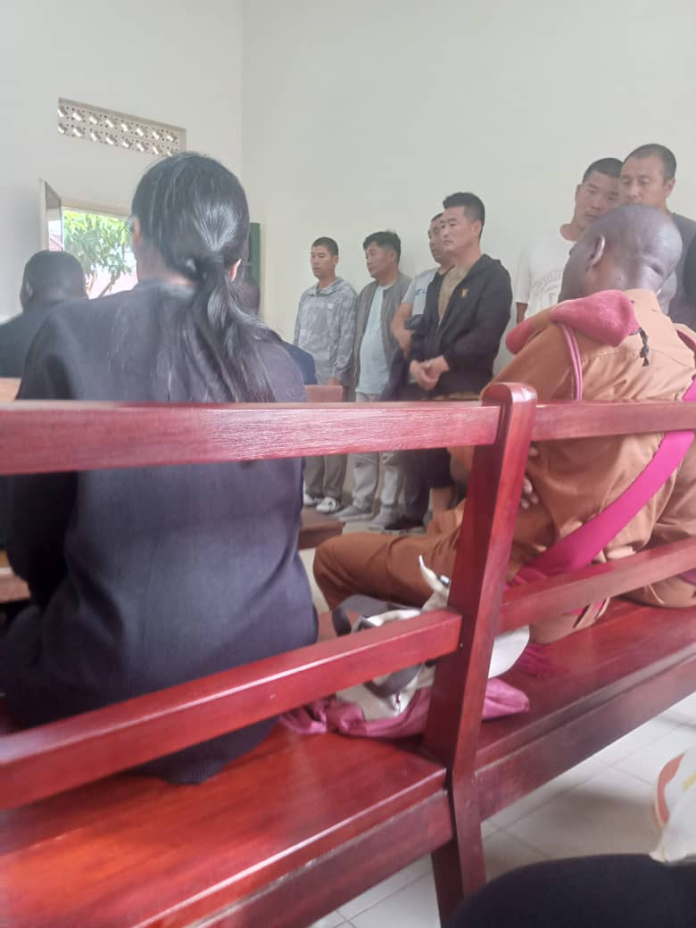
Buganda Road Chief Magistrate’s Court, Siena Owomugisha, has remanded seven Chinese nationals to Luzira prison until the July 16, 2024 on charges related to environmental destruction.

They were arrested by the National Environmental Management Authority (NEMA) at the beginning of this week for illegally mining sand in the Lwera wetland.

The suspects include: Liang Cheng Wu, Ui Wen Hu, Lian Cheng Xiang, Hu Dong Xu, Xie Gong Zuo, Ge Xing Liang and Wang Piechuan.

In a significant move to protect Uganda’s ecosystems, the National Environment Management Authority (NEMA) has launched an operation against illegal sand miners in Lwera Wetland, located in Kalungu District. The operation, which began on the night of July 9, 2024, along the Kampala-Masaka Road, resulted in the arrest of seven foreign nationals and the impoundment of 13 sinotruk lorries and four excavators, among other equipment.

NEMA halted all illegal sand mining activities in Lwera in April this year and tasked the miners to restore the degraded parts of the wetland. The restoration exercise is part of NEMA’s ongoing efforts to liberate Uganda’s wetlands and other fragile ecosystems from environmental degradation.

According to NEMA, wetland degradation is a serious crime under Section 55 of the National Environment Act, Cap 181, and is punishable with a fine not exceeding Shs600 million or imprisonment not exceeding 12 years or both.

The seven arrested foreign nationals are expected to be charged in accordance with the law, following the conclusion of investigations into the matter.

NEMA’s operation in Lwera Wetland is part of a larger campaign to protect Uganda’s environment and natural resources. The Authority has vowed to continue carrying out similar operations across the country to ensure that those who degrade the environment are held accountable.

The move has been praised by environmentalists and conservationists, who have long called for tougher action against illegal sand mining and wetland degradation.

Lwera Wetland, located in Kalungu District, is one of Uganda’s most fragile ecosystems, and is home to a variety of plant and animal species. The wetland plays a crucial role in regulating the water cycle, preventing floods and droughts, and supporting agriculture and fisheries in the surrounding areas.

The illegal sand mining activities in Lwera have been blamed for causing significant environmental damage, including the degradation of the wetland, destruction of habitats, and disruption of the water cycle.

Stories Continues after ad

CanalBox Uganda launches high-speed internet services

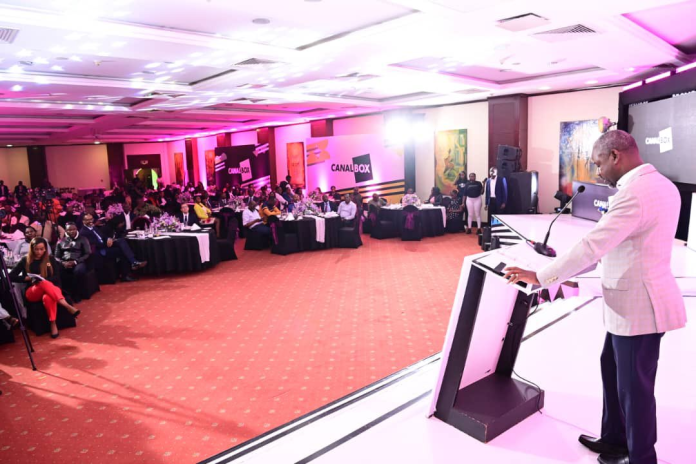
CanalBox Uganda, a new broadband internet service provider, has officially launched its services in Uganda after investing Shs50 billion in the past 11 months.

The company offers two fiber optic internet plans, Start (50 Mbps) and Premium (200 Mbps), suitable for basic and heavy internet users respectively.

Priced at Shs110, 000 and Shs200, 000 per month, CanalBox Uganda’s fiber optic internet promises to offer high speeds and reliability, making it ideal for businesses, homes, and schools that require reliable internet access for streaming, video conferencing, and other demanding applications.

Deputy Speaker Thomas Tayebwa praised the entry of CanalBox Uganda, stating, “The entry of such a giant player in Uganda is a vote of confidence in our government and its business-friendly policies, country, and people.” He commended the company’s efforts and looks forward to seeing the impact they will make in growing broadband internet prevalence in Uganda.

Tayebwa added that increasing affordability and access to the internet are crucial components in the government’s deliberate efforts to deepen connectivity in Uganda, and was glad to hear that this is also a priority for GVA’s long-term investments in fiber optic infrastructure.

“The internet has transformed societies in unprecedented ways, shaping the way we live, work, and interact with one another through communication, information dissemination, business transactions, education, and improved service delivery,” Tayebwa said.

He urged the GVA team to become the first company to zero-rate all educational websites, benefiting children in rural Wakiso and beyond.

The entry of such a giant player in Uganda is a vote of confidence in our government and its business friendly policies, country and people.

He also commended GVA for their efforts and the footprint they have made so far and looks forward to seeing the impact they make as they continue to grow the prevalence of broadband internet in Uganda, as they have done in other countries across Africa.

CanalBox Uganda’s fiber optic internet uses light pulses to transmit data, resulting in faster speeds and better reliability than traditional options. This launch is expected to increase broadband internet penetration in Uganda, supporting the country’s digital transformation and economic growth.

With its high-speed and reliable internet services, CanalBox Uganda is poised to revolutionize the internet landscape in Uganda, supporting businesses, education, and innovation.

Stories Continues after ad

UN missed a point-DRC needs re-arrangement of the state not propaganda

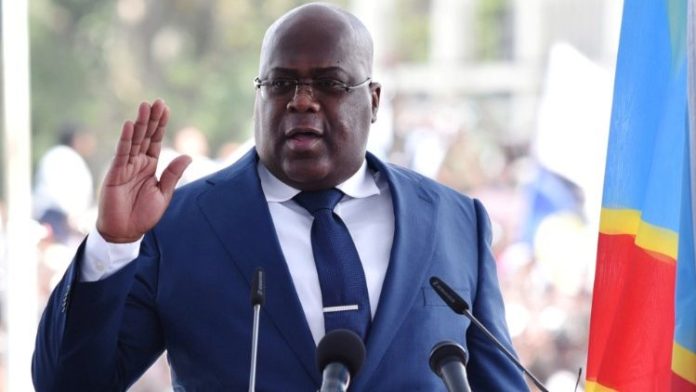
Congolese President Félix Tshisekedi.


By Dr. David Matsanga in Surrey UK


This is my opinion. It is based on the experience I have gone through after researching on some of the conflicts zones across the globe. In the former Yugoslavia, Colombia, Northern Uganda, and Northern Ireland there were some similarities. It might sound sour to some people but solutions come when comparative politics is at play

The UN announced on July 8, 2024 that Uganda supports M23 Rebels and the UN wants the world to believe in the type hyped lies they have spread for years. It is rather sad a trad sounding used by UNSC of Nations” as the UN made such allegations.

I will leave the rest of the DRC citizens and others to suggest alternative solutions. For me I want to be like Julius Nyerere who recognized Biafra or like Mark Antony who consolidate the Roman Empire after the assassination of Julius Caesar.

The formation of Second Triumvirate for the Roman Empire is what might save the collapse of DRC. DRC has similarities of Yugoslavia in Europe. It had a strong man Tito who had put it together but after his death it collapsed.

DRC was United under a bad strong man Mobutu but after his ouster it collapsed into several enclaves. It left several rebel groups on the soil of DRC. If we don’t do the right thing early enough DRC will collapse. My view is to do the right thing by officially re-arranging the State of DRC.

This is where UN has baffled me. Instead of researching on what can be done and find the root causes of the conflict in DRC they have resorted to accusations against Uganda and Rwanda. What has interested me is the kind of doublespeak and hypocrisy of the UN itself.

It is on record that Government of the DRC has also on several occasions accused UN force in DRC of supplying arms to M23. Has UN exonerated itself from such accusations? How has UN helped rebels to take territory? So such words by UN add injury to the pain on the suffering people of North and South Kivu .

The statements made by UN was to create a topic for discussion at the NATO summit .The UN is very keen to impress upon the NATO meeting that they were doing many good things to change the tide of the war in DRC but it was these two countries frustrating peace in the region .

The truth is that UN is covering the bad manners of France a key conduit of all problems that we see the in DRC . They just wanted to justify the route for Sanctions by the big five on my country Uganda. The UN wanted to work with DRC and especially France to frame Uganda.

I want to state here that UN itself has allowed countries in UNSC destroy the DRC. Uganda’s presence in the DRC was sanctioned by the Government of DRC. It is illegally in DRC under the bilateral arrangements.

The UN should be ashamed of the report. It is the politics of “scapegoating” by using legal means. The UN cannot get peace moving in DRC.  They can’t deliver DRC with over 18,000 men and women in DRC. Their agenda for peace is not honest .”

UN has been in DRC for over 20 years and has not liberated an area where refugees can feel safe. UN has been accused by international human rights groups for committing crimes like rape, defilement on the citizens of DRC. French soldiers were accused of rape of Congolese women. Where is the report?

The UN has been a complicit to many economic crimes in DRC. It is common knowledge that UN lacks a strong dose of medicine that can bring peace in DRC. I am therefore, saddened and opposed to the political posturing of UN which has been the dominant actor of in last 20 years of exploiting the people DRC.

But as I see terrible contours of UN vision for peace in the region, I cry for the people of DRC who will never see peace because of the terrible conspiracy by France and other countries that want that conflict to continue. I think I can foresee possible stumbling blocks on the road to Peace.

UN’s announcement is highly toxic loaded with high international politics of interests – by which I mean high-minded UN officials of the grubby stuff in which DRC as a country doesn’t come first – Minerals resources come first.

It is done with the help of UN soldiers who engage in acts of economic mafia operations. UN high ideals on peace keeping betray the very peace that they claim to restore in DRC.

The UN Secretary General is, at least, following in the footsteps of some his predecessors like late Kofi Annan who sat and watched Rwanda bleed. The world must know that the old model of trying to run everything in UN from USA is broken.

UN is portmanteau. It is a huge bag that opens and have two halves – war and exploitation. I am sure that one would immediately forget the UN report because it is just the intellectual continuity without solutions.

What then are the solutions for DRC? How do we bring peace to the DRC? How do get the rebel groups to sit on the table? There must be a serious idea and one which even if it contains the seeds of discord must be said in order to change the way DRC works.

I write with admirable honesty and clarity about African issues. I say what UN must exactly hear and do -rearranging Congo. The problem of DRC is that of ethnicity. The West don’t want to see the ones in East as Congolese – A sharp divide that accelerates the conflict.

The Government itself has failed to rule DRC. DRC is simply ungovernable. There are no proper structures of governance in DR.   There are people in DRC who think Mobutu is still alive. The country has both logistical and security challenges.

The amount of dishonesty exhibited by all the stakeholders in the DRC conflict worries me. The UN itself is dishonest, the government of Felix Tshisekedi is very dishonest, the rebels are dishonest, the western countries are dishonest. 

As I land my pen I want to be eloquent and use sledgehammer to bring my point home, the problem of DRC is the deliberate lack of good governance structures based on diversity unity. So, in the absence of the structures in a country polarized by ethnicity, the centre cannot and will not hold.

In normal conflict resolution that I know the answer to all these challenges is the creation of new states or formation of a formidable formula for the re-arrangement of DRC governance structures. I have therefore done what the late Nyerere would have done if he were alive.

God bless.


The writer is a Pan Africanist based in London, Political scientist & International Relations expert, studied conflict Resolution, a member of Royal African Society (RAS) Founder /Chairman Pan African Forum (UK)Ltd @MatsangaDr

Stories Continues after ad

Mastering Position Trading: A Strategic Approach to Long-Term Stock Market Success

Position trading is a long-term investment plan whereby traders hold stocks for an extended period—mostly from a number of months to years. This style of trading considers the long-term market trends, unlike day trading or swing trading, which looks at the short-term market movements. This strategy involves patience, deep analysis and strategy and is recommended to the long-term investor desiring to garner wealth over some time with less involvement.

While doing position trading, one would take into account the bigger picture. This is done from a study of macroeconomic factors, industry trends and the long-term prospects of individual companies. It sharply contrasts with the short term of day trading, whereby traders attempt to make profits off daily price fluctuations. The goal of position trading will be on finding those stocks that can potentially grow significantly over any period so that investors can benefit from long-term trends and compounding growth.

Benefits of Position Trading

Significant benefits associated with position trading include the high potential of gaining high returns. Investors can longer hold their investment and get benefits of compounding growth in stocks and forms of returns that are given out in the form of dividends, therefore causing capital appreciation. Moreover, reduced frequency of buying and selling reduces transaction costs and short-term volatility effects of the markets.

Another advantage is the reduced time commitment involved. There is no need to constantly watch the markets for position traders, who can, therefore, be involved in any other aspects of their life or investment strategy. It is also less emotionally straining due to the short-term changes in the market and thus fosters a more disciplined and less reactionary investment style. The reduced frequency of transactions also means less cost in terms of commissions and fees, together going into thousands over some time.

This enables position trading to offer tax benefits for investors in most countries. In most cases, long-term capital gains are subjected to Lower taxation compared to short-term capital gains. As such, it can reduce tax liability on investments if the holding period is long. This will further enhance overall returns from the position trading strategy.

Key Strategies for Position Trading Success

Key to success in position trading includes some of the major strategies. The first and foremost is checking and doing one’s proper research and due diligence. It bifurcates into financial health, management team, competitive position and growth prospects of a company. Information regarding current industry trends and economic conditions likely to affect the performance of a company must be understood. Position trading is based on fundamental analysis as it offers an insight into the company’s intrinsic value.

Another major strategy is diversification. Spreading investments across sectors and asset classes helps position traders minimize the potential risks and enhance the prospects of stable returns. Diversification protects the portfolio from big losses if any one stock or sector performs poorly. It also allows investors to ride out growth opportunities available in various parts of the economy.
It is also important to have clear goals of investment and to maintain discipline. The position trader has to set an entry and exit point accordingly, supported by their analysis and then follow through with the plan to enable themselves to avoid impulsive actions that are created as a result of noise in the market. Having a well-defined strategy helps investors in keeping focused minds and enables them to make rational decisions during periods of volatility.

Identifying Promising Stocks

The identification of promising stocks for position trading involves the apparency of companies with sound fundamentals and growth potential. One may start by looking at these financial metrics, which include revenue growth, profit margins, return on equity and debt levels. Companies with consistent growth in earnings, along with a healthy balance sheet, are typically good candidates to be held for the long term.
It’s also about qualitative factors. Consider the competitive advantage and market position that it holds, besides the management team’s competence. Companies that go on innovating and trying to adapt to changing market conditions are likely to stay growers for long periods. Look for companies with strong brands, high customer loyalty, or a decent record in leadership qi.

Also, consider the industry’s overall health and prospects. Sectors with strong, smooth trends, usually in niches such as technology, healthcare and renewable energy, typically provide better position trading opportunities. This is because such industries are characterized by innovation, handsome demand and the ability to amass huge growth over time.

Analyzing Market Trends and Indicators

To do position trading effectively, one needs to be very keen about market trends and indicators as shown on this page. Through the examination of price patterns, volume and other signals that can be derived from study of the market as a result of technical analysis, one can establish entry and exit points. Key indicators that may shed light on establishments concerning the momentum of a stock and its turning points may include moving averages, relative strength index and moving average convergence divergence.

It is equally important that there is fundamental analysis. Keeping track of economic indicators like GDP growth, inflation rates, interest rates, etc., is very vital because they may alter the conditions in the markets and the performance of sectors. Also, being well conversant with geopolitical events and alterations in policy can aid in correctly predicting changes in the market and adjusting the strategy. This provides a more realistic view of market conditions by including technical analysis with the fundamental analysis and raises your decision-making power.

Risk Management in Position Trading

Risk management lies at the very heart of successful position trading. One such technique is stop-loss orders, which sell a stock automatically when it falls to a given level in price. This helps ensure protection from big losses and preserves capital for other future investments. Stop-loss orders help safeguard against this risk in volatile markets by providing that safety net that limits downside risk.

The portfolios also need periodic reviews by position traders. It would simply involve checking how each security performs vs. the general investment strategy set for it and readjusting accordingly. By rebalancing the portfolio, one ensures diversification of the portfolio in line with long-term goals. From the same view, this allows taking profit from well-performing investments to reinvest in undervalued opportunities.

It’s also wise to keep a portion in cash or highly liquid. This will provide for flexibility to take advantage of new opportunities or cushion against unfavorable market conditions. Such liquidity assures that investors are not forced into selling investments when times are not favorable and can quickly act when attractive opportunities materialize.

Conclusion: Is Position Trading Right for You?

It may be a long-term strategic way to build wealth, but it does require greater patience, discipline and understanding of the markets. If you have a long-term horizon as an investor, are comfortable with less frequent trading and are ready to do detailed research and analysis, then position trading could be very suitable for you. It is important, however, to reassess the same according to your risk appetite and financial goals. 

Position trading is not immunized against market risks; hence, while its potential to return is great, the risk of loss is also present. Start with a diversified portfolio and slowly increase your exposure as you increase your confidence in this investment approach over the long run. Getting well versed in the elements of position trading and sticking to your strategy will empower you to take on the stock market with a long-term outlook to help meet your financial goals. This is apt to be very trying in terms of patience and will, but the returns from successful position trading are enormously valuable and provide an avenue toward financial independence and security.

Stories Continues after ad

Museveni promotes 898 soldiers, confirms 20 senior and junior ranks

President Yoweri Museveni, who doubles as the Commander in Chief of the Uganda Peoples’ Defence Forces (UPDF), has promoted 898 soldiers and confirmed 20 senior ranks and junior officer ranks.

The new promotions were revealed in a press release announced on Wednesday, July 10, 2024 by the army spokesman Brig Gen Felix Kulayigye.

The recognized officers have been promoted to ranks of Brigadier General, Colonel and Lieutenant Colonel, Acting Colonel, Captains while others were given titles of Major.

According to Kulayigye, the promotions include 5 Colonels to Brigadier Generals, 3 Acting Colonels to Colonels, 3 Lieutenant Colonels to Colonels, 10 Acting Lieutenant Colonels to Lieutenant Colonels, 10 Majors to Lieutenant Colonels, 63 Acting Majors to Majors, 4 Captains to Majors, 155 Acting Captains to Captains, 650 Lieutenants to Captains, and 918 Second Lieutenants to Lieutenants.

The Ministry of Defence and Veteran Affairs and the UPDF fraternity congratulated the senior and junior officers on their well-deserved promotions and confirmed ranks.

Stories Continues after ad

Huawei Technologies to build Digital Village Prototype to facilitate uptake of ICT in rural areas

Huawei’s Sub-Saharan President, Hover Gao, has announced plans to establish a Digital Village Prototype in Butaleja to facilitate the uptake of ICT in rural areas, especially in education and business processes.

Mr. Hover Gao made the revelation while meeting President Museveni at the National Leadership Institute (NALI), Kyankwanzi.

Mr. Gao highlighted the benefits of the Smart Village initiative which includes Smart Classrooms, Learning Centers, Remote Diagnosis, and Smart PVs (Solar) at no cost to the Ugandan government.

“Huawei is committed to accelerating Uganda’s digital transformation. As a testament to this commitment, we are prepared to fully fund a pilot smart village project that leverages our cutting-edge technologies,” he stated.

He further pointed out that the initiative aligns with Uganda’s national strategy for rural development, showcasing Huawei’s dedication to supporting these areas.

Ms. Sooma Fouziya, Public Relations Manager of Huawei Technologies Uganda informed the President that Butaleja District has been identified for the pilot study of the smart village.

She emphasised the project’s potential to contribute to the Parish Development Model (PDM) by promoting digital transformation and sustainable growth through ICT.

“This Smart Classroom will provide students with better education opportunities, improve self-learning capabilities, and enhance information sharing and communication among residents,” said Ms Sooma Fouziya.

Ms. Fouziya announced a Digital Village Prototype in Uganda featuring a Remote Diagnosis System for rural health centers, Green Residential Smart PVs for stable power, and Huawei’s “One Country, One Network, One Cloud, One Platform” strategy to boost investment and connectivity.

Stories Continues after ad

Speaker Among vows to listen to concerns of her arrested critic, Nansubuga

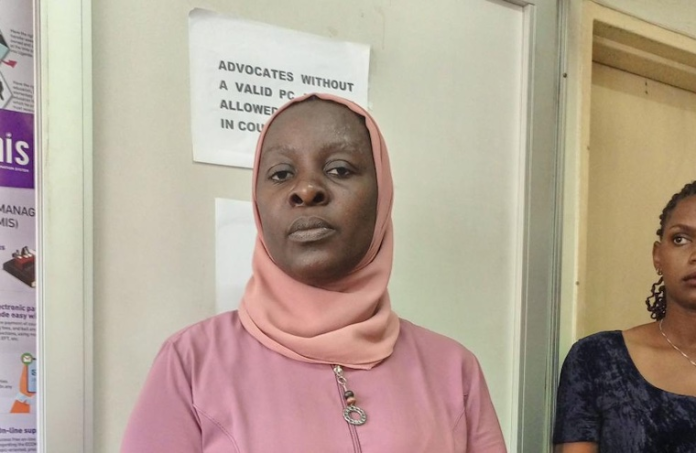
Speaker of Parliament Anita Among has promised to meet and listen to the concerns of her critic Ms. Fatuma Nansubuga who has been on remand in Luzira Prison on charges of Public Nuisance after she peacefully demonstrated outside Parliament, with a placard that demanded the Speaker to resign.

Today, the Buganda Road Chief Magistrates Court granted Ms Nansubuga a cash bail of Shs.1m and Shs. 10m non-cash bail to the sureties.

In a surprising turn of events, Among via her X handle (formerly Twitter) stated, “I have seen reports about Ms Fatuma Nansubuga, who was allegedly arrested on my orders and subsequently imprisoned at Luzira Prison for demonstrating outside Parliament premises. I am pleased to hear that she has been released on bail.”

Among added that peaceful demonstration is a constitutional right, and looks forward to listening to her concerns.

“I am a firm believer in the right of citizens to hold leaders accountable, just like Ms Nansubuga was doing. I have a duty to, in due course, engage and listen to her concerns,” Among noted.

Anita Among’s statement marks a significant moment in Uganda’s political landscape. It suggests a potential shift towards greater openness and dialogue between the government and its citizens and it is also a sign that the voices of the people are beginning to be heard.

However, Nansubuga is not the only person who has appeared at Buganda Road Court in the recent past over cases arising from the alleged condemnation of corruption reportedly perpetuated by Speaker Among.

On Wednesday last week, the former Rubaga Division RCC Herbert Anderson Burora was sent to Luzira Prison by the same court on charges of hate speech and spreading malicious information, shortly after he had been suspended from office on allegations of having continued to issue or utter statements to the social media without express authority from his line supervisors.

Burora had criticized the Speaker Among over corruption on X and he has been denied bail twice over charges of hate speech and spreading malicious information against Speaker of Parliament Anita Among and has been further remanded until July 12, 2024.

Stories Continues after ad