Stanbic Bank
Stanbic Bank
17.6 C
Kampala
Stanbic Bank
Stanbic Bank
Home Blog Page 218

When should one see a spine and orthopedic specialist?

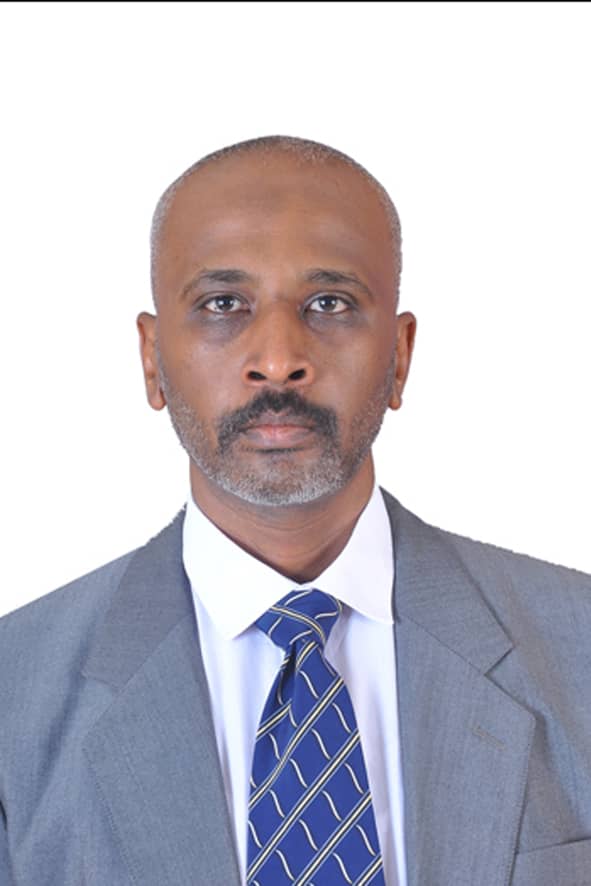
Dr. Muhammad Awad

By Dr. Muhammad Awad

The spine is a complex structure of bones, muscles, tendons, and other tissues that reach from the base of the skull to the tailbone.

It encloses the spinal cord and the fluid surrounding the spinal cord. It is also called the backbone, spinal column, and vertebral column. It supports the head, shoulders, and upper body.

It is, however, affected by a number of conditions that lead to its damage and deterioration. The conditions include tumors, spinal stenosis, herniated discs, abscesses, hematomas, vertebral fractures, and degenerative disc disease.

World Health Organization estimates suggest that in 2021, approximately 15.4 million people were living with spinal cord injury (SCI).

Spinal cord disorders lower one’s capacity to perform daily activities, including walking, using one’s hands, physiological emptying of the bowel or bladder, or washing and dressing oneself.

The limitations are compounded by misconceptions, negative attitudes, and physical barriers to basic mobility, restricting independence and full societal participation.

Restrictions in performing activities and participating in meaningful life areas do not result from the condition itself, but from insufficient or inadequate medical care, rehabilitation, and assistive technology access, a high economic burden, and from barriers in the physical, social, and policy environments.

Knowing when to see a spine specialist can help address issues before they become more serious. Here are some signs and situations that indicate it might be time to consult a spine specialist.

Persistent Pain

Chronic Pain: If you experience back or neck pain that persists for more than a few weeks.

Severe Pain: Pain that is severe and not relieved by over-the-counter medications or rest.

Neurological Symptoms

Numbness or Tingling: persistent numbness or tingling in your arms, legs, hands, or feet.

Weakness: weakness in your limbs, making it difficult to walk or perform everyday tasks.

Loss of coordination: difficulty with balance or coordination.

Trauma or injury

Accidents: After a fall, a car accident, or any traumatic injury to your back or neck.

Sports Injuries: persistent pain or symptoms following a sports injury.

Loss of Bladder or Bowel Control

Incontinence: sudden loss of bladder or bowel control, which could indicate a serious condition like cauda equina syndrome.

Diagnosed Conditions

Herniated Disc: If diagnosed with a herniated disc and symptoms are not improving with conservative treatment

Spinal Stenosis: When diagnosed with spinal stenosis and experiencing worsening symptoms.

Scoliosis: If you have scoliosis and notice worsening curvature or pain.

Post-Surgical Complications

Failed Back Surgery Syndrome: persistent or new pain following spinal surgery.

Pain radiating to extremes

Sciatica: pain radiating from the lower back down the leg, indicating potential sciatica.

Radiculopathy: pain radiating from the neck down the arm, indicating potential cervical radiculopathy.

Difficulty Performing Daily Activities

Functional Impairment: Difficulty performing daily activities due to back or neck pain.

Medical advice and referrals

Primary Care Referral: If your primary care doctor recommends seeing a specialist.

Specialist Opinion: If advised by another healthcare professional to seek a specialist’s opinion.

Red flag symptoms

Unexplained weight loss is accompanied by back pain, which could indicate a more serious condition.

Fever and Infection: Back pain accompanied by fever, chills, or signs of infection.

Treatment is not working.

Ineffective Conservative Treatment: If conservative treatments like physical therapy, medication, or chiropractic care have not provided relief.

Consulting a spine specialist ensures you receive a thorough evaluation and an appropriate treatment plan tailored to your specific condition. If you experience any of these symptoms, it’s advisable to seek medical attention promptly. 

The writer is an orthopedic surgeon at UMC Victoria Hospital.

Stories Continues after ad

Gov’t further pushes the rollout of electronic number plates

Minister of Works and Transport, Gen. Edward Katumba Wamala

Government has further pushed the issuance of electronic number plates, Eagle Online has learnt. The revelation was made by the Minister of Works and Transport, Gen Edward Katumba Wamala.

In July 2021, the government signed a 10-year contract with the Russian firm Joint Stock Company Global Security to implement the Intelligent Transport Monitoring System (ITMS) project.

The proposal was first introduced by President Museveni in his 10-point security measure in the wake of gun violence in the country that saw several Ugandans killed by criminals moving by motor vehicles and motorcycles.

The ITMS project includes the provision of digital vehicle trackers for motor vehicles and motorcycles in a bid to curb insecurity. The project would be implemented in a phased manner.

The roll-out of the project was scheduled for March 1, 2024, but it was postponed to July 1, 2023, due to logistical challenges.

Towards the rollout date of the project on July 1, 2023, the business community led by KACITA petitioned Parliament to halt the exercise, citing a lack of public sensitization and readiness of the public, and also proposed that the exercise begin with the fitment of registration plates on government vehicles.

That led to an extension to November 1, 2023, starting with the fitment of new registration plates to government vehicles; however, the process has been pushed to November 1, 2024, when the government will start issuing registration plates to new motorcycles, and on January 6, 2025, the full roll-out of all categories of vehicles and motorcycles.

By June 26, 2024, a total of 1091 vehicles from various ministries had been fitted with the new registration plates, falling short of the required numbers due to persistent logistical challenges that are slowly being resolved.

Currently at the facility are 107,014 registration plates, along with 3,662 and 17,679 beacons, with more components expected in the country in the next few weeks.

As plans for the establishment of a factory materialize, the service provider, as guided by the government, has set up a facility at Kawempe for local production of registration plates, installed four hot stamping machines and four embossment machines, and will soon receive blank plates and hot stamping materials with security features.

The motor vehicle registration system on ITMS, which includes the booking system, the verification system, and the stock control system, is substantially complete.

Stories Continues after ad

Parliament vets Edward Akol as Auditor General

New Auditor General, Edward Akol.

The Appointments Committee of Parliament has vetted the presidential nominee, Edward Akol as the Auditor General of Uganda.

Chaired by Speaker Anita Among, the committee’s report will be transmitted to the appointing authority. Akol will take over from John Muwanga, who is set to retire.

Muwanga was appointed the Auditor General for a five-year term from 2001 to 2005. He was re-appointed again in July 2007 to date.

Akol joined the Office of the Auditor General (OAG) as an auditor in August 1994. He was promoted to Senior Auditor in July 1999 and accelerated to Senior Principal Auditor in May 2004.

Akol has immense experience in auditing donor-funded government projects. In addition to his B.Com. (Accounting) from Makerere University (1993), he holds a CPA (K) professional qualification and an MBA from Heriot-Watt University-Edinburgh Business School.

He also has certificates in Training of Trainers (OAG, 1997), Foreign Aid Accounting and Auditing (UMI, 2002), Instructional Techniques (AFROSAI, 2002), IT Auditing (AFROSAI, 2001), ADB Project Implementation (African Development Institution, 1999), and Forensic Investigations and Money Laundering (Zambia, 2006).

Stories Continues after ad
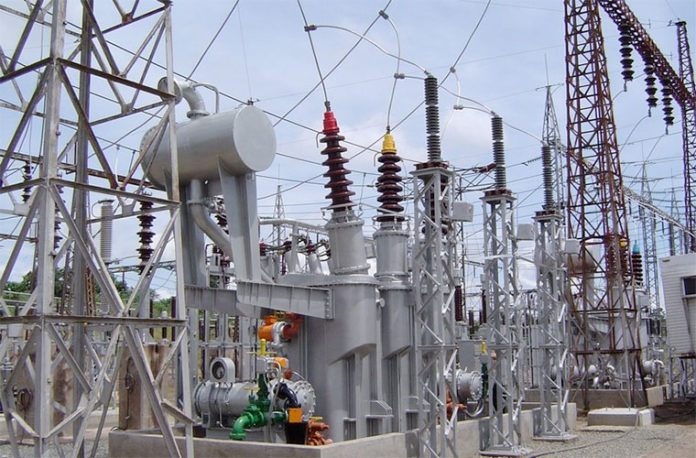
Electricity power station

The Ministry of Energy and Mineral Development is set to host an international power and electricity fair, one of the largest power, energy, electrical, electronics, renewable, and telecommunications international expos in Africa.

“The expo will provide a platform for stakeholders in the power sector to connect, share knowledge, and explore business opportunities. We are committed to promoting sustainable energy development in Uganda, and this expo aligns with our goals,” said Dr. Patricia Litho, Assistant Commissioner for Communication and Information Management at the Ministry of Energy and Mineral Development.

The event, scheduled to take place from July 11-13, 2024, at the UMA Show Grounds in Lugogo, Kampala, will bring together over 100 exhibitors from several countries, showcasing the latest technologies and innovations in the power sector.

“The expo will feature a range of products and services, including power generation, transmission, and distribution equipment, electrical and electronics, lighting, renewable energy technologies, and energy efficiency solutions. We believe this will be a game-changer for the power sector in Uganda,” added Dr. Litho.

The expo aims to secure funding for energy sector projects and promote innovative technologies, awareness, and sustainable collaborations in the power sector.

“We are excited to host this international expo, which will put Uganda on the map as a key player in the power sector in Africa. We expect to attract over 2,000 visitors from across the region, including policymakers, regulators, manufacturers, suppliers, importers, and exporters,” said Mr. Rajesh Gupta, Director of Exhibitions & Trade Services India Limited, one of the organizers of the event.

The event will also feature a one-day conference, the “Power and Electricity Forum 2024,” which will focus on the evolving power sector landscape.

“The forum will feature keynote speeches, panel discussions, and presentations from selected companies. We have lined up an impressive list of speakers, including experts from the Ministry of Energy and Mineral Development, Uganda Electricity Generation Company Limited, and the Uganda National Renewable Energy and Energy Efficiency Alliance,” said Dr. Litho.

The expo is expected to provide a unique opportunity for stakeholders to network, learn about new technologies, and explore business opportunities in Uganda’s power sector.

“We believe that this expo will be a catalyst for growth in the power sector in Uganda. We are committed to creating an enabling environment for businesses to thrive, and we believe that this expo will be a key driver of that growth,” said Dr. Litho.

Stories Continues after ad

Tech boom fuels online violence against women and girls

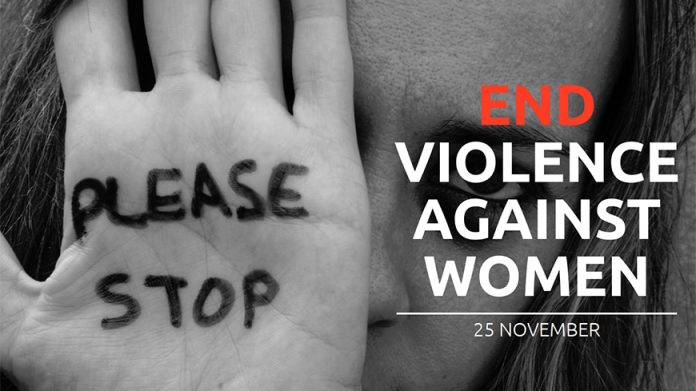
Women and girls are disproportionately experiencing violence fueled by the increasing use of technology, with online abuse often spilling over into physical violence, an alarming new report released today finds. 

A more comprehensive understanding of technology-facilitated gender-based violence (TFGBV), its variations across contexts, and demonstrably effective responses to combat it is urgently needed, said Dutch NGO Rutgers. 

Rutgers led the seven-country study together with ABAAD, Equimundo, and Sonke Gender Justice through the global Generation G partnership with youth leaders and civil society to tackle the root causes of gender inequality. The report was launched today at the Human Rights Council (HRC) in Geneva. 

“The digital revolution has been a blessing and a curse,” said Loes Loning, a researcher at Rutgers. “It has transformed societies, reshaping daily life, culture, politics, and economics, but as digital tools evolve, and access expands so too does the potential for people to misuse them. 

“Evidence shows that women and girls are disproportionately experiencing technology-facilitated gender-based violence and that this often spills over into physical violence, with detrimental impacts on survivors’ physical, emotional, and economic well-being, as well as broader social and political repercussions.” 

The data, which involved interviews conducted with people in Indonesia, Jordan, Lebanon, Morocco, Rwanda, South Africa, and Uganda, found widespread links between online violence and the offline world – or an “online-offline continuum of violence”. 

TFGBV was broader than online violence but occurring online and in digital spaces through both old and new technology such as phones, GPS tracking devices, drones, or recording devices not connected to the internet, the report stressed.

 It was the result of various root causes, with the influence of patriarchy, social ideas of morality, and socially imposed gender roles amplifying it. Although survivors are disproportionately women and girls, boys and young men including male family members or friends of women and girls who have experienced it are also affected. 

Far from existing in isolation, online abuse was acting as a springboard for offline gender-based violence including sexual harassment, stalking, and intimate partner violence, leading to a dangerous pattern, the research found. 

“There were threats via WhatsApp but (this) then continued to physical acts such as rape – this is a combination of offline and cyberspace,” a government official from Indonesia said, according to the research.  

In South Africa, one girl was bullied on and off social media before being beaten and having a video of her filmed by school peers publicised. Two days later, after it trended, she killed herself, it said. 

In Morocco, a civil society worker described how “sometimes ex-husbands/partners might use intimate pictures or videos for revenge, to get women to give up custody, alimony, or to ask her for money, property”, the report added.

In some countries, laws against TFGBV clash with other legislation, a phenomenon that the report labelled a “double-edged sword”. They can be used against survivors to charge them for crimes that they are actually the victims of. 

“Laws that are seemingly there to protect victims actually do the opposite,” said Abishiag Wabwire, project coordinator at the Uganda Association of Women Lawyers (FIDA-U). 

“Uganda is one of the few African countries that actually has a law against TFGBV.  However, patriarchal standards and the cyber law that should protect victims are instead being evoked to oppress them and uphold patriarchal standards.” 

Key groups at risk were gender and women’s rights defenders, women in the public eye, children, young people, and LGBTQI+ people, the report found. Women in the public eye, including politicians, journalists, and celebrities, were at a more heightened risk. 

Online abuse causes them to withdraw from professional life, including public service, with appalling consequences for women’s rights, democracy, and gender equality. 

Sheila Kasabiiti, the Programs Manager at Reach A Hand Uganda, said, “Technology offers endless opportunities, but it can also be misused to cause harm. We need to raise awareness about its misuse and the gaps that enable gender-based violence. This will help us push for laws that ensure gender justice.” 

The report calls for collaborative efforts between individuals, NGOs and civil society, governmental entities, and technology companies and platforms such as 

X, TikTok, Facebook, and Meta, to combat TFGBV and to create a safe, inclusive, and equitable online environment.

Stories Continues after ad

DPP slaps new charges against Molly Katanga and her co-accused 

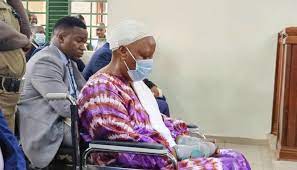
Prime suspect, Molly Katamba.

The Director of Public Prosecution has slapped new charges against Molly Katanga and her co-accused.

Appearing before Court, Justice Isaac Muwata, granted DDP’s request to amend the charge sheet and introduce the new charges against the accused.

Molly Katanga is accused of killing her husband, Henry Katanga. The businessman was allegedly shot dead by his wife on November 2, 2023, at their home in Mbuya, Nakawa Division, Kampala City.

Molly is charged alongside her two daughters, Martha Nkwanzi and Patricia Kakwanza; George Amanyire, a shamba boy; and Charles Otai, a health worker.

Nkwanzi and Kakwanza are accused of tampering with evidence at the crime scene, rendering it unidentifiable for judicial proceedings. Amanyire and Charles Otai, a health worker, are accused of assisting others involved in the crime.

According to the amended charge sheet, each of the four accused is leveled with charges of being accessories to the murder of Henry Katanga and conspiring to destroy evidence related to the same crime.

Yesterday, the trial of Molly Katanga, the wife and prime suspect in the shooting down of city businessman Katanga, kicked off yesterday at the Criminal Division of the High Court in Kampala. All the accused pleaded not guilty. 

Stories Continues after ad

Former Finance Ministry’s Director Budget, 4 Clerks could face CID over financial mess investigations 

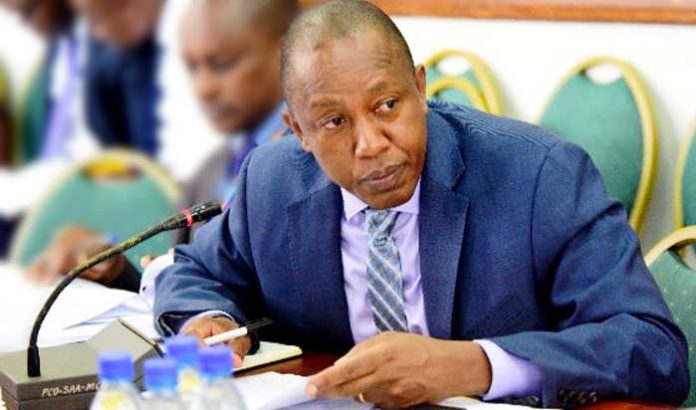
Mr Kenneth Mugambe.

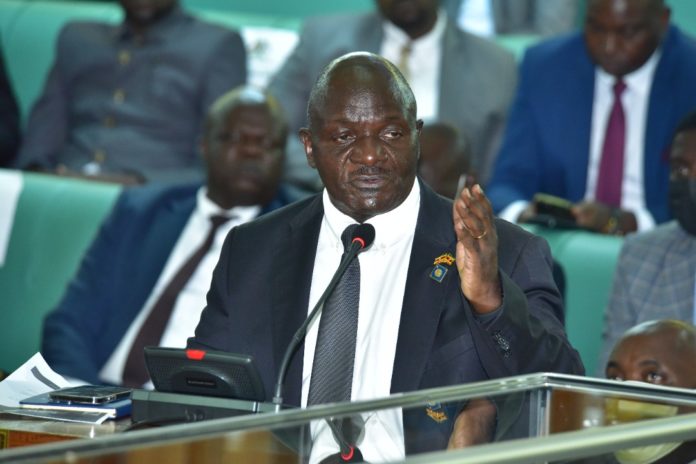
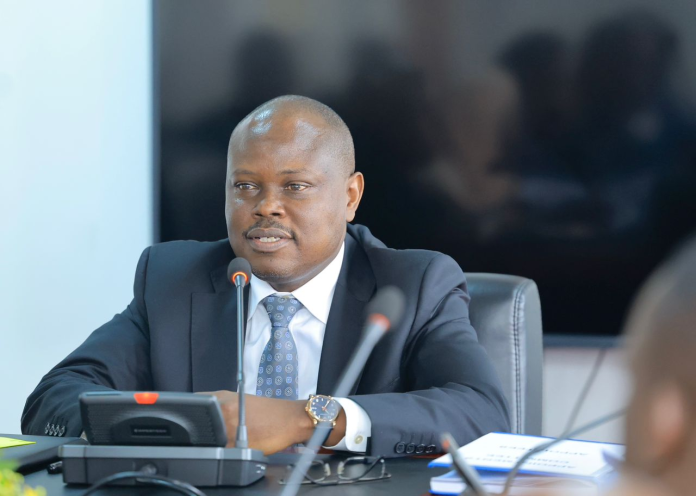
Kenneth Mugambe, the former Director of Budget in the Finance Ministry could soon be called by police’s Criminal Investigations Department (CID) regarding budget mess over the years he has held that office.

Also lined up for questioning are four committee Clerks of Parliament who served on both budget and finance committees in the 10th Parliament.

During the State of the Nation Address (SONA), in early June, President Yoweri Museveni said he had credible information that officials in the ministry were conniving with Members of Parliament to distort the budget for their selfish interests, particularly stilling government money.

In fact, days ago Museveni refused to sign Appropriation Bill 2024 after finding out that Shs750 billion had been removed from critical areas, something he attributed to those managing the budget process. With Parliament having re-allocated Shs750 the money as desired by Museveni, he is now expected to assent to the Bill.

Museveni’s statement on syndicates in the Finance ministry and parliament, would later result in the arrest of MPs Paul Akamba, and Cissy Namujju on allegations of corruption, regarding the budget process.

Mugambe took an early retirement.

CID investigators this website talked say Mugambe is likely to be interrogated together with four clerks of committee in parliament for various budget anomalies.  

Mugambe has 14 years working experience in planning, public expenditure management, public sector budgeting, macroeconomic management and public administration.

He is a board member of the National Information Technology Authority (NITA) and has worked as a Principal Economist responsible for the Budget Execution and Evaluation Section of the Budget Policy and Evaluation Department.

He formerly worked as an Assistant Commissioner in the Economic Development Policy and Research Department where he was a lead member of the team that formulated the Poverty Eradication Action Plan (PEAP) 2004.

As the Commissioner of Budget Policy & Evaluation Department, Mugambe is at the forefront of drawing up the national medium-term expenditure framework that is used as a tool to determine the national expenditure priorities as well as the rationalization of resource allocation both in the short and medium term.

Stories Continues after ad

Gen. Otafiire unhappy with parliamentary police arrest of RCC Burora

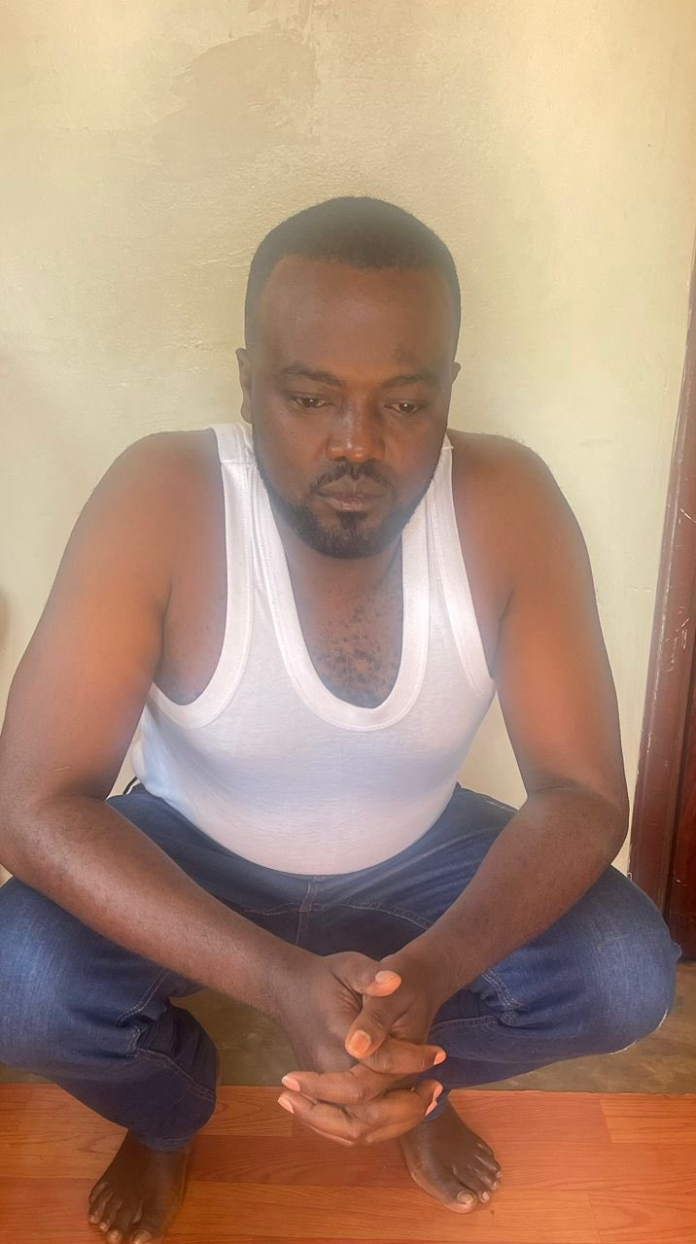
Former Rubaga Deputy RCC Herbert Burora.

Internal Affairs Minister Gen. Kahinda Otafiire is unhappy with the way Parliament pushed police to arrest the former Rubaga Resident City Commissioner Herbert Anderson Burora.

Burora was arrested on Sunday night from his home by the police attached to parliament. He was later taken to Kira Division police where he spent the night before he was transferred to Central Police Station (CPS) for grilling.

Security sources say Burora is being detained for annoying the person of the Speaker through his X handler. He been to remanded to Luzira prison until July 9.

“My home has been besieged by unknown men who claim that I should go with them,” Burora wrote on his x handle (formerly twitter).

Burora was in March this year suspended from the office over alleged violation of the Uganda Public Service standing orders 2021 because he openly criticised the Speaker of Parliament Annet Anita Among for corruption and misuse of public funds at Parliament.

Burora recently formed a National Resistance Movement (NRM) group to fight corruption.

He has resisted attempts by the RDC Secretariat under President’s Office to silence his views against corruption at Parliament and other public bodies.

Security sources told Eagle Online the of the head of police at parliament Charles Twino led the operation to arrest Burora.

The same sources say Twino is being used to trail the critics of Speaker Among in and outside parliament.

 Radio One Journalist Jude Bukenya was arrested at CPS in similar circumstances and banned from covering parliament.

No charges have been leveled against Bukenya.

Stories Continues after ad

UNOC imports first-ever fuel products in Uganda 

Today marks a significant milestone for Uganda as the first vessel under the Uganda National Oil Company’s (UNOC) new mandate as the sole importer of fuel products arrives. This historic event emphasizes the company’s commitment to ensuring the reliable supply of high-quality fuel in order to eliminate speculative price hiking.

UNOC Chief Corporate Affairs Officer Tony Otoa said, “Through our new mandate as the sole importer of fuel products to Uganda, our role will be to ensure reliable supply and price stability. By centralizing importation, we are streamlining operations and mitigating supply chain risks. This strategic move guarantees consistent, high-quality fuel for Ugandans.”

According to the company, the shipment comprises 78 million litres of petrol and 65,000 tons of diesel and will be transported to Uganda through the Kenya Pipeline and later to Uganda using trucks.

“As the sun’s rays started piercing the sky this morning, this vessel carrying 58,000 metric tons of petrol arrived at Mombasa.  It is the maiden vessel as UNOC implements the sole importation of fuel products mandate. The fuel will get into the Kenya pipeline infrastructure and later to Uganda via trucks,” Ota revealed.

Otoa added that this will continue to ensure stability in fuel supply to the country.

Uganda National Oil Company (Unoc) recently signed a deal with Vitol Bahrain to import the fuel products aimed at lowering pump prices below the current rates offered by dealers in Kenya.

President Yoweri Museveni passed the amended Petroleum Supply Amendment Act in November 2023, giving monopoly powers to UNOC to import fuel into Uganda and sell it to petroleum marketers.

Stories Continues after ad

Uganda Prisons denies claims over arrested MPs secretly meeting Museveni

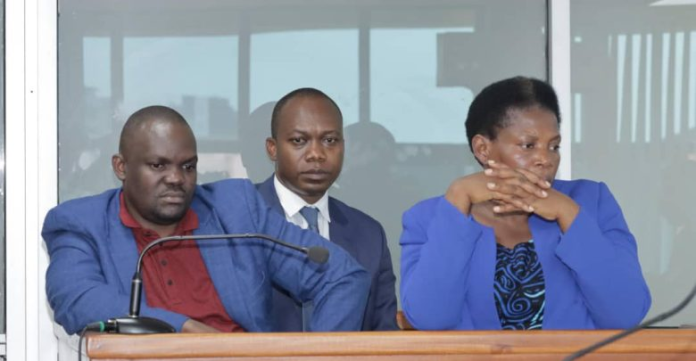
Jailed legislators in the dock.

The Uganda Prisons Service has cleared air over claims that the National Resistance Movement (NRM), MPs remanded to Luzira on corruption charges were recently secretly taken to State House to meet President Museveni.

The rumors spread from city lawyer Nicholas Opiyo alleging that two NRM MPs had met President Museveni at State House for reasons he said had been unclear.

“Two NRM MPs charged and remanded to prisons on corruption charges were, allegedly, after their detention, secretly whisked from their detention at Luzira Prisons to meet the President at State House, Entebbe,” Mr Opiyo, a human rights activist, posted on X (formerly Twitter).

He added that what the president was discussing with the two legislators was unclear but it certainly undercuts his public posture as an anti-corruption crusader.

However, Prisons spokesperson Frank Baine said in a Tuesday statement that Opiyo’s claims were false and unfounded.

“As Prisons, we categorically state that these allegations are false and unfounded,” Baine said.

Quoting the Prisons Act of 2006 Section 5(A), Baine said there is no reason to parade NRM lawmakers in the State House.

The Act requires the service to ensure that all persons lawfully detained in prisons are detained safely, securely and humanely and are tried where necessary until lawfully released or released from prison.

“Therefore, there is no reason whatsoever for prisoners to be produced at State House at any time of the day or night,” Baine said.

The Prisons mouthpiece maintained that Opiyo’s allegations are clearly intended to mislead the public for personal reasons, and that they should be totally disregarded.

It should be remembered that four NRM legislators were arrested and remanded to Luzira last month on corruption charges.

The arrested legislators included; Busiki County Member of Parliament Paul Akamba, Cissy Namujju the Lwengo Woman MP, Igara East MP Michael Mawanda and Elgon County Legislator Ignatius Mudimi.

Prosecutors accused the lawmakers of misappropriating about Shs3.4 billion for purposes unrelated to the purpose of the funds.

They are also charged with conspiring to defraud the Ugandan government, according to the indictment.

The legislators, who remain in custody, allegedly tried to persuade the chairperson of the Uganda Human Rights Commission to inflate the organization’s 2024/25 budget, in return for a 20-percent kickback.

Stories Continues after ad