Stanbic Bank
Stanbic Bank
20.7 C
Kampala
Stanbic Bank
Stanbic Bank
Home Blog Page 217

Gen. Odongo urges Ugandan diplomats to align foreign policy with vision 2040, emphasizes economic diplomacy and regional integration

Foreign Affairs Minister, Gen. Jeje Odongo at the retreat.

General Odongo Jeje Abubakhar, Minister of Foreign Affairs, has urged Ugandan Ambassadors and Heads of Missions abroad to align the Ministry’s work with Uganda’s National Development framework, including Vision 2040 and the Third National Development Plan.

Speaking at the opening of the Ambassadors’ Conference running from August 26 – 30, 2024, Gen. Odongo emphasized the need for Uganda’s foreign policy to drive economic growth and regional integration.

The conference, held at the Civil Service College in Jinja, aims to achieve several objectives, including enhancing performance and innovation among missions, and facilitating peer-to-peer knowledge sharing.

The Ministry has adopted various interventions to achieve these objectives, including promoting regional and international peace and security, enhancing bilateral relations, and engaging with stakeholders.

“If Uganda’s Foreign Service delivers on the objectives of the different national priorities, programmes and objectives, we shall have played a very important historic role in the transformation of our country,” Gen Odongo said. “We must ensure that our foreign policy work contributes to the realization of our national development aspirations,” Gen. Odongo said.

The Minister highlighted economic and commercial diplomacy as key drivers of Uganda’s development, stressing the need for ambassadors to promote value addition, industrialization, and trade.

“Economic and commercial diplomacy has taken center stage in our foreign policy work,” he noted adding, “We must leverage our diplomatic presence abroad to attract investment, technology, and expertise that can drive Uganda’s economic transformation.”

He also stressed the importance of regional cooperation and integration, citing the East African Community and the African Continental Free Trade Area as key frameworks for promoting inter and intra-Africa trade.

“We believe these are important and strategic pillars for Uganda’s national development,” Gen. Odongo said.

“At the level of regional cooperation, the East African Community remains the main entity… For the rest of Africa, the African Continental Free Trade Area provides a framework for continent-wide trade cooperation.”

Gen Odongo also tackled the pressing challenges to regional peace and security, including the ongoing armed conflicts in the Democratic Republic of Congo and The Sudan, as well as the lingering political differences in South Sudan. He underscored the imperative for Uganda to remain at the forefront of promoting peace and security in the region, leveraging its experience and influence to foster stability and cooperation.

“The situation in Somalia remains fragile in terms of peace, as the Al-Shabab is not entirely defeated,” the Minister noted.

“It is important that we pay close attention to the ATMIS draw-down, and whatever post-ATMIS transition arrangements will be put in place. Our interest, as a country that made the ultimate sacrifice for our brothers and sisters, is to ensure that the gains that have been made are not lost.”

On the issue of human rights and governance, Minister Abubakhar emphasized the need for sustained engagement and dialogue to address concerns and misconceptions.

“We need to have continuous engagement and dialogue to generate better appreciation on some of the situations causing discomfort to our partners,” he said, highlighting the importance of open communication in navigating complex issues and strengthening partnerships.

Permanent Secretary Bagiire Vincent Waiswa highlighted the need for effective and efficient approaches to promote economic and commercial diplomacy, particularly in areas such as agro-industrialization, tourism promotion, mineral development, and science and technology (ATMs).

Bagiire re-echoed the importance of mobilizing Ugandans in the diaspora for national development and promoting international law and commitments.

“We need to have a concerted effort to attract investors, eliminate non-tariff barriers, and enhance trade relations,” he said.

“The Ministry has participated in coordinating and mobilizing grants for national development, including the Chinese Government grant of US$5.3 million to finance the MoFA Extension building project.”

Waiswa commended some Heads of Mission for heeding guidance on effective service delivery but expressed concern over others who have disregarded official guidance, leading to acrimonious situations.

 “Leadership of a Mission is by the Head of Mission, but it’s impossible for them to succeed if they hold others in their team with little or no regard,” he said.

He added, “I urge you to always acquaint yourselves with the Public Finance Management Act (2015) as you seek to guide Accounting Officers about their duties.”

The Conference will also assess Mission performance and innovation, with awards for top performers.


Stories Continues after ad

How the CAF Champions League Is Boosting theProfile of African Clubs

Witness the rise of African giants! Explore how the CAF Champions League is elevating club profiles, attracting investment, and fostering a new era for African football on the world stage.

From Local Heroes to Global Contenders: How the CAF Champions League is Propelling African Clubs

For decades, African football has been a breeding ground for exceptional talent. However, the spotlight often fell on individual players who would head off to shine in European leagues. Now, a new era is dawning, fueled by the growing significance of the CAF Champions League. This prestigious tournament is no longer just a competition for domestic bragging rights; it’s a platform propelling African football matches today to global prominence.

Raising the Bar: Increased Investment and Infrastructure Development

The CAF Champions League is attracting significant investment into African clubs. The increased prize money, television revenue, and sponsorship deals allow clubs to invest in infrastructure upgrades, improve training facilities, and attract higher-calibre coaching staff. This, in turn, leads to a more professional setup and a more competitive environment.

Showcasing Talent: A Gateway to the Global Stage

The CAF Champions League is a stage for African clubs to showcase their talent to a global audience. Strong performances in the competition can lead to lucrative transfers for players, raising their profiles and attracting interest from European scouts. This benefits the individual players and injects valuable funds back into the clubs, allowing them to further invest in development.

Continental Rivalries: Stories to Watch Unfold

The rise of the CAF Champions League creates captivating storylines that transcend national borders:

  • Classic Rivalries Renewed: Will legendary rivalries like Al Ahly vs Zamalek (Egypt) or Wydad Casablanca vs Raja Casablanca (Morocco) regain global attention on the Champions League stage?
  • Emerging Forces: Can clubs from previously under-represented regions like West Africa or Central Africa challenge the dominance of North African powerhouses?
  • The Road to the Club World Cup: Will a strong showing in the CAF Champions League translate to a competitive performance at the FIFA Club World Cup, further raising the profile of African clubs on the world stage?

Building a Sustainable Future: Beyond the Tournament

The CAF Champions League’s impact extends beyond the final whistle. By creating a more financially viable environment for clubs, the competition fosters the development of youth academies and professional structures. This paves the way for a more sustainable future for African football, ensuring long-term growth and competitiveness.

A New Era Dawns: African Football on the Rise

The CAF Champions League soccer live today is a game-changer for African football. The tournament propels African clubs to the forefront of the global game by showcasing talent, attracting investment, and fostering healthy competition. This is not just about trophies; it’s about establishing African clubs as respected forces capable of challenging the traditional hierarchy in world football. As the competition continues to grow, fans worldwide can expect to witness thrilling encounters, captivating storylines, and the rise of African giants ready to take their rightful place on the global stage.

Stories Continues after ad

Large-scale adoption of innovations key to Food System Transformation

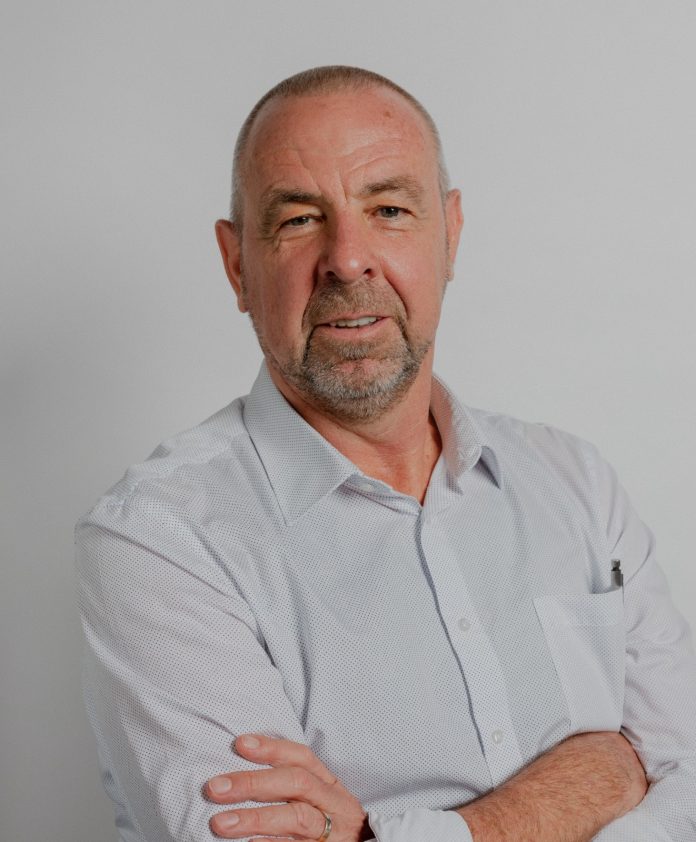
Andre de Jager

By Andre de Jager

Fast-changing circumstances necessitate a rapid transformation of our global Agri-food systems. Especially in Africa population growth, urbanization, climate change, shifting consumption patterns, human-induced conflicts, and limited resources like water, land, and labour demand a re-evaluation and reorganization of the Agri-food systems to ensure sustainable and equitable food production and distribution within our planetary boundaries.

This need has led to the rise of expertise and technologies for climate response across multiple sectors. Food systems are both contributors to greenhouse gas emissions and highly vulnerable to climate impacts. Activities in the Agriculture sector are a significant source of carbon dioxide, methane, and nitrous oxide emissions, all three of which are potent greenhouse gases. Conversely, changes in temperature and precipitation patterns, along with extreme weather events, directly affect crop yields, food quality, and supply chains.

Research, development organisations, and the private sector in agriculture have long focused on increasing productivity and efficiency through technological advancements such as improved seeds, fertiliser technologies, and advanced management practices, as well as through achieving economies of scale. This approach has seen substantial success in Europe, the USA, and Asia, but to a lesser extent in most SSA countries.

The widely recognised negative impacts of unsustainable agricultural intensification have spurred the development of alternative approaches. The Paris Climate Agreement (2015) and the Montreal Global Biodiversity Framework (2022) have provided directions towards more fundamental transitions in agri-food systems. The philosophy of regenerative agriculture emerged in the 1980s, alongside movements such as organic agriculture and conservation agriculture. Regenerative agriculture has recently gained renewed traction and is considered a relevant global framework to guide an agri-food transition including the most typical agroecological practices.

Regenerative Agriculture includes a set of farm and land management practices, principles, and processes that restore and rebuild ecosystems’ health, resilience, and biodiversity. As a farming approach, it emphasises soil health improvement as the foundation of a sustainable food system, biodiversity enhancement, water management, minimal disturbance, integrated livestock management, crop diversity, carbon sequestration, circularity and optimum use of resources/inputs, as well as the use of renewable energy.

Collaborative efforts between local researchers, international institutions, and private sector players are instrumental in the creation of context-specific technologies and practices. For example, developing crop and region-specific fertilizers can significantly boost productivity and food security. Additionally, R&D has been shown to facilitate the development of efficient supply chains and market linkages, helping farmers access both the inputs they need and markets for their produce.  Equally important is to integrate existing local and context-specific knowledge in innovation processes and ensure that we learn with farmers and other actors as they pursue their development.

Energy consumption by agri-food systems is another critical area for innovation. This in a bid to counter traditional agricultural practices, which often rely on fossil fuels, contributing to carbon emissions and energy inefficiencies. Technologies such as solar panels and biogas systems are being adopted on farms and in food processing facilities. Solar-powered irrigation systems, for instance, help reduce the carbon footprint of water management. Solar panels and biogas digesters provide renewable electricity and heat, and innovations in equipment, such as high-efficiency cooling systems, are being implemented to lower energy consumption in food storage and processing. At the same time, smart grids are optimizing energy use and reducing waste and costs.

SNV’s vision in agri-food centres on a sustainable and resilient agri-food system – able to deliver food security and adequate nutrition for people in all their diversity in such a way that the economic, social, and environmental bases are safeguarded for future generations.

At SNV, we facilitate these innovation processes as we implement projects across Africa, including Regenerative Agricultural Practices for Improved Livelihoods and Markets (REALMS). Working with the IKEA Foundation and other partners, including governments, Small and Medium Enterprises, Civil Society Organisations and Research Institutes, we have, over the last four years, co-created the necessary enabling environment for regenerative agriculture in at least 10,000 farms.

This is part of our practical approaches to developing scalable solutions, which will catalyze widespread adoption. In implementing this project, we have also drawn valuable lessons. Notably, we have learned that while food systems can be transformed through innovation and R&D, impact at scale can only be attained by addressing systemic challenges such as inadequate infrastructure, limited access to finance, and regulatory barriers.

As such, we are calling upon governments, development partners, Civil Society Organisations and other stakeholders to foster supportive policy environments that encourage investment in agricultural technology and innovation. This includes streamlining regulations that facilitate the adoption of new technologies and provide financial incentives for start-ups and businesses that focus on agricultural innovation. By integrating these elements into a cohesive strategy, we can build more resilient and efficient food systems that not only meet our current needs but also enable sustainable growth.

On this note, I am pleased to confirm that we will be at the 2024 Africa Food Systems Forum in Kigali, Rwanda, where we are eager to showcase our experience in implementing evidence-based agricultural solutions, especially around the realm of regenerative agriculture, while highlighting our successes and shortfalls. We hope that our revelations will help the diverse stakeholders at the conference to enhance their own strategies for accelerating Africa’s food system transformation.

The writer is the director of Technical Expertise at SNV.

Stories Continues after ad

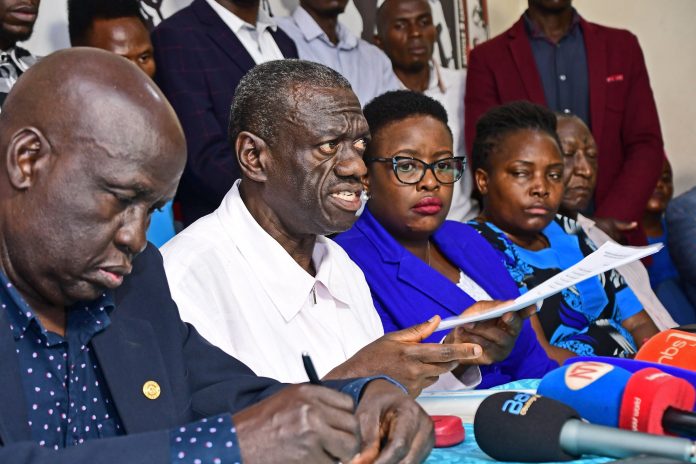
Besigye, Ingrid and Ogutu form a new political party

The former Forum for Democratic Change (FDC) members based at Katonga Road have petitioned the Electoral Commission, seeking the reservation of the name, colour, symbol, and slogan for their political party.

Led by Wafula Ogutu, the founding member of FDC, and 11 others, they revealed that the name of their political party is the People’s Front for Freedom (PFF).

According to Charles Oduman Okello, during their Delegates’ Conference last week, members of the faction resolved to form a new party after falling out with the leadership at the Najjanankumbi party headquarters.

“We have finished preserving the name of the party, which we think will liberate this country. I know the electoral commission has not yet done their part, but we have submitted the new political vehicles that can transform this nation, the People’s Front for Freedom (PFF),” he said.

“Our colour is red and royal blue and our symbol will be a phone so that you can all say, where are you?” Our slogan is freedom for all and all for freedom because we have been under captivity for a very long time. We have done our part, so we leave the electoral commission to do its part so that we embark on collecting signatures for registering this party. We have a counsellor that will help us apply so that we do the due diligence,” he said.

The FDC intraparty fights started on the eve of 2021 with two factions led by the former presidential candidate, Dr. Kiiza Besigye, and the party President Patrick Amuriat and Nandala. Besigye accused Nandala’s group of working President Yoweri Museveni.

Besigye’s camp, which Ssemmujju subscribes to, accuses the Amuriat’s group of getting money from the president, Yoweri Museveni. Amuriat and the group have since refuted all claims. Amuriat’s group conversely accused Besigye and his faction of failure to disclose the source of $400, which he availed during the campaigns.

It is alleged that Besigye was trying to push Amuriat out of the race ahead of the coming party presidential elections for the Lord Mayor Erias Lukwago.

Despite being a party member, Besigye didn’t support nor conversely support Amuriat in the concluded 2021 presidential elections.

Nandala has since said that Besigye has continued to disorganise the party, yet he is not a founding member. I want to challenge him to let us know where he signed when we founded FDC. He was in South Africa and returned when the party was in place,” he said last year.

Stories Continues after ad

Pilsner Lager boosts Tooro Kingdom coronation anniversary preparations with Shs100 million contributions

Matilda Babuleka Marketing Manager Beer, Omukama of Tooro, Dr. Oyo Nyimba Kabamba Iguru Rukidi 1V, Andrew Kilonzo the Managing Director of UBL and Edgar Kihumuro Brand Manager of Pilsner Lager.

Pilsner Lager, a brand under Uganda Breweries Limited has made a contribution of Shs100 million towards the 29th coronation anniversary preparations that are set for September 12, 2024.

The coronation anniversary which is traditionally known as Empango is an annual celebration that marks the day Omukama of Tooro, Oyo Nyimba Kabamba Iguru Rukidi 1V ascended to the throne at three years old.

The meeting was attended by the king, the UBL Managing Director Andrew Kilonzo, the Minister of Culture Tooro Kingdom Peter Sunday and other representatives from Tooro and UBL.

While at the meeting the UBL Managing Director Andrew Kilonzo congratulated King Oyo for reaching his 29th anniversary. He revealed that UBL is proud to associate with Toro’s incredible heritage.

“Uganda Breweries which only last month celebrated its 78th anniversary is proud to be associated with such an incredible heritage, a celebration of the spirit of resilience from which the strongest dynasties have thrived and we are proud to have been included on your progressive journey over the years”.

Kilonzo also added that UBL works closely with farmers in Tooro Kingdom who for years have been supplying the company with raw materials that are used in the production process to make some of the most memorable brands like Pilsner Lager

“In one year alone, we source over 1000 tonnes of barley, 1500 tonnes of sorghum and 5000 tons of maize from over 2000 farmers (800 barley, 1500 maize, 500 sorghum). We pay over Shs8.7 billion to farmers in Kamwenge, Kabarole and

Bundibugyo. We know that farming is the backbone for this community and the country at large and we would like to make a commitment to continuously support both the Kingdom’s and the government’s agenda to enable farmers to improve their livelihoods whether it is through mechanization or availing a ready market for their produce. In the coming years, we shall be doubling our sourcing from this region of Barley from 1000 tonnes to 2000 tonnes and Maize, by 15% from 5000 tonnes to over 6000 tonnes”.

The Omukama’s 29th coronation anniversary is expected to be a grand event, with various cultural displays, rituals, and festivities that honour the history and resilience of the Tooro Kingdom.

Edgar Kihumuro, the Brand Manager of Pilsner Lager, emphasized the brand’s commitment to celebrating Uganda’s cultural heritage.

“We are always proud to be part of the celebrations that highlight the rich traditions of the Tooro people. This contribution is a testament to our dedication to supporting and preserving Uganda’s cultural heritage,” Kihumuro stated.

Pilsner Lager’s contribution will go a long way in ensuring the success of these celebrations, reinforcing the strong ties between the brand and the Tooro Kingdom.

Stories Continues after ad

Rwandan spies steal phone of UPDF General

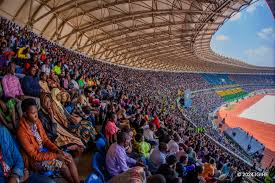
As Rwanda was celebrating the inauguration of their leader President Paul Kagame, their spies were also busy eying the phone of a top military general in attendance at Amahoro stadium.

The embarrassing incident to the Kampala military operative caused shame to Kagali. Sources say it wasn’t mere theft of phone as such but those that know how things are done in that city suggest that this could have been a planned strategy to humiliate the general whom they see a threat given that he is guarded.

The said army general was part of the delegation that escorted the Chief of Defence Forces

Stories Continues after ad

Speaker Among vows to continue holding regional sittings amidst public criticism

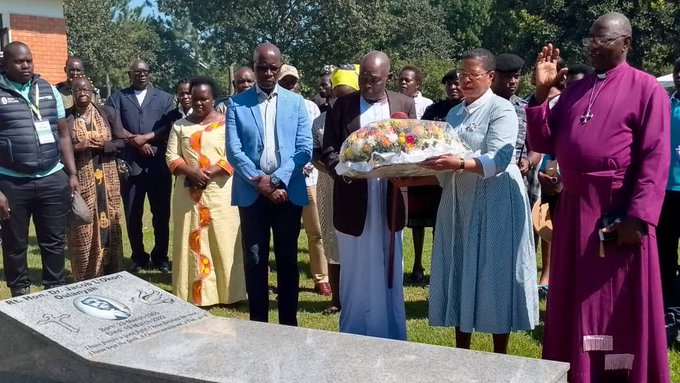
Speaker Among, Oulanyah's father and clergy.

Speaker Anitah Among has vowed to continue holding regional parliamentary sittings, despite public criticism and boycott from some Opposition MPs, saying Parliament can proclaim to hold a sitting anywhere in Uganda, even in the middle of the road.

Among made the remarks while addressing journalists during the visit to Late Speaker Jacob Oulanyah’s home in Omoro district, where she defended the regional sittings arguing that there are MPs who do not even know the road leading to Gulu, and it is time Gulu also benefited from having Parliamentary sittings.

“The sitting in Gulu and greater North is a normal sitting. Parliament isn’t a building in Kampala, we can proclaim and sit anywhere in this country, even in the middle of the road, that is what the law says. And bringing Parliament to sit in Gulu is an added advantage to the people of the Northern region. Gulu or Northern Region belongs to Uganda and because it belongs to Uganda, it must benefit from what the normal sittings that take place in Kampala benefits,” Among said.

“There are MPs who don’t even know the road to Gulu, but now when we are sitting in Gulu, you find all the hotels are full, all the food is being eaten. People are benefitting. But it is also important for us to take Parliament to the people. We are elected by the people, so it is just prudent enough for us to take Parliament to the people, not always people going to Parliament,” she remarked.

“It is nothing peculiar, it has ever happened and it is going to continue happening. Those who are saying they are going to boycott or whichever, it is going to continue happening until we say stop. Parliament will sit here, and it will go to another region, but the first priority was Gulu for us to recognize that the Late Speaker came from Gulu,” added the Speaker.

The Speaker also promised to continue supporting late Oulanyah’s family as long as she is still Speaker, because she still has another term to serve as Speaker of Parliament and there are plans underway to send Oulanyah’s daughter Karen Atim abroad to study pediatrics as promised to the father.

“When we were here, we made the commitment that we would support the family and I pray that we aren’t disappointed. We supported Andrew to become the MP because he was the eldest boy around, we also supported the smallest boy, and we are educating Atim and we are only waiting for her admission for us to send her out to do pediatrics as promised to the brother. And our being here is part of the love we have for the Late Jacob Oulanyah. He was a brother, a friend and our leader. And being our leader, friend and brother, his family remains our family,” she said.

Stories Continues after ad

Famous ‘Pastor’ fights for Shs27b as Mercantile depositors are at crossroad

The Board Chairman of the Deposit Protection Fund of Uganda (DPF), Ben Patrick Kagoro, has called for a review of the current limit of Shs10 million for depositors.

Kagoro said barely two weeks after the former depositors of the liquidated Mercantile Credit Bank protested the delayed payment by the bank of Uganda.

Currently, the DPF currently provides protection of Shs10 million to the depositors of the 31 contributing institutions, made up of 22 commercial banks, six credit institutions, and three microfinance deposit-taking institutions.

The protected limit is reviewed every five years; therefore, the current limit is due for review this year, having been revised from Shs3 million in 2019. Under the review, they ought to increase it to Shs20 million.

Speaking at the Africa Regional Committee (ARC) of the International Association of Deposit Insurers (IADI) Conference, the majority of depositors across the African region are mostly the less sophisticated ones, the ones who are vulnerable and are therefore negatively impacted when a financial institution is closed.

“It is not a farfetched notion to assert that without ensuring financial stability and protecting depositors, the much-sought-after public confidence in the financial sector will remain but a distant dream,” he said.

He said Uganda is no exception to the upheavals and dynamism in the financial ecosystem. In the first half of the year, EFC Uganda Limited and Mercantile Credit Bank Limited were closed. We started paying depositors within days of the institution’s closure. This swiftness in reimbursing depositors is one of the cardinal principles of IADI, and it contributes immensely to public confidence in the financial sector.

Mercantile Credit Bank depositors at the crossroads

However, sources at the Bank of Uganda said the President Yoweri Museveni is hesitant to have them paid because the depositors of the Mercantile Credit Bank are the same who banked with EFC Uganda Limited, which was closed earlier this year.

A famous city pastor based in Rubaga areas is said to have had Shs27 billion in Mercantile and more than Shs17 billion in EFC. The president is quoted saying there is no reason they should be compensated because they invested in a risky business.

“We are not sure, but because Wazalendo is on the list with more than $13 billion, the president may have had these people paid in time, but he declined.”

“A renowned tour operator who married a non-Ugandan woman is also reported to have deposited $500,000 (Shs1.8 billion) late last year and never walked to the bank despite reports that it would be closed,” a source said.

The source said that even after the closure of the bank, he didn’t bother but instead ran to the president to report a BoU official for delayed payment. The president dismissed his allegation and directed him to wait because they ought to get their money back.

Stories Continues after ad

Uganda generates Shs1.576t in July through treasury instruments

The Ugandan government generated Shs1.576 trillion in July 2024 through the issuance of treasury bills and bonds, according to the latest economic performance report.

The funds were allocated towards refinancing mature Treasury instruments (Shs527 billion) and financing budgetary items (Shs1.048 trillion).

Experts suggest that reforms to the Capital Markets Act could lead to increased revenue through these financial instruments. Louis Namwanja, a commercial lawyer, noted that external factors have driven offshore investors to African markets, including Uganda.

“The Federal Reserve rates have been increasing, which forced offshore investors to seek opportunities in African markets, including Uganda, to invest in treasury bonds,” Namwanja explained.

The report also highlights a decline in yields for most treasury bills, except for the 364-day tenor, which maintained an annualized yield of 13.6%. Despite an oversubscription of treasury bills in July, experts believe that more can be done to improve the fixed-income market in Uganda.

Namwanja identified one of the key challenges as the opacity of Uganda’s securities market.

“The Capital Markets Authority (CMA) seems to lack visibility, and a lot of information is unavailable to retail investors, which limits investment,” he said.

Proposed reforms in the Capital Markets Amendment Bill, which has yet to be passed by parliament, include measures to increase investor protection and the licensing of primary dealer banks. Experts believe that these reforms could address the structural issues in Uganda’s fixed-income market and lead to increased government revenue through the issuance of Treasury instruments.

Stories Continues after ad

Police arrest 18 protesters opposing East African Crude Oil Pipeline

Ugandan police arrested 18 protesters, including students and community members, as they marched towards the Energy Ministry in Kampala to voice their opposition to the East African Crude Oil Pipeline (EACOP) project.

The protesters, who were part of a group advocating for environmental and social justice, aimed to deliver a petition to Minister Ruth Nankabirwa, highlighting their concerns about the project’s impact on their livelihoods and the environment.

The police deemed the assembly unlawful and arrested the protesters. “We are holding 18 people who had gathered or assembled unlawfully with intent to march to the ministry of energy,” said Luke Owoyesigyire, Kampala metropolitan deputy police spokesperson. “They are currently being held at the Central Police Station in Kampala on charges of holding unlawful assembly.”

The protesters’ concerns revolve around the project’s impact on their livelihoods. “We want to reach these people as a way of raising our concerns,” said Robert Pitua, a student and PAP. “Livelihood restoration programs were insufficient, and now we cannot manage to restore the initial livelihoods we had. Most people are given unfair compensation, which is inadequate. They are using the old valuation rate, and yet we are supposed to be using the current one.”

Another protester, Bob Barigye, shared a similar experience. “Some people were given Shs260, 000 as compensation for an acre of land, which payment is not clear since it was valued at an old rate. So we are here to express our concerns in a peaceful protest since we wrote letters and reports in vain.”

The protesters also highlighted the project’s environmental impact. “Currently, most of us in western Uganda are being disturbed,” said Stephen Okwai, another PAP. “You cannot know when the rain is going to start and when it will stop, yet most of these people are farmers. The effect of this oil project is greatly impacting the grassroots people.”

In response to these claims, John B Habumugisha, deputy managing director of EACOP Ltd, stated that the company has compensated most PAPs. “99 percent of PAPs have fully been compensated,” he said. “As of August 2024, a total of 9,831 out of 9,904 (99 percent) of PAPs in Tanzania and 3,549 out of 3,660 (97 percent) PAPs in Uganda have signed their compensation agreements.”

Habumugisha added that the company follows a strict process before accessing land. “Land is accessed by the project only after compensation has been paid and the notice to vacate is issued and lapsed,” he explained. “Eligible PAPs are entitled to transitional food support and have access to livelihood restoration programs.”

Stories Continues after ad