Stanbic Bank
Stanbic Bank
24.5 C
Kampala
Stanbic Bank
Stanbic Bank
Home Blog Page 222

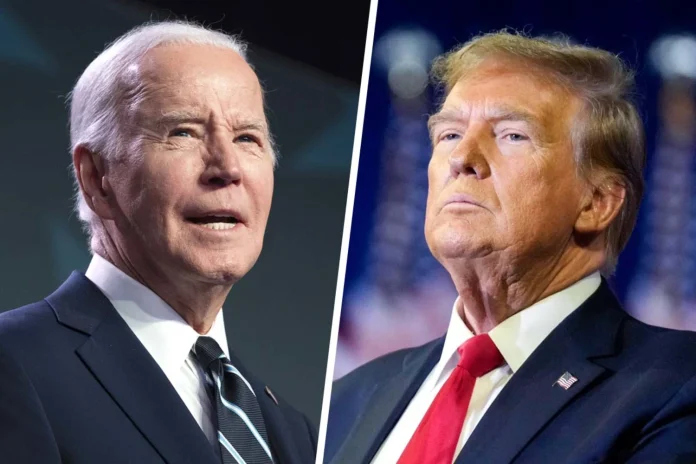
There is no democracy in America-It is just violence exhibited by Trump and Biden


By Dr. David Matsanga in Africa


On Thursday June 27, 2024 I watched the full debate of the American Presidential contenders. I tell you it was messy. Many years ago, I missed out on a job because I lost my temper.

It was one of those awful I’m-hour interviews with workshops, team tasks and worst of all, a three-course dinner bang in the middle. I didn’t scream or get abusive, but I did let my frustration get the better of me about something or other.

Given my strong scores in earlier rounds, all I needed to do was a smile, exude an air of calm and the gig was mine. I couldn’t do it. That is what Biden and Trump did when they appeared on TV for the debate.

I was thinking about this experience as I woke up to the news that Joe Biden effectively set his podium alight at the first US presidential election debate. Biden, 81, also had only one job.

This is to demonstrate to the American people, particularly those living in Pennsylvania, Wisconsin, Georgia and Arizona, that he is not too old to be president. The stakes were somewhat higher but the outcome was the same: he couldn’t do it.

I failed that interview I referred to in the opening paragraph not because I didn’t understand the assignment, but because of who I was. I was young and yet to hone a neutral tone and listening eyes. I used temper to reason with those on the panel. They failed me.

History will be written that Biden is old man, and while he managed to mask it in previous debates and various State of the Union addresses, he couldn’t on this occasion. Sometimes we fail, even if we only have one job. That is what happened to Joe Biden – he let down his supporters because of temper. Hate for trump brought him down.

The truth must sink. I am a conflict resolution expert and a political risk strategist.  I always tell people not fall in the net of temper. In African politics if you fall in the network of temper and hate you invite a bad situation.

You must calm down a bad situation and do what is called “a fatigue evaluation” that will deliver you out of the hole you have dug. Biden fell to the trap of a known criminal called Trump

Another truth is that for what it’s worth, Donald Trump is a convicted felon who incited an insurrection in the US Capitol to prevent the peaceful transfer of power. From tariffs to alliances, his policies would further undermine the global rules-based order.

The pure bold talk from me is that anybody who talks of  democracy of the USA annoys Socrates in the grave  – As an African scholar I don’t believe that there is democracy in USA on African NGOs that went to school compounds not classrooms can believe that .

The type of democracy of 250 years in America  that takes one inside the holes instead of removing us out our holes as Africans is dangerous democracy. African young generations must not look at USA democracy as a benchmark for a better world. We must look at the new type of democracy that fits Africa.

On the side of Trump -He is frequently unintelligible. His Supreme Court nominees have overturned the constitutional right to abortion. He has overseen vast conflicts of interests with regards to the presidency and his businesses. He has been found liable for sexual abuse. In other words, there are worse things in the world than appearing old on television.

I say this from the bottom of my heart, I still believe the Americans will vote him even when he is in jail. But, given the widely understood threat of a second Trump presidency, shouldn’t that incentivise the Democratic Party to nominate the best possible candidate? They instead named Joe Biden a failure of foreign policy.

I tell you and I can go on record that I don’t like Hillary Clinton on politics of Africa as a Pan African. She killed and helped bomb Libya but she told Americans what would happen if they chose a wrong Democratic candidate.

The warning signs were there when Hillary Clinton ran but at least in 2016, few thought Trump could actually win. The same complacency is around this time.

I always balance my articles to allow my young students across the world to understand the international relations. To be clear, Biden has been a successful legislator, from passing the historic Inflation Reduction Act to the bipartisan Infrastructure Bill, while overseeing a booming economy. But very weak on domestic levels.

One must remove that while corralling the West in the defence of Ukraine he brought defeat home. Yet all this would be seriously, perhaps fatally undermined if his legacy were ultimately a Trump re-run.

There is a notion that Biden might not be the candidate in November seems otherworldly. The steps required to reach such a destination are many and fraught with danger. First, Biden himself would have to voluntarily relinquish the nomination.

Then, Vice President Kamala Harris, even less popular than Biden, would have to be persuaded not to run. So those who love Democratic Party restrain your tears 

The debate in USA and the events in Africa have also provided a fascinating insight into the mindset of humans, which in this particular bun fight I would have to self-identify as one.

There had been so much pushback from reporting most notably from the Wall Street Journal, that Biden was “showing signs of slipping”. Suddenly, in the space of a 90-minute debate of the USA like in my failure to get the job because there is a direction that says -practically everyone in the world seem to agree that there  is a problem with USA democracy.


I conclude by saying when I lost my job because of anger I learnt how to mediate and negotiate for others without TEMPER   – For America or USA as it is commonly known to come back and lead the world again in their CRUSADE OF DEMOCRACY  – They must ADOPT my THEORY OF REDEMPTION STRATEGY- if not done then there is Democracy .

Lastly the only good thing that might came  out of the anger loaded debate of USA – Biden is LIABILITY and if it gets him not to run… otherwise, it was a BAD day for Democratic Party and the African Allies of Democratic Party.

Keep this article for reference

The writer is a Pan Africanist based in London, Political scientist & International Relations expert, studied conflict Resolution, a member of Royal African Society (RAS) Founder /Chairman Pan African Forum (UK)Ltd @MatsangaDr

Stories Continues after ad

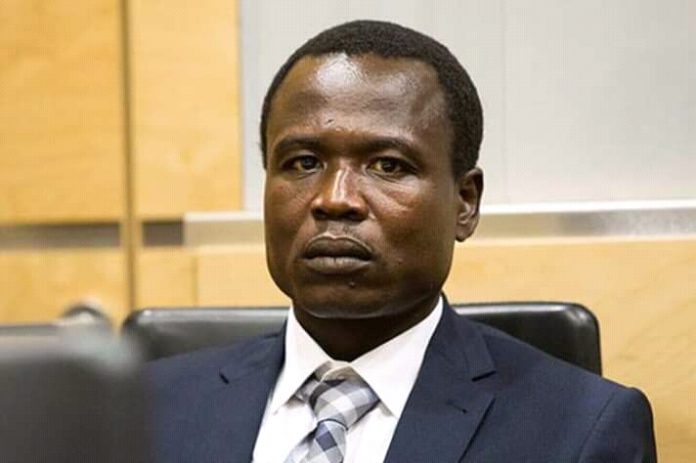
ICC appeals for Shs19.9b to launch reparation programme for victims of Dominic Ongwen

former rebel, Dominic Ongwen at ICC.

The Trust Fund for Victims (TFV) at the International Criminal Court (ICC) has called for immediate voluntary contributions for the expeditious delivery of reparations to victims of sexual and gender-based violence, former child soldiers, and victims of attacks on four camps for internally displaced persons in the case of Dominic Ongwen. 

The TFV Board of Directors urges states, organisations, corporations, and private individuals to urgently contribute EUR5 million (Shs19.9 billion) to allow for a start to the delivery of reparations to prioritise victims in line with the decision of the ICC judges in the Reparations Order. 

The First Ongwen Funding Appeal from the TFV Board of Directors is issued at its 26th meeting held in the Hague. At this meeting, the Board of Directors deliberated on the fundraising strategy to enable the implementation of the Trial Chamber’s EUR52.4 million (Shs208.8 billion) Reparations Order of 28, 2024, which seeks to benefit more than 40,000 victims.

In accordance with the Reparations Order’s prioritisation, this urgent appeal for EUR5 million aims to address the victims’ urgent needs and vulnerability. The ordered reparations include symbolic payments, rehabilitation measures, as well as other symbolic and satisfaction measures. After fulfilling this first funding appeal, the Trust Fund for Victims intends to mobilise at least EUR 5 million (Shs19.9 billion) per year to progressively implement the Ongwen Reparation Order. The next appeal from the Board of Directors will focus on the implementation of activities to be approved by the Chamber.

The TFV Secretariat is currently undertaking the 5th week of victim-centred, participatory consultations with more than 2,000 potentially eligible victims of attacks against the camps in Abok, Lukodi, Odek, and Pajule, as well as potentially eligible victims of sexual and gender-based violence and former child soldiers who were abducted from all over northern Uganda within the scope of the conviction.

The consultations with victims, which are taking place in collaboration with local communities, civil society groups, and other stakeholders, are essential to ensure that the needs and concerns of the victims and survivors form the basis of the Draft Implementation Plan for the Ongwen Reparation Programme, which the Trust Fund will submit for approval to the Chamber on September 3, 2024.

In these consultations, survivors have welcomed the recognition of harm in the court order and have expressed the importance that reparations will have on their health, livelihood, overall well-being, and healing. 

Stories Continues after ad

European Union to support MSMEs in Uganda with Shs 549b 

Minister Amongi during the event.

The European Union (EU) has announced €138 million (Shs549 billion) in funding to support Micro, Small, and Medium-Sized Enterprises (MSMEs) in Uganda. The announcement was made by Caroline Adriaensen, Head of Cooperation at the EU Delegation to Uganda, during the World MSME Day 2024 celebration.

“MSMEs are the backbone of Uganda’s economy, accounting for 90% of the private sector, 80% of manufactured output, and 75% of GDP. However, they face significant challenges, with over 50% failing to reach beyond three years of operation,” Adriaensen said. “Our funding aims to support women and youth entrepreneurs, who have a strong capacity to innovate and create jobs.”

The funding is part of the EU’s Sustainable Business for Uganda (SB4U) Team Europe Initiative, which focuses on four areas: Skills and Attitude, Access to Finance, Governance and Accountability, and Promotion of Trade and Investment.

“We believe that women and youth entrepreneurs have a strong capacity to innovate in business, particularly in supporting the green economic transition,” Adriaensen emphasized. “Our initiatives aim to provide financial and technical support to early-stage businesses and young entrepreneurs, promote entrepreneurship training and access to finance, and create jobs in Uganda.”

The EU funding will support various initiatives, including the Team Europe Initiative on Investing in Young Businesses in Africa, the WeWork programme, and the Opportunities Are Here project.

“Our partnership with the EU has been instrumental in supporting Uganda’s economic growth and development,” said Minister of Gender, Labour and Social Development, Betty Amongi. “We appreciate the EU’s commitment to supporting women and youth entrepreneurs, who are critical to our country’s future prosperity.”

Speaking at the event, Betty Amongi, Minister of Gender, Labour and Social Development, emphasized the importance of women and youth in driving economic growth and social development.

“The contribution of women and youth to the MSME sector in Uganda is vital. Their entrepreneurial spirit and resilience are driving forces behind our economic growth and social development,” Minister Amongi said. “Let us continue to support and empower them, ensuring that they have the resources and opportunities needed to succeed.”

The government has implemented various initiatives to support women and youth in MSMEs, including the Generating Growth Opportunities and Productivity of Women Enterprises (GROW) Project, Parish Development Model (PDM), Uganda Women Entrepreneurship Programme (UWEP), Youth Livelihood Programme (YLP), and Presidential Initiative on Wealth and Job Creation (Emyooga) Programme.

“These initiatives aim to provide financial support, mentorship, and networking opportunities to women and youth entrepreneurs,” Minister Amongi explained. “We believe that by empowering women and youth, we can unlock the potential for economic growth and social development in Uganda.”

The government has also amended the Public Procurement and Disposal of Public Assets (PPDA) Act to accord affirmative action to women, youth, and persons with disabilities in public procurement processes.

“We urge all stakeholders, including the private sector, development partners, and civil society, to join hands in creating a conducive environment for women and youth entrepreneurs to thrive,” Minister Amongi appealed.

Stories Continues after ad

Low prices expected as Vitol, UNOC first fuel consignment arrives next week 

This picture taken on September 26, 2012 in Geneva shows a sign of giant oil traders Vitol Group at its headquarters. Vitol is one of the world’s largest oil traders. AFP PHOTO / FABRICE COFFRINI (Photo credit should read FABRICE COFFRINI/AFP/GettyImages)

Two tankers carrying the first ever consignment of petroleum products directly imported by Uganda will dock at the Mombasa port next week, marking an end to the monopoly long enjoyed by Kenya oil marketers.

The imports are part of a negotiated deal between government-owned Uganda National Oil Company (UNOC) and Vitol Bahrain that targets to lower pump prices below the current rates offered by dealers in Kenya.

UNOC Chief Corporate Affairs Officer Tony Otoa said two vessels will dock in Mombasa on July 2, 2024, thus next Tuesday.


“We expect the first vessel carrying 70,000 tonnes and this will continue to ensure stability in fuel supply to the country,” he added.

The Uganda shipment will be delivered through the Kipevu Oil Terminal 2 (KOT2) and use Kenya Pipeline Company (KPC) facilities to transport it to Uganda.

Recently UNOC, Kenya Ports Authority (KPA), and Kenya Revenue Authority (KRA) among other stakeholders held a final meeting in Mombasa before the arrival of the two vessels.

KPC will not suffer any revenue losses due to this deal, given that the UNOC will continue using its storage facilities and transport network to ship the fuel to the neighbouring country.

This is a win-win agreement between Kenya and Uganda with KPA pledging to offer efficient services to cut the cost of handling fuel.

KPA Managing Director Capt William Ruto said the deal is part of the plan to increase fuel throughput to Uganda.

“It’s true Uganda is bringing their own vessel. This has been made possible and easy because we can handle up to four vessels at any given time,” he said.

KPA boasts the Ksh42 billion KOT2 which consists of four berths with a total length of 770 metres and a workboat wharf at Westmont for landing facilities. The terminal can accommodate three ships concurrently, each with a capacity of 200,000 tonnes.

The facility has five sub-sea pipelines and six onshore pipelines connecting the terminal to the Kenya Petroleum Refineries Limited and the KPC’s storage tanks.

The KOT 2 terminal can handle six different hydrocarbon import and export products, including aviation fuel, diesel, and petrol, and will be fitted with a Liquid Petroleum Gas facility, crude oil, and heavy fuel oil.

Kenya has proved capable of handling huge volumes of petroleum products with KPC having 45 tanks with a total storage capacity of 484 million litres out of which 254 million litres are reserved for refined products.

According to the Sale and Purchase Agreement, Uganda chose Kenya over Tanzania due to its investment at the port and its proximity to the country.

“UNOC is mandated to ensure security of supply of the petroleum products into the country. UNOC will therefore keep both the Kenyan and Tanzanian routes active, although supplies through Kenya may be prioritised,” read the communication from UNOC.

On whether Uganda will handle any consignment from foreign OMCs it said, “UNOC is mandated to only transact with Ugandan OMCs and shall therefore not be able to, say, invoice a foreign entity. We have made provision for the Ugandan OMC to process the product payment through an affiliated entity who will be required to undergo clearance through the Know Your Customer (KYC) document.”

The Uganda government said UNOC expects the OMCs that submitted their company details and requirements in the KYC document sent on May 3, 2024 after the meeting of May 2, 2024 to sign the SPA.

On the criteria of allocating fuel imported in the arrangement, UNOC for the first months will consider ranking by historical importation figures, market presence, and indicated interest backed with demonstrated financial strength.

Stories Continues after ad

AFRICANS: Don’t destroy your countries

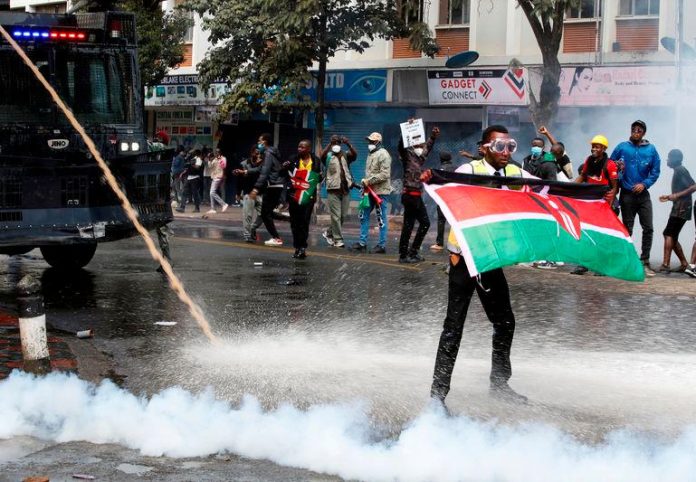
Kenyans demonstrating against taxation.

By Dr. David Matsanga in United Kingdom

I write this article with tears in my eyes as I see Africa going back to days of recolonization through neo-colonial agencies. My tears make me bold to help Africa. I write based on my own country Uganda and give comparative analysis of why we must communicate instead of violence. There is a difference between types of political science-communication is always a key to salvation.

I will first look at the obstacle that kills Africa- lack of unity. Conventional wisdom dictates that Nkrumah was right in calling for Africa’s Political Unity.

Of course, the results of our refusal to unite in 1963 as Africans are now being felt 61 years past. All our states are fragile and we must be bold and educate the young generation across Africa.

Our failure to communicate is turning into a political disaster and humiliation for almost all Africa countries. In my country Uganda the opposition communicates more with outsiders than with the voters. In Nigeria for example the government is clueless on what communication is with its people. The killing in these states in Africa worry me.

The events in the South African elections tell a story of lack of political unity despite the free and fair elections that were conducted. It brings me to the truth that our founding fathers refused to listen to Nkrumah.

Nkrumah had good reasons for calling out Africa to get political unity before economic integration -we should have fought the Brentwood institutions as united people.

Why do I agree with Nkrumah? First, I agree with Nkrumah in identifying the need for political unity before economic order because if we had United we would speak with one voice 

Our AU or AUC have been captured and we are never United. Second, Nkrumah was hamstrung by a seemingly unrelated issue of future strings of Brentwood’s agencies on Africa -He was right

Truth be told that his call for unity was mistaken and USA called him a communist CIA planned the first coup in Africa in 1965. Nkrumah died in exile without seeing that unity.

Another son of Africa who talked about political unity was the late Gadaffi who died in the hands of French President Sarkozy. What is killing Africa today is the lack of political Unity to speak with one voice.

I want to bring to my African people that even in the Bible or the Koran -taxation was a challenge to the followers. God Himself knows why he brought taxation. Most empires collapsed in Europe because of Taxation.

I mention this because tax locks – that is, pledges not to raise specific taxes or to lower specific taxes – are nothing new. So, my people of Africa don’t destroy   your countries because of taxation- it is written in the Bible &the Koran.

I will prove my point to those who doubt my words that in Mark 12:17 Jesus’ was asked about taxes response is: ‘Give to Caesar what belongs to Caesar, and to God what belongs to God. ‘ As Christians we cannot cut ourselves off from the affairs of the world, but we should never compromise our beliefs and values.

Africa, must change its course like China changed its course 40 years ago. China was sharing with us rice from our country to feed its people. But they did not wait to store up problems for the future by constraining the choices made available to the next people.

I did not study economics but I follow what the Institute for Fiscal Studies does in London, when it comes to tax locks all African countries fail. They don’t give enough bold education on the matter. There is no place on earth where one is not taxed.

I am frank and as a volunteer tell the truth that the main problem of being complicit in a “conspiracy of silence” by some governments or officials of governments in Africa on their spending plans,

consequently, creates a “knowledge vacuum”. That is where chaos comes in -Let us learn to dialogue on issues that we don’t in our countries.

I don’t have want to “poison the political debate” by claiming to have radical ideas “which can realistically make a positive difference, No! But I want to say we must dialogue and find ways to some of the issues that might be wholly unattainable”.

Fellow Africans I might be wrong but all I can tell you is that Nkrumah was right about lack of political unity in Africa -Therefore there is no government in Africa and the world that will not increase taxes. As Ugandans we must prepare like the economist Paul Krugman said, politics isn’t a morality play. Virtue isn’t rewarded and vice punished. Don’t destroy your countries.

The writer is a Pan Africanist based in London, Political scientist & International Relations expert, studied conflict Resolution, a member of Royal African Society (RAS) Founder /Chairman Pan African Forum (UK)Ltd @MatsangaDr
Stories Continues after ad

Museveni’s Deputy Press Secretary announces untimely death of his wife

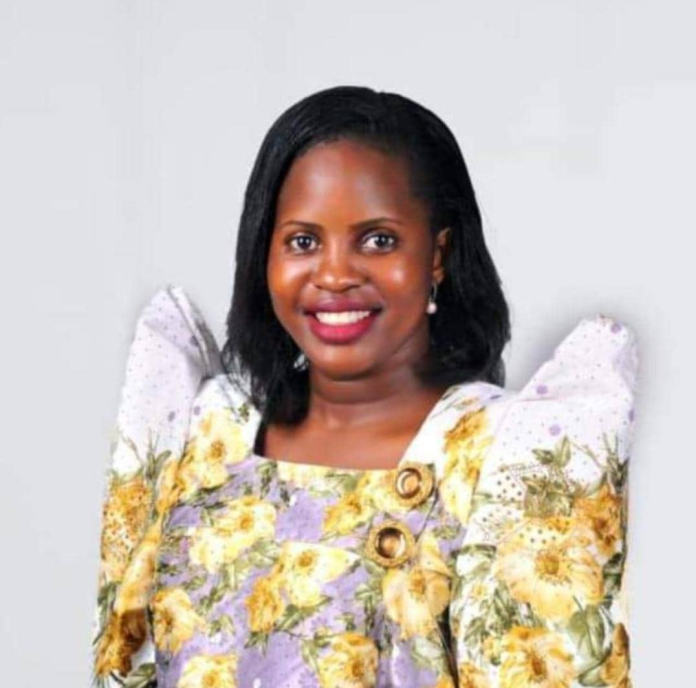
Ms Gladys Aliyinza

Faruk Kirunda, Deputy Press Secretary to President Yoweri Museveni of Uganda, has announced the untimely death of his wife, Gladys Aliyinza, in a fatal road accident.

Kirunda made the announcement on his X (formerly Twitter) handle, saying, “With a very heavy heart, I announce the untimely death of my dear wife, Gladys Aliyinza, who passed on in an accident earlier today. It’s a heavy blow on our young family and pray to Allah to see us through. Thanks to all of you for the outpouring of sympathy and support so far extended to us. Inalilahi wa inalilahi la juin!!”

Aliyinza’s vehicle collided head-on with a sugarcane truck in the Busoga sub-region district, resulting in her instant death, along with her political assistant, Yusuf Biita. The driver of the vehicle is fighting for their life at Musana Health Centre in Kaliro Town.

Kirunda’s announcement has been met with an outpouring of condolences from across the country, with many prominent figures and citizens offering their sympathies to the bereaved family. The news has sent shockwaves throughout Uganda’s political circles, with many remembering Aliyinza as a dedicated public servant and a promising political leader.

Kirunda revealed that the Burial of Gladys is scheduled for Sunday, June 30, 2024, at Lambala Village, Irongo Sub County in Luuka District as you turn right from Buwenge Town Council along Jinja – Kamuli Road.

The accident has also reignited calls for improved road safety measures in Uganda, with many urging the government to take concrete steps to prevent such tragedies in the future.

Kirunda, who had just returned from the Holy Pilgrimage in Mecca, is reportedly devastated by the loss of his wife.

Speaker of Parliament Anita Among mourned the death of Gladys saying, “My dear brother, please accept my sincere sympathies in this tragic moment. May Allah provide you with comfort and strength during this immense time of sorrow. Inna Lillahi wa inna ilayhi raji’un!” 

Stories Continues after ad

Equity Bank Engages SMEs in ‘Tupange Business Ne Equity’ Initiative

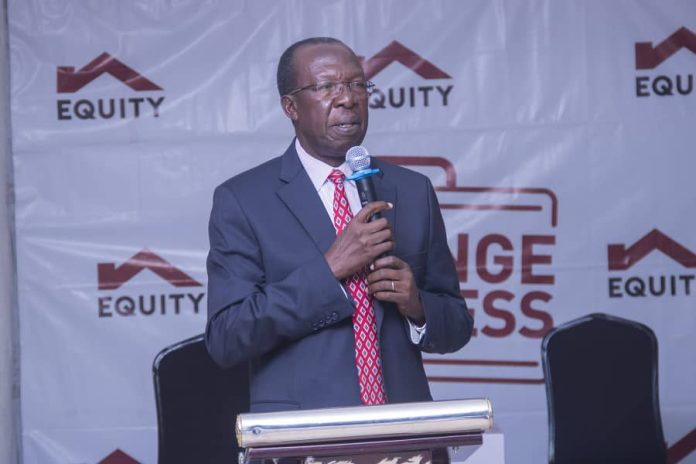
David Opio Okello, Former Deputy Governor at Bank of Uganda.

Following the national budget reading for the financial year 2024/2025, Equity Bank Uganda has launched an initiative to support regional small and medium enterprises (SMEs). Dubbed Tupange Business Ne Equity, the initiative aims to address SME challenges and provide support in crucial areas such as credit, innovation, and market access.

The Bank’s efforts to translate the complex national budget into actionable opportunities for SMEs is a significant part of this initiative. The Bank began its stakeholder engagement on June 19, in Kampala and subsequent sessions have been held in Jinja, Soroti, Lira with future sessions planned for Mbarara and Luwero.

Equity Bank Managing Director Anthony Kituuka emphasized the Bank’s role in mentoring and training SME business owners in effective financial management, innovation and export business strategies.  “Besides offering affordable credit solutions for SMEs, we pride ourselves on guiding our customers in financial management, record keeping and helping those in need of financial advice through our free financial literacy education,” said Kituuka

According to Kituuka, with the Bank’s support, SMEs could expand their agricultural product exports to countries within the East African Community and beyond.  He called on SMEs to invest in technology and innovation to stay competitive in today’s competitive market.

Speaking during the panel discussions in Jinja and Lira, Equity Bank’s Head of Retail Robert Wanok addressed challenges faced by the SMEs in the just-ended financial year, “We are engaging SMEs to understand their needs and support their growth.”

He added that the Bank would continuously visit SMEs to offer tailored services and support. “Equity Bank remains committed to supporting the SME sector with tailor-made products and services,” said Wanok.

The Tupange Business Ne Equity engagement has so far reached over 600 SME proprietors across the country, offering them advisory services, improving their financial knowledge, and providing networking platforms. The meetings also aim to scale up customer engagements with the retail SME segment at the regional level.

The initiative follows the successful ‘Abakyala Ku Ntikko’ regional meetings, where Equity Bank interacted with women entrepreneurs across Uganda. The engagements align with Uganda’s growth strategy for the new financial year, which focuses on the full monetisation of Uganda’s economy through commercial agriculture, industrialization, market access and digital transformation.

The campaign is also in line with the Bank’s effort to support critical sectors to fully recover post-#COVID-19 crisis, through its Africa Recovery and Resilience Plan. The critical pillars include agriculture, trade, extractives and oil, manufacturing, MSMEs, social and environmental transformation, and technology-enabled economy.

“The ‘Tupange Business Ne Equity’ initiative is timely, reflecting the growing influence of SMEs in the government’s policies, which promotes locally manufactured goods and skills,” said David Opio Okello, former Deputy Governor of Bank of Uganda.

Stories Continues after ad

Trade Ministry PS Geraldine Ssali summoned to police over cooperative money

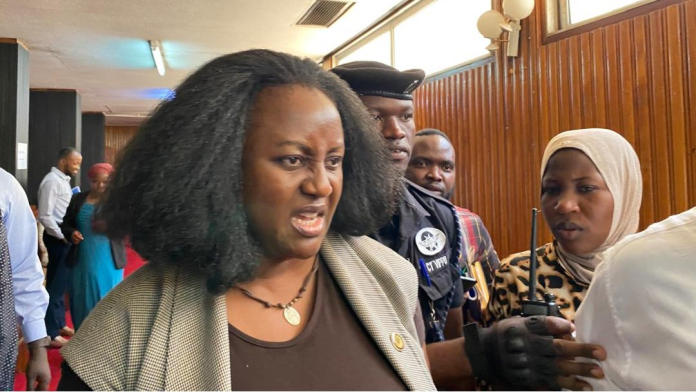
On the hot seat Trade PS Geraldine Ssali.

Geraldine Ssali, the Permanent Secretary in the Ministry of Trade, Industry and Cooperative has been summoned by Criminal Investigations Department of the police in relation to monies meant for compensation of cooperative societies.

The Shs164 billion meant for some selected cooperatives was shared by mainly politicians and a few connected individuals. Ssali is supposed to report at Kibuli with her top management team that worked on the disbursement of the funds.

She was implicated by report of the Parliamentary Committee on Trade, Tourism and Industry which questioned the lopsided disbursement to none claimants.

Further, Ssali, according to a recent parliamentary report, she is one of those people who mismanaged money meant for cooperatives after she undermined the Inter-ministerial Committee established by advice of Cabinet and set up her own in MTIC. She is said to have given Bwavu Mpologoma Cooperative billions of shillings irregularly, from which her husband Busuulwa benefited. Ssali joins a list of politicians majorly legislators who are already facing criminal charges

Earlier on, parliament recommended the sacking of Ssali over allegations of inflating the price for the renovation works at the Ministry Headquarters at Farmers House in Kampala.

The decision was part of the recommendations contained in the report by Parliament’s Trade and Tourism Committee following probe into the utilisation of Shs5 billion that was meant for the acquisition of new office Space but the top officials at the Ministry instead opted to use the funds to carry out renovations, a decision that raised queries than the Ministry was able to provide, thus prompting prove into the expenditure.

Mwine Mpaka, Chairperson Parliament’s Trade Committee while presenting the report faulted Ssali for failing to regulate and ensure proper utilization of funds which saw the cost of works inflated to a tune of Shs2 billion.

“The Committee therefore finds that the Permanent Secretary Geraldiine Ssali is personally liable for the dubious and mysterious inflation of the estimated contract price from Shs4.664 billion to Shs6.2 billion without any formal or legal justification,” remarked Mpaka.

In sealing Ssali’s fate, Mpaka called on the Secretary to Treasury, Ramathan Ggoogbi who is charged with supervising all Permanent Secretaries and accounting officers to relieve Ssali of her duties for causing Government financial loss.

Ms Ssali was dropped on October 65, 2023 by the Permanent Secretary and Secretary to the Treasury, Ramadan Ggoobi.

In the letter dated October 3, 2023 to the Ministry of Trade and co-operatives, PS Ramadan Ggoobi noted, “Reference is made on the report on the investigation into the utilization of the supplementary funds to your office for the FY 2021-2022 where Parliament received that the secretary to the treasury should exercise his authority under Section 11(2) c of the Public Finance Management Act 2015 to the appointment and designation of Ms. Geraldine Ssali as an Accounting Officer for the Ministry of trade Industry and Cooperatives.”

Ssali was however, saved by President Yoweri Museveni when he ordered for her reinstatement as the Permanent Secretary of the Ministry of Trade.

The Head of Public Service and Secretary to Cabinet, Lucy Mbonye Nakyobe referred to Museveni’s letter dated October 22, to reinstate Ssali.

“This is to request you to reinstate Ms. Geraldine Ssali Busuulwa as the Accounting Officer of Trade, Industry and Cooperatives as per the President’s directive,” Lucy Mbonye wrote to PS Ggoobi.

Ssali’s latest episode was when she was dragged to police by a senior lawyer Sandra Aneno in the same ministry after she reported slapped her.

Stories Continues after ad

How conmen, ex-high profiled convicts are running URA whistleblower’s rackets to make a kill

Uganda Revenue Authority is a subject of discussion as details emerge that its Whistleblower’s portal is being abused by its staff and top city tricksters to lure top companies in unsuspecting tax racket.

Information available indicate several companies have fallen victim to this racket and are seeking the country’s investigative agencies to come to their rescue

“Agencies like Anti-Corruption Unit should look into URA rackets and act harshly the same way they have worked on Parliament”.

According one of such companies, this involves rackets in URA which aids damping goods in the country that include fuel that creates losses to the Republic of Uganda.

One of the rackets that Crime Intelligence should investigate is the whistleblower racket which they say works in connivance with some people to lure some companies that they owe URA money and therefore, moves ahead to demand for 30%. Sources told this website that a top multinational company that has been a victim of this racket recently obtained recordings, legal documents on how the commission on the 30 % is shared allegedly amongst these rackets and URA staff.

Part of this rackets is to force estimates on companies and upon rejection, they are forced to pay 30% deposit and of this 30% deposit, the whistleblower claims 10% straightaway which is paid to a group in URA since it is an internal racket.

However, as this goes on, the affected companies move to seek legal redress and once the said company win the case against URA, the whistleblower commission is kept on the books of account and is never refunded. According to sources, this has amounts to billions of shillings for the last few years and there is a hashtag code named internal connivance. The affected companies claim this is direct theft from the treasury because the companies are never refunded by the whistleblower.

The second racket is the VAT racket and as we speak, there is a case in court as an employee of the taxman was dragged to court as evidently accepted by URA with admission. The pleas are that that there should be an audit as how much has been lost through this scheme and money refunded and culprits dealt with the same way Members of Parliament are handled.

The concerned companies say a similar occurrence took place when the same group tried billions of shillings from Bujagali power.

“This racket has reduced investor confidence in Uganda and one wonder why entities like Game and among others are leaving the country.

This racket involves people from the taxman, some conmen in town and ex-high profiled convicts.

Stories Continues after ad

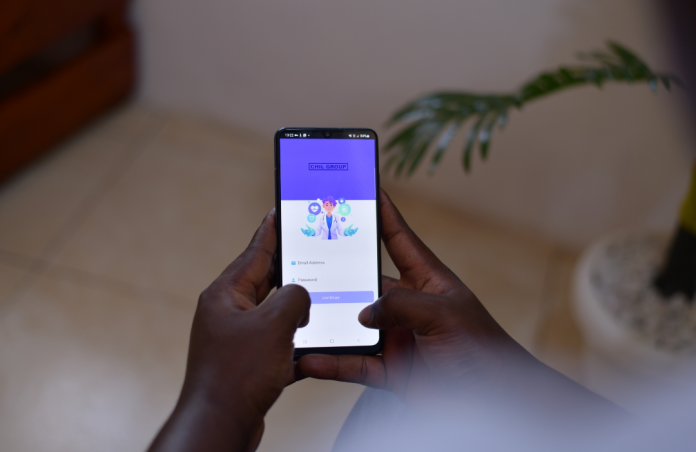
Chil Femtech Center unveils E-Hygiene shop for girls’ menstrual health and education

Chil Femtech Center, a leading healthcare technology company, has launched the E-Hygiene Shop program, a comprehensive initiative aimed at improving menstrual health and education for girls in Africa.

“We are committed to ensuring that girls in Africa have access to the resources they need to manage their menstrual health with dignity,” said Dr. Shamim Nabuuma, CEO of Chil Femtech Center. “The E-Hygiene Shop program is a critical step towards achieving this goal.”

The program will provide girls with access to essential hygiene products, including reusable sanitary pads and panty liners, as well as e-health resources and educational materials.

“Menstruation should not be a barrier to education or opportunity,” Dr. Nabuuma emphasized. “We believe that every girl deserves the chance to reach her full potential, and we are dedicated to making that a reality.”

The E-Hygiene Shop program will be rolled out in schools across Uganda, Kenya, and Tanzania, with plans for expansion to other African countries in the coming months.

“We are proud to partner with Chil Femtech Center on this important initiative,” said Jane Akio, a teacher at Kampala Primary School. “The E-Hygiene Shop program will make a real difference in the lives of our students.”

Chil Femtech Center has partnered with local schools and healthcare providers to implement the program, which is expected to benefit over 10,000 girls in its first year.

Chil Femtech Center is committed to the program’s long-term success, working with partners and schools to ensure learners’ privacy, raise awareness about menstrual hygiene practices, and develop a robust credit system for ongoing growth.

Stories Continues after ad