Stanbic Bank
Stanbic Bank
16.7 C
Kampala
Stanbic Bank
Stanbic Bank
Home Blog Page 2315

Namakula favorite as Ladies Tee-Off


Defending champion Flavia Namakula.

Previous winners
2003: E.Okullo (Uganda)
2004: R.Naliaka (Kenya)
2005: S.Viggo (Tanzania)
2006: M.Karano (Kenya)
2007: M.Karano (Kenya)
2008: M.Nawa (Zambia)
2009: J.Kamukama (Ug’da)
2010: F.Namakula (Uganda)
2011: F.Namakula (Uganda)
2012: A.Eaton (Tanzania)
2013: A.Eaton (Tanzania)
2014: F.Namakula (Uganda)

Defending champion Flavia Namakula will start as hot favourite as the
75th Tusker Malt Uganda Open tees off at the par-72 Uganda Golf Club,
Kitante course on Thursday.
Namakula, a three-time champion will be hoping her explosive finish in
the JCB Captain’s Bell Golf tournament on Saturday (on the same
course) would spill into the Open and with major absentees from last
year’s Ladies Open.
The UPDF Corporal has over 51 female golfers to contend with; Uganda
fielding 43, Zambia (4) while Kenya (3) and Zimbabwe (1) as the 62nd
Ladies Open, Stroke Play 54-hole tournament swings into action.
“I don’t look at the field (players), its important as a golfer you
play the course, because it’s the course that gives you the result,”
Namakula said.
Namakula dethroned Tanzania’s Angel Eaton last year to win her third
title and odds are on her winning a fourth on her home course.
Ahead of the three-day championship, Namakula has been hitting the gym
four times a week on top of her routine rounds on the range and the
course.
With former champion Eaton not available for this year’s edition the
onus is now on other Ugandan ladies that include 2003 champion Esther
Okullo, Monica Ntege, Katy Kabenge, Harriet Kitaka, Eva Magala, Irene
Nakalembe, Rose Azuba among others to challenge for the title.
But there is Zambian and Kenyan opposition to deal with as they all
seek to win it for the first time.
The Zambians fresh from winning the East and Central Africa Regional
Challenge Trophy in Malawi have entered Lornah Mwenda, Moono Mwila,
Julie Sakala and Tina Nawa.
Kenyan ladies Sammy Nakanjako Watua Mululu, and Loyce Shingona and are
also in to vie for the title.

Stories Continues after ad

Mao hits back at Lukwago group


Norbert Mao,Democratic Party president.

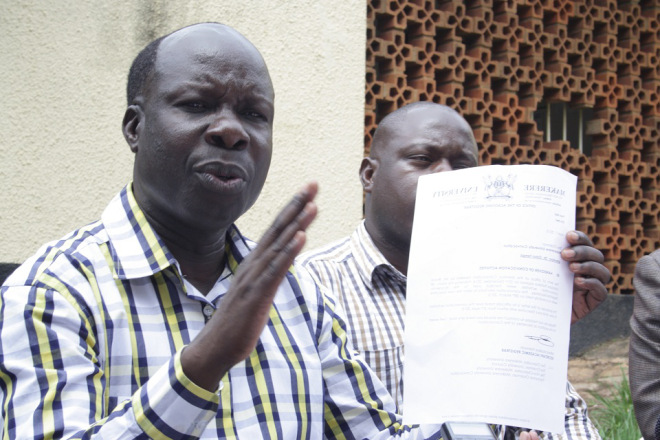
Democratic Party president, Norbert Mao has confirmed that the party’s Delegates Conference (DC) will be held on the July 23, as earlier planned.

Mr Mao on Tuesday dismissed claims by a rival group that the meeting would not take place because there were disputes to resolve before the meeting takes place to elect new party leaders.

A rival group led by Lord Mayor last week asked party’s National Executive Committee (NEC) to halt preparations for the conference “because of election irregularities” in eight district during party primaries to elect delegates.

But Mao said results in eight districts were insignificant and would not stop the conference.  “Out of the 111 districts, only eight had irregularities. I don’t think we should stop the DC basing on eight districts. The NEC rejected their calls for postponement of the DC.”

Mr Mao said cancelling the meeting would be a violation of the party’s constitution. He told his rivals to wait and speak out their grievances at the delegates’ conference. “The delegates’ conference is the remedy to our problems,” he said.

He said they had formed new shadow ministries within the party including; Ministries of Agriculture, Internal Affairs and Trade and Industry. “Four positions of regional secretary generals have been also established,” he said.

Mr. Mao chided the police arrest of the former FDC leader Dr. Kizza Besigye and former premier Amama Mbabazi. “We condemn the actions by the police because they are unconstitutional.”


Stories Continues after ad

Rebel MPs need parliamentary approval to pick forms – Tanga

NRM party Electoral Commission boss, Dr. Tanga Odoi addressing the press.


Even as the National Resistance Movement (NRM) seeks to pacify the ‘rebel’ MPs, the party Electoral Chairperson boss Dr. Tanga Odoi has revealed that the four have to wait until they are given a green light by Parliament to pick nomination forms.

Speaking to the press at the party headquarters early today Dr. Odoi said the party wasn’t willing to work with members who distribute malicious propaganda. “You cannot say you are a NRM member then you hobnob with members of the opposition.”

NRM party today started issuing nomination forms to those intending to hold their flag at various electoral positions across the country.The exercise runs from July 14 to 31 and if the ‘rebel MPs’ are not cleared by Parliament Dr. Odoi says “then the rebel MPs have to account for their bad manners of having been rebels.”

However in response to Dr. Odoi, Lwemiyaga County legislature, Theoddore Ssekikubo, said Odoi was speaking from an ignorant point of view because Parliament has never chased them out the house but rather, it was the party that wanted them out of the house.

“Has he seen us lining up that we want forms and how can Parliament handle our case? He isn’t informed because it is Parliament that insisted that we are NRM” Ssekikubo said.

He added “We are still NRM and it is the Secretary General Amama Mbabazi who wrote to the Speaker calling for our expulsion and it is upon the party chairman who dealt with Mbabazi to address those concerns and not Parliament”.

In 2012, just after joining parliament the four MPs: Ssekikubo, Barnabas Tinkasimiire, Muhamad Nsereko and Alfred Niwagaba, who represent Lwemiyaga in Mawogola, Buyaga in Kibaale, Kampala Central in Kampala district and Ndorwa East in Kabale district, opposed several party positions in Parliament and public fora, claiming they were elected to champion the interests of their respective electorate.

But Dr Odoi, a former fiery activist who was once the chairperson of the Makerere University Academic Staff Association (MUASA) will not budge for the ‘rebels’.

“We shall not handle rebel MPs here and I have instructed my staff not to let them pick forms from here,” Dr Odoi said in reference to MPs.

He also used the platform to clarify that the NRM had not yet picked a flag bearer for next year’s elections and urged those with qualifications to pick forms. “I have not flagged off anybody,” he said adding: “The EC deals with everybody who is registered irrespective of that person’s bad manners in the past weeks or past months.”

Meanwhile, NRM members began picking forms today from the party headquarters in Nakasero, and prominent among the politicians that picked forms are Ms. Amelia Kyambade, Mr. Singh Katongole, former minister Urban Tibamanya.

Other notable names that were seen at Kyadondo10 but didn’t pick forms are former Minister of Ethics Dr. Nsaba Buturo and former police deputy spokesperson Simeon Nsubuga.

Dr Odoi said there will not be extensions for the 16 day exercise unless Central Executive Committee decides otherwise.  “It’s only CEC which can make us increase the days,” he said before unveiling a raft of guidelines to be observed by the NRM presidential contestants.

According to the code of conduct the candidates have to sign before they are declared.

“This form should be signed and accepted, they will sign to accept these conditions before they are our candidates for presidential race in this election,” stressed Dr Odoi.

Among the rules is that no aspirants shall distribute any manifesto to the public; no one shall not declare him/ herself until declared so by the Chairperson Electoral Commission; no one shall not use ‘wrong forum’ or public rally to address the press; no one shall intentionally report or disseminate false/malicious allegation or propaganda and one shall not be a source of rumor mongering.

Others include members not using abusive language to incite the public; not working with other members of other political parties against NRM; not promote the formation of cliques or factions within the party; not acting or accept to be used as an agent of other interests in any manner to demean the NRM and, not campaigning as candidate before one is declared so.

Of recent the NRM has faced challenges arising from the declared presidential aspiration of former party Secretary General John Patrick Amama Mbabazi, after the Kinkiizi West MP fell out with his party chairman Yoweri Museveni.

Mr Mbabazi was subsequently fired from his party position and the premiership, prompting him to declare his party chairmanship and presidential on June 15.


Stories Continues after ad

Besigye launches campaigns amid heavy police deployment

Dr.Besigye addressing his supporters.


Dr.Besigye addressing his supporters.

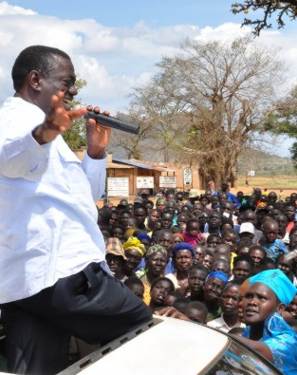
Former Forum for Democratic Change president Col (rtd) Dr Kizza Besigye has today started party flag bearer campaigns for his 2016 presidential bid.

Besigye, who is contesting internally against bush war colleague and current party president Maj. Gen. Mugisha Muntu, started his bid with a rally at the heavily guarded Kyadondo Grounds in Kasangati, where he urged his supporters to unite and agitate for electoral reforms before the 2016 elections.

“We have to unite as Ugandans no matter what our political ideologies are and fight for these political reforms before the elections in 2016. We want to see where the power really belongs now, either to the people or to the thieves that rig votes,” Besigye said amid heavy police presence.

Dr Besigye also lashed out at the NRM government, saying it had looked on indifferently as unabated corruption orchestrated by its officials had caused misery to the people at the grassroots.

“These days they no longer steal millions; instead they steal billions which money would be used to pay teachers or even build hospitals. They claim that money is not there but Uganda being a rich country, the money is there but only poorly allocated,” he said.

The retired soldier also said the prevailing circumstances in the country made him rescind his initial decision not to contest for presidency again.

“We are struggling to see that the power leaves the hands of a few individuals and goes back to its rightful owners, the people, and before this is achieved I am not going to rest,” said the three-time presidential aspirant, who was later escorted to Kawempe by police, followed by his supporters, for a similar meeting.

Last week, Dr Besigye was blocked from launching his campaigns in his home turf of Kasangati. He was later arrested and detained at Nagalama Police Station, charged with illegal assembly.

But this was to change yesterday when, after reaching consensus with the FDC party representatives, Besigye was allowed to continue with his campaigns throughout the country, with Entebbe and Wakiso next on his political journey.


Stories Continues after ad

Men that have dared Museveni in NRM


In Febraury last year, a special meeting of NRM Members of Parliament was held in Kyakwanzi where they signed a resolution endorsing the sole candidature of President Yoweri Museveni. However, this did not go well with some people in the NRM who think that such moves impede on internal competition. Eagleonline takes a sneak peek at the three cadres who have openly attempted to compete with Museveni from within the NRM.


Felix Okot Ogong

                                                                              Felix Okot Ogong

In 2006, Felix Okot Ogong attempted to contest for the Chairmanship of the National Resistance Movement, in order to compete for the presidential elections. He said he would seek the endorsement of the Central Executive Committee (CEC) to become NRM’s Presidential candidate.

Ogong argued that President Museveni should have not stood again in 2006 for the good of the party and the nation. “Now is the time for President Museveni to rest. Even if people still love him he should be principled like Nelson Mandela who realized that it was necessary for him to step down even when South Africans still needed him,” he observed.

However in a surprising move he made a u-turn and withdrew his aspirations leaving Museveni unopposed.

Who is Felix Okot Ogong?

Better known for his child rights advocacy, Felix Okot Ogong, is the Member of Parliament representing Dokolo County. An Economist, he graduated from Makerere University in 1991 with a Bachelors Arts degree (Economics and Geography). Between 2003 and 2006 the 50-year old served as Minister for Youth and Child Affairs and later Minister of Parliamentary Affairs. He is married and was recently in the news when creditors wanted to auction his multi-billion home in Mutungo, an upscale Kampala suburb. He was bailed out by President Museveni and has since gone quiet about his presidential aspirations.
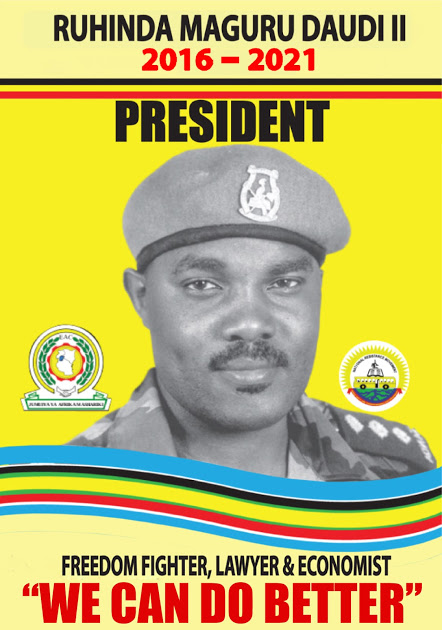
Daudi Ruhinda Maguru

                                                             Capt. Daudi Ruhinda Maguru

Captain (rtd) Daudi Ruhinda Maguru attempted to contest against Museveni in Namboole for the 2011 elections.  He came to national limelight in 2010 when he filed case HCC No. 214 before the High Court, seeking an order to set aside the election of the Chairperson of the National Resistance Movement, Yoweri Museveni, who was also its presidential flag bearer.

In his petition, the retired soldier alleged that Museveni could not have been elected unopposed yet he had also been duly nominated to contest for that post at Mandela National Stadium, Namboole.

Subsequently, a team led by NRM legal guru and local government Minister Adolf Mwesige was formed to chart a way forward, resulting in consensus that Maguru be paid money to withdraw his petition.

However, the drama continued, when NRM youth League boss, Denis Namara later dragged Maguru to court, alleging that ‘without the consent, authority or approval of any authority the latter unlawfully and irregularly entered into the consent judgment with the NRM under the false pretext that he was a Chairman of the Legal Committee, a non-existent organ of the National Resistance Movement’. The case was to be dismissed with costs by Justice Eldad Mwangusya on June 7, 2013.

In December 2014, Maguru, through the High Court, sought to block the party’s delegate’s conference which was slated for December 15, arguing that details of the consent he entered into with the NRM had not been respected.

However, his wish was not granted and Lady Justice Lydia Mugambe ruled the case in favour of the party and the Delegates Conference was held.

Who is Capt Ruhinda Maguru?

A lawyer, Capt Ruhinda Maguru has served as an aide at the top level, starting as a youthful bodyguard to Museveni in the then Presidential Protection Unit (PPU). He has also worked as an aide/Special Assistant to Mbabazi, when the latter was Minister of Defence. Having joined the army as a young man (kadogo) Ruhinda was later to go back to school, first at the Law Development Centre (LDC), where he studied for a certificate. He was later to enroll for a law degree at Makerere University,


John Patrick Amama Mbabazi

                                                     John Patrick Amama Mbabazi

Mr.John Patrick Amama Mbabazi is the latest NRM insider to declare his intention to contest for the post of party chairman and flag bearer in the forthcoming Presidential elections. According to Mbabazi, he is so far alone to have declared before others as neither Museveni nor any other member has declared his or her interest in the position.

Mr Mbabazi, a longtime ally of President Museveni and one of his most trusted lieutenants has held several lucrative government postings including being the first full Cabinet Minister for Defense which was previously a preserve of the president. He has also had stints first at the External Security Organisation where he was the Director General after 1986; Foreign Affairs/Regional Cooperation and at the Ministry for the Presidency. Lately, he also served as Minister for Security, Prime Minister and Secretary General for the Party, both positions which he lost last year.

However, Mbabazi’s declaration has not gone well with many NRM bigwigs including the President himself. Immediately after he learnt of Mbabazi’s intentions, he addressed a press conference where he attacked Mbabazi and warned him of early electioneering. He later summoned him for a meeting which took place in the presence of the Prime Minister Dr Ruhakana Rugunda.

But a recalcitrant Mbabazi emerged from the meeting seemingly re-energised and announced that he would be going around the country to carry out consultative meetings ahead of the NRM National Delegates meeting. However, the police were on hand to thwart Mbabazi’s first ‘consultative meeting’ in Mbale, saying his party had not cleared him.

An exchange of letters between his lawyers, the Electoral Commission and police were to follow, with Mbabazi’s lawyers Severino Twinobusingye and Fred Muwema arguing that Mbabazi is an aspiring candidate in the NRM party and that for that matter, there is need for him to consult members of NRM to sell his candidature. They also argued that the police have no powers get concerned with the internal issues of any political party.

Who is Amama Mbabazi?

A lawyer, the 66-year old Mbabazi has been engaged with Ugandan politics since his student days at Makerere University during the Iddi Amin regime. Together with Yoweri Museveni, he is one of the founding members of the National Resistance Movement (NRM), a likely offshoot of the Front for National salvation (FRONASA), a political/military outfit led by Museveni that participated in the 1979 ouster of the Iddi Amin regime.

Mr Mbabazi, the MP for Kinkiizi West and immediate former Prime Minister is married to Jacqueline Mbabazi Ruhindi and together they have four children, two boys and two girls.

Interestingly, both Mbabazi’s daughters Lenina and Rachel and their mother Jacqueline are deeply involved in politics and have been at his side as he fell from grace to grass.


Stories Continues after ad

US warns citizens ahead of President Obama’s Kenya visit


Kenyans gear up for President Obama.

The US has issued a travel warning for Kenya ahead of a visit by President Barack Obama, who is due to address a summit on global entrepreneurship.

The summit, to be held in the capital, Nairobi, from July 24-26, could provide “a target for terrorists”, the US State Department said in a statement.

In 2013, at least 67 people died in an attack by al-Shabaab militants on the Westgate shop centre in Nairobi.

The Somali-based Islamist militant group says it is at war with Kenya.

Their deadliest assault to date happened at a university in the North-Eastern Kenyan town of Garissa in April, when four gunmen killed 148 people.

The US State Department has urged its citizens to “maintain a high level of security awareness” as part of the new travel warning, which expires on July 30.

Last month, the UK lifted its warning against travelling to part of Kenya’s coast, including Mombasa.

Mr Obama’s visit to Kenya will be his first to his father’s homeland as US leader.

Al-Shabaab has carried out numerous attacks in Kenya near the long porous border with Somalia.

The al-Qaeda-linked group wants Kenya to withdraw troops sent to Somalia in 2011 to help the weak UN-backed Somali government to fight the militants.


Stories Continues after ad
Infrastructure investment top Africa’s priority -experts

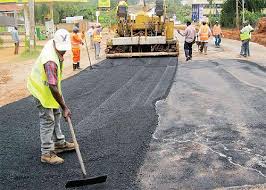
Infrastructure such as road construction are top priority for continent.


Infrastructure such as road construction are  top priority for continent.
Infrastructure such as road construction are top priority for continent.

Thousands of delegates have descended on Addis Ababa to set the new financing architecture for a new global partnership

 ADDIS ABABA, Ethiopia– Closing Africa’s infrastructure gap is a top priority in order to put the continent on a path for double digit growth and sustainable development. This is according to world-renowned economics professor, Jeffrey Sachs.

“There is no choice, Africa needs 10 per cent per year of economic growth in the next 15 years,” Professor Sachs said. The only way to achieve this, according to him, was to focus on large-scale investments in trans-national infrastructure projects in power, roads, broadband, and other core regional infrastructure needs.

Professor Sachs spoke yesterday on the side-lines of the Third Financing for Development Conference in Addis Ababa, Ethiopia. The event themed “Unlocking Public and Private Capital for African Infrastructure” was organised by the New Partnership for Africa’s Development (NEPAD) Agency and Sustainable Development Solutions Network (SDSN).

Thousands of delegates have descended on Addis Ababa to set the new financing architecture for a new global partnership. Its outcomes will also address the issue of means of implementation, referring to the ‘how’ the goals set out in the post-2015 development agenda can be achieved.

For Africa to realise the 2030 timeframe, Professor Sachs, Director of the SDSN and Special Advisor to UN Secretary-General Ban Ki-moon on the Millennium Development Goals, urged the global community to rally around the NEPAD agenda, as the continent’s strategy for implementing cross-border infrastructure projects.  “We need to help support NEPAD achieve its goals”, he said.

The NEPAD Agency has identified Africa’s most important infrastructure needs within the context of the Programme for Infrastructure Development in Africa (PIDA), which provides the framework to implement 51 priority programmes and projects in the sectors of energy, transport, broadband and trans boundary water.

Chief Executive Officer of the NEPAD Agency, Dr Ibrahim Mayaki, highlighted that Africa’s challenge was not a lack of resources, but a lack of bankable projects. “We need to invest in the capacity to invest”. It is about proposing structured projects, he said.  The CEO mentioned the complementary instruments that have been developed to build the necessary capacity for early-stage project preparation and the Africa50 Fund to finance the implementation of PIDA and other regional infrastructure projects.  Dr Mayaki also underscored the important role of Regional Economic Communities in providing the enabling environment for project implementation, through harmonised policies and regulatory frameworks.

Speaking on the issue of how to crowd in investment, Professor Sachs encouraged African economies to forge partnerships with East Asia, tap into capital markets and strengthen continental bodies such as the NEPAD Agency and African Development Bank.

On his part, Nobel laureate in economics and University Professor at Columbia University noted that financial markets have “failed to translate pools of savings into productive investment”. There was need to better match these large-scale resources with financing priorities of developing countries. “The world has the resources with which to do this. Allocating more of these resources to inclusive development would be good for the global economy,” he said.

The best way for Africa to achieve its infrastructure goals was to tap into a Global Infrastructure Investment Platform (GIIP), Professor Stiglitz said. The objective of GIIP was to put forward an ambitious proposal that would allow long-term investors to ramp up their infrastructure asset holdings, with an allocation target of up to 10% of assets under management over a 15 year horizon.

The event brought together leading representatives from the private and public sector, as well as global think tanks.

The NEPAD Agency, SDSN, UN Conference on Trade and Development (UNCTAD) and Washington-based think tank Brookings Institution, agreed to set up a working group that will move Africa’s regional infrastructure financing agenda forward.


Stories Continues after ad

UTB launches Jinja sports tourism event

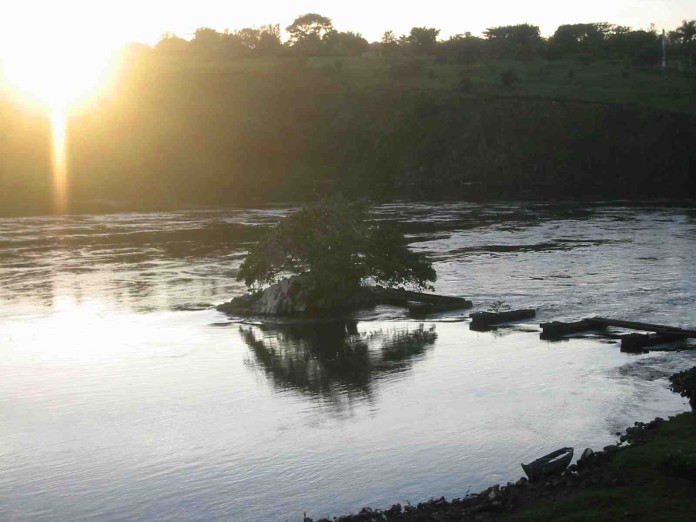
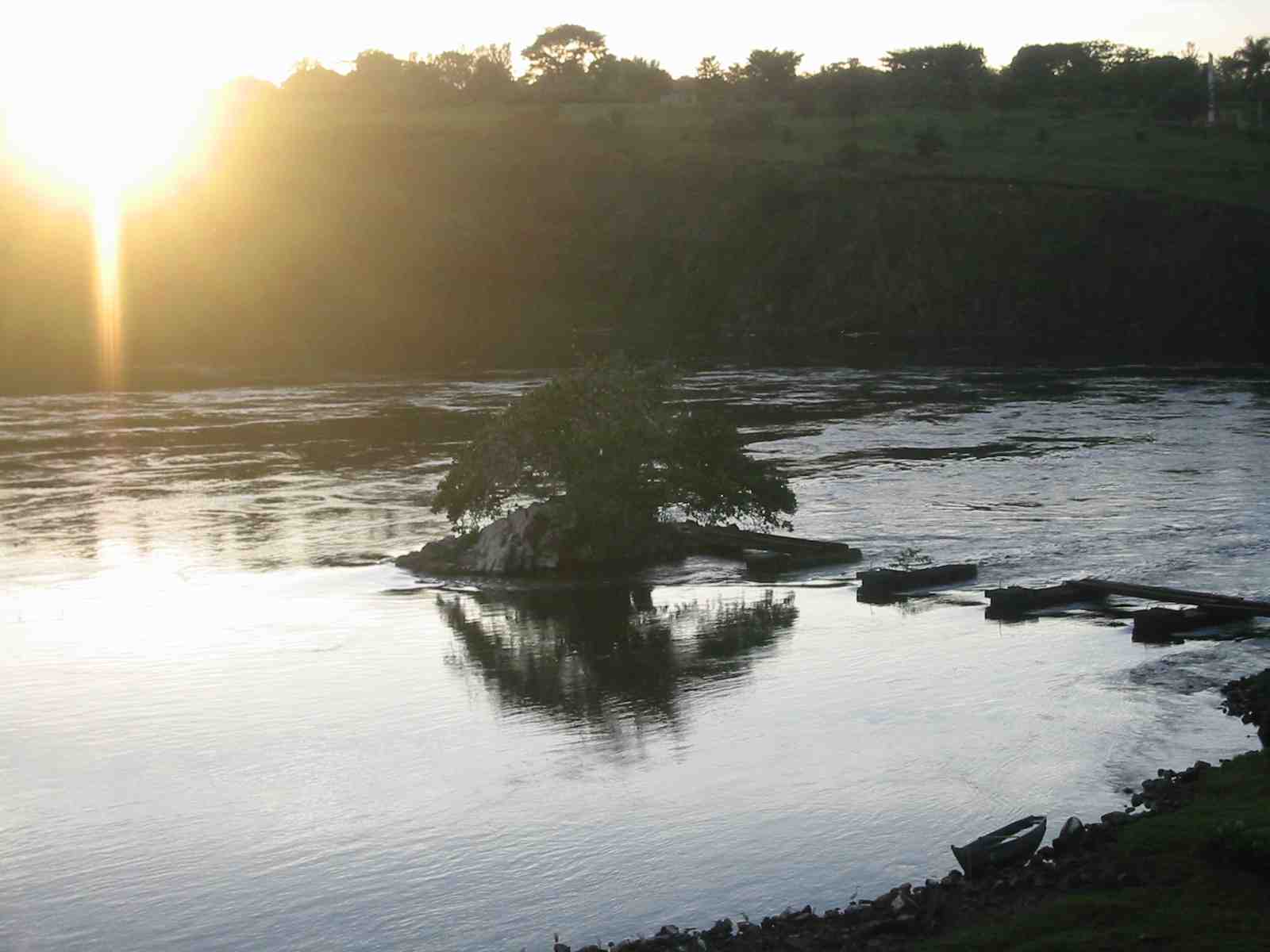
Source of the Nile where sporting activities will take place.


Source of the Nile where sporting activities will take place.

Source of the Nile.

For years, Ugandans considered tourism an exclusivity only enjoyed by foreigners and the local rich who can afford to go out on holiday. And, in many minds, Tourism has for long also been restricted to ‘knowledge about the fauna and flora’.

However, this trend has changed over time with more locals participating in tourism; and also through the diversification of the industry to include so much more than just wildlife, birds and steaming water and waterfalls.

One of Uganda’s tourism destinations is Jinja, known as the ‘Adventure capital of East Africa’ that is located in the Busoga region in Eastern Uganda, sitting along the northern shores of Lake Victoria, near the Source of the Nile.

The bustling town has for long attracted thousands to the magnificent Source of the Nile, and while in Jinja the tourists also enjoy activities such as the water rafting at former Bujagali and Itanda falls and Bungee Jumping. They also visit the Sailing Club on the shores of Lake Victoria, the animal sanctuary in Buwenge and lots of other exquisite sites.

According to the Jinja Town Clerk, Mr David Kyasanku, the district attracts approximately 110,000 tourists annually and, with its mix of activities and several hotels, Jinja is an ideal location for all types of tourism.

So, in a bid to boost and diversify tourism in the town, Sports Tourism International (STI) has partnered with the Uganda Tourism Board (UTB) to launch an annual Source of the Nile Corporate Challenge, the first sports tourism event in Uganda.

According to the UTB Chief Executive Officer Mr Steven Asiimwe, over 100 corporate teams are expected to attend. The participants will include corporates from Uganda and East Africa; and other countries like Nigeria, South Sudan, Egypt and Ethiopia.

The Source of the Nile Corporate Challenge will be a three-day activity running from Friday July 28 through to July 30, and will begin with a birding race at Kasenge Forest Resort/ Samuka Island, off Jinja in Njeru, on the first day, followed by football, netball, volleyball, adventure sports, swimming, barbeque dinner, kayaking, dance and quiz at the Source of the Nile, Rafters and Nile Village hotels over the next two days.

The sports tourism activities will be climaxed by amateur golf, launch of the Sports Tourism Magazine and a prize giving ceremony at Jinja Golf Course, Source of the Nile and Jinja Sailing Club, respectively, on Sunday, July 30.

STI is a private initiative that champions the promotion of sports tourism as one of the key tourism products in Africa.  This event will be held in partnership with among others, Azam TV, Civil Aviation Authority, Ci’Sand, Mada Hotels Jinja, Nile Breweries and Bella Wines.

In a related development, in a bid to boost tourism in Jinja and the Rwenzori region, the government of Uganda recently set aside Shs18 billion to face-lift and promote aqua tourism, a project which now only awaits execution.


Stories Continues after ad
Museveni proposes tribunal for Tooro Kingdom conflict

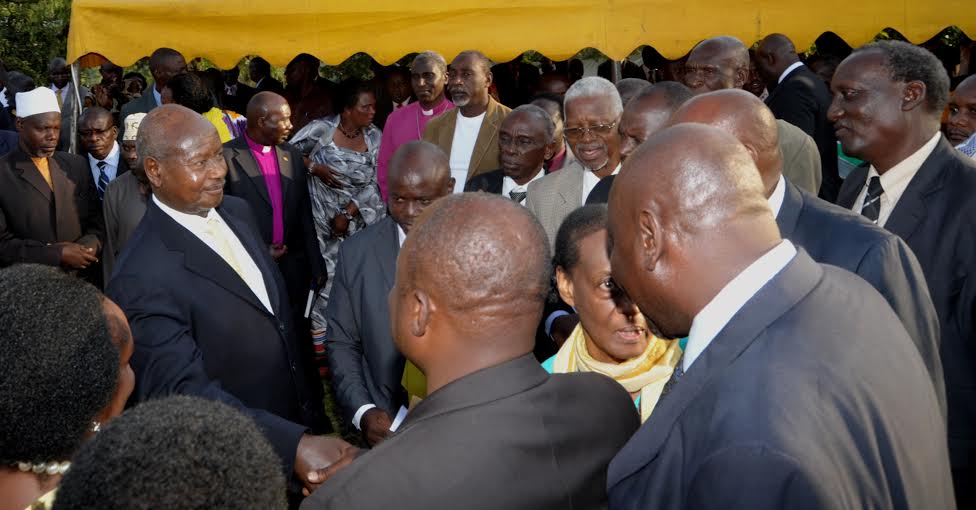
President Museveni with some members of the Tooro Community who attended a meeting to try and find a solution to the conflicts in the Kingdom.


Museveni-Tooro conflict

President Museveni with some members of the Tooro Community who attended a meeting to try and find a solution to the conflicts in the Kingdom.


Taking court action will deepen conflict.

President Yoweri Museveni has said a tribunal composed of various known neutral leaders known be appointed to help resolve the issues dividing the Tooro kingdom.

“I propose that you appoint a tribunal of religious leaders who are known to be neutral in this matter. You should utilize the talent of talking and listening to others and to each other,” the President cautioned following a heated meeting that he called to try and resolve the conflict.

His proposal was unanimously supported by the Tooro Kingdom stakeholders who immediately appointed Bishop Robert Muhiirwa of Fort Portal Catholic Diocese, the Anglican Bishop of Rwenzori Diosese Reuben Kisembo and Bishop Jimmy Katuramu of the Pentecostal Churches. The regional Kadhi Sheikh Habib Monday, who is also an advisor to the Mufti of Uganda Sheik Shaban Mubajje, was also appointed as a member of the tribunal.

President Museveni who was on a two-day working visit of Kyenjojo and Fort Portal, yesterday told leaders who included Supreme Council, Principal Advisors of King Oyo Nyimba Kabamba Iguru Rukidi IV, religious leaders, clan representatives and Prince David Kijanangoma and his supporters, that he has no powers to intervene in cases that are in court but cautioned that this can deepen the conflicts in Tooro Kingdom. He concurred with the Bishops who proposed that the two sides meet and resolve their misunderstandings.

The President had invited the leaders to a meeting at the State Lodge in Fort Portal to try and find a lasting solution to the conflict. According to Museveni, the conflict between King Oyo and Prince Kijanangoma over alleged poor management of the Kingdoms Affairs threatens to divide the people of Tooro and to derail development.

“If the institution is used progressively it can be very useful. When you meet challenges you need to meet and resolve your conflicts. You need to discuss these conflicts confidentially,” Museveni observed.

He thanked the leaders for supporting the Kingdom particularly after the death of Omukama Kaboyo and also thanked the Queen Mother Best Kemigisa for having worked hard and cooperated with him and other stakeholders in ensuring the good growth of the King.

Further, he warned the people of Tooro not to mix kingdom matters with politics, urging them to live in harmony and to also promote culture with particular reference to language and developmental initiatives.

The president said that Kabarole District has got an HIV/AIDS prevalence rate of 12%, adding that the leaders must work hard to sensitize the masses against the killer disease.

“AIDS is not a medical problem but a social one. The Kingdom can continue to support the Government in its efforts to fight the Aids scourge. If the Church and the Kingdom cooperate in fighting the scourge we shall make a lot of progress,” he said.

Bishop Reuben Kisembo of Rwenzori Diocese who spoke on behalf of the religious leaders proposed that there should be dialogue between the two groups and called on the Central Government to protect King Oyo. They proposed that the Tooro Kingdom Constitution be revised and that supporters of Prince Kijanangoma respect king Oyo.

The Omuhikirwa (Prime Minister) of Tooro Bernard Tungwako welcomed President Museveni to the Kingdom and thanked him for the peace he ushered in the Kingdom, Uganda and the Great Lakes region.  He thanked him for nurturing the King and saluted him for the capture of the Allied Democratic Forces leader, Jamil Mukulu and said that the murder of students of Kicwamba (Technical Institute) remains in the people’s memories.

About a month ago Mukulu, a Christian-turned Muslim, was arrested in Tanzania and last Sunday he was extradited to Uganda where he is expected to face multiple murder charges in relation to the heinous activities reportedly carried out by his rebel outfit, the ADF.

Mukulu was arrested in March as he tried to secure travel documents for his children. At the time of arrest, he was using the aliases James Amos Mazenjo.

However, Interpol had listed Mukulu on its ‘Red Notice’ and the United Nations had declared him a wanted man. Consequently, his extradition was processed and on  June 26,  a Tanzanian court ruled that he to be sent back to Uganda to face the various charges levied against him but a date for his appearance in court is yet to be announced.


Stories Continues after ad
Museveni in Burundi for mediation

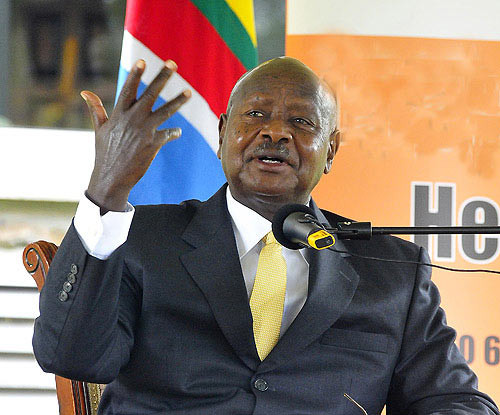
Ugandan leader


Ugandan leader
Ugandan leader

Ugandan President Yoweri Museveni is in Burundi to facilitate dialogue that will lead to peaceful elections in the tiny central African country.

Museveni, who was recently named as the lead mediator by his East African counterparts, is expected to hold talks with President Pierre Nkurunziza and opposition members, in a bid to resolve the conflict that has engulfed the troubled Burundi.

In April this year Burundi was thrown in turmoil when president Nkurunziza declared he would stand for elections that had been scheduled for June 15. In the resulting chaos, on May 13 as he was attending the East Africa Summit on Burundi, Nkurunziza was temporarily deposed by army and police officers, only to bounce back as president a day later.

Since then he has announced that the elections will instead be held at the end of July, a development regional analysts and his counterparts are afraid might spark off another round of deadly protests.

In power since 2005, President Nkurunziza argues that his first term that ended in 2010 was not attained through universal adult suffrage, and that constitutionally he is entitled to another five years as president, should he seek to stand, something he has already done.

However, his opponents have shredded his assertions, arguing he has served his two five-year mandate, and as such should not seek re-election for the ‘third term’.


Stories Continues after ad