The Electoral Commission has set July 6, 2023 as a day of conducting by-election of Member of Parliament for Oyam County North in Oyam District.
The Oyam North Parliamentary seat fell vacant following the death of the former MP Col Charles Okello Engola on May 2, 2023 when he was shot dead by his bodyguard Pt. Wilson Sabiiti at his home in Kyanja.
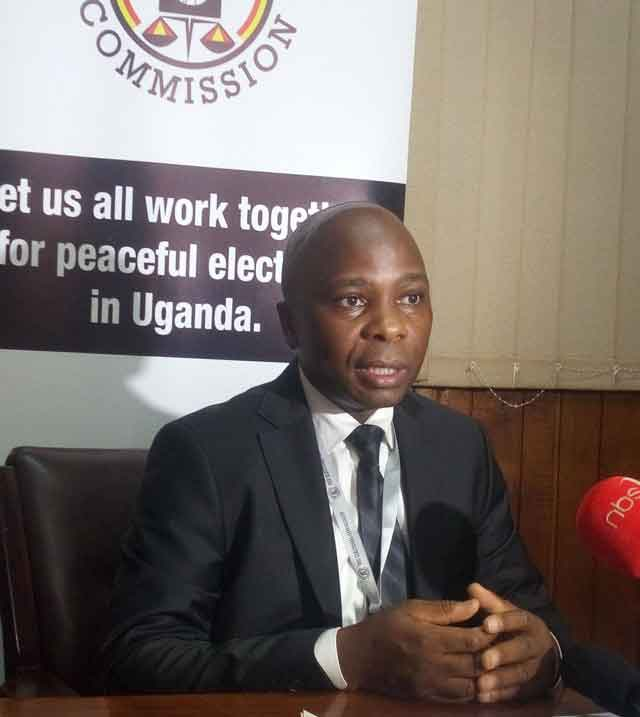
According to the Electoral Commission Communications Officer Paul Bukenya, the by-election programme will commence with an update of the National Voters’ Register from tom Thursday Monday 18 to May 22, 2023 at update stations in each of the 39 Parishes and Wards in Oyam County North Constituency.
Bukenya said that EC has appointed Monday May 22, 2023 as the cut-off date for applying for registration as a voter and for transfer of voting location in Oyam County North and the registration and transfer of voters from one polling station to another within Oyam North will not take place after Monday May 22, 2023.
“The display of the Voters’ Register will be conducted for a period of 10 days, starting from Tuesday May 30 to Thursday June 8, 2023, at all the one hundred and sixty-seven (167) polling stations in Oyam County North”, Bukenya said.
Bukenya said that the recommendations for deletion from/or inclusion on the Voters Register will be conducted for six days, that is, from June8-13, 2023 at the respective Parish or Ward Headquarters.
According to the released program, the nomination of candidates will be conducted on Monday June 19, to Tuesday June 19, 2023 at the Office of the District Returning Officer in Oyam District and nominated candidates will conduct campaign meetings for 13 days, from Thursday 22nd June to Tuesday 4th July 2023.
Bukenya said that the election and tallying of results for by-election of the Directly-elected Member of Parliament will be conducted on Thursday 6th July 2023, at all polling stations in Oyam County North Constituency in Oyam District.
Shukran Muslim Babies Home proudly announces its establishment as the first Muslim-founded babies home in Uganda. Founded in 2019 under the Annual Muslim Run, an initiative organized by the Corporate Muslim Association (CMA), Shukran Muslim Babies Home aims to provide a nurturing environment for abandoned infants and address the growing issue of newborn health disparities in Uganda.
In recent years, Uganda has witnessed a distressing phenomenon of abandoned babies, with an alarming number of newborns being left without care and support. Shockingly, statistics reveal that one in three young women between the ages of 20-24 has given birth before turning 18 years old. Many of these young girls find themselves ill-prepared for the responsibilities of motherhood and are forced to abandon their babies in hospitals, places of worship, market areas, garbage dumps, and even on the streets. The infants are often left injured and vulnerable, struggling to survive.
Despite the existence of approximately 142 registered babies’ homes in Uganda, such as the renowned Sanyu Babies Home established in 1929, the increasing number of abandoned babies, primarily in Kampala and Mbarara, remains unaddressed. It is disheartening to note that none of the existing homes are owned by the Muslim community. Additionally, global statistics indicate that around 163 million children are in need of a loving family, shelter, or care.
Uganda currently has approximately 2.7 million orphans, with 1.2 million of them having lost their parents to HIV/AIDS and other natural causes. This dire situation calls for urgent attention and intervention.
Shukran Muslim Babies Home aims to address these pressing concerns by offering the first Muslim-founded babies home in Uganda. Our primary goal is to provide abandoned and orphaned infants with a temporary home where their health and well-being will be prioritized. Through our dedicated care, we will ensure they receive the love and affection they have been deprived of, thereby laying a foundation for their brighter future.
At Shukran Muslim Babies Home, we believe that every child deserves a safe and nurturing environment. We are committed to supporting the vulnerable community and actively participating in the campaign against child abandonment and abuse.
We humbly appeal to the general public, especially the Muslim community, to join us in supporting this noble cause. You can contribute by participating in our upcoming Annual Muslim Run on September 3, 2023, at Sheraton Hotel Garden, where a portion of the proceeds will be allocated to the construction of the home. We also welcome cash donations, in-kind contributions, and materials.
Our vision for Shukran Muslim Babies Home includes a range of facilities spread across a five-acre plot, such as a main dormitory, washing bay, staff quarters, a garden, a modern kitchen, and a dedicated play area for the children.
With the ground-breaking ceremony taking place today, May 16, 2023, we are eager to commence the construction program as soon as we secure the necessary funds. We will reach out to you for your valuable supervision during the construction phase and later invite you to witness the commissioning of this noble project.
In conclusion, we extend our heartfelt gratitude to our esteemed sponsors and partners: KFC, Sheraton Hotel, Nation Media, Pepsi, AdConcept, and individuals like Faridah Nakazibwe, Ssebunya Rahibu, Bulega Sulaiman, and Katono Ayub. Their unwavering support, particularly through the Annual Muslim Run, has been instrumental in bringing this vision to life.
Thank you, and may Allah bless you all.
“Do not kill your children for fear of poverty. We provide for them and for you. Surely killing them is heinous sin”. Suraj Al-Isra -31.
The World Health Organization (WHO) has released a new guideline on non-sugar sweeteners (NSS), which recommends against the use of NSS to control body weight or reduce the risk of noncommunicable diseases (NCDs).
The recommendation is based on the findings of a systematic review of the available evidence which suggests that use of NSS does not confer any long-term benefit in reducing body fat in adults or children. Results of the review also suggest that there may be potential undesirable effects from long-term use of NSS, such as an increased risk of type 2 diabetes, cardiovascular diseases, and mortality in adults.
“Replacing free sugars with NSS does not help with weight control in the long term. People need to consider other ways to reduce free sugars intake, such as consuming food with naturally occurring sugars, like fruit, or unsweetened food and beverages,” says Francesco Branca, WHO Director for Nutrition and Food Safety. “NSS are not essential dietary factors and have no nutritional value. People should reduce the sweetness of the diet altogether, starting early in life, to improve their health.”
The recommendation applies to all people except individuals with pre-existing diabetes and includes all synthetic and naturally occurring or modified non-nutritive sweeteners that are not classified as sugars found in manufactured foods and beverages or sold on their own to be added to foods and beverages by consumers. Common NSS include acesulfame K, aspartame, advantame, cyclamates, neotame, saccharin, sucralose, stevia and stevia derivatives.
The recommendation does not apply to personal care and hygiene products containing NSS, such as toothpaste, skin cream, and medications, or to low-calorie sugars and sugar alcohols (polyols), which are sugars or sugar derivatives containing calories and are therefore not considered NSS.
Because the link observed in the evidence between NSS and disease outcomes might be confounded by baseline characteristics of study participants and complicated patterns of NSS use, the recommendation has been assessed as conditional, following WHO processes for developing guidelines. This signals that policy decisions based on this recommendation may require substantive discussion in specific country contexts, linked for example to the extent of consumption in different age groups.
The WHO guideline on NSS is part of a suite of existing and forthcoming guidelines on healthy diets that aim to establish lifelong healthy eating habits, improve dietary quality and decrease the risk of NCDs worldwide
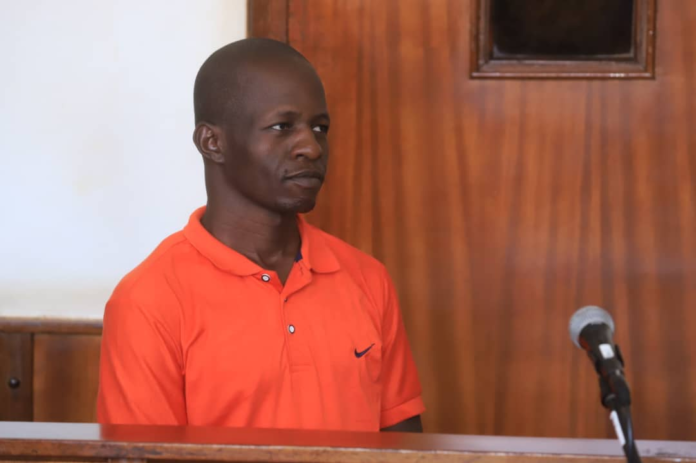
Buganda Road Magistrates Court has remanded police constable Ivan Wabwire for allegedly killing a business man, Uttam Bhandari Saremal, the Director of TFS Financial Services.
Appearing before grade one Magistrate Sarah Tusiime, Wabwire was charged with murder and subsequently remanded to Luzira Prison on grounds that court has no jurisdiction to preside over capital offences.
Persecution told court that investigations into the police officer are almost concluded, including a mental state assessment and the application to evaluate his mental status will be made before the court in due course. Wabwire has been remanded until June 7, for mention.
Prosecution avers that on May 12, 2023, the suspect in his full uniform, picked an SMG Rifle with 4 magazines that had been left in the room by PC Stephen Muromba, left his beat at CPS and went straight to meet the Director TFS Financial Services. While at their offices at Raja Chambers along Parliament Avenue, he signed in the visitor’s book, and went straight to meet Uttam Bhandari.
He maintained a standing position with his hand on the gun, had a short verbal exchange with the Director, and immediately after fired several shots at the victim. He then moved out briefly and returned to the scene to pick his loan documents. He fired more bullets at the victim, when he found him still holding his breath, and killed him. His target was the victim and no one else. Out of 12 bullets that were fired, nine of them fatally wounded the victim
“After the deadly shooting the suspect confidently moved out, jumped on a boda-boda that dropped him at CPS Kampala. He returned the gun and asked a colleague to watch over it and disappeared,” he said.
The officer escaped to his village at Bwalila, Bumango Parish, Masinya sub-county, in Busia district. He was arrested on May 14, 2023 at Uganda customs, while trying to cross into Kenya.
When NUP was grabbed from Moses Kibalama before the 2021 general elections, its oligarchs talked big promises which ideally bordered on utopia and phantom imagination. Their stance has instead bred bad outcomes. They, like Kiiza Besigye before them, prioritized “removing the 35-year long dictatorship, fixing democracy, …and uniting the country” etc! Two and a half years in, those political nymphs’ bravado, as they sequester in their Bwaise hermitage, has been completely deflated by a long list of near maturing challenges and overgrown doubts from their own rank and file whether they are equal to the task they spoke of.
Early last month, the NUP delegates conference which was largely shunned by its elected leaders – MPS, decreed that holders of public offices should be time – limited to two terms save for their upstart alpha, Bobi Wine. NUP leaders have for long been feuding internally over scores of things leading to resignations and outright withdrawal of support by their crème de la creme.
That civil war resulted from a host of intractable headaches including the following: the transactional candidates’ selection for the 2023 general elections that excluded some who eventually got estranged, a general lack of harmonization of intraparty positions, foul-playing, poor coordination, gross indiscipline as well as primitive and fanatical tribalism – for instance, a one Alex Bahengana was allegedly beaten by Sauda Madada because he descended from a tribe in western Uganda.
The decision to impose a two-term limit, discriminative, draconian and unconstitutional at the national level as it is, vexed many in NUP; one of them is Mathias Mpuuga who had the audacity to oppose it; he gaffed though, thus, “NUP members who imposed the term limits were reflecting on President Museveni’s extended stay in power and yet he has not transformed the country…so longevity in politics leads someone to retard both in politics and personal abilities!” Well, all around the purblind Mpuga there are unblurred and simple signs of transformation since the advent of the Yoweri Museveni administration in 1986.
Let me dwell exclusively on Parliament where he is publicly employed; apart from Mpuga’s transformation at personal level, the august house is being expanded in physical terms to offer bigger sitting capacity for MPs and office space for their staffers; it, currently, has a humongous car-parking area than ever before.
Relatedly, nobody can contest, apart from the purblind, the Yoweri Museveni administration’s affirmative action that saw for the very first time in the history of Uganda pronounced representation in parliament of the hitherto marginalized segments of Ugandans; women, youth and workers are now part and parcel of the august house’s fabric.
That we have had two women speakers (a position that was hitherto dominated by men) of parliament since 1986 is no mean achievement that Mpuga, in his intellectual dishonesty, cannot see. There is also compelling evidence that parliament, in their oversight role, is independent given the many decisions it has made in disfavour of government. Elsewhere, the existence of parliament, unlike in the 1970s when we were ruled by Idi Amin’s most obnoxious and diabolic regime that used decrees to govern, speaks to the growth of our democratic space on Ugandan terms – not on terms from the west which are always laced with booby traps.
To his admirers, Bobi Wine was supposed to be the fixer-expert at dealing with “Uganda’s problems.” From the afflictions that NUP is suffering, what is it that Bobi has done right? Two and a half years in, there’s an overgrown sense in his party that he has lost his way – his bandwagon has come to a permanent halt after being overmatched by the weight of incompetence as well as attempts to punch above his weight. The consequences of that level of incompetence could be lasting; and could potentially be more damaging to the populist persona in Bobi Wine; now, the party he grabbed is imploding on his back – thanks to the problems enumerated earlier which have completely obliterated NUP’s competence thesis.
Within two and half years, NUP’s earlier declarations of putting together robust alternative policy options to those of the NRM are looking silly; bickering between elected and non-elected rank and file has plateaued and tribalism has helped to shred through the group with anyone from western Uganda being perceived to be a mole. While Bobi Wine to continues to be helmed in his party, the appointment of relatives to control party finances, the incessant scrambling to change course and a confounding lack of coordination, have, instead, conspired and diverted their party’s imperilled energies and attention from the more pressing and long-range plans hence befuddling the rank and file.
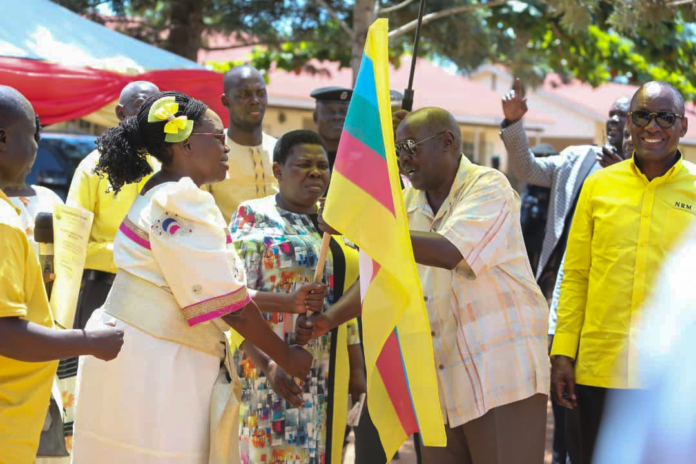
The National Resistance Movement (NRM) party has endorsed Mary Akol to carry the party flag in the forthcoming Bukedea district LCV By-election slated for June.
The unanimous decision emerged from the NRM district conference on Tuesday, 16 at St. Theresa Secondary School, Okunguro in Bukedea town council.
Mary Akol who is the district Vice Chairperson has been serving as Chairperson in the interim capacity since the death of Mr. Moses Olemukan.
Seven aspirants including Loyce Akiror, daughter to the deceased (Olemukan) had offered to represent the party but decided to withdraw so as to consolidate the support.
The NRM 1st vice National Chairman, Al-hajji Moses Kigongo in his speech commended the people of Bukedea for their discipline and accepting the advice of unity from the party National Chairman, H.E President Museveni.
“I am very happy with the people of Bukedea district for listening to the guidance of our National Chairman (President Yoweri Museveni). The discipline you have shown here is immense. If the whole of Uganda would emulate you then the country would be very far,” Kigongo said.
The Vice Chairman thanked all those who had expressed ambitions of clinching the LCV seat but later turned it down for the sake of political harmony in the NRM family.
“Thank you for loving Uganda and accepting in front one person. The movement (NRM) does not buy people, because we don’t even have that money. Withdrawing doesn’t mean you are weak,” Kigongo said as he saluted the aspirants who stood down in favour of Mary Akol.
Kigongo also assured delegate members that NRM is not going anywhere because we know what the people want. “Ugandans want service delivery and that is why we brought many poverty alleviation programs like the Parish Development Model and Emyooga to uplift the livelihoods of people in the subsistence economy.” Al-Hajj Kigongo said as he rallied NRM leaders to embrace them.
Capt.Mike Mukula, the NRM Vice Chairman for Eastern region asked the people of Bukedea to follow the political will of the late Moses Olemukan who had entrusted Ms Mary Akol as his deputy.
“The love and support you had for Olumuken should be transferred to his vice (Mary Akol) who is now seeking to replace him,” mukula appealed to bukedea people.
Mukula urged Ms Mary Akol if elected to take care of the people of Bukedea. “Don’t be like a duck that doesn’t care about its young ones that never gives them food. Never tolerate corruption in your leadership. When money is disbursed to the district, declare what has been received and give it to intended beneficiaries.”
The NRM deputy Secretary-General, Rose Namayanja asked Bukedea voters to support an aspirant from the ruling party to enable smooth flow of services and implementation of government programs like the PDM.
“Every parish in the country is receiving 100 million for PDM. With NRM chairman in leadership, the program will be well supervised while working with other district leaders,” Namayanja said.
Rt.Hon. Namayanja told delegates that all area MPs, interested aspirants and other influential leaders from the district attended a meeting that was recently convened by President Museveni and consensus was reached.
Due to possible divisions after primary elections, Namayanja said, “Over 100 people from here (Bukedea) met with the President, including persons who wanted to express interest to carry the party flag.”
Namayanja reiterated, “We are here to sow a seed of peace. And I want to confirm that nobody bought it. That is the reason we have made all of them speak before you. Let love prevail, let peace and unity prevail.”
The Director of Mobilization at NRM Secretariat, Hon. Rose Seninde requested unity among NRM supporters in Bukedea ahead of vote seeking.
“I am confident we shall win this election provided we work together,” Seninde said as she addressed NRM members.
Nominations of candidates by the Electoral Commission will take place on 5th and 6th June next month.
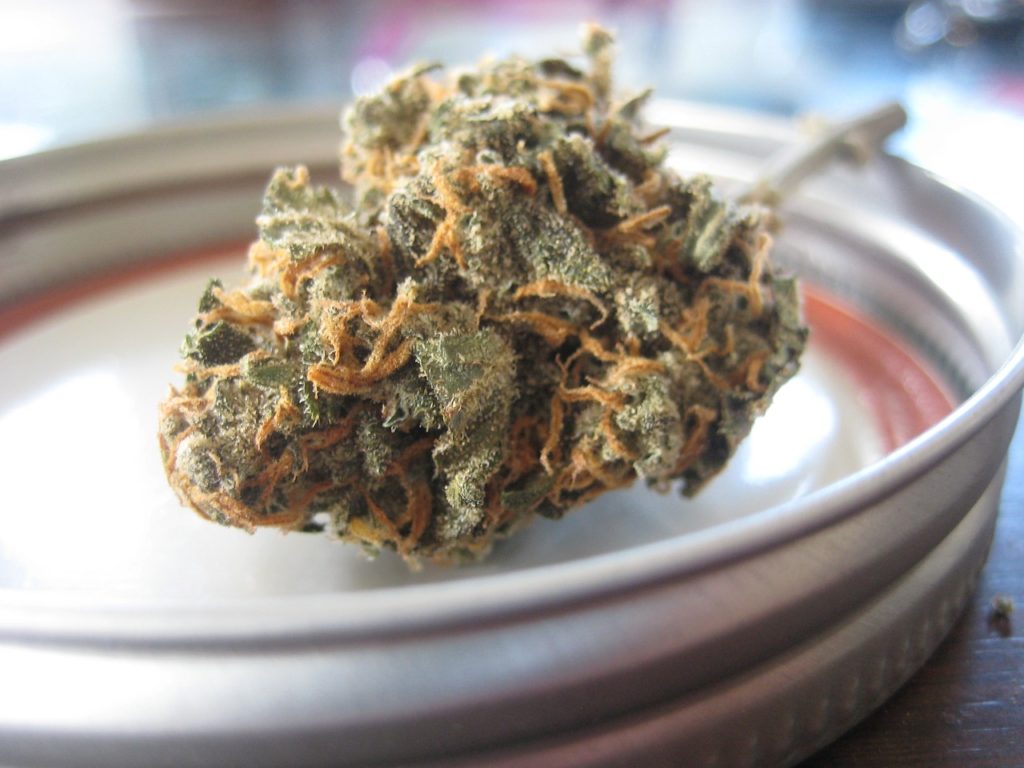
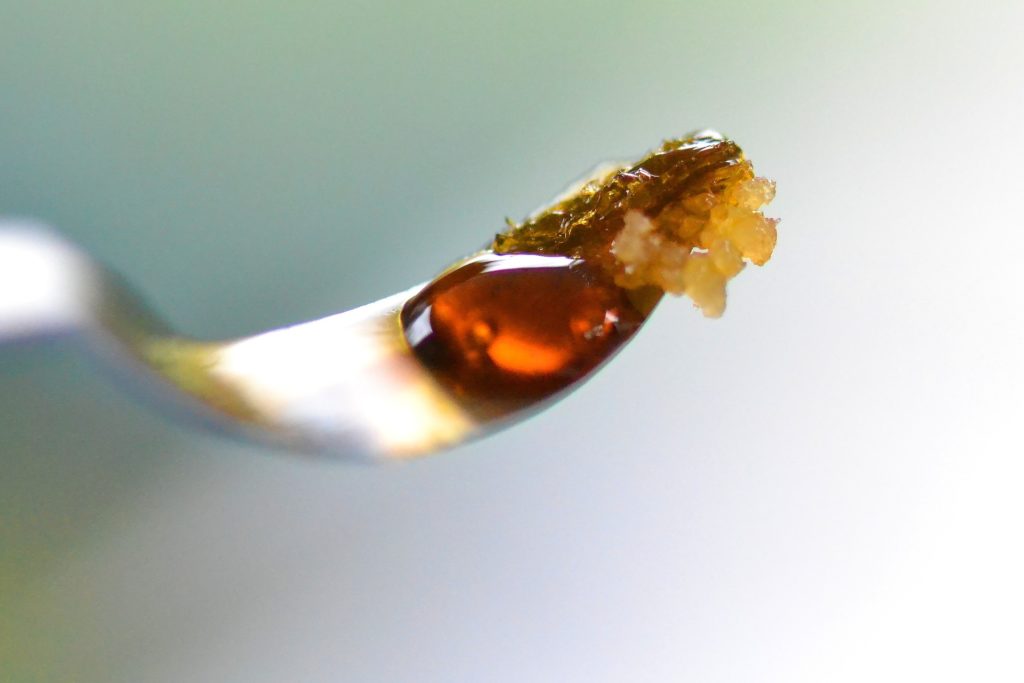
CBD dabs have become increasingly popular in recent years as many people are searching for “what are cbd dabs” in 2023. Dabs are a concentrated form of CBD extracted from the hemp plant and then processed into a waxy substance. They are typically smoked or vaporized and provide a fast-acting and potent dose of CBD. The popularity of dabs can be attributed to their ease of use and the fact that they are a discreet way to consume CBD. Additionally, many people find that dabbing offers a more intense and immediate effect than other consumption methods. Whether you’re a seasoned user or just starting, dabbing is worth considering. However, it’s important to remember that dabs are a concentrated compound and should be used with caution and only in moderation to avoid unwanted effects
Here Are The 7 Tips For Using CBD Dabs If You Are A Sportsperson
1. Start With Low Potency
As a sportsperson, you’re probably always looking to enhance your performance and recovery. You may want to consider incorporating low-potency CBD dabs into your routine. By starting with a low-potency option, you can ensure you’re taking a cautious approach while reaping the potential benefits. As always, it’s essential to research and consult with a healthcare professional before trying any new supplement.
2. Know The Source
As a sportsperson, you want to ensure you care for your body in the best way possible. If you’re considering using dabs, it’s essential to know the source of the product. Understanding the origin of dabs will give you peace of mind, allowing you to focus on your performance, knowing you’re using a safe, reliable product. Knowing the source of dabs entails familiarity with how and where it was produced, including the extraction process and raw materials.
Educating yourself on the CBD dabs’ origin will ensure you get a quality product that complies with regulations and delivers the desired effect. Take the time to research reputable sources that provide high-quality dabs to ensure you’re making an informed decision, helping you to perform at your best.
3. Use Only High-Quality Dabbing Tools
Dabbing can offer a unique and effective way to promote muscle recovery and relaxation after intense physical activity. As a sportsperson, using high-quality dabbing tools is essential to ensure you get the most out of your dabs. This means investing in a reliable, sturdy dab rig with a quality nail and dabber tool.
Opting for cheaper and lower quality options can lead to a less effective experience and potentially harmful contaminants. You can enjoy the benefits of this natural compound and feel confident in your post-workout routine by using high-quality dabbing tools for your CBD dabs.
4. Store Your Dabs In A Cool, Dark Place
As a sportsperson, keeping your body in peak condition is essential, and for some, CBD dabs have become a valuable tool in their routine. However, as with any substance, proper storage is crucial to ensure longevity and effectiveness. Storing dabs in a cool, dark place is the best way to preserve their quality.
This will prevent your dabs from exposure to heat and light, which can cause them to lose potency over time. Storing your dabs away from moisture and other contaminants is essential to maintain their purity. Following these storage guidelines, you can keep your dabs in optimal condition whenever needed to support your active lifestyle.
5. Avoid Using Dabs Right Before Or After A Competition
As a sportsperson, you always want to perform best during competitions. Using dabs can cause a positive drug test result, which may lead to disqualification or suspension from competition. It’s crucial to stay informed on your sport’s governing body’s rules and regulations and consult with a healthcare expert before trying any new supplements.
6. Take A Break Between Dabs To Assess Their Effects
As a sportsperson, maximizing physical performance is critical to achieving your goals. However, taking a break between dabs is essential to assess their effects on your body. That way, you can determine the optimal dosage of CBD and frequency for your unique needs.
Remember that CBD is not a magic cure-all; it requires some experimentation and observation on your part. So, take the time to listen to your body, record any changes you notice, and adjust your dosage accordingly to achieve the best results. This approach can help you get the most out of your dabs and elevate your athletic performance.
7. Only Use Dabs As Part Of A Comprehensive Recovery Plan
As a sportsperson, finding ways to help your body recover after pushing it to its limits is essential. While CBD dabs have become a popular option, it’s important to remember that they aren’t a cure-all solution. Instead, CBD dabs should only be used as part of a comprehensive recovery plan.
It’s crucial to ensure you get enough rest, stay hydrated, and nourish your body with healthy foods. CBD dabs can be a helpful addition to this routine, as they may help reduce inflammation and promote relaxation. However, talking to your doctor before incorporating CBD into your recovery plan is essential, and ensuring you’re using it responsibly. You can help your body recover and stay at the top of your game with extra care and attention.
Summing Up
CBD dabs, also known as cannabidiol dabs, are a concentrated form of CBD that is becoming increasingly popular among those seeking a more potent and immediate effect. CBD dabs are made by extracting the CBD from the hemp plant and refining it into a waxy substance that can be heated and inhaled through a vaporizer or dab rig. The benefits of dabs include the quick onset of effects, a more potent dose of CBD, and a more flavorful experience if using terpene dabs. It’s important to note that dabs should only be purchased from reputable sources to ensure quality and safety, and it’s always recommended to start with a lower dose and work your way up to avoid any unwanted effects.
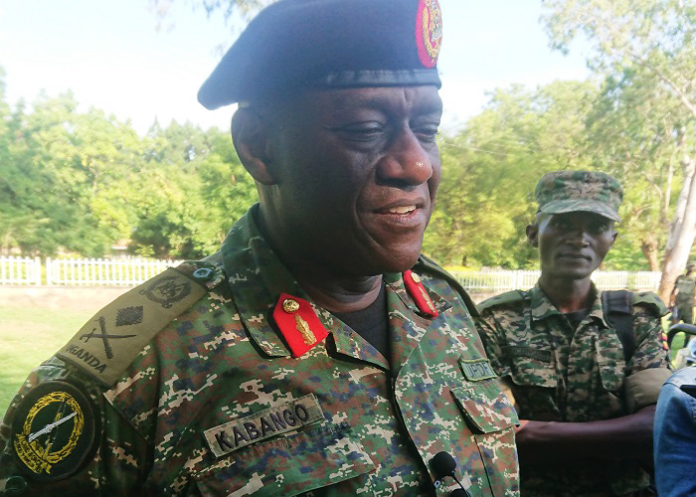
Brigadier General Michael Kabango has assumed duties and responsibilities as Commander 4th Infantry Division from Brigadier General Bonny Bamwiseki at a function that was presided over by the Deputy Chief of Defence Forces, Lieutenant General Peter Elwelu at the 4th Infantry Division headquarters in Gulu city.
“The new appointment you have been given is the prize of good work you did while commanding the 4th-infantry division and in other responsibilities else where you have served,” said Lt. Gen. Elwelu to Brig. Bamwiseki.
Lt. Gen. Elwelu urged the new commander to keep a keen interest in security along the porous borders under his command.
“Our porous borders still need a lot of vigilance and alertness in order for us to remain on top of the security situation,” the Deputy CDF said.
He urged Brig. Kabango and the soldiers under his command, to emphasize the strategic relationship with the people they are meant to defend and protect.
The outgoing commander, Brig. Bonny Bamwiseki thanked the staff and militants with whom he was working, who ensured success during his tour of duty in the Division. He appealed to the incoming commander to ensure that he is always in touch with the security agencies and civilians alike to maintain stability in the 4th Infantry Division as a contribution to a better Uganda.
The incoming commander Brig. Michael Kabango in his speech vowed that nothing will stop any efforts that will be made in the division aimed towards creating a stable region. He called for teamwork among his staff in order to achieve the tasks ahead of him.
He added that will run an open-door policy by availing various platforms of communication to close the communication gaps that may encourage mistrust and disbelief by the civilian community on the service of the army in the area under his command.
“It’s not the first time, I have been here since 1986 to 1990s and so it is nice to be back. You have done well and we must keep it. I will try as possible to be close to the political leaders, civilians, and sister security and we move together to fulfill our mandate. I run an open-door policy and anybody can call my phone anytime,” Kabango said.
Bamwiseki, who has been referred to as “Man of Love” for his consistent Biblical gospel of love for one another, attributed his successful tenure as the Commander 4th Division to the effective relationship with the civilian population and putting God at the center of it all.
Bamwiseki will be replacing Brig Gen Richard Otto as the new defence attaché in Juba whereas Otto has been elevated to serve as envoy in IGAD to broker peace in South Sudan.
Brig Michael Kabango is not new to UPDF operations in Northern Uganda. He has commanded from the smallest unit up to division level the last being the 5th Infantry Division which he commanded before taking on an assignment at African Union Headquarters based in Addis Ababa Ethiopia. In Somalia, he was also among the lead commanders of the Pioneer force that set foot in Mogadishu in 2007. He has held many responsibilities at different levels and positions up to date when he takes over the 4th Infantry Division.
The World Health Organization (WHO) has validated Benin and Mali as having eliminated trachoma as a public health problem, making them the fifth and sixth countries in the African Region to achieve this significant milestone.
Countries that previously received WHO validation for trachoma elimination are Ghana (June 2018), Gambia (April 2021), Togo (May 2022) and Malawi (September 2022).
“WHO congratulates the health authorities of Benin and Mali and their network of global and local partners for these milestones”, said Dr. Tedros Adhanom Ghebreyesus, WHO Director-General.
He added, “Following Benin’s and Mali’s success, trachoma remains endemic in 23 countries in WHO’s African Region, bringing us a step closer towards the elimination target for trachoma set in the road map for neglected tropical diseases 2021–2030.”
Globally, Benin and Mali join 15 other countries that have been validated by WHO for having eliminated trachoma as a public health problem. These are Cambodia, China, the Gambia, Ghana, Islamic Republic of Iran, Lao People’s Democratic Republic, Malawi, Mexico, Morocco, Myanmar, Nepal, Oman, Saudi Arabia, Togo and Vanuatu.
Both Benin and Mali implemented the WHO-recommended SAFE strategy to eliminate trachoma with the support of WHO and partners. The SAFE strategy consists of surgery to treat late trachoma complications; antibiotics to clear infection; facial cleanliness; and environmental improvement, particularly improving access to water and sanitation, to reduce transmission. Through the International Trachoma Initiative, the antibiotic azithromycin is donated by Pfizer to elimination programmes implementing the SAFE strategy.
Benin has integrated trachoma elimination interventions with those implemented against other neglected tropical diseases (NTDs), under the umbrella of the National Programme for Communicable Diseases. Trachoma is the third NTD to be eliminated in Benin, after dracunculiasis (in 2009) and gambiense human African trypanosomiasis (in 2021).
Mali has conducted trachoma impact and surveillance surveys and rolled out interventions to achieve elimination targets, despite security challenges in the northern regions of the country and sociopolitical upheavals in recent years. Trachoma is the first NTD to be eliminated in Mali, which therefore now joins a global group of 47 countries that have eliminated at least one NTD.
“These are impressive public health achievements,” said Dr Ibrahima Socé Fall, Director of the WHO Global NTD Programme. Adding, “Benin and Mali demonstrate how strong political will, cross-sector integration, surveillance and community engagement can work in concert to achieve disease elimination.”
Significant progress has been made in the fight against trachoma over the past few years. The number of people requiring antibiotic treatment for trachoma in the WHO African Region fell by 84 million, from 189 million in 2014 to 105 million as of June 2022.
Trachoma remains a public health problem in 41 countries (as of June 2022) with an estimated 125 million people living in areas requiring interventions against the disease. Trachoma is found mainly in the poorest and most rural areas of Africa, Central and South America, Asia, the Western Pacific and the Middle East. The WHO African Region is disproportionately affected by trachoma with 105 million people living in at-risk areas, which represents 84% of the global trachoma burden.
Trachoma is the leading infectious cause of blindness worldwide. The disease is caused by infection with the bacterium Chlamydia trachomatis. Infection is transmitted from person to person through contaminated fingers, fomites and flies that have come into contact with discharge from the eyes or nose of an infected person. Environmental risk factors for trachoma transmission include poor hygiene, overcrowded households, inadequate access to water or use of proper sanitation facilities.
In 1996, WHO launched the WHO Alliance for the Global Elimination of Trachoma by the year 2020 (GET2020). With other partners in the Alliance, WHO supports country implementation of the SAFE strategy and strengthening of national capacity through epidemiological assessment, monitoring, surveillance, project evaluation and resource mobilization contributing towards elimination of trachoma as a public health problem. The road map, endorsed by the World Health Assembly in 2020 through its decision 73(33), sets 2030 as the new target date for global elimination.
Government is set to reintroduce the Narcotic Drugs and Psychotropic Substances (Control) Bill, Eagle Online has learnt. According to the Attorney General, Kiryowa Kiwanuka arrangements are being made to reintroduce this Bill at the appropriate time before the House.
Earlier this month, A panel of five justices of the Constitutional court led by deputy chief justice Richard Buteera, Stephen Musota who has since been elevated to the Supreme court, Muzamiru Mutangula Kibeedi, Irene Mulyagonja and Monica Mugyenyi unanimously annulled Narcotic Drugs and Psychotropic Substances Control Act 2016 for lack of quorum and ordered the government to pay the farmers costs they have spent on this petition.
“Clearly, the government and the Executive are interested in this Bill. In the meantime, any case of drug abuse is being handled under the existing law, and we don’t have a real gap at this point other than the extent of the penalty.” Kiwanuka said during the plenary.
This law had prohibited the use of several drugs, including cannabis, bush cocoa, and mairungi, as they contain cathinone and cathine, substances that are known to have side effects such as increased blood pressure, euphoria and elation with feelings of alertness and arousal.
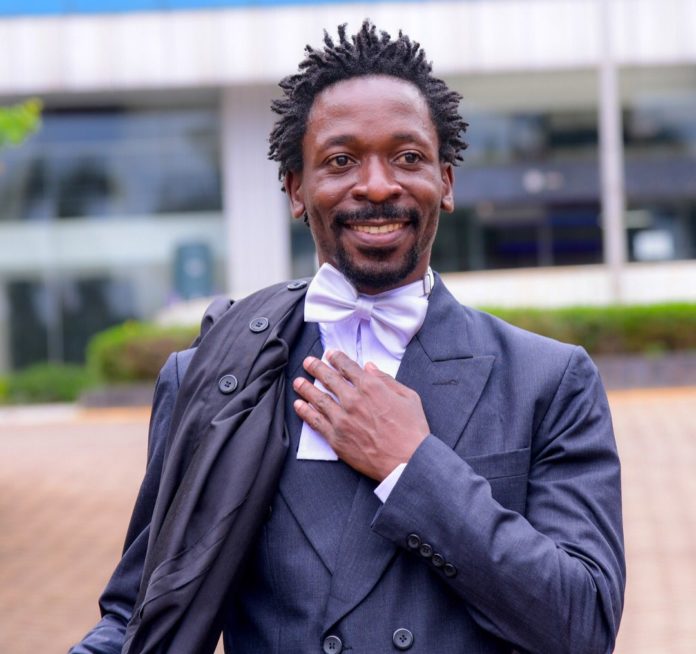
In 2017, Wakiso Miraa Growers and Dealers Association Limited filed a petition challenging the Narcotic Drugs and Psychotropic Substances Control Act. The act prohibited and criminalized the cultivation, possession, consumption, sale, distribution, transportation, and exportation of Catha edulis (khat) commonly known as mairungi. Through their lawyers led by Isaac Ssemakadde, the petitioners argued that prohibition of khat was not backed up by any scientific evidence yet it had a disruptive effect on the livelihood, property, cultural and social economic rights of the petitioners who are mairungi farmers, sellers and consumers.