Stanbic Bank
Stanbic Bank
18.9 C
Kampala
Stanbic Bank
Stanbic Bank
Home Blog Page 518

Tayebwa summons PM, Ministers over human rights violations

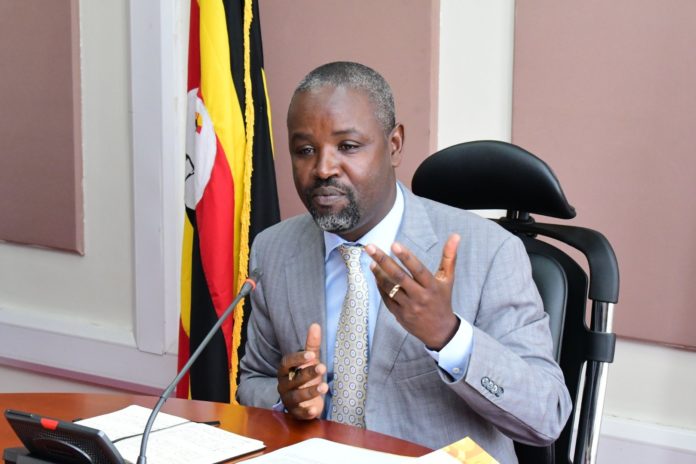
Deputy Speaker, Thomas Tayebwa.

The Deputy Speaker of Parliament, Thomas Tayebwa, has summoned the Prime Minister and party leaders in the House to discuss and try to resolve the unending allegations of human rights violations in the country.

The meeting scheduled for Friday, will also involve the Ministers for Security and Internal Affairs, the Leader of the Opposition and the Government and Opposition Whips and the Shadow Minister of Security.

Tayebwa’s decision follows a concern over continued human rights violations raised by the Leader of the Opposition, Mathias Mpuuga, during plenary sitting on Wednesday, 28 September 2022.

Mpuuga, said that despite several concerns raised on human rights violations, forced disappearances and torture seem to be getting worse. 

He said that no action has been taken since May when he presented names and contacts of persons reported missing, and asked government to at least declare them dead and avail their remains.

He added that the ministers responsible for Security and Internal Affairs have not reported on the same despite orders by the House to do so.

“From the Opposition side, in the first and second sessions, the most critical matter was human rights abuses, forced disappearances and torture. Despite government commitment that abductions and forced disappearances are under control, the devil is back,” said Mpuuga. 

He wondered if the President was aware of the continued human rights violations having condemned murders and disappearances of citizens while chief guest at the commemoration of the disappearance and murder of the first Chief Minister of Uganda, Benedicto Kiwanuka in the 1970s. 

Deputy Speaker, Tayebwa, said that failure by government to take action against human rights violations taints the image of Parliament, saying that MPs made recommendations on the recently adopted reports on human rights violations and state of prisons. 

“We extensively discussed this matter a month ago because we handled two critical reports. There was a commitment here, that indeed some of these issues were glaring and they were making us look ugly and this report was signed by members from both sides, we never even had a minority report. 

The meeting will be held at Parliament Building.

Stories Continues after ad

Local farmers meet to see manufacturers embrace full sourcing of raw materials

Farmers

Local farmers across the country have met to discuss the potential to scale up farming to see manufacturers embrace full sourcing of raw materials they use in their production.

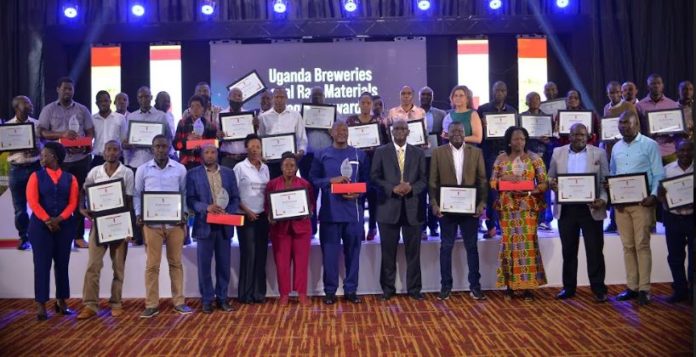
Speaking at the forum, the Managing Director of Uganda Breweries Mr. Andrew Kilonzo said that at the core of the Local Raw Materials (LRM) agenda, UBL is making farming more productive and profitable for Ugandan farmers, which is critical in reducing poverty, boosting prosperity and creating jobs. “The use of Local Raw Materials is acknowledged to have a highly positive impact on the economy as it puts earnings directly into the pockets of more local farmers” he said adding that manufacturers could benefit from a fairer operating environment which means they are able to pay farmers more. 

“Research from Euromonitor puts the contribution of the packaged drinks in the industry at only 35.5 percent. A significant portion of the industry 64.5 percent is unpacked and illicit.  We seek support in enacting policies and laws that protect our industries against the illicit and counterfeit products which costs the government over Shs 1.6 trillion annually in leaked taxes. We also continue to advocate for a well-regulated environment for all players in the sector so that Building Uganda through Buying Uganda is truly a mutually beneficial program,” he said.

 “The support from government and lawmakers will go a long way in incentivizing manufacturers to source more, pay more taxes so that the BUBU agenda is mutually beneficial for all parties.”

The Minister of Agriculture, Animal Industry and Fisheries, Frank Tumwebaze, commended Uganda Breweries for their efforts in working with farming communities and for organising this dialogue. “This kind of initiative the private sector at the center of supporting government to realise its objectives as laid out in the National Development Plan III which is poised on creating value addition to strengthen the private sector capacity to drive growth and create jobs.”

“The Uganda Bureau of Statistics, estimates that Agriculture employs 70 percent of the population, contributes about 33 percent of Uganda’s export earnings and makes up about 24 percent of our GDP. By harnessing the potential that a Private Sector led initiative to improve farming output and yield in the country, I am confident that we shall see an even bigger spike in the contribution of Agriculture to our GDP

“I would like to recognize Uganda Breweries for the important work they are doing with their Local Raw Materials Program, which I have heard that so far benefits over 40,000 farming households and we encourage them to do even more as we all strive to promote the excellence of our Ugandan products and produce here and abroad if we are to actualize the Buy Uganda Build Uganda strategic imperative,” he concluded.

Uganda Breweries currently works with over 25000 farmers from all over the country to purchase over 8,000 Tonnes of Barley, 15,000 Tonnes of Sorghum, 18,000 Tonnes of Maize, and 1,000 Tonnes of Cassava; 30 percent of that from Northern Uganda, 25 percent from Eastern Uganda, 35 percent from Western Uganda and 10 percent from Central Region.

Other investments that Uganda Breweries has made in the agriculture sector include; investing in a Mash Filter worth $21.3 million to enhance the capacity to increase the usage of local raw materials in 2010, USD $10 million investment into the local grain sector promotion in 2017, conducting large sorghum trials in Ngenge/Kapchorwa and Nwoya in the last seven years, supplying farmers with quality seeds, modern farming equipment and training throughout the seasons. This has seen the total contribution to the Farming communities jump from an annual injection of Shs 5.7 billion in 2011 to Shs 45 billion Shillings by year ending 2020. The brewery also announced partnerships with the National Agricultural Research Organisation (NARO) and Operation Wealth Creation (OWC) in 2020, geared towards using research and technologies to improve productivity in agriculture.

The Farming Community makes up over 60 percent of the UBL Value chain, indirectly creating employment opportunities for the farming community ecosystem including, hardware supplies, seed and pesticide companies and transportation just to mention a few.

Stories Continues after ad

Police hails Fulltime Security Services for reskilling, upskilling security guards

Uganda Police Force-UPF have highly praised Fulltime Security Services Limited, a Kireka based private security company for keeping their guard force up to the standards by reskilling and upskilling them.

Through the Commissioner of Private Security Organizations-PSO, Charles Ssebambulidde, Police has hailed the management for ensuring an effective and thorough training always extended to the security guards.

Speaking at the pass out function of over eighty (80) highly reskilled and upskilled security guards over the weekend, the Commissioner in charge of PSO revealed that keeping the workforce skilled is very important, and it should be embraced by every employer that expects a productive outcome from their employees. He said there are few private security companies that invest in training their security guards.

“Fulltime Security is one of those few unique private security companies that I have seen that think of having a trained guard force. With all the demonstrations that you have exhibited here, you guys are wonderful, keep it up.”

Afande Ssebambulidde further revealed that lack of training among security operatives has cost many. He cited how some have lost lives, property and others firearms for improper handling.

One of the issues that Afande Ssebambulidde is concerned about is keeping security guards equipped with skills by always conducting refresher training.

He remarks that what Fulltime Security is doing is very right, and that they should keep the ball rolling. He noted that most people who joined security guarding are always green about security issues, therefore there is a big need for training them before sending them out for work. He urges other private security companies to borrow a leaf from Fulltime, and train guards.

“Am impressed that you are giving these people training. There is no difference in security, once you put on uniform, you’re qualifying and when a thug is coming to you, he comes with a mindset that they are attacking a trained person, and once they find you are not trained, it becomes a different story,” he added.

Paddy Tumuhimbise, the Managing Director of Fulltime Security Services Limited, while reacting to Commissioner Ssebambulidde’s comments, said it is unprofessional to deploy untrained guards. He said this is mediocrity in the industry, adding that he does not see a motive why someone should be sent for work before attaining training.

“Our aim at Fulltime Security Services Ltd, is to make sure that our clients are satisfied. Am not saying that we are angels in this business. We are not even 100% perfect, but we make sure that at least we satisfy most of them,” he clarifies.

Ssebambulidde also used the same platform to address the trainees about the tricks that thieves/thugs use to trick most of the security guards while doing their duties. He cautioned them to always remain security conscious to avoid problems of such nature.

According to the Commissioner, it is because of poor training among some private security companies that leads their staff into funny behaviors like begging for food stuff that the thugs use as a trick to feed them with food stuff mixed with chloroform to douse them off, so that they can execute their missions.

Ssebambulidde further cautioned them to be watchful especially to those people who find them working, and try to show them mercy by offering them eats and drinks. The Commissioner said, this trick by thieves has led many security guards to death, and others to prisons.

Just like Commissioner Ssebambulidde, Mr. Tumuhimbise noted that he and his team spend most of the time briefing the staff about the dangers of accepting offers from such people, adding that most of them come with their ambitions.

He confessed that he is lucky because all the years that he has managed Fulltime Security, they have not had such incidents. He attributes this achievement to having a disciplined guard force that takes instructions seriously.

“My employees are always keen and cautious of such scenarios. When we are sending them out for work, we have always briefed them, both the group that stays near us and those that are out post-away from offices, through their immediate supervisors,” he explained.

He also explained how he established the communication system that enables the system controller and managers to keep in touch with security guards who are in the field. Because of this, he said guards are always notified of any update that needs to be communicated.

The Managing Director recalls how he has heard, read and seen sad news of guards dying, and others losing property because of accepting offers from strangers.

It should be noted that most serial robbers use this trick and they sedate guards and end up fulfilling their plans. Many of these thieves use the advantage of some guards being always hungry and when they see food, they fail to think twice, hence falling victim.

Ssebambulidde Tasks Security Guards To Comply With Police’s Directives

Afande Ssebambulidde narrated how he one day sent a District Police Commander-DPC to check on private security guards, and when they saw him they ran away and refused to give him firearms. He said this was not right, and warned that security guards must know that once an identifiable police officer asks them to check on them, they should not hesitate.

All you should know is that private security companies are working under, and hand in hand with other security agencies. When a site is robbed, a police officer in charge will not be happy,” he asserts.

He therefore asked Fulltime Security guards to always comply when the police officers in charge of the area they are operating from approach them and in a right way, request the guard to check how the firearm(s) is functioning.

He adds that once the guard accepts to work as a security guard, he/she is answerable to Police, therefore, Police in an area where the private security company is operating will always make sure that guards are safe and their firearms are in good working condition.

He furthermore reminded security guards to be exemplary and be good ambassadors of Fulltime Security Services Ltd, by offering quality services and acting professionally. By doing this, the company shall get business hence creating more jobs for unemployed citizens.

According to the Statutory Instrument No.11 of 2013, it is the role of Inspector General of Police to ensure that the PSOs provide quality service to clients, use firearms in their custody properly and keep them safely. The IGP must also ensure that PSO personnel meet minimum standards of operational capability and discipline. The RPCs and DPCs carry out the day to day functions of overseeing the PSOs on behalf of the IGP. Every year, the IGP must issue an assessment certificate for each PSO in the country.

Stories Continues after ad

Kingfisher Oil Fields: Oil Drilling Rig Equipment arrives in Uganda

The most advanced Chinese oil drilling equipment in the oil and gas Industry exploration and development sector represented by the ‘Drilog and Welleader’ system and the land rig ‘LR8001’ has arrived at the Kingfisher Oil fields. LR8001” is a deluxe land rig customized for the KingFisher project in Uganda. 

As the first 8km fully automated silent rig in Africa, it is equipped with industry-leading technologies such as well site de-noising control, zero discharge system, and pipe column automation system. The whole set of equipment supports the integrated operation of various wellbore and well types, and during the operation effectively protects the regional ecological environment.

18 to 20 trucks are expected to be delivered daily for the next 3 weeks from Malaba to Well pad 2 at the Kingfisher Development area. This reaffrims CNOOC Uganda Limited’s commitment to delivering first oil on schedule.

“This oil drilling equipment will support Uganda to become an important crude oil producer in East Africa. The equipment shall also provide some localization job opportunities for Ugandans during the well drilling and completion process, train more localized talents for oilfield development and bring tangible changes to local economic development and livelihood to make the ‘Pearl of Africa’ brighter” said Mr. Chen Zhuobiao, President, CNOOC Uganda Limited.

“We are happy that CNOOC Uganda Limited has delivered the rig as promised. We shall continue supporting the company to fast track development of the Kingfisher project in Uganda,” stated Ernest Rubondo, Executive Director, Petroleum Authority of Uganda.

CNOOC Uganda Limited reiterates shows its determination to promote the high-quality development of ‘The Belt and Road’ Initiative and build a China-Africa community with a shared future.

Stories Continues after ad

Uganda’s first Aflatoxin Removal machine in Soroti

The TOXI-SCRUB® at PELA Commodities

Recently PELA Commodities in Soroti completed the installation of Uganda’s first Aflatoxin removal machine (TOXI-SCRUB).

The machine was designed by Eye-Grain and delivered together with the grain handling equipment by Perry Engineering Ltd who is an authorized reseller of the TOXI-SCRUBⓇ system. It was installed by Eye-Grain ApS, its local partner Grain and Toxin Solutions LLC (Uganda), and Perry Engineering.

As part of the final installation procedure before it begins regular operation, the experts from Eye-Grain and PERRY will start the commissioning process of the TOXI-SCRUBⓇin the coming weeks and will allow potential customers and stakeholders to visit the PELA and experience how the machine works.

The TOXI-SCRUBⓇ will remove aflatoxins from high levels to 10ppb or less. It has different treatment programs and can be adjusted to make the necessary treatment to bring the contamination well below allowed levels. The machine can also eliminate not only Mycotoxins, but other biologic activity as well e.g., bacteria, mites and insects.

The TOXI-SCRUBⓇ processing line can be tailored to any product in the Agro, Feed, and Cereal supply chain. Including all types of grain, nuts, beans and cakes from the oilseed industry.

Aflatoxins is a type of mycotoxin produced by Aspergillus species of fungi, such as A. flavus and A. parasiticus. The umbrella term aflatoxin refers to four different types of mycotoxins produced, which are B1, B2, G1, and G2. Aflatoxin B1, the most toxic, is a potent carcinogen and has been directly correlated to adverse health effects, such as liver cancer in many animal species. Aflatoxins are largely associated with commodities produced in the tropics and subtropics, such as cotton, peanuts, spices, pistachios, and maize.

Agro industrialisation is one of the major programs in the third phase of the National Development Plan, intending to increase household incomes. The sector has intrinsic potential, and the Uganda government anticipates it to expand by 4.3% or about a quarter of the nation’s economic output. The addition of theTOXI-SCRUBⓇ at PELA Commodities is a welcome development and has been eagerly anticipated by grain farmers and traders in the region.

Perry isadesigner and manufacturer of grain handling, cleaning, drying, and storage equipment and systems, small-scale flour mills, feed mills, and associated products. The company supports key industries such as agriculture (farms & commercial grain stores), feed mills, flour mills, flaking mills, waste and recycling, pelleting plants, aggregates, and biomass (woodchip, shavings & sawdust, grass and herbs).

All Perry products in Uganda are supported by our local engineering, sales and administration team and we hold a large stock of spare parts in Uganda to service our customers.

 Perry have a wide range of products which include; continuously mixed flow driers, belt driers, moisture sensor systems, chain & flight conveyors, belt conveyors, belt & bucket elevators, screw conveyors & augers, aspirator pre-cleaners, twin trace conveyors, grain samplers and bins/silos.

Perryalso offers key services such as plant layout and design, manufacturing, installation & commissioning, and a comprehensive after-sales service package for its customers.

Stories Continues after ad

Why internet is so expensive in Uganda compared to other countries in East Africa

Unlimited data bundles will help subscriber stay on the internet for longer hours

Uganda’s telecom companies have invested heavily in infrastructure services to boost internet access but the low users have limited their ability to lower internet costs for their customers including the Small and Medium Enterprises.

This comes two months since Members of Parliament urged telecommunication service providers to adopt friendlier data and voice bundles.

“Uganda Communications Commission should also enhance engagements with the telecommunication operators to develop and provide a broad range of bundles that will encourage customers to access the internet and call subscriptions,” Moses Magogo, the chairperson of the Committee on ICT and National Guidance told Parliament.

State Minister for Information and Communication Technologies, Joyce Nabbosa Ssebugwawo, said during the Fintech Landscape Exhibition recently that the government is working with partners to achieve seamless internet connectivity that will drive down the cost of internet.

“We are working with partners towards seamless internet connectivity and affordability of internet data,” she said, adding that affordable internet has partly been achieved even as more still needs to be done.

Enid Edroma, the general manager, Corporate Affairs at MTN Uganda says only about 35 percent of their customers are using smartphones.

“We are also using only five percent of our underground internet cables yet the operational costs remain the same,” she said.

Edroma says an increase in internet users will drive down the price of the internet and consequently stimulate digital activities that are now rekindling hope for Small and Medium Enterprises (SMEs).

Currently, Uganda’s internet penetration stands at merely 29.4 percent compared to Tanzania’s 38 percent and Kenya’s 53 percent.

But the government has been reluctant to review tax policies to stir up internet access.

For instance, the government charges a VAT of 18 percent, an excise duty of 12 percent on new imported mobile phones as well as other taxes on the internet, a move industry experts say has slowed down access to internet-enabled devices especially smartphones which would have ideally increased internet access and driven down internet costs.

However, industry experts say in order to support telecommunications industry initiatives and make internet services more accessible and affordable to customers, the government needs to take some appropriate steps. 

These include; a reduction in import duties on smartphones to lower overall prices for prospective customers, especially those in the rural areas as well as assign more spectrum to telecom companies to support a new technology that would easily translate into a reduction of cost in operations and prices.

Stories Continues after ad

African gov’ts, UNAIDS, PEPFAR and global health partners unite to sustain political leadership to end AIDS and respond to future pandemics

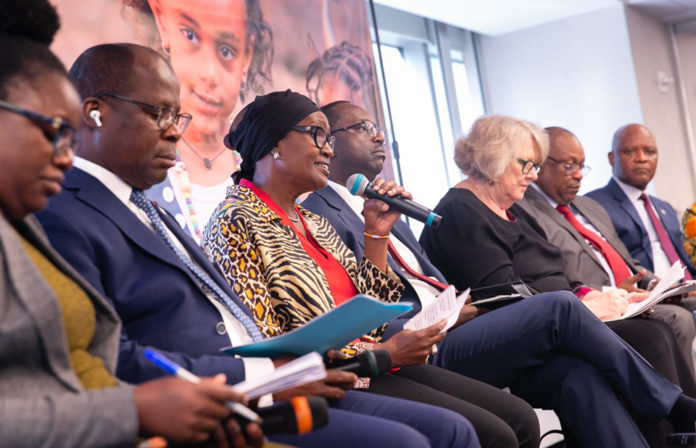
Winnie Byanyima, Executive Director of UNAIDS speaking.

During the high-level week of the 77th session of the United Nations General Assembly leading African Ministers of Health joined UNAIDS, PEPFAR, global health institutions and partners in New York in rallying to sustain their commitments to end AIDS and accelerate their response to current and future pandemics.

 The high-level side event on “Political Leadership in the HIV Response”, highlighted continued progress on combating HIV in sub-Saharan Africa, which has been largely sustained despite the added challenges of the COVID-19 pandemic.

Ambassador Dr. John Nkengasong, United States Global AIDS Coordinator and Special Representative for Health Diplomacy, who was celebrating his 100th day in office said, “The HIV response has defined global health for 25 years. We have made remarkable progress, but we still have remarkable challenges going forward to end AIDS. It is time to ask where we go from here. PEPFAR, the Global Fund and UNAIDS represent the best of humanity when we apply our minds to solving problems.” 

Ambassador Nkengasong also took the opportunity to launch “Reimagining PEPFAR’s Strategic Direction, Fulfilling America’s Promise to End the HIV/AIDS Pandemic by 2030”, which focuses on key priority areas including: health equity for priority populations including children, adolescent girls and young women, and key populations; long term sustainability; positioning platforms to not civil society front and centre; and leading with science. 

“Our work continues with renewed urgency to accelerate our push to end AIDS by 2030,” said Winnie Byanyima, Executive Director of UNAIDS. “The actions needed to end AIDS are also key for overcoming other pandemics and for protecting ourselves against future threats. We can end AIDS by 2030. But the curve will not bend itself we have to pull it down together.”   

African governments were represented by Ministers of Health from Botswana, Côte d’Ivoire, the Democratic Republic of the Congo, Eswatini, Malawi, Rwanda and South Africa, and the Director of Public Health from Nigeria, speaking on behalf of H.E. President Buhari, and were joined by H.E. Neo Jane Masisi, the First Lady of Botswana.

The Minister of Health of Democratic Republic of the Congo, Jean-Jacques Mbungani, said, “Despite our many challenges, the Government made the fight against HIV a national priority. In one year, we increased our domestic funding for HIV from CDF10 billion to CDF15 billion, and from 2002 to 2020, we decreased AIDS-related mortality by 42%.”

The Minister of Health of Côte d’Ivoire, Mr Pierre Dimba highlighted the importance of integrating lessons from COVID-19 in the HIV response. “The COVID-19 pandemic showed how important it is to invest in health and enhance our focus on HIV,” said Minister Dimba. “We have reinforced our health systems and are reinforcing our network of community health workers to reach people most in need as well as working closely with the education sector.”

Rwanda has been investing in institutional reforms in the health sector and continues to increase its own domestic health funding. “For an effective management of domestic resources we created the Rwanda biomedical center which has a multifaceted approach,” said Daniel Ngamije, Minister of Health of Rwanda. “Rather than having individual programs for HIV, TB and malaria, we have created and financed a sustainable, integrated system.” 

Senator Lizzie Nkosi, Minister of Health of Eswatini, expressed appreciation of the partnership with donors and technical partners as key to the country’s success in the HIV response. 

Minister Nkosi used the event to announce impressive new results in Eswatini’s efforts to end AIDS. “Today I announce that Eswatini has reached the epidemic control and the 95-95-95 targets,” said Minister Nkosi. “We have committed significant resources for HIV, which we will continue, in spite of COVID-19 and other pandemics. However, we couldn’t have reached this success without PEPFAR, UNAIDS and the Global Fund and so many other partners.”

The Minister of Health of Botswana highlighted the remarkable results Botswana has achieved and recognized the strong continued support of partners in Botswana’s progress to end AIDS. “Partners have contributed a lot to our achievements. In the early days our population was about to be wiped out by HIV, but last year we celebrated surpassing the 95-95-95 targets – that would not have been possible without sustained political leadership at the highest levels and the long-term partnerships we have,” said Minister Dikoloti. 

From South Africa, the country with the world’s largest HIV epidemic, Minister of Health Joe Phaahla called for accelerated momentum to end AIDS, and the urgency of halting HIV incidence, particularly in young people in South Africa. “We have reduced the incidence of HIV by over 45%, we now have 5.2 million people on HIV treatment, and we launched our HIV strategy with a focus on young people,” said Minister Phaahla. “Going forward, our focus will be on integrating programs—lessons which we have learned through COVID and HIV. When you’re under pressure to save lives, our key is integration—political leadership to mobilize leaders in all sectors, health workers and community health workers–bringing them onboard, and to maintain the momentum.” 

Reading a statement from President Buhari of Nigeria, Dr Morenike Alex-Okah, Director of Public Health for Nigeria highlighted the call to end paediatric AIDS, “I reiterate the Government of Nigeria’s full commitment to the Sustainable Development Goals and other international and regional initiatives towards ending AIDS by 2030, and to addressing current and future health emergencies. As a demonstration of commitment, my government will convene African leaders and our international partners in Abuja in November 2022 to launch the Global Alliance to end paediatric AIDS by 2025.”

Loyce Maturu from the Global Fund Advocates Network in Zimbabwe spoke about gaps in the HIV response. “We know that we haven’t done enough in the management of HIV in children, and to prevent HIV among adolescent girls and young women. We have to look at psychosocial support, mental health, and viral load monitoring, which have been missing when it comes to community engagement. We need to focus on HIV management at the community level, empower community-led monitoring, support families and strengthen community systems.” 

Peter Sands, Executive Director of the Global Fund to Fight AIDS, Tuberculosis and Malaria expressed his appreciation for the support to the Global Fund at its 7th Replenishment which mobilized US$ 14.2 billion, “This is a great opportunity to say thank you to everyone who pledged contributions to the Global Fund, and particularly the implementing countries which have stepped up enormously,” said Mr Sands. “One of the great strengths of the HIV response was its relentless focus on outcomes, saving lives and reducing infections. One of the things we learned with COVID is that we have got to get smart at making investments that can serve multiple needs at once. A broader approach for health systems that can fight multiple diseases and cope with future threats.” 

Dr Matshidiso Moeti, the World Health Organization’s Regional Director for Africa, highlighted the need for governments to pick up the pace to end AIDS in Africa. “This is a fantastic convening of leaders who will play a key role in ending AIDS in Africa,” said Dr Moeti. “With HIV, we have learned many lessons. Inequities continue to be a major factor in driving vulnerability to HIV and access to services. We can make the resources go further and achieve more results for HIV.” 

Stéphanie Seydoux, France’s Ambassador for Global Health concluded, “The time for implementation starts now. We know the way forward and that is country ownership, country investment.” 

The event, “Political Leadership in the HIV Response”, was co-organized by UNAIDS and PEPFAR on the margins of high-level week of the 77th Session of the United Nations General Assembly in New York.

Stories Continues after ad

Gov’t recognises Sudhir for his efforts in promoting tourism

Deputy Speaker Thomas Tayebwa hands accolade to Sudhir

The government of Uganda has recognised the Chairman of Ruparelia Group of Companies, Sudhir Ruparelia for his efforts in promoting tourism.

This was during the Tourism Night event in commemoration of the World Tourism Day on September 27 at Sheraton Hotel Kampala.

Sudhir owns a number of hotels that include Kabira Country Club, Speke Apartments, Bukoto Heights, Boulevard Apartments, Speke Apartments and Speke Resort and Country Club Munyonyo among others that accommodate tourists.

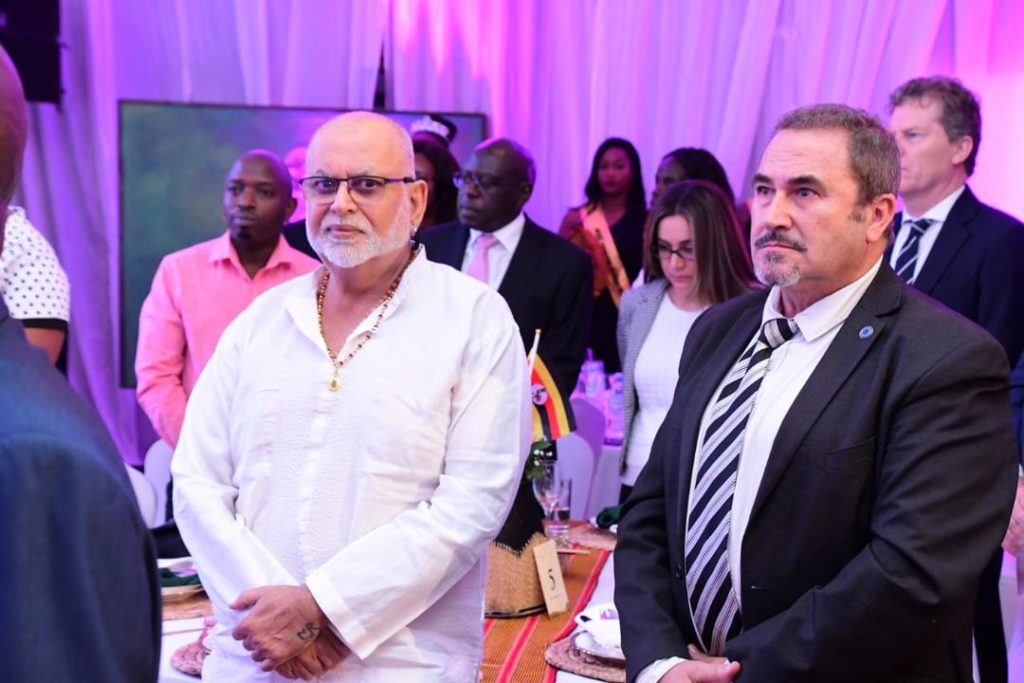
Sudhir at the event

The Chief Guest of the event, Deputy Speaker Thomas Tayebwa appreciated Sudhir for his passion, efforts and leadership in hospitality and tourism development in the country.

“In a special way, I congratulate Dr Sudhir Ruparelia, Chairman Speke Group of hotels for your Passion and Leadership in Hospitality and Tourism Development,” Tayebwa said.

The accolade

Tayebwa pledged Parliament’s support to the sector through both legislation and appropriation in key enablers like infrastructure and security to raise our tourism momentum.

He called for an urgent end to visa requirements for Africans visiting the continent. “We can’t uphold such barriers to tourism and trade like unnecessary visa restrictions on ourselves and expect transformation.”

Stories Continues after ad

ZTE endorses Catalyzing Electrification Accord

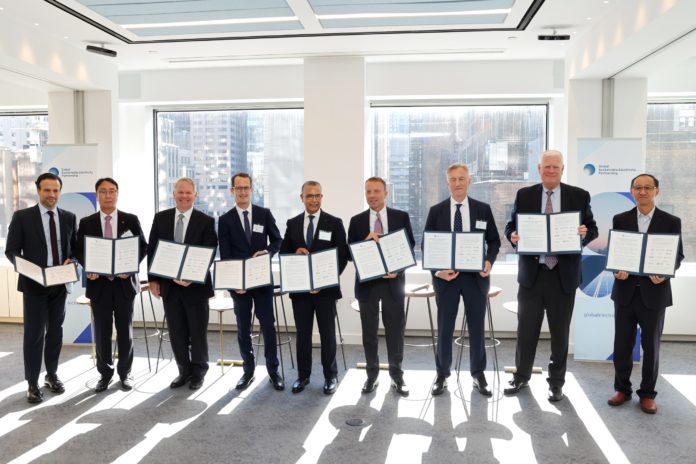
GESP Catalyzing Electrification Accord Launch Event

ZTE Corporation, a global leading provider of information and communication technology solutions, has endorsed the Catalyzing Electrification Accord by Global Sustainable Electricity Partnership (GSEP), with the aim to co-create innovative approaches to accelerate electrification for the benefits of economic, environmental, and social sustainable development. ZTE actively supports the accord and is committed to promoting energy transition via digital and intelligent technologies, contributing to the decarbonisation and climate goals across the globe.

GSEP is a global alliance focusing on solving global power problems within an international framework, and promoting electrification to achieve sustainable energy development. Catalyzing Electrification Accord is the culmination of the work by the Strategic Open Dialogue on Electrification (SODE), a global coalition created by the GSEP that brings together 14 forward-thinking companies from the power sector, end-user sectors (telecommunication, transport, industry and building), as well as strategic and technology partners.

14 forward-thinking companies

The Accord offers five concrete recommendations and action steps to accelerate electrification, including deploying policy frameworks that back up electrification, fostering new innovative business models, accelerating information flows along and across value chains, ensuring a swift and efficient energy transition, and keeping the infrastructure in place to be fit for the transformation.

As a member of the UN Global Compact and Global Enabling Sustainability Initiative (GeSI), ZTE is dedicated to promoting global sustainable development, and defines strategic priorities for sustainable development based on the 17 UN Sustainable Development Goals and industrial trends, to actively fulfill corporate social responsibility.

Facing the challenges brought by low-carbon transformation, ZTE, as a major player and contributor dedicated to the ICT industry for 37 years, paves a green path to digital economy by promoting green operations, green supply chain, green digital infrastructure, and empowering the green development of industries. Through practising green operations, ZTE’s goal is to realize carbon peak by 2030 and carbon neutrality before 2060, respectively.

Working with its partners, ZTE continues to explore innovative and green 5G applications with over 60 exemplary projects delivered worldwide. Based on its rich experience in communication energy, ZTE has provided energy products and services for 386 operators in more than 160 countries and regions. According to the world’s leading research and consulting firm Frost & Sullivan’s assessment of the global telecom DC power industry, ZTE has been rewarded with the 2022 Global Telecom DC Power Product Leadership Award, in recognition of the company’s highly efficient, modular, intelligent and green power solution. Meanwhile, ZTE’s energy business has been further expanded to the power and transportation industry these years. By virtue of its digital intelligent technology of cloud and AI, ZTE provides products and solutions such as green power generation, smart energy storage, smart power consumption, energy management, electric vehicles and so on.

ZTE’s outstanding contributions and performance in sustainable development has been recognized in the industry. In 2022, both of ZTE’s A shares and H shares have been selected as the constituent member of the Hang Seng Corporate Sustainability Index Series. In addition, ZTE has officially been named to Fortune China ESG Influential Listing 2022. Since 2009, ZTE has been releasing the sustainability report to the public for 14 consecutive years.

Moving forward, ZTE will continue to fulfill its commitment to green and intelligent future, keep increasing the research in new energy, new materials and new devices, expecting to build a solid technical foundation for the green ICT base through key technological breakthroughs. Meanwhile, the company will be strengthening the integration of digital intelligent technology and traditional high-energy consumption industries, to actively accelerate the electrification with partners towards the sustainable development goals.

Stories Continues after ad
URA busts racket of cigarette smugglers in Koboko

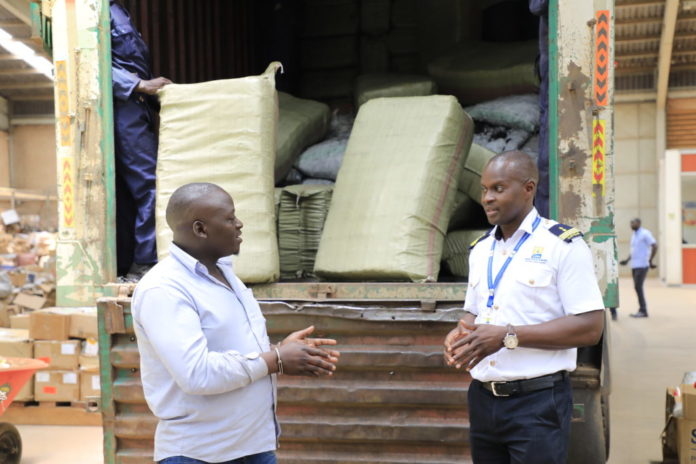
Patrick Kachope, the truck driver(L) explaining to the URA officer how he had always managed bypass security at the DRC border

The Uganda Revenue Authority (URA) Customs Team has busted a racket of smugglers who load cigarettes in trucks and conceal them in sacks of charcoal to Kampala.

URA says this group had a specific residence on the Democratic Republic of Congo side at which the loading was done on a weekly basis. According to the tax body, it is obvious that the monies they were already earning could not blur their ambition to stop smuggling because they had mastered the escape routes and deployed their own intelligence.

However, the antennas of the URA intelligence networks were raised further to end this “get-rich-quick “mission. And indeed, last Monday was the fateful day. The group loaded as usual but the truck driver could not go further than Koboko district. The porous route known as busia in Koboko had been surrounded.

By 10:00pm that day, the URA team swung into action and impounded the truck of registration number UBA 408U in Koboko town. The driver was immediately arrested.

During interrogation, Patrick Kachope, the truck driver said he was on his way to Kampala to drop the goods at the KK terminal in Arua Park. He had also been promised payment of Shs2,500,000 once this task was executed.

The truck was later driven to the Oraba station and upon first verification, 80 bags of charcoal were discovered stacked at the door as a way of concealing the cigarettes.

The second undertaking of verification revealed: 240 Bags of125 Bombers of super match cigarettes made in Uganda and marked for export totaling to 600 cartons of 50 Bombers and 4 Bags containing a total of 10 cartons of Oris cigarettes.

According to Philip Ofubo, the URA customs officer behind “the catch” the country lost Shs700 million of revenue. And since cigarettes are contrabands, they will be destroyed to rid the market of other prohibited products like; cosmetics, used computers, used fridges and polythene bags among others.

Burning the illicit cigarettes ensures visibility in the fight against such illegal activities and ensures the products cannot return to market. It also acts as a deterrent measure to perpetrators to discourage them from engaging in such illegal trade due to the high risk and losses incurred.

Julius Nkwasire, the Assistant Commissioner Enforcement urged the public to hire credible persons especially clearing agents.

“If you have a truck, be sure of the driver you are recruiting and guide him. Keep checking them and ensure they offload goods within the customs controlled area,” Nkwasire warned.

He added that failure to do so would attract penalties and the affected trucks would be forfeited to government.

For now, URA has continued to intensify intelligence guided operations leveraging on the use of Non-Intrusive Inspection technology at the border points and field intelligence enforcement operations.

URA is also intensifying tax education awareness, especially on the dangers of smuggling to the individual, the community and the economy.

Stories Continues after ad