Stanbic Bank
Stanbic Bank
28.6 C
Kampala
Stanbic Bank
Stanbic Bank
Home Blog Page 608

FDC members visit Dr. Besigye as his home remains under siege

FDC members visit Dr. Besigye

The Forum for Democratic Change (FDC) Party members have paid a courtesy visit to Dr. Kizza Besigye, who remains under house arrest. The Party members include; Buhweju County MP Francis Mwijukye, Kilak South MP Gilbert Olanya, Adeke Anna Ebaju, Okoti Pbitek junior, Nicholas Kamara among others.

Legislators moved along with lots of food stuff which included chicken, matooke and sundry, were first blocked by the police officers who have besieged the former presidential candidate’s home for the last five days.

Dr. Kizza Besigye was arrested last week and returned to his home as he attempted to walk to town in protest of the soaring prices of commodities in the country. He was scheduled to launch his latest campaign dubbed ‘Wakeup call’. He intended to mobilize citizens to protest against the hiking commodity prices in the country.

The legislators urged police to vacate Besigye’s home because the besieging of his home violates his right to movement among others enshrined in the constitution of Uganda.

Yesterday, police okayed Besigye’s lawyers access to his home however only five of them were cleared to go and interact with him. The five included; Lord Mayor Erias Lukwago, Kunihira Proscovia, Gawaya Tegulle, Nuwenyesiga Gilbert, and one other lawyer.

“We want to secure ways and means ensuring that he regains his freedom. We want to interface with him and see how we can secure his freedom. Unfortunately we are being barred here without any reason. The commander of this deployment said for today she can’t allow us to see him,” Lukwago said before being cleared.

He added police officers should respect the law, freedom and rights of Dr. Besigye and them, the lawyers.

Mr. Matia Kasaija, the Minister for Finance Planning and Economic Development has since blamed the skyrocketing price of commodities to high prices of fuel and Russia’s invasion of Ukraine. Currently, most of the prices of essential commodities in the country have doubled.

Dating from 2011, Besigye has spearheaded various protests in the country. Following his defeat in the 2011 presidential elections, he led the famous walk to walk campaign protesting the high prices of food and fuel.

At the peak of the campaign, Besigye was arrested for a fourth time on 28 April, during a ‘walk-to-work’ protest and sprayed with pepper spray and dragged from his car by police. His arrest acted as a catalyst for additional protests leading to riots across Kampala, in which at least two people were killed and 120 people wounded, leading to some 360 arrests.

Stories Continues after ad

Bobi Wine backs Besigye’s protest against high commodity prices

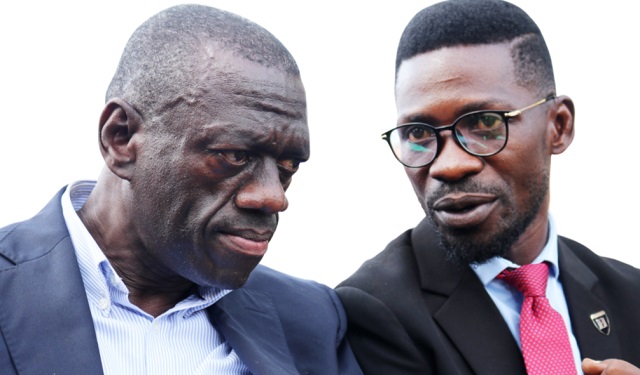
Kizza Besigye with Bobi Wine

The leader of the National Unity Platform (NUP) Robert Kyagulanyi Ssentamu aka Bobi Wine has backed Dr Kizza Besigye’s protest against the high cost of living in Uganda.

Wine said he stands in solidarity with the leader of People’s Front for Transition(PFT), Dr. Kizza Besigye who is currently under house arrest.

Besigye was on last week Thursday, intercepted by security operatives and put under house arrest for trying to mobilise protests against the high cost of living in the country.

For five days now, Besigye has not been allowed to move out of his home in Kasangati. Members of the public and journalists have also been barred from meeting him.

On Monday, Kyagulanyi said he was aware of Besigye’s siege and that he is standing in solidarity with his fellow friend in the struggle.

“Standing in solidarity with you Dr. Kizza Besigye as you approach your 5th day under house arrest; a punishment you are being subjected to for daring to protest against the skyrocketing cost of living.”

The NUP principle added that whereas his camp and that of Besigye disagree on approaches to remove president Museveni’s regime, that doesn’t take away the fact that they hold him in high esteem.

“The differences in our respective political approaches have not blinded us to the honour, fortitude and commitment with which you have gone about resisting oppression.”

On Monday, police spokesperson, Fred Enanga said they are still holding Besigye under house arrest to halt his plans of organising unlawful processions and assemblies in the city.

“He wants to use the unlawful assemblies and processions as a toll to manifest his discontent against surge in commodity prices and fuel in the country. On a number of occasions we have seen how these processions have violated rights of other members of the society,” Enanga said.

He added, “They have disrupted flow of traffic, looting of shops and roadside stalls, mugging and theft of phones from bystanders and other pedestrians and running battles with security personnel.”

Stories Continues after ad

5 suspected criminals arrested in night operation in Nansana

Suspected criminals

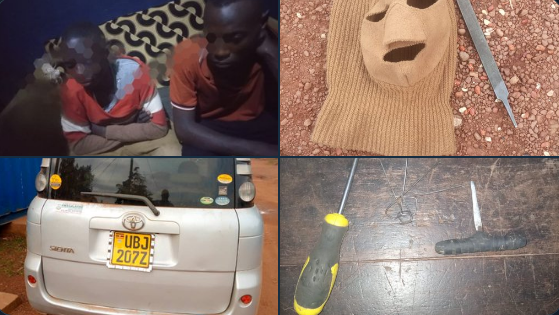
Five people have been arrested by a team of officers who were on night patrol at about 4am on 17th May 2022 along Kibuloka-Naluma road in Nabweru south II in Nansana police division.

According to the Kampala Metropolitan Deputy Police spokesperson, Luke Owoyesigyire, the patrol team sighted four people and moved in to make arrests, but one managed to get away, and only three were arrested.

Upon body search of the three suspects, the officers recovered housebreaking implements. Meanwhile, the continuous patrol in the area led police to a vehicle that seemed abandoned.

The officers approached the car and found two occupants who were asked to disembark, but they tried to resist by igniting the car. This prompted the Police officers to caution them of the repercussions of resisting. They later opened the car and were also arrested.

“A search has been done at their different homes and suspected stolen items, housebreaking implements and a head sock mask has been recovered. We have established that the vehicle recovered UBJ 207 Z SIENTA grey in color in the Dark spot of Kibuloka is used by the thugs to carry away what is stolen during the robbery,” Owoyesigyire said.

It is currently parked at Nabweru Police station while efforts are underway to have the five suspects processed and taken to courts of law.

Owoyesigyire said night operations are still ongoing with the aiming of deterring crime and arresting criminals in the policing area of Nansana.

Stories Continues after ad

Rice traders cry foul over taxes at Mutukula border

Rice

MPs on the trade committee are looking into a petition from rice traders urging Parliament’s intervention on a decision to halt their importation of rice without paying Value Added Tax (VAT).

This follows a directive by Deputy Speaker Thomas Tayebwa to the Ministry of Trade, Industry and Cooperatives to issue a letter to rice traders to enable them import rice through the Mutukula border, without any challenges.

During a House sitting on Thursday, 05 May 2022, Tayebwa said the rice traders petitioned him over the Rice Agribusiness Development Foundation (RADFO), a company that was given autonomous powers to import rice via Mutukula, which they said was frustrating trade.

RADFO made presentations to the trade committee on Monday, 16 May 2022, along with Kampala Rice Traders Association, Rice Millers Council of Uganda and Rice Business Sector Association.

Livingstone Ssenyonga from the Kampala Rice Traders Association revealed that several companies subscribing to the association were issued permits allowing them to import tax exempt rice from Tanzania.

He said it was unfair for the state minister for trade, Hon. Harriet Ntabazi, to direct the Uganda Revenue Authority (URA) to recall issued and operational tax exempted rice importation licenses, after traders had already expended money towards importation of the rice.

“The URA directive halting clearance of VAT exempt rice imports other than the 15 importers operating under the court order was erroneously issued since it appears to only favour the 15 importers who sued URA,” reads the petition.

In the petition, the traders observed that much as the move was aimed at boosting local production, they were not aware of any existing domestic rice stocks in Uganda, adding that traders had failed to buy locally in a bid to curb domestic rice scarcity.

“Officials at the border have been asking us to pay for VAT on the rice we import from Tanzania, a move that puzzled us. The trucks transporting the rice are being charged very highly which has made them stay long at the border,” Ssenyonga said.

“The longer our trucks spend held at the border, the more expensive it gets and if you add the tax they want us to pay, it will become costly for us to break even in our businesses,” he added.

Ssenyonga further noted that the rice traders did not get any information of the minister’s move to halt the importation of tax exempt rice, adding that of the 15 companies cleared by the minister, only five are currently operational.

He said some importers have resorted to going through the five operational companies exempted from paying import tax, to bring in their consignments of rice, however, at a cost.

He observed that rice traders are supposed to pay Shs180,000 for each ton of rice they import, exclusive of tax, which RADFO has been collecting.

However, the traders have been paying Shs220,000 per ton to the tax exempted companies, in a bid to have their consignments cross the Mutukula border.

“RADCO started charging this money at the beginning of January 2022 but stopped towards the end of March because we challenged them through our petition to Parliament. We have been importing exclusive of tax beginning with the last two days,” said Ssenyonga.

Moses Ssekandi, the Secretary RADFO, told the committee that the foundation was given the mandate to act as an apex body to regulate companies importing rice to Uganda.

This followed a petition by Rice Millers Council of Uganda to the Ministry of East African Community Affairs, citing stifling of rice production by the inflow of imports of the crop from other countries.

“By March 2021, a kilogramme of rice from Tanzania was at Shs2,100 on the Ugandan market, compared to rice produced locally, at Shs2,800. With this, millers in Uganda could not sell their rice favourably,” Ssekandi said.

He added that the move to implement a tax on rice imports helped to improve price competition on the market in favour of Ugandan rice growers as well as millers.

“RADFO started its work in January 2022 and by February, the price of locally produced rice had gained momentum at Shs2,900 compared to rice imported from Tanzania at Shs3,000,” Ssekandi noted.

He said owing to government’s mission of import substitution, RADFO executed its mandate at the border by encouraging importers to engage in rice production in Uganda through collection of the Shs180,000 per ton of rice imported.

He told MPs that the money collected would be used to assist the importers to invest in rice production within Uganda.

Phillip Idro from the Rice Millers Council of Uganda reiterated the need to check on the inflow of rice from other countries, so as to give Ugandan farmers and millers adding value to rice, an edge in the market.

“As farmers and millers who have invested, we would like to see control in imports so that the local farmers can increase production and make money,” Idro said.

Stories Continues after ad

NRM loses 12 members to FDC in Agago District

NRM loses 12 members to FDC in Agago

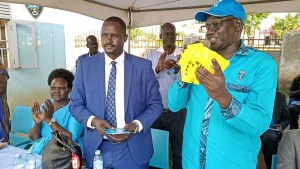
FDC party president Patrick Oboi Amuriat has welcomed 12 new members who defected from NRM. The team was presented to the President by the Agago District branch secretary for mobilisation and Organisation Mr Wilbert Opio. POA welcomed them to the Party and pledged to receive them in Agago officially in a due course.

The party was concluding its 2021 post-election review and audit meeting of the East Acholi Sub-region at FDC Kitgum District Party branch Offices in Kitgum Municipality.

While at the meeting, Eng. Amuriat condemned the house arrest of their founding President Rtd. Col. Dr.Kizza Besigye. Besigye was since Thursday May 12 put under house after his attempt to demonstrate over hiked commodity prices in the country.

POA assured the leaders that the party stand in solidarity with the campaign Col. Besigye.

The Greater Kitgum leaders meeting is part of the Party’s mobilisation expedition of Northern Uganda coupled with an evaluation of the 2021 general elections, the viability of the existing Party structures and checking on the health of the Party.

The meeting brought together former Party flag bearers at the level of Parliament and local Government as well as the Party grassroots structure leaders from the Districts of Greater Kitgum; Lamwo, Pader, Agago and Kitgum.

The Kitgum Municipality MP Denis Amere Onekalit used the occasion to thank the FDC Kitgum Municipality branch leaders for standing with him and protecting his victory.

He rewarded them with goats and the Party President presided over the handover of the goats to the Party leaders and commended them for having brought pride to the Party and struggle.

The meeting was graced by the presence of Hon. Denis Amere Onekalit the Kitgum Municipality MP, National Electoral Commission Chairman Hon. Boniface Toterebuka Bamwenda, National Mobilization and organisation Secretary- Hon Hassan Kaps Fungaroo, Women’s League Leader Ms. Faridah Nangonzi.

Deputy Secretary for publicity Mr Kikonyogo John, National Youth League Chairman Mr Mulindwa Walid Lubega, Dr Ekwaro George the FDC Deputy Mobilisation and Organisation secretary in charge of Northern Uganda, Hon. Centenary Robert ex-MP Kasese Municipality, Hon. Franca Judith Akello the ex Agago District Woman MP, Hon Ogwok John Komakech the ex Lamwo District LCV Chairman and the Chua County West MP Hon. PP Okin Ojara was absent with apologies as he was busy in Omoro County heading the campaign expedition of the FDC flag bearers.

On Tuesday, the caravan heads to West Nile reaching out to the greater Moyo Districts; Obongi, Adjuman and Moyo.

Stories Continues after ad

E-hailing services can greatly improve road safety, if properly utilized

Moses Mugerwa, Operations Manager Bolt Uganda

By Moses Mugerwa

Uganda’s public transport has undergone some notable changes in the past decade or so. New technology and use of smartphone apps has changed the way many Ugandans access boda-boda and taxi services. 

E-hailing companies in Uganda such as Bolt have now become major players in an industry that used to be characterized by limited transport choices.

In addition to being more convenient, well-regulated and affordable, e-hailing services can also be the answer to improved safety on our roads. Through the GPS tracking of all rides taken on the e-hailing platform, safety is assured, and therefore, cases of unsafe incidents affecting riders and drivers, exclusively using registered apps are rare.

The exceptional cases usually occur when drivers or riders request for offline trips in order to bargain over the fare for the ride.  In such circumstances, Bolt strongly discourages the use of the platform by drivers and/or riders to access contacts, and to negotiate for offline trips. This is because taking trips offline, turns off the app’s GPS tracking, thereby, neither the driver, nor the rider is traceable on the platform in case of accidents, or emergencies.

E-hailing service operators have put in place clear-cut measures to ensure safety for both drivers and riders. Here are some of the measures that Bolt provides through its app which makes it possible for Ugandans to enjoy safe, convenient and affordable ways of moving from one place to another.

Screening and Vetting Drivers

Bolt continually strives to ensure that the drivers that use their apps are extensively screened and vetted. This is to ensure riders are being transported by professional drivers.

Once a driver has applied to be boarded onto our platform, we take about two weeks cross-checking their background on databases for licensing and criminality. We also check if the driver has a professional driver’s permit and we also require them to present a criminal record police clearance certificate.

In addition to vetting the driver’s character, we ensure that the vehicle and/or motorcycle presented is roadworthy, and in very good conditions.

Monitoring drivers

Through the use of our GPS tracking devices (GPS), the Bolt app monitors the activities of the drivers at all times. To prevent drivers from working while fatigued, we prompt them to go offline for about six hours after 12 hours of work. This ensures alertness on the road. We also continuously send alerts to drivers to maintain a safe speed during the ride.

Bolt also checks for change in route or unusual stops by drivers as a safety precaution. If a vehicle has been stationary on a trip for longer than 15 minutes, a push message is auto initiated and a ticket is sent to the safety team.

Safety Kit

Riders also have the safety kit tool on their app which consolidates safety features in one location, and promotes safety features. This allows riders to share their Expected Time of Arrival (ETA) with their friends and family whilst on a trip.

VoIP

The Bolt app allows the use of Voice over Internet Protocol (VoIP),which is a technology that allows you to make voice calls using a broadband Internet connection instead of a regular (or analog) phone line. This allows both drivers and riders to hide their phone numbers from both parties, when requesting for a ride. This prevents either parties from trying to reach each other after a ride is concluded, which at times leads to harassment.

Feedback from the customers

As a way to enhance safety, our application has an inbuilt feedback button that allows customers to rate the drivers, and report any mishaps that could have happened during the ride. This helps us to keep our drivers in-check and helps guarantee that they adhere to all the rules and regulations.

Customers are also able to see the identity of their driver. For example, standard features on the app include photos of drivers, their unique identification number and vehicle registration number for vehicles. This helps with identifying issues of impersonation or a driver arriving with a different car from what is on the app.

Technology has made it possible for trips to be tracked using GPS. Meanwhile, enroute, the passenger is able to monitor the trip using the app. In other markets like Kenya, our driver and rider apps both have an SOS emergency button that can be used to alert, and seek for security and/or first response medical assistance at any time during a Bolt trip. The SOS button is reserved for medical and security emergencies when a driver, a rider or another road user is in immediate danger, during a Bolt ride. Bolt is working to get partners to avail the SOS button option to the Ugandan market.

In conclusion, achieving safety on our roads is a continuous process that will be achieved successfully with the combined efforts of all relevant stakeholders involved.

 The writer is the  Operations Manager Bolt Uganda

Stories Continues after ad

Involving men in tackling Gender-Based Violence in Uganda

As a community educator on child abuse and gender-based violence, Amos Ojandu often responds to domestic violence incidents in his local district of Yumbe in northern Uganda.

“My neighbour used to fight with his wife every day because he suspected her of cheating on him. When she refused to have sex with him, he would beat her in front of the children and kick her out of the house,” he recalls, describing how he would plead with the husband to allow her to return home.

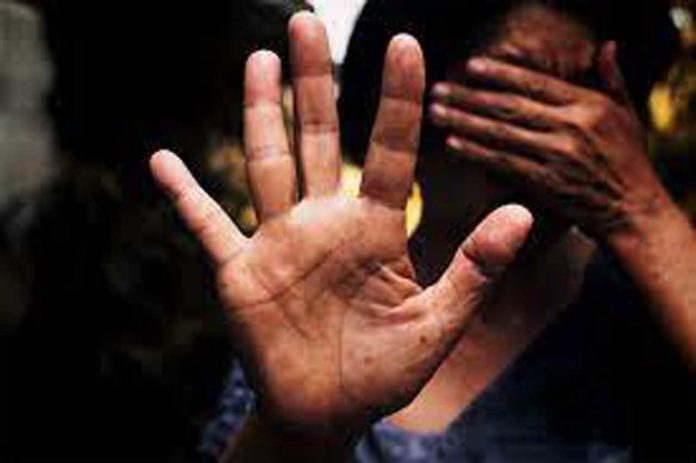
Gender-based violence (GBV) is a serious violation of human rights and a life-threatening health and protection issue. It refers to harmful acts directed at an individual based on their gender, and is rooted in gender inequality, the abuse of power and harmful norms. This can take several forms such as intimate partner violence, sexual violence, child marriage, and female genital mutilation.

In Uganda, a four-year programme known as 2gether 4 SRHR that started in 2018 aims to improve sexual and reproductive health and rights in the country. World Health Organization (WHO) and partners are supporting the government in its initiatives to tackle gender-based violence and deliver greater access to health services and assistance to survivors of abuse or violence.

Funded by the Swedish International Development Cooperation Agency, the 2gether 4 SRHR program is being implemented in eight districts in Uganda, to support the government create an enabling legal and policy environment that empowers people to exercise their sexual and reproductive rights and to access quality integrated services to address sexual and reproductive health, HIV and gender-based violence.

With support from WHO and other partners, the program has developed a variety of tools. These contain the training manual for male action groups including service standards for Male Friendly services; the training manual for health workers on the management of rape survivors, the quality support supervision tool for GBV services, the GBV registry for health facilities, and IEC materials for health and community workers.

In addition to the tools developed, the program has trained over 240 health workers and 75 district officers, police officers, and primary, and secondary school teachers in their roles and responsibilities in the prevention and response to gender-based violence and support to survivors. Topics of training include clinical management, an appropriate response to survivors of gender-based violence, networking, and multi-sectoral responses to gender-based violence both for men and women.

At the regional level, WHO has advocated for the inclusion of men’s participation in the regional agenda for reproductive and child health, and in addressing GBV issues.

Juliet Cheptoris, Focal Point for Gender-Based Violence at the Ugandan Ministry of Health, notes that in Uganda’s largely patriarchal society, male dominance is culturally accepted and supported by strong community norms and values that can negatively affect health outcomes for men, women, adolescents, and children.

“The 2gether 4 SRHR programme uses evidence-based interventions guided by the male involvement strategy, which will strategically improve population health outcomes in the country,” she says.

Male Involvement Groups set up in each of the programme’s eight target districts aim to increase the participation of men and boys in activities related to reproductive, maternal, newborn, child, and adolescent health and nutrition; gender-based violence and violence against women; and sexual and reproductive health and rights, including HIV and tuberculosis.

“We train participants on men’s roles and responsibilities in sexual and reproductive health and rights,” says Patrick Ozimuke, a nurse and trainer in Yumbe District.

“We educate all participants on their right to enjoy their sexuality to the fullest and to achieve their reproductive health goals and rights, but we highlight the fact that this must be done responsibly,” he adds, underscoring the need for men to participate effectively in their health and well-being while respecting the rights of their partners and children.

Health workers have been provided with the right information and mentored to deliver integrated services, including identifying gender-based violence cases through the reproductive health services they provide. They are now able to manage or refer patients for assistance.

Communities are also more willing to discuss and disclose issues around gender-based violence, says Dr Olive Sentumbwe, National Professional Officer for Family and Reproductive Health at WHO Uganda office, also noting that men are becoming more involved.

“The potential benefits of men’s involvement include improved family health, better communication between couples, joint and informed decision-making within households, and better sexual and reproductive health,” she says.

Community Educator Ojandu agrees, having participated in his local Male Involvement Group.

“Men and women have the same rights and that we should always agree before we act. Sometimes children do not need to know that their parents are in disagreement, because it also affects their psychosocial health,” he says.

Today, Ojandu organizes a community dialogue in which members discuss and advise each other on domestic problems. He and other community-level service providers note that reporting of gender-based violence has increased.

“People are no longer ashamed to report their cases. They know they have the law on their side, and we always make sure they get the right treatment.”

Stories Continues after ad

World Telecommunication and Information Society Day: MTN dedicates over Shs2.8bn to ICT interventions for 2022

The MTN Internet bus equipping young children with ICT Skills

MTN Uganda has joined the world to commemorate World Telecommunication and Information Society Day with a commitment of Shs 2.8 billion dedicated towards the advancement of information and communication technologies (ICT) targeted initiatives in the country.

Celebrated on May 17th, World Telecommunication and Information Society Day is commemorated annually to raise awareness of the potential transformation that the use of the Internet and other ICTs can impact on societies and economies, as well as ways to bridge the digital divide.

MTN Uganda through its Corporate Social Responsibility (CSR) vehicle, MTN Foundation has dedicated 60 per cent of its 2022 annual budget towards information and communication technologies (ICT) targeted initiatives.

According to Enid Edroma, MTN General Manager for Corporate Services, MTN Uganda is taking a deliberate effort towards sustainably educating and skilling Ugandans in ICT.

“Over the years, the focus of our CSR has been mainly in the health sector and I am glad to note that we have registered positive outcomes and touched the lives of so many people through the various initiatives undertaken. This year, we are shifting our focus more towards ICT as we strive to ensure no one is left behind amid the global shift towards ICT and digitization propelled especially by the effects of the coronavirus,” she explained.

She added: “Therefore, of the Shs 4.8billion shillings afforded to the MTN Foundation’s 2022 CSR activities, 60% of that will be set aside for ICT related initiatives. This move is testimony to MTN’s commitment to creating a modern connected society and ensuring that communities reap the benefits. These efforts will also be complemented by initiatives supporting non-ICT sectors for instance, health and education.”

World Telecommunication and Information Society Day has this year been held under the theme: Digital technologies for older persons and healthy ageing.

Further explaining the rationale behind the strategic shift, Edroma said that MTN is seeking to support and empower marginalized groups of people such as women and people in rural areas among others through ICT targeted initiatives undertaken by the MTN Foundation.

Key among the initiatives and focus this year is the MTN Internet Bus which traverses parts of the country equipping people with basic computer skills, the MTN ICT Community hubs and the National ICT Innovation Hub program.

In 2020, MTN also introduced the MTN Youth Skilling Program which among other aspects trained and equipped youth with digital skills to enable them create and sustain businesses digitally. More than 100 youths have been equipped with skills in ICT since inception of the program.

According to Edroma, the vision behind the strategic shift to boost ICT training is to realize a Uganda that is much more technologically savvy to create solutions for challenges in the country and also enable her citizens compete on the global space.

Stories Continues after ad

Uganda Bankers’ Association elect Sarah Arapta as new Chairperson

Mathias Katamba handsover to Sarah Arapta

The Uganda Bankers’ Association (UBA) has elected Sarah Arapta as their new chairperson, becoming the first female to head the association.

She takes over from Dfcu’s Mathias Katamba who served for two years 2020 and 2021.

“We are pleased to announce that members of the Uganda Bankers’ Association at the Annual General Meeting held last Friday, 13th May 2022, elected Ms. Sarah Arapta, CEO Citi Bank Uganda as the new chairperson, taking over from Mathias Katamba who served for two years 2020 and 2021,” the association said.

“Ms. Sarah Arapta begins her tenure this May 2022, making her the first female chairperson of the Association. We applaud and appreciate Mathias Katamba for his excellent leadership as chairman.”

Other members elected on the Executive Committee include; Mr. Julius Kakeeto, as Vice-Chair, Mr. Shem Kakembo, as Hon. Treasurer, Mr. Raj Kumar Meena, as Hon. Auditor, Mr. Olalekan Sanusi, and Mr. James Onyutta, as Committee Members.

Uganda Bankers’ Association is an umbrella organization for licensed commercial banks supervised by Bank of Uganda. UBA was established in 1981 and is currently made up of 35 members (All 25 licensed Commercial Banks + Uganda Development Bank+ East African Development Bank).

It administers a number of committees and working groups that advises the Association on regulations and legislations that affect its members. The Committee are made up of representatives of member Banks.

Stories Continues after ad

130 officers grace UN interviews

Officers grace UN interviews

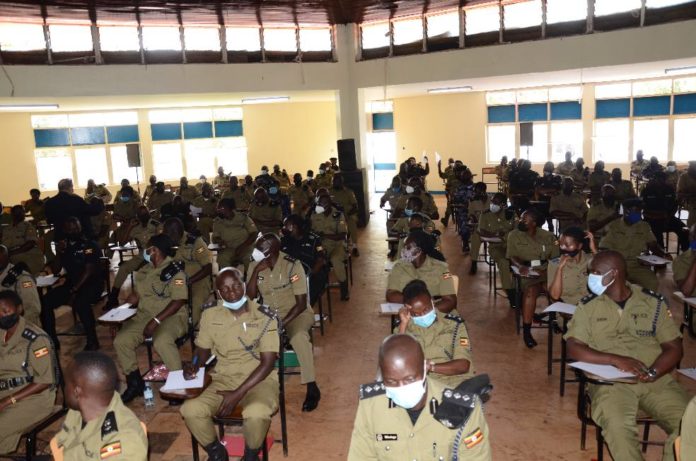
130 officers have sat for United Nations (UN) interviews ahead of an opportunity to work in the Mission to advance their experience and policing at the International level.

The assessment exercise that had 42 female and 88 male police officers was convened at MTAC building in Nakawa- Kampala this Monday 16th May 2022.

The officers were subjected to written interviews that were conducted by officials from UN SAAT Coordinator, Mr Eya Mahadeen from UN headquaters based in New York and Ms Wafa Ben El Ayara based at United Nations Integrated Transition Assistance Mission in Sudan (UNITAMS).

Mr Mahadeen stated that the assessment will be conducted in five stages. He emphasized cooperation, compliance and strict adherence to the rules and regulations to avoid disqualification.

“Those who will qualify will get an opportunity to serve with UN mission, something that will be a life changer professionally from the experience acquired and financial status,” he stressed.

According to the head Peace and Support Operations, Commissioner Amoru Martin, Uganda Police Officers perform tremendous tasks assigned because most of them are hardworking, social, responsible and extremely experienced.

Mr Amoru reiterated that the officers that will qualify are to be deployed in United Nations Mission in South Sudan with a two year validity.

Stories Continues after ad