Stanbic Bank
Stanbic Bank
17.4 C
Kampala
Stanbic Bank
Stanbic Bank
Home Blog Page 668

UBL wins Best HR Practices in Uganda

UBL's Rosemary Nakuya receiving ESG Compliance Award on behalf of the company. She was accompanied by Ag. MD Eunice Waweru and CR Manger Jackie Tahakanizibwa

Uganda Breweries Limited (UBL) was on 18th February 2022 awarded as the winner for the Best Human Resource (HR) Practices in Uganda. UBL was recognised during the Prudential Best HR Practices Report launch at Kampala Serena Hotel.

The recognition came following the Prudential Best HR practices survey with various industry players, on the best HR practices critical for influencing excellent employment practices in Uganda today.

The survey invited employees to comment, rate and assess their employers HR practices and policies by responding to questions in the survey in 12 different thematic areas such as organisation, performance and confidence, Leadership alignment and involvement, Collaboration and Communication, Reward and Recognition, Quality and Innovation, Diversity and Inclusion, Learning among others.

To emerge overall winner, UBL came among the top three in 6 different thematic areas of the study: Organisation Performance and Confidence, Quality and Innovation, Diversity and Inclusion, Environmental, Social and Governance (ESG) Compliance and Employee wellbeing and wellness.

The brewery also received awards for two of the categories we were nominated in; Organisation Performance and Confidence as well as Environmental, Social and Governance (ESG) Compliance.

The fore listed categories are core to the company’s operations as a business with some headlining our Society 2030: Spirit of Progress agenda. Diversity and Inclusion for instance is an agenda through which UBL has been able to overcome long held societal beliefs and stereotypes at the work place.

In line with Diversity and Inclusion, at has employed women in production processes that were previously men’s stronghold. Currently, one of the production lines at the brewery is managed by a 75% female staff and has a production capacity of over 25,000 bottles. 

At the beginning of last year, as founder members of the Uganda Business and Disability Network, UBL committed to make our work place PWD accessible both in physical transformation of workplaces and creating an enabling psychological environment in readiness.

As part of that commitment, UBL has held several debiasing sessions to empower and prepare staff at UBL for a grander plan to ensure that at least 10% of all our recruits are people with disabilities.

The UBL Human Resource Director Catherine Njonjo in her acceptance speech for the award applauded the entire UBL Staff for working every day to ensure that the company puts the welfare, wellbeing of them.

She dedicated the award to all staff.

“I am overwhelmed with gratitude that our company has been recognized as the overall winner for Best HR Practices in Uganda. I am honored that this amazing company gets to be recognized for what, internally, we already see and live every day. Uganda Breweries truly is the best place to work, and I am happy that the rest of the country gets to celebrate that with us today.” Ms Njonjo said.

In category Organisation Performance and Confidence, Uganda Breweries competed with Umeme Limited and Bidco Uganda Limited. In the Environmental, Social and Governance (ESG) Compliance category, the other finalists were Cipla Quality Chemical Industries Limited and Watoto Child Care Ministries.

The survey that was commissioned by Prudential Uganda in partnership with Uganda Investment Authority (UIA), Private Sector Foundation Uganda (PSFU), Federation of Uganda Employers (FUE), Human Capital International, PwC Uganda and Brighter Monday attracted participation of close to 2,000 employees from 534 organisations in Uganda.

Stories Continues after ad

LetsGo nation to share their ‘Power to be and Do’ journeys across Africa

Twitter Space Event_speakers

On 22nd February Letshego will be taking to Twitter Space to host its latest stakeholder engagement on Twitter with the ever-popular Connect Spaces platform. This sees a celebration of collaborative regional efforts of Letshego’s proudly African LetsGoNation community, while also promoting the inclusive finance entity’s progressive transformation to digital, for the benefit of customers, suppliers and communities across Africa. 

Digital warriors who attend the event can look forward to meeting LetsGo event host, Mpoeng Mphoeng, one of Twitter Space’s earliest adopters, and founder of the popular and influential @BWConnectSpaces. Social Enterprise Entrepreneurs and recognisable Influencers of the likes of Vee Mampeezy and Thabiso Mashaba from Botswana, Mr. Macoroni from Nigeria, Neyma from Mozambique, Tracy Owusu Addo from Ghana and Masoud Kipanya from Tanzania will be joining this live online event.

Twitter Space is a unique, and fast-growing space for widely-known community trailblazers to share personal insights into their own experiences, learnings and unpack the ingredients for success that brought them the opportunities they celebrate and build on today. 

Letshego’s ‘LetsGoNation’ is an online-based community for all Africans to join, network and share experiences, celebrating their passion for our continent and collaboration in building Africa by Africans, in simple terms, ‘Getting it Done’! Fellow Africans who wish to join the movement are invited to sign up at letsgodigitalafrica (@africaondigital) / Twitter . The Twitter Space event will be hosted on Tuesday 22 February at 6pm (CAT)/8pm (GTM)/9pm (EAT).

In 2021, Letshego progressed its digital strategy by launching the ‘LetsGo Digital Mall’ in 10 markets across sub-Saharan Africa. The LetsGo Digital Mall is an Omnichannel integrated platform that customers can access via Web, WhatsApp USSD and Mobile. The reason for the term “Mall” is Letshego’s insight into the evolution of this platform into a digital platform that will serve to link customers, suppliers, services through a one-stop platform for all regional customers.  For now, the Digital Mall serves as a catalyst to provide customers with a simple and accessible platform to their accounts, as well as a simple easy solution to apply for or top up their personal loans.

In marking the launch of Letshego’s first truly online event, Chipiliro Katundu, Letshego’s Group Chief Marketing Officer commented, “Our first regional online event celebrates our #LetsGoSpirit, and unlocks conversations between our diverse nations and trailblazers who share Letshego’s passion and commitment to making a difference in their respective communities to ‘improve lives’. The LetsGoNation brings us together to celebrate those nuances that make our continent and people unique, while enabling us to collaborate in creating a brighter future for all.”

Objective: The conversation about Africa’s #LetsGo spirit, powered by Digital will best be accelerated through use of relevant content platforms/channels.

Platform: Twitter Spaces unlocks conversations with the depth and power only the human voice can bring – this is how Letshego meets Africa in 2022 –  through the #LetsGoDigitalAfrica Space. 

The conversation – Leveraging the power of ideas, digital, unlocking opportunity, side hustles, turning passions to business while connecting start-ups, hustlers, and innovators, Digital Ideators, African fintechs, Boss Ladies and the Ogas, the young entrepreneurs, visionaries, the creatives, trail blazers and trendsetters

The LetsGo Twitter Space event is a vehicle to connect start-ups, side hustles, innovators digital ideators and African Fintechs with young entrepreneurs, visionaries, creatives, trail blazers and trendsetters to deliver a sharing and cross-pollination of ideas that can later be transformed into viable business opportunities.

Giles Germany Aijukwe, Letshego Uganda CEO added, “Today, we have onboarded over 100000 EAC customers onto our Digital Mall. Through digital, we can not only enhance access and create a seamless experience for our customers, but also deliver more products more regularly – in Uganda, our customers can look forward to new solutions in (housing) and (payments) available with a few clicks via our Digital Mall channels.”

Stories Continues after ad

Sudhir, Gov’t to build Shs140b Convention Centre at Munyonyo

Sudhir and Kasaija welcoming PM Nabbanja

Businessman Sudhir Ruparelia and the government of Uganda will build a modern Convention Centre at Commonwealth Speke Resort Munonyo. The centre will host 3,000 delegates and its first conference will be the Non-Aligned Movement (NAM) scheduled for next year.

The signing of the Memorandum of Understanding (MoU) between Sudhir and government was done on Saturday. It was attended by Prime Minister Robinah Nabbanja, Finance Minister Matia Kasaija, Permanent Secretary Finance and Secretary to the Treasury Ramathan Ggoobi.

Sudhir and Kasaija welcoming PM Nabbanja

The construction is estimated to cost $40 million (Shs140 billion) but it remains unclear how much each side will invest.

Finance Minister Matia Kasaija said the government lacked enough money to build its own convention centre on its land. “It is an urgent project and a lot of money is needed which will be difficult for government to muster at a short notice. There are many things we have to do so if we find a partner then it is easier,” he said.

Negotiations during the Saturday meeting at the commonwealth resort centered on how much each party to the proposed joint venture will invest in the project, assets management and as well as profits/loss sharing.

Kasaija added; “We are undertaking the project in partnership with Sudhir. The government puts in and Sudhir also puts in money. The architects are still calculating and then we will know how much government and Sudhir are going to pay. If we go together in business, when it starts to make money, we share the profits”.

Cautious to avoid a repeat of venue debacle during the CHOGM that Uganda hosted in 2007, Prime Minister Nabbanja expedited a process for Uganda to have its own national convention Centre.

Sources familiar with the discussions from the meeting on Saturday, said the project is to compromise a 3,500 seat ultra-modern auditorium, a suspended restaurant overlooking Lake Victoria, while additional presidential suites will be created with smaller conference rooms for sideline meetings during the NAM summit.

During the meeting on Saturday, a cross section of government technocrats and Sudhir employees thrashed out details of the project, including pre-viewing the architectural designs.

The NAM summit movement comprises 120 countries that are not aligned to any of the rival eastern and western power blocs and it was founded during the Asian-Africa meeting in Bandung, Indonesia in 1955.

It is leaders of these countries in Africa, Asia, Europe and the Americas, with observer China and Russia who are expected to convene in Kampala in November 2023 for the movement’s summit.

“We are expecting 126 heads of state for the NAM conference. We have to set up a befitting conference Centre where they can deliberate. We are planning and we will be successful,” Kasaija said.

The commonwealth Speke Resort Munyonyo is a five star resort privately owned by Sudhir’s Ruparelia Group, and hosts major government and international events. It currently has 19 conference halls and 5 outdoor spaces for conferences.

Stories Continues after ad

Gen. Muhoozi warns Rwanda’s Gen. Nyamwasa not to use Uganda for his ‘stupid wars’

Gen. Muhoozi Kainerugaba

Senior Presidential Advisor on Special Operations and Commander Land Forces of Uganda People’s Defence Forces’ (UPDF) Lt. Gen. Muhoozi has warned Rwanda’s opposition leader Gen. Kayumba Nyamwasa of using Uganda for his own adventures.

Through his Twitter account on February 19, 2022, Gen Muhoozi said, “General Kayumba and the RNC (Kayumba’s party), I do not know the problems you have in Rwanda with the RPF / RDF. I advise you never to use my country in your actions.”

Muhoozi said the illegal and criminal activities of Rwanda National Congress (RNC) in Uganda in the past were driving the country to a stupid war.

“This is not about political points. I have no interest in politics. The illegal and criminal activities of RNC in Uganda in the past were driving us to a stupid war! All those who were involved in that deceitful enterprise will be found out!” he added.

Gen Muhoozi continues to show remorse by reuniting the two countries.

Stories Continues after ad

PICTORIAL: Dr Angela Museveni introduces Amanya Tumukunde

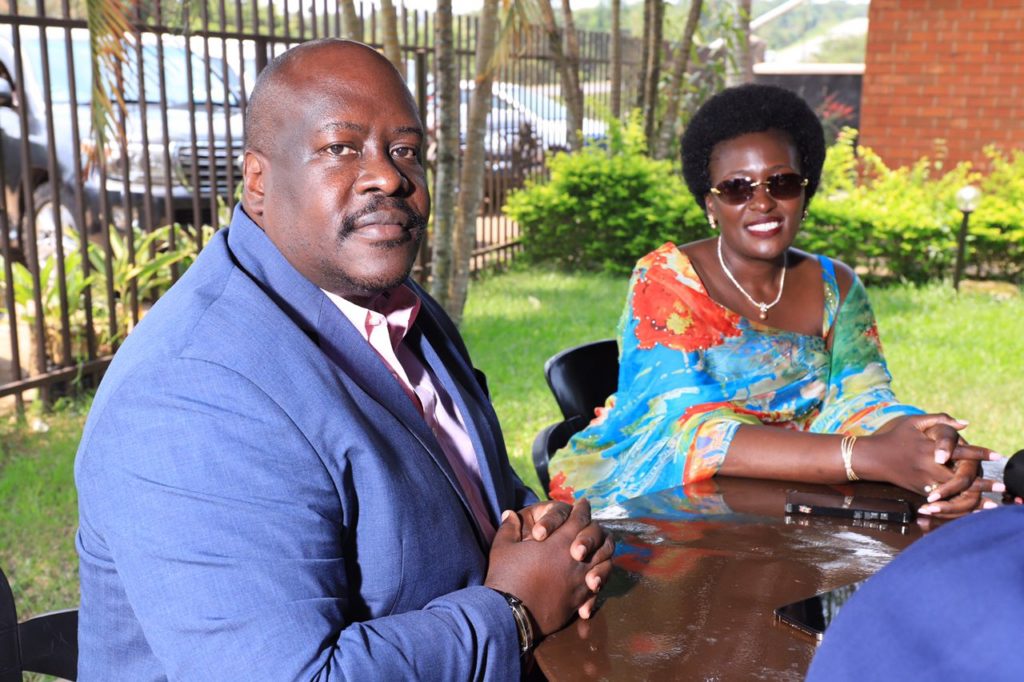
Mr. Amanya Tumukunde and Dr Angela Museveni.

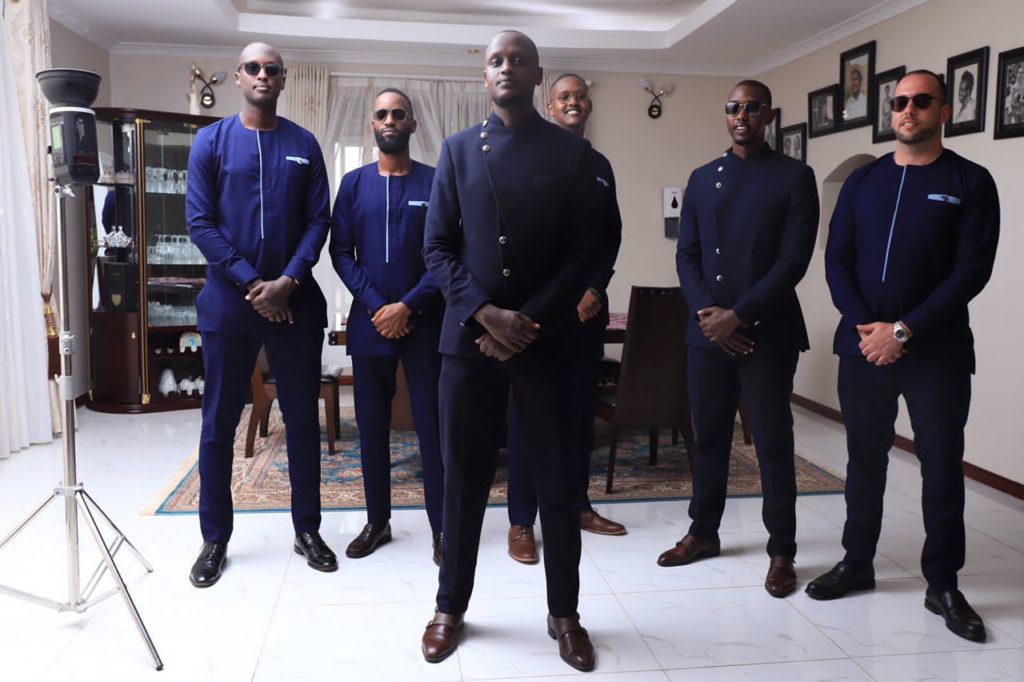
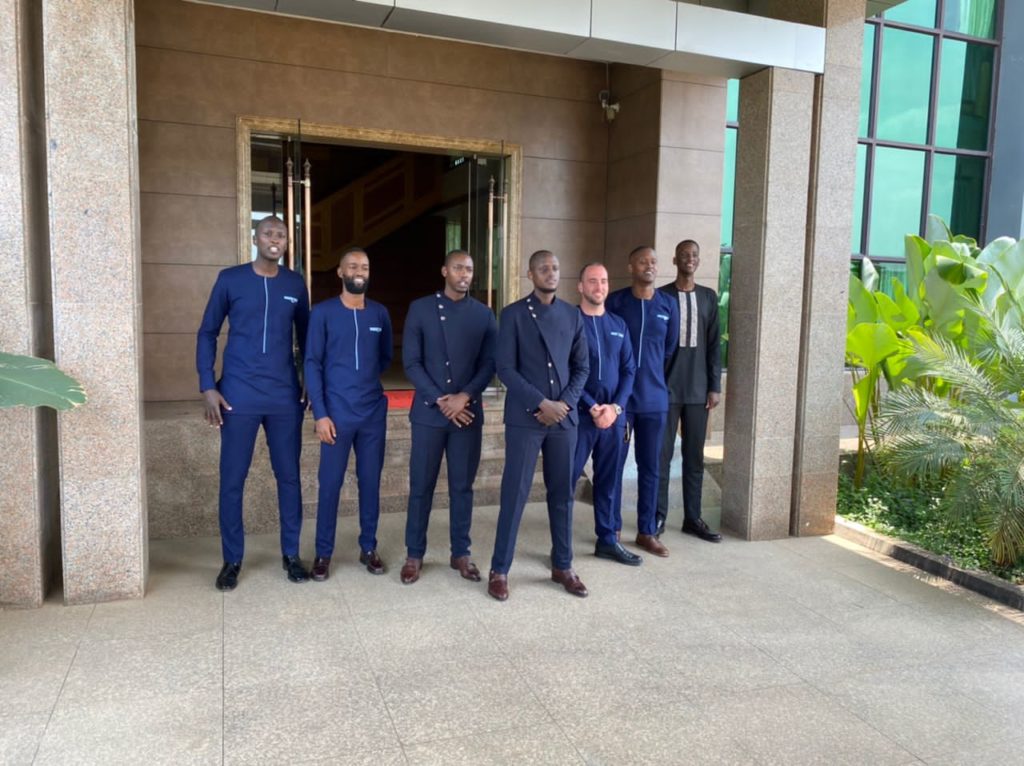
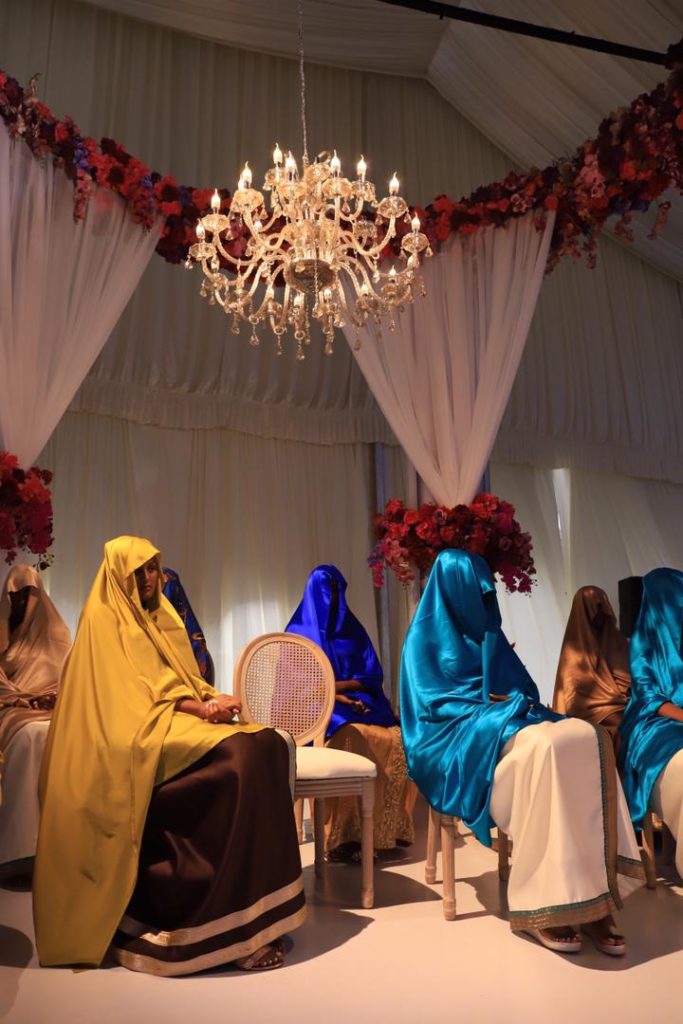
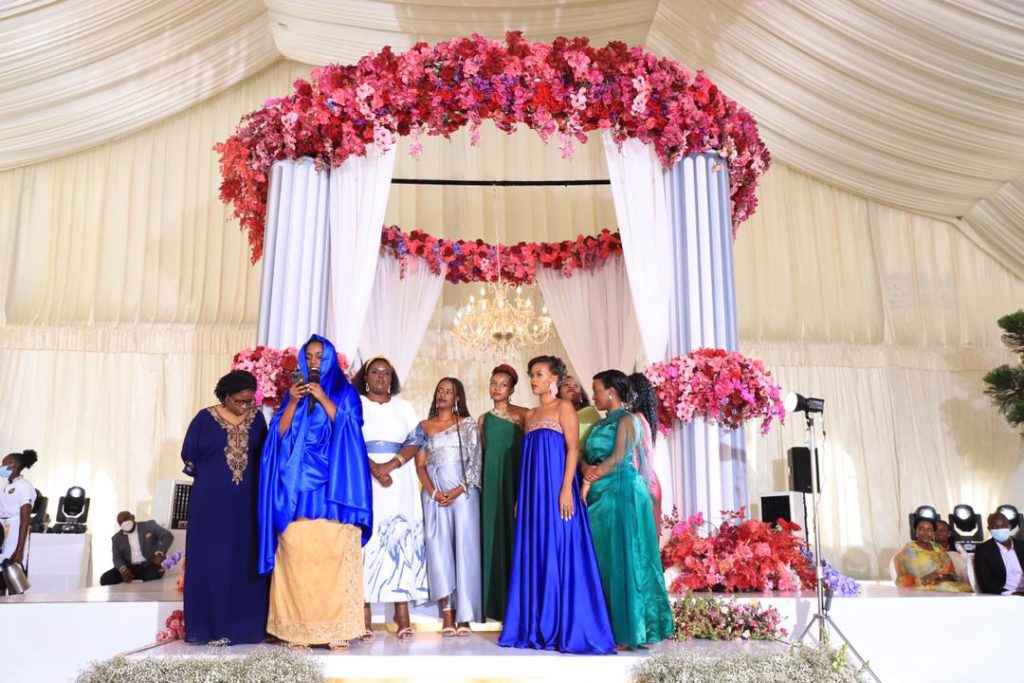
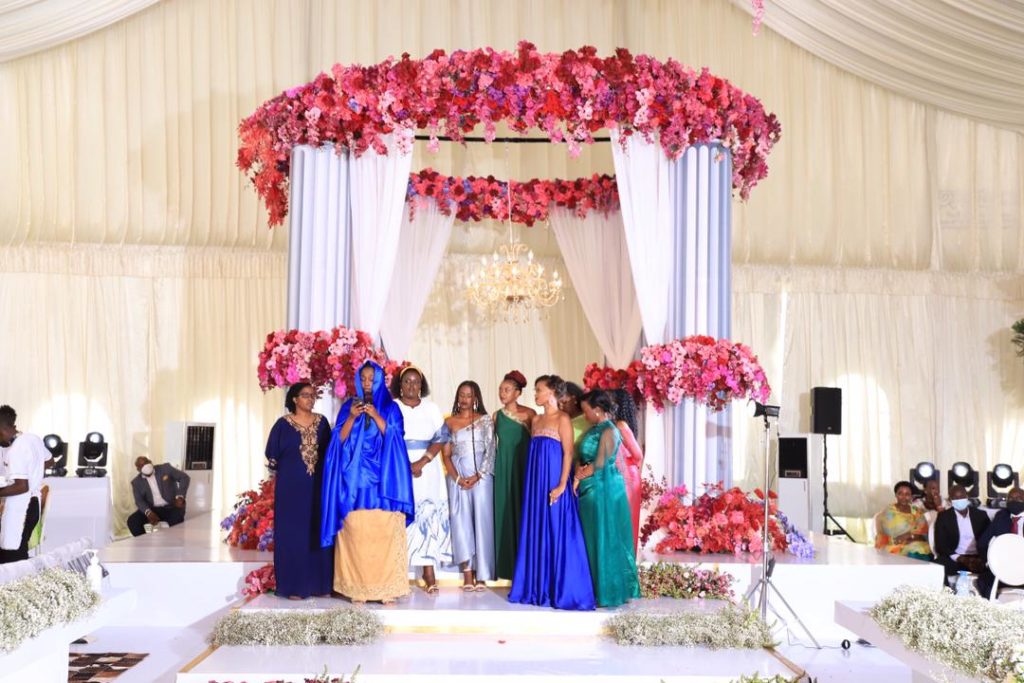
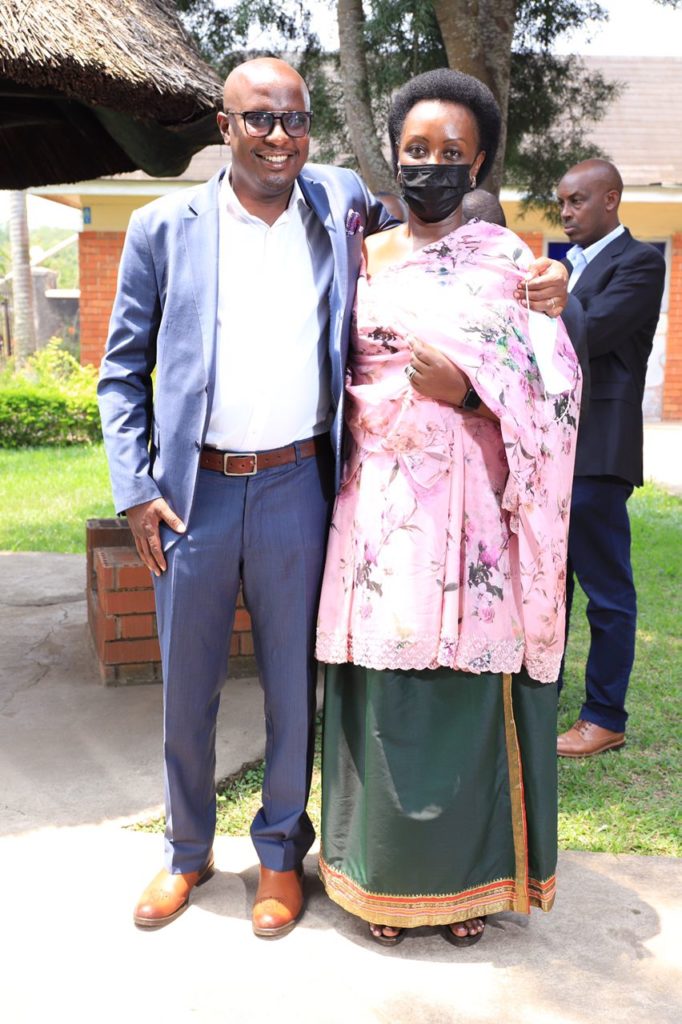
Gen Henry Tumukunde’s son, Amanya Tumukunde Ndahura has today been introduced by President Yoweri Museveni and Enid Kukunda’s daughter Dr. Angela Nagasha Kakishozi in Lyantonde district.

There was presence of the Speical Forces Command (SFC) to provide security for the invited guests during the introduction ceremony.

President Museveni was represented by Gen Salim Saleh at the function.

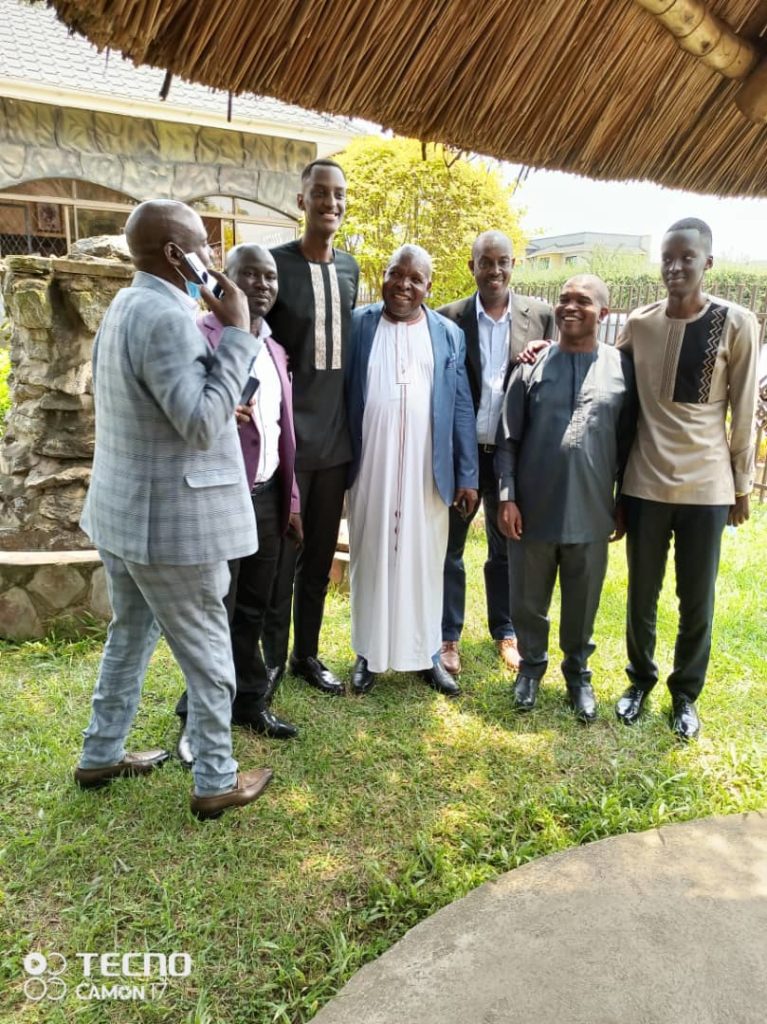
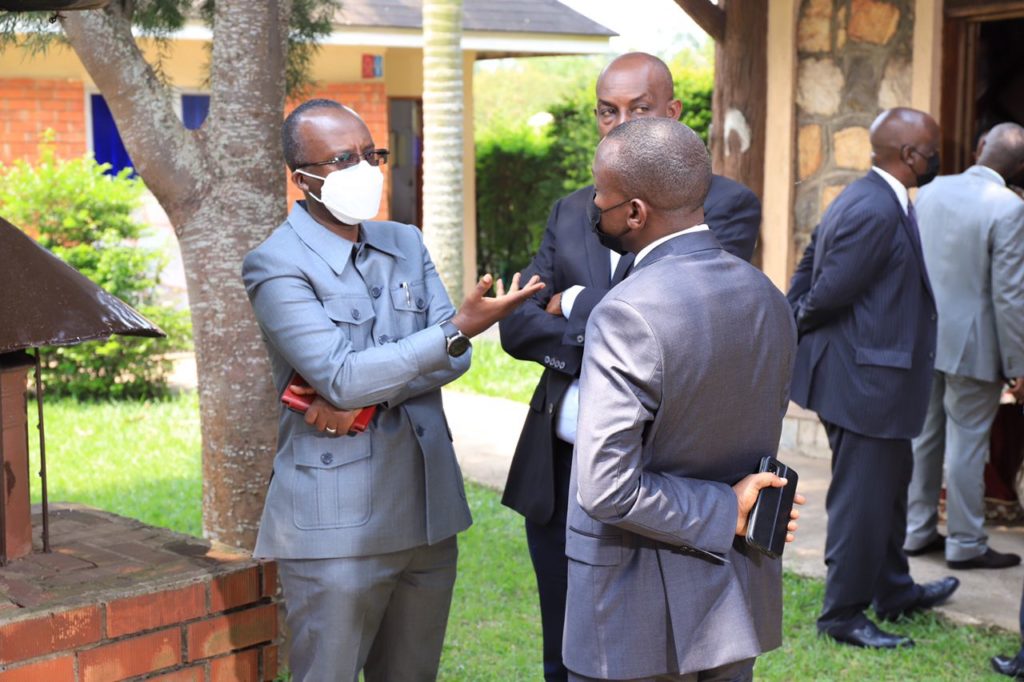
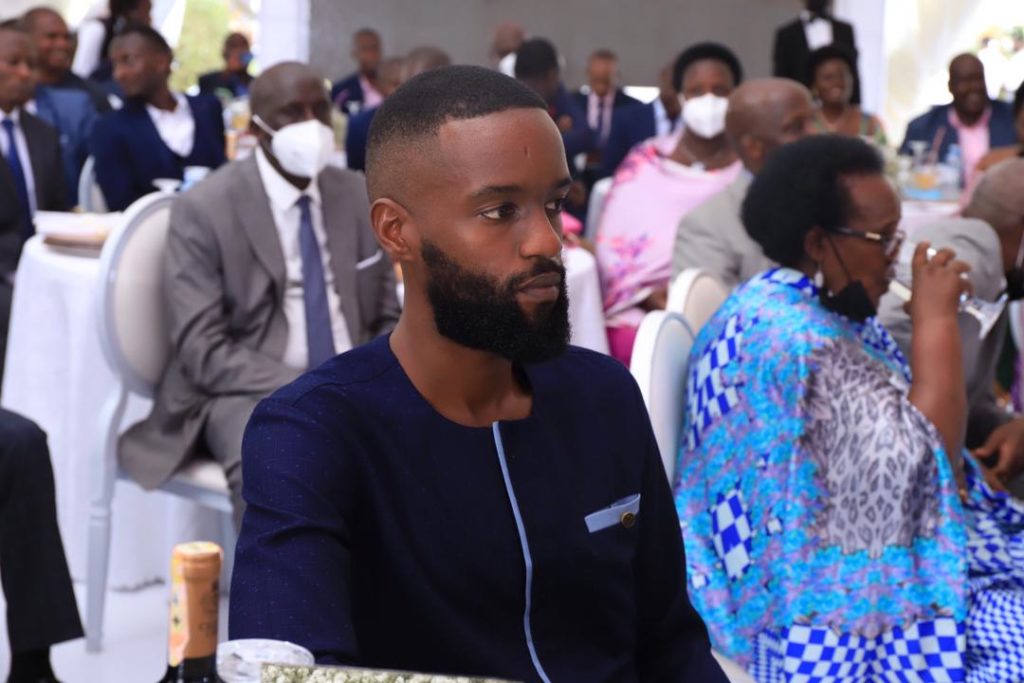
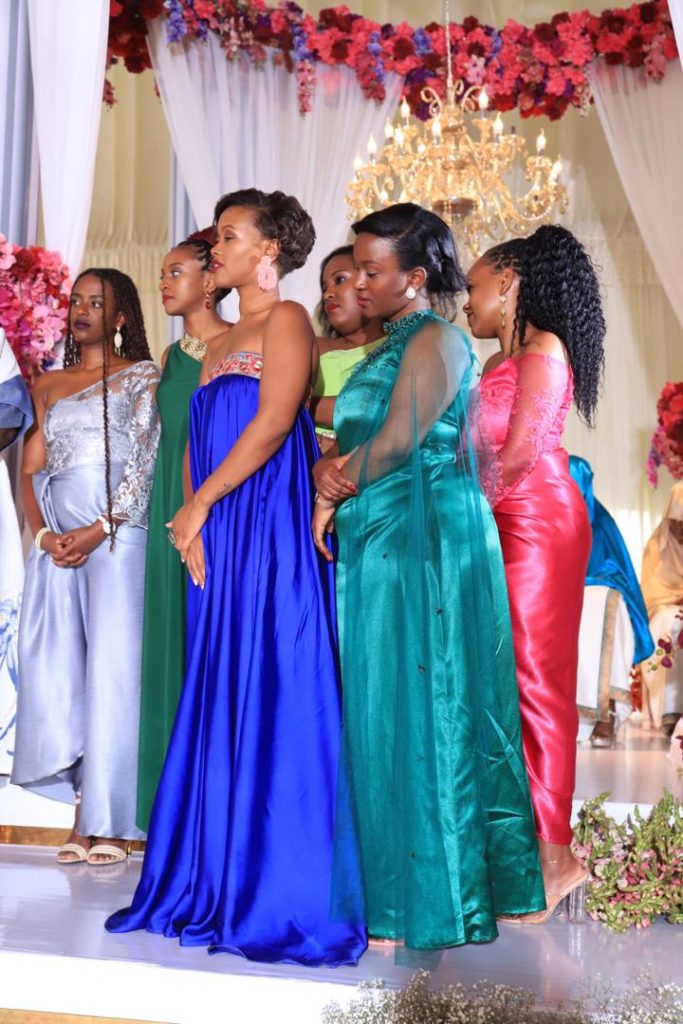
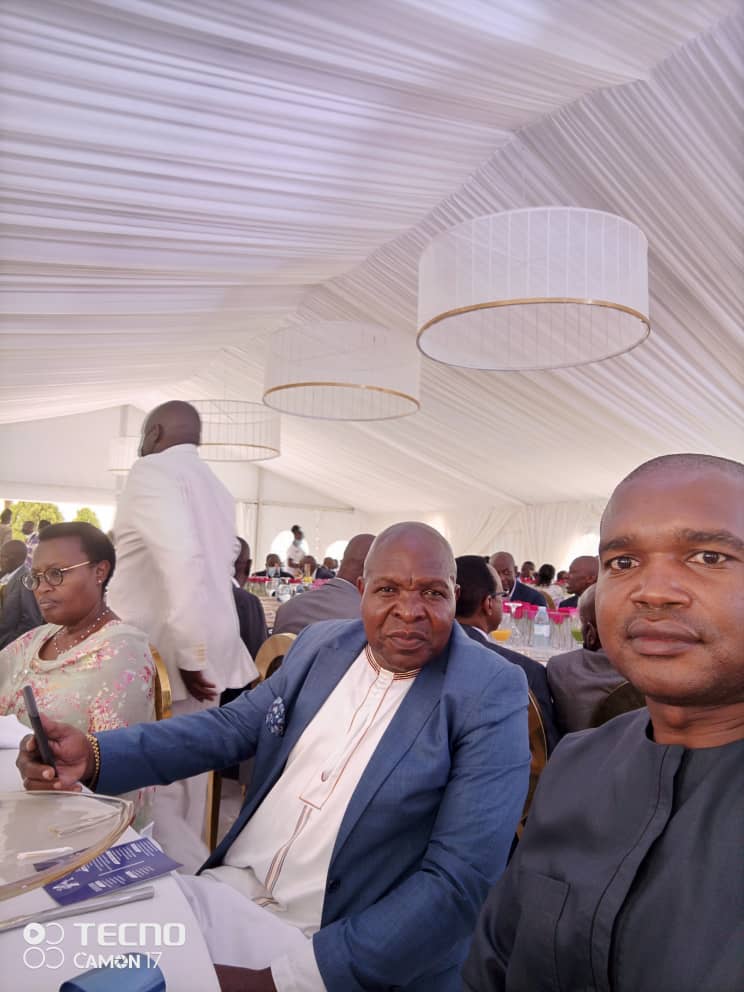
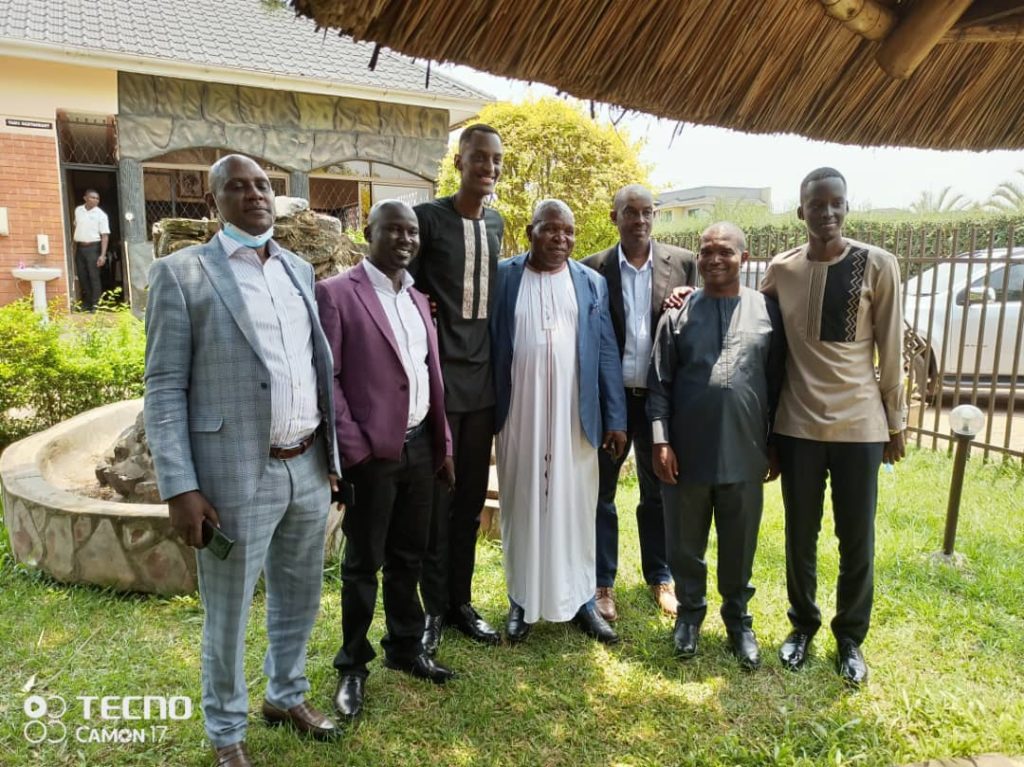
Some of the guests

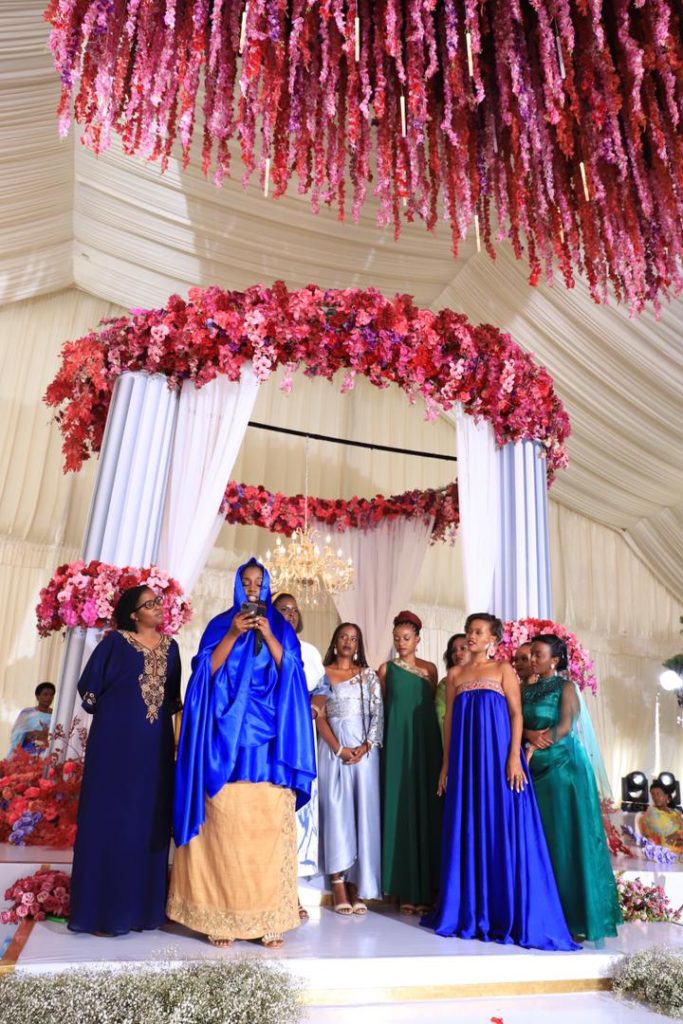
The two will wed on 26th February 2022 at St. Paul’s Cathedral Namirembe at 3PM. They will later host their guests to a lavish meal at Speke Resort Hotel, Munyonyo.

Some of the guests

Gen. Museveni and Lt. Gen Tumukunde have known each other since the bush war which brought the ruling party, the National Resistance Movement (NRM) into power.

Stories Continues after ad

Parliament passes Mining and Minerals Bill 2021

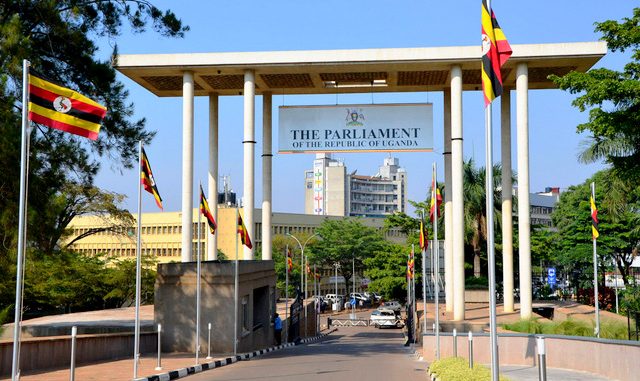
Parliament of Uganda

Parliament has passed the Mining and Minerals Bill, 2021 which will see the establishment of the Uganda National Mining Company which will manage the government’s commercial holding and participating interests in mineral agreements.

The Bill that was passed on 17 February 2022 mandates the National Mining Company to hold 15 per cent free equity in all large and medium mining ventures as well as have the right to pay up 20 per cent extra shares in the mining ventures at the commercial rate.

The Chairperson of the Committee on Environment and Natural Resources, Hon Emmanuel Otaala who presented the report on the bill said that the mineral agreements and Production Sharing Agreements will apply to highly capitalised investment and complex mining. “Application of these agreements should be limited to areas where the presence of minerals has been ascertained or quantified,” he said.

The new law also provides for the participation of host communities in the entire decision-making chain of mining. This means that information on licences, environment and social impact assessments will be provided both at the national and local government levels.

A new sub-clause to provide that local governments shall receive reports and plans of the companies operating in their jurisdiction every six months was also introduced in the bill.

According to the committee’s report, the move is aimed at curing the defect in the past where non involvement of local governments in mining operations has made it difficult for districts, sub-counties and land owners to assess the expected royalties from within their boundaries.

The amended law mandates applicants for exploration licences to provide a statement with proposals in regard to employment and training of Ugandans, a training plan to that effect and a budget while applying for the license.

It is envisioned that the training should result in a succession plan for minimising dependence on expatriates in favour of skills developed through this training.

The Bill was also amended to provide that during training and employment, the people living in the host communities of the mining operations shall be prioritised.

The Bill was amended to provide for requirements in respect to individuals or a group of individuals applying for prospective licences. The old law only provided for the requirements of a prospecting licence in respect to a company but did not provide for individuals.

The committee also recommended that regulation for exploitation of building substances should be regulated in a separate law rather than being lamped up in a law that regulates minerals. “Government should move a bill to regulate building substances such as sand, clay and murram,” Otaala said.

Kampala Central MP, Hon Muhammad Nsereko said that the harmonised position between government and the committee on access to building materials by locals is welcome. “You might end up finding that over 60 per cent of the land in Uganda is covered with either murram or clay and at the end of the day, if all that is left in the hands of government, we may deny our people that useful income and innovative skills in elementary mining,” Nsereko said.

Kumi Municipality MP, Hon Silas Aogon said that the decision to allow locals access to construction materials like sand, clay and murram was wise. “Do not tamper with those for now because when you do that, you will be increasing the cost of construction and this will in turn increase slums,” said Aogon.

Hon Tony Ayoo (NRM, Kwania County) said that the proposal to train Ugandans in mining areas will improve their skills. “You find that there are minerals in some areas but communities are not part of any mining. They only see foreigners taking over the place and displacing them,” he said.

The new law is intended to provide a robust, predictable and transparent legal regime, improve mining and mineral administration and business processes, ensure efficient collection and management of mineral revenues, promote value addition to minerals and increase mineral trade.

The Bill is also seeks to address emerging issues such as mineral certification, value addition, mineral revenue management and formalisation of artisanal and small-scale miners among others.

Stories Continues after ad

Six Prisons’ directors to wear newly introduced Rank

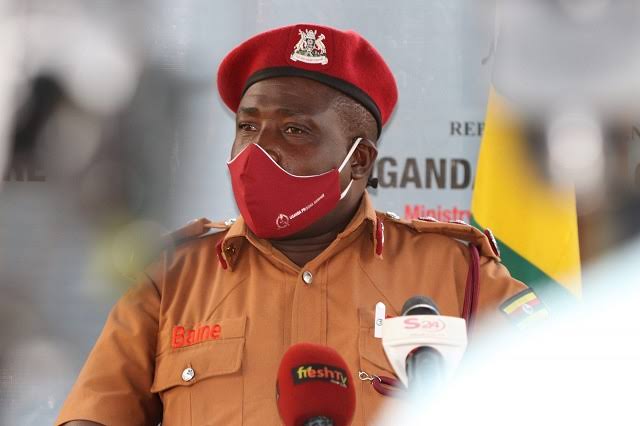
Frank Baine

At least six directors of the Uganda Prisons Service (UPS) are free to wear the force’s newly introduced rank of Assistant Commissioner General of Prisons.

For years, Commissioner of Prisons has been the highest rank, after which one would be promoted to serve as Director. But with effect from last week, the Uganda Prisons Service leadership took a decision to regularize the ranks and match their counterparts in the Uganda Police Force, according to Prisons spokesperson Frank Baine.

The new rank of Assistant Commissioner General of Prisons is equivalent to that of Assistant Inspector General of Police, which is the highest rank in the Uganda Police Force and is held by all directors.

The first beneficiaries of the rank in the Prisons Service include Moses Katungye Bwijuka, David Nsalasata Sekabembe, Samuel Akena, Eli Muhumuza, Moses Kakungulu Wagabaza, and David Ahimbisibwe Asiimwe.

“They have not been promoted. They have been regularized. They have remained with their titles of directors but have the rank of Assistant Commissioner General of Prisons, just like our friends in the Uganda police force who have AIGPs serving as directors,” Baine said.

“The process is still on to regularize the rank of Senior Commissioner of Prisons (SCP), which will be the second-highest rank just like it is in the police force. Another rank UPS is discussing is Lance Corporal.”

“When we were revising our prison structure, there was an error: the director was an appointment but not the rank. The process is still on to have the ranks of SCP and Lance Corporal. The process is still on and when we are ready, we shall come to that,” Baine added.

Stories Continues after ad

Health Development Partners retreat to reflect on priority areas to focus on in support of the health agenda in Uganda

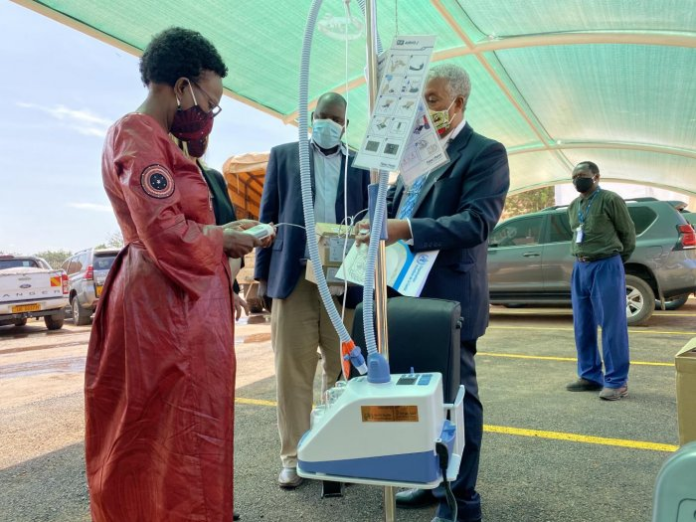
The Health Development Partners (HDP) group in Uganda held its annual retreat to reflect on the areas the group would like to focus on and support the Ministry of Health to promote the health and well-being of people living in Uganda in 2022.

The retreat provided an opportunity to assess the HDP’s performance in 2021 and to discuss how to improve the coordination of partners’ efforts to focus on a few high-impact, scalable goals in 2022. Priority areas discussed for 2022 include financing for health, improving human resources for health, strengthening community health and integrated primary health care systems, addressing adolescent pregnancy, and improving partner coordination in the sector.

During the meeting, the new chair of the HDP group was confirmed. Arnold Kabbale, a Health Adviser at the British High Commission in Uganda set the British High Commission objectives as the new chair.

“First we want to improve coordination of partner efforts to focus on a few high-impact and scalable goals. Secondly, we want to further increase our influence in the health sector through more strategic engagement with the government, including the parliamentary health committee, parliament, and civil society.”

He further stated that the British High Commission plans to increase the efficiency and effectiveness of the HDP group, so that each meeting has clear strategic outcomes and next steps.

“We should strengthen this platform and see how we can engage better together. We need to increase engagement with the private sector, with the parliament to further support the health agenda in the country”, said Dr. Yonas Tegegn Woldemariam, the World Health Organization (WHO) Representative to Uganda.

The out-going Chair of the Health Development Partners Group, Dr. Julius Kasozi from the United Nations High Commissioner for Refugees (UNHCR) thanked the members of the group for supporting him during his mandate and promised to continue to support the advancement of the group’s agenda.

“The year 2021 was tough, but together we were able to overcome challenges and support the Ministry of Health. As I step down as chairperson of the HDP group, I remain committed to working with you in increasing access to health for Ugandans,” he said.

The HDP group comprises bilateral and multilateral development partners, as well as International Non-Governmental Organizations with a presence in Uganda that support the health sector in the country.

Stories Continues after ad

BoU responds to Supreme Court ruling in Crane Bank case

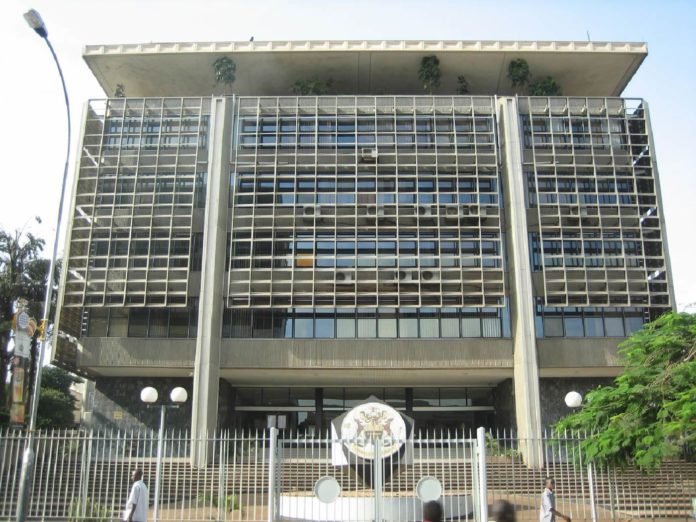
Bank of Uganda head office in Kampala

Bank of Uganda has responded to the Supreme Court ruling dismissing an Appeal in Crane Bank Limited (In Receivership) Vs. Sudhir Ruparelia and Meera Investments Ltd case.

The dismissal by the Supreme Court followed the filing of a Notice of Withdrawal of the Appeal by Crane Bank Limited (In Receivership) on September 15th, 2021 and an objection to the withdrawal filed by Sudhir Ruparelia and Meera Investments Ltd on September 20th, 2021.

In its ruling on February 11, 2022, the Supreme Court decided that the Judgments of the lower courts, stood. The lower courts found that the receivership of Crane Bank Ltd ended on January 20, 2018, it was a closed financial institution and was non-existent.

Upon withdrawal of the appeal by Crane Bank Ltd (In Receivership) and objection by Sudhir Ruparelia and Meera Investments Ltd on September 20, 2021, the Appeal stood dismissed and the only issue to be determined was on costs and who should pay. However, the dismissal would take effect on the date of endorsement of the ruling (February 11, 2022).

Court ruled that Bank of Uganda should pay the costs of the suit because it was aware at the time of take over that Crane Bank Ltd was financially distressed, incapacitated and could not be expected to pay costs. That it is not logical to expect a shareholder of Crane Bank Ltd (In Receivership) who is entitled to costs of an action to pay costs to himself.

Further, the Supreme Court noted that the implication of the finding that the receivership of the Appellant had ended was that the management of the Appellant reverted to the shareholders after the 20th of January 2018.

Prior to this recent Supreme Court decision, Crane Bank Ltd (In Receivership) and Bank of Uganda had in October 2021 filed an application before the Supreme Court for review of some of its findings and declarations.

According to BoU, one of the grounds of that application relates to the interpretation and application of a repealed/substituted section of the Financial Institutions Act, 2004 as amended in 2016 when making its ruling of 4th October 2021.

“That application is yet to be heard and disposed of by the Supreme Court. The determination of that Application is critical in guiding the Bank of Uganda in implementing the court decisions. We are following up with the Court to have this application fixed for hearing,” BoU said.

The main suit that related to a claim against the shareholders for wrongful extraction of funds from Crane Bank Ltd by Sudhir Ruparelia and Meera Investments Ltd has never been heard on its merits.

“The Central Bank remains committed to fostering a safe and sound financial sector,” BoU said.

Stories Continues after ad

CRANE BANK: Supreme Court confirms Auditor General’s report Shs397b was swindled by BoU officials

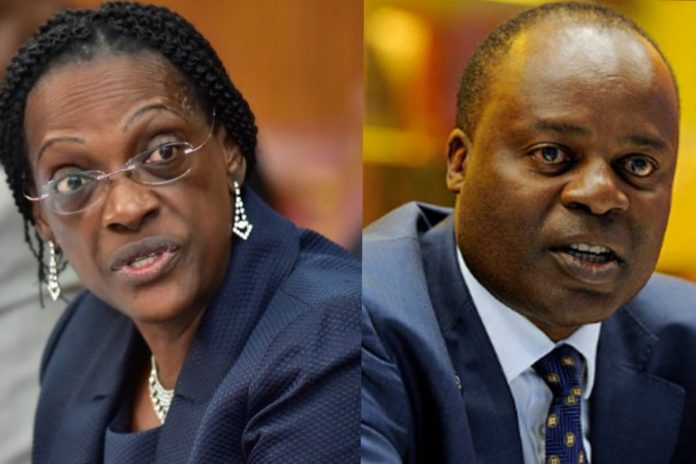
Justine Bagyenda and Louis Kasekende

Supreme Court ruling on Bank of Uganda versus Sudhir Ruparelia in Shs 397 billion case confirms Auditor General’s report that BoU officials swindled the cash in CBL sale.

The Supreme Court on February 12, 2022 upheld the earlier rulings of the High Court and Court of Appeal that the Bank of Uganda (BoU) must pay the costs of the Shs397b case the central bank and Crane Bank Limited (CBL) in Receivership lodged against Sudhir Ruparelia and Meera Investments, alleging that the respondents had swindled Shs397b from the former CBL.

In his ruling of August 26, 2017, Justice David Wangutusi agreed with Sudhir and Meera Investments that CBL in Receivership had no capacity to sue because it had no locus operandi, awarding costs of the suit to the respondents. BoU rushed to Court of Appeal and the ruling of High Court was upheld to their dismay.

On October 20, 2016, BoU took over the operations of CBL, on allegations of being undercapitalized and that it put depositors’ money under risk.

However in a public notice BoU would shock the nation, saying it had transferred assets of CBL to its rival dfcu in Shs200b deal that has remained controversial to date especially that Shs 478b claimed to    have been used for liquidity support of CBL under statutory management and other services cannot all be accounted for by BoU who were the official receivers of CBL.

In his August 27, 2018, special audit report of BoU on defunct banks, the Auditor General John Muwanga, said that BoU presented Shs466.6b as money injected in CBL as liquidity support but that scrutiny of the related documents established that Shs459.50b was spent for this purpose, leading to a Variance of Shs 7.1b.

Shs12.2b was alleged to have been spent on other service providers such as MMAKS Advocates whose selection was controversial.

Further still, BoU officials who handled the sale of CBL such as former executive director Justine Bagyenda and former deputy governor Dr Louis Kasekende took away about Shs 1 trillion in loan book, it has never been accounted for.

The BoU officials still cannot believe that the Supreme Court has sided with the lower courts that the central bank pays the costs of the suit in which they wanted Sudhir to pay 397 billion allegedly withdrawn from CBL. Sudhir denies he fraudulently accessed that money and therefore he cannot pay.

While quizzing BoU officials, COSASE of the 10th parliament, established that indeed BoU officials ate a huge amount of money they claim to have put in CBL as liquidity support as there was no ledgers and other documents to show the transactions, this notwithstanding the fact that Ben Sekabira, the BoU executive director for banking told the MPs then that CBL needed about Shs150b to remain afloat.

Sudhir, the majority shareholder in CBL, had asked BoU as lender of last resort for that money but he was denied the loan. “The reasons for denial of the loan are questionable given that BoU says it spent much more,” says a Member of Parliament who sat on former COSASE.

Remember that hiding under the Solicit General, Kasekende opposed the audit of the Auditor General and kept some documents away from the auditors. Why would BoU officials hide some of the documents? Their dealings as shown during the parliamentary inquiry were dirty.

After hiding some of the documents related to CBL closure, Kasekende would later want the Auditor General to verify them. Had Kasekende altered some information and figures to make him and other officials clean?

Now that the Supreme Court has told BoU officials that the central bank must pay costs of the suit against Sudhir, we have been told by watchers that they want President Museveni to save them, even though the president advised them not to close CBL but they disregard end his advice. Will Museveni now save them?

In his report, Muwanga indicated that much as BoU has a financial crisis management plan which provides for decision making in the event of systemic shock in the banking sector, the plan does not provide the process of injection of liquidity support to the financial institutions during statutory management like it happened with CBL. According to analysts, only corruption must have forced BoU officials to inject in CBL money so as to steal some of it.

“One wonders, if BoU invested Shs478b in CBL in Receivership, why did the officials sell the bank to dfcu at Shs200b, moreover paid in installments?”

A BoU senior staff when contacts for his views on on the best option his then colleagues should have done, he said, “They should have appointed a neutral receiver of CBL.” “I think that some of my colleagues were interested in getting money out of that process.” He added: ” I am surprised that no report of CBL sale was availed to the Auditor General or Parliament.”

He said that it will be very hard for Sudhir to pay or account for the money he never received. “How can you ask somebody to account for the money he never received?”

Much as BoU has some independence, it did not mean my colleagues had to inject taxpayers’ money into CBL in Receivership. They should have sought parliament’s approval, he said adding, BoU officials who did the transaction for selfish interests must personally be held accountable as recommended by the 10th parliament.

Stories Continues after ad