Stanbic Bank
Stanbic Bank
25.3 C
Kampala
Stanbic Bank
Stanbic Bank
Home Blog Page 672

Health Minister Aceng urges the People of Karamoja to get vaccinated against #Covid-19

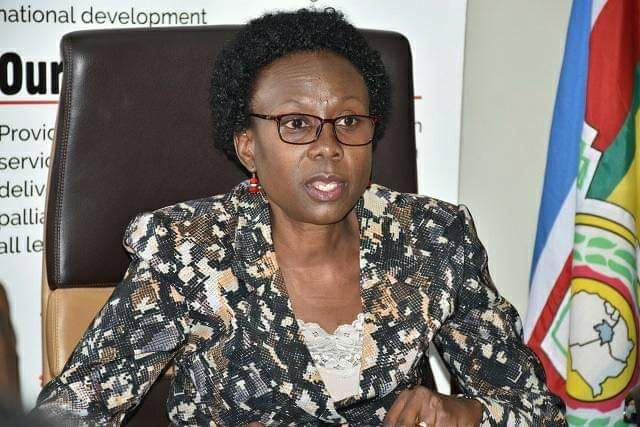
Uganda's Health Minister, Dr. Jane Ruth Aceng.

The Ministry of Health, with support from the Irish Government, the World Health Organization (WHO) and UNICEF, recently launched an accelerated COVID-19 vaccination campaign at the Boma Grounds in Moroto, to drive up the COVID-19 vaccine uptake. The campaign is targeting 9 districts in the Karamoja region to increase vaccine uptake from the current 16% to more than 90%.

The target districts include Abim, Amudat, Kaabong, Karenga and Kotido. The other districts are Moroto, Nabilatuk, Nakapiripirit and Napak and they will benefit from over 500,000 vaccine doses which will be administered to all eligible persons. The vaccines were acquired through the

During the campaign launch, the Minister of Health, Honorable Dr Jane Ruth Aceng said, “While Uganda is currently experiencing a decrease in the new COVID-19 cases, vaccination which was very instrumental in bringing the cases down should be promoted and taken up by all who are eligible.”

She mentioned that vaccination coupled with other public health measures including and not limited to social distancing, the appropriate wearing of masks is the only effective way Uganda will fight the pandemic.

“Although we are currently out of danger, as shown by the current positivity rate standing at 2%, the mortality rate continues to go up especially for the elderly who are unvaccinated. Let us vaccinate, and those who are above 50 years of age get your booster shots,” she said.

She further appreciated all partners including Irish AID, WHO and UNICEF for the continued support in the COVID-19 response.

The Permanent Secretary of the Ministry of Health, Dr Diana Atwine re-echoed the Minister’s message calling on the people of Karamoja and Uganda at large to use the vaccines provided by the Ministry and partners. “If we vaccinate, we are safer, however, the lack of vaccination will lead to a stretch in the health system. Let us follow the guidance from the Ministry of Health and WHO,” she said.

The WHO Representative in Uganda Dr Yonas Tegegn Woldemariam speaking on behalf of WHO and UNICEF pointed out, “as seen from current statistics, Uganda has not yet reached its target but with the Accelerated Mass Vaccination Campaigns, I am opportunistic that each district will achieve a coverage of 70% by April 2022.”

He further said that through the generous support from partners like the Irish Government, WHO was able to extend both financial and technical support to this accelerated mass vaccination campaign in the Karamoja region. It’s expected that the campaign will reduce the risk of severe disease, hospitalization, and death from COVID 19 in the region.

“We also need to prioritize vaccination in schools and as such once we achieve optimal coverage of the over 18 years, we can move to vaccinate the under 18 years as the next phase,” he mentioned.

“Vaccines save lives! But we must continue to observe standard operating procedures, including wearing masks, cleaning hands, good indoor ventilation, keeping physical distance and avoiding crowds,” Dr Yonas concluded.

Whereas the Karamoja region has received adequate quantities of vaccines since the launch of the nationwide vaccine rollout on March 10, 2021, its uptake has remained very low giving a 16% coverage based on the first dose of those above eighteen years (target 598,727), as of 1st February 2022. A total of 106,873 first doses and 23,741 had been administered.

The necessity to reduce the economic impact of the outbreak motivated the Ministry of Health to change course for the narrow prioritization around only high-risk groups to all the vulnerable in a fast-tracked accelerated mass campaign strategy.

WHO’s mandate is to support the Ministry of Health and partners develop capacity and health systems. Vaccinating 598,727 will not only allow increased access to the vaccine by a good proportion of the vulnerable population, which is nomadic pastoralists for the most part but will also eliminate any possibility for wastage of the scarce commodities that are received with a very short shelf life.

The WHO support with funding from the Irish Government includes mobilization and training of additional health workers, intensive social mobilization including mapping and pre-registration of the elderly, conduct vaccination campaigns by region over a period of seven days for the two rounds.

The estimated cost for the two rounds in the Karamoja sub-region is $313,935. In addition, WHO will facilitate real-time data management, strengthen safety surveillance and monitoring and evaluation through coverage surveys.

Stories Continues after ad

Conferencing for Election Petition Appeals set to kick off

Conferencing for Election Petition Appeals set to kick off

The process of hearing 81 Election Petition Appeals arising out of decisions from the High Court has kicked off.

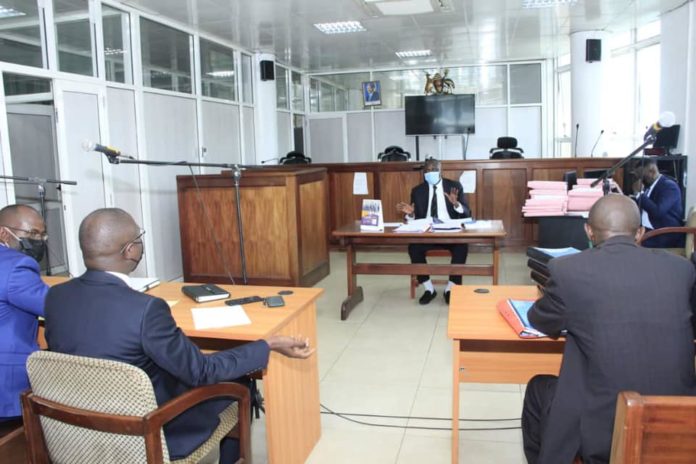
The Court of Appeal Registrar, HW Susan Kanyange, said she is leading a team of the Court’s four Registrars who include HW Dr Alex Mushabe Karocho, HW Lillian Bucyana and HW Henry Twinomuhwezi to ensure that conferencing for the appeals are handled in a timely manner.

Conferencing is where lawyers of both parties agree on issues to be determined by court before the case file is forwarded to a panel of three justices for hearing.

HW Kanyange said the plan is to ensure that this process is concluded within 21 days before actual hearings take off. She noted that on top of the Election Petition Appeals cause-listed by the Court, there are also 29 Applications in which the Justices will handle.

Among the petitions to be handled on day one of the conferencing is an appeal filed by Julius Galisonga, challenging the decision of the High Court to dismiss his election petition against the incumbent MP Abdul Katuntu for allegedly orchestrating electoral irregularities, which affected the outcome of the Bugweri county parliamentary poll results.

The Conferencing schedule includes that of Bagala Joyce Ntwantwa against her opponent, Minister of Lands, Housing and Urban Development, Nabakooba Judith Nalule & another for failure of the lower court to strike out the petition which was supported by an affidavit that had been commissioned by an advocate whose practicing certificate had not renewed for the year 2021.

HW Kanyange said the Election Petition appeals were being prioritized since they take precedence in court business.

Stories Continues after ad

Kabuleta calls for change of gov’t to curb land grabbing and cattle rustling in Acholi sub-region

Joseph Kabuleta Kizza

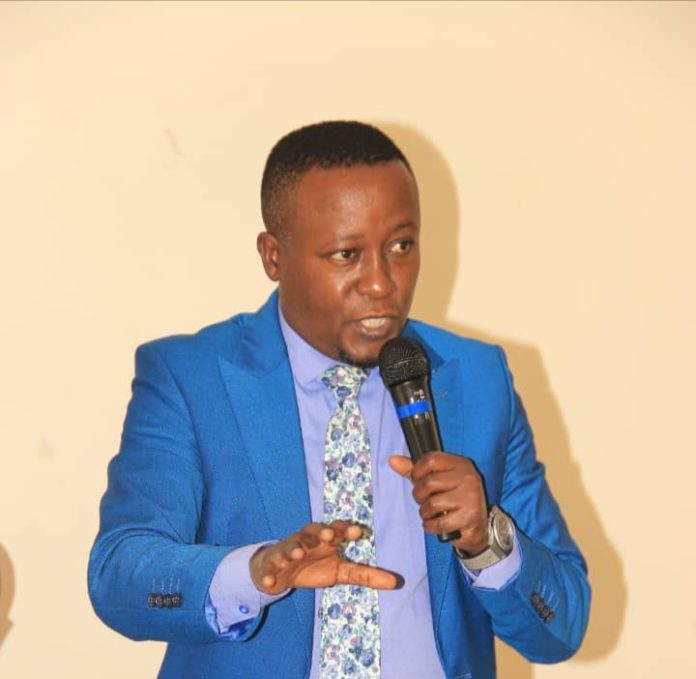
The National Economic Empowerment Dialogue (NEED) leader Joseph Kabuleta Kizza has warned the people of Acholi Sub-region to be extra cautious against the Balaalo herdsmen who want to steal their oil.

Over a decade ago, oil was discovered in Nwoya district in the Acholi by a French oil and gas company- Total SA.The discovery came in the aftermath of seismic studies around the Murchison falls area by its Ugandan operations, Total Exploration and Production (Total E&P) in September 2012 and up to date, the East African country is yet to start its exploration.

Other districts in the Sub-region include Agago, Amuru, Gulu, Kitgum, Lamwo, Pader and Omoro.

Mr Kabuleta said during a meeting with the local leaders and residents of Acholi Sub-region on Monday.

He said the Balaalo are only interested in settling in places where oil has been discovered.

“When they discovered oil in Bunyoro, within a short period of time, the Balaalo were already in the Sub-Region. They usually have guns. Now even here in your area (Acholi) when oil was discovered, they did the same thing. Many of them have settled here with their guns. They graze their cattle with guns in their possession,” said the former presidential candidate, who is currently on nationwide sensitization campaign premised on protecting Uganda’s national deposits that could be used by citizens to elleviate themselves from poverty.

“The same case is in Sebei; Balaalo and oil. We wonder whether the cows of these Balaalo feed on oil. Where do they get the guns? And the most annoying part is when they go to a place, they grab the community land and they claim it as belonging to them. By the end of the day, they render you people landless,” he added.

Mr Kabuleta also rallied the Acholi locals to advocate for change of government if they want to fully enjoy the natural resources in their area.

“Those who steal or rustle cattle have an aim of ensuring that you  don’t settle on your land because if you don’t have cattle to be kept on it then it will be very easy for you to sell the asset to them since most times it will be idle and useless on your side. So in order to fight cattle rustling and land grabbing, we must change the government because as long as this current establishment is still in power, nothing is going to change.”

The politician further pinned the government for deliberately denying the local people in Acholi their full rights of owning land by refusing to give them land titles.By doing this, Kabuleta said the government makes it easy for Balaalo to grab land that belongs to the indigenous people.

He however, advised the locals not to lower the guard, saying they should stand up and fight for what rightly belongs to them.

“Nowdays its very hard to get a land title. Government is doing it deliberately not to give you titles that show ownership but I call upon you to be cautious against those people who want/ are stealing your wealth. Fight for your cattle, land and other resources. Show those people that they can’t take them because there are some serious repercussions if they do so.

“Now if you’re born in this land, all the wealth that God invested in it, you’re supposed to have a stake and nobody is going to give you the stake by sitting back and hoping. It’s going to be given to you by standing up and making a strong claim on it and making sure that people who come to steal those resources are not given an inch of what is not theirs,” Mr Kabuleta asserted.

The former journalist also noted that in case business people are taking the land for investment, the indigenous people should be given a share capital and become shareholders in whatever establishment is put in place so that they benefit from their natural wealth.

“You have many mineral resources in your land like oil, agricultural potential is in place and there’s a vast piece of land with a small population because of war, unfortunately. But that means there’s a lot of potential. But the big question is who is going to benefit from these resources? Is it going to be the same people who were fomenting the war or is it going to be the indigenous people in this area? Please don’t be inactive, fight for your resources,”he urged.

In the same meeting, the residents decried army officers’ role in stealing their cattle

“We have army officers in Kabong and  Kotido who are using these rustlers to get cattle from Acholi. I talk frankly about this because we have a farmer who is an officer with more than a thousand cattle in Kabong. It is so painful, we cannot do anything. We have now resorted to tractors for ploughing but now what are we going to use for marriage? It is what we always use as dowry,” Opio Albino Ronald from Agago District tearfully disclosed.

Kabuleta’s revelation comes at a time when the Balaalo herdsmen’s presence in Acholi is raising questions among a section of Ugandans.

The number of Balaalo now spread across the Sub-region has reportedly increased since 2017 amid growing concerns over land rights and conflict.

On October 24, 2017, President Yoweri Museveni directed the army and the Agriculture ministry to evict the Balaalo pastoralists from Acholi and northern Uganda at large.

Four years later, the number of pastoralists and the population of their animals across the sub-region has more than tripled.

In 2021, the President rechoed his directive by giving the Balaalo two months to vacate northern Uganda or face forceful eviction and prosecution.

In a letter dated November 2 to the Prime Minister, Robinah Nabbanja, Museveni described the herdsmen as illegal migrants whose animals remain a persistent problem to the farming communities in the north, specifically in the Acholi sub-region.

Stories Continues after ad

Court of Appeal overturns decision to retire Gen Sejusa from the army

Sejusa

The Court of Appeal has overturned a decision by the High Court that retired the former Coordinator of Intelligence Agencies David Sejusa from the Uganda Peoples Defense Forces (UPDF).

The decision to retire him had been made in 2016 by High Court Judge Margaret Oumo Oguli in relation to a suit filed by Gen Sejusa (formerly Tinyefunza) against the UPDF Commissions and Promotions board for refusing to retire him from the military following his application.

In his suit, filed in November 2015, Sejusa indicated that he had earlier applied for retirement through the board and received no response within the mandatory 90-days.

He asked the court to order the UPDF Commission and the Attorney General (AG), to hand him a discharge certificate as a sign that he has retired from the army.

Sejusa had demanded Shs1 billion in compensation and damages for normal loss, as well as punitive damages for consistent torture and arrest. But the army through Senior State Attorney Max Kalemera argued that Sejusa was still an active serving officer, a status that remains unchanged until one gets a discharge certificate.

The judge of the High Court declared that Gen Sejusa is no longer subject to military law and ordered government to pay him Shs750 million as damages for violating his rights when he was arrested, detained, prosecuted and denied bail by the General Court Martial.

The Attorney General ran to the Court of Appeal to challenge the ruling.

A panel of three Court of Appeal Justices comprised of Christopher Izama Madrama, Irene Mulyagonja and Monica Mugenyi quashed Oguli’s orders on February 14, 2022.

According to the Justices, the High Court expanded its administrative jurisdiction to engage itself in matters concerning the retirement of officers which is a preserve of the UPDF Commission’s, Promotions Board as per the UPDF Act.

To the Justices, Sejusa ought to have waited for feedback from the board before petitioning the High Court seeking to be discharged because there were pending correspondences between his lawyers and the President.

“lt is debatable whether the failure by the Board to communicate a decision within 90 days should be taken as a refusal of the resignation or as consent. What is important is that the Board is required to communicate in writing. The requirement to communicate is mandatory. This is taken from the wording of section 66 (2) of the UPDF Act,” the court ruled.

According to Judges, there was no decision from the Board that Sejusa was challenging in the High Court and therefore there was nothing to subject to judicial review. Instead, he says there was a delay in communication which was a violation of section 66 of the UPDF Act.

Stories Continues after ad

Wasswa Bbosa sacked by Express

Wasswa Bbosa

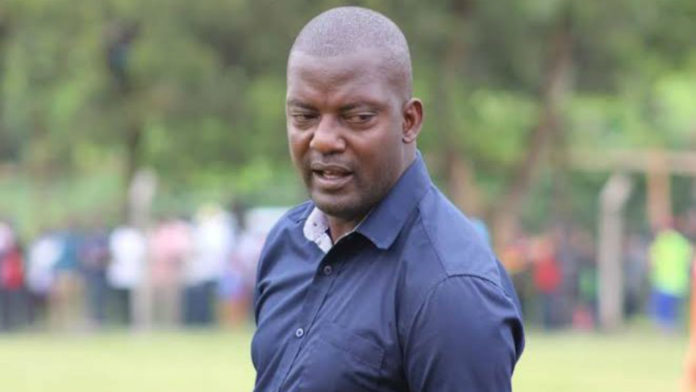
Uganda Premier League reigning champions Express FC have parted ways with head coach Wasswa Bbosa.

The club announced in a statement released on Monday. Bbosa re-joined Express during the second round of the 2019/20 season and helped them survive relegation. He then went on to win the league title the following season.

“Express FC would like to confirm that Wasswa Bbosa is leaving his role as head coach with immediate effect,” the statement reads in part.

“The club would like to thank Wasswa Bbosa for his dedication and memories, most notable of those include winning the StarTimes Uganda Premier League (2020/2021) for the first time in 12 years and the CECAFA Kagame Cup, the first ever in the club’s history.”

His assistant James Odoch will take over on interim until the end of the season.

“Assistant coach James Odoch will take over in interim capacity until the end of the current season and will be assisted by goalkeeper coach Daniel Kiwanuka,” the statement reads.

Bbosa leaves the Red Eagles in 5th position on the 16-table log with 29 points from 17 games, 10 points below the leaders Vipers SC.

Stories Continues after ad

What Valentine’s Day means and why it is celebrated

Valentine’s Day, also called Saint Valentine’s Day or the Feast of Saint Valentine, is celebrated annually on February 14. It originated as a Christian feast day honoring one or two early Christian martyrs named Saint Valentine.

The day has become a significant cultural, religious, and commercial celebration of romance and love in Uganda and the world. The day is celebrated mainly in two colors, that is to say red and black.

There are numerous stories associated with various Valentines connected to February 14, including the imprisonment of Saint Valentine of Rome for ministering to Christians persecuted under the Roman Empire in the third century.

According to an early tradition, Saint Valentine restored sight to the blind daughter of his jailer. Numerous later additions to the legend have better related it to the theme of love: an 18th-century embellishment to the legend claims he wrote the jailer’s daughter a letter signed ‘Your Valentine’ as a farewell before his execution; another tradition posits that Saint Valentine performed weddings for Christian soldiers who were forbidden to marry.

There is a tradition that the Feast of Saint Valentine was established by Pope Gelasius I in AD 496 to be celebrated on February 14 in honour of Saint Valentine of Rome, who died on that date in AD 269.

The day became associated with romantic love in the 14th and 15th centuries when notions of courtly love flourished, apparently by association with the ‘lovebirds’ of early spring.

The day has grown into an occasion in which couples expressed their love for each other by presenting flowers, offering confectionery, sending greeting cards and gifts.

Valentine’s Day symbols include: heart-shaped outline, doves and sundry. Since the 19th century, handwritten valentines have given way to mass-produced greeting cards. In Italy, Saint Valentine’s Keys are given to lovers ‘as a romantic symbol and an invitation to unlock the giver’s heart’, as well as to children to ward off epilepsy.

Saint Valentine’s Day is not a public holiday in any country, although it is an official feast day in the Anglican Communion.

Stories Continues after ad

UMEME loses Shs26bn to vandalism in 12 months

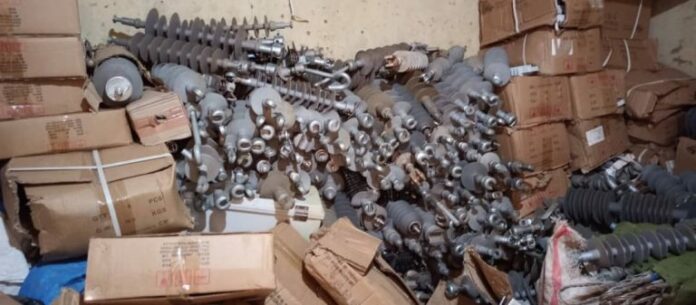
Suspected stolen Umeme items

Mbarara: Vandalism of electricity infrastructure in Western Uganda has hit alarming levels with vandals stealing over 133 km of cable in just 12 months and causing unprecedented disruption of electricity supply. The theft, according to experts in the region now stands at 72% followed by East and Northern Uganda.

Briefing security experts in Mbarara on the emerging worrying trend in the sector, Umeme’s Managing Director Selestino Babungi said in 2021, the sector lost over Shs 26 billion in stolen copper wires, vandalised transformers and poles amongst others.

“I am requesting for your support, the security apparatus, which you have actually always provided. I know you have the entire infrastructure, all the way from the LC1 to the national level, you have all the intelligence,” Babungi said.

Mr Babungi said while Umeme is committed to furthering the Government’s agenda to increase the proportion of households accessing electricity, resources that would have been spent on expanding the grid are being diverted to replace assets the vandals steal.

He added, “Such vices, where we continue replacing assets, wasting resources, unfortunately affects the pricing of electricity through increasing the cost of our operations. The same vices do not enable people to use electricity and the more people use electricity the lower the cost.”

Umeme’s Head of Regional Operations in Western Uganda, Isaac Katewanga, said the West accounts for 72% of the cases vandalising electricity conductors.

“In 2021, 133 kilometres, equivalent to the distance between Mbarara and Kabale, of conductors were stolen. There has also been an astronomical growth in the theft of aerial bound conductors. They have found a market; from just 950 meters in 2020 to over 18 kilometres being stolen in 2021,” said Katewanga.

There was a need for concerted effort from all the stakeholders to curb the vice.

The Mbarara Resident District Commissioner Godfrey Mbetegyerize pledged their support towards Umeme and said the security personnel would be at hand to offer support to end the vandalism vice once and for all.

“This continued act not only damages government infrastructure but also leads to wastage of resources used to replace the installations. The taxpayer’s money can be used for other development issues and increasing access to electricity,” he said.

These vandals compromise the reliability, continuity and stability of power supply that sometimes compromises National Security.

The public needs to be aware that interference with the electricity supply network causes power blackouts, threatens the security of our homes, increases the cost of doing business and electricity tariffs, and disrupts vital health and education services as well as our lifestyles. Other effects include increased project development costs, extended project delivery timelines and overall, affects the economy and national development.

The assets targeted normally include; Pylons, wires/conductors, transmission infrastructure parts made of steel, aluminum wires, copper wires, transformers and transformer oils, poles, underground cables and related accessories.

Stories Continues after ad

Govt’s aim is to make Ugandans more productive after lockdown – PS Ggoobi

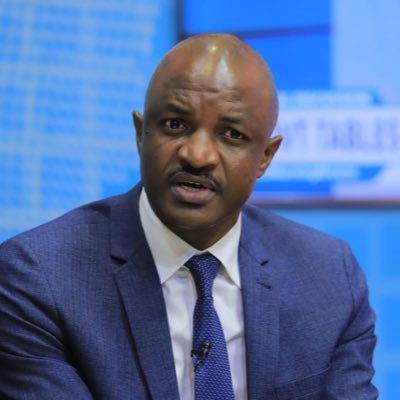
Ramathan Ggoobi, the Permanent Secretary, Ministry of Finance

The government of Uganda has said its focus now is now financially empowering citizens to have purchasing power after fully reopening the economy.

The Permanent Secretary at the Ministry of Finance, Planning and Economic Development, Mr Ramathan Ggoobi, said that during the lockdown, productivity went very low, with government only spending on service delivery and not production. 

The PS also stressed that from a pre-pandemic level of 6.4 per cent in FY 2018/19, economic growth slowed to 3.0 per cent in FY2019/20.

“We faced a burden of insufficient demand arising from the low purchasing power in the economy due to loss of livelihoods,” Mr Ggoobi said during a talkshow on NBS TV on Monday, 14 February 2022

“We are glad that His Excellency the President has now fully reopened the economy and we are optimistic that livelihoods will be secured. The economy is expected to recover leading to the Socio-Economic transformation of our country,” he added.

Mr Ggoobi said the government has put in place strategies to enable the economy recover, leading to the socio-economic transformation of the country.

Mr Ggoobi, who is also the Secretary to the Treasury, says interventions such as Parish development model, Emyooga, Uganda Development Bank funding and small businesses recovery fund are all aimed at ensuring Ugandans access cheap credit and be productive.

“We have set up the Shs200 Billion Small Business Recovery Fund and the Parish Development Model, through its seven pillars including the Financial Inclusion pillar,” he said.

He added that his ministry has a key stake in the implementation of the 17 sustainable development goals, which include reducing poverty, hunger as well as improving indicators for health, education, water, industry and infrastructure among others.

“All interventions of Government of Uganda are now aligned to the NDP III with major goal of increasing household incomes and improved quality of life of Ugandans. Working with all sectors (MDAs) under programme approach to achieve our objectives,” he said.

Stories Continues after ad

How closure of Commercial Banks sealed Kasekende’s chances of succeeding Mutebile

Former BoU Deputy Governor, Dr. Louis Kasekende.

Dr Louis Kasekende, the former Bank of Uganda (BoU) deputy governor, has no chance of bouncing back to that institution as Governor, following the death of Prof. Emmanuel Tumusiime-Mutebile.

Not long ago Kasekende was considered an automatic heir to late Mutebile as Governor.

Having read our exclusive article on the potential replacements for Mutebile, some bankers, economists, policy analysts and politicians called this news website to say Kasekende was an odd man out on the list of the potential individuals that President Museveni could appoint to replace Mutebile at BoU.

Those who see Kasekende as unpalatable to replace Mutebile say the former BoU Deputy Governor and others like former Executive Director Supervision Justine Bagyenda were responsible for the indiscriminate closure of commercial banks in the country from…. to 2016 when Crane Bank Limited (CBL) was summarily closed allegedly for undercapitalization, causing public outcry.

The closure of CBL and other defunct banks like National Bank of Commerce, Teefe Bank, Global Trust Bank Uganda, Cooperative Bank, Greenland Bank Trillions of shillings since some banks have sought court redress, according to those we talked to.

“Kasekende and Bagyenda failed to follow simple processes and guidelines of closing banks. Therefore, Museveni who reads so much will not make a mistake to appoint Kasekende as BoU Governor,” said a retired banker who says Museveni should not rush to appoint but cast his net wide to get the best candidate for the juicy position that became vacant in late January as Mutebile died in Nairobi, Kenya where he had gone for treatment.

The closure of banks became extra sour for Kasekende as he tried in vain to block a forensic audit of the closure of banks by the Auditor General as ordered by Speaker of 10th Parliament, Rebecca Kadaga. ‘Kasekende knew the audit would expose their thuggery and carelessness in closing banks like CBL and National Bank of Commerce that had met capital requirements before it was closed,’ said another banker who had shares in one of the banks closed.

Further, some of Kasekende’s wealth, watchers say stemmed from the closure of banks like CBL where Shs478 billions of taxpayer’s money allegedly spent on CBL in receivership by BOU for liquidity and other purposes has never been fully accounted for. Worse still Kasekende okayed sale of CBL to DFCU at only Shs200 billion. Kasekende’s illicit wealth is hidden in real estate under names of family members. ‘Museveni will be reluctant to appoint Kasekende BOU Governor given such scandals,’ an economist based at Makerere University said, adding that, “Museveni is tired of corrupt officials.”

More so, Kasekende and Bagyenda did not adhere to Museveni’s warning not to rush into closing CBL. He has never forgiven the two who some analysts say were more interested in personal financial gain whereby it gave the two chances to benefit from public coffers money for the so- called liquidity support of CBL in receivership.

Another policy analyst told this news website that Museveni is aware that if he appointed Kasekende BoU boss, it would cause public uproar especially from bankers and MPs especially that the COSASE report of 2020 regarding closure of banks has never had key recommendations implemented by the government. Kasekende’s appointment would mean Museveni is not interested in cleaning BoU.

A related report focusing on working relationships between top bosses in BoU pinned Kasekende for forming a clique opposed to his former boss Mutebile. This led to misunderstandings that led to poor service delivery as some documents on bank closure were hidden from Mutebile. ‘At one time Kasekende thought he would replace Mutebile yet Mutebile was still Museveni’s favorite, ‘ said a senior staffer at BoU.

An investigation into closure of banks showed that Kasekende and others as careless spenders of public money as BOU paid MMAKS almost a billion shillings in legal advice in sale of CBL, yet it had internal lawyers, even though they failed to notice physical assets owned by CBL, notwithstanding that they sold CBL on phone.

Kasekende’s scandals in the sale of banks gives other   individuals like Pro. Juma Balunywa, Augustus Nuwagaba, Keith Muhajanizi. NSSF’s Richard Byarugaba and others remain on the list of potential Ugandans to replace the late Mutebile.

Stories Continues after ad

Fort Portal Court-Martial sentences soldier to 40 years in prison

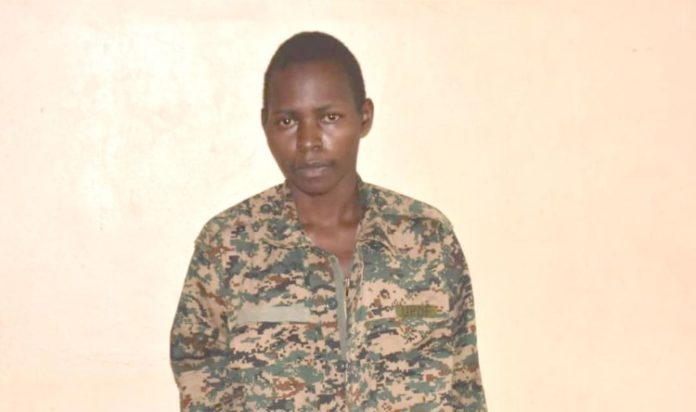
The Uganda People’s Defence Forces (UPDF) Court Martial sitting at Mountain Division Headquarters in Fort Portal has sentenced Lance Corporal Piangu Hussein Mwanika to 40 years in prison for murder.

The prosecution led by Lt. Moses Ekwamu told the military court that on July 24, 2021, at around 09.00 pm, while on guard duty at Kanyamwirima barracks in Bundibugyo, Mwanika gunned down and killed Pte Christine Akido.

According to the court records, L/Cpl Piangu was intoxicated while at the Observation Post-OP, having smoked marijuana. When Akido came to meet him, he subsequently shot her four bullets in the chest, killing her instantly.

In his ruling, Col. Robert Okiror, the Chairperson of the Mountain Division Court Martial, said that the court had considered the submissions of both the prosecution and defence teams and found that the accused acted under the influence of drugs, in contrast to the professional standards.

He said the court found the accused to have killed the deceased with malice aforethought. He, therefore, convicted the accused, saying that by the time he returned to society after serving 40 years, he would be a reformed person.

Stories Continues after ad