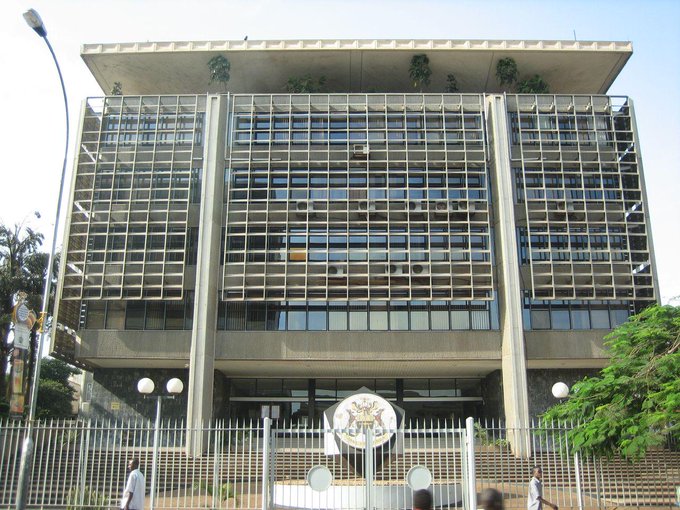
Stanbic Bank
Stanbic Bank
18.4 C
Kampala
Stanbic Bank
Stanbic Bank
Home Blog Page 755

People’s Front for Transition is not Besigye’s pressure group – FDC

Besigye

The Forum for Democratic Change (FDC) has revealed that the newly formed political pressure group, the People’s Front for Transition (PFT) is not Besigye’s vehicle rather a coalition of political parties aiming at ousting President Yoweri Museveni out of power.

The political pressure group was announced this month however, its formation has been criticised by many opposition politicians saying that its Besigye’s project aimed at portraying him as the face initiating change in the country. Democratic Party, the oldest political Party led by former MP Nobert Mao and the National Unity Platform (NUP) led by former presidential candidate Robert Kyagulanyi Ssentamu aka Bobi Wine has since declined to join the group.

According to FDC, the front belongs to all Ugandans who support change. “It’s apparently a platform for the oppressed people who are willing to fight to end the NRM junta. No one owns the front, let’s not confuse the common Ugandans,” FDC said on twitter.

The main objective of this platform is to have President Museveni ousted before 2026. There was however a notable concern as NUP and Bobi Wine were left out of the coalition.

NUP spokesperson Joel Ssenyonyi later came out to say that they had not been invited although he later refuted these statements. FDC through a number of its members, however, said that they had invited NUP but the Kamwokya-based party turned down the offer. It’s averred that NUP sees the PFT as a movement similar to People Power.

They, therefore, preferred Besigye to join Bobi Wine with his People Power instead of the reverse. Besigye also came out himself to say that Bobi Wine had been invited but he decided not to join.

“The NUP president was however receptive of the idea and they will be attacking the regime from different fronts,” Besigye said.

Although it’s indiscrete, there seems to be a row between NUP and FDC over the balance of power. The officials from the two parties have been aiming digs at each other in the past few days.

Stories Continues after ad

Over 2,800 get #Covid-19 jab in UBL Vaccination campaign

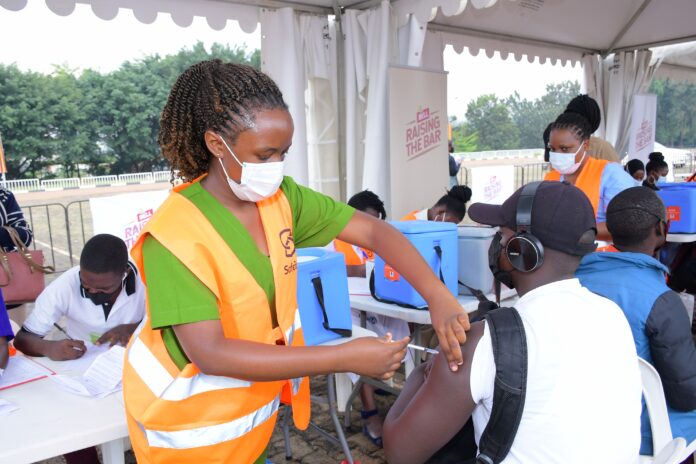
At least 2,814 people have been vaccinated against COVID-19 at the Kololo Independence Grounds. This according to the Ministry of health, is the biggest number to be achieved from a single location in one day.

The vaccination drive, dubbed ‘Fenna Tugemebwe’, is a brainchild of Uganda Breweries Limited (UBL) under its Raising The Bar program, which saw the brewer partner with the Ministry of Health, the Kampala Capital City Authority (KCCA), Coca-Cola Beverages Africa, Safe Boda and several other public and private sector players.

Of these, 2,483 received the first dose of the Pfizer vaccine while 331 received their second jab of the AstraZeneca vaccine.

The thousands of people that got vaccinated received free refreshments from Coca Cola, t-shirts and bags from UBL and a chance to take selfies and interact with their favourite celebrities like Azawi, Ykee Benda, Canary Mugume, Martha Kay, Madrat and Chico and sundry.

Over 20 mobile vaccination stations were active between 9:00 am and 5:00 pm, which ensured a shorter waiting period to ensure that the vaccination process was completed as seamlessly as possible.

Jackie Tahakanizibwa, UBL’s Corporate Relations Manager, said, “I appreciate the public for coming out in big numbers, and appreciate our partners, who have worked with us to make this drive a success. I am excited that we are working towards the targeted number of vaccinated adults needed to enable the safe reopening of the economy.”

In a recent address, President Yoweri Museveni stated that the economy would be reopened once 4.8 million people have been fully vaccinated.

Emmanuel Ainebyona, sp0kesperson of the Ministry of Health, said, “I would like to appreciate the private sector players who have taken time to mobilise people for this mass vaccination. It has been impressive and moving forward, we need to have more of these partnerships and think of more creative ways of ensuring that we vaccinate the 22 million people needed to safeguard everyone against COVID-19.”

Stories Continues after ad

Former UN driver beaten to death in Mengo over accident

ASP Luke Owoyesigyire - Deputy PRO KMP

Police at Old Kampala is investigating a murder by mob of Aziz Bashir, 40, a former driver with United Nations and also resident of Mengo.

The murder happened on 17th October 2021 at about 7 am at Mengo-Katale.

According to Luke Owoyesigire, the Kampala Metropolitan police deputy spokesperson, it is alleged that while the deceased was driving his motor vehicle UBK 393D, he was involved in a minor accident with an unidentified motorcycle rider.

“He got out of the vehicle, but failed to agree with the motorcycle rider. It is from there that two motorcycles shielded the rider, who was involved in a traffic accident with Bashir. The rider left the scene, but in an effort of the deceased pursuing the alleged rider, he knocked another motorcycle rider.”

A group of riders ganged up on him as he was approaching Lyna Primary School. He was pulled out of the vehicle and lynched by the boda boda group to death.

“We have embarked on viewing CCTV footages to identify the riders who could have carried out the criminal act,” Owoyesigire said.

The motorcycle involved in the accident UEJ 515K and the deceased’s motor vehicle were recovered (vandalized) and are now parked at Old Kampala Police while the body of the deceased was conveyed to city mortuary Mulago for a post mortem.

Two suspects have so far been arrested in connection to the murder.

Stories Continues after ad

Oil and gas: CNOOC Uganda trains over 70 truck drivers

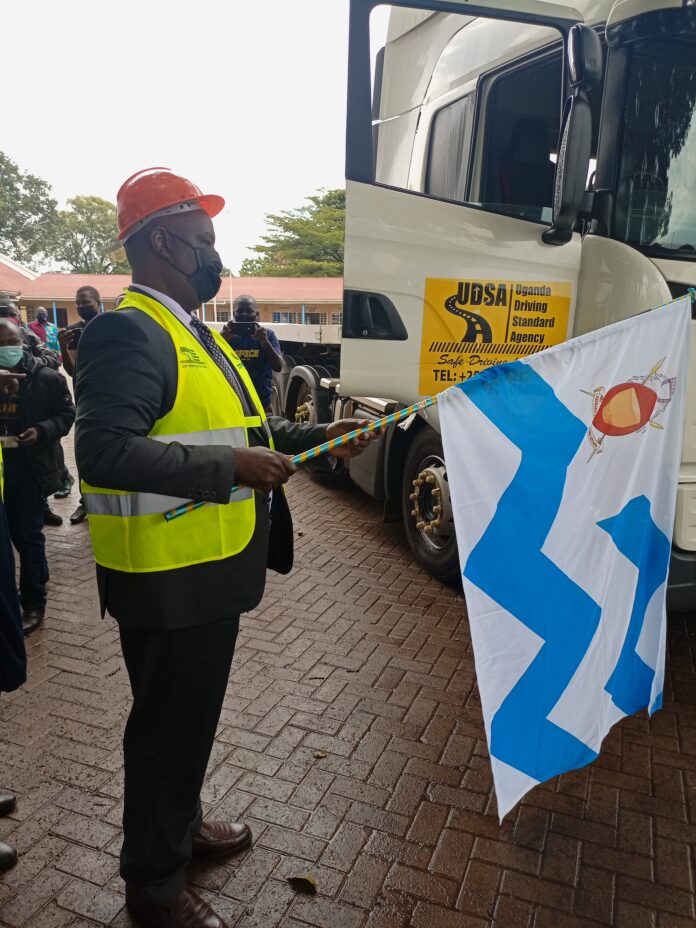
CNOOC Uganda Limited, an oil and gas company has undertaken the training of Heavy Goods Vehicle (HGV) drivers so as to be able to professionally trucks and trailer (class License) or rigid trucks (class CM license). The training will cater for the estimated transportation needs which shall in turn build the capacities and capabilities of Ugandan citizens in this skill.

Following the discovery of oil and gas, the sector is transitioning into the development phase in Preparation for sustainable production of these resources. In order to promote national content in the development and production phases, the three Joint Venture (JV) Partners comprising of CNOOC Uganda Ltd, TotalEnergies and Uganda National Oil Company (UNOC) commissioned an extensive Industrial Baseline Survey (IBS). The IBS was done to determine and align potential demand of the planned projects for goods and services with the Ugandan market to deliver them.

Transportation and Logistics (Goods) was identified as one of the 25 industries with relatively high benefits and feasibility for national content development.

Transportation is also among the goods and services to be provided by Ugandan companies, Ugandan citizens and Registered entities as detailed in the Petroleum (Exploration, Development and Production) (National Content) Regulations, 2016.

A total of 70 participants to this HGV driver training will learn the key issues in dealing with Heavy good vehicle driving in accordance to East African community curriculum. This three (3) months program provides interactive forum for instructors to share, explore and discuss concepts and issues of HGV driving and Road Safety.

Aminah Bukenya, Media and Publicity Manager said that, “the training has enabled positive discrimination for female candidates who have been selected as the primary beneficiaries of this program through a partnership with the Bunyoro Kitara kingdom”.

“We are happy with this initiative, we are thankful to the oil and gas companies who are going to train us in these skills which shall enable us participate in the oil and gas sector especially after FID,” said Irene Businge one of the beneficiaries.

This selection of trainees in this particular cohort was undertaken in partnership with Bunyoro Kitara Kingdom that supported the identification and selection process together with the implementing service provider Uganda Driving Standards Agency. The partnership with the Bunyoro Kitara Kingdom was aimed at positive discrimination for potential beneficiaries from the Bunyoro Sub-Region that hosts the Kingfisher Project.

Zakalia Lubega, the Head of Corporate Affairs stated that;” Industrial Baseline Survey highlighted 100,000 to 150,000 indirect and induced jobs. We believe that this is one of the mechanisms to identify ways to bridge the gaps to maximize national content participation especially during the development and production phases of the project.”

Mr. Andrew Byakutuga Ateenyi said that “Skilling our people is one of the avenues through which they can tap into local content opportunities. This program is another success in the cordial working relationship with CNOOC Uganda Limited.”

As an energy company with a strong sense of social responsibility, CNOOC Uganda is committed to National Content promotion to enable Ugandans to into the opportunities in the oil and gas sector.

Stories Continues after ad

BREAKING: One of the rebel leaders operating in DRC arrested

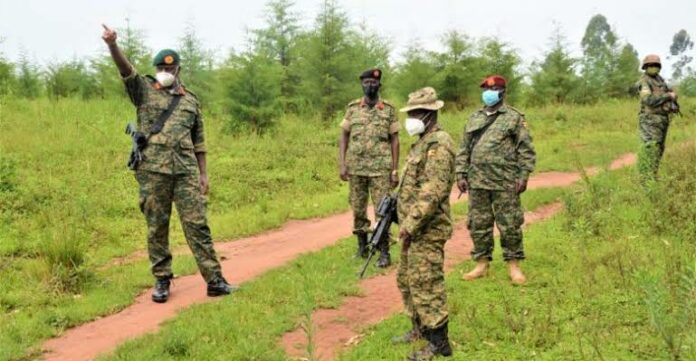
Security and Intelligence services have arrested one of the rebels leaders operating in the Democratic Republic Congo.

He is a leader of Homeland Liberation Front terroring West Nile

Howard Openjuru – The rebel leader

The rebel leader is reported to have been arrested in the country around Kampala.

Recently the country has experienced attacks from rebels operating in Eastern DRC.

This is a developing story.

Stories Continues after ad

Civil Society body petitions South Sudan MPs over violence

Lawmakers in South Sudan’s Transitional National Legislative Assembly and the Council of States should debate ongoing violence in Warrap State and Western Equatoria State, Community Empowerment for Progress Organization (CEPO) said in a petition on Thursday.

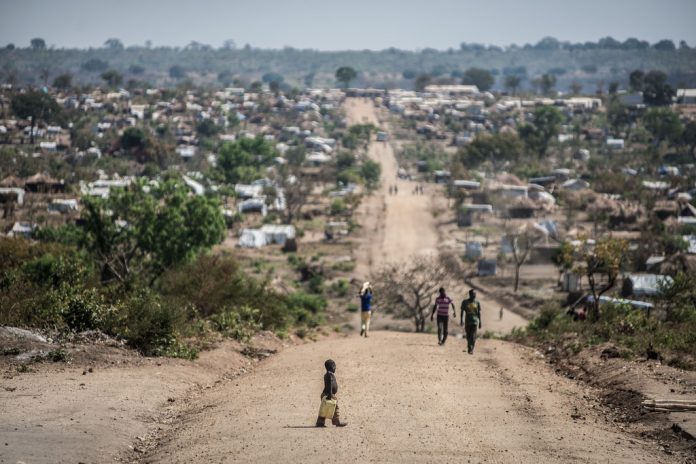
The call comes in the wake of a recent inter-communal violence in South Sudan’s Warrap State, which left more than 30 people dead and 80 wounded. The violence among communities in Tonj East and Tonj North counties in Warrap has led to loss of lives, properties and displaced people.

CEPO is also concerned about the situation in Tambura County of Western Equatoria State, where political violence is ongoing. According to the United Nations Mission in South Sudan (UNMISS), violence in and around Tambura has forced more than 40,000 people to flee their homes.

“The numbers of deaths among civilians and displacement of population due to violence is disturbing, especially at this particular moment when the country’s political leaders say they are implementing the Revitalized Agreement on the Resolution of Conflict in South Sudan,” CEPO said in the petition to lawmakers.

“It is contradicting to see lawmakers attending debates while undermining on-going intercommunal violence in the constituencies they represent,” it adds.

In this regard, CEPO is urgently urging the country’s lawmaker to undertake the following actions to save lives of civilians in Western Equatoria and Warrap States; hold specific parliamentary session on the on-going violence in some parts of Western Equatoria and Warrap States, take parliamentary field visits to the parts of the country with on-going deadly violence among the communities.

In addition, to summon the ministers of Defense, National Security and Interior to explain why violence is occurring among the communities, yet they can be prevented, Commission investigation on violence with other stakeholders’ participation and Urge the presidency to issue directive for immediate actions aimed at preventing the ongoing deadly violence among the various communities.

Stories Continues after ad

Economic activity picks up as Covid-19 restrictions continue to weigh on growth – BoU

Bank of Uganda

The newly released Bank of Uganda (BoU) Monetary Policy Report indicates that economic activity has picked up since the easing of the lockdown in July 2021 however the effects of the lockdown and the remaining restrictions are likely to continue weighing on growth for FY 2021/22.

According to the report, the outlook remains overcast by the future path of the pandemic, especially a major mutation of the virus that could severely undermine vaccine effectiveness and delay both domestic and global economic recovery.

Private sector credit extension remains hesitant due to perceived risk that continues to significantly impair private investment, compromising the quality of financial market information and lenders’ ability to assess the viability of borrowers and investment projects. In addition to spillovers from the rising commodity prices, especially of crude oil and other inputs, global supply chain disruptions could restrain economic growth in the near term.

“Domestic inflation generally remains benign despite higher global inflationary pressures, largely on account of the persistent negative output gaps. Inflation is expected to be lower than projected in the Aug-21 forecast round, but it is anticipated to rise towards the 5% target in the medium-term as the output gap begins to close in 2023 quarter one,” reads in part of the report.

BoU said the upside risks to inflation include a more depreciated exchange rate, higher commodity prices and higher domestic services inflation. The downside risks largely revolve around the possibility of 3rd and 4th waves of the virus outbreaks. Nevertheless, the balance of risks is now tilted to the upside.

Against this backdrop, the Bank of Uganda has maintained 6.5 percent. This decision would be consistent with meeting the inflation target of five percent sustainably in the medium term.

The report shows that Value of loan applications fell, to Shs. 3.86 trillion in the quarter to August 2021 from Shs. 5.41 trillion in the quarter to May 2021, reflecting reduced demand due to the slow pace of economic recovery.

“Value of loan approvals also fell to Shs. 2.26 trillion in the quarter to August 2021 from Shs. 2.36 trillion in the quarter to May 2021 as lenders exerted caution driven by lockdown measures. Wider uptake of vaccines and opening up of some sectors of the economy may increase business activity in turn leading to increased supply and demand for credit in the near-term,” BoU revealed.

Stories Continues after ad

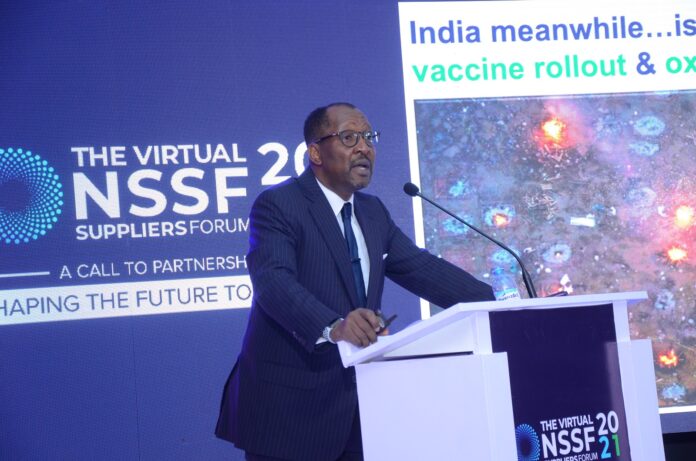
NSSF has funds to meet mid-term payments – Richard Byarugaba

NSSF Managing Director, Richard Byarugaba

The National Social Security Fund (NSSF) has reassured its members and the country that it has funds to meet mid-term payments when the NSSF Amendment Bill is passed by Parliament and assented to by the President.

Section 24 A of the Bill provides that “a member who is forty-five years of age and above and who has made contributions to the Fund for at least 10 years is eligible to mid-term access to his or her benefits of a sum not exceeding 20% of his or her accrued benefits”.

Mr. Richard Byarugaba, the Managing Director of NSSF said their projections show that about Shs 902.5 billion is required to pay members who qualify for 20% of their savings as proposed in the Bill.

“An additional Shs 900 billion to pay members who qualify for NSSF benefits as provided for in the existing Act is also required.,” he said, adding that “To efficiently process the 20% mid-term payments, the Fund has commissioned an upgraded Pension Administration System, which will be installed on November 1, 2021.”

The NSSF Amendment Bill has our unqualified support because it is a progressive piece of legislation that will open many opportunities for the Fund, its members, and the country at large.

The Fund is prepared to implement the NSSF Amendment Bill in its entirety as soon as it is passed into law, and attendant Regulations published.

Stories Continues after ad

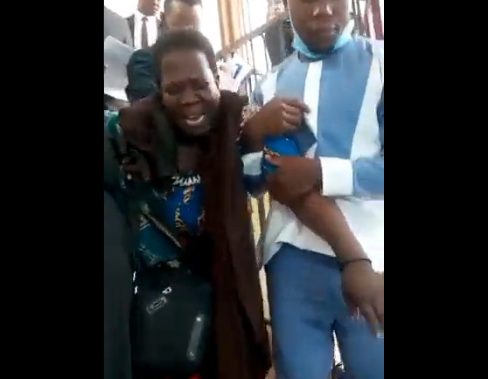
MP Ssegirinya’s mother weeps in court, begs Museveni to forgive her son

Kawempe North MP Muhammad Ssegirinya’s mother, Justine Nakajumba has wept in court after her son was further remanded to Kigo Prison.

Ssegirinya appeared before Buganda Road Grade One Magistrate Ms Doreen Karungi who leveled him with charges of inciting violence.

The MP who appeared via zoom, denied the charges of inciting violence and court remanded him to Kigo prison until 29th October for mention and bail hearing.

During court proceedings, he displayed his feet bearing wounds which he alleged to have sustained after being tortured in the detention facility.

After court, Ms Nakajumba asked the state to forgive her son saying she has not received any medication since he was remanded to prison. “I am diagnosed with liver complications. Ssegirinya is the only person who looks after me,” she added.

“Please President Yoweri Museveni, pardon my son because he is too sick to be in prison. Please forgive my son he didn’t know what he was doing,” tearing Nakajumba said after court session.

Ssegirinya and his counterpart, Makindye West MP Allan Ssewanyana are battling charges of terrorism contrary to section 7 (1) and (2) (d) and (d) of the Anti-Terrorism Act 2002 in count one, aiding and abetting terrorism contrary to section 8 of the Anti-Terrorism Act 2002 in count two, murder contrary to sections 188 and 189 of the Penal code Act in Counts three, four, five and attempted murder contrary to section.

Stories Continues after ad

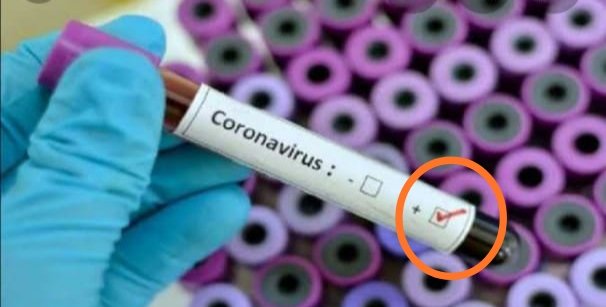
Six in seven #Covid-19 infections go undetected in Africa

Covid-19 testing kits

A new assessment by the World Health Organization (WHO) shows that only 14.2% or one in seven – COVID-19 infections are being detected in Africa. To reverse that trend and curb transmission, the WHO Regional Office for Africa today announced a new initiative to enhance community screening for COVID-19 in eight countries. The programme aims to reach more than 7 million people with rapid diagnostic tests in the next year.

The WHO analysis used the COVID-19 calculator developed by Resolve to Save Lives which estimates infections based on reported number of cases and deaths and an infection fatality rate grounded in population-based studies. It found that as of 10 October 2021 the cumulative number of COVID-19 infections is estimated to be 59 million in Africa, which is seven times more than the over 8 million cases reported.

To date, COVID-19 detection in Africa has focused on people reporting to health facilities with symptoms, in addition to testing arriving and departing international travellers, leading to large-scale under-reporting given the high percentage of asymptomatic cases on the continent.

Since the start of the pandemic and as of 10 October, more than 70 million COVID-19 tests have been reported by African countries, which is a fraction of the continent’s 1.3 billion people. By contrast, the United States, with about a third of the population, has reportedly administered over 550 million tests, while the United Kingdom, with less than 10% of the population of Africa, has administered over 280 million tests.

 “With limited testing, we’re still flying blind in far too many communities in Africa. Most tests are carried out on people with symptoms, but much of the transmission is driven by asymptomatic people, so what we see could just be the tip of the iceberg. Test numbers have been rising in Africa, but this community-based initiative is a radically new approach which should help significantly raise detection rates. More testing means rapid isolation, less transmission and more lives saved through targeted action,” said Dr Matshidiso Moeti, WHO Regional Director for Africa.

The countries participating in the programme are Burundi, Cote d’Ivoire, Democratic Republic of the Congo, Guinea-Bissau, Mozambique, Republic of the Congo, Senegal and Zambia. To kick off implementation, WHO has disbursed US$ 1.8 million to the eight countries. WHO will support countries to interrupt disease transmission, through active case finding by deploying teams in local communities to seek out possible contacts of people who have tested positive for COVID-19 and offer antigen rapid diagnostic tests.

The initiative will use a “ring strategy”, which was pioneered successfully in the eradication of smallpox in the latter half of the 20th century to vaccinate people who are most likely to be infected, and during the recent Ebola outbreaks in West Africa and in the Democratic Republic of the Congo. The ring approach will target people living inside a circle of 100 metres radius around each new confirmed case to prevent further spread of the disease.

In addition, each household within the 100 metres radius will receive hygiene kits including face masks and hand sanitizers and anyone who tests positive will be assessed for the severity of their condition to determine whether they should receive home-based care or need to be transferred to designated COVID-19 treatment centres.

The programme aims to increase the testing capacity in each participating country by 40%, ensuring they reach the WHO recommended benchmark of 10 tests performed per 10 000 people weekly. Currently, around 20 countries – more than a third of African countries  do not reach this benchmark

All testing will be carried out on a voluntary basis and will be conducted using WHO approved antigen based rapid diagnostic tests, which can produce results on-site in as little as 15 minutes and can be administered with minimal training. Rapid diagnostic tests are considered highly accurate for detecting infections that have reached the transmissible stage. Currently, most countries carry out polymerase chain reaction or PCR tests, which require reagents and experts, and are significantly more time-consuming and expensive than rapid diagnostic tests.

There have now been over 8.4 million COVID-19 cases recorded in Africa, including 214 000 deaths. Despite a decline in case numbers in recent weeks, vaccination rates remain low, with only 30% of the continent’s 54 nations having fully vaccinated 10% of their population against the disease compared with almost 90% of high-income countries. Meanwhile, just under half of the African countries that have received COVID-19 vaccines have fully vaccinated just 2% or less of their populations.

In the absence of enough vaccines, a more proactive community testing effort is especially important for reducing transmission in African countries where a relatively youthful population is contributing to a high rate of asymptomatic infections. Estimates show that between 65% and 85% of COVID-19 infections in Africa generate few or no symptoms. As a result, most Africans infected with the disease do not seek out treatment in local health facilities where most testing now occurs. Yet, asymptomatic individuals are playing a key role in facilitating transmission to vulnerable individuals who can suffer severe disease or death.

“Public health authorities in Africa have so far been rightly focused on managing the cases coming into treatment centres and hospitals,” Dr Moeti said. “But now is the time to go on the offensive against COVID-19, and work with local communities to break transmission chains and stop wider outbreaks from happening.”

Stories Continues after ad