Stanbic Bank
Stanbic Bank
24.7 C
Kampala
Stanbic Bank
Stanbic Bank
Home Blog Page 776

Total Uganda sponsors three students pursuing Masters’ degree in Geoscience

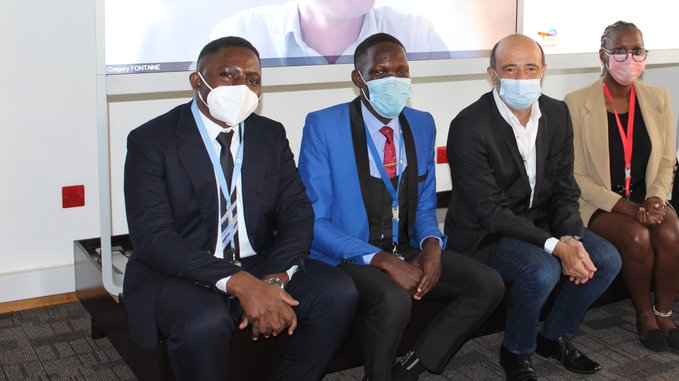
Total E&P Uganda has flagged off three scholars who were selected to pursue Masters’ programs in Geoscience disciplines at the renowned French Petroleum Institute (IFP) School in Paris, France.

The successful candidates who underwent a thorough identification and recruitment exercise are Deogratius Lingo, Victoria Arena Nalwoga and Gideon Kibirige.

The scholars’ recruitment process included technical and panel interviews with Total Energies group and assessments by the IFP School board to finally be selected.

The students were flagged off by outgoing TotalEnergies Uganda Country chair and General Manger, Pierre Jessua at Total E&P Uganda, Kampala office.

Speaking at the function, Mr Jessua congratulated the students on their achievement and offered words of encouragement. He also reminded them to openly communicate with the designated contact persons especially in case they face any challenges.

The students travelled to IFP School on 28th August 2021 and are set to start their academic year on 1st September 2021.

Launched in 2012, Total E&P Uganda’s Masters’ Scholarship Program targets brilliant scholars interested in pursuing science and technical disciplines. To date, 13 scholars have successfully graduated from the program with 9 retained by the Company. Through the program, graduate scholars are equipped with the right knowledge and skills to participate in the development of Uganda’s oil and gas industry as well as other sectors.

By partnering with some of the best institutions in the country to offer scholars with top notch education and scholarship opportunities, the Company aims to contribute to a pool of trained human resources in Uganda. These highly trained individuals will have the capacity to participate in the overall development of the country through their various chosen fields of study.

Stories Continues after ad

CCBA urges Private Sector Foundation to push for favourable trading conditions

Coca-Cola Beverages Africa in Uganda General Manager, Melkamu Abebe and PSFU Ag. Executive Director Francis Kisirinya during the visit at Century

Coca-Cola Beverages Africa in Uganda has urged the Private Sector Foundation of Uganda (PSFU) to work harder with stakeholders like the government to create more favourable trading conditions in Uganda.

During a courtesy call at the Century Bottling Plant in Namanve yesterday, Coca-Cola Beverages Africa in Uganda General Manager, Melkamu Abebe, thanked the PSFU leadership, led by Ag. Executive Director Francis Kisirinya, for always spearheading private sector issues.

“We thank you for the hard work you are doing to ensure that our issues are not ignored. What our industry needs more now is for you to push for a much better tax regime and more favourable trading conditions. The budget announced in July was not encouraging to business. Businesses like ours keep going on because we believe in this country, but now it’s time for the government to reciprocate,” Abebe said.

PSFU Ag. Executive Director Francis Kisirinya thanked Coca-Cola Beverages Africa for being a supportive and participating member.

“As a company you are at the forefront of development in Uganda and you are always engaging when we go out to address private sector issues. We want to assure you that you have the full support of PSFU and that we will continue to direct your concerns to the right places. Indeed, the government should appreciate that without the economy running well there is no way of delivering on social transformation,” he said.

Stories Continues after ad

Dr. Chris Baryomunsi hails UCC performance

Minister of ICT and National Guidance, Dr. Chris Baryomunsi

The Minister of ICT and National Guidance, Dr. Chris Baryomunsi has praised Uganda Communications Commission (UCC) leadership for excellent performance as a top government agency.

Baryomunsi while inaugurating what he described as a “high caliber” board for UCC, said his ministry will provide all the support so that they can deliver high quality services to the public.

Baryomunsi who was accompanied by his junior Godfrey Kabbyanga and the Permanent Secretary, Dr. Aminah Zawedde, urged the board to strengthen regulation of the communication and media space.

“The technology enables communication, but we also have individuals who misuse it,” Dr Chris Baryomunsi said, citing abuses and fake news on social media, among others.

The new board comprises of Dr. Dorothy Kabagaju Okello (Chairperson), Dr. Jimmy Saamanya and Enoch Barata. New faces also include Lucy Ntabazi, Edson Ngirabakunzi, Eng. Paul Odoi and Eng. Geoffrey Agoi. The acting UCC Executive Director Irene Kaggwa Sewankambo is also a member by virtue of her position.

Under Section 9 of the Uganda Communications Act 2013, the Commission’s Board must include a person with experience and knowledge in telecommunications, broadcasting or postal communications, who shall also be the chairperson.

The board must also include a representative of professional engineers recommended by the Institute of Professional Engineers. A prominent lawyer who is a member of the Uganda Law Society. A person knowledgeable in the field of economics, financial management and public administration.

A representative of the ministry responsible for information and communications technology. The executive director, a representative of consumers recommended by the Uganda Consumers Association. And one eminent person of good repute and proven integrity representing the public.

The Act further stipulates that a board member shall hold office for three years. They shall thereby eligible for reappointment for only one further term.

Stories Continues after ad

Court of Appeal to handle 59 civil matters in three weeks

Gavel

The Court of Appeal has started handling a new Civil Appeals Session where a total of 59 matters will be handled. These include 42 Civil Appeals, 12 Civil Applications, three Election Petitions and two Election Petition Applications. The election matters arise from the 2011 and 2016 general election and subsequent by-elections.

The Court’s Registrar, Ms Susan Kanyange, said the three-week long session will be presided over by Justices; Christopher Madrama, Irene Mulyagonja and Monica Mugenyi.

Among the prominent cases to be heard is that where the Attorney General is appealing the decision of the High Court declaring that Gen David Sejusa was no longer a serving officer of the Uganda People’s Defense Forces. In 2016, the High Court observed that Gen Sejusa was entitled to constructive discharge from the Army since he wasn’t receiving a salary and other benefits.

On the side of election petitions, the appeal by former Lubaga South MP Paul Kato Lubwama over his academic papers will be handled. In his election petition, the voter Habib Buwembo contends that Hon. Kato Lubwama lacked the Primary Leaving Examinations certificate (PLE), Uganda Certificate of Education (UCE), and the Uganda Advanced Certificate of Education (UACE) or its equivalent, to qualify as MP.

Another matter is that of former legislator Mwiru Paul who is appealing the decision of the National Council for Higher Education for unlawful cancellation of academic papers.

The Court will also hear the matter in which former Bubulo West MP, Tonny Nsubuga Kipoi contested the decision by the High Court declaring his nomination and election invalid on the ground that at that time he lacked the required academic qualifications.

Hon Kipoi and Tonny Waluku Wataka together with others contested in the February 2011 Parliamentary elections for Bubulo West Constituency, which Kipoi won.

However, being dissatisfied with the results, 803 voters including Wataka, petitioned the High Court at Mbale arguing that Kipoi was not validly elected.

Ms Kanyange said much as these are public interest cases, the Court will follow guidelines issued by the Chief Justice in conducting court business amidst the Covid-19 pandemic.

Stories Continues after ad

Dr Muganga Victoria University VC is a Ugandan

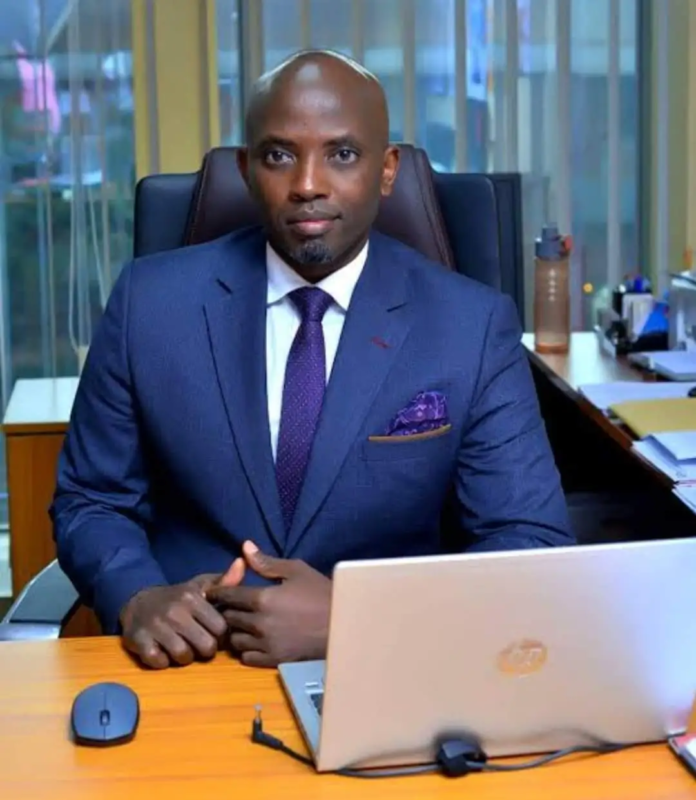
KAMPALA – Dr. Lawrence Muganga, who was taken into custody by the military on Thursday afternoon, is a Ugandan national.

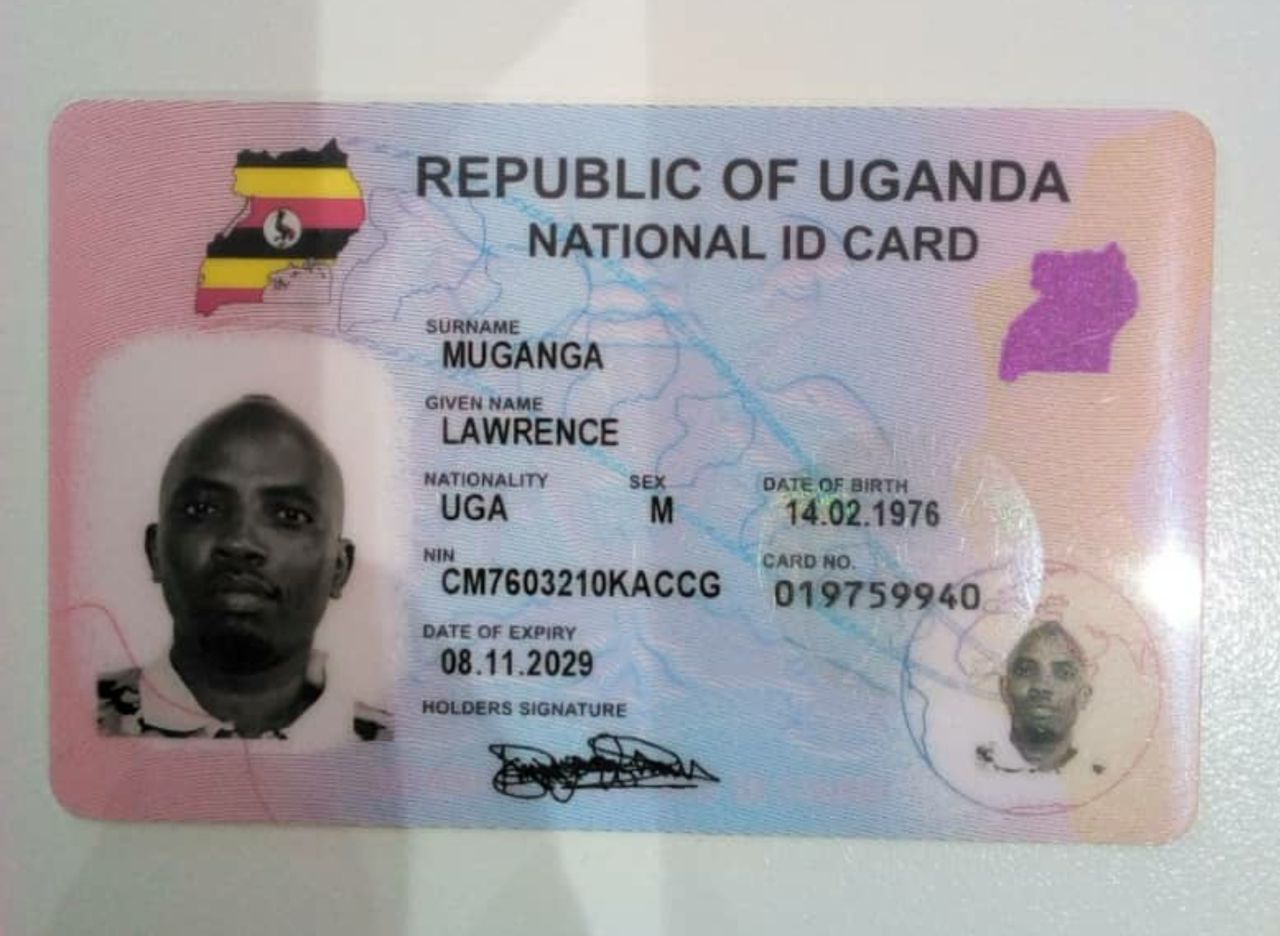
It has emerged that the Victoria University Vice Chancellor, a highly trained in Canada for several years has a Ugandan national ID No. CM9603210KCCG.

A military spokesperson
Col. Ronald Kakurungu said had earlier said that Dr. Muganga had been arrested over illegal stay in the country and espionage activities.

“He was arrested by joint Security Forces in connection with espionage and illegal stay in the country,” Col. Kakurungu said.

But it has emerged that Dr. Muganga is a Ugandan with a national identification number due to expire in 2029.

He also holds a Canadian passport valid till January 2026.

Dr. Muganga who holds a stellar record of success in providing policy advice, independent and analysis, clear and easy-to-read research products has held positions in Canada, Ethiopia, and Rwanda.

He is also skilled at identifying and explaining complex policy and strategy issues and researching contentious issues

He focused on researching, planning, developing, implementing, and assessing policies that contribute towards human capital development and improving the quality of life for populations.

He says he works with universities, think tanks, research and policy institutes, governments, multi-national development agencies, not-forprofit organisations, and corporations.

He is an award-winning writer and author, researcher, educator, international curriculum speaker, public policy practitioner, strategy advisor, development, and management specialist.

Muganga earned his master’s degree in economic policy management from Makerere University and a PhD in educational administration and leadership from the University of Alberta, Canada. He holds a higher education teaching certification from Harvard University, Derek Bok Centre for Teaching and Learning.

He advises schools, governments, multi-national agencies, international aid organisations, education managers, and administrators.

He also supports curriculum development experts, educators, learning facilitators, trainers, and independent citizens searching for solutions to better the education systems, to deliver meaningful learning.

His advice is grounded in the urgent need to equip students with the skills required to address the 21stcentury challenges.

Stories Continues after ad

Makerere University stuck with over 100,000 Certificates

Makerere-University

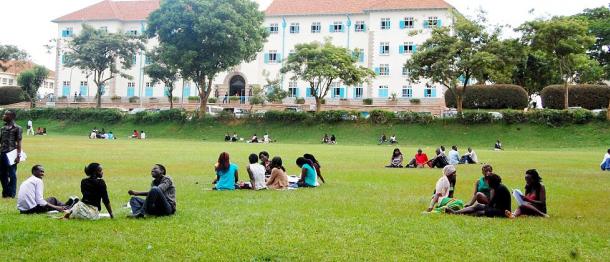
Makerere University is stuck with over 100,000 certificates of students who have for years been graduating.

According to Patience Rubabinda, the Deputy Registrar of Makerere University, said students have deliberately declined to pick their certificates from the office.

“Currently when students graduate we process their certificates in bulk. Over the years since 1954 we have accumulated certificates we shouldn’t be keeping but people have deliberately refused to pick them,” Rubabinda said.

However, in an interaction with one of the students said that there is a lot of bureaucracy in getting these certificates which makes most students lose interest in them.

“This is as a result of the bureaucracy of getting them. It is over 10 years and my undergraduate certificate is part of that statistic. I tried three different times in a span of two years and I gave up,” student names unrevealed narrated.

Stories Continues after ad

Museveni Advisor kisses death in terrible accident


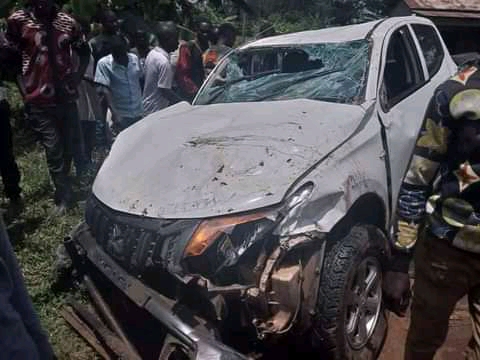
Sad News reaching Eagle Online indicates that the Presidential Advisor on Bugisu Affairs, Elly Bernard Mujasi has this Thursday afternoon been involved in a nasty road accident.

Mujasi also a former LC 5 chairman of Mbale was traveling in his double cabin vehicle Registration Number UG 3205R when it overturned several times. The driver lost control as he tried to save a boda boda rider along Tororo road in Mbale city.

We have established that the he has been rushed to Mt Elgon Hospital in Mbale for treatment.

Reports indicates that his both legs have been fractured.

Police is yet to issue a statement concerning the accident

Stories Continues after ad

Museveni to launch decisive war against malaria amidst #Covid-19 pandemic

Museveni

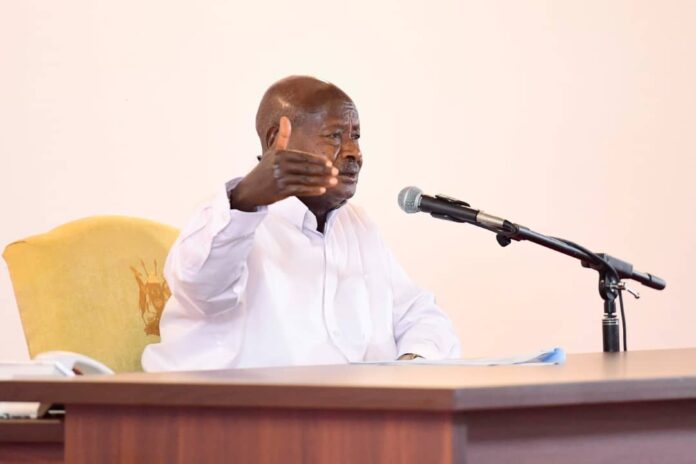
President Yoweri Museveni has vowed to launch a full war against mosquitoes and malaria saying the focus has been on curative side and not so much on prevention and elimination.

“We were used to mainly the curative side. Prevention is not emphasized. We need to study data, what do we gain if we shift from curative to prevention or elimination. Can we develop vaccines, eliminate vectors and promote behaviour change? If we aim at elimination, we need to study how successful countries did it,” he said.

President Museveni was yesterday one of the panellists at a webinar organised by the Harvard University to highlight findings from a year-long global engagement on the theme, “Rethinking Malaria in the Context of COVID-19”

The President was invited by Harvard University and other partner institutions around the world to take stock of the global Malaria situation and offer insights on the most effective and innovative response to control and eliminate malaria across the globe.

The President acknowledged that the handling of malaria has been a bit leisurely. “It is true we have been a bit leisurely in our handling of malaria. We have lived with it for centuries and it is not as scary as Corona and Ebola although the costs of treating malaria are high. We have been diverted with a lot of things including minimum recovery and development. Suppose we eliminate malaria how much can we save. Can we develop a vaccine? I am ready to launch a full war against mosquitoes and malaria,” he said.

President Museveni said diseases are not simply biology but natural viruses and germs propelled by human behaviour. “Like Corona, it goes two metres and not beyond. If you take care, it will not affect you. Diseases are biological agents assisted by human behaviour,” he said. Citing the guinea worm which was endemic here but was eliminated through sensitizing people on drinking clean or filtered water.

Museveni emphasized that in the case of Uganda, they are looking at eliminating Larvie to have less mosquitoes, using bed nets, spraying on walls and for a long time now they have been talking about a vaccine.

“A multi-plonged approach can help deal with malaria including the use of therapeutics,” he said.

He said community involvement and sensitization is decisive in the fight against malaria and other illness citing tuberculosis, AIDS and COVID-19. He also said Uganda is emphasing research and is supporting various institutions with a lot of potential.

“There is a lot of knowledge in our communities not known to the world. Our scientists get knowledge and subject it to modern research,” he said. He called for collaborations between countries in the development of vaccines to make the research more efficient.

“Our scientists are not only working on a vaccine; they have also got all the chemicals they need. African countries should collaborate in the division of labour including multiplication of the viruses and chemicals. Collaboration will make it more efficient instead of each country going it alone and wasting time,” he said.

He emphasised change of behaviour by sensitisation and in extreme cases, by force as was the case for Corona were lockdowns where imposed.

According to reports, Uganda has the 3rd highest global burden of malaria cases (5 percent) and the 8th highest level of deaths (3 percent).

10 countries have been certified “Malaria free” in the past 5 years including China and Sri Lanka

Africa suffers 90 percent of the malaria burden and progress has stalled. Today, there are 220 million cases of malaria and 435,000 deaths worldwide – this is the same level of human suffering as was the case in 2015.

COVID-19 also brought about the fastest vaccine and diagnostics in history, proving our ability to quickly bring new/powerfully effective treatments to bear on public health challenges – and this is exactly what’s needed to end malaria

Other speakers included the Chair, Rose Gana Fomban Leke Emeritus Professor of Immunology and Parasitology University of Yaounde, Cameroon and the Co-Chair, Malaria Governance Working Group Uganda’s Specioza Naigaga Wandira Kazibwe, Senior Presidential Advisor Population & Health and Vice President Emeritus, Michelle A. Williams Dean of the Faculty Harvard T.H. Chan School of Public Health Angelopoulos Professor in Public Health and International Development and Matshidiso Moeti Regional Director for Africa, World Health Organization among others.

Stories Continues after ad

Kawempe North will soon be Uganda’s Capital City – MP Ssegirinya

Muhammad Ssegirinya

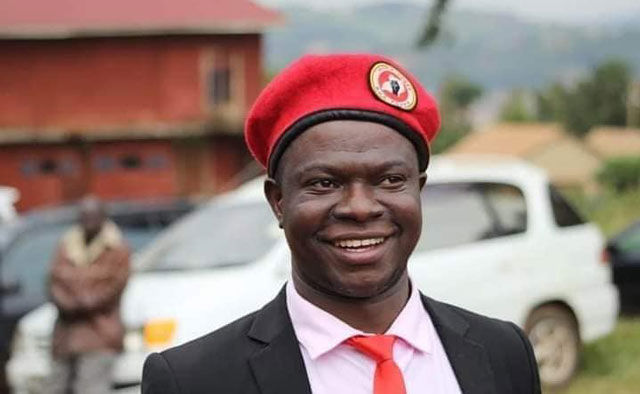
National Unity Platform MP Muhammad Ssegirinya has revealed  that his constituency, Kawempe North will soon be the country’s capital city.

“Soon Kawempe North will become the capital city of Uganda,” he said on Twitter.

Ssegirinya’s rhetoric follows a number of things he has done for his people ever since he was elected to parliament. Ssegirinya has been up and down lobbying for his constituents.

The MP has set up a health facility which he says will be the best in the region and in  the country. He has gone ahead to get the medical equipment necessary to run the hospital.

The MP who relies more on donations,  has secured a number of ambulances and a fire brigade vehicle which he says will help people in case of  fire outbreaks.

The MP also announced he had started his Segi-box venture meant to uplift the people of his constituency from poverty. Through the innitiative Ssegirinya gives out financial assistance to the vulnerable people to boost their businesses.

Recently, the MP vowed to start up a technical institute in the area peddled at equipping the youths with vocational skills.

Stories Continues after ad

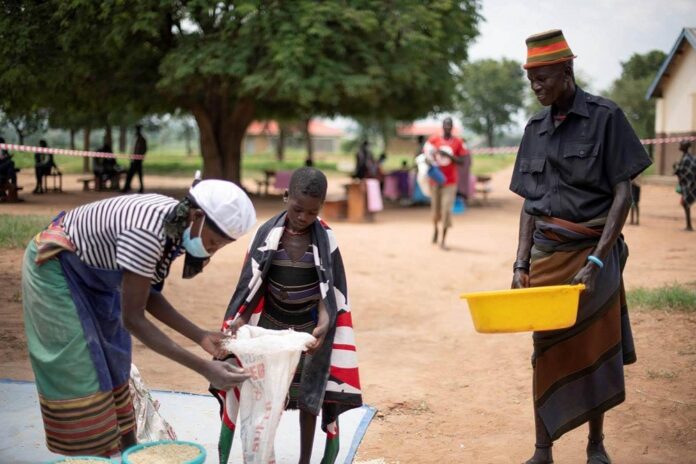
EU launches Shs 16 billion project to improve Karamoja’s response to food shocks

The World Food Programme (WFP), Food and Agriculture Organisation (FAO), and the Office of the Prime Minister have collaborated to improve how the Karamoja region responds to food shocks.

At the launch of Shs 16.69 billion (EUR 4 million)Pro-Resilience Action project (Pro-ACT), the UN agencies and government emphasized the need for greater inclusion of poor and vulnerable people in Uganda’s entire disaster response.

An essential part of Pro-ACT is strengthening the District Disaster Management Committees to develop contingency plans that address the needs of communities. Ambassador Attilio Pacifici, the European Union Head of Delegation appreciated the Government of Uganda for being at the forefront of all development and emergency programmes in the country.

“Thanks to Pro-ACT, local and national stakeholders will increase their capacity to share timely and accurate information that will support communities to prepare for and manage shocks. This action will also contribute to ongoing policy dialogue on Disaster Risk Financing and the Disaster Risk Management legal framework,” he said. “Without government, interventions, especially those that address climate disasters, would not be sustainable. That is why Pro-ACT supports national and local authorities with the resources they need to plan and deliver responses that effectively meet the needs of the people. “

The project is working towards strengthening shock response systems in all the nine districts of Karamoja through early warning on weather patterns and assistance that enables households to take action to reduce their risk.

“We are glad the EU, WFP, and FAO brought this project to Karamoja because we need urgent support when it comes to preparing and responding to food security shocks such as drought,” said Komol Paul Lotee, Kotido District LCV Chairperson. “Our people are suffering because there was no rain, the crops failed, and they do not know what to do. This happens every lean season. Yet, we are never prepared. We need to give people timely and accurate information and improve their capacity to prepare for shocks.” he said

The lean season is the period between planting and harvest, usually occurring from March to July, when there is little food and minimal rainfall. The 2021 WFP, FAO, and Ministry of Agriculture, Animal Industry and Fisheries Integrated Food Security Phase Classification (IPC) analysis shows that this lean season is worse than that of last year. A total of 361,000 people in Karamoja, 30 percent of the population, faced high levels of food insecurity between March and July this year. FAO has already piloted a drought early warning system to improve community preparation for the lean season and other cyclic shocks that affect food security.

“We are working with the Government of Uganda to build an effective early warning system for Karamoja that will predict, in time, food security shocks, and then support the government and communities to prepare accordingly. Timeliness is of the essence,” FAO’s Deputy Representative in Uganda, Ms. Priya Gujadhur said as she emphasized the importance of strengthening the capacity of national and local stakeholders. “Early identification of risks linked to clear action will reduce the impact of food security shocks before peak needs.”

As part of Pro-ACT, the EU is contributing to WFP’s lean season response by providing a protective ration. The protective ration is assistance that will help reduce the likelihood of sharing specialised nutritious food that is meant for treatment of malnutrition in children under five and pregnant and breastfeeding women.

“WFP is providing assistance to only a fraction of the people who need it in Karamoja. The frequency and severity of natural hazards in Uganda is only going to get worse with climate change and the number of people in need will grow. We must be smarter in the way we respond to shocks,” said Ryan Anderson, WFP Deputy Country Director. “Providing people with the information and skills they need to prepare is the most effective way of reducing humanitarian need over time. Zero hunger is possible only if communities have the right tools to manage shocks.”

Karamoja has consistently had the lowest development indicators in the country. At 66 percent, the region’s poverty rate is three times the national poverty rate of 20 percent and more than 30 times that of Kampala, the capital of Uganda, which stands at two percent. A WFP and FAO historical drought analysis shows that Karamoja has a 30 percent chance of experiencing a drought or dry spell in any given year, the highest in the country.

“Government is committed to ensuring everyone in Uganda, including Karamoja, has enough nutritious food. Through our projects such as the elderly’s Senior Citizens Grant and the COVID-19 relief funds, we have demonstrated that we are determined to reach the most vulnerable. We need partners such as the EU, WFP and FAO to strengthen our response all over the country,” said Hon. Esther Davina Anyakun, Minister of State for Relief, Disaster Preparedness and Refugees. “Our people need simple weather information that they can understand and act upon. Government welcomes the project because it aims to empower communities with information and provide sustainable solutions. Information is power and, in the case of shocks, information is lifesaving.”

Stories Continues after ad