Stanbic Bank
Stanbic Bank
21.8 C
Kampala
Stanbic Bank
Stanbic Bank
Home Blog Page 1026

Hand-washing alone will not prevent the spread of coronavirus

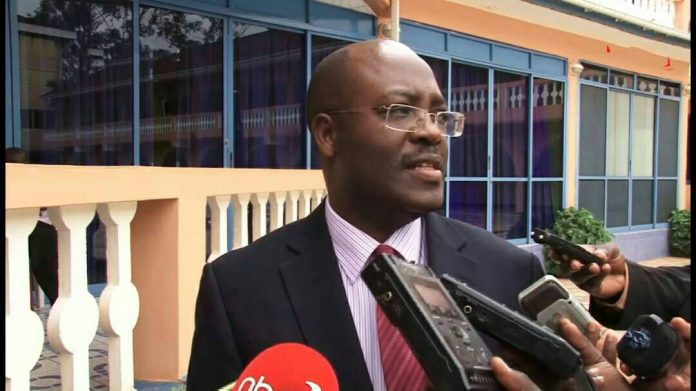
Prof. Mbonye


By Prof. Anthony K. Mbonye

I have been amazed by the messages on how to prevent Coronavirus. Most newspapers and media in Uganda have spurned messages portraying hand-washing as a magic bullet for the anticipated corona virus infection.

Whereas hand-washing is one of the interventions that can mitigate the spread of the Coronavirus infection, it is not the only strategy.
Let me outline the transmission mechanisms, prevention, and treatment of known airborne diseases to illustrate my point.

How are airborne diseases transmitted?

Airborne diseases as the name implies are transmitted mainly by breathing. They are spread when an infected person coughs, sneezes, spits nasal and throat secretions into the air.
Certain viruses or bacteria hang in the air or land on other people or surfaces. When you breathe airborne disease organisms, they enter the body and stick to and infect the mucosa.
A person can also pick up the disease organisms when he or she touches an infected surface and then touches the eyes, nose or mouth. Because the disease organisms are mainly transmitted by air, they are hard to control. Thus, the rapid spread of Coronavirus we are witnessing in the world today.

The international health regulations (IHR) do not recommend travel restrictions during epidemics/pandemics. That is why countries were reluctant to impose travel restrictions; and probably this is one of the causes of the rapid spread of the =Coronavirus. Isn’t it time now to review that regulation?

Common types of airborne diseases:

Common Cold, influenza, chicken pox, mumps, whooping cough, tuberculosis (TB), measles and diphtheria.

How are airborne diseases best prevented?

-Avoiding close contact with people who have active symptoms of the disease.
-Stay home when you are sick (self-quarantine).
-If you must be in public places, wear a face mask to prevent spreading or breathing in germs.
-Cover your mouth when coughing or sneezing.
-Frequently washing hands with an antiseptic agent.

Treatment for common airborne diseases

For most airborne diseases, one needs to have plenty of rest and fluids.
For some airborne diseases, there is no targeted treatment, although medications and other supportive care can help relieve symptoms. Some diseases such as the flu can be treated with antiviral drugs.
Treatment for infants with whooping cough can include antibiotics and hospitalisation is often needed.
There are drugs to treat and cure TB, although some strains of it are drug-resistant. Failure to complete the course of medicine can lead to drug resistance and return of symptoms.
As we take measures to prevent a possible outbreak of Coronavirus (COVID-19) infection, I wish to advise Ugandans take on the above preventive interventions as well as hand- washing.
I also advise Ugandans to maintain the hand-washing practice, especially after visiting toilets and before preparing or eating food.
This will help us to fight diseases like cholera, typhoid, dysentery, worm infections and other diseases spread through the nose and eyes associated with poor hand-washing practices.

The writer is a professor at the College of Health Sciences, Makerere University, Kampala, Uganda.
Email: _akmbonye@musph.ac.ug

Stories Continues after ad

We shall win this Covid-19 war, we can avoid it if we abide by the guidelines

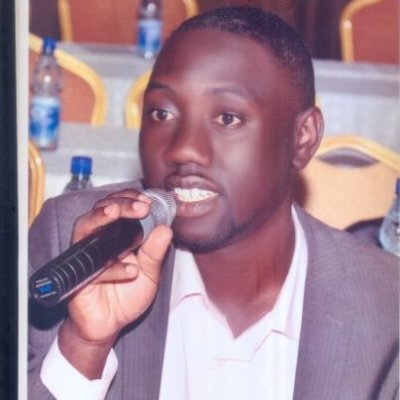
Mr. Michael Woira


Just last year, I had a very memorable journey to China, a place that I enjoyed and to date I think it’s one of those places one should go to before they depart from this sweet world .The most interesting thing in China is that even when you don’t speak their language you can still have fun, buy whatever you need and still feel at home.

A few months after I was back, Coronavirus was now the chorus and the only verse in the song being sung by everyone around the world.  It’s really disturbing every time I remember the good people that I met in China, the hospitality that I got at all the tourist sites that I visited which I think are now not functional, the good clean streets I walked on that are not very accessible currently because of the lock down , it’s very sad.

Everywhere around the world now, People are now living on misery streets, with misery homes and misery rooms  because of the scare brought by the scourge, it’s like we are not family that is having the same Red blood, everyone is an enemy if not a danger to one another because the World Health Organization now tells us to be a distance from one another, we can’t greet, hug and kiss as it has always been just because of this dangerous disastrous guest (CORONA) that has evaded the world.

It’s all misery East to West and South to North of the world, no one has been left behind in this, it has not isolated any nation, it has attacked us all like never before. No business, no flights, no tours, no work, working at home but who pays those that work at home, No night discos and now no one takes the beers and the waiters and waitresses who are paid per day will have to face the Music from this scourge, the sad verse of the sad song whose lyrics are a hard cough, body weaknesses, Fever, difficulty breathing and many other severe cases.

Its indeed an extraordinary time that I have personally never experienced from childhood, and people around our communities and our country are being asked to make sacrifices in the name of stopping the spread of this pandemic illness because it’s now our role as citizens to deal with it, because if we relax and fail to then we will be at a very great risk of facing the tough times when it finally arrives here in the pearl of Africa (Uganda)

It has not been easy for our comrades out there in those countries that are affected especially China, Wuhan where many of our Ugandan brothers and sisters are, nor will it be but it’s critical that we all stay calm and pull together as we deal with this pandemic. That means that we have to use this time to  support our own businesses(Buy Uganda,  Uganda) since some of the products got from China or any other countries are here and to deal with the current situation where travel bans have been put in place, lets trade from here, deal with others well and, in general, doing the best we can to set a good example of taking precautions serious as advised by the ministry of Health and all in all to take care of ourselves and abide by the guidelines that were put in place by the president of our dear country Uganda.

All Ugandans must know that this situation is temporary and it will continue to be until when it will be nowhere to be. Let us all just be patient and vigilant as we adjust to the new guidelines and orders that have been put in place by the president and the Ministry of Health for the good of our country. It’s already clear that this process and ban on discos, bars, Restaurants and schools from operating will have consequences to our economy but first things first, we have to be safe because life is so precious and cannot equal to anything.

Uganda as a country is based on civil liberties and the rights of individuals of which some of them are rights to movement of which the president has banned international flights from coming to Uganda, no access by passengers or vehicles coming to Uganda, and many other rights that have been halted because of the pandemic but this is just because of the bad times. It is very natural that some of the guidelines put in place limit on our freedoms. However, consider the big picture of COVID-19   a pandemic disease that already has had uncontrolled effects on societies such as China and very powerful countries like Italy.

Fellow Ugandans, now is the time to pull together as brothers and sisters, husbands and wives, mothers and fathers, friends and in-laws. There are many ways we can do our part as we deal with this public health crisis that has become a world threat. Perhaps most importantly, follow the advice of our health experts and the guidelines by the president. Wash your hands at all times wherever you go. Disinfect frequently touched surfaces in your home and office with sanitizers. Don’t cough or even sneeze in public, it’s very bad. Stay home when you can to avoid any social contact, and stay home if you are not feeling well. Together we shall all be healthy and live a batter life in the pearl of Africa.

Michael Woira

Uganda Media Centre

Stories Continues after ad

International Olympics Committee Executive Board agrees to step up scenario-planning for Tokyo 2020 Games

Tokyo Olympics 2020

To safeguard the health of all involved and to contribute to the containment of covid-19, the Executive Board (EB) of the International Olympic Committee (IOC) announced that the IOC will step up its scenario-planning for the Olympic Games Tokyo 2020.

These scenarios relate to modifying existing operational plans for the Games to go ahead on 24 July 2020, and also for changes to the start date of the Games. This step will allow better visibility of the rapidly changing development of the health situation around the world and in Japan. It will serve as the basis for the best decision in the interest of the athletes and everyone else involved.

On the one hand, there are significant improvements in Japan where the people are warmly welcoming the Olympic flame. This could strengthen the IOC’s confidence in the Japanese hosts that the IOC could, with certain safety restrictions, organize Olympic Games in the country whilst respecting its principle of safeguarding the health of everyone involved.

On the other hand, there is a dramatic increase in cases and new outbreaks of COVID-19 in different countries on different continents. This led the EB to the conclusion that the IOC needs to take the next step in its scenario-planning.

A number of critical venues needed for the Games could potentially not be available anymore. The situations with millions of nights already booked in hotels is extremely difficult to handle, and the international sports calendar for at least 33 Olympic sports would have to be adapted. These are just a few of many, many more challenges.

Therefore, further to the study of different scenarios, it would need the full commitment and cooperation of the Tokyo 2020 Organising Committee and the Japanese authorities, and of all the International Federations (IFs) and National Olympic Committees (NOCs).

It would also require commitment from, and collaboration with, the Rights-Holding Broadcasters (RHBs) and our TOP Partner sponsors, as part of their continued and valued support to the Olympic Movement, as well as cooperation from all the Games’ partners, suppliers and contractors. It is in this spirit of the Olympic stakeholders’ shared commitment to the Olympic Games, and in light of the worldwide deteriorating situation, that the IOC EB has today initiated the next step in the IOC’s scenario-planning.

The IOC will, in full coordination and partnership with the Tokyo 2020 Organising Committee, the Japanese authorities and the Tokyo Metropolitan Government, start detailed discussions to complete its assessment of the rapid development of the worldwide health situation and its impact on the Olympic Games, including the scenario of postponement.

The IOC is confident that it will have finalised these discussions within the next four weeks, and greatly appreciates the solidarity and partnership of the NOCs and IFs in supporting the athletes and adapting Games planning.

The IOC EB emphasized that a cancellation of the Olympic Games Tokyo 2020 would not solve any of the problems or help anybody. Therefore, cancellation is not on the agenda.

After the EB meeting, IOC President Thomas Bach today wrote to the global athlete community to provide them with an explanation of the IOC’s approach.

In the letter, Bach stated once more that safeguarding the health of everyone involved and contributing to contain the virus is the fundamental principle, and said: “Human lives take precedence over everything, including the staging of the Games. The IOC wants to be part of the solution. Therefore we have made it our leading principle to safeguard the health of everyone involved, and to contribute to containing the virus. I wish, and we all are working for this, that the hope so many athletes, NOCs and IFs from all five continents have expressed will be fulfilled: that at the end of this dark tunnel we are all going through together, not knowing how long it is, the Olympic flame will be a light at the end of this tunnel.”

Stories Continues after ad

Phil Rivett appointed independent non-executive director Standard Chartered PLC

Standard Chartered PLC has announced the appointment of Mr. Phil Rivett as an independent non-executive director to its Board of Directors. Phil will take up his appointment on May 6, 2020 and will also join the Company’s Audit and Board Risk Committees.

Phil has a strong technical understanding and broad financial and business experience gained over more than 40 years in various senior positions at PricewaterhouseCoopers (PwC), the last seven years of which were as Chairman of the firm’s Global Financial Services Group. Phil joined PwC as a graduate trainee accountant, becoming Partner in 1986. He spent more than 30 years as a Partner at PwC where he went on to become Leader of the Financial Services Assurance practice in 2007. He was appointed Chairman of its Global Financial Services Group in 2011.

Phil was the lead relationship partner for several large FTSE 100 companies including, a number of banks and financial services institutions. He retired from PwC in 2018. Phil previously sat on a number of financial services industry groups producing guidelines for best practice in governance, financial reporting and risk management. Phil has a Bachelor of Science degree in Physics from Imperial College, London.

Phil is currently an independent non-executive director of Nationwide Building Society and is based in London.

After over seven years as an independent non-executive director on the Board (appointed January 2013), and having participated as a member of the Remuneration Committee in that time, Mr Louis Cheung (aged 56) has decided to step down from the Board and will retire as a director on March 25, 2020.

José Viñals, Group Chairman said: “Phil has more than 40 years of professional accountancy and audit experience specifically focused in the financial services sector. He has a significant understanding of the risk factors affecting the global financial services industry and has an in-depth understanding of the regulatory landscape as well as experience of operating across many of our markets. I am delighted to welcome Phil to Standard Chartered and look forward to his contribution in our Board and Committee discussions.

On behalf of the Board I would like to thank Louis Cheung for his important contributions to the Group over the past seven years, as well as his considerable insights into Asia, particularly Hong Kong. We wish Louis Cheung all the very best for the future.”

The independent non-executive directors do not participate in any of the Group’s incentive arrangements. Phil Rivett will receive a fee of GBP105, 000 per annum for his services as an independent non-executive director, with additional fees of GBP35,000 per annum, as a member of the Audit Committee and GBP35,000 per annum, as a member of the Board Risk Committee. This is disclosed in accordance with the Rules Governing the Listing of Securities on the Stock Exchange of Hong Kong Limited.

Stories Continues after ad

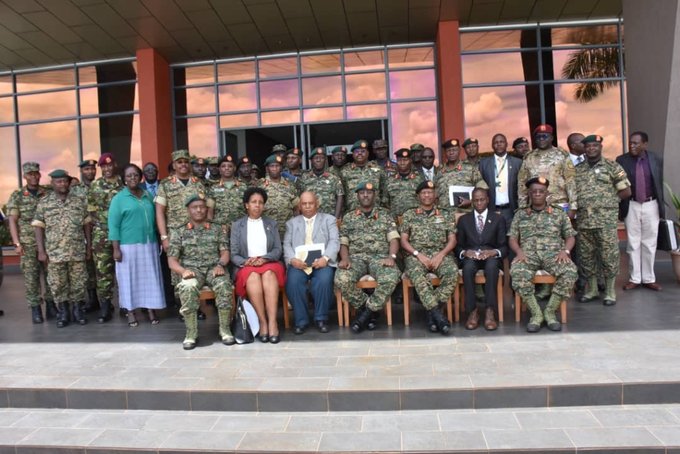
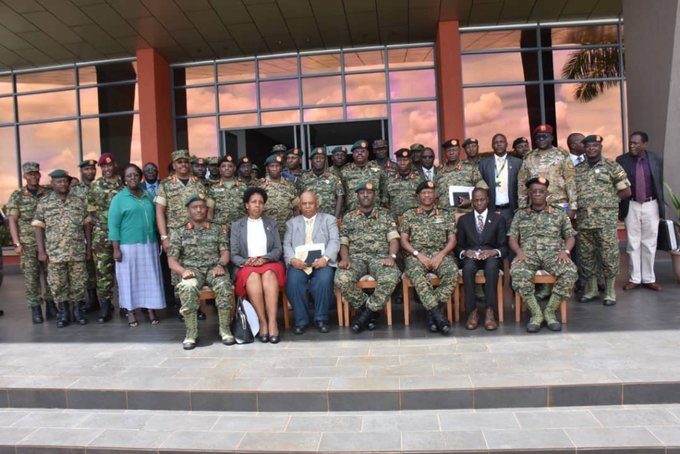
Health Ministry, WHO equips UPDF senior staffs on COVID-19

UPDF team and the Ministry of Health officials.


The Ministry of Health together with World Health Organization (WHO) has trained Chiefs of the Uganda Peoples Defence Forces (UPDF) and top officials from the Ministry of Defence and Veteran Affairs about Coronavirus (COVID-19) at Mbuya hill.

The Chief of Defence Forces (CDF) Gen. David Muhoozi in his remarks lauded the Ministry of Health for coming in at a very crucial time to work with the UPDF on how to combat the Pandemic. “We are grateful for the opportunity to work with you in fighting “COVID 19.” He said.

He called upon the officers to seek the right information about COVID-19 and desist from dwelling on rumors circulating on social media which may lead to unnecessary tension.

Gen. Muhoozi asked the Ministry of Health to translate the information on the flyers about COVID-19 into various local languages in order to allow many people access and be able to understand it.

The CDF said that UPDF as an institution is ready to observe the President’s directives and enforce them. “We will soon convene meetings with commanders and draw out a strategy on how to prevent the pandemic” Gen. Muhoozi said.

He also directed the Deputy Chief of Defence Forces Lt. Gen. Wilson Mbasu Mbadi to create an enforcement team to work with the Ministry of Health in fighting COVID-19.

Dr. Issa Makumbi from the Public Health Emergency Operations Centre Ministry of Health applauded the CDF for giving the ministry and his team an opportunity to train the soldiers about the disease as this will help equip the UPDF medics to further train other soldiers in other Units.

Dr. Makumbi highlighted the need to intensify the preventive measures among the soldiers since they work in a group or often get into contact.

He asked everyone to comply with the presidential directive because it is for their own good in order to prevent the spread of the pandemic. ‘If we follow the Presidential guidelines, we shall remain an Island” Dr. Makumbi said.

He further asked the CDF to involve the soldiers in the fight against (COVID-19) by deploying them to work with the Ministry of Health in manning the border points and other routes that may bring in foreigners illegally to stop people coming in with the Virus.

He cautioned the Chiefs about wearing of masks saying that there are three categories of people supposed to wear masks namely the doctor who is nursing the affected person, the sick person and the caretaker. “Apart from the above category, no other person is supposed to wear masks” Dr. Makumbi said.


Stories Continues after ad

COVID-19: World Bank and IFC’s Boards of Directors approves $14 billion for a fast and flexible response

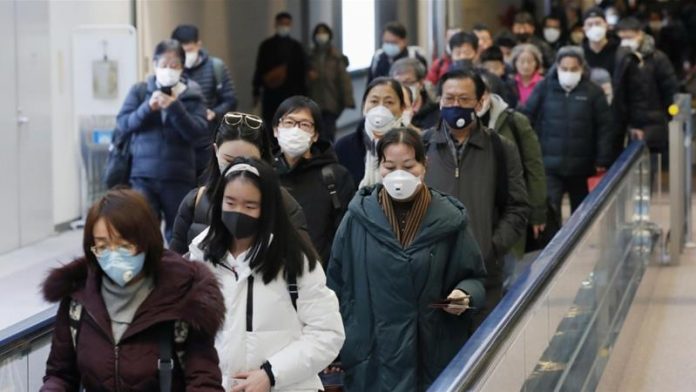
People wearing preventative gears China.


The World Bank and IFC’s Boards of Directors have approved an increased $14 billion package of fast-track financing to assist companies and countries in their efforts to prevent, detect and respond to the rapid spread of COVID-19. The package will strengthen national systems for public health preparedness, including for disease containment, diagnosis, and treatment, and support the private sector.

IFC, a member of the World Bank Group, will increase its COVID-19 related financing availability to $8 billion as part of the $14 billion package, up from an earlier $6 billion, to support private companies and their employees hurt by the economic downturn caused by the spread of COVID-19.

The bulk of the IFC financing will go to client financial institutions to enable them to continue to offer trade financing, working-capital support and medium-term financing to private companies struggling with disruptions in supply chains. IFC’s response will also help existing clients in economic sectors directly affected by the pandemic–such as tourism and manufacturing—to continue to pay their bills. The package will also benefit sectors involved in responding to the pandemic, including healthcare and related industries, which face increased demand for services, medical equipment and pharmaceuticals.

“It’s essential that we shorten the time to recovery.   This package provides urgent support to businesses and their workers to reduce the financial and economic impact of the spread of COVID-19,” said David Malpass, president of the World Bank Group. “The World Bank Group is committed to a fast, flexible response based on the needs of developing countries. Support operations are already underway, and the expanded funding tools approved today will help sustain economies, companies and jobs.”

The additional $2 billion builds on the announcement of the original response package on March 3, which included $6 billion in financing by the World Bank to strengthen health systems and disease surveillance and $6 billion by IFC to help provide a lifeline for micro, small and medium sized enterprises, which are more vulnerable to economic shocks.

“Not only is this pandemic costing lives, but its impact on economies and living standards will likely outlive the health emergency phase. By ensuring our clients sustain their operations during this time, we hope the private sector in the developing world will be better equipped to help economies recover more quickly,” said Philippe Le Houérou, Chief Executive Officer of IFC. “In turn, this will help vulnerable groups to more quickly recover their livelihoods and continue to invest in the future.”

Having mobilized quickly at the time of the 2008 global financial crisis and the Western African Ebola virus epidemic, IFC has a successful track record of implementing response initiatives to address global and regional crises hampering private-sector activity and economic growth in developing countries.

$2 billion from the Real Sector Crisis Response Facility, which will support existing clients in the infrastructure, manufacturing, agriculture and services industries vulnerable to the pandemic. IFC will offer loans to companies in need, and if necessary, make equity investments. This instrument will also help companies in the healthcare sector that are seeing an increase in demand.

$2 billion from the existing Global Trade Finance Program, which will cover the payment risks of financial institutions so they can provide trade financing to companies that import and export goods. IFC expects this will support small and medium-sized enterprises involved in global supply chains.

$2 billion from the Working Capital Solutions program, which will provide funding to emerging-market banks to extend credit to help businesses shore up their working capital, the pool of funds that firms use to pay their bills and compensate workers.

A new component initiated at the request of clients and approved on March 17: $2 billion from the Global Trade Liquidity Program, and the Critical Commodities Finance Program, both of which offer risk-sharing support to local banks so they can continue to finance companies in emerging markets.

IFC is already working to deploy its response financing. For example, we recently expanded trade-financing limits for four banks in Vietnam by $294 million so they could continue lending to companies in need, especially small and medium-sized enterprises.

IFC will maintain its high standards of accountability, while bearing in mind the need to provide support for companies as quickly as possible. IFC management will approve projects based on credit, environmental and social governance and compliance criteria, as applied in past crisis responses.

Stories Continues after ad

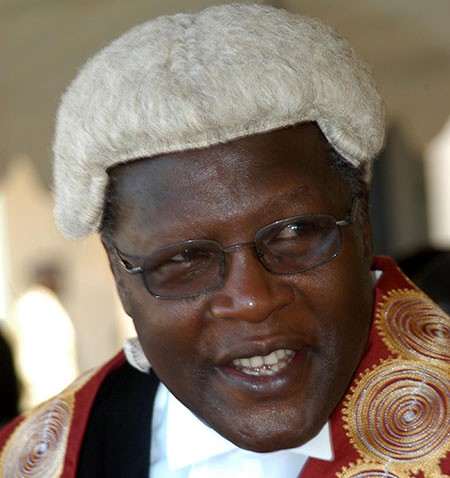
Coronavirus: Chief Justice suspends all court hearings and proceedings for a period of 32 days

Outgoing Chief Justice Bart Katureebe.

The Chief Justice Bart Katureebe has suspended all court hearings and proceedings for a period of 32 days with effect from March 20, 2020.

The suspensions follow the outbreak of Coronavirus pandemic.

Yesterday President Yoweri Museveni ordered for closure of all teaching institutions, Churches, bars in a bid to mitigate the spread of Coronavirus. Currently Uganda has no confirmed case of the Wuhan virus. The virus is currently spread to over 160 countries. According to World Health Organisation (WHO) statistics, the virus has claimed 8,648 people and 207,855 confirmed to have tested positive.

According to directives, Katureebe said prisoners and suspects on remand will not be presented to Court and where possible, proceedings will be conducted via a video link.

 “All execution proceedings are here by suspended for the same period of time except where attainment has already taken place. For the cases at stage of submission, the respective Courts may advise counsels to file written submissions.” He said

He said Courts will continue to handle certificates and taking plea for serious cases and bail applications, “Only the applicant and his lawyers or in case of bail application, sureties will be allowed in court.”

During this time, judicial officers will continue being on duty however, there will be no open court appearance. Judicial officers with pending judgement will use this period to finish them and where possible judgments will be issued to parties online or via email.

All conferences, workshops, meetings and training programs, local foreign have also been suspended for a period of 32 days and there shall not be foreign travel for all judicial staff save for exceptional circumstances.

In addition, Katureebe said sanitizers and other prevent measures have already been put in place. Digital thermometers are also being purchased and will be deployed at various court premises.

Stories Continues after ad

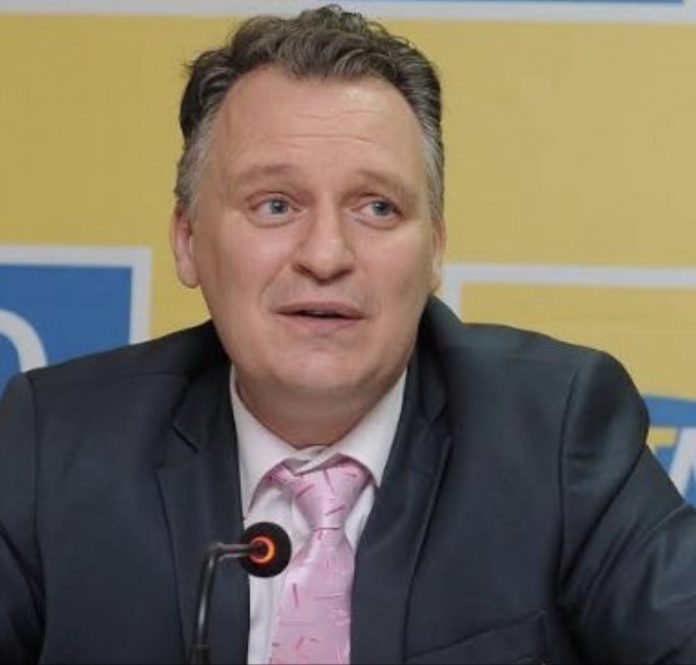
MTN sets aside Shs500M to fight  Coronavirus

MTN UG CEO, Wim Vanhelleputte

The Chief Executive Officer (CEO) of MTN Uganda, a Telecom service provider, Wim Vanhelleputte has said that the company has set aside Shs500 million in regards to fighting the outbreak and spread of the Coronavirus.

Currently Uganda has no confirmed case of Coronavirus disease (COVID-19) since the outbreak in China’s Wuhan City in Hubei Province in December last year. The virus is averred to have claimed over 5000 lives with over 200,000 people infected globally out of whom 67,000 have recovered.

He applauded President Kaguta Museveni and his government for the Swift response they have given so far in the preventive fight against Coronavirus.

“MTN is also complementing government’s sensitization drive by availing Shs 500 million in cash and free media channel space (radio, TV, social media, SMS, call centre IVR platform) to promote the Ministry of Health’s sensitization messages.” Mr Wim said earlier today.

“Starting this afternoon via our SMS channels, we shall relay messages from the Ministry of Health on how to prevent the spread of Coronavirus but also, symptoms to look out for,” Wim said

He said for 30-days, customers can send up to Shs30,000- every day to other MTN Mobile money customers free of charge. The offer is meant to reduce the risk of transmission by avoiding the physical exchange of currency notes.

Stories Continues after ad

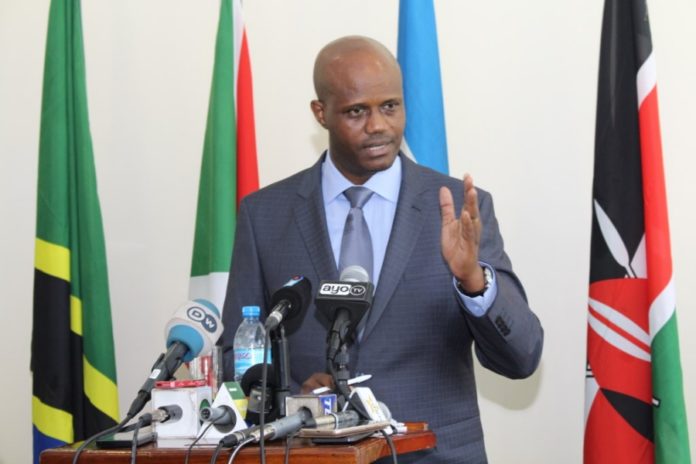
All EAC Meetings suspended due to novel Coronavirus Pandemic

EAC Secretary General Ambassador Liberat Mfumukeko.


The East African Community has suspended with immediate effect all meetings due to the novel coronavirus outbreak.

In a letter to EAC Partner States Permanent/Principal/Under Secretaries dated March 16,2020, EAC Secretary General  Liberat Mfumukeko says that the community had noted with concern that the virus continues to spread across the entire globe with increasing speed to a number of African countries.

Mfumukeko’s letter was written in response to a request by Vincent Biruta, the Chairperson of the EAC Council of Ministers, who in a letter to the Secretary General dated March 12, 2020, asked the Secretariat to do three things: To postpone the 21st EAC Summit until further notice; To hold all scheduled meetings by Video conference, where possible, and; To postpone and suspend all other meetings and activities that require large gatherings.

“Given the nature of EAC work which involves travel, and the mode of delivery through meetings, conferences, there is ample evidence that such gatherings can increase the risk of transmission of infectious diseases including COVID-19,” says Amb. Mfumukeko, adding that the EAC Secretariat would take various measures to prevent any risk of importation/contracting of the virus.

“All EAC meetings (statutory and otherwise) for all Organs, Institutions and Project Implementation Units are suspended until further notice. We are also suspending all rental and use of EAC facilities. Organisers of meetings will use Video Conferencing or other available virtual facilities as much as possible,” added the SG.

“All international meetings and conferences with delegates from countries at high risk of COVID-19 are suspended until further notice,” says the SG, adding that the WHO provides the list of high risk countries on its website on a regular basis.

“Critical or essential meetings, more particularly those related to health or security engagements, shall be allowed through a written waiver after assessment and approval by management, and will be organised in accordance with health guidelines issued by the respective EAC Partner States,” says  Mfumukeko.

Also discouraged according to the letter is non-essential personal travel or local travel.

“We, however, urge all travelers to carefully consider their intended destinations for personal trips and strictly adhere to quarantine measures required by the EAC national authorities upon return as guided by the WHO.”

All EAC Organs and Institutions are urged to observe and adhere to the Africa Centres for Disease Control Guidance on Community Social Distancing during the COVID-19 Outbreak with Partner States being called upon to do likewise.

So far, three EAC Partner States have reported cases of the coronavirus with Kenya having confirmed three cases, Rwanda and Tanzania. Two countries neighbouring the EAC, namely the Democratic Republic of Congo and Somalia have each confirmed one case.

In an email to all staff, EAC Secretary General Libérat Mfumukeko said that this had been done to give staff time to detect any symptoms in case of exposure to the virus and also to reduce risk of spread of the disease.

“Any staff member who notices any symptoms related to the disease should call the Human Resource Office and report to the nearest medical facility to get assistance for testing/confirmation and subsequent treatment,” said the SG.

All staff are encouraged to be vigilant, follow the recommended hygiene including washing of hands with soap and water, and sanitizing one’s hands among other things,” he added.


Stories Continues after ad

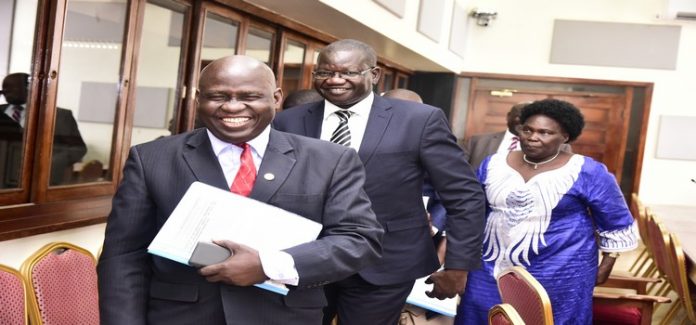
FDC calls for independent selection of Electoral Commissioners 


Opposition Party, Forum for Democratic Change (FDC) wants a panel to select officials to serve in the Electoral Commission (EC).

The party president, Patrick Amuriat Oboi who was flanked by the Leader of Opposition in Parliament, Betty Aol Ocan and his Advisor, Wafula Oguttu made the proposal while presenting their views on the Constitutional (Amendment) Bill, 2019 before the committee on Legal and Parliamentary Affairs on February 18, 2020.

Amuriat proposed an insertion immediately after article 60(A) to provide for a National Selection Panel.

According to the party’s proposal, the Selection Panel will comprise three commissioners from public service and two Supreme Court judges which shall invite applications and publish names of all applicants.

“The panel shall by notice in both print and electronic media circulate an expression of interest by suitable Ugandans to serve on the EC and other bodies as will be prescribed by this constitution,” Amuriat said.

He added that after conducting interviews, the panel will select three persons qualified to be appointed as chairperson and ten persons qualified to be appointed as members of the EC forwarded to the president for nomination of one person for appointment as a chairperson, one vice chairperson and five persons for appointment as members.

“The president is then required to forward the list to parliament for approval. Upon consideration and approval, parliament forwards the names to the president for appointment,” he said.

He said because of the importance of the EC and the attendant abuse of power, Ugandans think it wise to remove its appointment from the mainstream government and allocate it to an independent body that will not be under the general direction of formal government actors.

“The president who wields power around him directs what should be done in nearly every sector of the state on the basis of political convenience regardless of how unprofessional or what adverse effects such action would have,” he said.

Amuriat also proposes that the  selection committee appoints the Inspector General of Police (IGP) and the Deputy with the approval of parliament.

“The Inspector General and Deputy Inspector General of Police may be removed from office by parliament,” he said.

Amuriat also  proposed a change to the title of Leader of the Opposition to Leader of the Minority arguing that this will cater for situations where the party in government has less numerical strength compared to the party in opposition.

Mwenge County South MP Aston Kajara said that creating a selection panel contravenes Articles 98 and 99 of the constitution which give the president, executive authority as the head of state.

“This selection panel will usurp the powers of the head of state who is supposed to exercise that power ,” he said.

Wilfred Niwagaba  questioned where the offices of the selection panel would be located.

“I am impressed with the idea of a selection panel but I will need to know whether it will not be looked as an independent entity of these particular commissions,” he said

Paul Mwiru (FDC, Jinja Municipality East) warned against giving parliament the mandate to remove the IGP and their Deputy from office, saying that parliament is a political institution and as such, decisions taken by MPs are politically influenced.

The Constitutional (Amendment) Bill, 2019 is a Private Member’s Bill, moved by Wilfred Niwagaba. The object of the Bill is to provide for the involvement of the Judicial Service Commission in the appointment of members of the EC, remove representation of army from parliament, and provide for Speaker’s panel. The Bill also seeks to restrict presidential term to two terms only and replace the office of Vice President with the office of Deputy President and provide for his or her election.


Stories Continues after ad