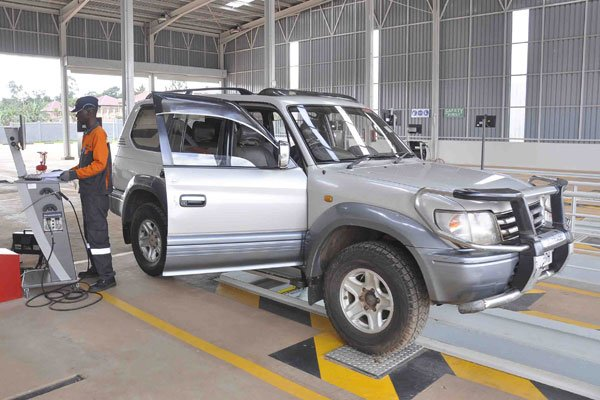
The Ministry of Works and Transport has officially kicked off the process of implementing a mandatory, automated vehicle inspection system, starting with the government’s fleet. The move is part of a broader national effort to enhance road safety, improve vehicle standards, and ensure compliance with traffic regulations.
According to a statement released by the Ministry, the first phase of the initiative will focus on government vehicles, before extending to the wider public and private transport sectors.

“This marks a significant step in our journey toward safer roads and a more reliable transport system,” the Ministry said.
The statement added, “Automated vehicle inspection will help ensure that all vehicles on our roads meet minimum mechanical and environmental standards.”
A stakeholder engagement session was convened on Wednesday in Kampala to lay the groundwork for the rollout. The meeting brought together key industry representatives, including the Uganda Bus Owners Association (UBOA), Uganda Taxi Operators Federation (UTOF – Kampala), the Boda-Boda Association, and the Regional Lorry Drivers and Transporters Association.

The session featured a comprehensive presentation on the objectives and benefits of the inspection program. Participants engaged in open dialogue, offering feedback and raising concerns that will inform the implementation process.
Among the benefits highlighted were increased road safety, reduced mechanical failures on public roads, and enhanced regulation of the country’s rapidly growing vehicle population through automated systems.
The Ministry emphasized that the automated inspection technology will ensure transparency, consistency, and objectivity in assessing roadworthiness. Once fully implemented, the system is expected to cover all classes of vehicles, including commercial, private, and public service vehicles.
This development aligns with the government’s broader transport infrastructure strategy, aimed at modernizing Uganda’s road transport sector and reducing accident-related fatalities.
According to a statement released by the Ministry, the first phase of the initiative will focus on government vehicles, before extending to the wider public and private transport sectors.
“This marks a significant step in our journey toward safer roads and a more reliable transport system,” the Ministry said.
The statement added, “Automated vehicle inspection will help ensure that all vehicles on our roads meet minimum mechanical and environmental standards.”
A stakeholder engagement session was convened on Wednesday in Kampala to lay the groundwork for the rollout. The meeting brought together key industry representatives, including the Uganda Bus Owners Association (UBOA), Uganda Taxi Operators Federation (UTOF – Kampala), the Boda-Boda Association, and the Regional Lorry Drivers and Transporters Association.
The session featured a comprehensive presentation on the objectives and benefits of the inspection program. Participants engaged in open dialogue, offering feedback and raising concerns that will inform the implementation process.
Among the benefits highlighted were increased road safety, reduced mechanical failures on public roads, and enhanced regulation of the country’s rapidly growing vehicle population through automated systems.
The Ministry emphasized that the automated inspection technology will ensure transparency, consistency, and objectivity in assessing roadworthiness. Once fully implemented, the system is expected to cover all classes of vehicles, including commercial, private, and public service vehicles.
Further updates on timelines and inspection centers will be communicated in due course as preparations continue.
This development aligns with the government’s broader transport infrastructure strategy, aimed at modernizing Uganda’s road transport sector and reducing accident-related fatalities.