History is not only recorded in elections, budgets or speeches. Sometimes, it is written in loss.
As Uganda closes the year 2025, the country confronts a difficult truth: this was a year that took away voices that mattered. From journalism and politics to law, business, security and culture, the nation lost individuals whose influence stretched far beyond their titles.

Their deaths demand more than remembrance. They require reflection.
Risdel Kasasira

Risdel Kasasira’s death on January 3, in a road accident at Kalagala village along the Lyantonde–Kashagama Road in Lyantonde District, Greater Masaka region, marked a painful moment for Ugandan journalism.

Returning from his ancestral home in Kashari, Mbarara District, Kasasira’s vehicle veered off the road and plunged into a swamp. He died not chasing headlines, but returning quietly to his roots. That detail alone captures the humility with which he practiced journalism.
Kasasira belonged to a disciplined generation of reporters who believed the newsroom was a public trust. His absence leaves a silence that will not easily be filled.
Muhammad Ssegirinya
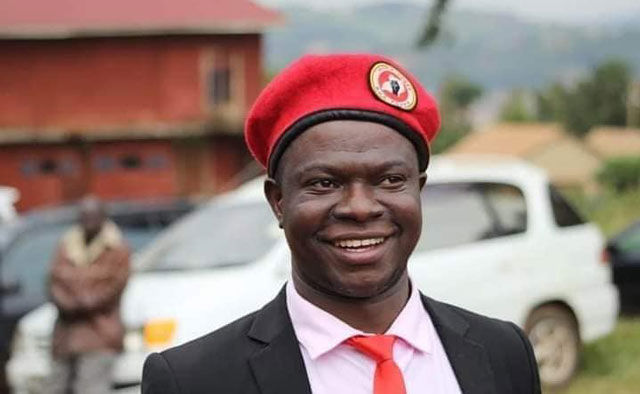
Muhammad Ssegirinya died on January 9 at Lubaga Hospital after a prolonged illness. At 37, the Kawempe North Member of Parliament represented a restless and demanding political base that wanted to be heard.
He was unconventional, sometimes controversial, but undeniably connected to his constituents. His death raised uncomfortable questions about the physical and emotional toll of political life, especially on young leaders navigating Uganda’s harsh political environment.
Brig. Henry Oluka
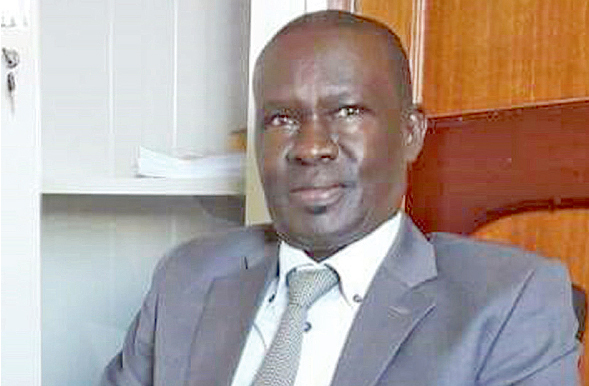
Brigadier Henry Oluka died suddenly on January 29 after collapsing during a family prayer session at his home.
As Director General of the Internal Security Organisation, Oluka operated largely away from public view. Yet his role placed him at the center of the state’s most sensitive responsibilities. His sudden death exposed the human vulnerability behind the architecture of power.
John Bashaija Kazoora
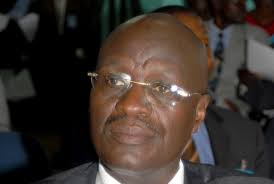
Major (Rtd) John Bashaija Kazoora died on April 20 at his home in Rutooma, Kashari, Mbarara District after a long illness.
Kazoora’s life tells the story of Uganda’s liberation and its contradictions. Once a trusted insider in the National Resistance Army, he later became a critic of the system he helped establish. His book Betrayed by My Leader remains a bold and unsettling political document.
Rajiv Ruparelia, son to tycoon Sudhir Ruparelia
Rajiv Ruparelia died on May 3 in a fatal crash on the Kampala–Entebbe Expressway near the Busabala Flyover.
At 35, he symbolized a new generation of Ugandan business leadership confident, modern and visible. His vehicle struck concrete barriers, overturned and caught fire. The violence of that moment forced the country to confront uncomfortable realities about speed, privilege and road safety.
His death was not just personal tragedy; it was a national reckoning.
Cedric Babu Ndilima
Cedric Babu Ndilima died on May 31 at Aga Khan Hospital in Nairobi after suffering heart complications.
He was a connector between sports and entertainment, ambition and mentorship. His death abroad also reopened a familiar question: why Uganda’s elite continue to seek critical healthcare outside the country.
Shaka Ssali
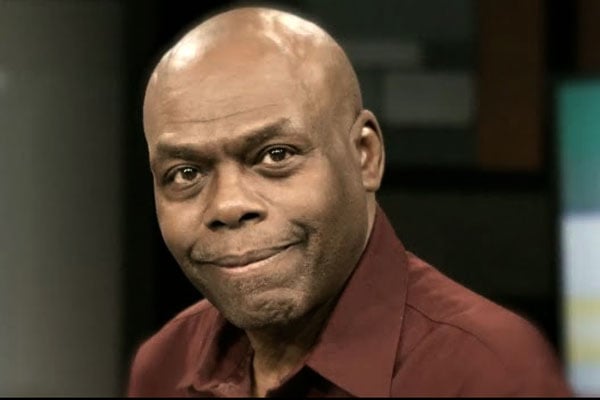
Shaka Ssali died on March 25 in the United States, ending a career that gave Africa one of its calmest and most credible journalistic voices.
Through Straight Talk Africa, Ssali proved that serious journalism could be respectful yet firm. His passing marked the end of an era when journalism placed understanding above confrontation.
George Kanyeihamba
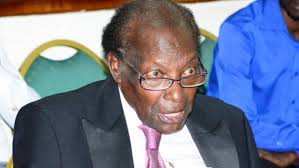
Prof. George Kanyeihamba died on July 14 at Kampala Hospital after a prolonged illness.
A retired Supreme Court justice and constitutional scholar, Kanyeihamba believed deeply in the rule of law. His judgments, writings and public engagements shaped Uganda’s legal consciousness. His death removed one of the country’s most principled legal minds from public debate.
Mary Karooro Okurut
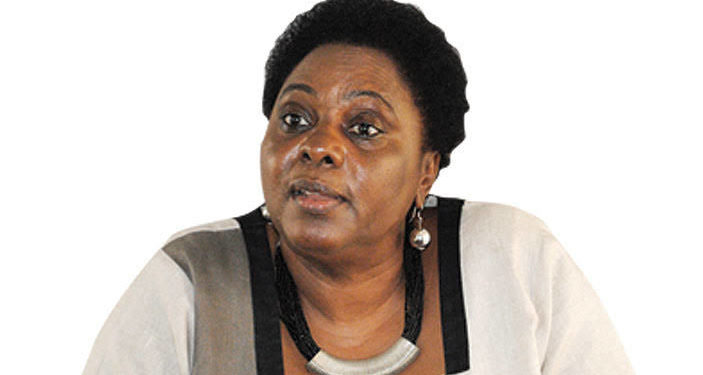
Mary Karooro Okurut died in August in Nairobi while receiving medical care.
She was rare in Ugandan public life, a politician who valued literature, and a writer who believed public service could be intellectual and ethical. Her absence leaves a gap in both policy and cultural discourse.
Sam Omara
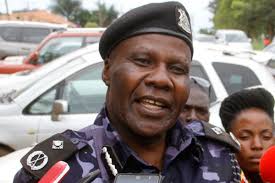
Retired Assistant Commissioner of Police Sam Omara died on April 28, 2025, at Mulago National Referral Hospital after a prolonged battle with prostate cancer and kidney failure. He was 65.
Omara rose to national prominence in 2011 as Kampala North Police Operations Commander during the Walk to Work protests triggered by rising fuel prices and economic hardship. Under his command, police repeatedly confronted and arrested opposition leader Dr Kizza Besigye and his supporters in an effort to suppress the demonstrations.
Those operations drew sustained criticism from opposition figures and civil society groups who cited excessive force and human rights abuses. The images of Besigye’s arrest and mistreatment during that period became some of the most defining moments of Uganda’s recent political history.
In his final days, Omara is reported to have sought reconciliation, asking his family to seek forgiveness from anyone he may have wronged during his years in the police force.
A family lost at Christmas
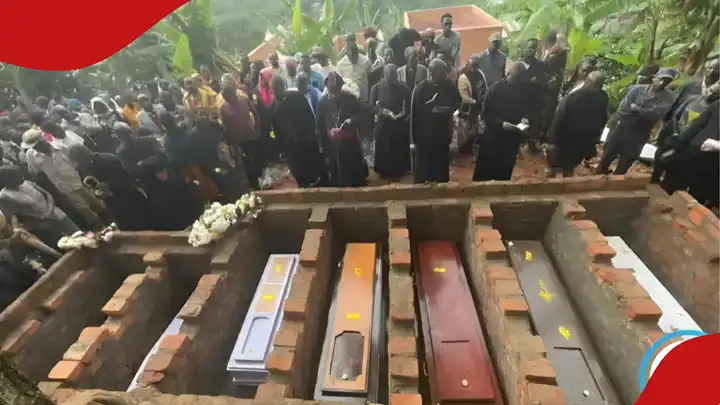
On December 27, seven members of one family died in a head-on collision at Njagalakasayi along the Masaka–Mbarara Highway.
Their deaths during the Christmas season stripped the festivities of meaning for many Ugandans. They were not public figures, yet their loss resonated because it reflected a tragedy too many families know too well.
2025 took more than names. It took experience, institutional memory and moral authority.
Uganda must decide whether these deaths will merely be marked by funerals, or whether they will force deeper national introspection on road safety, healthcare, political culture and the value we place on human life.