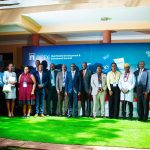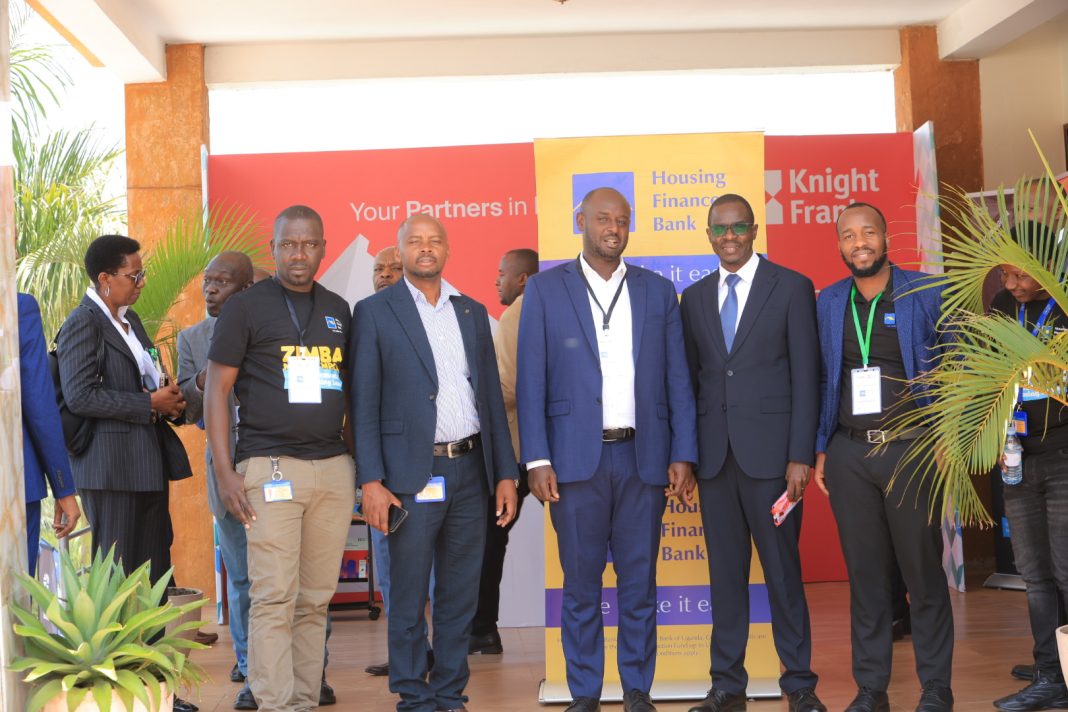
Uganda’s ambition to grow its economy from approximately $50 billion to $500 billion by 2040 will depend on how effectively capital is channelled into the businesses, housing and infrastructure that drive economic activity. This was a key theme at the REDi Mbarara 2026 – Ankole Real Estate & Infrastructure Conference organized by Knight Frank Uganda, where Housing Finance Bank highlighted the role of finance in unlocking investment and supporting the country’s next phase of growth.
The conference brought together investors, developers, policymakers, financial institutions and industry leaders to examine opportunities shaping Western Uganda, particularly in real estate, infrastructure and regional investment.

Representing Housing Finance Bank, Joel Matsiko, Ag. Head of Business and Institutional Banking, said that Uganda’s Tenfold Growth Strategy (ATMS) presents a significant opportunity for financial institutions to direct capital towards productive sectors.
“If we are going to achieve the scale of growth envisaged under the Tenfold Growth Strategy, we have to ensure that capital is reaching the sectors that create economic value. That means financing businesses to grow, supporting housing development and investing in the infrastructure that allows economies to expand,” said Matsiko.
Mbarara and the wider Ankole region are increasingly important centres of economic activity, with opportunities across commercial enterprise, agriculture, real estate and infrastructure. Unlocking this potential will require investment alongside the financing and infrastructure needed to support sustainable growth.

For Housing Finance Bank, this means providing financial solutions across the economic ecosystem, supporting businesses and institutions while expanding access to housing finance, financial inclusion and digital financial services.
The conference also explored how regional economies can attract and effectively deploy investment. Joseph Enyimu, Commissioner for Economic Development Policy & Research at the Ministry of Finance, Planning and Economic Development, spoke on Financing Regional Growth, while Nelson Tugume of Inspire Africa highlighted emerging investment opportunities in Ntungamo, including the development of Uganda’s “Coffee City.”
Matsiko noted that stronger collaboration between government, investors, developers and financial institutions will be essential to converting regional opportunities into sustainable economic activity.
“There is a significant opportunity in bringing together government, investors, developers and financial institutions around viable projects and enterprises. As a Bank, our role is to provide the financial solutions that help turn these opportunities into sustainable economic activity,” he said.
For Housing Finance Bank, participation in REDi Mbarara reflects its commitment to supporting the financial ecosystem needed to drive growth across Uganda’s regions.
As Uganda pursues its ambitious growth agenda, ensuring that capital reaches the businesses, homes and infrastructure that power regional economies will remain critical to turning that ambition into reality.