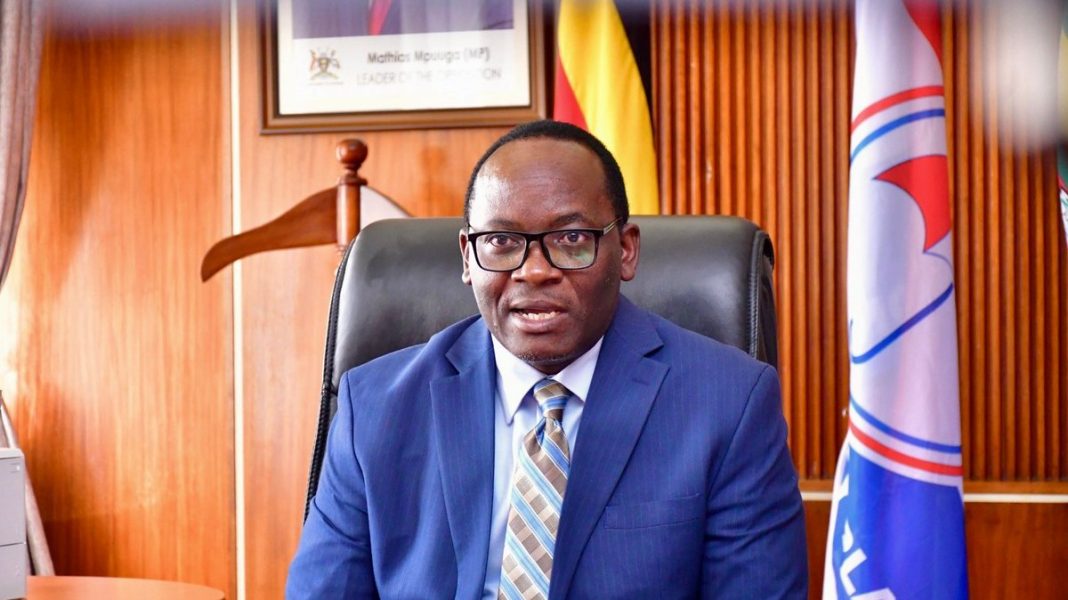
The Parliamentary Commission has scrapped the controversial service award from Parliament’s 2026/2027 budget, ending the allocation that led to Shs1.7 billion being paid to former Leader of the Opposition Mathias Mpuuga and three backbench commissioners under a one off benefit approved in 2022.
The decision removes the budget item from Parliament’s spending plan for the current financial year, preventing similar payments from being made under that allocation in future. However, it does not recover the money already paid, overturn the High Court ruling that upheld the payments or impose fresh sanctions on the former beneficiaries.

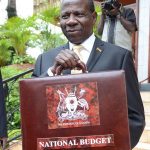
The service award originated from a resolution passed by the Parliamentary Commission on May 6, 2022. The payment was reportedly entered into Parliament’s budget under ex gratia payments, despite not being an established salary, allowance or regular parliamentary benefit.
The payments remained largely unknown until 2024, when details of the award became public and prompted questions about transparency, accountability and whether commissioners should approve benefits from which they personally stand to gain.
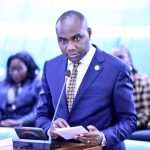
The Shs1.7 billion was shared among four beneficiaries. Mpuuga, then Leader of the Opposition and Nyendo Mukungwe Division MP, received Shs500 million, while Bukooli County Central MP Solomon Silwany, Rubanda District Woman Representative Prossy Akampurira Mbabazi and Zombo District Woman Representative Esther Afoyochan each received Shs400 million.

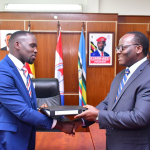
Explaining the latest decision, the new Parliamentary Commission said the award had damaged Parliament’s public image and that removing it was intended to strengthen confidence in the institution.
“As a new Commission, we have resolved to scrap that service award item completely from our budget. It tainted the image of this institution, and we want to restore sanity and public trust,” John Baptist Nambeshe said.
The Commission also resolved to strengthen engagement with MPs and the public as part of efforts to promote greater transparency and accountability in Parliament’s management.
The controversy had already been tested in court before the latest budget reform.
In August 2024, Justice Douglas Karekona Singiza ruled that the payments could not be cancelled because they had ultimately formed part of an Appropriation Bill that had been approved by Parliament after being presented by the Executive.
Even so, the judge criticised how the payments had been processed.
He found that the Clerk to Parliament had failed in his responsibilities during both the approval and implementation of the payments and directed the Permanent Secretary to the Treasury to institute disciplinary proceedings against him under the Public Finance Management Act.
Justice Singiza also cautioned that allowing public institutions to award themselves such payments risked undermining prudent management of public resources. He recommended that the Attorney General consider establishing a Salary and Emoluments Review Board to harmonise the pay and benefits of political leaders and senior public officials.
The matter also triggered political divisions within Parliament and the opposition, with calls for censure against the commissioners who received the money and renewed scrutiny over Parliament’s system of approving additional benefits for its leaders.
More recently, the Inspector General of Government reopened investigations into the payments by summoning former parliamentary commissioners who benefited from the award as part of ongoing inquiries into how the money was approved and paid.
Although the removal of the service award closes the budget avenue through which similar payments could have been made, questions remain over the publication of the Commission’s formal resolution, the savings created by deleting the allocation and the status of the court directed disciplinary process against the Clerk to Parliament.