For many Ugandans, Sudhir Ruparelia is the billionaire behind luxury hotels, towering buildings and one of East Africa’s largest business empires. But beyond Kampala’s skyline lies another story, one that cannot be measured by wealth rankings or property portfolios.
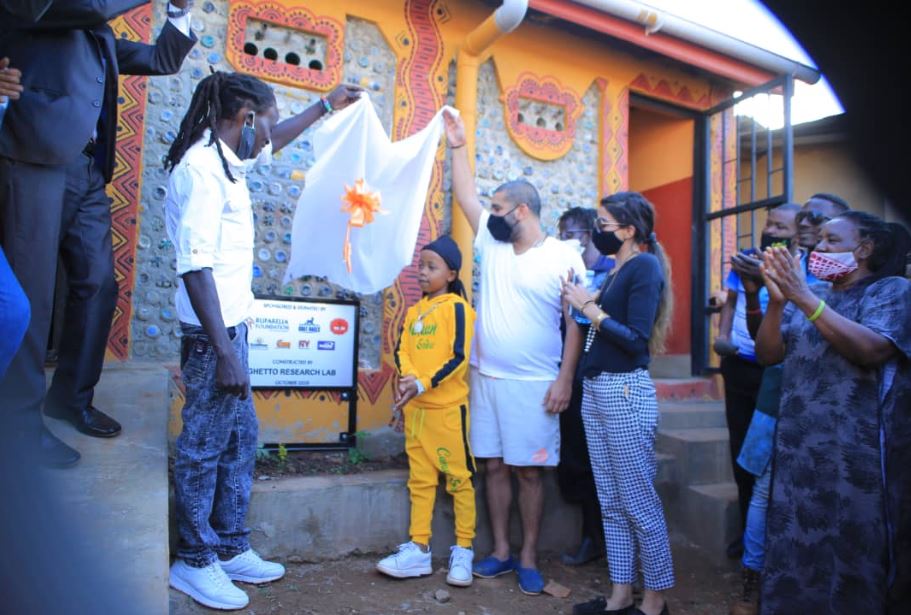
It is the story of children who remained in school because someone paid their fees (Fresh Kid, real name Patrick Sennyonjo), patients whose sight was restored through free surgery, struggling families who found support during difficult moments, athletes whose dreams received a lifeline, and even a young King whose mother says Sudhir stood by him long before history celebrated him.

Across Uganda, Sudhir’s name carries different meanings depending on who tells the story. In villages, some remember the businessman who arrived with doctors instead of speeches. In schools, beneficiaries remember scholarships that changed their future. In royal circles, his generosity has been spoken about as quietly as it has been appreciated publicly.
That breadth of giving has become one of the defining features of Sudhir’s philanthropy. Unlike many businessmen whose charitable work revolves around one cause, his footprint stretches from education and healthcare to sports, conservation, community welfare, and emergency support.
Much of that work now runs through the Ruparelia Foundation, established by Sudhir and his wife Jyotsna in 2012 under the motto “Enriching Lives Together.” The foundation says its programmes have reached more than 10,000 people while investing hundreds of millions of shillings in education, healthcare and community initiatives.

The real measure of charity is rarely found in financial reports. It is found in people who remember the day help arrived when they had already lost hope, and nowhere has that been more visible than in Bukedea.
In March 2026, the Ruparelia Foundation organised the Rajiv Memorial Eye Camp at Bukedea Teaching Hospital in memory of Sudhir’s late son Rajiv Ruparelia. The exercise was initially planned as a three-day medical outreach, but the turnout exceeded expectations as about 3,500 people sought treatment.
Doctors eventually carried out more than 500 eye surgeries after extending the programme to accommodate the overwhelming demand. Hundreds of others received examinations, medication and prescription glasses, bringing specialised eye care to people who would otherwise have struggled to access or afford it.
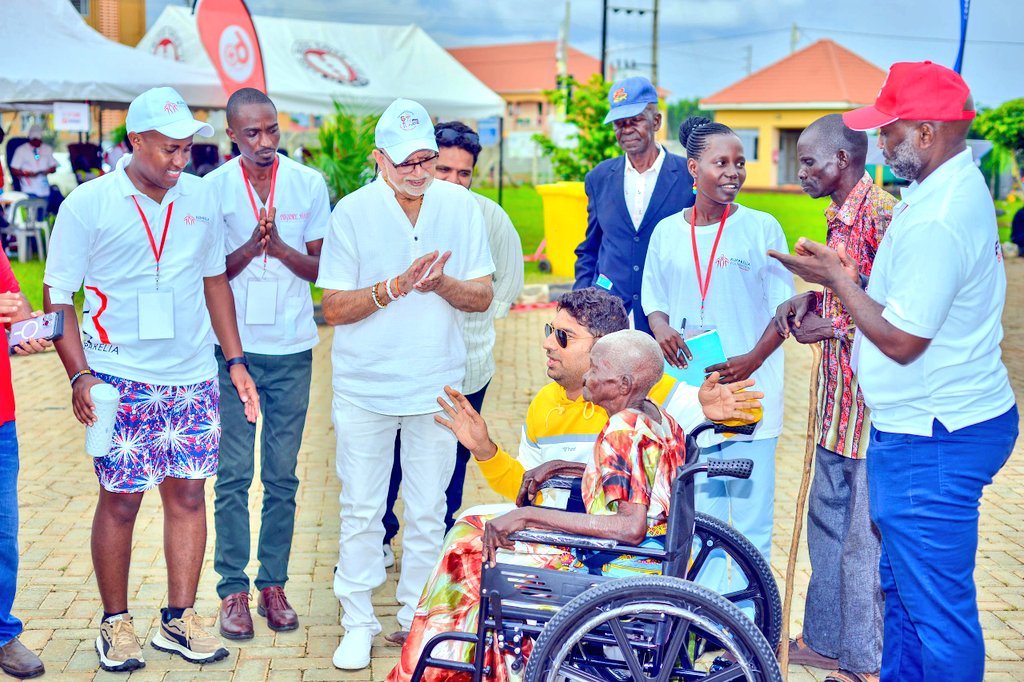
Among the most memorable moments was when Sudhir met 104-year-old Esther Amoding, who had attended the camp seeking treatment. He personally handed her a wheelchair, and the elderly woman responded with heartfelt prayers instead of applause.
For those present, it became one of those moments that reminded everyone that charity is often remembered through human encounters rather than ceremonies.
Bukedea was not an isolated intervention. The foundation’s healthcare work has included medical camps, hospital renovations, equipment donations and financial support for patients facing expensive treatment.
The philosophy appears simple. Bring help closer to communities instead of waiting for vulnerable people to find it.
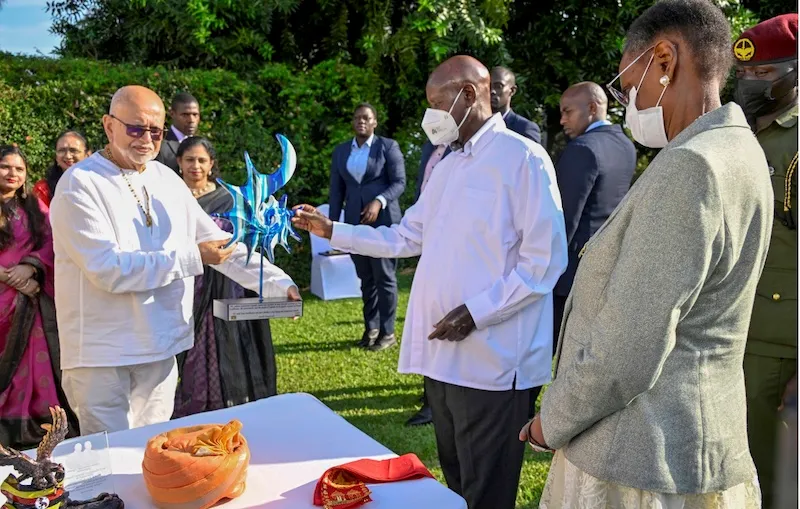
Another account of Sudhir’s generosity comes from President Yoweri Museveni himself, who has spoken about a time when he needed a loan of about Shs600 million to support the vaccination of his cattle. Museveni recalled calling then Stanbic Bank chief executive Philip Odera over the matter, but said the bank’s Kenyan regional managing director did not immediately take the request seriously, apparently finding it difficult to believe that the person making the call was actually the President.
Museveni said the situation changed when Sudhir learnt that he needed the money. According to the President’s account, Sudhir’s response was immediate, asking, “Where can I drop the money?” Museveni presented the incident as an example of the businessman responding quickly when someone needed assistance, rather than allowing the request to become entangled in lengthy procedures.
The account, told by the President himself, adds another dimension to Sudhir’s long charitable record, which has extended from children and students to patients, athletes, widows, communities, cultural institutions and people from some of the country’s most prominent families. It also illustrates why stories of his generosity have continued to circulate across Uganda, with beneficiaries coming from very different social and economic backgrounds.
That same thinking is visible hundreds of kilometres away in Kasese, where Sudhir’s own life began.
Born in Kabatoro in Kasese District in 1956, he later returned to his birthplace with something more meaningful than nostalgia. Through his foundation, he donated hospital beds to Lake Katwe Children’s Hospital, the very facility where he was born decades earlier.

A child who entered the world through those hospital doors would eventually build an empire spanning real estate, hospitality, education and finance. Yet years later, he returned to strengthen the same institution that welcomed him into life.
His generosity has also travelled through communities that rarely dominate newspaper headlines.
The Ruparelia Foundation has supported vulnerable children, worked with the Missionaries of the Poor, assisted the Franciscan Sisters in Kamwokya, contributed to prison outreach programmes, helped families facing medical emergencies and backed community initiatives across different parts of Uganda.
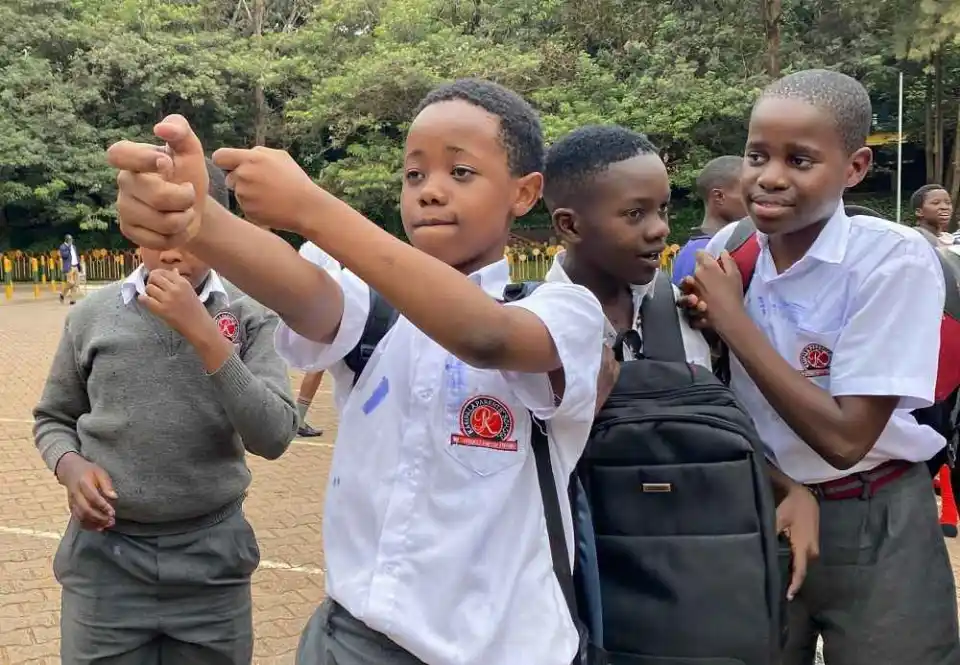
Education remains one of the clearest threads running through his charitable work. The foundation says it has supported more than 100 students through scholarships and school fee assistance in Uganda and abroad, viewing education as one of the strongest pathways out of poverty.
One education story stands apart because its beneficiary eventually became one of Uganda’s youngest monarchs.
During the burial ceremonies of the late King Oyo Nyimba Kabamba Iguru Rukidi IV, Queen Mother Best Kemigisa publicly acknowledged Sudhir as one of the people who helped educate her son during his formative years.
“Sudhir Ruparelia is among those who educated my son in high school,”she said.
Kemigisa recalled that the support extended beyond tuition, saying Sudhir also gave the young King access to gym facilities at Speke Resort Munyonyo as he grew into his responsibilities as monarch.
Her testimony carried unusual weight because it came from a mother reflecting on the people who quietly stood beside a child crowned King at only three years old.
His generosity has crossed social boundaries with remarkable ease. The beneficiary may be a struggling child in Kamwokya, a patient in Bukedea, an elderly woman needing mobility support, a rural community seeking healthcare, or a royal household navigating extraordinary circumstances.
Over the years, the foundation has backed initiatives such as the Busoga Marathon, Uganda Rugby Union activities, kickboxing events involving Moses Golola, football tournaments and support for Olympic champion Stephen Kiprotich. Those investments reflect a belief that sport can transform lives long before athletes become national heroes.
The foundation says it has invested more than Shs100 million in wildlife related activities, including land and feeding programmes as well as partnerships aimed at protecting Uganda’s natural heritage.
His charitable footprint has also intersected with Uganda’s public life through numerous fundraising events attended by political, religious and cultural leaders.
In 2012, he contributed towards fundraising efforts for St Henry’s College Kitovu. Fourteen years later, he donated Shs100 million to Gen Muhoozi Kainerugaba’s birthday charity run, whose proceeds supported health causes including children battling cancer.
Beyond those public donations, countless stories continue to circulate privately about Sudhir helping individuals behind closed doors by paying school fees, supporting widows, providing accommodation and responding to personal crises without publicity. Many of those accounts remain difficult to independently verify through public records, but together they have shaped a reputation that has travelled through communities for decades.
Perhaps that explains why his name continues to surface in conversations far removed from business.
It appears in hospitals where patients regained hope, in schools where children remained in class, in sports grounds where dreams found support, in villages where families received help during hardship and in a palace where a Queen Mother publicly remembered the man who stood beside her son.
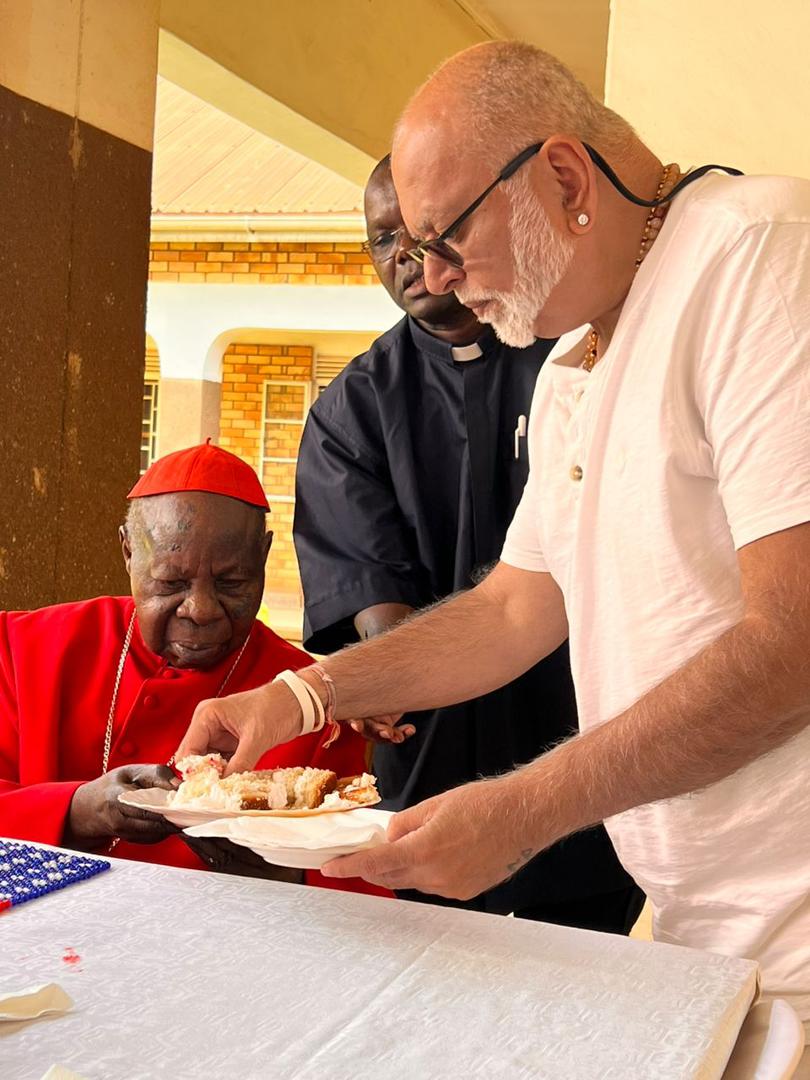
Cardinal Wamala hailed Dr. Ruparelia for being an invaluable personal friend and for supporting him when he was Archbishop of Kampala, and after.
“I still remember vividly how you supported me when I was Archbishop of Kampala. I wish to express my profound gratitude to you for your love, care, and generosity,” Cardinal Wamala said in a brief speech.
Sudhir’s own journey makes that story even more remarkable.
Forced to leave Uganda during Idi Amin’s expulsion of Asians, he rebuilt his life in the United Kingdom through ordinary jobs before returning in 1985 with modest savings. From those beginnings emerged businesses that now employ thousands of Ugandans and have helped reshape parts of Kampala’s skyline.
Perhaps the quieter monuments to that success are not made of glass or concrete.
They are found in classrooms where children still dream because someone believed in their future. They are found in villages where grandparents can see their grandchildren again after successful eye surgery. They are found in communities that remember generosity long after ceremonies end and in lives that changed because help arrived without asking who was poor, who was rich or who wore a crown.
In a country where wealth is often measured by what a person owns, Sudhir Ruparelia’s charitable journey offers another measure entirely. It is measured by the number of people who can say that, at one of life’s hardest moments, someone simply chose to help.