The Association of Uganda Tour Operators (AUTO) has called on the government to improve access roads to national parks, simplify visa procedures and expand affordable financing for tourism businesses, saying the challenges are limiting efforts to attract more visitors to Uganda.
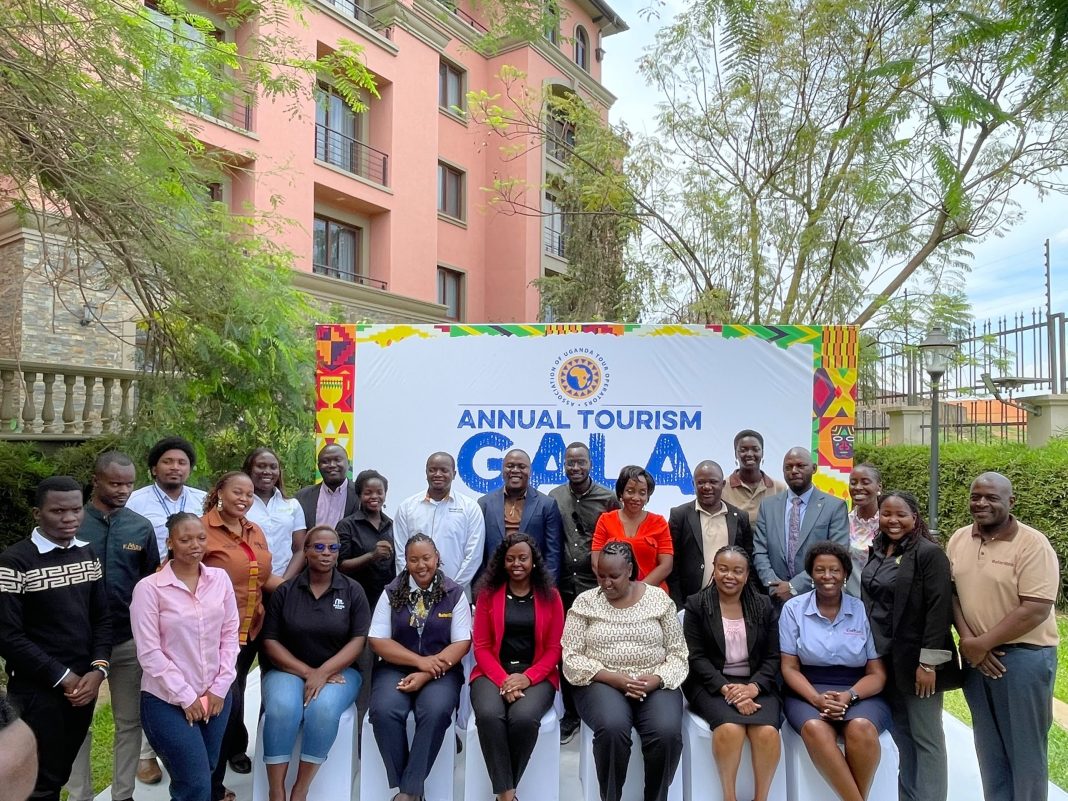
The association’s Chief Executive Officer, Matilda Iremera, made the call during a press conference at Mestil Hotel & Residences in Kampala where she announced that the second annual AUTO Tourism Gala will take place on November 27, 2026, after being rescheduled from October 17.

The gala will be held under the theme “Sustainable Tourism, Shared Responsibility” and will bring together tour operators, government agencies, hospitality businesses, development partners and other stakeholders to discuss the future of Uganda’s tourism industry and the protection of its natural and cultural heritage.
Iremera said Uganda’s tourism potential depends on preserving its environment, wildlife, national parks and the communities surrounding protected areas, urging all stakeholders to take responsibility for safeguarding the resources that attract visitors to the country.
“The whole world is going sustainable, and we want to make sure we protect our natural resources, our environment and the communities where we have the national parks. Tourism benefits the economy a lot, and without these environmental resources, there will be no tourism,” Iremera said.

She said Uganda’s identity as the Pearl of Africa is closely linked to its natural heritage, which must be protected if the country is to remain competitive in the international tourism market.
“Without these natural resources, we wouldn’t be the Pearl of Africa. That is what makes us special and what makes Uganda special. We need to protect what is very close to us and what really defines our country,” she said.
However, Iremera said tour operators continue to face difficulties connecting visitors to some of the country’s major tourism destinations, particularly protected areas, because of inadequate infrastructure.
She explained that the challenge extends beyond roads to include poor communication networks and limited internet connectivity at some accommodation facilities in and around national parks.
“Tour operators are doing a lot to market and bring in tourists, but we still have challenges, especially with infrastructure. The infrastructure is not really the best when it comes to accessing the protected areas we visit. As much as we go out and market the destination, we sometimes find it difficult to connect tourists to the different national parks,” Iremera said.
She added that unreliable communication services deny visitors the opportunity to share their experiences with friends and relatives while in Uganda, potentially affecting the country’s image as a tourism destination.
“When you come in as a tourist, you want to communicate with your people back home and share your experience. You have seen the gorillas, you want to take a photo and share it, but if you cannot do that immediately, it is really a disservice to the country,” she said.
Iremera called for investment in roads, telecommunications and hospitality facilities, saying improved infrastructure would make tourism destinations more accessible and enhance visitors’ experiences.
She also encouraged investors to take advantage of opportunities in accommodation and hospitality, noting that better facilities would help Uganda accommodate more visitors and strengthen its tourism offering.
The AUTO chief executive further identified visa accessibility as another obstacle, arguing that Uganda risks losing potential visitors to neighbouring countries with simpler entry procedures.
She called for reforms that would make it easier for international travellers to visit Uganda, including consideration of visa-on-arrival arrangements.
“The other challenge is the ease of getting a visa. It is really hard to get a visa to come to Uganda. Many times, we need to learn from our neighbours and see how they are doing it because we find people choosing to go to neighbouring countries where getting a visa is easier,” Iremera said.
She said access to affordable, long-term financing also remains a major concern for tour operators, many of whom need substantial capital to acquire vehicles and expand their businesses.
According to Iremera, the seasonal nature of tourism and the industry’s vulnerability to pandemics can make financial institutions reluctant to extend credit to operators, limiting their capacity to invest and grow.
She urged banks and other lenders to develop financing arrangements that recognise the operational realities of tourism businesses, particularly those seeking to purchase vehicles and improve their services.
Iremera also appealed to the government to increase support for destination marketing, noting that international tourism exhibitions provide important opportunities for Ugandan operators to meet overseas travel agents and secure business.
She said attending such exhibitions is expensive, leaving many operators unable to compete effectively in markets where potential visitors and international travel partners can be reached.
“Many tour operators go out and attend these exhibitions using their own finances, but they cannot really do much. If the government came in and supported them, we would be able to achieve more because that is where we get the business and the agents who send tourists to Uganda,” she said.
The call for greater collaboration was echoed by representatives of tourism institutions and the private sector who attended the press conference, including the Uganda Tourism Board, Uganda Tourism Association, Pearl Bank, Nile Breweries Limited, ITC, Marasa Africa, Go Fun and Aerolink.
Daniel Irunga, a senior branding officer at the Uganda Tourism Board, said sustainability must be understood in terms of protecting the environment, benefiting communities and ensuring that tourism enterprises remain profitable.
He said the concept rests on three interconnected pillars: people, the planet and profit, adding that businesses must prepare for growing international expectations regarding responsible tourism practices.
“Sustainable tourism looks at three tenets: the people along the value chain, the planet where we live, and profit. These enterprises need to make some profit. Those are the three pillars we must consider as we work towards sustainable tourism,” Irunga said.
He urged tourism businesses to begin adapting their operations and seeking recognised sustainability standards, warning that failure to keep pace with changing market expectations could affect their ability to attract international clients.
“My call is to everyone along the value chain to start adjusting towards sustainable tourism. In the days to come, if you are not sustainable and do not have some form of certification or affiliation with a certifying agency or body, you risk losing out on business,” he said.
Irunga also pointed to taxation and infrastructure as issues requiring attention, saying concerns about multiple taxes on businesses in the tourism sector had previously prompted a presidential directive for the Ministry of Finance to examine ways of consolidating or reducing the burden.
He said cooperation between public institutions and private tourism operators would be necessary to address the challenges and position Uganda to benefit from changing international tourism trends.
George William Walusanse, head of financial institutions at Pearl Bank, said tourism contributes to employment and foreign exchange earnings, making it an important sector for Uganda’s economic growth.
He said the bank was ready to work with tourism stakeholders to explore financing opportunities for businesses seeking to acquire vehicles, construct hotels and undertake other investments, while congratulating AUTO on organising the gala.
William urged tourism businesses and other stakeholders to participate in the event, saying stronger partnerships between financial institutions and operators could help unlock investment opportunities across the sector.
James Mwere, who spoke about the conservation objectives associated with the gala, said the event would also provide an opportunity to assess how tourism contributes to protecting natural resources and improving the livelihoods of communities around tourism destinations.
He noted that proceeds from the previous year’s event supported a rhino-naming conservation initiative, highlighting the potential for industry gatherings to contribute to wildlife protection.
Mwere said sustainable tourism should go beyond attracting visitors and generating revenue to ensuring that communities living near tourism attractions benefit from the industry’s activities.
“Sustainable travel is basically about trying to limit our footprints in the places we visit while also making sure that we create an impact in those places. We need to ask how we can make the benefits of tourism more visible to communities, especially those living around the attractions and destinations we visit,” Mwere said.
He called for continued efforts to safeguard the environment, natural resources and Uganda’s heritage, saying conservation must remain central to the country’s tourism development.
AUTO, which represents a network of more than 400 tour operators, said the November gala would provide a platform for stakeholders across the tourism value chain to strengthen partnerships, recognise achievements and renew their commitment to responsible tourism.
Iremera called on businesses, organisations and potential sponsors to support the event, saying the responsibility for sustaining Uganda’s tourism resources cannot be left to tour operators alone.
The gala will bring together public institutions, private businesses and other partners to celebrate the industry while drawing attention to the investments and policy changes needed to strengthen Uganda’s position as a tourism destination.