
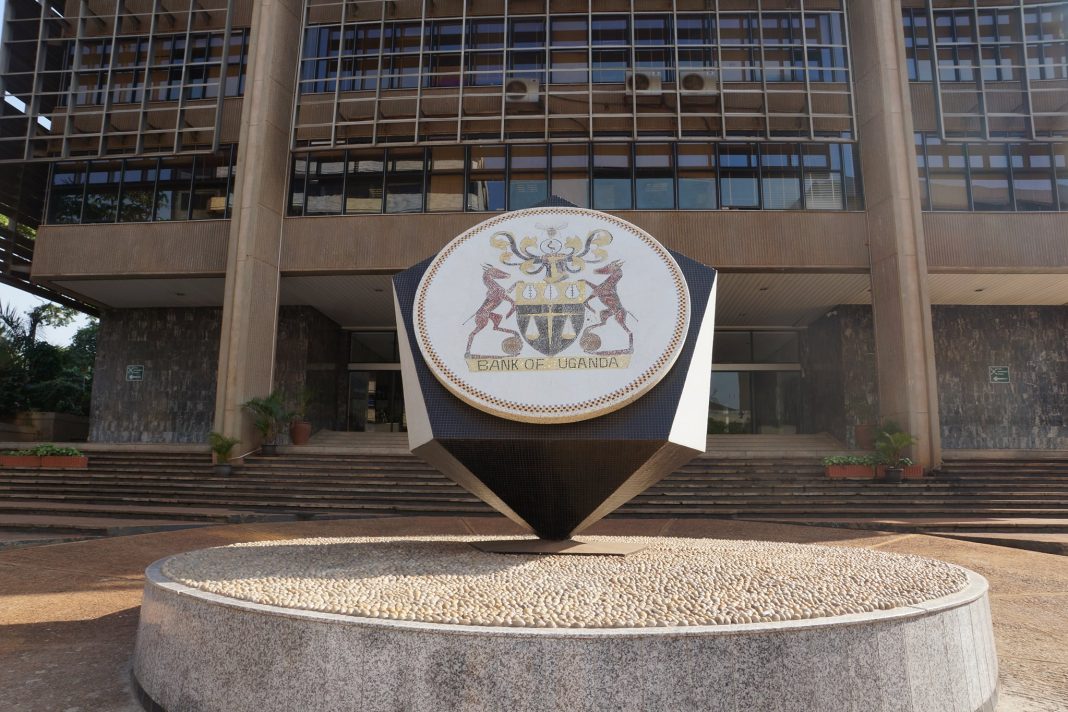
The Bank of Uganda (BoU) has launched a five-year financial literacy strategy aimed at expanding formal savings, improving household financial security and equipping Ugandans with skills to make informed financial decisions in an increasingly digital economy.
The Third Strategy for Financial Literacy in Uganda (2026–2031), launched on October 31 to coincide with World Savings Day, comes amid growing adoption of formal and mobile money savings, although millions of Ugandans continue to rely on informal saving arrangements.

Figures from the World Bank Global Findex Report 2025 show that the proportion of Ugandans using formal savings services increased from 39 per cent in 2021 to 54 per cent in 2024. Those saving through mobile money also rose from 32 per cent to 49 per cent over the same period.
However, informal savings increased from 33 per cent to 44 per cent, highlighting the continued reliance on community-based arrangements, particularly among women and young people.
The Central Bank says the new strategy will address this challenge by encouraging more Ugandans to embrace regulated financial institutions and use available financial products responsibly.

“Moving these savings into the formal financial sector is essential because it improves their safety, enables savers to earn returns and to access other supervised financial services, and allows financial institutions to channel the funds into productive investments and economic activities,” BoU said.
The strategy seeks to improve financial knowledge and behaviour, strengthen household resilience and encourage a savings culture that supports investment and economic growth.
It is aligned with Uganda Vision 2040, the Fourth National Development Plan and the government’s Tenfold Growth Strategy, which seeks to expand the country’s economy through increased productivity and investment.
BoU said improving financial literacy had become increasingly important as digital platforms, mobile money services and artificial intelligence continue to change how people access financial information and manage their money.
This year’s World Savings Day was marked under the theme, “AI Advises. Humans Decide. Think Ahead & Decide Wisely,” drawing attention to the growing use of artificial intelligence in financial planning and decision-making.
The Central Bank said although AI-powered tools can help people access financial information and make financial plans, users must retain responsibility for evaluating the information and making sound decisions.
The strategy therefore seeks to equip Ugandans with the knowledge to identify financial risks, avoid irresponsible borrowing, make informed investment choices and protect themselves when using digital financial services.
The October 31 launch also marked the start of the Banking and Financial Services Awareness Campaign, a year-long national initiative intended to promote responsible financial behaviour, financial health and sustainability.
The campaign will run under the theme, “Financial Health to Grow 10 Times,” in line with efforts to strengthen financial inclusion and support Uganda’s economic transformation ambitions.
BoU said developing a stronger savings culture would help mobilise domestic resources, provide households with protection against unexpected financial difficulties and increase funds available for productive economic activities.
“Every shilling saved today represents an investment opportunity in the future, contributes to financial security and national prosperity,” the Central Bank said.
The strategy was developed in collaboration with the Uganda Institute of Banking and Financial Services (UIBFS), Uganda Bankers’ Association (UBA), financial sector regulators, development partners and other stakeholders.
BoU has encouraged Ugandans to develop regular saving habits through formal financial institutions, savings groups, pension schemes and digital financial platforms while planning for long-term financial needs.
The Central Bank says the continued reliance on informal savings arrangements, despite improvements in access to digital financial services, demonstrates the need to strengthen financial education so that more households can transition from occasional saving to sustainable financial security.
World Savings Day is commemorated every October 31. Its origins date back to the first International Savings Bank Congress held in Milan, Italy, in 1924, where the idea of promoting savings among individuals and communities was advanced.