The Inspectorate of Government (IG) has received 150 complaints against education institutions and 84 against health facilities over allegations of corruption and sexual harassment and warned that public officers found culpable risk dismissal from public service.
The Inspectorate has since launched investigations into sexual harassment in the education and health sectors, with its spokesperson, Ali Munira, revealing that an executive director of a public institution has already been interdicted over allegations of sexual misconduct.

Munira said investigations into the matter are ongoing and that appropriate action would be taken if the allegations are substantiated. Munira didn’t disclose the identity of the executive director.
She made the revelations on Wednesday during a two-day workshop on gender and corruption in Uganda held at Onomo Hotel in Nakasero, Kampala.
According to Munira, the investigations target the education and health sectors because of their size and the large number of people who interact with public officers while seeking essential services.

“The Inspectorate began investigating sexual harassment in the health and education sectors because they are among the largest sectors, with thousands of people interacting daily,” she said.
She explained that some complaints are handled by the Directorate of Ombudsman Affairs through administrative measures where the reported conduct does not constitute a criminal offence.
Such measures may include recommending the dismissal, transfer or demotion of public officers found to have engaged in sexual harassment.
Munira urged victims to provide factual information and supporting evidence when reporting cases, noting that electronic communications can help investigators establish misconduct and take action against suspected perpetrators.
“To report such allegations, there is a need for facts and, where possible, evidence. Some people provide WhatsApp messages, SMS and other forms of communication, which help us obtain evidence and act against the perpetrators,” she said.
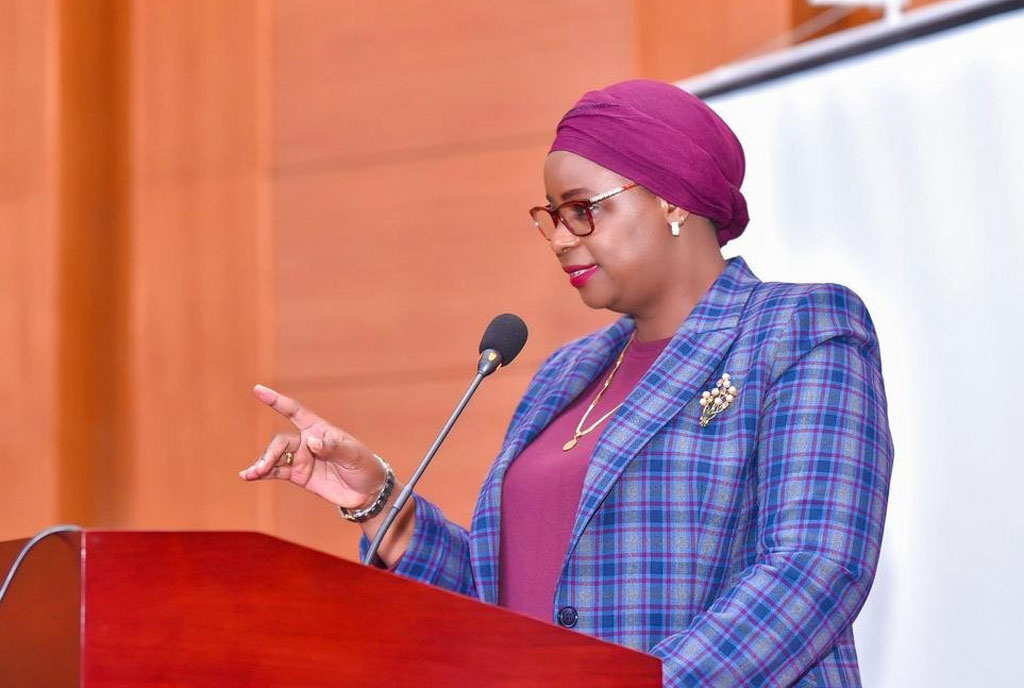
Inspector General of Government Justice Aisha Nalule Batala said sexual harassment and other forms of gendered corruption remain serious barriers to women’s and girls’ access to essential public services.
She explained that sexual corruption occurs when access to public services, academic grades, employment opportunities or other benefits is made conditional on providing sexual favours.
Batala said the exploitation of female students by educators undermines academic integrity, violates the right to education, creates hostile learning environments and contributes to absenteeism and school dropouts.
She also pointed to sexual exploitation in healthcare facilities, where women may face demands for sexual favours in exchange for medical services or preferential treatment.
Expectant mothers, girls and women from poorer households are particularly vulnerable because of poverty and unequal power relations, she said.
“We need an oversight of all the bodies, the health and education sectors, local government, the women’s rights organisations, academia and development partners. Each of us must play a part in responding to this problem,” Batala said.
She warned that many victims remain silent because of fear of stigma, retaliation, embarrassment and the possibility of losing employment, education opportunities or access to essential services.
“Sexual corruption is often hidden, underreported and difficult to prove. Victims may fear for their jobs, schooling or their reputation. So, reporting channels may be unknown, distant or not trusted,” Batala said.
A 2026 study conducted by independent consultants Evelyn Zake and Laura Nyirinkindi between July and September found that women and girls in Uganda face heightened corruption risks in the health and education sectors.
The study attributed the vulnerability to their frequent use of these services, caregiving responsibilities and limited alternatives when confronted with demands for unofficial payments or sexual favours.
The Inspectorate’s reports to Parliament also indicate that women’s share of complaints relating to sexual harassment has been declining, falling from 14 per cent in January to June 2025 to 12 per cent in July to December 2025 and nine per cent in January to June 2026.
The figures, however, come alongside the 150 complaints against education institutions and 84 against health institutions received by the Inspectorate. Of the complaints against health institutions, 48 came from Arua and 24 from Iganga.
Deputy British High Commissioner to Uganda Tiffany Kirlew called for stronger action against gendered corruption, arguing that the vice goes beyond financial misconduct to violate fundamental rights, dignity and people’s access to essential public services.
Kirlew said women and girls are particularly exposed when accessing healthcare and education, especially in situations where poverty, unequal power relations and limited choices make it difficult to challenge demands from public officials.
She highlighted cases involving unofficial payments and alleged demands for sexual favours in exchange for services, goods or preferential treatment, urging stronger institutional responses to protect victims and hold perpetrators accountable.
The Inspectorate continues investigations into alleged sexual harassment in public institutions with the government watchdog maintaining that officers found responsible will face administrative or other appropriate action.