A carpenter in Bushenyi District whose workshop was destroyed by fire has rebuilt his business and expanded operations after receiving machinery support from the government’s Jua-Kali Programme, which he says helped restore his livelihood when he had almost lost everything.
Bashir Namara, who operates a carpentry workshop in Rwentuuha Town Council, Bushenyi District, said the fire had destroyed his equipment and brought his business, which he started in 2016, to a difficult point before the intervention enabled him to resume production.

Bashir said he had invested years in building the business before the fire struck, leaving him without the machinery he needed to continue working. He later came into contact with the Jua-Kali Programme, whose officials registered him and eventually provided him with a machine to help restore his operations.
“The fire destroyed everything we had in the workshop. We had machines and other equipment that we used for our work, but all of them were burnt. When the programme came in, we explained our situation and the challenges we were facing. They registered us and later contacted us, asking us to go to Kampala,” Bashir said.
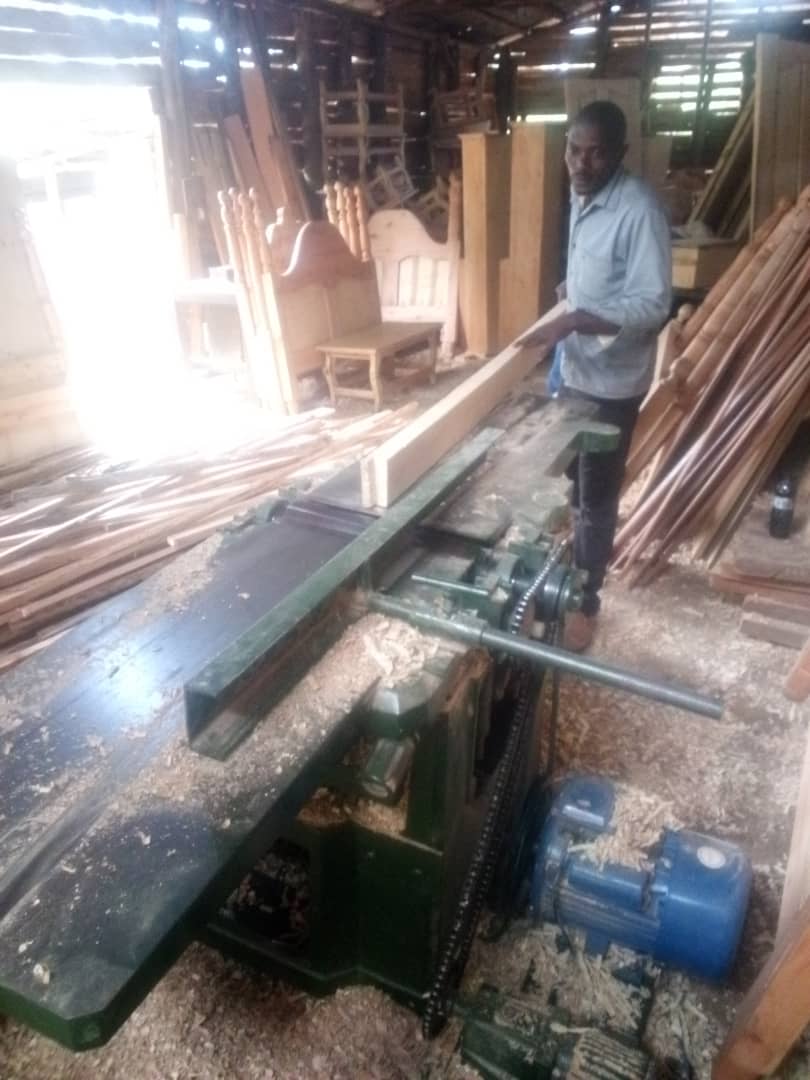
He said the programme eventually provided him with a woodworking machine, the first major piece of equipment he acquired after the fire, which helped him restart production.

“At that time, we needed several machines because everything we had owned had been destroyed. However, they started by giving us one machine. We were grateful because that was what we used to begin working again. It gave us the strength to return to business after everything we had lost,” he said.
Bashir explained that his workshop produces a range of wooden and metal products, including beds, doors, gates, and other household items. The machinery has made it easier for the business to handle orders and serve customers who need different products.
He said the difference became evident after the donated machine was installed: customer numbers increased, and the workshop received more orders than it could handle as it struggled to recover from the fire.
“Since we received that machine, our customers have increased. The work we were doing before was not moving as fast as it does now. We are able to complete orders, and when customers see the quality of our work, they recommend us to other people who also come to place orders,” Bashir said.
The improved performance also enabled the carpentry business to acquire another machine using money generated from its operations, reducing its dependence on the equipment initially provided through the programme.
Bashir said the first machine occasionally developed mechanical problems, forcing them to take it for repairs and interrupting production. However, after using it to rebuild the business and generate income, they managed to purchase a second machine to ensure work could continue whenever one developed a fault.
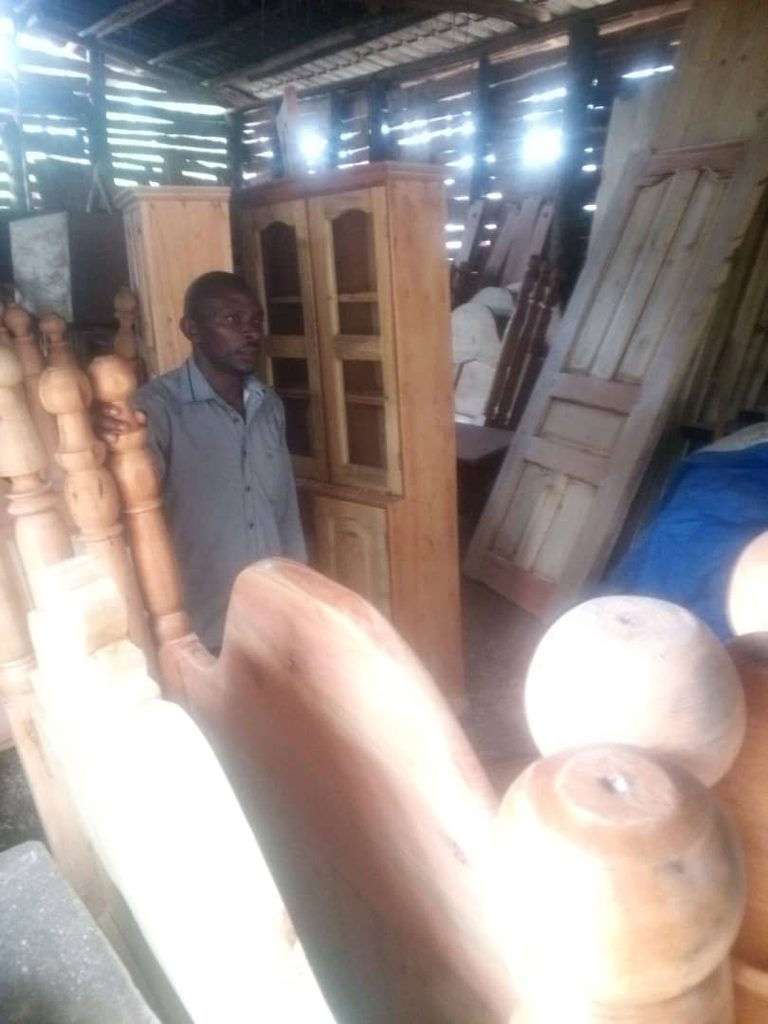
“We started with the machine the programme gave us, and through the work we were doing, we managed to buy another one ourselves. Sometimes the first machine would develop problems, and we would have to take it to the mechanics. Having another machine means that when one stops working, we can use the other one instead of stopping all our work,” he said.
He attributed the growth partly to the ability to save money from the business instead of spending all the proceeds on immediate needs, saying financial discipline had helped them acquire additional equipment and keep the workshop running.
Bashir urged other beneficiaries of government programmes to develop a savings culture, arguing that receiving equipment or financial support should be treated as an opportunity to build a sustainable enterprise rather than spend all the money generated.
“If you make money from your machine, do not eat all of it. You must put some aside. For example, if the machine makes Shs500,000, you should save Shs300,000 instead of spending everything. That saving can help you buy another machine, expand your business and meet other needs when they arise,” he said.
Despite the progress, Bashir said the business continues to face challenges, particularly the rising cost of timber and other materials used in carpentry, which has made it increasingly difficult to maintain affordable prices for customers.
He explained that restrictions on tree cutting and the cost of obtaining timber have affected their operations, forcing them to spend more on raw materials while customers remain reluctant to pay higher prices for finished products.
He said the cost of some timber that previously went for Shs800,000 had increased to approximately Shs1.75m, putting additional pressure on the business and reducing the profit margins.
Bashir said the challenge is particularly difficult when customers negotiate for lower prices without appreciating the increasing cost of materials, labour and other expenses involved in producing furniture.
“Sometimes a customer comes and asks for a bed at Shs200,000, but when you calculate the cost of the timber, paint and the work involved, you realise that the money they are offering cannot cover the expenses. We also have to pay workers and meet other costs. It is becoming difficult to increase prices because customers also have limits on what they can afford,” he said.
He added that the business wants to acquire a thicknessing machine, which would enable them to process timber into uniformly sized and smooth boards, improve the quality of their products and reduce the difficulties associated with preparing materials for production.
According to Bashir, acquiring the machine would also open opportunities for the workshop to move beyond making finished furniture and begin producing some of the materials needed in its operations.
“We still have another machine that we badly need. It is used to plane and smooth timber so that the boards become uniform and ready for making different products. If we get it, it will improve our work and help us produce materials that we currently have to look for elsewhere,” he said.
Bashir said the business is also working towards expanding its premises after moving to another location, although the relocation and construction have placed additional financial pressure on the enterprise.
He explained that the money they had saved was committed to the new premises, forcing them to seek loans to finance construction and other requirements as they prepare to operate from a bigger workshop.
“We have moved to another place where we are constructing, and the money we had saved has gone into that work. We have also taken loans, which we are expected to repay. We want to establish a better place where we can do all our work and eventually expand the business further,” he said.
The carpenter said the workshop currently employs workers to help with production, while several other people involved in the enterprise are members of their group.
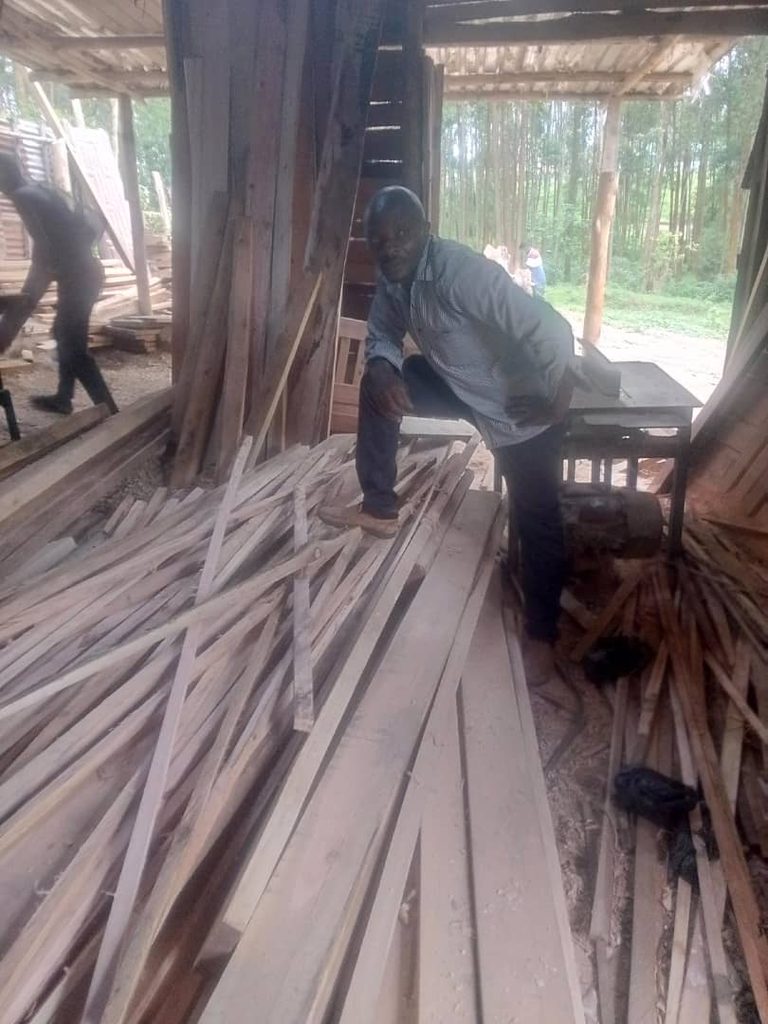
He said increased production has created opportunities for more people to participate in the business, although the rising cost of materials and the financial demands of expansion remain challenges they must overcome.
Bashir appealed to the Jua-Kali Programme to continue supporting beneficiaries with additional machinery, saying the initial intervention had demonstrated what targeted assistance could achieve for small-scale businesses.
He said the programme had helped restore his confidence at a time when he was uncertain about how to restart after the fire, adding that additional equipment would enable the workshop to improve production and compete with larger businesses.
“The programme gave us strength when we had almost given up because we had lost our machines and the things we depended on. We are grateful for what they gave us, but we still have machines that we need. If they continue supporting us with equipment, we can grow further and become a much stronger business,” he said.
He also encouraged other people who are waiting to benefit from government programmes not to lose hope, urging them to use any assistance received responsibly, work hard and save part of their earnings to sustain their businesses.
His experience shows how access to productive equipment can help small-scale entrepreneurs recover from business losses, increase production, and create growth opportunities, particularly in the informal sector.