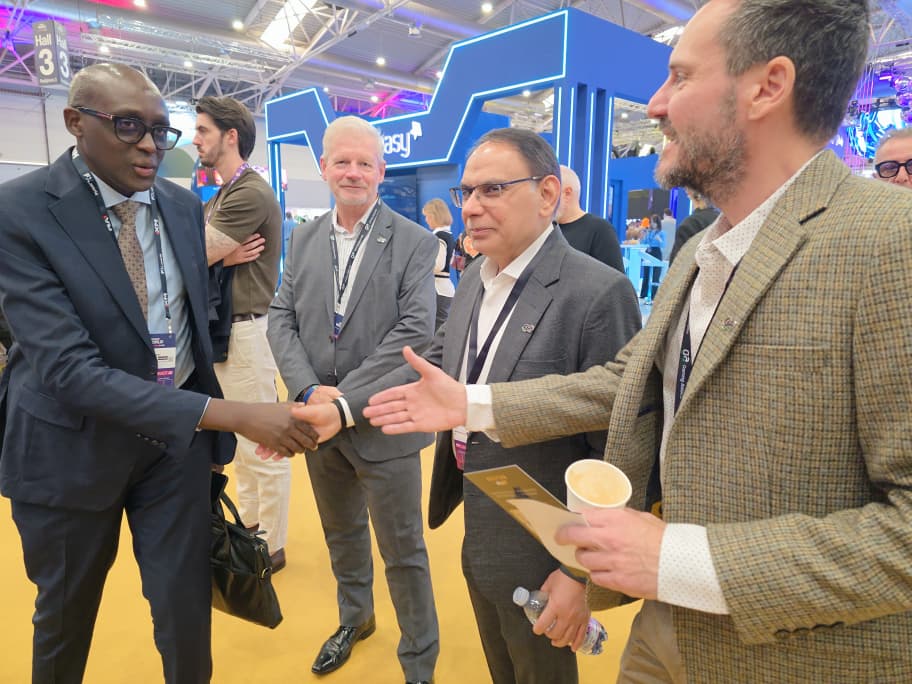
Uganda’s National Lotteries and Gaming Regulatory Board (NLGRB) Chief Executive Officer, Denis Mudene Ngabirano has called for stronger cooperation among African gaming regulators to tackle illegal betting, strengthen enforcement and protect consumers as the industry increasingly operates across national borders.
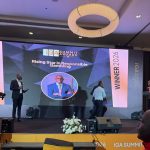
Mudene made the call during the four-day SiGMA World Summit held at Fiera Roma in Rome, Italy, from November 2 to 5, 2026, where he joined gaming regulators, industry leaders, and other stakeholders from across the world to discuss the future of the gaming industry.

His participation focused on strengthening collaboration among African regulators, particularly in addressing illegal gaming activities, improving information sharing, and developing joint approaches to challenges affecting countries in the region.
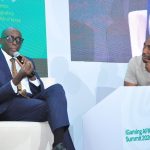
On November 5, Mudene participated in a panel discussion organised under the Gaming Regulators Africa Forum (GRAF) workshop, titled Cross-Border Gambling, Illegal Markets and Regulatory Cooperation.
The discussion examined how African regulators can work together to monitor gaming operators conducting business across multiple jurisdictions, share sensitive regulatory information securely, coordinate enforcement operations, and exchange technical expertise while respecting the laws and mandates of individual countries.

“At the Gaming Regulators Africa Forum (GRAF) workshop on November 5, I participated in the panel on ‘Cross-Border Gambling, Illegal Markets and Regulatory Cooperation.’ We explored practical ways to share regulatory information securely, coordinate enforcement, and exchange expertise while respecting each country’s laws and regulatory mandate,” Mudene said.
A key proposal emerging from the discussions was the African Regulatory Cooperation Framework, which is expected to provide a structured basis for partnerships among gaming regulators and translate shared priorities into coordinated action.
The framework is intended to strengthen cooperation in regulatory oversight, information exchange and enforcement, particularly as online betting platforms and gaming operators increasingly reach customers beyond the countries in which they are licensed.
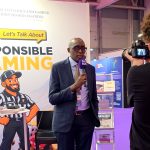
Mudene also used his media engagements at the summit to discuss the proposed East African Regulators Forum involving Uganda, Rwanda and Tanzania.
The proposed regional arrangement is intended to strengthen cooperation among the three countries, particularly in dealing with operators whose activities cross national boundaries and addressing weaknesses that could allow illegal gaming businesses to operate without effective oversight.
During the engagements, discussions centred on identifying the first common regulatory challenge the countries should address, establishing trust when exchanging sensitive information, coordinating responses to operators working across jurisdictions, and ensuring that participating regulators remain accountable for agreed actions.
Mudene said cooperation should allow regulators to combine their different experiences and expertise without interfering with the independence of national regulatory institutions.
“These conversations examined the issues that will determine whether cooperation delivers: identifying the first shared challenge to tackle, building trust around sensitive information, responding to operators whose activities cross jurisdictions, and holding one another accountable for progress,” he said.
He added that working together would help African regulators close gaps in oversight, strengthen their capacity to deal with emerging challenges, and improve protection for consumers.
“As regulators, we bring different experiences and national mandates to the table. Working together allows us to draw on that expertise, close gaps in oversight and better protect consumers,” Mudene said.
The East African cooperation proposal comes at a time when the expansion of online betting and digital gaming has made regulatory oversight increasingly complex, with operators able to reach customers in different countries through internet-based platforms.
For Uganda, stronger regional partnerships could improve the monitoring of gaming operators, facilitate the exchange of information and support enforcement against businesses that may exploit differences in national regulatory systems.
Other issues discussed at the summit
The SiGMA World Summit 2026 brought together gaming regulators, operators, investors, technology companies and other stakeholders to examine developments affecting the global gaming industry.
The four-day gathering featured discussions on gaming regulation, sports betting integrity, responsible gambling, licensing, artificial intelligence, financial innovation, advertising restrictions and consumer protection.
On November 3, discussions included sports betting integrity, with stakeholders examining how betting alerts and intelligence can help identify suspicious betting patterns and possible match-fixing. Participants also considered the responsibilities of betting companies, sports organisations, regulators and law enforcement agencies in protecting the integrity of sporting competitions.
Another discussion examined gambling advertising restrictions, using regulatory experiences from countries including Italy, the United Kingdom, Spain, the Netherlands and Belgium to assess how different governments regulate the promotion of betting services.
Delegates also examined licensing and compliance requirements in North America, alongside financial crime, fraud prevention, and the importance of effective regulatory systems.
On November 4, the programme shifted towards the social contribution of lotteries, online gambling compliance and the application of artificial intelligence in the gaming business.
Discussions on official lotteries examined their contribution to public programmes, including education, healthcare, cultural initiatives, and community development, while highlighting the challenges posed by illegal gambling activities.
Participants also explored measures for addressing unlicensed gambling, including restricting access to illegal websites, tackling unlawful advertising and blocking financial transactions associated with illegal operations.
Other sessions examined anti-money laundering requirements, data protection, technical certification of gaming systems, and the role of technology in improving compliance.
Artificial intelligence also featured prominently, with discussions on how emerging technologies are changing digital advertising, campaign management, customer targeting and performance monitoring.
The November 5 GRAF workshop brought the focus back to Africa, with regulators and industry representatives examining how the continent can strengthen its regulatory systems while responding to the growth of digital gambling.
The discussions reinforced the importance of responsible gaming, effective licensing, consumer protection, accountability, and stronger partnerships between regulators and the private sector.
For Uganda’s NLGRB, participation in the summit provided an opportunity to exchange experiences with international counterparts and contribute to discussions on regulatory approaches that can address challenges affecting the country’s gaming industry.
Mudene said the board would continue engaging fellow regulators across Africa to turn the commitments made during the summit into practical measures that improve oversight and protect consumers.
“I look forward to deepening these partnerships on behalf of Uganda’s National Lotteries and Gaming Regulatory Board and working with colleagues across Africa to turn dialogue into practical, measurable results,” he said.
He thanked the summit organisers and fellow industry leaders for participating in the gathering, saying the relationships established would be important in advancing gaming regulation across Africa.
The National Lotteries and Gaming Regulatory Board is responsible for regulating lotteries, gaming, and betting activities in Uganda under the Lotteries and Gaming Act, 2016, with a mandate that includes protecting the public and ensuring that gaming activities are conducted fairly and transparently.