Cabinet has approved the proposed Small Arms and Light Weapons Control Bill, 2026, seeking to tighten gun control, curb illegal possession of firearms and strengthen the monitoring of weapons in Uganda.
The Bill was considered during the 18th Cabinet meeting held on Monday, November 23, 2026, at State House, Entebbe, following concerns over the increasing illegal possession and misuse of firearms and weaknesses in the country’s existing laws.

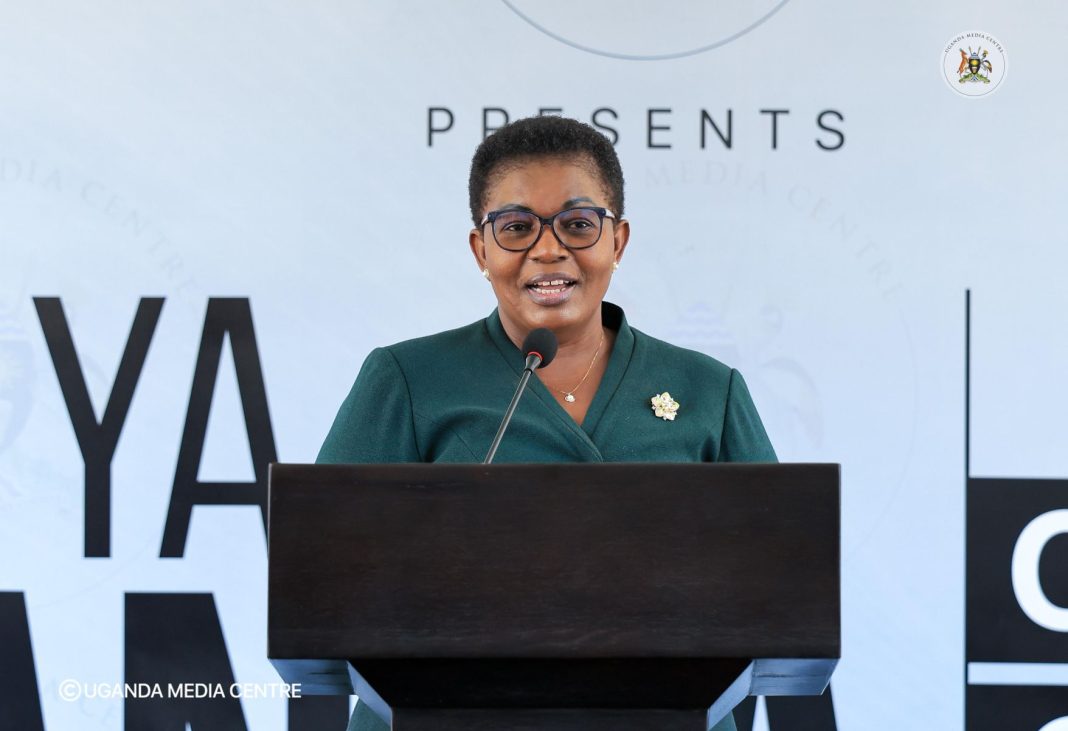
Minister of ICT and National Guidance Justine Kasule Lumumba said the proposed legislation is intended to address gaps in the current legal framework, which does not provide comprehensive provisions for controlling small arms and light weapons.
“There is an increasing illegal possession of and misuse of firearms. Although there are laws that provide control and use of small firearms and light weapons, there is need to strengthen the existing legislative and administrative mechanism,” Lumumba said.
Uganda currently relies on several laws to regulate firearms, including the Firearms Act, Cap 299, the Uganda Peoples’ Defence Forces Act, Cap 305, the Penal Code Act, Cap 120, the Police Act, Cap 306, the Prisons Act, Cap 307, and the Anti-Terrorism Act, 2000.

However, Government says these laws have gaps that hinder effective control of firearms, creating the need for a dedicated legal framework to regulate their possession, use, management and disposal.
“There is lack of a comprehensive law on Small Arms and Light Weapons,” Lumumba said.
The proposed Bill seeks to address several shortcomings, including the absence of legal provisions for the management and disposal of small firearms and light weapons, and inadequate requirements for practical and theoretical training for people seeking firearms licences.
Government has also identified weak border controls and poor surveillance, alongside illegal manufacturing and hiring of firearms, as challenges that require stronger legal and administrative intervention.
Lumumba said the new legislation will strengthen firearms licensing and registration, marking and tracing, safe custody and enforcement.
“The issues to address include no legal provisions for the management and disposal of small firearms and light weapons, lack of provision for practical or theoretical training courses for small arms licence holders, and weak border controls where there is poor surveillance,” she said.
The proposed law is also intended to improve accountability in the handling of firearms and strengthen the ability of security agencies to monitor weapons and trace those that are illegally acquired or circulated.
Uganda’s move to strengthen gun control is part of regional and international efforts to prevent the illicit proliferation of arms, ammunition and related materials.
Discussions on controlling small arms and light weapons in East Africa began with the 2002 Nairobi Declaration on the Prevention, Control and Reduction of Illicit Small Arms and Light Weapons in the Great Lakes Region, the Horn of Africa and neighbouring states.
The declaration culminated in the 2004 Nairobi Protocol, which binds 15 countries, including Uganda, to cooperate in preventing and controlling the proliferation of illicit weapons.
Small arms are firearms designed for individual use and include handguns, rifles, carbines, sub-machine guns, assault rifles and light machine guns.
Light weapons, on the other hand, are man-portable weapons operated by crews and include heavy machine guns and grenade launchers.