Stanbic Bank
Stanbic Bank
16.7 C
Kampala
Stanbic Bank
Stanbic Bank
Home Blog Page 1000

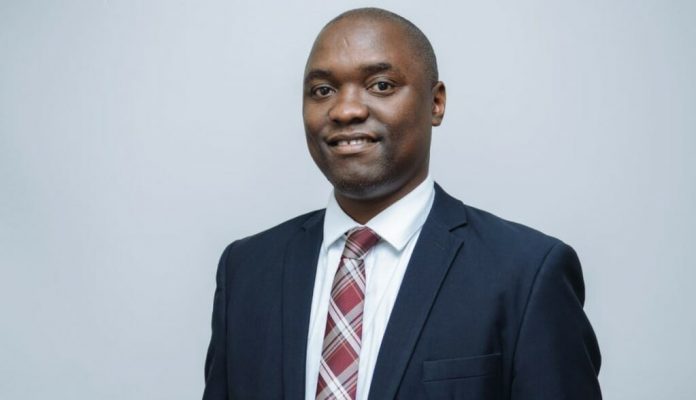
MTN-Uganda appoints Ibrahim Senyonga as the Business Unit General Manager

Ibrahim Senyonga

The telecom service provider, MTN Uganda has appointed Mr. Ibrahim Senyonga as General Manager for the company’s Enterprise Business Unit (EBU.

According to a statement released by MTN, Senyonga is one of the new members on the MTN Uganda leadership team joining as the General Manager for the company’s Enterprise Business Unit (EBU), a department that focuses on driving Business to Business sales for MTN.

“He brings to MTN over 16 years’ experience from the banking sector where he served several roles ranging from Regional manager at DFCU bank, Head of Retail banking and Acting Executive Director at KCB among others. Throughout his career, Mr. Senyonga has won more than 13 outstanding performance awards”. Reads in part of the statement

As he transitions from the banking to the telecom sector, Mr. Senyonga observes that telecommunication remains an important sector that is relevant to the growth of all sectors being at the center of the paradigm shift in how businesses operate as communication and digital services continue to be more embedded in the needs of society.

As the leader of a team that serves MTN’s vision to become the preferred connectivity solution partner for businesses within the Telecom footprint, Mr. Senyonga is responsible for developing compelling value propositions for Enterprise Business as well as creating and implementing strategies to drive corporate sales revenue and customer satisfaction with the support of a highly motivated winning team.

Mr. Senyonga comes with deep experience in Strategic Governance, Strategic Planning and Leadership, Business Development and Relationship management, Sales Channels development and expansion, Risk & Operational Control management.

His academic credentials include; an MBA in Finance from University of Leicester (UK) and a Bachelor’s degree in Business Administration from Makerere University, along with various certificates inclusive of one in Economics from OXFORD University (UK) and Aquis Accredited Asset and Liabilities Management from INSEAD (France).

Stories Continues after ad

Speaker Kadaga fires her top aide

Speaker of Parliament, Rebecca Kadaga has reportedly fired her Principal Personal Assistant David Kamaali

The Kamuli Woman MP has this time fired her long serving political aide who was working at parliament as Principal Personal Assistant.

The causality is David Kamaali whose crime Eagle Online has learnt is that he was allegedly to have held a meeting last weekend with met a gentleman from Western Uganda and others trying to fight her in Kamuli.

The said meeting was actually a hoax. Sources say the said individual has never traveled to eastern Uganda in a long time. However, Kamaali was given marching orders on Tuesday.

“The Principal Private Secretary to the Speaker, Peter Busiku was called by the boss and told to type a sacking letter which Clerk to Parliament, Jane Kibirige, quickly appended her signature”.

But the Kamaali man had already run to Kamuli before picking the letter. He is reportedly trying to use Dr Apollo Kazungu, a reknown power broker in the district , to prevail on Kadaga.

Our informers said some MPs like Maurice Kibalya are begging the Speaker to make her rescind the decision to fire Kamaali saying it has implications in Kamuli politics.

Kamaali joins a list of many public servants whose careers have been cut short at parliament
Others include her recently recruited Press Secretary Sam Obbo who has been placed on forced leave.
Her former PPS Cosian Opata has endured Katebe in parliament for years now as Kadaga has failed to sack him yet doesn’t want him to be deployed.
Edwin Nsadu, the son of former minister late Basoga Nsadhu was chased embarrassingly and a one Ms Sophie.

Sophie was replaced by Daniel Kizito who was also fired within less than a year

Stories Continues after ad

Africa: In the fight against  #COVID-19, an unsung  continent

Mr. Solomon Zewdu

Two months ago, when the peak of the pandemic passed in China and moved to the United States and Western Europe, epidemiologists tried to predict where COVID-19 would hit next—and hit hardest. Many thought Africa would become the next high-risk area, but when COVID-19 eventually arrived on the continent, most of the dire predictions were way off.

Today, the continent is the least impacted region in the world according to the World Health Organization (WHO), with less than 5% of reported cases and less than 1% of all deaths, despite being 17% of the global population. (By contrast, the U.S. is 4% of the global population but has suffered 25% of COVID-19 deaths.)

Of course, the pandemic isn’t over and things are evolving, but the predictions missing the mark so widely has left modelers and public health experts scratching their heads. Why has Africa witnessed a much milder pandemic than elsewhere?
People have proposed many theories. Some point to Africa’s relative youth: While nearly 95% of COVID-19 deaths in Europe were people over 60, Africa’s median age is only 19, and 60% of the continent is under 25. Others suggest Africa’s low case counts are a mirage, and that we aren’t seeing the true data because of limited testing capacity and mortality tracking. There is a lot, the argument goes, that we still don’t know.

Here’s my sense of the issue: What we don’t know about Africa and COVID-19 is far less important than what we do know. Because the things we do know are amazing and important and have surely contributed to Africa’s overall success in weathering this disease.

We know, for instance, that in January, even as many Western nations hesitated, Ethiopia began intensive screening at Addis Ababa airport. We also know that Africa CDC created its COVID-19 task force on February 5, before the continent had a single case. We know that Rwanda became the first African nation to lock down on March 21st and that many other African countries soon followed: South Africa implemented its comprehensive lockdown when it had only 400 cases and two fatalities. (With a similar-sized population, Italy had more than 9,000 cases and 400 deaths when it acted.)

In short, when the threat of COVID-19 arose, almost all 55 nations on the African continent acted swiftly to stop its spread. They did so in the face of great economic risk—more than 80% of Africa’s population work in the informal sector, often living on daily earnings—and with far more limited resources than the United States and Europe. And because those regions had to focus on their own crises, Africa responded, for the most part, alone.

African heads of state deserve much credit, but this swift and effective response was only possible because of the support and sacrifice of the people. Tens of thousands of health workers fanned out across the continent, taking temperatures and screening for the disease. In research labs and businesses of every size, people got to work. Scientists in Senegal developed a $1 COVID-19 testing kit and used 3D printing to make ventilators. In Nigeria, tailors sewed masks and personal protective equipment (PPE).

And of course, millions of everyday African citizens did their part, too. Many stayed indoors, halting the normal rhythms of their lives at great personal cost. Some struggled to get prescriptions refilled or receive routine health care. Others lost jobs and income. But so far, the continent has by and large averted disaster.
There are three lessons, I think, the world can take away from this remarkable story.
The first is obvious, and it’s that screening, tracing, and social distancing measures work, especially when implemented quickly. It’s widely agreed that South Africa’s strict lockdown bought critical time to prepare health systems and flattened the COVID-19 curve.

The second lesson involves Africa’s recent history. The continent’s experience in fighting other outbreaks has helped it fight this one. For example, Sierra Leone and Liberia used what they learned during the 2014 Ebola epidemic about building contact tracing networks and quickly implemented them to track COVID-19. In other places across the continent, people readily adopted non-pharmaceutical interventions despite PPE shortages, which people in Western countries were slow to do.
Third, and finally, Africa in the age of COVID-19 has shown the world a powerful and counterintuitive fact: Nations don’t necessarily have to be wealthy to stay healthy. Of course, a strong economy helps build a strong health system. But smart policies, early action, committed health workers, and engaged communities matter just as much.

This doesn’t mean it’s time for complacency now. Numbers are rising and it could be some time before a safe and effective vaccine is developed and widely distributed. The story of this pandemic is far from over, and Africa’s leaders and citizens must continue to chart a course that protect lives as it rebuilds economies. Still, the continent’s performance so far is an early bright spot. Africa deserves the world’s recognition and is a reason to be hopeful as we move forward.

Dr Solomon Zewdu
Deputy Director for Global Development in Ethiopia & Africa
Bill & Melinda Gates Foundation

Stories Continues after ad

I am not on the run from Parliament inquiry! Businessman Allibhai blasts MPs for defaming him

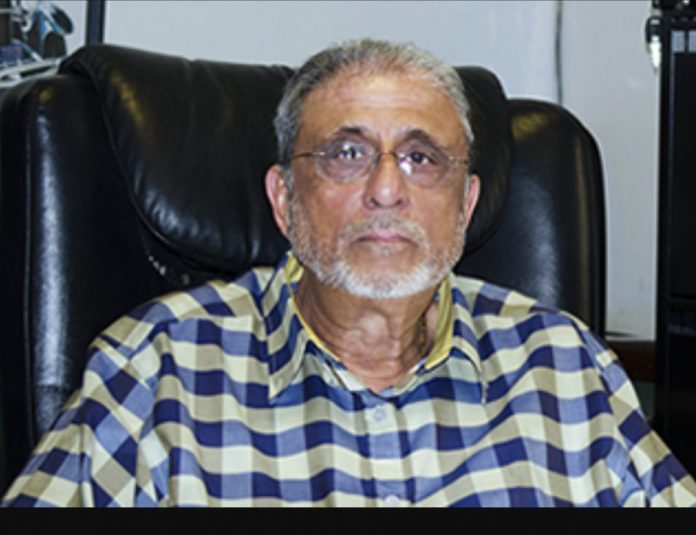
Mr. Mohammed Allibhai accuses the MPs of engaging in defamatory rhetoric against him (PHOTO/File).

KAMPALA – Businessman Mohammed Allibhai has blasted the Parliamentary Committee on Commissions, Statutory Authorities and State Enterprises on notice over defamatory remarks depicting him as a criminal.

Mr. Allibhai, a Ugandan businessman, through his lawyers of Ambrose Tebyasa & Company Advocates, wants Cosase to discontinue the investigations arguing that they openly contravene the law.
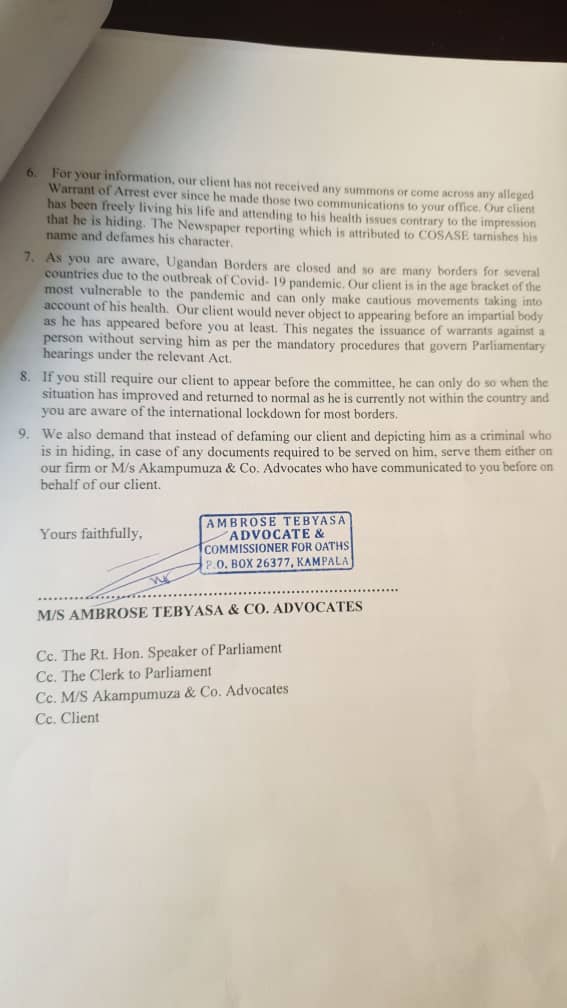
Mr Allibhai, in a June 19 letter asserts that stories published in local media on June 16 over allegations of failing to appear before the committee was aimed at tarnishing his name, instigated by opponents.

The letter adds that the lawyers have on behalf of their client taken note of deliberate and sustained campaign that is “riddled with publishing false, malicious and defamatory articles” against Mr Allibhai.
In a letter to Cosase chairman Mr Kasozi the lawyers say that on 18th March 2020, they wrote to the Honourable Speaker of parliament and a copy of the letter on Cosase vide our reference No, AT/MAL/09/2020 reacting to a Newspaper report that parliament was investigating their client in respect of some properties that had been subject of court proceedings.

They add that another letter to Cosase dated 13 March 2020 raised serious issues as to the legitimacy of the investigations in view of the fact that the matters under investigation were a subject of court proceedings and within the exclusive mandate of the courts of law of the country.

“It was further highlighted that the intended investigations had the effect of being contemptuous and subjudice to various court processes and ultra vires of the powers of Cosase and parliament generally,” the lawyers wrote.
“Our client has obtained credible evidence that he has variously been depicted as a criminal by the committee within and outside Uganda even before any investigations have been made which casts doubt on the impartiality, credibility and transparency of the committee,” reads the letter written to Cosase dated June 19.

“The allegations that our client is hiding are not only unfortunate but extremely unfounded, a legally represented person who continually communicates to you can’t be hiding. As you are aware, Ugandan borders are closed and so are many borders for other countries due to Covid 19 pandemic. Our client is in the age bracket of the most vulnerable to the pandemic and can only make conscious movements taking into account of his health,” adds the letter in part copy of which PML has seen.

The lawyers add that their client would never object to appearing before an impartial body as he has appeared before it at least and that this negates the issuance of a warrant of arrest against him before serving a person, and without serving him as per the mandatory procedures that govern the parliamentary hearings under the relevant Act.

They have advised that if Cosase still require their client to appear before the committee, he can only do so when the situation has improved and returned to normal as he is currently not within the country due to the international lockdown for most borders.

“We are also demanding that instead of defaming our client and depicting him as a criminal who is in hiding, in case of any documents required to be served on him, serve them either on our firm or on M/S Akampumuza & Co advocates who have communicated to you before,” the letter adds in part.
Mr Allibhai last appeared before the MPs on September 11, 2019, in his capacity as Chairman of the Association of Expropriated Properties Owners Limited where he indicated that he was managing more properties on behalf and on instructions of the original proprietors who are in Canada and Europe.

He told MPs that after returning to Uganda in 1991, he was three years later given powers of attorney by owners to help in the repossession process because they were scattered in Canada and the United Kingdom.
He denies any foul play in the process.

Stories Continues after ad
BoU Director Legal clashes with board over Crane Bank case

BoU Legal Counsel Ms Margaret Kasule whose accused of misleading on Crane Bank Limited legal status.

Trouble is brewing at the Bank of Uganda (BoU) over how to proceed following another bruising defeat in court by tycoon Sudhir Ruparelia.

Tempers flared at the central bank following a court ruling that ordered the central bank to pay tycoon Sudhir Ruparelia over Shs360m.

Following the defeat,Ms Margaret Kasule,the BoU Director Legal,advised that the ruling should be appealed.

Ms Kasule’s advice was, however, rejected by the Bank’s top management.

Sources familiar with the thinking at BoU over the case say the central bank is wary of suffering another defeat in court.

This website has however, learnt that Ms Kasule has been in touch with lawyers Andrew Kasirye,Robert Kirunda, David Mpanga and Timothy Masembe who have reportedly advised her that an appeal can be won.

As Director Legal,Ms Kasule has been at the center of several court losses that have cost the taxpayer billions of shillings. The are allegations that the continued legal battle could be a money venture for those involved to secure more funds from the bank in form of legal fees and consultation.

Court of Appeal has thrown out a case brought against city tycoon Sudhir Ruparelia and ordered Bank of Uganda to foot all the cost.

Bank of Uganda/Crane Bank in receivership (BoU) sued him and his Meera Investments Limited.

BoU sued Sudhir and Meera Investments Limited on allegations that they fleeced Crane Bank Limited of Shs397 billion.

BoU appealed against the earlier ruling by Commercial Court, Justice David Wangutusi, who dismissed the case, agreeing with the submissions of Sudhir’s lawyers and ordered that BoU pays costs of the “The person (petitioner) should pay cost and that is non other than Bank of Uganda because Margret Kasule filed on behalf of Bank of Uganda. They knew Crane Bank was in receivership as it wasn’t in existence but they went ahead to sue it” read the judgement.

Stories Continues after ad
How local testing sped up response to new Ebola outbreak in Congo

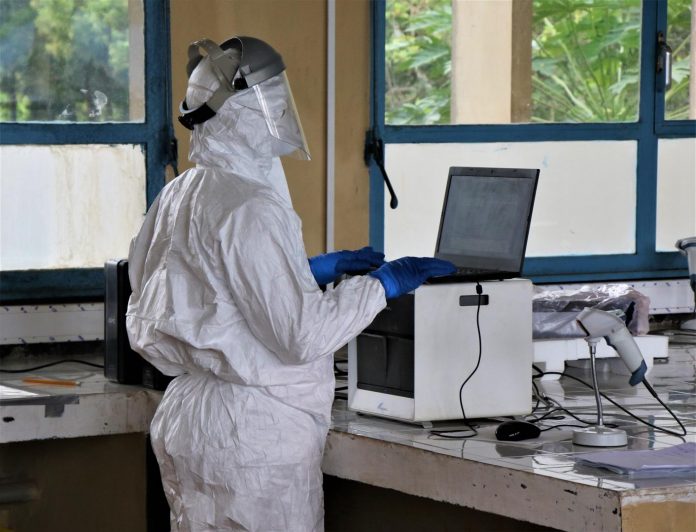
When a young man in his town died of a haemorrhagic fever, Fabien Impanda Boliko had to act fast. The 56-year-old laboratory technician in Mbandaka tested and identified the first case of the Democratic Republic of the Congo’s (DRC) 11th Ebola outbreak in the western Equateur province.

The sudden death caused concern among local health officials who raised an alert: perhaps the haemorrhagic fever was Ebola or, maybe it was caused by another disease. Boliko accompanied a rapid response team to obtain a sample and find out.

“I could feel the pressure. As soon as I got back to the laboratory in Mbandaka, I started to do some tests,” said Boliko. “The results came back positive [for Ebola].” On 1 June, just one day later, the DRC government officially declared a new outbreak and response efforts began.

Boliko credits his swift actions to a training he and 25 other laboratory technicians received in 2018 following an outbreak of Ebola there, DRC’s 9th. They were trained by the World Health Organization (WHO) on sample collection and testing possible Ebola cases. They learned how to use a GeneXpert machine, which can provide test results in just under two hours.

“The training strengthened our ability to use the GeneXpert machine and test. Otherwise, if we didn’t know how to test here in Mbandaka or didn’t have the technology, the city could have experienced several weeks of uncertainty,” Boliko explained.

The DRC’s National Institute for Biomedical Research (INRB), based in the capital of Kinshasa, is responsible for verifying the results of such tests. But, as Boliko pointed out, it can take time for a sample to reach the INRB’s more-equipped laboratories.

“Equateur Province is able to use local resources to collect, handle, and test samples in strict compliance with biosafety rules. This is ideal,” said INRB medical biologist and laboratory expert, Dr Meris Matondo. Being able to provide accurate preliminary results at the provincial level means that local health authorities can take immediate preventive precautions even before there is a national, official declaration of a new public health emergency.

Boliko’s quick identification of the disease translated into a swift response. Just four days after the outbreak was declared, the Ministry of Health and WHO began vaccination to stem the spread of Ebola. As of 22 June 2020, more than 4 700 people had been vaccinated. Screening for travellers at designated points of control had also been ramped up.

“DRC has often been confronted with Ebola outbreaks. I know that this one in June 2020 won’t be our last,” Boliko said. An outbreak of Ebola between May and July 2018 in the same province was the fourth in the Grand Equateur region (Yambuku in 1976, Tandala in 1977 and Djera in 2014]. The 2018 outbreak claimed 33 lives, but 21 patients survived.

In the current outbreak, five health zones in Equateur province have so far been affected (Bolomba, Bikoro, Iboko, Mbandaka and Wangata). To Boliko, beating Ebola is a matter of preparedness. He feels that he and his colleagues are already more prepared than they were during the last outbreak. This time around, all the laboratory technicians trained in 2018 are working to test samples of possible case-patients. There are also three GeneXpert machines—two in Mbandaka and one in Bikoro health zone — available locally to provide rapid test results.

Improving the capacity of health workers in Mbandaka during the 2018 outbreak is paying off, says Dr Amédée Prosper Djiguimdé, WHO Officer in Charge in the DRC. “This response is being handled differently and much more at the local level because the expertise already exists. WHO is here only to advise and fill critical gaps where needed.”

WHO has deployed experts to Mbandaka, Bolomba, Bikoro and Iboko. Additional teams have been sent to other rural communities that are reporting cases. Most of the experts are coming from North Kivu where an ongoing Ebola outbreak is winding down. The team includes experts in epidemiology, vaccination, community engagement, infection prevention and control, laboratory, case management, logistics and data management.

The Organization has also shipped supplies including vaccines, testing kits and personal protective equipment. Over 114 000 travellers have so far been screened at strategic points of control to help detect and stem further spread of the virus.

Stories Continues after ad

International Olympic Committee joins forces with WHO and the United Nations to fight #COVID-19

The International Olympic Committee and WHO together with the United Nations launch a partnership to encourage individuals and communities around the world to be #healthytogether. The three partners and Olympic athletes will spotlight the global collaboration needed to stay healthy and reduce the spread and impact of #COVID-19.

Olympic athletes will help deliver important public health information, to inspire people to adopt or continue behaviours that will curtail the pandemic and provide information that promotes physical and mental health. The partnership kicks off today with Olympians around the world showcasing various exercises to stay healthy during this time.

A WHO survey showed that many people who had severe #COVID-19 disease were already living with or at risk for non-communicable diseases (NCDs). The results emphasize the importance of maintaining a healthy lifestyle including being physically active, having a healthy diet, and avoiding tobacco and alcohol.

“We are pleased to partner with the International Olympic Committee to spread important health messages that will save lives. Olympians will help us advocate for healthier populations to ensure that people are as resilient as our health systems must be to fight #COVID-19,” said Dr Tedros Adhanom Ghebreyesus, Director-General, WHO.

Over the past six months, the #COVID-19 pandemic has impacted every corner of the globe and every aspect of people‘s lives. The world is looking for global institutions to work together and for leaders to deliver reliable, credible information from sources they trust. Olympic athletes are symbols of strength that can act as trusted messengers for this information.

IOC President Thomas Bach said, “Sport can save lives. We have seen over the last few months just how important sport and physical activity are for health and well-being. And working together with the WHO and the United Nations we can take another step together. We will ask our Olympic athletes to help share the information and best practice that the world needs now.”

António Guterres, Secretary-General of the United Nations, added “During this time of unprecedented challenges and change — from the #COVID-19 pandemic to the ongoing struggle for racial and social justice, to the climate crisis — there has never been a greater need for global solidarity and hope. The Olympic movement and its athletes have always brought out the best in humanity, and the United Nations is pleased to work with the International Olympic Committee and the World Health Organization in calling on people everywhere to unite and be #HEALTHYTogether.”

The global partnership will act locally, through the voices of Olympic athletes – voices that symbolize perseverance, dedication and endurance – qualities all individuals need during this public health challenge. WHO will work with athletes to bring tailored health messages to people who are living through various stages of the pandemic through digital platforms.

As #COVID-19 forces changes to our daily routines and lives – from how we interact with others to how we move and exercise – we need to pay attention to our own mental and physical health and help others who may need extra support. By working together, the aim of the partnership on Olympic Day and every day is to stay Healthy Together.

Stories Continues after ad

URA to overhaul its processes in a bid to collect Shs 19.8 trillion

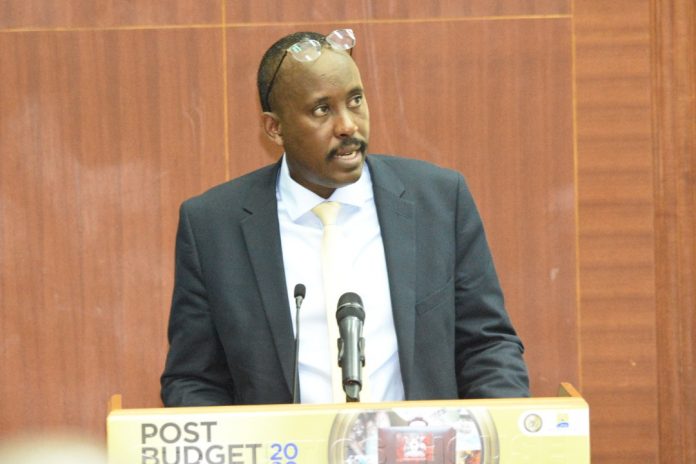
Mr. Musinguzi, URA Commissioner General.

The Commissioner General of Uganda revenue authority (URA), John Rukoji Musinguzi has revealed that the tax body is ready to overhaul its processes in a bid to collect Shs19.8 trillion during 2020/2021 financial year.

“This is not going to be business as usual, we are going to overhaul most of our processes so that going forward, and we are prepared to deal with the new challenges.” He said during post budget e-conference peddled at enhancing the public’s understanding of the National Budget 2020/21 and Tax Policy measures.

Earlier this month, parliament passed a whopping Shs45.4 trillion budget for the next Financial Year 2020/21 compared with the Shs 40.5 trillion for this Financial Year ending June 30 amidst the ravaging coronavirus pandemic.

The government aims at collecting Shs19.8 trillion through various taxes and the rest through domestic and external borrowings, aids and grants to finance the planned budget.

In a bid to achieve their target, Mr Rukoji said they are going to look deeply into the issue of governance and management of taxes, deepen their data analysis and give taxpayers a better experience.

“We are going to clean our data and make sure that is accurate before we use it to draw positions to focus on and relax as the country’s tax collector. We are going to be more inward looking. We’re going to focus on domestic tax collection rather than pay all attention to international/foreign sources.” He said

He said the impact of #COVID-19 on our economy and the global economy isn’t yet fully established though our revenue has been greatly impacted.

Mr. Musinguzi noted that #COVID-19 pandemic has shown that relying on external revenue is not sustainable hence the need to focus on domestic revenue collection.

He pledged that the tax body will not look on and be part of the causes of young businesses in our country to collapse because of over taxation. We would be defeating our own purpose of existence if we cause small businesses to collapse because we need them to grow bigger with incomes which we can tax later

“We hope to work closely with everyone to ensure that we serve you better while we gather enough revenue that we will, in turn, use to develop our country and improve lives.”

Stories Continues after ad

Parliament donates Shs31m to children with cancer

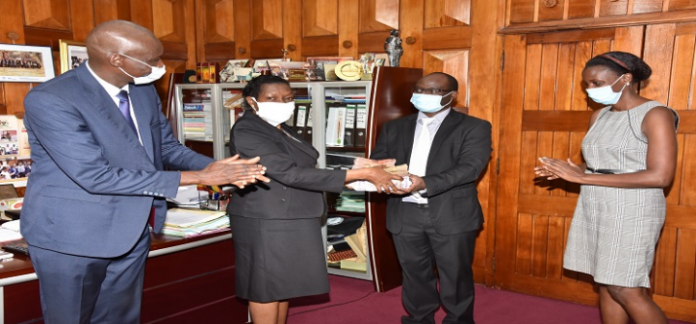
Ms Kibirige handing over money.

The Clerk to Parliament, Jane Kibirige, has on behalf of parliament donated Shs31 million to Kawempe Home Care in support of children with cancer who cannot afford costs associated with treatment and care at the Uganda Cancer Institute (UCI).

Ms Kibirige was moved on learning that about half of the children who seek treatment at UCI in a year survive as not all can be sustained on treatment due to costs involved.

The Executive Director at New Hope Children’s Hostel, a subsidiary of Kawempe Home Care, Dr. Samuel Guma, said that many sick children stay for one or two months before abandoning treatment due to lack of food and accommodation.

“The treatment takes about 3 to 6 months on an outpatients’ basis, as a result many cannot stay for that long to complete treatment,” said Dr. Guma

He said that his organization provides food and accommodation to indigent children with cancer and their caregivers for the period required to complete treatment at the Institute.

Guma said that this has in turn unburdened UCI and parents with costs involved in cancer treatment as well as saving lives.

“We have for the past five years helped over 520 patients with food and accommodation, because we realize the big burden that parents encounter since cancer treatment for children country wide is offered only at Cancer Institute” said Guma.

Ms Kibirige commended Kawempe Home Care for their voluntary support to UCI and sick children.

“Although it [Shs31 million] is little, we give it to you to encourage you to continue offering such a good service. I am so happy to know that even during the total lock down you found a way of reaching out to patients under your care,” she said.

Parliament through its Corporate Social Responsibility hopes to reach out to many more children battling with cancer, through its continuous support to Kawempe Home Care.

“You are doing good work caring for the underprivileged in society. In future our staff groups will visit and see the needs that children have; this is a good start of a new working relationship,” said Helen Kawesa, Parliament’s spokesperson.

Stories Continues after ad

Digital campaigns offends pillars on which constitutional democracy was built- FDC

Mr . Semujju Nganda

Forum for Democratic Change party (FDC) has unequivocally rejected digital campaigns proposed by the Electoral Commission ahead of the 2021 general elections.

Last week, the chairperson of the EC, Justice Simon Byabakama, banned all mass rallies ahead of the anticipated 2021 general elections. Byabakama said the move is in line with President Museveni’s directives peddled at curbing the spread of coronavirus.

According to party Spokesperson, Ssemujju Nganda digital campaigns whose effect is to ban freedom of assembly enshrined in Article 29(d) of the Constitution, offends the main pillars and foundation upon which constitutional democracy was built on in Uganda.

Objective II of the Constitution of Uganda titled Democratic Principles states that, “The State shall be based on democratic principles which empower and encourage the active participation of all citizens at all levels in their own governance.”

“The only election provided for in the Constitution is one in which citizens actively participate. Covid19 or no Covid19, the standards remain the same. For an election to be an election under the Constitution, it must be free and fair in which citizens actively participate. These elections are not elections of the Electoral Commission or candidates only. They are Uganda’s elections.” He said

Semujju said at every turn Justice Simon Byamukama has handled elections as a private matter. His commission terminated registration of voters a year before election denying more than one million citizens an opportunity to determine who their next leaders should be. This decision was taken before Covid 19 outbreak. The voters’ register remains a contested issue.

He revealed that Byamukama has banned campaigns handing over the initiative to his boss, the incumbent ruling NRM sole candidate, 75 year old Yoweri Museveni.

“We all know that the person who fears competition and fears assemblies is Yoweri Museveni. That is why he had through the Police given himself the powers to grant permission to people intending to hold rallies which the Constitutional Court nullified. In fact Museveni had blocked concerts and rallies even before Covid19.” He said

He said the country and Parliament in particular must discuss holding of elections in these circumstances.

Stories Continues after ad