Stanbic Bank
Stanbic Bank
17.7 C
Kampala
Stanbic Bank
Stanbic Bank
Home Blog Page 1100

Denis Onyango, Emmanuel Okwi nominated for top CAF Awards

Denis Onyango

CAF has released the list of nominees for the 28th edition of its annual football awards which will take place on Tuesday, 7 January 2020, at Citadel Azure, Hurghada, Egypt.

Uganda Cranes duo Denis Onyango and Emmanuel Okwi are part of the nominees lists that were released.

Onyango earned a double nomination and will compete for the 2019 African Player of the Year and Caf Interclub player of the year while Okwi will contest for Caf Interclub player of the year.

okwi

The Interclubs Player of the Year Award has been reintroduced and will be dedicated to honouring key actors in CAF’s club competitions.

The CAF awards celebrate African footballers and officials who have distinguished themselves during 2019.

The list of nominees is compiled by a panel of media and technical professionals. It features several award categories for men’s and women’s football including: African Player of the Year, Coach of the Year, Youth Player of the Year, National Team of the Year, Goal of the Year, Africa Finest XI, Federation of the Year and several new award categories which will recognise exceptional contributions to African football and inspiring individuals.

List of Nominees

African Player of the Year

  • Achraf Hakimi (Morocco & Borussia Dortmund)
  • André Onana (Cameroon & Ajax)
  • Baghdad Bounedjah (Algeria& Al-Sadd)
  • Carolus Andriamatsinoro (Madagascar & Al Adalah)
  • Denis Onyango (Uganda & Mamelodi Sundowns)
  • Eric Maxim Choupo-Moting (Cameroon & Paris Saint-Germain)
  • Ferjani Sassi(Tunisia & Zamalek)
  • Hakim Ziyech (Morocco & Ajax)
  • Idrissa Gueye (Senegal & Paris Saint-Germain)
  • Ismail Bennacer (Algeria & AC Milan)
  • Jordan Ayew (Ghana & Crystal Palace)
  • Kalidou Koulibaly (Senegal & Napoli)
  • Kodjo Fo Doh Laba (Togo & Al Ain)
  • Mahmoud Hassan”Trezeguet” (Egypt & Aston Villa)
  • Mbwana Samatta (Tanzania & Genk)
  • Mohamed Salah (Egypt & Liverpool)
  • Moussa Marega (Mali & Porto)
  • Naby Keita (Guinea & Liverpool)
  • Nicolas Pepe (Côte d’Ivoire & Arsenal)
  • Odion Ighalo (Nigeria & Shanghai Shenhua)
  • Percy Tau (South Africa & Club Brugge)
  • Pierre-Emerick Aubameyang (Gabon & Arsenal)
  • Riyad Mahrez (Algeria & Manchester City)
  • Sadio Mane (Senegal & Liverpool)
  • Taha Yassine Khenissi (Tunisia & Esperance)
  • Thomas Teye Partey (Ghana & Atlético Madrid)
  • Victor Osimhen (Nigeria & Lille)
  • Wilfred Ndidi (Nigeria & Leicester City)
  • Wilfried Zaha (Côte d’Ivoire & Crystal Palace)
  • Youcef Belaili (Algeria & Ahli Jeddah)

African Women’s Player of the Year

  • Ajara Nchout (Cameroon & Valerenga )
  • Ange N’Guessan (Côte d’Ivoire & Tenerife)
  • Asisat Oshoala (Nigeria & Barcelona)
  • Chiamaka Nnadozie (Nigeria & Rivers Angels)
  • Elizabeth Addo (Ghana & Jiangsu Suning)
  • Gabrielle Ouguene (Cameroon & CSKA Moscow)
  • Refiloe Jane (South Africa & AC Milan)
  • Tabitha Chawinga (Malawi & Jiangsu Suning)
  • Thembi Kgatlana (South Africa & Beijing Phoenix FC)
  • Uchenna Kanu (Nigeria & Southeastern Fire)

African Interclubs Player of the Year

  • Ali Maaloul (Tunisia & Al Ahly)
  • Anice Badri (Tunisia & Esperance)
  • Denis Onyango (Uganda & Mamelodi Sundowns)
  • Emmanuel Okwi (Uganda & Simba)
  • Ferjani Sassi (Tunisia & Zamalek)
  • Fousseny Coulibaly (Cote d’Ivoire & Esperance)
  • Franck Kom (Cameroon & Esperance)
  • Herenilson (Angola & Petro de Luanda)
  • Ismail El Haddad (Morocco & Wydad Casablanca)
  • Jean Marc Makusu (DR Congo & AS VITA)
  • Kodjo Fo Doh Laba (Togo & RS Berkane / Al Ain)
  • Mahmoud Alaa (Egypt & Zamalek)
  • Meddie Kagere (Rwanda & Simba)
  • Meschack Elia (DR Congo & TP Mazembe)
  • Taha Yassine Khenissi (Tunisia & Esperance)
  • Tarek Hamed (Egypt & Zamalek)
  • Themba Zwane (South Africa & Mamelodi Sundowns)
  • Trésor Mputu (DR Congo & TP Mazembe)
  • Walid El Karti (Morocco & Wydad Casablanca)
  • Youcef Belaïli (Algeria & Esperance / Ahli Jeddah)

African Youth Player of the Year

  • Achraf Hakimi (Morocco & Borussia Dortmund)
  • Amadou Haidara (Mali & RB Leipzig)
  • Amadou Sagna (Senegal & Club Brugge)
  • Enock Mwepu (Zambia & Red Bull Salzburg)
  • Ismaïla Sarr (Senegal & Watford)
  • Krépin Diatta (Senegal & Club Brugge)
  • Moussa Djenepo (Mali & Southampton)
  • Moussa Ndiaye (Senegal & Excellence Foot)
  • Musa Barrow (Gambia & Atalanta)
  • Osvaldo Pedro Capemba ‘Capita’ (Angola & Primeiro de Agosto)
  • Patson Daka (Zambia & Red Bull Salzburg)
  • Samuel Chukwueze (Nigeria & Villarreal)
  • Sekou Koita (Mali & Red Bull Salzburg)
  • Steve Regis Mvoue (Cameroon & AS Azur Star)
  • Victor Osimhen (Nigeria & Lille)
  • Zito Luvumbo (Angola & Primeiro de Agosto)

African Men’s Coach of the Year

  • Aliou Cisse (Senegal – Senegal)
  • Christian Gross (Switzerland – Zamalek)
  • Corentin Martins (France – Mauritania)
  • Djamel Belmadi (Algeria – Algeria)
  • Faouzi Benzarti (Tunisia – Wydad Athletic Club)
  • Gernot Rohr (Germany – Nigeria)
  • Moïne Chaâbani (Tunisia – Esperance)
  • Mounir Jaouani (Morocco – Berkane FC)
  • Nicolas Dupuis (France – Madagascar)
  • Pitso Mosimane (South Africa – Mamelodi Sundowns)

African Women’s Coach of the Year

  • Alain Djeumfa (Cameroon)
  • Bruce Mwape (Zambia)
  • Clementine Toure (Côte d’Ivoire)
  • Desiree Ellis (South Africa)
  • David Ouma (Kenya)
  • Thomas Dennerby (Nigeria)

African Men’s National Team of the Year

  • Algeria
  • Madagascar
  • Nigeria
  • Senegal
  • Tunisia

African Women’s National Team of the Year

  • Cameroon
  • Côte d’Ivoire
  • Kenya
  • Nigeria
  • South Africa
  • Zambia


Stories Continues after ad

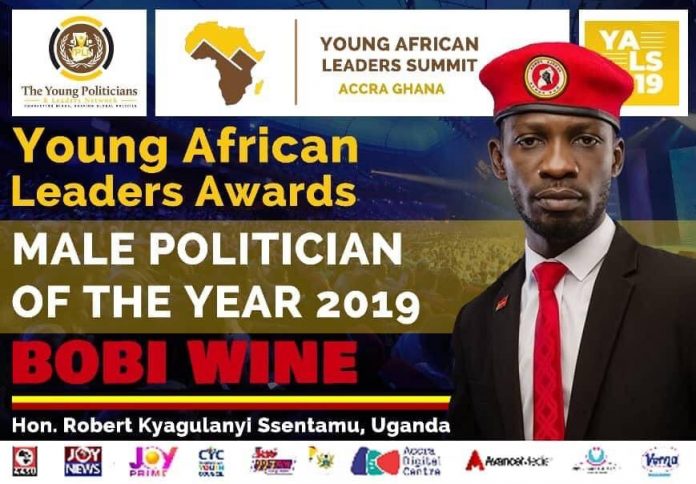
Bobi Wine scoops politician of the year 2019 award

Bobi Wine

Kyadondo East Member of Parliament, Robert Kyagulanyi Ssentamu alias Bobi Wine has been named as the male politician of the year, 2019.

The award was given to him by youth leaders from across Africa who met in Accra Ghana under the patronage of the Young African Leaders Summit, 2019.

Kyagulanyi expressed his excitement on the various social media platforms and dedicated the award to his friends and comrades struggling to attain change. “I am always reminded that I am nothing without the support, solidarity and encouragement of all of you comrades and friends. I therefore dedicate this recognition to all of you friends with whom we struggle to make Uganda and Africa better,” he posted.

Days ago, Bobi Wine made it to the ‘TIME 100 Next’ list of the world’s most influential people.

‘TIME 100 Next’ is a new list, part of an ongoing expansion of the flagship ‘TIME 100 franchise’—that spotlights 100 rising stars who are shaping the future of business, entertainment, sports, politics, science, health and more.

Bobi Wine was listed alongside 16 others in the Phenoms, a category that recognises people who achieve a lot quickly.

Stories Continues after ad

Uganda ranks 135th in 2019 Legatum Prosperity Index

Uganda ranks 135th in 2019 Legatum Prosperity Index

Uganda ranks 135th globally in prosperity index, performing better than the average for Sub-Saharan nations, according to 2019 Legatum Prosperity Index released today.

The ranking done by Legatum Institute is based on a variety of factors including wealth, economic growth, education, health, personal well-being, and quality of life.

The index reveals that global prosperity is at its highest ever level, with 148 out of 167 countries experiencing higher levels of prosperity than a decade ago.

The increase has been driven by more open economies and improved lived experiences due to better health, education, and living conditions around the world. However, weaker personal freedom and deteriorating governance are holding back further improvements in prosperity.

According to the report, governance has declined around the world over the last 10 years and personal freedoms have also deteriorated, with a particular decline in the freedom to speak, assemble and associate.

Meanwhile, although global levels of safety and security have bounced back since 2017 due to a reduction in politically-related terror and violence and a slight reduction in terrorist activity, the index says, they remain below 2009 levels and have fallen significantly in Middle East  and North Africa and Sub-Saharan Africa over the last decade, primarily due to an increase in the number of new conflicts and a rise in terrorism in these regions.

However, globally social capital has improved over the last decade, with social networks strengthening and increased trust in institutions such as the police force, the judiciary, and the military. Over the same period of time, people around the world have become more tolerant of other groups in society, particularly of the LGBT community, with residents of 111 countries expressing more tolerance than they did 10 years ago.

Dr Stephen Brien, Director of Policy at the Legatum Institute, commented: “There is a fundamental relationship between strengthening institutions and broader economic and social development. This is highlighted in the Index and is also something we’ve seen through our work this year focusing on both the African continent and the United States, where the importance of institutions underpinning social wellbeing is particularly evident.

“The findings of the Index have also reinforced our belief that the strength of personal and social relationships, social norms, and civic participation is an inherent and essential component of a prosperous society. It demonstrates the vital importance of viewing prosperity holistically to create an environment in which everyone can reach their full potential.

“Policymakers rarely consider fiscal and macroeconomic policy at the same time as social factors. But prosperity is the result of institutional, economic, and social wellbeing working together to create effective institutions, an open economy, and empowered people who are safe, healthy and educated.”

Key Summary of the Domains and Pillars:

Inclusive Societies

  • Safety and Security measures the degree to which conflict, terror, and crime have destabilised the security of individuals, both immediately and through longer lasting effects.
  • Personal Freedom measures country-wide progress towards basic legal rights, individual liberties and social tolerance.
  • Governance measures the extent to which there are checks and restraints on power and whether governments operate effectively and without corruption.
  • Social Capital measures the strength of personal and social relationships, social norms and civic participation in a country.

Open Economies

  • Investment Environment measures the extent to which investments are adequately protected and are readily accessible.
  • Enterprise Conditions measures the degree to which regulations enable businesses to start, compete, and expand.
  • Market Access and Infrastructure measures the quality of the infrastructure that enables trade, and distortions in the market for goods and services.
  • Economic Quality measures how well a state’s economy is equipped to generate wealth sustainably and with the full engagement of its workforce.

Empowered People

  • Living Conditions measures the degree to which a reasonable quality of life is experienced by all. Several key areas, such as material resources, shelter, a healthy diet, basic services and connectivity are considered.
  • Health measures health outcomes, illness and risk factors, and mortality rates.
  • Education measures enrolment, outcomes and quality across four stages of education (pre-primary, primary, secondary and tertiary education), as well as the skills in the adult population.
  • National Environment measures the aspects of the physical environment that have a direct effect on people in their daily lives and changes that might impact the prosperity of future generations.

How Uganda ranks for the 12 measures of prosperity:

Inclusive Societies 137th

  • 133rd for Safety and Security – up 17 places from 2009
  • 117th for Personal Freedom – down 2 places from 2009
  • 118th for Governance – down 10 places from 2009
  • 139th for Social Capital – up 3 places from 2009

Open Economies 112th

  • 83rd for Investment Environment – up 16 places from 2009
  • 81st for Enterprise Conditions – down 7 places from 2009
  • 136th for Market Access & Infrastructure – up 1 place from 2009
  • 132nd for Economic Quality – down 9 places from 2009

Empowered People 138th

  • 143rd for Living Conditions – down 5 places from 2009
  • 140th for Health – up 10 places from 2009
  • 137th for Education – down 2 places from 2009
  • 125th for Natural Environment – down 9 places from 2009

Major areas of concern for Uganda are:

  • Property crime for which it ranks 165th
  • Mental health for which it ranks 166th
  • The quality of the forest, land and soil for which it ranks 157th
  • Basic Services for Living Conditions for which it ranks 161st

Areas Uganda does well in:

  • Restrictions on International Investment for which it ranks 7th
  • Labour Market Flexibility for which it ranks 14th

Other countries you are interested in:

  • Kenya ranks 113th overall globally, performing best on Social Capital at 44th, Investment Environment at 67th and Enterprise Conditions at 67th
  • Tanzania ranks 120th overall globally, performing best on Natural Environment at 67th, Governance at 96th and Social Capital at 100th
  • Rwanda ranks 106th overall globally, performing best on its Investment Environment at 42nd, Enterprise Conditions at 50th and Governance at 64th

Top ten performers were; Denmark, Norway, Switzerland, Sweden, Finland, Netherlands, New Zealand, Germany, Luxembourg and Iceland while worst performers were; Sudan, Burundi, Eritrea, Somalia, Democratic Republic of Congo, Afghanistan, Chad, Central African Republic, Yemen and South Sudan.

Stories Continues after ad

IFC and development partners make landmark $115m health care investment in East and Southern Africa

The International Finance Corporation (IFC) and Investment Funds for Health in Africa (IFHA)-II, a private equity fund focused on health care in Sub-Saharan Africa, on Saturday launched a US$115 million holding company to acquire and integrate targeted health care service businesses in East and Southern Africa.

The project will boost access to quality health care services to help improve lives and achieve universal health coverage across the region.

IFC is investing us$22 million in the Hospital Holdings Investment (HHI) holding company, an investment platform set up by IFHA-II, which is also supported by the European development finance organisations Swedfund, Proparco, Finnfund and IFU, Danish Investment Fund for Developing countries. HHI will be IFC’s largest equity investment in health care in Sub-Saharan Africa, outside of South Africa. IFC also mobilized US$43.2 million from other investors.

“HHI is filling a critical gap in the health care sector by providing secondary and out-of-hospital care for middle to lower middle income patients in East and Southern Africa. We aim to offer accessible, affordable and quality health care by increasing the number of hospitals and clinics we operate,” said Max Coppoolse, Chairman of the Board of HHI and Managing Partner at IFHA-II.

HHI is expected to grow services in East and Southern Africa from one hospital and 35 clinics to five hospitals and 52 clinics, serving up to 1.8 million patients annually over the next five years. This will be achieved both by building new facilities and acquiring existing health care assets.

“Access to quality and affordable healthcare is essential for building the human capital that economies need to promote growth,” said Stephanie von Friedeburg, IFC’s Chief Operating Officer, during a signing event on the sidelines of the Investment for Africa Forum in Cairo. “Private investment in the health sector in Africa—like the agreement we signed today with IFHA-II—is a key strategy for competitiveness and growth.”

IFC is the largest multilateral investor in health care in developing countries, with investments in over 200 projects in the past two decades totaling US$4.3 billion.

IFC—a sister organization of the World Bank and member of the World Bank Group—is the largest global development institution focused on the private sector in emerging markets. We work with more than 2,000 businesses worldwide, using our capital, expertise, and influence to create markets and opportunities where they are needed most. In fiscal year 2019, we delivered more than $19 billion in long-term financing for developing countries, leveraging the power of the private sector to end extreme poverty and boost shared prosperity.

The Investment Funds for Health in Africa are private equity funds dedicated to small to medium size (equity) investments in private healthcare companies in Africa. IFHA, invests in private healthcare companies that operate in fast-growing markets and show unique advantages over the competition. IFHA responds to the growing need for capital investments in private healthcare in Africa, which are driven by the market growth and improved economic performance in Africa over the past number of years.

Stories Continues after ad

AMISOM investigates death of former Somali diplomat

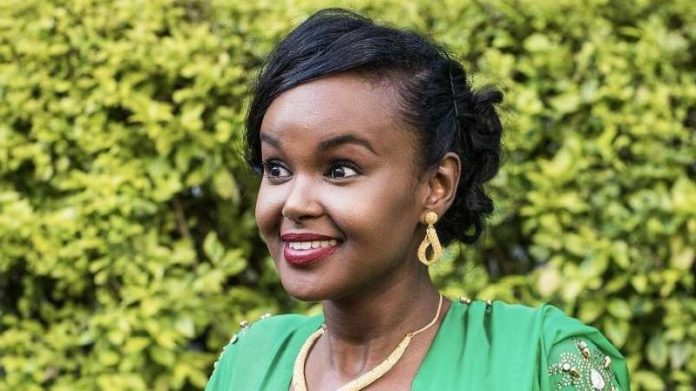
Ms. Ali Ahemd Almaas Elman


African Union Mission in Somalia (AMISOM) yesterday commenced preliminary investigations into the heart-wrenching and unfortunate death of Ms. Ali Ahemd Almaas Elman , former Somali Diplomat and Peace Activist who was hit by a bullet on November 20, 2019 at the Halane Base camp in Mogadishu.

The deceased had contracted the services of a private transport company for a meeting within the Base camp. They were travelling to the Aden Abdulle International Airport after the meeting when she was hit by a bullet.

There were a total of three people in the vehicle – a driver, a non-injured passenger and the deceased who was in the back seat behind the driver in a right hand soft-skin vehicle. The bullet pierced the rear passenger window of the vehicle and injured Ms. Elman who was pronounced dead on arrival at the AMISOM Level II hospital.

AMISOM immediately constituted a Board of inquiry, which has already visited the scene of the incident and interviewed the driver and some identified eyewitnesses.

Pending a final report, preliminary investigations indicate Ms. Elman was hit by a stray bullet, especially as no firearm discharge was reported within the Base camp at the time of the incident. The Base camp in the past has recorded similar incidents of stray bullets.

AMISOM will work jointly with the FGS, Somali security forces and other agencies to fully investigate the incident. The findings will be shared with the public.


Stories Continues after ad

Gov’t makes shortfall of Shs101b in domestic revenue in October

Money


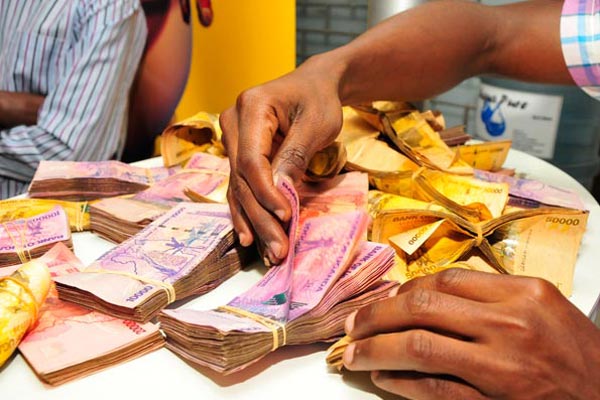
Government had projected to collect revenue worth about Shs1.5 trillion in October 2019 but ended collecting only about Shs1.4 trillion during the month, resulting into a shortfall of 101.7 billion, a report released by the Ministry of Finance, Planning and Economic Development says.

Dubbed ‘Performance of the Economy Report October 2019’, it says the shortfall was recorded in both tax and non-tax revenue. Of the total Shs1.4 trillion collected during the month, Shs1. 3 trillion was tax revenue while Shs111.5 billion was non-tax revenue. The projected revenue target for Uganda Revenue Authority (URA) in the financial year 2019/20 is about Shs20 trillion.

The report attributes the revenue shortfall partly to underperformance of indirect domestic taxes especially Value Added Tax in the services sector, excise duty on beer, spirits/waragi, soft drinks, and levy on mobile money.

Overall, it says, indirect domestic taxes registered a shortfall of Shs55.6 billion. Direct domestic taxes also registered a shortfall of Shs32.5 billion emanating from underperformance of Pay As You Earn (PAYE), corporate tax and rental income tax.

Similarly, it says taxes on international trade posted a shortfall of Shs12.6 billion as import duty, excise duty and VAT on imports were lower than what had been programmed. This was mainly because of lower dutiable imports than what had been projected for the month of October, 2019.

Government collected Shs111.5 billion in form of non-tax revenue against a target of Shs115.2 billion. This culminated into a shortfall of Shs 3.7 billion as fees, charges and licences collected by Ministries, Departments and Agencies (MDAs) other than URA turned out lower than what had been projected for the month.

Grants

Government received grants worth Shs152.4 billion during the month of October 2019. This was higher than the Shs113.5 billion that had been projected for the month, largely on account of the grant received from African Union for AMISOM. All the Grants received were earmarked for supporting development projects.

Expenditure and Net Lending

Total Government spending in October 2019 amounted to Shs about Shs2.7 trillion which was below the program for the month by Shs789.1 billion. Both development and recurrent expenditure were below their respective projections for the month. Expenditure on recurrent items amounted about Shs1 trillion in October 2019 which was lower than about Shs1.9 trillion programmed as some expenditures were front loaded in the September 2019.

Similarly, development expenditure was lower than programmed for the month by 7 percent, mainly due to the underperformance of externally financed projects during the month. On the other hand, domestic development expenditure was slightly higher than what was projected for the month.


Stories Continues after ad

EAC launches citizens’ engagement campaign as part of its 20th anniversary celebrations

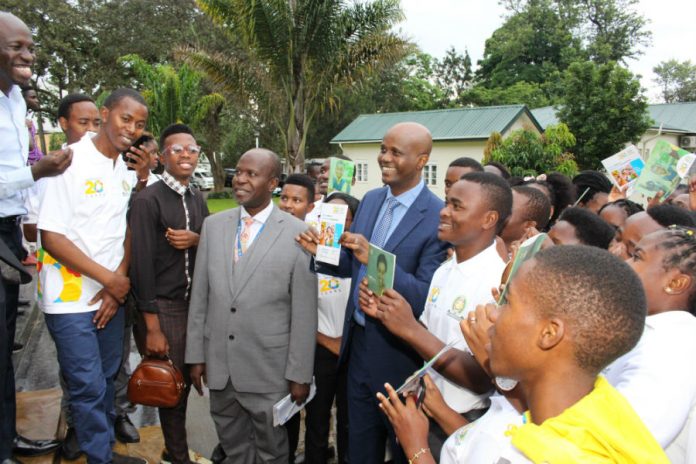
Officials and other delegates at the lauch of citizens' engagement campaign

The East African Community (EAC) has launched a citizens’ engagement campaign as part of its 20th Anniversary celebrations.

The campaign dubbed ‘The EAC I Deserve’ seeks to reach more than 10 million East Africans over the next one year.

The campaign will, among other things, include social media interfaces and a regional Youth Videos and Animations Competition involving all the six EAC Partner States. A total prize of US$25,000 awaits the innovative 30 youthful winners in the competition.

Launching the campaign at the EAC Headquarters, EAC Secretary General Amb. Liberat Mfumukeko said that the whole idea behind the maiden video and animations drive was to enable the youth in the region to capture real stories about the benefits the Community has had on citizens’ lives, narrate the challenges citizens are facing that can be jointly addressed and to gauge the citizens’ aspirations of the EAC they want.

“Demographics dictate that the youth must actively engage in the integration process, for the bloc is yours and the EAC Vision 2050 is your future. Much as the youth account for over 65% of East Africa’s total population, capturing and incorporating your dreams and aspirations in the integration agenda through video and animations is imperative,” said Mfumukeko.

The SG said that the campaign also intends to encourage constructive and innovative coverage of the EAC integration process in the print, electronic and online media to provide ordinary East Africans, potential investors and tourists with insights on the existence of the bloc and opportunities in store for them.

“The objective is to motivate individual journalists and their media houses to take up regional issues as their key area of interest and as their specialised writing genre,” said the SG.

The SG outlined the many achievements of the Community since its establishment 20 years ago notably the various policy initiatives, new infrastructure, regional industrialisation, healthcare approaches, increased intra-EAC trade, and the Common Higher Education area.

He, however, observed that the region still needs to do more in all sectors to realise the many and varied aspirations of its 170 million citizens.

“As we celebrate what we have achieved so far, we wish to hear stories from every East African on the impact the EAC has made to his or her life and the future he or she wants the region to be. We at the EAC Secretariat are keen on capturing dreams and aspirations of every citizen of the region during and after this celebration through the Citizen’s Engagement Campaign we are launching today.

“This campaign will enable you citizens, particularly the online community, to use the digital space as your platform for engaging us at the EAC Secretariat, Partner States, the East African Legislative Assembly, the East African Court of Justice and all institutions of the bloc.

Stories Continues after ad

WHO warns of Ebola risk due to insecurity in eastern DR Congo

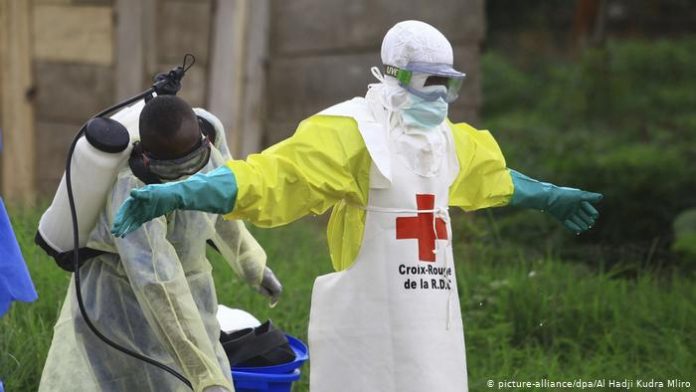
Health workers in DRC


About 360 people are at potential risk of Ebola after coming into contact with an infected person in eastern DR Congo.  WHO says many of them cannot be reached due to clashes and insecurity in that region.

Dr Michael Ryan, executive director of the WHO Health Emergencies Programme, the government and militias to ensure that aid workers access several areas where the deadly virus may be spreading.

ADF rebels who originate from Uganda but operate in DR Congo days ago were reported to have killed at least 19 people there.

Ryan said that although only 7 cases of Ebola were recorded in the past week, it was unable to stamp out the deadly virus due to insecurity.

“The difficulty we collectively face at the moment is just when we need that unlimited and unfettered access to communities we have lost that access in key areas,” he told a news briefing.

“This is a very dangerous and alarming development,” he said.

A male driver died of Ebola in Oicha, North Kivu province, after visiting three health care centres, Ryan said, adding that many other drivers had handled the body at the funeral.

“That one case has generated over 360 contacts – which is a large number of contacts for any case. We know that person was highly infectious at the moment of death. That is why we are so concerned,” Ryan said.

At least 62 of the 200 contacts in Oicha were deemed at “extreme high risk”, he said, but aid workers had only located 19 of them. About 159 had fled to Kalunguta where most were being monitored.

“Certainly I don’t believe we are going to see an explosive transmission of Ebola just because of this incident,” Ryan said.

“What I am highlighting is the fact that we are so close to finishing, that if we lose this opportunity we are going to be dealing with that reality for months to come,” he said.

There have been 3,298 Ebola cases including 2,195 deaths since the outbreak was declared in August 2018, Ryan said.

“By the time this Ebola outbreak in Congo is over the international community will probably have spent US$1 billion.”


Stories Continues after ad

Govt in talks with drone firm to deliver medical supplies

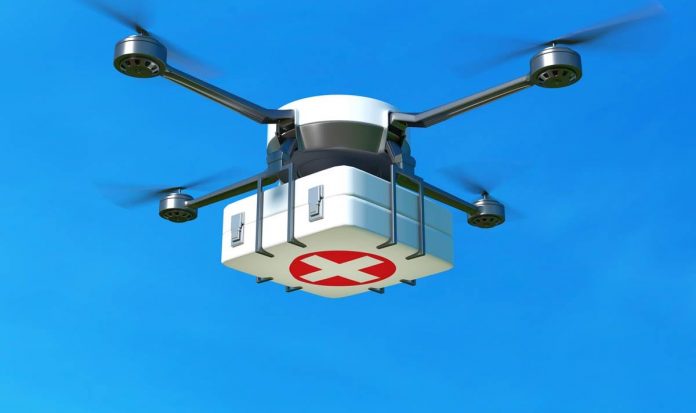
Government is in talks with a drone service firm to deliver drugs, blood packages and medical equipment to public health facilities.

If the negotiations end well, Uganda could join a number of other African countries, like Rwanda and Ghana that have deployed unmanned aerial vehicles (UAVs) to help deliver public health materials especially in the hard-to-reach areas.

According to John Goslino, business manager at Flexdrone, drone services firm launched by a Ugandan and a German aimed to start a delivery service in March if talks were successful.

Goslino said the service had already secured approval from the Information and Communications Technology Ministry and they were awaiting an endorsement from the Health Ministry.

“We are trying to provide the products that are needed by the patient and the health worker who is working in the village when that person needs it,” Goslino said.

Goslino said his firm had partnered with Ugandan start-up firm Sysimo Technologies to develop a mobile app for the on-demand delivery service.

Flexdrone planned to deploy drones capable of carrying 5 kilogrammes each but could use bigger drones as demand grew, he said.

Uganda’s public hospitals often face shortages of essential supplies, such as blood, drugs, syringes, gauze and gloves, sometimes due to unreliable transport through the gridlocked capital or along poorly paved or dirt roads in the countryside.

Most public health facilities in Uganda do not have proper facilities to store blood and supplies often need to be transported across long distances in an emergency. Ugandan media have in the past reported deaths due to delayed blood deliveries.

However some researchers recommend five tests when considering the drone delivery of medicines. These tests must determine the safe flight time and range, the quality of the medicine post flight, the on board conditions experienced by the medicine, the security of the drone supply chain and the effect of drone failure on both the medicine and the environment:

  • Considering the gross weight of the medicines to be transported, the safe flight time and safe range need to be determined. Testing the edge-of-failure by taking into account the likely variance of environmental conditions is required for the selection of the most appropriate drone.
  • A quality test for the medicine is required post-delivery to ensure that the pharmaceutical product has arrived in a stable form. Ideally this should be non-destructive, simple to perform and if possible, be based on pharmacopeia recommendations and others like critical material quality attributes.
  • On board monitoring of the medicines environment during drone flight is required to record if or when conditions have deviated from the manufacturer’s recommendations. Critical process parameters such as temperature, pressure, vibration frequency and g-force should be monitored.
  • Ensuring the security of the medicines within the drone supply chain is required, for example on board anti-tamper monitoring and recipient authentication is required.
  • Understanding the effect of drone failure during flight, considering both the consequences on the medicine and the environment is required.

Stories Continues after ad

Janet Museveni tasks IGG to investigate Magogo over 2014 World Cup tickets

magogo moses - fufa president

The Minister of Education and Sports, Janet Museveni, has directed the Inspector General of Government (IGG) to investigate Fufa President Moses Magogo over the alleged sale of 2014 Fifa World Cup tickets.

Magogo is serving a two-month suspension from footballing activities given to him by Fifa and is set to return to office on December 10, 2019.

The suspension came after Makindye West Member of Parliament, Allan Ssewanyana petitioned to FIFA regarding accusations that Magogo was involved in the sale of 2014 World Cup tickets that had been allocated to Uganda.

Fufa first vice president Justus Mugisha is currently serving as the interim Fufa President.

“The Permanent Secretary of MoES has sought for legal opinion and guidance from the Solicitor General MoJCS (Ministry of Justice and Constitutional Affairs) on the way forward for government proceed with this matter in view of the facts and information that have been received on the matter. I have also requested the IGG to investigate this matter in views of the law of Uganda and take appropriate further action as necessary,” reads part of the letter.

“Fufa as a quasi-public body, and registered under the Ugandan laws, is subject to the Laws of Uganda, and this case can therefore also be prosecuted in Uganda under relevant laws related to corruption and embezzlement among others,” the letter adds.

The Inspectorate of Government was initially established by the Inspector General of Government (IGG) statute in 1988. However, with the promulgation of the Uganda Constitution in 1995, the Inspectorate of Government is now entrenched therein under chapter 13, which prescribes its mandate, functions and powers and other relevant matters.

The Inspectorate of Government is an independent institution charged with the responsibility of eliminating corruption, abuse of authority and of public office. The powers as enshrined in the Constitution and IG Act include to; investigate or cause investigation, arrest or cause arrest, prosecute or  cause prosecution, make orders and give directions during investigations; access and search – enter and inspect premises or property or search a person or bank account or safe deposit box among others.

Stories Continues after ad