Stanbic Bank
Stanbic Bank
24 C
Kampala
Stanbic Bank
Stanbic Bank
Home Blog Page 1108

Winnie Byanyima sworn in as UNAIDS Executive Director

Winnie Byanyima

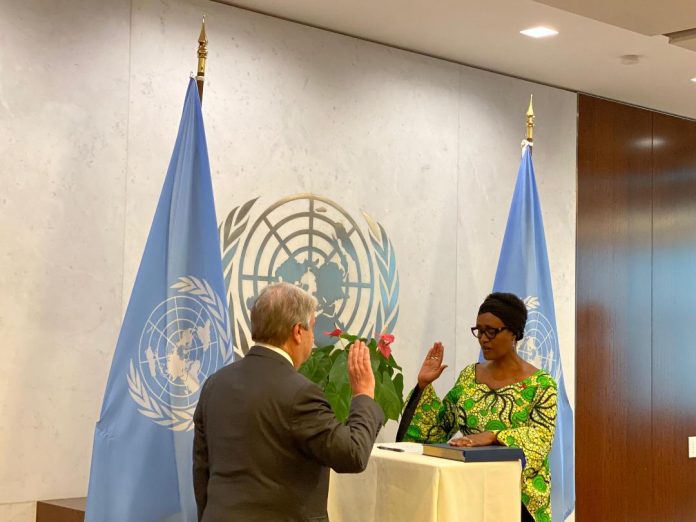
The former Executive Director of Oxfam international, Eng. Winnie Byanyima has been sworn in as the Executive Director of UNAIDS.

The swearing in ceremony was conducted by the United Nations (UN) Secretary-General, Antonio Guterres at the UN headquarters in New York.

Eng. Byanyima who is also a wife to Uganda’s main opposition politician, Dr. Kizza Besigye, has replaced Michel Sidibé who departed earlier this year.

She was appointed in August as the UNAIDS Executive Director and Under-Secretary-General following a comprehensive selection process that involved a search committee constituted by members of the UNAIDS Programme Coordinating Board.

UNAIDS Programme is dedicated to the elimination of AIDS as a public health threat by 2030.

“The end of AIDS as a public health threat by 2030 is a goal that is within the world’s reach, but I do not underestimate the scale of the challenge ahead. Working with all its partners, UNAIDS must continue to speak up for the people left behind and champion human rights as the only way to end the epidemic,” she said.

Ms Byanyima began her career as a champion of marginalized communities and women 30 years ago as a member of parliament in the National Assembly of Uganda.

She became the Director of Women and Development at the African Union Commission, in 2004, working on the Protocol on the Rights of Women in Africa, an international human rights instrument that became an important tool for reducing the disproportionate effect of HIV on the lives of women in Africa.

Stories Continues after ad

PICTORIAL: Rema rocks, sees off to Dr Sebunya’s home

rema

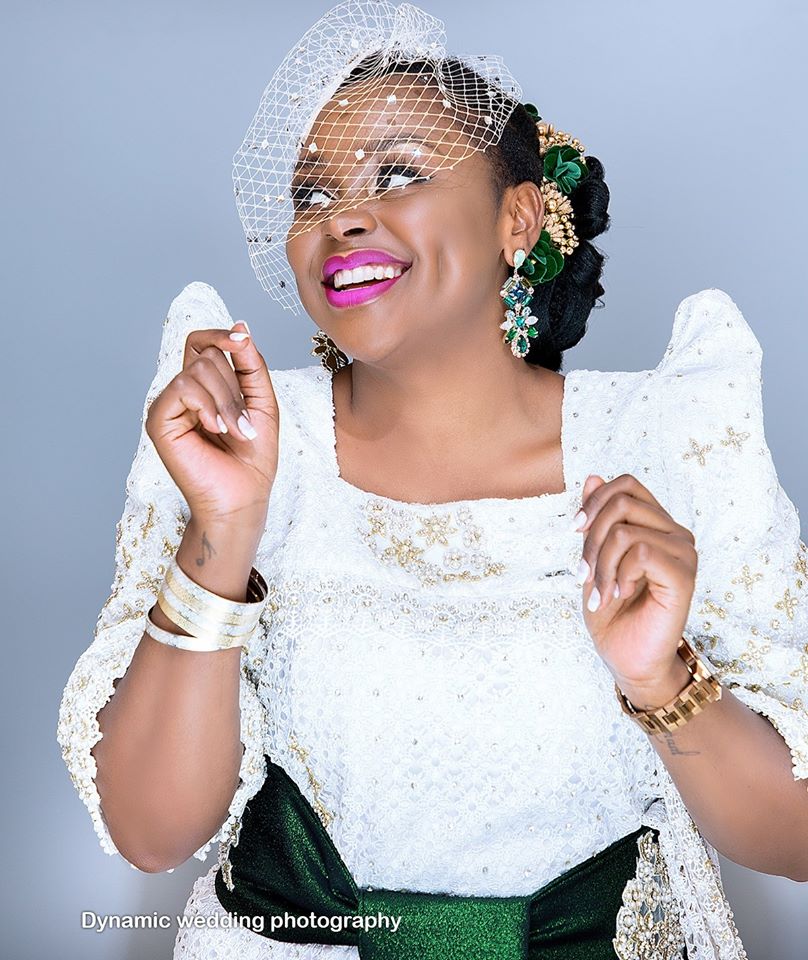
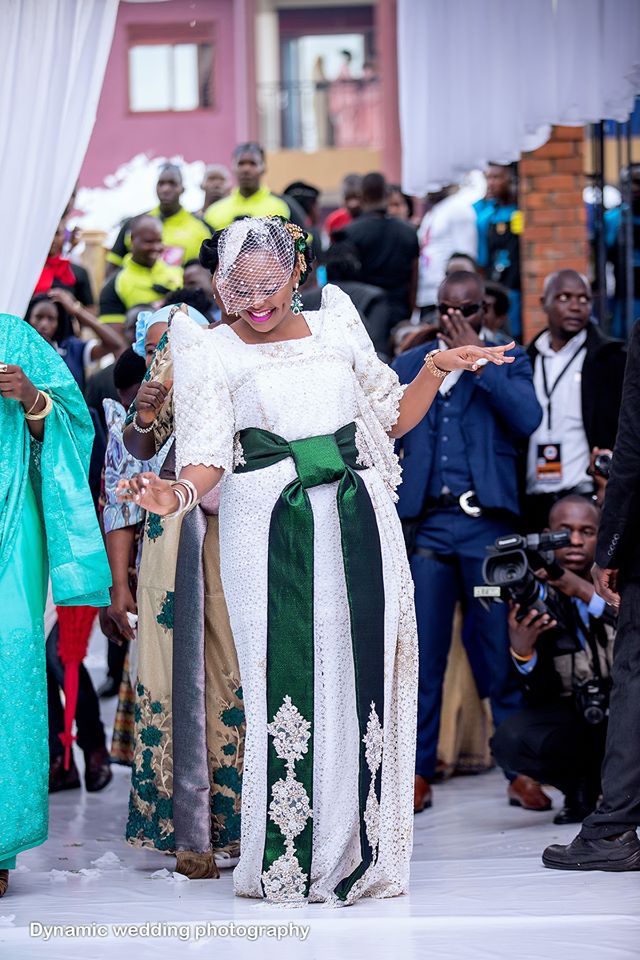
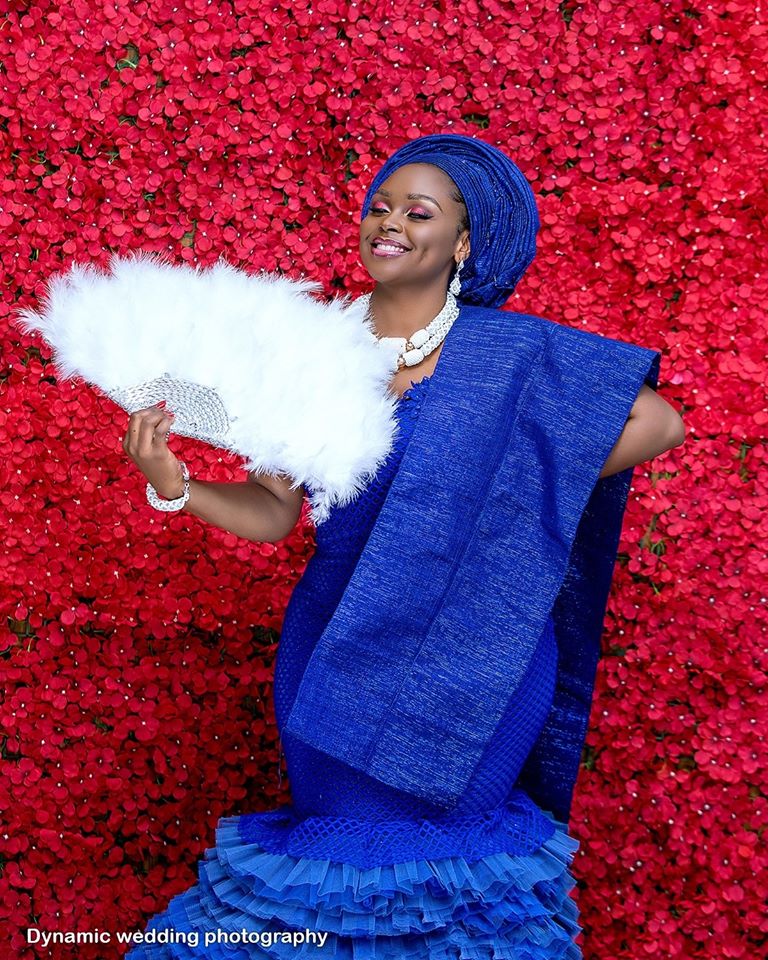
Yesterday, singer Rehama Namakula introduced her long awaited fiancé Dr. Sebunya Hamza at a colorful function held at their ancestral home in Nabbingo.

The function was attended by a number of guests from Buganda kingdom, central government, city tycoons, talented musicians, Muslim clerics, friends and relatives.

Nabagereka Sylvia Nagginda was the chief guest as Uganda witnessed Rema move to a recognized marriage. She implored Rema to always respect her husband, and take care of him for their desired life to move on.

Sebunya, donated a number of gifts to Rema’s family members who included Halima Namakula among others.  Among the gifts included: A Refrigerator, Television set, Sofa sets, solar panel and more.

Stories Continues after ad

Mosquito sterilization offers new opportunity to control dengue and Zika

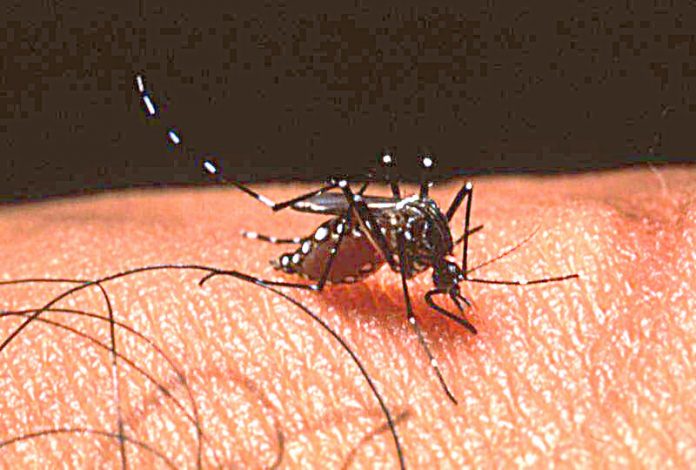
Aedes aegypti; adult female mosquito taking a blood meal on human skin

A technique that sterilizes male mosquitoes using radiation will soon be tested as part of global health efforts to control diseases such as chikungunya, dengue, and Zika.

The Sterile Insect Technique (SIT) is a form of insect birth control. The process involves rearing large quantities of sterilized male mosquitoes in dedicated facilities, and then releasing them to mate with females in the wild. As they do not produce any offspring, the insect population declines over time.

The Special Programme for Research and Training in Tropical Diseases (TDR) and the International Atomic Energy Agency (IAEA), in partnership with the Food and Agriculture Organization of the United Nations (FAO), and WHO have developed a guidance document for countries that have expressed interest in testing the Sterile Insect Technique (SIT) for Aedes mosquitoes.

 “Half the world’s population is now at risk of dengue,” said Dr Soumya Swaminathan, WHO Chief Scientist. “And despite our best efforts, current efforts to control it are falling short. We desperately need new approaches and this initiative is both promising and exciting.”

In recent decades, the incidence of dengue has increased dramatically due to environmental changes, unregulated urbanization, transport and travel, and insufficient sustainable vector control tools and their application.

Dengue outbreaks are currently occurring in several countries, notably on the Indian sub-continent. Bangladesh is facing the worst outbreak of dengue since its first recorded epidemic in 2000.

The South Asian nation has seen the number of cases rise to over 92,000 since January 2019, with daily admissions peaking at more than 1,500 new dengue patients in hospitals in recent weeks and is one of the countries to express interest in the Sterile Insect Technique.

Diseases transmitted by mosquitoes such as malaria, dengue, Zika, chikungunya, and yellow fever account for about 17 per cent of all infectious diseases globally, claiming more than 700,000 lives each year, and inflicting suffering on many more. The 2015 outbreak of Zika in Brazil was linked to an increase in the number of babies being born with microcephaly.

The Sterile Insect Technique was first developed by the U.S. Department of Agriculture and has been used successfully to target insect pests that attack crops and livestock, such as the Mediterranean fruit fly and the New World screwworm fly. It is currently in use globally in the agriculture sector on six continents.

The guidance on using the technique to control diseases in humans recommends adopting a phased approach that allows time to test the efficacy of the sterilized insects. Epidemiological indicators monitor the impact of the method on disease-transmission.

It also provides recommendations on mass production of the sterile mosquitoes, government and community engagement, measuring the impact of the technique, and assessing cost-effectiveness.

“Countries seriously affected by dengue and Zika have shown real interest in testing this technology as it can help suppress mosquitoes that are developing resistance to insecticides, which are also negatively impacting the environment,” said Florence Fouque, a scientist at TDR.

The collaborative effort includes plans to support three multi-country teams of research institutions, vector control agencies and public health stakeholders to test the Sterile Insect Technique against Aedes mosquitoes.

 “The use of the Sterile Insect Technique in the agriculture sector in the past 60 years has shown that it is a safe and effective method,” said Jérémy Bouyer, medical entomologist at the Joint FAO/IAEA Division of Nuclear Techniques in Food and Agriculture. “We are excited to collaborate with TDR and WHO to bring this technology to the health sector to fight human diseases.”

Stories Continues after ad

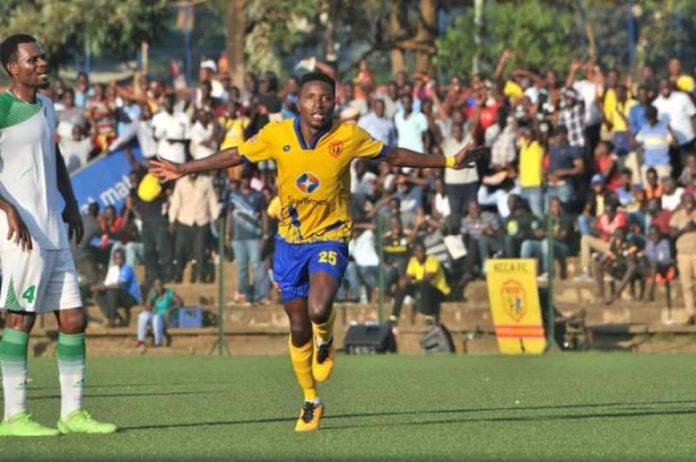
KCCA, Vipers to renew hostilities in Lugogo

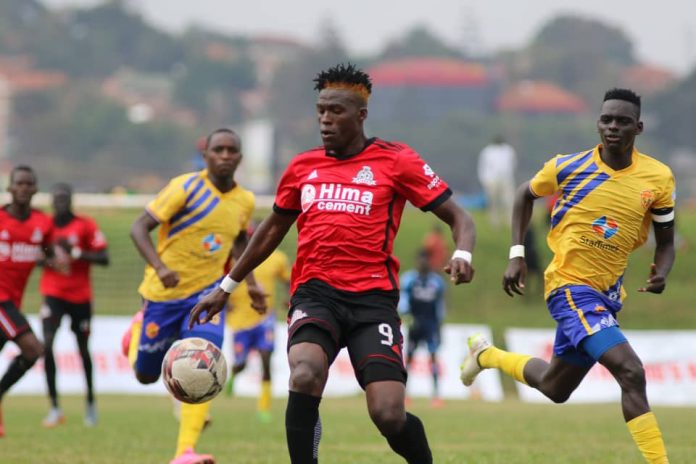
fahad bayo (9) of vipers during the Pilsner 8 final

All roads lead to the StarTimes stadium in Lugogo this Saturday afternoon when the defending champions KCCA FC host Vipers Sports Club in a highly-billed nail biting Uganda Premier League encounter.

Currently, Vipers are 14 points ahead of KCCA who have 4 games in hand. The Kasasiro boys are desperate to close in the gap between their title rivals after their elimination from continental football.

The corresponding fixture in Lugogo last season ended in a 1-1 draw after Brian Nkuubi’s first half opener was cancelled out by Mike Mutyaba’s second half leveler.

Key stats via the Vipers website

KCCA and Vipers will be meeting for the 29th time in the league history and the Venoms are slightly ahead with a victory more than the hosts having 11 wins, 7 draws and 10 losses out of the previous 28 meetings, a total of 35 goals against 38 have been registered in the process making it a -3 goal difference.

Vipers first ever victory over the Kasasiro boys was registered on September 28, 2008 in a 3-1 win at Nakivubo stadium after 6 fruitless attempts from our debut season in the top flight division, it was courtesy of a brace by Yudah Mugalu and one from Samson Ceasar Okhuti while Brian Umony scored KCCA’s consolation strike.

Vipers SC has lost only one league fixture out of the previous 10 meetings against KCCA, a 3-1 win during the 2017/18 first round tie at Lugogo when Shaban Muhammed netted a double on his debut and Derrick Nsibambi added the 3rd after Yayo Lutimba had equalised from the penalty mark, in that spell, the Venoms command four wins and five draws since the 2014/15 season.

Vipers are currently occupying top position on the league log with 33 points out of the 12 matches played while KCCA are languishing in 5th position 14 points behind the Venoms having garnered 19 points from 9 games.

Vipers secured a crucial 1-0 victory against visiting URA FC in the last fixture at Kitende through Dan Sserunkuma while KCCA FC overcame arch-rivals Express FC away in Wakiso with a resounding 3-1 win as Sadat Anaku, Mike Mutyaba plus an own goal by Muhammed Yiga did the damage.

KCCA FC gaffer Mike Mutebi has been on a winning side against Vipers in the league, on only one occasion losing 3 and drawing 4 out of the 8 meetings since he was appointed as the head coach hence will be looking for a second victory in 9 matches.

Both matches during last season ended in identical 1-1 draws to record only the second time in the teams history when none of them won against the other, the first one was during the 2015/16 season when a 2-2 draw at Buikwe was followed by a 0-0 stalemate in Lugogo.


StarTimes Uganda Premier League

Saturday, 16th November 2019

KCCA FC v Vipers SC

StarTimes Stadium, Lugogo – 3 pm

Stories Continues after ad

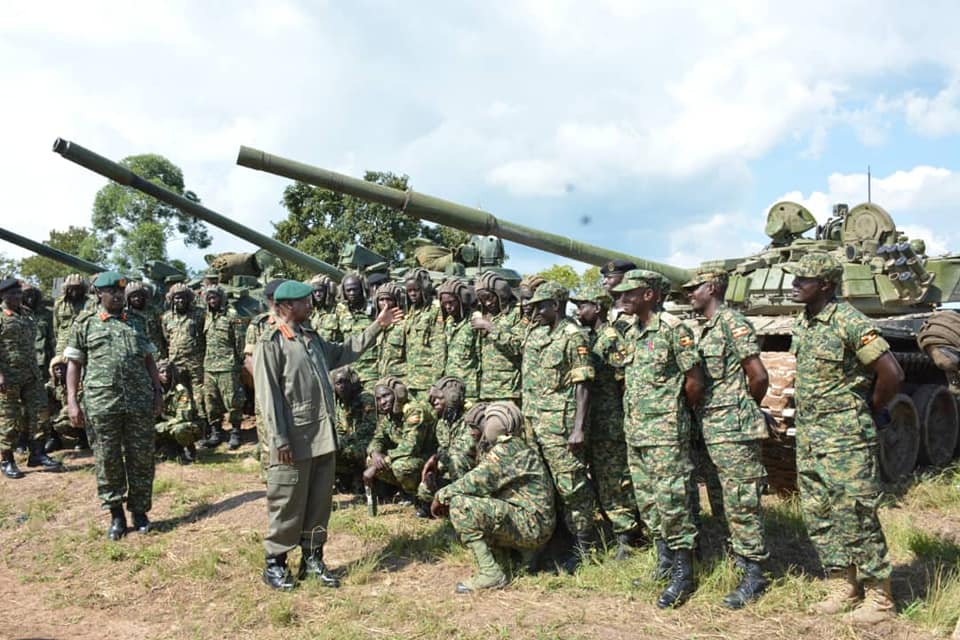
President Museveni passes out UPDF Tank crews

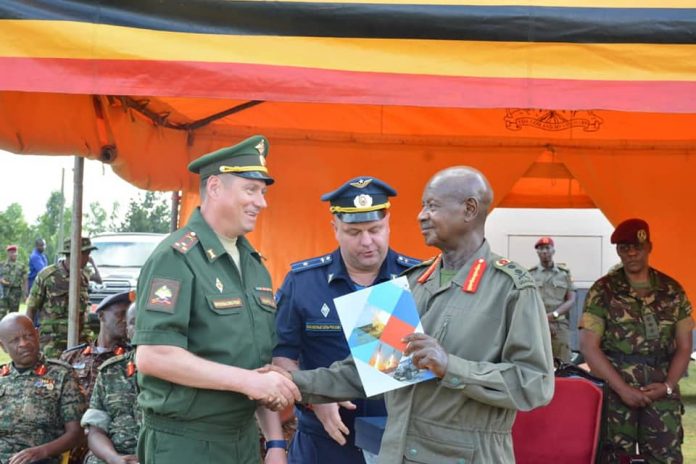
The President of the Republic of Uganda and Commander-In-Chief of the Uganda Peoples’ Defence Forces (UPDF), His Excellency Gen Yoweri Kaguta Museveni, has passed out UPDF troops who successfully completed Armoured Basic Crew Course at Armoured Warfare Training School (AWTS) in Mubende District.

The President expressed satisfaction with the skills displayed by the trainees on target identification, acquisition and destruction. He thanked the instructors for a job well done and said that the remarkable performance by the trainees is a demonstration of their ability to efficiently exploit the acquired knowledge.

“Putting to use the acquired knowledge will help us better the UPDF institution,” said the President.

He commended the Russian Government for exhibiting a spirit of friendship to the Ugandan Government that has enabled the UPDF to receive both equipment and training support.

The President also hailed the UPDF leadership for preserving the environment at the training school and said there are plans to better accommodation facilities in all military barracks.

President Museveni implored civilians to stop encroaching on UPDF land, saying the act puts the Force in a compromising state.

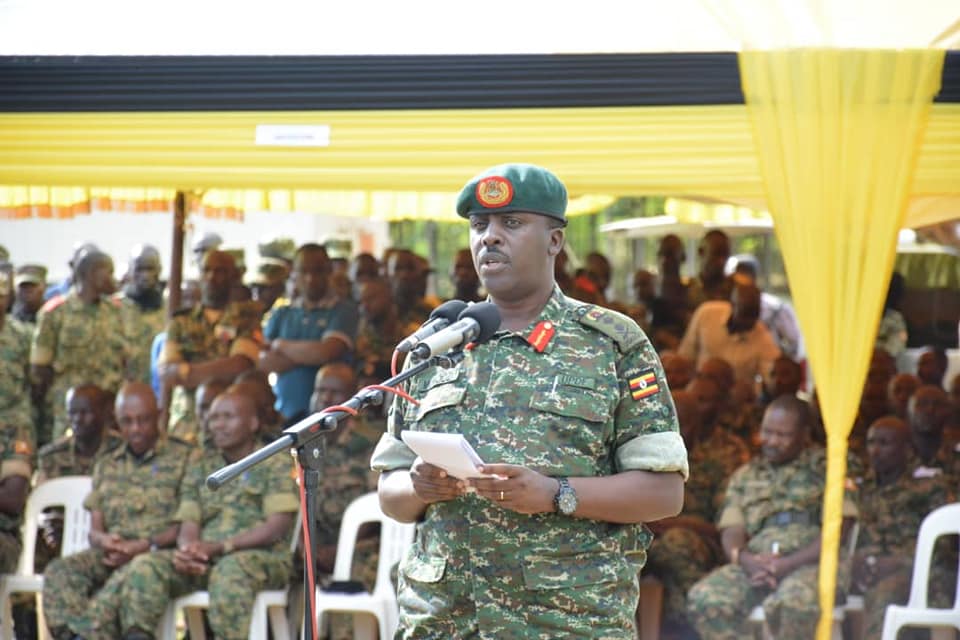
The Chief of Defence Forces Gen David Muhoozi noted improvement in UPDF training and promised to maintain it.

He said: “We have been able to cope with the ever changing training requirements. This has made UPDF better than before.”

Gen Muhoozi urged the graduands to maintain their loyalty to the country and the UPDF, observe discipline, and ensure a healthy living so that they can effectively execute their constitutional duties.

Brig Deus Sande, the Commandant of AWTS, lauded the instructors, especially the Russian experts, for being committed and reliable to the cause of transforming the UPDF.

The one-year course was on T-90, T-72 and T-55 tanks. The trainees also acquired skills on application of Infantry Fighting Vehicles, both tracked and wheeled.

According to the Chief Instructor Col Jackson Kajuba, the course aimed at building capacity of tank operators to reinforce armoured formations in the UPDF.

The function ended with the award of gifts to the best students in various disciplines.

The graduation was attended by, among others, the Senior Presidential Advisor on Special Duties Lt Gen Proscovia Nalweyiso, Member of Parliament for Kasanda North Hon Simeo Nsubuga, Deputy Chief of Defence Forces Lt Gen Wilson Mbadi, UPDF Commander Land Forces Lt Gen Peter Elwelu, Commander Air Forces Lt Gen Charles Lutaya, Commander Special Forces Command Maj Gen James Birungi, Chief of Staff Land Forces Maj Gen Leopold Kyanda, and the Chief of Training and Recruitment Brig James Kinalwa.

Stories Continues after ad

Why FDC Kizza Besigye’s play book is wrong on ICC

Amb. Mayega

By Amb. Henry Mayega

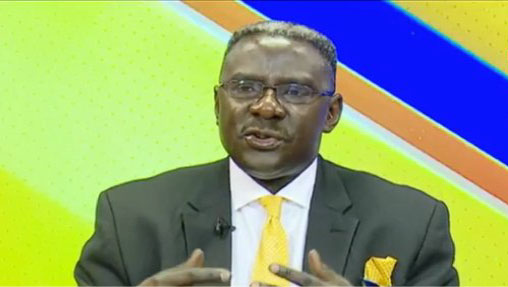
Like others before it, Kizza Besigye’s play book of invoking ICC’s involvement in Uganda’s political matters is dead wrong.

The loser in four of the last consecutive presidential elections hired musketeer, Erias Lukwago of the shadow-way and fool-hardy “peoples’ government,” to address the press where the later told journalists of how they were “dragging President Yoweri Museveni and cohorts (including Generals Elly Tumwine, Peter Elwelu and Don Nabasa) to the ICC over what they called “crimes against humanity.” And they want two million signatures of Ugandans to support their indolent petition.

While Uganda’s democratic political space has burgeoned to unprecedented levels, a plus to the Museveni’s ablest hands, vitalizing industry and magnanimity that helped to repudiate extra judicial killings as well as the insecurities of Idi Amin and others, some with pygmatic political stature, the duo of Kiiza Besigye and Erias Lukwago included, are still failing to lay aside: party bias, small prejudices and their hearts and hands are not in tandem with the rhythm of the Ugandan voter.

The duo’s latest outrageous convulsions over ICC come in the wake of cut-throat competition between all sorts of debased scoundrels for the opposition’s soul pulling in all directions: a pack of factions from FDC, UPC, DP, red-hooded Bobi Wine followers, civil society etc.

The timing of the duo’s spasms is significant because they are aimed at the other elements of the opposition, so a coup of sorts by the duo is absolutely necessary to upstage the Magere red-hooded group, the DP which has refused to relinquish the IPOD leadership to FDC and all other formations that may eat into the forth-coming basketful of donor funds for the opposition’s participation in the 2021 general elections. It is about another cash cycle and bonanza.

Kiiza Besigye’s cabal wants to secure its number two slot in the 2021 poll results and that can only be done by upstaging other less sagacious political groupings that have over time been gnawing into his space, driving him into hermit hibernation for a while.

They hope that can be done by recycling the old and fossilized song of dragging President Yoweri Museveni, a man who stands both in political and natural height above the Besigyes of this world, to the ICC.

Kiiza Besigye’s oversized cabal that has kept a stranglehold on the rest of the opposition fearing that it could be outsmarted at the 2021 polls, since what began as a trickle now has turned into a tidal wave, is in over-drive; in invoking the ICC, they believe, they will appease both the bustling international fund donors towards their 2021 campaign as well as their Ugandan constituency which has frozen at 27 per cent. But that assertion contains an uncomfortable truth namely: other opposition groups seem to have gnawed deeper into their bastion.

And the “evidence” to present to the ICC? Fulminations like state inspired violence, torture, suppression and extrajudicial killings! Either this is a general lack of adequate intellectual resources or intellectual dishonesty on the part of the duo.

They are trying to turn their political incompetence at the earlier polls into an ICC matter to reinvent themselves before the next polls. Over the past two decades, Kiiza Besigye has, yes, cobbled together his support base, but he hasn’t insulated it against President Yoweri Museveni’s magnanimity, tireless energies, rare wisdom a combination he has used to convince many out FDC’s chaotic conclave.

But our country will always have hair-brained dregs who choose international treacherous paths as part of our national solution which ideally is a colonial mentality on the part of Kiiza Besigye, the recycled dictator of the opposition.

Amb. Henry Mayega

Deputy Head of Mission

Uganda Embassy, Beijing, China.

Stories Continues after ad

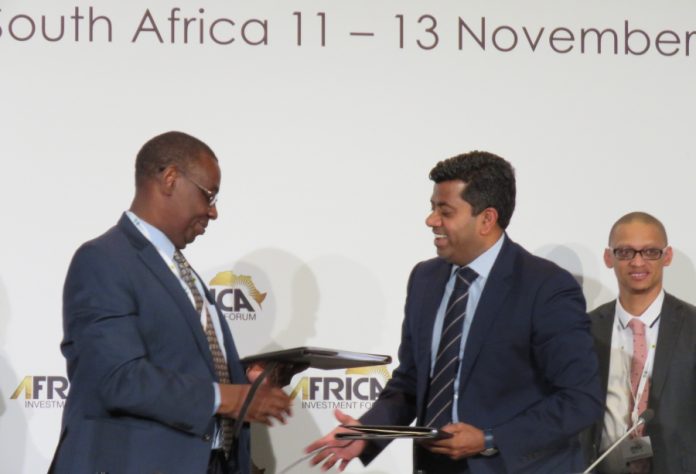
EAC signs Memorandum of Understanding with Development Bank of Southern Africa

EAC

The East African Community (EAC) and the Development Bank of Southern Africa (DBSA) signed a strategic partnership agreement at the African Investment Forum in South Africa.

The strategic partnership with EAC will enable the DBSA to support collaborative initiatives that will crowd-in resources for the development of infrastructure that promotes regional integration.

The partners will also work together on project preparation and ultimately co-financing of projects and capacity building.

Speaking at the signing ceremony Mohan Vivekanandan, DBSA’s Group Executive said, “These partnerships are vital for the development of infrastructure on the continent.  The signing of the two strategic partnerships today with EAC will enable us to work together and support African governments in expediting key infrastructure projects.”

On his part, Mr Kenneth Bagamuhunda, EAC Director General Customs and Trade, speaking on behalf of the EAC Secretary General, Liberat Mfumukeko, said that the scope of partnership with DBSA is quite big and comes at an opportune time when EAC is mobilizing funding to implement the Heads of States approved priority projects in infrastructure and health, as well as projects in other sectors.

EAC is looking forward to leverage on this partnership to support the development, packaging, and financing of these projects.

Stories Continues after ad

Fufa reveals top 5 nominees for 2019 Player of the Year Award

allan okello

The shortlist for the Airtel FUFA Male and Female player of the year has been reduced to just five nominees in the two categories following two voting phases that involved coaches and captains in the Uganda Premier League and 16 coaches for teams in the FUFA Women Super League and the FUFA Women Elite League.

The five were chosen from the initial 16 and 12 nominees list for the male and female category respectively.

The second phase of voting saw the coaches and captains selecting the top five nominees in the two categories.

In the male category, the final five nominees include Bright Anukani (Proline FC), Allan Okello (KCCA FC), Shafic Kagimu (URA FC), Allan Kayiwa(Vipers SC) and Musitafa Kizza (KCCA FC).

Anukani guided Proline FC to winning a double (The StarTimes FUFA Big League and the Stanbic Uganda Cup). He was named the MVP in the StarTimes FUFA Big League last season.

KCCA FC duo of Kizza and Okello won the StarTimes Uganda Premier League, the FUFA Super Cup, and the CECAFA Kagame Cup and were part of the Cranes team that qualified for the 2020 Championship of African Nations (CHAN).

Kagimu and Kayiwa had a good run in the league at URA FC and Tooro United FC respectively and the two were part of the Cranes team that qualified for CHAN.

The top five nominees in the female category include Shadia Nankya, Hasifah Nassuna, Juliet Nalukenge, Fauzia Najjemba and Daizy Nakaziro who are also part of the Crested Cranes that will compete at the 2019 CECAFA Women’s Challenge Cup in Tanzania.

Nalukenge captained Uganda U17 Girls’ national team to winning the COSAFA Championship and she emerged top scorer with 18 goals. She helped Kawempe Muslim to win both the national and East Africa Secondary Schools championship.

Najjembe, a student at Mukono High School who moved from Isra Soccer Academy to Kampala Queens recently was part of the Uganda U17 Girls’ national team that won the COSAFA Championship scoring 12 goals.

She was joint to scorer in the FUFA Women Elite League (regular season) scoring 14 goals. Najjemba helped Mukono High School to win the Independence Cup, she finished as a top scorer both in the National Schools Championship and the East Africa Secondary Schools Championship scoring 14 and 10 goals respectively.

Nassuna who won the Airtel FUFA Female player of the year accolade in 2016 guided UCU Lady Cardinals to winning the FUFA Women Elite League last season ending the season as the top scorer with 16 goals and was also named the most valuable player.

Defender Nankya scored 11 goals in the league and was the top scorer in the FUFA Women’s Cup with seven goals while Lady Doves goalkeeper Daizy Nakaziro was named the best goalkeeper both in the FUFA Women Elite League and the FUFA Women’s Cup.

The coaches’ and captains’ votes contribute 50% and 25% respectively in determining the winner while the fans have a contribution of 25%.

The 2019 Airtel FUFA Awards dinner will be held on 14th December at Speke Resort Munyonoyo where the winners in two categories will drive away in new cars.

Awards categories:

Male Player of the year

Allan Okello – KCCA FC

Allan Kayiwa – Vipers SC

Shafic Kagimu – URA FC

Mustafa Kizza – KCCA FC

Bright Anukani – Proline FC

Female player of the year

Fauzia Najjemba – Kampala Queens

Shadia Nankya – Uganda Martyrs/ UCU Lady Cardinals

Juliet Nalukenge – Kawempe Muslim Ladies

Hasifah Nassuna – UCU Lady Cardinals

Daizy Nakaziro – Lady Doves

Male Coach of the Year

Abdallah Mubiru (Police FC)

Mutebi Mike Hillary (KCCA FC)

Bisaso Shafiq (Proline FC)

Women’s Football Coach of the Year

Oliver Mbekeka (Lady Doves)

Ayub Khalifa Kiyingi (Kawempe Muslim Ladies)

Ndaula Fred (Makerere University)

Fair Play Award (based on a number of caution during the period considered)

Police FC

Maroons FC

URA FC

Upcoming Talent Award (FUFA Juniors League)

Mugweri Gavin Kizito (SC Villa)

Anaku Sadat (KCCA SA)

Ssekajja Davis (Bright Stars FC JT)

Beach Soccer Player of the Year

Luboyera Herbert (Mutola)

Ochero Sulaiman (St Lawrence)

Mutebi Ronald (St Lawrence)

FUFA Member Associations’ Award

Uganda Beach Soccer Association (UBSA)

Buganda region Football Association

KCCA Football Club

Team Fans of the Year (FUFA Competitions)

KCCA FC

Onduparaka FC

SC Villa

Tooro United FC

Acholi Province

West Nile Province

Lango Province

Bunyoro Province


Full List of the 2019 Airtel FUFA Awards Categories:

Male Player of the Year 2019

Female Player of the Year 2019

Best XI 2019 (Men)

Best XI 2019 (Women) – New

Coach of the Year 2019

Women Football Coach of the Year – New

Presidential Award

Fair Play Award 2019 (UPL)

Upcoming Talent Award 2019 (FJL)

Beach Soccer Player of the Year

Fans’ Favorite Uganda foreign-based Player

Best Squad (Club/National Team) of a particular Year

FUFA Member Associations’ Award

Team Fans of the Year (FUFA Competitions)

Stories Continues after ad

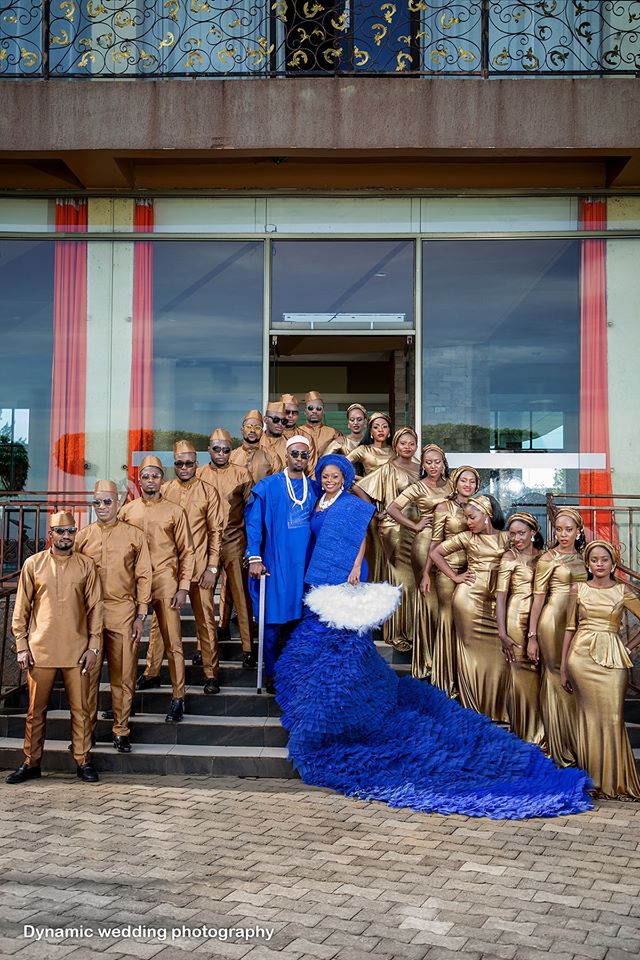
Kenzo congratulates Rema as Nabagereka graces the introduction ceremony

rema

There was glamour as the Nabagereka, Sylvia Nagginda, graced the introduction ceremony of recording music artist, Rema Namakula and her fiancé Dr. Sebunya Hamza.

With a lead car, the Nabagereka arrived at 1:00 pm and was led straight to the VIP section as the function kicked off at Rema’s ancestral home in Nabbingo.

Unlike other introduction ceremonies, Rema’s wedding is happening in one tent decorated black and white colors and no private car is allowed to the venue except vans ferrying people from a designated place manned by security personnel.

In luxurious car, Lexus accompanied by a number of rich individuals in town, the Dr Sebunya followed Nabagereka’s convoy to the venue. He waved at people before his driver sped off. “Am personally happy for this day” he said

Kenzo however, penned down a congratulatory message to his ex-wife and congratulated her upon reaching this special day as God had planned it for you and pray that you enjoy it greatly.

“I also pray that you close your ears to the negativity that surrounds us and always know for a fact that I am your true friend who wishes you well.” He wrote

A number of artists like B2C, Irene Namatovu, John Blaq, and Nandujja were sighted at the venue.

Stories Continues after ad
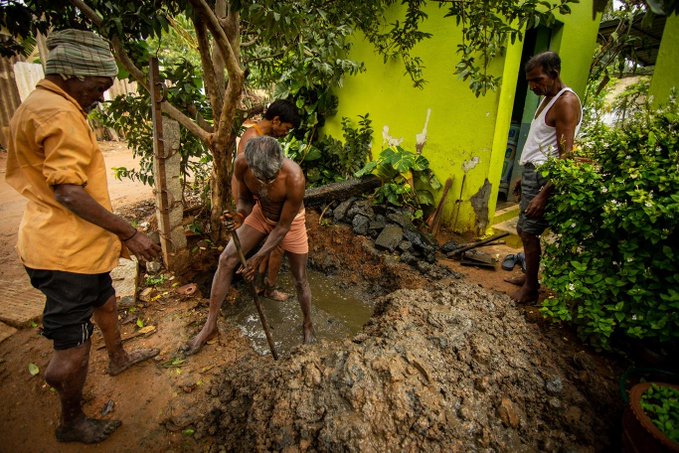
New report exposes horror of working conditions for millions of sanitation workers in the developing world

sanitation

Millions of sanitation workers in the developing world are forced to work in conditions that endanger their health and lives, and violate their dignity and human rights, according to a report released today.

Sanitation workers provide an essential public service that is key to safeguarding human health. They are often the most marginalized, poor and discriminated against members of society, carrying out their jobs with no equipment, protection or legal rights.

“A fundamental principle of health is “first do no harm”. Sanitation workers make a key contribution to public health around the world – but in so doing, put their own health at risk. This is unacceptable,” said Dr Maria Neira, Director, Department of Public Health and Environment, WHO. “We must improve working conditions for these people and strengthen the sanitation workforce, so we can meet global water and sanitation targets.”

The report on the plight of sanitation workers in the developing world is jointly authored by the International Labour Organization, WaterAid, World Bank and World Health Organization to raise awareness of the de-humanizing working conditions and to push for change. It is the most extensive global study to date on the issue, and part of a growing body of work on sanitation workers.

Poor sanitation causes up to 432 000 diarrhoeal deaths annually and is linked to the transmission of other diseases like cholera, dysentery, typhoid, hepatitis A and polio. Sanitation workers are the people who work in jobs such as cleaning toilets, emptying pits and septic tanks, cleaning sewers and manholes and operating pumping stations and treatment plants. They play a valuable role in improving the health and well-being of populations around the world and have the same right to good health.

Waste must be correctly treated before being disposed of or used. However, workers often come into direct contact with human waste, working with no equipment or protection to remove it by hand which expose them to a long list of health hazards and diseases.

The work is often informal with workers subject to no rights or social protections. Pay can be inconsistent or non-existent – some workers report being paid in food rather than money. Sanitation work is often socially stigmatized and done at night.

The report highlights examples of good practice, where sanitation work has been officially acknowledged and formalized.  It also lays out four key action areas for countries and development partners: reform of policy, legislation and regulation; developing and adopting operational guidelines for workers; advocacy and empowerment of sanitation workers to claim their rights; and strengthening evidence on the status of sanitation work and good practice.  In South Africa for example, public and private employees follow national labour standards and have proper equipment and training.

The World Health Organization is helping to strengthen national capacities, focusing on ensuring protections of sanitation workers are included in national sanitation policies and risk-assessment and management at a local level. WHO will also work with partners to quantify the global sanitation workforce and try to estimate the burden of disease for sanitation workers.

Many of the challenges sanitation workers face stem from their lack of visibility in society. Few countries in the developing world have any guidelines to protect these workers. Where laws do exist, governments may lack the financial or technical means to implement them, and the informality of the roles presents further challenges.

The world will need many more sanitation workers with safe, healthy and dignified working conditions if we are to meet Sustainable Development Goal 6 to bring clean water, decent toilets and good hygiene to everyone, everywhere by 2030. Safe sanitation must go hand in hand with a safe and dignified working environment for those who run and maintain the sanitation services that protect our health.

Stories Continues after ad