Stanbic Bank
Stanbic Bank
18.5 C
Kampala
Stanbic Bank
Stanbic Bank
Home Blog Page 1414

Cosase probe: Why Dfcu bank top managers are watching proceedings with anxiety

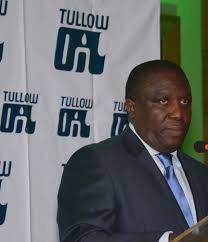
Mr. Jimmy Mugerwa, the board chairman of Dfcu bank who is accused by some shareholders for the bank's poor management.

As Parliament’s Committee on Commissions, Statutory Authorities and State Enterprises (Cosase) continue to probe top officials of Bank of Uganda (BoU) over the controversial liquidation of seven commercial banks, Dfcu bank which bought off the assets of two of the banks, is watching proceedings at parliament with anxiety.

Dfcu bank irregularly bought some of the assets of Global Trust Bank Uganda (GTBU) and Crane Bank Limited in July 2014 and July 2017 respectively, through the Purchase of assets and Assumption of liabilities agreement (P&A).

“I observed that there were no guidelines/regulations or policies in place to guide the Identification of the purchasers of GTBU. There were also no guidelines to determine the procedures to be adopted by the Central Bank in the sale of assets and transfer of assets or liabilities of the defunct banks to Dfcu,” the Auditor General John Muwanga says in a special audit report of Bank of Uganda on defunct banks.

Mr.Muwanga in his report about GTBU says he was not provided with records of the procurement process to ascertain the bid requirements, offers made, list of bidders, evaluation criteria, evaluation report and negotiation minutes leading to the P&A agreement. “In the absence of guidelines and procurement records, I could not ascertain whether BoU selected and evaluated the bids in line with the evaluation criteria,” he said.

The Auditor General pins BoU for selling assets and liabilities of the two banks to Dfcu bank without evaluating the due diligence report presented by PwC and DFCU Bank. BoU went by what the two entities presented as the best value of the assets. For instance after claiming to have injected Shs478.8 billion of taxpayers’ money into Crane Bank Limited (CBL) during its takeover, BoU would sell some of CBL’s assets at Shs200 billion, moreover paid in installments as agreed. At the time Mr. Muwanga released his report, Dfcu bank had paid Shs98 billion of the total sum.

“In a meeting with the outgoing EDS (Justine Bagyenda) on the progress of the special audit held on June 13, 2018 at BoU7r, the EDS explained that BoU did not carry out a valuation of the assets and liabilities of CBL but relied on the Inventory report and due diligence undertaken by Dfcu to arrive at the P&A,” Muwanga said.

On Crane Bank he further said: “However I was not provided with the negotiation minutes leading to the P&A agreement, In the absence of guidelines and negotiation minutes, I could not determine how BoU selected the best evaluated bidder and how the terms In the P&A were determined.”

Inside sources at Dfcu bank say not all shareholders were happy with the way the bank acquired especially assets of CBL. It lewd to divisions with some shareholders wanting to exit the shareholding for example the CDC Group.

Much as BoU says CBL was insolvent, Mr. Muwanga in his report, says there was an avenue in which the central bank would revive CBL, having spent Shs478.8 billion on it during the takeover. The MPs will have to ask BoU officials more reasons why it had to sell CBL.

Dfcu officials are scared because the ongoing probe has exposed BoU officials as being disorganized in doing business of selling off the banks. The documents don’t much, neither they were to make good reports on various transactions of the various banks. There are also counter accusations among the BoU staff on who did what.

The issue is worsened by the fact that the former executive director of BoU seems to be on the run and has failed to appear before parliament. She is suspected to have taken critical documents out of BoU on February 11, 2018, ac captured by the CCTV cameras. It will require MPs to demand that Dfcu bank avails some documents as regards especially CBL, since BoU seems to have lost some of them.

Stories Continues after ad

Burundi, Rwanda political differences could derail progress of EAC

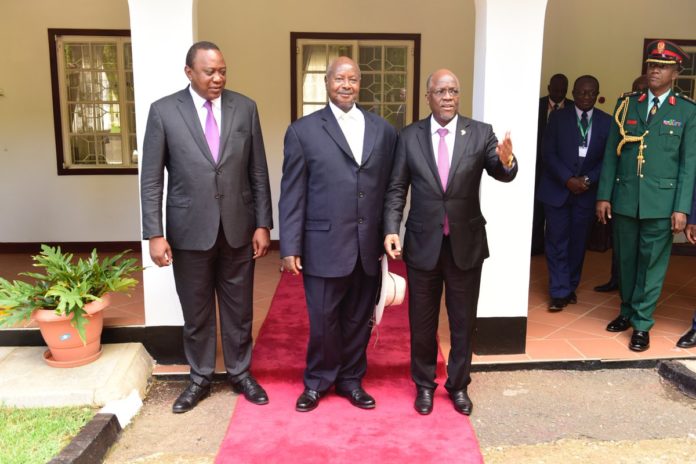
From left, Presidents Kenyatta, Museveni and Magufuli

The political differences between Burundi and Rwanda have started to derail the progress of the East African Community (EAC) whose leaders have a plan for political federation, the final stage of the integration of the six countries that the form one of Africa’s regional economic blocs.

On Friday nationals of Kenya, Uganda and Tanzania were shocked as their leaders-President Uhuru, Yoweri Museveni and Dr.John Magufuli came out of the summit hall in Arusha to announce that the 20th Ordinary Meeting of the Summit of the East African Community Heads of State has been postponed to a later date.The Summit would not take place due to a lack of quorum caused by the absence of Burundi.

“According to Rule 11 of the Rules of Procedure of the Summit of the EAC Heads of State, quorum is made of all Partner States representation which is in consonance with decision making by consensus under Article 12 of the Treaty,” said Kirunda Kivejinja, who is the Chairman of EAC Council of Ministers and Uganda’s 2nd Deputy Prime Minister and Minister of EAC Affairs.

President Paul Kagame of Rwanda and his Burundian counterpart Pierre Nkurunziza did not travel for the Summit in Arusha even though the former sent in a representative in the names of former EAC Secretary General Amb. Richard Sezibera who also is Rwanda’s Minister of Foreign Affairs. The failed Summit meeting was preceded by the 38th Meeting of the Council of Ministers which was also was not attended by the Republic of Burundi. South Sudanese president Salvar Kiir travel for the Summit but sent in a representative.

Among the items which were on the Provisional Agenda of the 20th Summit of the EAC Heads of State were: the status of ratification of various protocols; the status of resolution of long outstanding non-tariff barriers, and; the progress report on the adoption of Political Confederation as a Transitional Model to the East African Political Federation.

Other items on the Agenda were: the roadmap for the accelerated integration of the Republic of South Sudan into the EAC, and; the verification exercise for the admission of the Republic of Somalia into the Community.

The Summit was also to consider reports on modalities for the promotion of Motor Vehicle Assembly in East Africa aimed at reducing importation of used vehicles into the Community, and; the review of the textile and leather sector with a view to developing a strong and competitive domestic sector that gives consumers better choice than imported textile and footwear.

The Summit was also to review a progress report by the Council of Ministers on the Summit Directive on having two (2) Deputy Secretaries General at the Community recruited competitively on a rotational basis among the Partner States.

The Summit had been expected to assent to various Bills passed by the East Legislative Assembly, namely: the EAC Polythen Materials Control Bill, 2016; the Administration of the East African Court of Justice Bill, 2018; the EAC Monetary Institute Bill, 2018, and; the EAC Customs Management (Amendment) Bill, 2018.

All the above important issues could not be acted on just because Burundi absconded. It appears time to reconsider the EAC treaty has come.

Burundi and Rwanda are not the original members of the EAC. They were admitted upon request from the two governments respectively, having taken note of the benefits of the bloc. Same to South Sudan which was the latest to enter the bloc.

Political analysts say the original EAC countries of Kenya, Tanzania and Uganda must maintain the speed of the integration progress. They argue that the three shouldn’t be pushed back by the bickering between neighbours Rwanda and Burundi who only joined in 2007. The EAC was originally formed in 1967.

The action of Burundi, analysts say must be dealt with, by imposing punitive measures or worse still Burundi which has disrespected the EAC activities that ran almost for the whole of last week must be suspended for a while and the rest of the leaders push with programmes that benefit citizens. “We cannot wait for Burundi which has a population of 10.86 million people as of 2017, compared to bloc’s estimates of 150 million people with GDP of US$75.5 billion. Burundi has a GDP of US$3.478 billion as of 2017. That means Burundi benefits more from the bloc than what the rest of members get from Burundi,” an analyst said.

Another analyst is of the view that Burundi wants the rest of EAC Partner States to reign on Rwanda which Burundian state considers as a security threat but Rwanda has always denied the allegations. Internally, the two countries are victims of tribal tensions mainly because they comprise of two major tribes-the Hutu and Tutsi. Accusations are that the Kigali regime is not in favour of Nkurusinza being President of Burundi. Burundi accuses Rwanda of ‘recruiting’ Burundian refugees into the military as well as supporting rebels, an accusation that Rwanda denies.

After an attack on June 19 in Nyabimata Sector in Rwanda’s Southern Province, Rwanda alleged that the attack was carried out by Burundian security agencies and proxies. Rwanda says Burundi’s actions which include a blockage of the movement of goods and passenger vehicles across the border which is a violation of the EAC Common Market Protocol.

Burundi wants EAC, the African Union and the United Nations to help solve the impasse yet Rwanda says it is not ready for any dialogue based on mere allegations by Burundi.

But that aside, the latest report indicates that Burundi is the biggest defaulter in terms of budget contributions to the EAC. Burundi and South Sudan owe the EAC more than US$12 million. This also illustrates Burundi is not so much into the EAC issues. This and other reasons should force the remaining partner states to move on without Burundi, after all the country has plans to join SADC.

Stories Continues after ad

Fast track formation of palliative care policy- UGANET tells gov’t

AIDS SCOURGE: Some of the Aids drugs currently in use

Uganda Network on Law, Ethics and HIV/AIDS (UGANET) has called on government to fast track the formation of palliative care policy to ensure that care services are available at all health facilities as provided in human rights based approach.

Palliative care is an approach aimed at improving the quality of life of patients and their families facing problems associated with life threatening illnesses like HIV/AIDS, congestive heart failure, cerebrovascular disease, neurodegenerative disorders, chronic respiratory diseases, drug-resistant tuberculosis, and diseases of older people.

And, this is done through prevention and relief of suffering by means of early identification and impeccable assessment and treatment of pain and other problems such as physical, psychosocial and spiritual.
Currently Ministry of Health has included palliative care to its health policies and guidelines and sectors strategic plans, health sector development plan, the HIV/Aids strategic plan and the health sector HIV comprehensive communication strategy with the aim of facilitating the provision of palliative care services within the national health system.

However, according to an assessment conducted by UGANET, there are few palliative health care service providers and a case with Jinja, the only qualified nurse a facility’s name withheld, retired therefore services are not availed to patients.

According to Executive director of UGANET, Dora Musinguzi, human rights and the law should be integrated in the national palliative care need to be scaled up so that these are implemented to promote and protect the rights of palliative care patients.

“Government should review documents and policies that restrict prescription of morphine to nurses who have trained in palliative care and doctors. To avoid patients continue to suffer in pain awaiting a doctor and a trained nurse to prescribe, all qualified medical workers should be allowed to prescribe,” she said.

“It is every one’s right to be free from pain hence need for government ownership and scaling of palliative care services across different regions throughout the country. Civil society organisations (CSOs) and other partners should conduct more sensitizations and awareness campaigns for the discipline and train more personnel in palliative care emphasizing human rights approach,” She noted.

She called on government’s intervention through recruitment of more palliative care medical and non-medical workers to lower the doctor to patient ratio that stands at 1 to 20, constructing and equipping more health facilities.

Currently, government is preparing universal health bill that is yet to be tabled before parliament for legislation. As of now, they are at stage of acquiring a certificate of financial implications form the ministry of finance for a go ahead.

Stories Continues after ad

Former US President George HW Bush dead at age 94

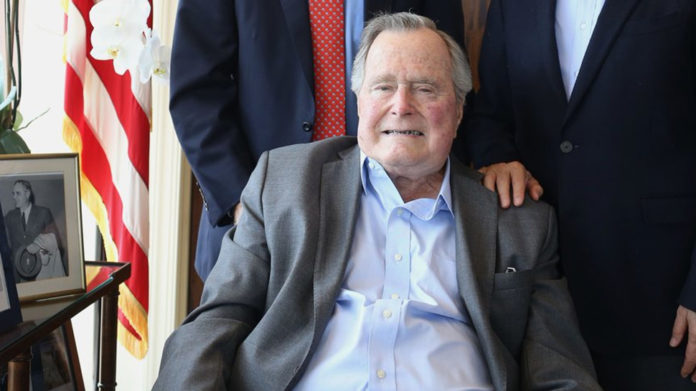
George Herbert Walker Bush has died aged 94

George Herbert Walker Bush, the World War II veteran who was elected the 41st President of the United States and fathered the nation’s 43rd, died late Friday at the age of 94, his family announced in a statement.

Bush advocated a “kinder, gentler” conservatism, pursued policies that helped topple the Soviet empire and initiated military campaigns that ousted one foreign dictator and crippled another. He lived longer than any other U.S. president, and presided over the demise of the Cold War, punctuated by the fall of the Berlin Wall.

The former president was hailed by the 44th U.S. president, Barack Obama, who in a statement called Bush “a patriot and humble servant…While our hearts are heavy today, they are also filled with gratitude.”

Bush’s life was “a testament to the notion that public service is a noble, joyous calling,” the statement read.

Wife Barbara died April 17 at age 92. Their 73-year marriage was longer than that of any presidential couple in U.S. history. Their children included former President George W. Bush and former Florida Gov. Jeb Bush.

“George H.W. Bush lived a life that was purposeful, and extraordinarily rewarding — for our nation, and for our world,” said Tricia Nixon Cox and Julie Nixon Eisenhower, the daughters of former president Richard Nixon, in a statement.

“While people everywhere salute and thank George H.W. Bush today, we take special solace in knowing the President and Mrs. Bush are together again,” the Nixon siblings added.

Bush’s cause of death was not immediately announced. However, at various times during the last several yeas, the former president fell ill and was hospitalized. A day after Mrs. Bush’s funeral on April 21, the senior Bush was admitted to Houston Methodist Hospital for a blood infection.

He had been taken there in April 2017 and in January 2017 for treatment related to pneumonia, family spokesman Jim McGrath said. During the January hospitalization, Barbara Bush was also treated there after experiencing fatigue and coughing. Their hospitalization came days after they had celebrated their 72nd wedding anniversary on Jan. 6, 2017.

The couple lived in Houston. During Hurricane Havey, which devastated the city in August 2017, Bush and his wife were in their second home in Kennebunkport, Maine. He praised the efforts of first responders and used Twitter to encourage people to donate to One America Appeal, a private relief fund coordinated by the five former U.S. presidents.

The son of a U.S. senator, the elder Bush had big shoes to fill when he succeeded Ronald Reagan, a larger-than-life figure who was once his rival. He was denied a 2nd term by Arkansas Democrat Bill Clinton, only to forge an unlikely relationship with the same man who ended his political career.

Capping a long political career, Bush was elected to the White House in 1988 on a ticket with Sen. Dan Quayle, defeating Democrat Michael Dukakis and running mate Sen. Lloyd Bentsen in a landslide.

‘Kinder, gentler,’ but ‘no new taxes’

Months before the victory, Bush delivered what became known as his “thousand points of light” acceptance speech at the GOP National Convention at New Orleans’ Superdome.

While promising to fight for prayer in public schools and gun rights and against abortion, Bush tried to put a softer face on conservatism, striving to make America a “kinder, gentler” nation.

“Prosperity as a purpose means taking your idealism and making it concrete by certain acts of goodness,” he said. “It means helping a child from an unhappy home learn to read. … It means teaching troubled children through your presence that there is such a thing as reliable love.”

The speech wasn’t all “Kumbaya.” He promised a hard line against Democrats.

“The Congress will push me to raise taxes, and I’ll say no, and they’ll push, and I’ll say no, and they’ll push again. And I’ll say to them: ‘Read my lips, no new taxes.'”

It was a vow that came back to haunt him.

During the budget battle with majority Democrats in 1990, he accepted a compromise that resulted in the hike of several existing taxes. Although no new taxes were created, the decision proved costly. Bill Clinton seized upon the perceived flip-flop, helping him oust Bush after a single term despite the Republican’s major successes in foreign policy.

From to Manuel Noriega to Saddam Hussein

Five months after Bush’s inauguration, he was confronted with China’s suppression of the pro-democracy movement — its bloody crackdown on demonstrators in Beijing’s Tiananmen Square. Although hundreds of demonstrators were killed, Bush responded with only limited sanctions.

In another five months, the Berlin Wall collapsed, on Nov. 9, 1989 — 28 years after it was erected. Bush greeted the historic event with a reactive response rather than with great enthusiasm.

“Of course, I welcome the decision by the East German leadership to open the borders,” he told reporters in the Oval Office. “It clearly is a good development in terms of human rights. … I’m very pleased with this development.” Pressed about his low-key reaction, he replied: “I’m elated, I’m just not an emotional kind of guy.”

“In retrospect, many people recognized that by refusing to gloat or declare victory over the Soviet Union, Bush probably helped avoid a backlash by hardliners in Eastern Europe,” Stephen Knott, professor of national security affairs at the U.S. Naval War College, wrote in an essay. “He also did not want to endanger future negotiations with the Soviet Union.”

Indeed, two years later, the U.S.S.R. formally dissolved with the Dec. 25, 1991, resignation of Soviet President Mikhail Gorbachev, Bush’s negotiating partner.

In a Christmas speech to the American people, Bush praised Gorbachev’s “revolutionary” policies that “permitted the peoples of Russia and the other republics to cast aside decades of oppression and establish the foundations of freedom.”

“I’d like to express, on behalf of the American people, my gratitude to Mikhail Gorbachev for years of sustained commitment to world peace, and for his intellect, vision and courage,” Bush said.

Closer to home, only a month after the fall of the Berlin Wall — matters reached a boiling point in Panama. After months of economic sanctions with Gen. Manuel Noriega over allegations that the Panamanian leader had engaged in drug trafficking and had rigged elections in the Central American country — Bush dispatched troops on Dec. 20, 1989, starting what was called “Operation Just Cause.” The operation involved more than 24,000 troops in what was at that time the largest deployment of U.S. forces since the Vietnam War.

On the fifth day of the invasion, Noriega fled to the papal embassy on Christmas Eve. The building was surrounded by U.S. troops, who resorted to psychological warfare by blasting rock music. Noriega finally surrendered on Jan. 3. He was subsequently brought back to the United States and convicted of drug and racketeering charges. He served 17 years behind bars and died at age 83 in Panama City in May 2017.

Less than a year after the Panama invasion, another foreign crisis absorbed Bush. On Aug. 2, 1990, Iraqi dictator Saddam Hussein invaded oil-rich neighbor Kuwait. Bush responded by assembling an international coalition of nearly three dozen nations.

Under the leadership of Gen. Norman Schwarzkopf, a five-month air bombardment dubbed Operation Desert Shield and the subsequent 100-hour Operation Desert Storm land battle pushed Iraqi troops out of Kuwait. But it stopped short of ousting the Iraqi strongman, setting up the second Gulf War that was initiated in 2003 by Bush 43 and resulted in Saddam’s hanging.

The Clinton challenge

In the 1992 election, the elder Bush attempted to capitalize on his overseas successes. In the final days of the campaign, he unleashed this salvo against Clinton and running mate Al Gore: “My dog Millie knows more about foreign affairs than these two bozos.”

“My dog Millie knows more about foreign affairs than these two bozos.”-President George H.W. Bush, referring to Bill Clinton and Al Gore

The electorate didn’t buy it. By a margin of 43 percent to 37 percent, the Democratic former governor of Arkansas — with little experience in foreign affairs — ended the presidency of the man who prevailed over Noriega, Saddam and the Soviet empire. Third-party candidate Ross Perot swung the election with 19 percent of the vote.

Despite his disappointment, Bush was ever gracious in defeat. In a handwritten note to Clinton dated Jan. 20, 1993, Bush wrote: “I’m not a very good one to give advice; but just don’t let the critics discourage you or push you off course. … Your success is now our country’s success. I am rooting for you.”

The note received wide attention during and after the final presidential debate between Hillary Clinton and Donald Trump, who refused to say he would accept the results of the 2016 election if Clinton won.

The son of a senator

George Herbert Walker Bush was born June 12, 1924, in Milton, Massachusetts. His father, Prescott Bush, was elected to the Senate from Connecticut in 1952.

Six months after the Japanese attack on Pearl Harbor, George enlisted in the armed forces on his 18th birthday and became the youngest pilot in the Navy. He was awarded the Distinguished Flying Cross for bravery in action after being shot down over the Pacific and rescued by a U.S. submarine.

Weeks after his return from the Pacific, he married Barbara Pierce in January 1945. After being discharged from the military, he enrolled in Yale and later moved to Texas to go into the oil business.

He became involved in politics, and in 1966 was elected to Congress. He later became ambassador to the U.N., chairman of the Republican Party during the Watergate scandal, chief of the U.S. liaison office in Beijing before full diplomatic relations were restored, director of the CIA, and then vice president under Reagan.

To celebrate his 75th, 80th, 85th and 90th birthdays, Bush parachuted from a plane. Before his last jump, for his 90th birthday, he tweeted: “It’s a wonderful day in Maine — in fact, nice enough for a parachute jump.”

He maintained that sense of humor in other tweets. He posted this on July 30, 2015, while recovering from a broken neck.

A day after Jeb announced his bid for the 2016 GOP presidential nomination, George H.W. beamed with pride on the twittersphere, even though matriarch Barbara Bush had initially said: “We’ve had enough Bushes.”

H.W. maintained a public silence about son George W.’s presidency until the publication of the biography “Destiny and Power: The American Odyssey of George Herbert Walker Bush” in November 2015. In the book by Jon Meachum, the elder Bush used the term “iron a–” to refer to two leading hawks in his son’s administration, Vice President Dick Cheney and Defense Secretary Donald Rumsfeld.

Still, the elder Bush said, “The buck stops there,” referring to Bush 43.

Sorry, Donald

Days before his January 2017 hospitalization, the senior Bush had sent a letter to President-elect Trump expressing regrets that he could not attend the Jan. 20, 2017, inauguration. With his flair for humor, Bush wrote: “My doctor says if I sit outside in January, it likely will put me six feet under.”

“I want you to know that I wish you the very best as you begin this incredible journey of leading our great country,” he added. “If I can ever be of help, please let me know.”

Trump, however, didn’t get any help from the elder Bush to reach the White House. The former president confirmed to author Mark K. Updegrove that he voted for Hillary Clinton in the Democrat’s failed run against Trump. The former president said in Updegrove’s 2017 book “The Last Republicans” that he considered Trump a “blowhard.”

Bush, who watched Trump’s inauguration from the hospital with his wife, son Neil and daughter-in-law Maria, was released from the hospital on Jan. 30, a week after his wife. Days later, he was well enough to toss the coin from his wheelchair at Super Bowl LI in Houston.

In addition to sons George W., Jeb and Neil, survivors include son Marvin and daughter Dorothy Bush Koch.

Stories Continues after ad

20th Ordinary Meeting of the EAC Heads of State postponed to a later date

From left, Presidents Kenyatta, Museveni and Magufuli

The 20th Ordinary Meeting of the Summit of the East African Community Heads of State that was slated for November 30, 2018 at the Arusha International Conference Centre (AICC) in Arusha, Tanzania has been postponed to a later date.

Making the announcement at the AICC’s Simba Hall, the Chairperson of the EAC Council, Kirunda Kivejinja, said that the Summit would not take place due to a lack of quorum caused by the absence of Burundi.

“According to Rule 11 of the Rules of Procedure of the Summit of the EAC Heads of State, quorum is made of all Partner States representation which is in consonance with decision making by consensus under Article 12 of the Treaty,” Kivejinja, who is also Uganda’s 2nd Deputy Prime Minister and Minister of EAC Affairs.

The decision to postpone the 20th Ordinary Summit was taken by President Yoweri Museveni of Uganda; President Uhuru Kenyatta of Kenya; President Dr. John Pombe Joseph Magufuli of Tanzania; Paul Moyom Akec, Minister of Trade, Industry and EAC Affairs representing South Sudanese President Salva Kiir Mayardit, and; Dr. Richard Sezibera, Minister of Foreign Affairs and International Cooperation, representing Rwandan President Paul Kagame, all of whom were present at the meeting venue in Arusha.

“The Heads of State regret the inconveniences caused to the distingushed delegates and guests,” said Kivejinja.

The Summit meeting was preceded by the 38th Meeting of the Council of Ministers which was also not attended by the Republic of Burundi.

Among the items which were on the Provisional Agenda of the 20th Summit of the EAC Heads of State were: the status of ratification of various protocols; the status of resolution of long outstanding non-tariff barriers, and; the progress report on the adoption of Political Confederation as a Transitional Model to the East African Political Federation.

Other items on the Agenda were: the roadmap for the accelerated integration of the Republic of South Sudan into the EAC, and; the verification exercise for the admission of the Republic of Somalia into the Community.

The Summit was also to consider reports on modalities for the promotion of Motor Vehicle Assembly in East Africa aimed at reducing importation of used vehicles into the Community, and; the review of the textile and leather sector with a view to developing a strong and competitive domestic sector that gives consumers better choice than imported textile and footwear.

The Summit was also to review a progress report by the Council of Ministers on the Summit Directive on having two (2) Deputy Secretaries General at the Community recruited competitively on a rotational basis among the Partner States.

The Summit had been expected to assent to various Bills passed by the East Legislative Assembly, namely: the EAC Polythen Materials Control Bill, 2016; the Administration of the East African Court of Justice Bill, 2018; the EAC Monetary Institute Bill, 2018, and; the EAC Customs Management (Amendment) Bill, 2018.

Stories Continues after ad
African Union strengthens its sanction regime for non-payment of dues

African Union logo

The African Union has strengthened its sanctions regime to ensure its 55 member states meet their financial obligations to the Union in time. In the just concluded Extraordinary summit on institutional reforms in Addis Ababa, Ethiopia, the Assembly of Heads of State and Government adopted stringent measures for member states who do not meet their financial obligations in time.

The new sanctions regime stipulates the short and long term measures member states will face for defaulting to pay partly or in full, their assessed contributions, within a period of six months to two years. The categories of the sanctions are; cautionary, intermediate and comprehensive.

The Deputy Chairperson of the African Union Commission Amb. Kwesi Quartey lauded the Assembly decision noting it is in line with the ongoing implementation of the decision on financing of the Union that seeks to realize a predictable, reliable and sustainable financing mechanism of the Union’s agenda.

“As we speak now in the month of November, member states have only paid 50% of the assessed contributions for the year 2018. We therefore find ourselves in a precarious position where our planning, implementation and execution of programmes and activities is greatly hampered. The sanctions regime will therefore go a long way in addressing the weaknesses in the compliance arrangements.” Kwesi stated.

Cautionary sanctions will be applied to member states who do not pay 50% of their assessed contributions within six months. Such states will be deprived their right to take the floor or make any contributions in the meetings of the African Union.

Intermediate sanctions shall apply to members who are in arrears for one year. In this instance, the member states shall be suspended from being a member of a Bureau of any organ of the Union; host any organ, institution or office of the Union; lose the right to have their nationals participate in electoral observations missions, human rights observation missions and will not be invited to meetings organized by the Union and further, such states will not have their nationals appointed as staff members, consultants, volunteers or interns at the African Union.

Under the comprehensive sanctions which kick in after a member state defaults its payments for two years, such states are liable to the cautionary and intermediary sanctions and their right to participate in the meetings of the Union will be suspended. Exceptions will be granted to members who demonstrate conditions beyond their control to meet their financial obligations.

Kwesi highlighted some of the challenges the Union faces in its financing agenda such as the unpredictability and excessive volatility of its revenues; over-dependence on outside partners and the growing dependence on a few countries internally to finance a large bulk of the Union’s budget.

He however noted that with the implementation of the decision to impose a 0.2% percent levy on eligible imported goods, member states would ease the pressure on their national treasuries and be in a position to meet their financial obligations to the AU timely. “This is not a dream, it is doable. We have 11 of our states that have paid their dues partially or fully from this 0.2 percent levy.

There is flexibility in the implementation of this decision and the enticing fact is that excesses realized in the collection of levy after meeting the AU assessed contributions, are retained by the state” he added, concluding that “this approach to have a levy is not something new or technically complicated, it has been used for the longest time in ECOWAS and ECCAS and has proven to be very effective.”

Nearly half of the AU states at 24 countries are at various stages of implementing the Kigali decision on financing of the Union to finance in full, the operational costs of the Union, 75 per cent of AU programmes and 25 per cent of peace support operations gradually by 2021.

Stories Continues after ad

Reflection: The sinking of MV Templar in Lake Victoria and why slay queens kings lost lives

Reflection: The sinking of MV Templar in Lake Victoria and why slay queens kings share the blame for loss of lives

It’s now a week when a boat carrying over 120 revelers; including its captain and owner, capsized in Lake Victoria leaving over 30 dead. The ill-fated MV Templar that belonged to a one Bisasse Templar, also a victim of the accident, submerged in water after it developed mechanical setbacks, according to suvivors’ narrations. speculations have been raised about the accident and how fatalities could have been reduced.

The tragic accident happened Saturday evening left the nation in grief and shock as images of lifeless bodies lying ashore kept popping up on various social media platforms, prompting government to dispatch police and military emergency teams to save any survivors on that Saturday evening.

The dead, mostly young women and men; barely in the prime of their lives served as a stark reminder of how fragile human life can be and how man could be no more in just a second irrespective of age, size or class. This also caused many to question the safety measures that regulate boats on Uganda’s water bodies. Government has promised to usher in stringent measures to avoid future accidents.

The analysis of the fate of MV Templar on that weekend has apportioned blame to government, the deceased owner, the captain and discovered that everyone had a part to play in the party goers who seemed uncontrollable while on the boat that provided loud music and alcoholic drinks as shown by video clips on social media and narrated by survivors.

From the footage provided by a number of survivors many individuals, mostly women aboard the boat were not properly geared up for a trip that the survivors the accident will live to remember. The video footages show only a handful of the passengers had bothered to wear life jackets. They were vulnerable to the lake and all its dangers but many were more concerned with the drinking and dancing or “slaying” in today’s common fashion and entertainment language.

The term ‘slay’ was first coined in 2016 by Beyonce Knowles, an American mega star when she released her lemonade album. Although highly insensitive under such circumstances, the term ‘slay’ does not carry its conventional meaning but rather refers to an individual ‘who wishes to choke everyone else with how beautiful and cool they are’ according to the urban dictionary. It is also important to note that ‘slaying’ and social media work hand in hand, hence the numerous videos that were taken aboard the boat just before it capsized. Some victims had sent them to their relatives.

Young, beautiful and dressed to the nines it was clear none of the slayers wished to cover up their stylishly adorned ensembles with some of them wearing the life-jackets haphazardly. The videos taken on the boat prior to the accident showed a reckless and indifferent attitude amongst the partiers who showed little or no concern for their own lives; as they disregarded all safety measures, focusing more on the drink and dance and oblivious of the impending doom on the lake.

“People were crying for Iryn Namubiru in my presence, because no one could recognize me. My wig, shoes, make-up had all gone.” said Iryn Namubirru, a local artiste who survived the accident, courtesy of a university student Brian Masole. A veteran slay queen herself, Namubiru has been a major reference for the ongoing investigations and inquires in the sinking of the party boat. Her details have shed a lot of light on what caused the incident and how it could have been avoided.

One can safely say Ugandans in general have a laxity towards any type or form of safety measures usually imposed upon them; be it a safety seat belt or helmet. A problem created or influenced by the social media and technological era. Nowadays people are more concerned with their appearance than they do their own life. A fitting scenario would be the adrenaline junkies that scale some of the highest buildings in the world only to take a picture, or a tourist who gets dangerously close to wild animals for selfie, the list is endless when it comes to the antics of those desperate for a few likes from friends, relatives and strangers.

Back to the accident, one can say that fashion won over safety; the need to look good rather than feel safe. By refusing or daring to go on board without life jackets some of these revelers unknowingly signed their death certificates. Preferring to remain fashionable, some of the slay-queens and slay kings took the risk and paid dearly. Nearby fishermen couldn’t do much as the boat capsized. The darkness on the lake worsened the situation.

On several occasions Namubiru mentioned the warnings the operators gave to the revelers; asking them to move sides so as the boat could gain balance. A few did but majority, drunk as they were didn’t know the operators were trying to save their lives. Many were far to intoxicated with alcohol to comprehend the dangerous signs the boat was showing. And that was to do with drowning. On Friday Ugandans observed the National Day of Mourning to remember the victims who lost their lives on the lake last Saturday. May their souls rest in peace.

Stories Continues after ad

World AIDS Day 2018: Why the HIV epidemic is not over

Fear, stigma and ignorance. That is what defined the HIV epidemic that raged through the world in the 1980s, killing thousands of people who may only have had a few weeks or months from diagnosis to death – if they even managed to be diagnosed before they died.

“With no effective treatment available in the 1980s, there was little hope for those diagnosed with HIV, facing debilitating illness and certain death within years,” says Dr Gottfried Hirnschall, Director of the HIV department at WHO.

December 2018 marks the 30th anniversary of World AIDS Day – a day created to raise awareness about HIV and the resulting AIDS epidemics. Since the beginning of the epidemic, more than 70 million people have acquired the infection, and about 35 million people have died. Today, around 37 million worldwide live with HIV, of whom 22 million are on treatment.

When World AIDS Day was first established in 1988, the world looked very different to how it is today. Now, we have easily accessible testing, treatment, a range of prevention options, including pre-exposure prophylaxis of PrEP, and services that can reach vulnerable communities.

In the late 1980s, however, “the outlook for people with HIV was pretty grim,” says Dr Rachel Baggaley, coordinator of HIV testing and prevention at WHO. “Antiretrovirals weren’t yet available, so although we could offer treatment for opportunistic infections there was no treatment for their HIV. It was a very sad and difficult time.”

The first World AIDS Day

With increasing awareness that AIDS was emerging as a global public health threat, the first International AIDS Conference was held in Atlanta in 1985.

“In those early days, with no treatment on the horizon, extraordinary prevention, care and awareness-raising efforts were mobilized by communities around the world – research programmes were accelerated, condom access was expanded, harm reduction programmes were established and support services reached out to those who were sick,” says Dr Andrew Ball, senior adviser on HIV at WHO.

WHO established the Special Programme on AIDS in February 1987, which was to become the Global Programme on AIDS (GPA) under the leadership of the charismatic Dr Jonathan Mann with the aim of driving research and country responses. In 1988, two WHO communications officers, Thomas Netter and James Bunn, put forward the idea of holding an annual World AIDS Day, with the aim of increasing HIV awareness, mobilising communities and advocating for action worldwide. This December is the 30th anniversary of World AIDS Day, with the theme: “Know Your Status”.

It wasn’t until 1991 that the HIV movement was branded with the iconic red ribbon. At that time New York based artists from the Visual AIDS Artists’ Caucus created the symbol, choosing the colour for its “connection to blood and the idea of passion—not only anger, but love…” This was the very first disease-awareness ribbon, a concept that would later be adopted by many other health causes.

Scaling up treatment

The effort to develop effective treatment for HIV is remarkable in its speed and success. Clinical trials of antiretrovirals (ARVs) began in 1985 – the same year that the first HIV test was approved – and the first ARV was approved for use in 1987. However, a single drug was found to have only short-term benefits. By 1995, ARVs were being prescribed in various combinations. A breakthrough in the HIV response was announced to the world at the 11th International AIDS Conference in Vancouver when the success of as “highly active antiretroviral treatment” (HAART) – a combination of three ARVs reported to reduce AIDS-related deaths by between 60 per cent and 80 per cent.

Effective treatment had arrived, and within weeks of the announcement, thousands of people with HIV had started HAART. However, not everybody would benefit from this life-saving innovation. Because of the high cost of ARVs, most low- and middle-income countries could not afford to provide treatment through their public programmes. Such inequities generated outrage in communities and demands for affordable drugs and public treatment programmes. Generic manufacturing of ARVs would only start in 2001 providing bulk, low-cost access to ARVs for highly affected countries, particularly in sub-Saharan Africa, where by 2000, HIV had become the leading cause of death.

WHO announced the “3 by 5” initiative with the aim of providing HIV treatment to 3 million people in low- and middle-income countries by 2005. “The ‘3 by 5’ initiative was the most ambitious public health programme ever launched, which would increase 15-fold the number of people receiving life-saving treatment in some of the poorest countries of the world, in just three years”, says Dr Ball.

Despite continued, unprecedented expansion of access to HIV treatment in the early 2010s, there was growing concern that we weren’t moving fast enough, and that we weren’t getting ahead of the epidemic. In 2014, the “90-90-90” targets were launched to galvanise further action. By 2020, the targets were that: 90 per cent of all people living with HIV will know their HIV status; 90 per cent of all people diagnosed with HIV infection will receive sustained antiretroviral therapy; and 90 per cent of all people receiving antiretroviral therapy will achieve viral suppression.

WHO & HIV: 30-year timeline

As committed as the global health community was, the dedication of HIV activists and advocates in pushing for patient-driven care, improving access to new drugs, and expanding funding for both HIV care and research, has been unparalleled in almost any other disease field. The movement was characterised by public rallies, and innovative awareness raising campaigns, including art by significant artists such as Keith Haring (whose HIV awareness artwork is the cover image for this Spotlight).

As a result of these commitments from the global health community, the world has seen extraordinary successes in rolling out treatment and care. By 2017, over 75 per cent of people (28 million) estimated to be living with HIV were able to access testing.

“Life has really changed over the past 30 years. Testing is now available widely in most countries. Increasingly countries are also offering self-testing. Self-testing can be empowering – if people are positive for HIV, they can decide to get treatment as well as prevention. If they are negative, they can get support for prevention,” says Dr Baggaley.

Preventing infection

In 1984 a study showed that providing antiretrovirals to pregnant womeninfected by HIV and a short course of treatment for the baby once born reduced transmission rates to below 5 per cent, from 15-45 per cent without treatment. The availability and coverage of ARVs to prevent HIV transmission from mother to children has been remarkable, with an estimated 80 per cent of pregnant women with HIV able to access ARVs globally.

In 2015, WHO recommended the use of ARVs to prevent HIV acquisition – pre-exposure prophylaxis or PrEP – for people who do not have HIV but are at substantial risk. PrEP has contributed to reduce rates of new HIV infections among men who have sex with men, in some settings in high-income countries. However, PrEP is only starting to be available in low- and middle-income countries, where programmes are starting for men who have sex with men and transgender people in all regions, as well as sex workers, adolescent girls and young women in East and Southern Africa.

Ending AIDS by 2030

HIV is not an easy virus to defeat. Nearly a million people still die every year from the virus because they don’t know they have HIV and are not on treatment, or they start treatment late. This is despite WHO guidelines in 2015 recommending that all people living with HIV should receive antiretroviral treatment, regardless of their immune status and stage of infection, and as soon as possible after their diagnosis.

In 2017, 1.8 million people were newly infected with HIV. While the world has committed to ending AIDS by 2030, rates of new infections and deaths are not falling rapidly enough to meet that target.

One of the biggest challenges in the HIV response has remained unchanged for 30 years: HIV disproportionally affects people in vulnerable populations that are often highly marginalized and stigmatized. Thus, most new HIV infections and deaths are seen in places where certain higher-risk groups remain unaware, underserved or neglected. About 75 per cent of new HIV infections outside sub-Saharan Africa are in men who have sex with men, people who inject drugs, people in prisons, sex workers, or transgender people, or the sexual partners of these individuals. These are groups who are often discriminated against and excluded from health services.

HIV continues to disproportionately affect adolescents and young people in many countries. About a third of new HIV infections are in people aged 15-25 years. In almost all countries where HIV affects many groups, young women aged 15–24 years are three to five times more likely than their male counterparts to have HIV. In sub-Saharan Africa, 71 per cent of new infections are in adolescents. As the world’s population of adolescents grows, particularly in East and southern Africa, high incidence among young people will equate to rises in the absolute numbers of new infections. Efforts to address this problem must tackle structural issues, such as keeping girls in school, and prevention of gender-based violence alongside greater access to sexual and reproductive health services. Listening to the voices of young women and including them in programme design and implementation is essential is services are to be acceptable and effective.

Mercy Ngulube, a 20-year-old HIV activist from Wales, who was born with the infection, agrees that “when we look at our efforts in improving our fight against the epidemic in general – stigma is one huge factor that holds us back.”

Much has been made at HIV conferences and global discussions about the need for young people to be at the heart of efforts to end AIDS. Ngulube says that “whilst there are strides being made to put young people on the agenda – it’s not enough. Once we invest in our young people and continue to give them space and time, we can see them effectively lead the way – from the front”.

What needs to happen

The theme of this World AIDS Day – Know Your Status – is important. One in four people with HIV don’t know that they have HIV. To bridge some critical gaps in the availability of HIV tests, WHO recommends the use of self-tests for HIV. WHO first recommended HIV self-testing in 2016, and now more than 50 countries have developed policies on self-testing. WHO, working with international organizations such as Unitaid and others, supported the largest HIV self-testing programmes in six countries in southern Africa. This programme is reaching people who have not tested themselves before, and is linking them to either treatment or prevention services. This World AIDS Day, WHO and the International Labour Organization will also announce new guidance to support companies and organizations to offer HIV self-tests in workplace.

People with HIV often have other infections – known as co-morbidities – such as TB or hepatitis. One in three deaths in people with HIV is from TB. Around 5 million people are living with both HIV and viral hepatitis. One in three people with HIV has heart disease. This has meant that HIV care has long needed joined-up care, although this doesn’t always happen in practice. “WHO is now promoting ‘person-centred’ health services to all people living with HIV, to meet their holistic health needs, not just their HIV infection – linking HIV services with those for TB, sexual and reproductive health, non-communicable diseases and mental health,” says Dr Hirnschall.

How do we do this? Outside sub Saharan Africa, 75 per cent of new infections are among key populations and their partners. We need to act on these data and re-focus services to reach these populations at greatest risk. This will include addressing stigma and discrimination that continue to be barriers and providing services in and with communities. In 2016 the World Health Assembly adopted the WHO Global Health Sector Strategy on HIV, 2016-2021. The strategy provides new direction for the HIV response as it aims to fully integrate HIV into the broader health and development agenda of achieving universal health coverage by 2030 – where all people receive high-quality health services and medicines they need without experiencing financial hardship.

“The future of the HIV response will also require looking beyond HIV care provision and ensuring that the disease response is embedded in universal health coverage. Ending AIDS is unlikely to ever happen without Integrated health system that provide HIV prevention, diagnosis, and treatment as well as care with other essential health services. and support to other co-morbidities such as TB, NCDs and mental health at the community level. A people-centred, human rights based and holistic approach is crucial”, says Dr Naoko Yamamoto, Assistant Director-General for Universal Health Coverage and Health Systems, WHO.

“30 years after the first World AIDS Day campaign, we still cannot be complacent in our response to HIV,” says Dr Hirnschall.

Stories Continues after ad

Cameroon loses 2019 AFCON hosting rights

Afcon 2019 Cameroon

Cameroon have been stripped of the rights to host the 2019 Africa Cup of Nations on grounds of mainly insecurity according to various reports.

The huge call was taken on Friday during the body’s Executive Committee Extraordinary meeting in the Ghanaian capital Accra.

A report of inspection visits of the security committee to the country from 27th October to the 1st of November 2018, and from 11th to 15th November was reviewed by the executive committee.

Cameroon was awarded the rights in September 2014 under unclear circumstances under the then CAF boss Issa Hayatou, a native of the Central African nation.

According to reports from Accra, the country will not be ready in time to host the 32nd edition of the tournament with construction/renovation work on the six stadiums that were earmarked for the games running late.

CAF will launch a new application procedure to designate another host country. Morocco and South Africa are the two nations that could be considered.

This is the second time the initial host is stripped of the rights. The first was when Equatorial Guinea jumped in at the last moment to host 2015 AFCON after Morocco withdrew.

Thirteen countries have already confirmed their places at the tournament and they are; Cameroon, Senegal, Madagascar, Morocco, Mali, Algeria, Tunisia, Nigeria, Egypt, Uganda, Mauritania, Guinea and Ivory Coast.

The other 11 places will be decided during the final qualifiers in March 2019.

The 2019 AFCON tournament will be the first to host 24 teams. The competition will be held in June and July moving from January and February.

Stories Continues after ad

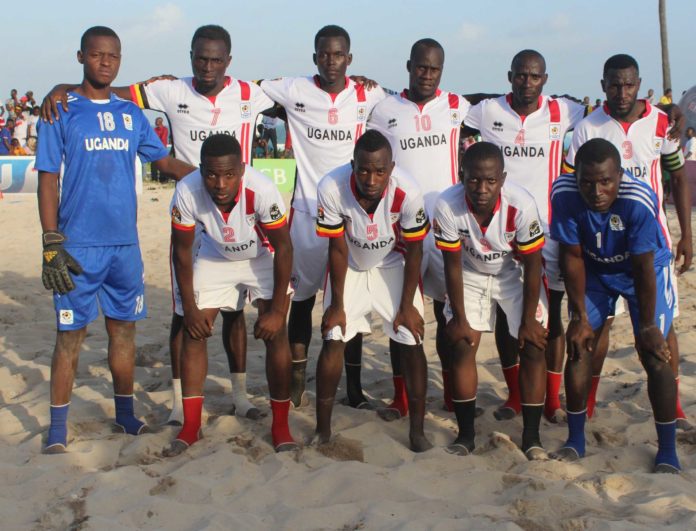
Uganda to host 2020 Afcon Beach Soccer tournament

Uganda sand cranes team

Confederation of African Football (CAF) has confirmed Uganda as the hosts of the AFCON 2020 Beach Soccer Championship.

The decision was taken during the CAF Executive Committee meeting in Accra, Ghana on Friday 30th November 2018 where the FUFA President Eng. Moses Magogo is attending as Executive Member but also heads the Futsal and Beach Soccer Committee.

‘Our efforts in developing the game in Uganda are reaping fruits. It has been a great journey for beach soccer in this country. We have led on all fronts in the region in developing the game. We thank CAF for giving us this opportunity. We shall not disappoint’ The FUFA 1st Vice President Justus Mugisha told the fufa website.

“Our efforts in developing the game in Uganda are reaping fruits. It has been a great journey for beach soccer in this country. We have led on all fronts in the region in developing the game. We thank CAF for giving us this opportunity. We shall not disappoint.” Mugisha added

Uganda Beach Soccer Association Chairman Deo Mutabazi told the fufa website, “It is a great opportunity for Uganda to be selected as the next hosts of the AFCON Beach Soccer Finals. We shall be looking forward to hosting a memorable tournament for all the teams that will come to our country”

It will be the 4th edition of the AFCON Beach Soccer finals. This year’s edition will be hosted by Egypt.

Uganda took part in the qualifiers but was narrowly ejected by Ivory Coast.

It means that Uganda National Beach soccer team, known as The Sand Cranes will qualify automatically as hosts.

Stories Continues after ad